Improving Health Care in Guinea-Bissau
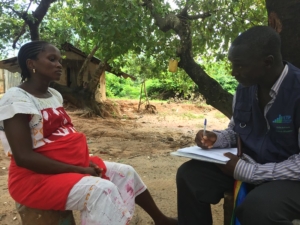
Like most countries across West Africa, Guinea-Bissau’s health care struggles have threatened the well-being of the country’s people. Several organizations are working to improve health care in Guinea-Bissau.
Health Care in Numbers
According to the World Bank, Guinea-Bissau spent 8.35% of its GDP on health care in 2019, an increase from 7% in 2017. The 2019 GDP expenditure rate was significantly higher than many other comparable African countries. For instance, the West African country of Nigeria spent only 3% of its GDP on health in 2019. World Bank data also shows that the country had 0.2 physicians per 1,000 people in 2020 and one hospital bed per 1,000 people in 2009. As a result of limited access to trained health care professionals and proper health care, life expectancy in Guinea-Bissau equaled 60.2 years compared to the global average of 73. However, life expectancy in Guinea-Bissau has improved by 9.93 years from an average of 50.3 years in 2000.
Water-Borne Illnesses in Guinea Bissau
Similar to many West African countries, the people of Guinea-Bissau suffer from inadequate access to clean water. According to UNICEF, 50% of hand pumps across the nation are dysfunctional. According to the Multiple Indicator Cluster Survey in Guinea-Bissau 2014, “75[%] of the country’s total population have access to improved drinking water source.” This forces a significant proportion of the population to use contaminated water for everyday uses such as drinking and cooking.
Guinea-Bissau has suffered frequent cholera outbreaks. As a result of the frequent consumption of contaminated water, cholera spreads quickly across areas with poorly maintained sewage and water systems. The cholera outbreak that occurred between 2005 and 2006 saw a total of 25,111 overall cases and 399 fatalities. Despite cholera being most prevalent in urban areas, particularly in the capital Bissau, most fatalities occur in rural areas. This is because of the lack of medical facilities located outside the cities. During the 2008 cholera outbreak, the World Health Organization reported that the “overall case-fatality rate stands at 1.9% and decreases below 1% for hospitalized cases” but “reaches 9% in remote areas.”
Maternal and Child Health in Guinea-Bissau
Guinea-Bissau struggles with providing adequate maternal and child health care. The World Bank says, in 2017, the maternal mortality rate stood at 667 maternal deaths per 100,000 births. However, this is an improvement from 1,210 in 2000. Maternal mortality in Guinea-Bissau is higher than its regional average — a consequence of underfunding and understaffing in the area of maternal health care in the country.
According to the Global Nutrition Report, “Guinea-Bissau has made some progress toward achieving the target for stunting, but 27.7% of children under 5 years of age are still affected, which is lower than the average for the Africa region (30.7%).”
Solutions
Although Guinea-Bissau’s health care struggles have eased, charitable organizations are attempting to make further improvements.
In 2019, focusing on improving children’s health care in Guinea Bissau, UNICEF supported deworming and vitamin A implementation into the care routines carried out by community health workers. UNICEF has also made strides in combating acute malnutrition by supporting screening and treatment processes aiding children suffering from severe cases of acute malnutrition. These treatment centers have been set up in 78 health care facilities nationwide.
Concerning water accessibility, in 2022, the United Nations Development Programme (UNDP) commissioned a new borehole in the southern province of Guinea-Bissau providing clean water for approximately 3,000 people in the region. Providing communities with safe drinking water helps limit the spread of waterborne diseases, such as cholera, which is prevalent in the country.
Looking Ahead
While Guinea-Bissau has significant health care challenges, with the help of charitable organizations addressing children’s health care needs and improving access to clean water, the intensity of Guinea-Bissau’s health care struggles can lessen.
– Freddie Trevanion
Photo: Flickr
