• Link to X
  • Link to Facebook
  • Link to Instagram
  • Link to TikTok
  • Link to Youtube
  • About
    • About Us
      • President
      • Board of Directors
      • Board of Advisors
      • Financials
      • Our Methodology
      • Success Tracker
      • Contact
  • Act Now
    • 30 Ways to Help
      • Email Congress
      • Call Congress
      • Volunteer
      • Courses & Certificates
      • Be a Donor
    • Internships
      • In-Office Internships
      • Remote Internships
    • Legislation
      • Politics 101
  • The Blog
  • The Podcast
  • Magazine
  • Donate
  • Click to open the search input field Click to open the search input field Search
  • Menu Menu

Archive for category: Malaria

Information and stories about malaria.

Global Poverty, Malaria, Technology

How an App to Treat Malaria is Working in Mozambique

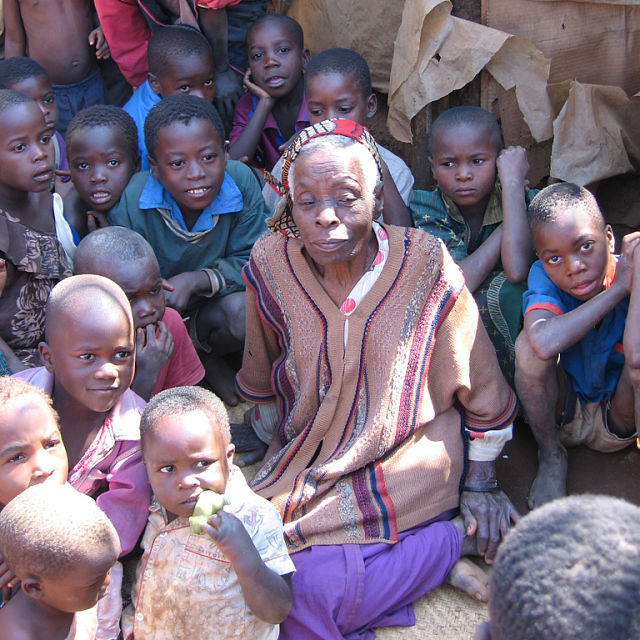
App to Treat MalariaFor the people of Mozambique, malaria is a familiar and deadly part of life. As one of the world’s leading victims of the disease, Mozambique sees thousands of its citizens die as a result every year. Global initiatives have fought hard to treat and prevent malaria, including awareness campaigns and insecticide-treated nets. Since 2015, though, Mozambique has used an innovative resource: a smartphone app to treat malaria.

Mozambicans in rural areas often receive their health care from government-funded community health workers. These community health workers (agentes polivalente elementare, or APEs) are trained to diagnose and treat Mozambique’s most ubiquitous diseases, including malaria. Seeing a need to improve treatment, APEs in Mozambique have been provided with the CommCare app, created by the Malaria Consortium’s inSCALE research project and funded by the Bill & Melinda Gates Foundation.

The CommCare app allows APEs to better treat their patients through a number of means. It teaches better consultation methods through images and audio. It also creates better communication between APEs and their supervisors and functions, so medical records can be uploaded anywhere. App users in Mozambique have reported that it provides for clearer and more accurate treatment. New methods for recognizing and treating malaria are more easily transmitted to remote areas. The app to treat malaria has given community health workers better tools, communication and resources to assist in their vital work.

The entire population of Mozambique is at risk for malaria infection, typically spread by insects. The disease presents itself through flu-like symptoms and can be fatal if left untreated. Prior to 2010, there are no official figures for the number of deaths due to malaria. Since 2010, deaths to malaria have decreased and, in 2015, dipped to an all-time low.

On a morose but encouraging note, malarial confirmations have risen concurrently with the decreasing deaths. This suggests that malaria is being recognized, diagnosed and treated in Mozambique.  

Malaria is a relatively easy disease to treat. With early diagnosis, antimalarial medications can clear out the parasite and cure the patient. African countries are prone to malaria because of several factors: mosquitoes are rampant, medical clinics are scarce and preventative measures are often difficult to come by.

Because early diagnosis is so vital to a malaria victim’s odds of survival, Mozambique has taken steps to bridge the gap between rural areas and medical treatment. Aside from preventative measures, Mozambicans in remote areas rely on APEs to treat the country’s deadliest afflictions. The CommCare app gives APEs the resources to more accurately diagnose malaria and treat it appropriately.

Mozambique is seeing a positive trend in recent years. There are more diagnoses and fewer deaths. Eradication of the disease is still far off; however, using technology such as the CommCare app to treat malaria is guiding Mozambique in a positive direction. Countries around the world would be served well by adopting the same approach to the fight against malaria.

– Eric Paulsen

Photo: Flickr
November 14, 2017
https://borgenproject.org/wp-content/uploads/borgen-project-logo.svg 0 0 Borgen Project https://borgenproject.org/wp-content/uploads/borgen-project-logo.svg Borgen Project2017-11-14 01:30:392024-05-27 09:34:08How an App to Treat Malaria is Working in Mozambique
Global Poverty, Health, Malaria

Life Expectancy On the Rise in Africa

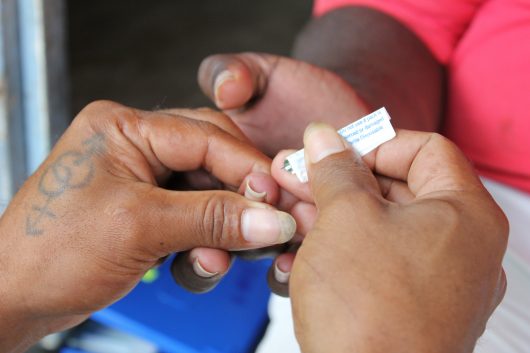
Life Expectancy in AfricaLife expectancy is one of the methods used to measure health in various countries. Countries with low life expectancies usually have problems maintaining health and longevity, while countries with higher life expectancies generally have better healthcare and longevity. Africa is a continent that has long had a very low life expectancy; however, in recent years the life expectancy in Africa has fortunately been on the rise.
Since 2000, the average life expectancy in African countries has increased from 20 percent to 42 percent. That is the biggest increase in life expectancy recorded in that time frame in all regions around the world. One of the biggest life expectancy increases has occurred in Malawi. Malawi’s life expectancy in 2000 was 44.1 years. In 2014, it was reported that the new life expectancy in Malawi was 62.7 years – a 42.2 percent increase.

Health and welfare improvements are one of the main reasons why life expectancy in Africa has been on the rise. One of the biggest health issues that Africa has been plagued with is the HIV/AIDS epidemic. HIV/AIDS has tragically claimed many lives in Africa, which is a large reason why life expectancy was so low. Treating these diseases was difficult at the height of the epidemic, so many Africans unfortunately died. Because HIV/AIDS has been such a huge issue, there has been a lot of research done to help alleviate the problem. Improvements in medication and treatment have helped Africans and others around the world combat the AIDS epidemic. Not only is there now medicine available to help suppress the disease, but this medicine has become much more affordable for all people, including those in developing countries.

Although an epidemic, HIV/AIDS was not the only problem that African countries suffered from. Malaria was also an issue that affected life expectancy in Africa. However, strides have since been made to alleviate that issue as well. The World Health Organization (WHO) in Africa has reported that the rate of malaria has decreased by 66 percent since the year 2000. More importantly, malaria in African children under the age of five has decreased by 71 percent. This is important because more children are surviving in Africa. Prior to these improvements, HIV/AIDS and malaria have claimed many lives of children under the age of five. Since healthcare – and access to it – has increased in Africa, more children are surviving past age five. Once these kids clear the first five years of their lives, it is much more likely that they will grow up to reach the age of 60.

Life expectancy in Africa has increased and things are only looking to get better. Not only has the life expectancy dramatically increased, it is beginning to look like malaria may be eliminated by 2020 and HIV/AIDS by 2030. This will surely serve to further increase the life expectancy of African countries, as well as elsewhere around the world.

– Daniel Borjas

Photo: Flickr

November 10, 2017
https://borgenproject.org/wp-content/uploads/borgen-project-logo.svg 0 0 Kim Thelwell https://borgenproject.org/wp-content/uploads/borgen-project-logo.svg Kim Thelwell2017-11-10 01:30:252024-05-29 22:29:12Life Expectancy On the Rise in Africa
Developing Countries, Global Poverty, Malaria

PMI Expansion Malaria Treatment for 90 Million More People

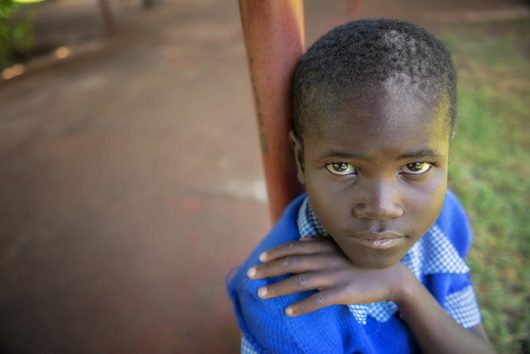
PMI ExpansionIn late September, the U.S. Agency for International Development (USAID) announced that they would be leading an enterprise to expand the President’s Malaria Initiative (PMI). The PMI expansion is expected to bring life-saving malaria prevention and treatment to four additional countries: Cameroon, Cote D’Ivoire, Niger and Sierra Leone. With these additions, PMI will have programs operating in 24 Sub-Saharan African countries where malaria poses a genuine public health threat.
Launched in 2005, PMI is an interagency initiative in collaboration with USAID and in conjunction with the U.S. Centers for Disease Control and Prevention. PMI was originally established with the goal of cutting mortality caused by malaria in half across 15 African countries. This came during a time when the U.S. decided to put malaria control at the forefront of its global aid agenda. It seeks to approach this goal by increasing concentration on four essential malaria treatment and prevention measures: insecticide-treated mosquito nets, indoor residual spraying, accurate diagnoses and preventative prenatal treatments. With its focused strategy, PMI has contributed to the aversion of 6.8 million malaria-related deaths between 2001 and 2015. In 2016 alone, PMI protected over 16 million people by spraying homes with insecticide and distributed 42 million bed nets.

In total, approximately 480 million people have benefited from the work being done by PMI. This latest PMI expansion will bring malaria treatment and prevention to an additional 90 million people. This is spectacular news given how life-threatening the disease still is, even after so much progress has been made. Today, malaria still takes the life of a child every 30 seconds, amounting to a staggering 3,000 children every single day. Though heartbreaking, this statistic should not come as a surprise, considering 40 percent of the world’s population lives in high-risk regions for malaria. With the continued effort aid agencies like PMI and USAID, that number is projected to decrease significantly. Hopefully, sometime in the coming years, the world will witness the complete eradication of malaria.

– Micaela Fischer

Photo: Flickr

October 31, 2017
https://borgenproject.org/wp-content/uploads/borgen-project-logo.svg 0 0 Borgen Project https://borgenproject.org/wp-content/uploads/borgen-project-logo.svg Borgen Project2017-10-31 07:30:492024-05-29 22:27:53PMI Expansion Malaria Treatment for 90 Million More People
Malaria, USAID

US President’s Malaria Initiative Adds Four New Countries

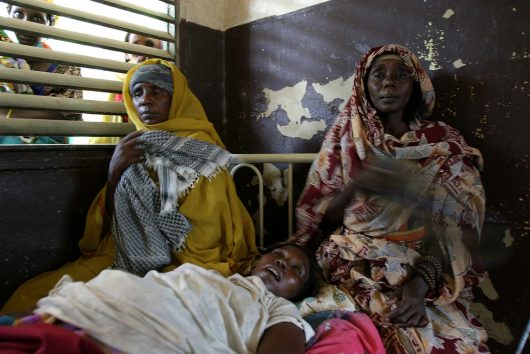
U.S. President's Malaria Initiative Expands to Include Four New CountriesOn September 21, the United States Agency for International Development (USAID) announced that its President’s Malaria Initiative would expand to include four new countries: Cameroon, Cote d’Ivoire, Niger and Sierra Leone.
The President’s Malaria Initiative, which was initially launched in 2005 by USAID, works diligently to decrease the incidence of malaria-related deaths and increase malaria prevention and treatment programs predominately in Sub-Saharan Africa. With the addition of the newly developed programs, the initiative currently works in 24 different countries in Sub-Saharan Africa.

According to USAID, the initiative’s expansion will help approximately 332 million people in order to fight the spread of malaria.

The Center for Disease Control reported in 2015 that the initiative works with other agencies such as the World Bank, UNICEF and non-governmental organizations in order to combat malaria more efficiently.

The initiative is dedicated to providing malaria prevention programs to those at the greatest risk for suffering from malaria-related deaths such as pregnant women and young children. Such interventions include “intermittent preventive treatment for pregnant women” and “indoor residual spraying with an approved insecticide.”

Also, the initiative works closely with the Sub-Saharan African countries in order to address other factors that increase one’s risk of contracting malaria. For instance, the initiative helps with reinforcing infrastructure in developing countries; political instability is oftentimes linked to negative health outcomes.

USAID reported in 2016 that more than six million lives have been saved through the initiative; however, the initiative still has a vast amount of work to do. Malaria spreads quickly in Sub-Saharan African countries, and there is a large number of susceptible pregnant women and children in such countries that need immediate care. The inclusion of four new countries is promising, but President Donald Trump’s fiscal year 2018 budget seems to tell a different story.

The Council on Foreign Relations stated in April 2017 that President Trump’s fiscal year 2018 budget “calls for deep cuts to foreign assistance programs,” which is immensely troublesome.

Programs like the President’s Malaria Initiative are able to thrive and help more people with necessary funds, so it is imperative that the United States government stays on track to further developing this initiative.

– Emily Santora

Photo: Flickr

October 22, 2017
https://borgenproject.org/wp-content/uploads/borgen-project-logo.svg 0 0 Borgen Project https://borgenproject.org/wp-content/uploads/borgen-project-logo.svg Borgen Project2017-10-22 07:30:332024-05-29 22:27:42US President’s Malaria Initiative Adds Four New Countries
Aid, Development, Global Poverty, Malaria

Combating Malaria Threat Important for Poverty Alleviation

Combatting Malaria Threat Important for Poverty AlleviationDespite the progress being made in improving global healthcare, malaria still remains a pressing concern. After HIV, it is becoming one of the most ubiquitous diseases in war-torn and impoverished countries, especially in sub-Saharan Africa. The impacts of malaria can be especially debilitating for the poor. Even though the threat of malaria has decreased during the past 15 years, it still belongs to the group of 20 ‘’neglected tropical diseases’’.
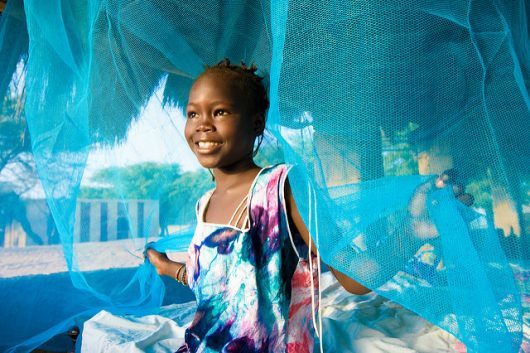
Malaria is a disease caused by the Plasmodium parasite that is secreted by the bite of the female Anopheles mosquito. Anopheles mosquitos often lay their eggs in stagnant water, after which these eggs become adult mosquitos. The disease is prevalent in areas with poor sanitation and hygiene facilities, making it especially common and potentially dangerous in refugee camps.

The WHO estimated in 2015 that nearly half the world’s population is vulnerable to malaria, with a significant proportion concentrated mainly in sub-Saharan African countries. In 2015 alone, there were more than 222 million cases of malaria recorded, with a death toll of nearly 492,000. It was discovered that there is a link between climate change and the threat of malaria and other diseases. Global warming is resulting in an increase in global temperatures, which creates a more favorable environment for Anopheles mosquitos.

The Bill and Melinda Gates Foundation, a renowned organization spearheading development funding and global health initiatives, has spoken about the U.S. budget cuts to foreign aid and healthcare. Achieving further progress in countering the malaria threat will be hindered by these cuts. Their analysis estimated that this decrease would lead to an additional 5 million deaths by 2030.

Fortunately, UNICEF noted that between 2000 and 2005, the malaria mortality rate has actually fallen by around 37 percent globally. Artemisinin-based therapies have been quite successful in reducing the harmful impacts of Plasmodium falciparum, one of the most deadly forms of malaria.

Many of the countries most affected by malaria are stepping up their efforts to combat the disease. Rwanda is treating the malaria threat with insecticide-treated nets, indoor residual spraying and the use of artemisinin-based drugs.

Nigeria alone accounts for nearly 25 percent of the malaria cases in Africa, which is one of the leading causes of premature death in the country. The Global Fund is working in Nigeria to treat the record levels of malaria cases and control the spread of the disease. WHO is also scaling up its operations in addressing the malaria threat in the country.

The recent malaria prevention drive in South Africa reaffirmed its support for alleviating the malaria threat in the country. The initiative is a collaborative agreement between South Africa, Swaziland and Mozambique. The high incidence of diseases like HIV in South Africa often exacerbates the impact of malaria, making it particularly important to be addressed.

Working on preventive and mitigation efforts for malaria will go a long way towards addressing the rampant spread of the disease. The progress currently being made in reducing the malaria threat will yield successful results in the future.

– Shivani Ekkanath
Photo: Flickr

October 6, 2017
https://borgenproject.org/wp-content/uploads/borgen-project-logo.svg 0 0 Kim Thelwell https://borgenproject.org/wp-content/uploads/borgen-project-logo.svg Kim Thelwell2017-10-06 07:30:472024-05-29 22:27:17Combating Malaria Threat Important for Poverty Alleviation
Global Poverty, Malaria

Insecticide-Treated Bed Nets Key in Fight Against Malaria

Insecticide-Treated Bed NetsDespite the overall decrease in malaria deaths, which comes in at a solid 29 percent drop from 2010 to 2016, the reality is that the fight against malaria is still an ongoing battle with massive casualties. Some 429,000 malaria deaths occurred in 2015 alone. In fact, over half of the world’s population is still at risk of malarial contraction, and those living in sub-Saharan Africa are particularly vulnerable due to the area’s malarial-conducive environment. The risk of contraction in this particular region can be greatly mitigated through the use of a simple tool: insecticide-treated bed nets (ITN). The product has revolutionized the fight against malaria and ultimately become the cornerstone of malaria prevention in sub-Saharan Africa.
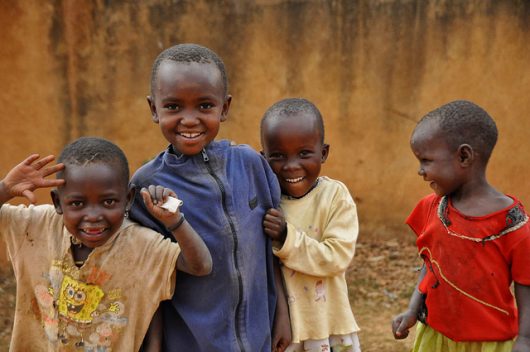
In a study conducted in the three northern regions of Ghana in 2015, it was found that the mortality rate for children under five that slept beneath ITNs was 18.8 percent lower than those that did not sleep beneath an insecticide-treated bed net. Furthermore, the majority of gathered research shows a significant correlation between widespread ITN usage and decreased malarial death levels. This is attributed to the fact that insecticide-treated bed nets prevent the spread of malaria by not only physically inhibiting mosquitoes from infecting individuals, but also by killing those mosquitoes which encounter the net. This is significant, as it reduces the population of malarial transmitters.

The fact that insecticide-treated bed nets actually kill, and consequently decrease, potential malaria transmitters is exactly why insecticide-treated nets are so essential in the campaign against malaria. Yet, most ITNs require that the nets be periodically retreated with insecticides every three to six months. Such repeated treatments are both expensive and time-consuming, a combination which means that most re-treatments are never done. This ultimately means that ITNs are no better than the average bed net. The identification of this weakness led to the birth of the long-lasting insecticide net (LLIN).

The LLIN was a product that was created in 2003, in a Tanzanian textile factory called A to Z Textiles. After gaining support from Acumen Fund, an internationally-renowned venture-capital organization, A to Z was able to collaborate with Sumitomo Chemical and ExxonMobil to begin producing chemically-treated bed nets that are effective for up to 5 years. This is a huge shift from the previous technologies that required repeated treatments.

By injecting the nets with long-lasting insecticide, A to Z ignited its collaboration with the World Health Organization and UNICEF in an effort to distribute the nets to the most vulnerable individuals. Today, the factory employs over 7,000 people, most of whom are women, and is the largest producer of LLINs in Africa, with a total production of over 29 million bed nets a year. It maintains a commitment to accessibility and has engineered a way to reduce production costs to only five dollars in order to make the nets more financially accessible to those who need it the most.

Though the battle against malaria in sub-Saharan Africa is ongoing, it is greatly aided by the increased usage of ITNs, and LLINs specifically. As long as organizations like A to Z continue to innovate new and accessible methods of prevention, there can be hope for a malaria-free world.

– Kailee Nardi

Photo: Flickr

October 1, 2017
https://borgenproject.org/wp-content/uploads/borgen-project-logo.svg 0 0 Kim Thelwell https://borgenproject.org/wp-content/uploads/borgen-project-logo.svg Kim Thelwell2017-10-01 01:30:532024-05-29 22:26:59Insecticide-Treated Bed Nets Key in Fight Against Malaria
Disease, Gender Equality, Malaria

Successes Combating Common Diseases in Tanzania

Common Diseases in Tanzania
Gender inequality, limited access to safe water, lack of sanitation, poor hygiene and a recent drop in immunization are major issues Tanzanian citizens face in urban and rural areas of the country. These factors have contributed to the rampant spread of three common diseases in Tanzania: HIV and AIDS, cholera and malaria.

The most common disease affecting the Tanzanian populace is HIV and AIDS. HIV is a virus that attacks the immune system, the body’s natural defense against disease. The immune system is destroyed when left untreated and the person cannot recover from infections, big or small. At this stage, the person has AIDS.

According to the World Factbook, in 2015, almost 1.4 million people in Tanzania were living with AIDS. This is the most recent estimate. Also reported by the same source, Tanzania ranks sixth in comparison to the rest of the world with the number of its citizens living with the disease.

HIV is the main source of adult mortality in the country. The World Factbook states that in 2015 an estimated 35,700 Tanzanian adults died from the disease, placing the country in fourth place in comparison to the rest of the world.

According to the charity organization, AVERT, the populations most affected by HIV in Tanzania are people who inject drugs, men who have sex with men, mobile populations and sex workers. Of all HIV infections, 80% of them result from heterosexual sex. Tanzanian women are infected more than men due to having older partners, getting married earlier and neglecting negotiating skills for safer sex due to gender inequality.

The second of the most common diseases in the Tanzanian population is cholera. Cholera is a bacterial disease usually spread through contaminated water. Cholera causes severe diarrhea and dehydration. Cholera kills infected persons within hours when left untreated.

According to the World Health Organization (WHO), by April 20, 2016, there was a total of 24,108 cases of cholera in Tanzania, including 378 deaths. The majority of the cases were reported from 23 regions in mainland Tanzania (20,961 cases, including 329 deaths). Neighboring Zanzibar islands reported 3,057 cases of the disease, including 51 deaths.

The disease spread quickly due to conducive conditions such as limited access to safe water in poor households, sanitary problems and poor hygiene found in both mainland Tanzania and Zanzibar. In addition, the nation’s water supply institutions lacked the capacity to disinfect water and conduct regular water quality monitoring and assessments.

Recently, there has been a decline in the number of newly reported cases of cholera. However, the conditions that helped the disease to persist still have not changed, so the risk for more infections remains high.

The final common disease affecting the Tanzanian population is malaria. Malaria is a life-threatening disease caused by parasites that are transmitted to people through the bites of infected female Anopheles mosquitoes. Mild symptoms include fever, headache and chills. Severe symptoms include anemia, difficulty breathing due to fluid-filled lungs and cerebral malaria in children. In adults, organ failure is also frequent.

The World Factbook reports malaria is a leading killer of children under five in Tanzania. According to the Malaria Spot website, Tanzania has the third-largest population at risk of malaria in Africa. Over 90% of the population live in areas where there is malaria. Each year, 10 to 12 million people contract malaria and 80,000 die from the disease, most of them children. There is no vaccine for malaria. This fact contributes to why the disease continues to be a threat to Tanzanians.

Common diseases in Tanzania are prevalent because the geographical and economic conditions of the country favor their spread. While HIV and AIDS, cholera and malaria have been a threat to the population there have been positive strides. The Center for Disease Control (CDC) has been working with the government of the United Republic of Tanzania and more than 60 partner organizations since 2001 to address HIV, malaria, and other health threats by helping support service delivery and strengthen health systems and infrastructure. The CDC partnership has seen success, including:

  • 637,875 people are currently receiving HIV treatment
  • 74,430 pregnant women have received medication to reduce transmission to their babies through PEPFAR (The United States President’s Emergency Plan for AIDS Relief) since 2010
  • 1,155,833 men have been circumcised to prevent new HIV infections since 2010
  • New malaria infections have decreased from 18% to 10% in children 6-59 months in 2011-2012

With continued aid and improvement in living conditions for the Tanzanian people, common diseases in Tanzania will no longer remain common.

– Jeanine Thomas

Photo: Flickr

August 8, 2017
https://borgenproject.org/wp-content/uploads/borgen-project-logo.svg 0 0 Kim Thelwell https://borgenproject.org/wp-content/uploads/borgen-project-logo.svg Kim Thelwell2017-08-08 01:30:222024-05-28 00:15:10Successes Combating Common Diseases in Tanzania
Global Poverty, Malaria

New Malaria Vaccine Trial Could Mean the Disease’s End

Malaria Vaccine Trial
Malaria is one of the deadliest diseases afflicting developing countries across the world. In 2015 alone, it took the lives of 429,000 people, with a majority being African children. The most developed malaria vaccine trial is currently scheduled to be used in parts of Africa beginning next year, where the disease is still rampant.

Miguel Prudêncio and his team at iMM Lisboa, a biomedical research nonprofit institution, have been researching solutions to end malaria in the area. They decided to approach malaria as scientist Edward Jenner approached smallpox, by using a less harmful version of it as a shield against deadlier versions. In a similar fashion to how Jenner used cowpox to fight smallpox, Prudêncio and fellow researchers at iMM Lisboa wanted to conduct a malaria vaccine trial using a rodent version of the malaria-causing parasite. iMM Lisboa is going to carry out the trial with the help of the Radbound University Medical Center, based in the Netherlands, and PATH in Seattle.

The new malaria vaccine trial will take place at Radbounumc in the Netherlands. The first half of the trial will involve three groups of six volunteers, with each team enduring a different number of bites from mosquitos exposed to the parasite. Each volunteer will be thoroughly examined after the process because of the risk that comes from exposure. This examination will continue until the researchers can decide that it is safe to begin the second half of their malaria vaccine trial. The goal is that “the modified rodent parasite will help induce a protective response in healthy human volunteers.”

This will be the first time that humans will be purposely introduced to the rodent version of the parasite. The volunteers’ reaction to the first part of this malaria vaccine trial will be a deciding factor as to the effectiveness of this approach. With luck, the second phase will prove that smallpox is not the only disease that can be fought off by genetically modified versions of itself.

The success of this malaria vaccine trial could mean saving the lives of hundreds of thousands of people in the future. Ultimately, the goal is to see malaria eradicated just like smallpox, but in upcoming years it will be a breakthrough if a vaccine is developed with a protective efficacy of at least 75 percent against malaria. Prudêncio and his fellow researchers are hoping to achieve the elimination of malaria once their vaccine trial is complete.

– Mackenzie Fielder

Photo: Flickr

July 9, 2017
https://borgenproject.org/wp-content/uploads/borgen-project-logo.svg 0 0 Borgen Project https://borgenproject.org/wp-content/uploads/borgen-project-logo.svg Borgen Project2017-07-09 07:30:292024-05-28 00:02:43New Malaria Vaccine Trial Could Mean the Disease’s End
Global Poverty, Malaria

The End of Malaria in Sri Lanka Brings Hope for Other Nations

Malaria in Sri Lanka
In the mid 20th century, Sri Lanka lied among the most malaria-stricken countries in the world. However, in September 2016, the World Health Organization (WHO) certified the successful elimination of malaria in Sri Lanka. A remarkable public health achievement, Sri Lanka is the second country in South East Asia to eliminate malaria (the Maldives being the first).

Eighty percent of Sri Lanka’s population lives in rural areas– the ideal environment for the mosquito species Anopheles culicifacies, the main vector of malaria in the region. The Plasmodium falciparum parasite causes the disease and is carried by Anopheles mosquitoes that feed on the blood of humans.

For seven decades, the country prioritized making the nation malaria-free. Malaria in Sri Lanka soared in the 1970s and 1980s, and the nation started an anti-malaria campaign in the 1990s. A strategy targeted the parasite in addition to the mosquito.

In 1991, the country’s number of cases of malaria reached up to 400,000. The country’s civil war put soldiers in the most vulnerable positions, with 115 people dying from malaria in 1998.

At the end of the war in 2009, Sri Lanka’s Minister of Health launched a malaria elimination program, funded in part by the Global Funds to Fight AIDS, Tuberculosis and Malaria. The campaign included mobile malaria clinics in high transmission areas with effective surveillance, community engagement and health education.

This program enhanced the ability of the authorities to respond. Ever since the implementation of this campaign, the introduction of high surveillance maintains the elimination of the parasite in Sri Lanka.

The eradication of malaria in Sri Lanka raised the hopes of 30 other nations to end the disease that kills 400,000 people every year. As the director of the WHO’s Global Malaria program stated, the island country demonstrated that any government can eliminate malaria with improved efforts.

– Aishwarya Bansal

Photo: Flickr

July 7, 2017
https://borgenproject.org/wp-content/uploads/borgen-project-logo.svg 0 0 Borgen Project https://borgenproject.org/wp-content/uploads/borgen-project-logo.svg Borgen Project2017-07-07 01:30:182024-05-28 00:02:31The End of Malaria in Sri Lanka Brings Hope for Other Nations
Global Poverty, Malaria

Malaria Epidemic in Indonesia

Malaria Epidemic in Indonesia Women Fight
Global organizations have made significant strides in fighting the malaria epidemic in Indonesia by focusing on the health and welfare of pregnant women and children.

In an article published by IRIN, William Hawley, a malaria expert with the U.N. Children’s Fund (UNICEF), highlighted the importance of malaria treatment and prevention against the disease.

“Pregnant women and children are especially vulnerable to malaria, and modern malaria diagnosis and prevention can be delivered via existing maternal health and immunization services in a symbiotic way,” Hawley said.

World health organizations such as UNICEF have been working closely with Indonesian government agencies and world health programs to provide free and affordable care to women and children in the region.

“The malaria program, the antenatal care program, and the expanded program on immunization all benefit, but most important — women and kids benefit,” Hawley said.

According to the article by IRIN, nurses and midwives have been helping pregnant women and infants fight malaria by providing diagnosis, treatment and information regarding the disease. In response, more women have been provided antenatal care and more children have been immunized against malaria.

The Harsh Effects of the Malaria Epidemic in Indonesia

Malaria is a disease spread by mosquitoes causing symptoms including fever, exhaustion, vomiting, and headaches. Severe cases generally include yellowing of the skin, seizures, coma, or, in the most extreme instances, death.

The disease can be more dangerous to pregnant women and infants causing stillbirths, low birth weight, abortion and infant mortality. Malaria can also cause severe respiratory problems in both adults and children.

According to a report published by the World Health Organization (WHO), out of a population of close to 260 million, 190 million people were reportedly malaria free in 2015. This comes after a significant number of cases were reported between 2009 and 2012.

With the help of finances provided by the Global Fund, WHO, and UNICEF, residents of Indonesia have access to preventative measures against the disease in the form of mosquito nets, insect repellents, and insecticides. Residents are also taught the importance of mosquito control measures such as draining water to prevent reproduction.

According to a report by the CDC, with funding from UNICEF, USAID, the Gates Foundation and the Ministry of Health (MOH), many preventative programs have been integrated into immunization and prenatal care programs in five provinces in eastern Indonesia.

These organizations hope to expand to all areas where the disease continuously occurs to help fight the malaria epidemic in Indonesia.

– Drew Hazzard

Photo: Flickr

June 12, 2017
https://borgenproject.org/wp-content/uploads/borgen-project-logo.svg 0 0 Borgen Project https://borgenproject.org/wp-content/uploads/borgen-project-logo.svg Borgen Project2017-06-12 01:30:252024-12-13 17:58:03Malaria Epidemic in Indonesia
Page 10 of 16«‹89101112›»

Get Smarter

  • Global Poverty 101
  • Global Poverty… The Good News
  • Global Poverty & U.S. Jobs
  • Global Poverty and National Security
  • Innovative Solutions to Poverty
  • Global Poverty & Aid FAQ’s
Search Search

Take Action

  • Call Congress
  • Email Congress
  • Donate
  • 30 Ways to Help
  • Volunteer Ops
  • Internships
  • Courses & Certificates
  • The Podcast
Borgen Project

“The Borgen Project is an incredible nonprofit organization that is addressing poverty and hunger and working towards ending them.”

-The Huffington Post

Inside The Borgen Project

  • Contact
  • About
  • Financials
  • President
  • Board of Directors
  • Board of Advisors

International Links

  • UK Email Parliament
  • UK Donate
  • Canada Email Parliament

Get Smarter

  • Global Poverty 101
  • Global Poverty… The Good News
  • Global Poverty & U.S. Jobs
  • Global Poverty and National Security
  • Innovative Solutions to Poverty
  • Global Poverty & Aid FAQ’s

Ways to Help

  • Call Congress
  • Email Congress
  • Donate
  • 30 Ways to Help
  • Volunteer Ops
  • Internships
  • Courses & Certificates
  • The Podcast
Scroll to top Scroll to top Scroll to top