• Link to X
  • Link to Facebook
  • Link to Instagram
  • Link to TikTok
  • Link to Youtube
  • About
    • About Us
      • President
      • Board of Directors
      • Board of Advisors
      • Financials
      • Our Methodology
      • Success Tracker
      • Contact
  • Act Now
    • 30 Ways to Help
      • Email Congress
      • Call Congress
      • Volunteer
      • Courses & Certificates
      • Be a Donor
    • Internships
      • In-Office Internships
      • Remote Internships
    • Legislation
      • Politics 101
  • The Blog
  • The Podcast
  • Magazine
  • Donate
  • Click to open the search input field Click to open the search input field Search
  • Menu Menu

Archive for category: Malaria

Information and stories about malaria.

Global Poverty, Malaria, Technology

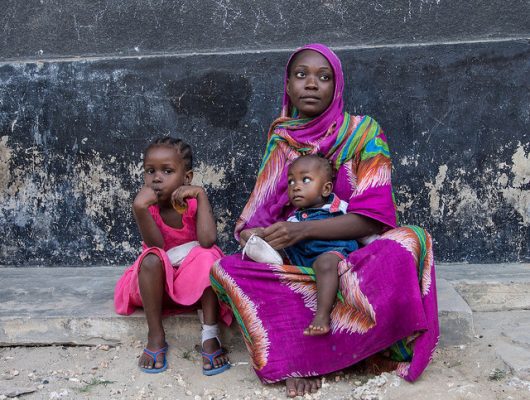
Malaria in Zanzibar: Conquering Disease with Technology


Among other diseases endemic to the region, malaria presents a constant danger in sub-Saharan Africa. While the disease continues to spread, new methods and technology are utilized to contain and treat it. Habiba Suleiman Sefu, a malaria surveillance officer, stands on the front lines of this fight on the archipelago of Zanzibar, off the coast of Tanzania.

Malaria is by far the deadliest disease known to mankind, killing more than 1,000 children a year. Most victims of the disease live in sub-Saharan Africa, in moist, humid regions where disease-carrying mosquitoes thrive. While the disease is not contagious, it is blood-borne and can spread quickly in areas with poor sanitation and standing water.

Historically, malaria in Zanzibar has been a constant danger, as it is the leading cause of death in mainland Africa. In 2000, malaria accounted for 30 to 50 percent of all hospital admissions and approximately half of all hospital deaths.

Sefu, 29, is an environmental science graduate and works as a malaria surveillance officer in the village of Shikani, in the southwest region of Zanzibar. Habiba tracks and treats malaria on the archipelago using her tablet, mobile phone and motorcycle, all supplied to her by the U.S. President’s Malaria Initiative (PMI).

When a case of malaria is reported at the local clinic in Shikani, Sefu receives an SMS message on her mobile phone. She then visits the family of the patient and tests them for the disease. If it is detected, she distributes medication and encourages affected individuals to go to the hospital.

In addition to treating malaria, Sefu educates families on the disease and makes certain that they are aware of contributing risk factors. She makes sure that families understand the importance of intact mosquito nets, insecticide, and the elimination of standing water, which provides a breeding ground for mosquitoes.

Sefu represents a new generation of disease control, utilizing new methods and technology to target malaria at its source and stop outbreaks before they begin. These new methods of malaria identification and treatment have yielded unprecedented results in fighting the disease. In fact, the prevalence of malaria in Zanzibar was reduced from 40 percent in 2005 to less than one percent in 2012. In addition, hospital admissions for malaria decreased to less than five percent in 2012, and no malaria-related deaths have been reported in Zanzibar since 2009.

While malaria has historically been a problem in sub-Saharan Africa, places like Zanzibar are making great strides towards eradicating the disease through the use of new technology and tracking methods. These methods have effectively eliminated malaria in Zanzibar, and with the use of surveillance officers like Sefu, malaria can be similarly eradicated on the African mainland.

– Chasen Turk

Photo: Flickr

April 9, 2017
https://borgenproject.org/wp-content/uploads/borgen-project-logo.svg 0 0 Borgen Project https://borgenproject.org/wp-content/uploads/borgen-project-logo.svg Borgen Project2017-04-09 01:30:082024-12-13 17:57:35Malaria in Zanzibar: Conquering Disease with Technology
Disease, Global Poverty, Malaria

Severe Diseases in Benin

Diseases in Benin
Benin is a relatively stable democratic West African nation that lies between Togo and Nigeria. There are a number of diseases in Benin putting the health of its residents at serious risk. Malaria and meningococcal meningitis are among the top diseases in Benin. Both are potentially life-threatening for individuals who become infected.

The Fight Against Malaria

Malaria is a severe and life-threatening blood disease transmitted through the bite of the Anopheles mosquito. According to the Centers for Disease Control and Prevention (CDC), malaria is considered to be one of the high-risk diseases in Benin, affecting all areas of the country. As a result, it recommends that all potential travelers into the country get vaccinated prior to entering.

There are different mechanisms in place aimed at fighting against diseases in Benin. In 2005, the President’s Malaria Initiative (PMI) was created to help reduce the spread of malaria in particular. Researchers working in conjunction with PMI have found that malaria is currently the leading cause of health problems in Benin, and that it “accounts for 40 percent of outpatient consultations and 25 percent of all hospital admissions.” Consequently, families are forced to spend large amounts of money paying for treatments.

In response to this issue, PMI has been making progress in helping residents of Benin fight against malaria by providing residents with valuable resources such as trained healthcare workers, insecticide treatments, house-sprays and Rapid Diagnostic Tests. As of 2016, PMI has raised $155.2 million toward the effort.

The Fight Against Meningococcal Meningitis

In addition to malaria, meningococcal meningitis is another of the high-risk bacterial diseases in Benin. It is also common in other parts of sub-Saharan Africa.

Meningococcal meningitis causes inflammation of the brain and spinal cord. It is typically transferred via person-to-person contact. Some common symptoms associated with the disease are vomiting, headaches, neck stiffness and fever.

Furthermore, it has also been classified as one of the high-risk diseases in Benin, particularly during December through June. The CDC has recommended that persons traveling to the country during these months get vaccinated to help protect themselves from contracting the virus.

In response to this epidemic, the World Health Organization (WHO) has developed a strategy to help reduce the spread of meningococcal meningitis in Benin and surrounding countries. The WHO strategy consists of vaccinating everyone under 29 in the African meningitis belt with the MenA conjugate vaccine, and using “prompt and appropriate case management with reactive mass vaccination of populations not already protected through vaccination.”

– Lael Pierce

Photo: Flickr

April 8, 2017
https://borgenproject.org/wp-content/uploads/borgen-project-logo.svg 0 0 Borgen Project https://borgenproject.org/wp-content/uploads/borgen-project-logo.svg Borgen Project2017-04-08 01:30:382020-04-30 12:15:34Severe Diseases in Benin
Global Poverty, Health, Malaria

Toy Inspires Low-Cost Lab Aid to Detect Malaria

Toy Inspires Low-Cost Lab Aid to Detect Malaria
Malaria is a life-threatening disease caused by parasites that are transmitted through the bite of an infected mosquito. In 2015 alone, there were 212 million cases of malaria and 429 thousand deaths. Suffice it to say that malaria is a global health problem.

Even worse is that Sub-Saharan Africa continues to carry a disproportionately high share of the global malaria burden. In 2015, the region was home to 90 percent of malaria cases and 92 percent of malaria deaths.

The good thing is that malaria is preventable and curable, given the proper tools to do so. A device called a centrifuge that spins a blood sample very quickly and separates different cells can detect malaria. Centrifuges, though, are expensive, bulky and require electricity – which makes it inefficient in regions such as Sub-Saharan Africa.

A low-cost lab aid to detect malaria is in dire demand, which is exactly what Manu Prakash, a professor of bioengineering at Stanford University, realized on a trip to Uganda. On his trip, Prakash says he found centrifuges used as doorstops because there was no electricity.

Back in California, Prakash experimented with spinning toys in his search for a model for a low-cost lab aid to detect malaria. Though toys are not the conventional approach to developing a lab aid, Prakesh argues that toys hide profound physical phenomena we take for granted.

After experimenting with several spinning toys, including a yo-yo, they stumbled upon the children’s toy known as the whirligig or buzzer. The toy is made of a disk that spins when the strings that go through it are pulled.

This new low-cost lab aid to detect malaria dubbed the paperfuse, can separate pure plasma from whole blood in less than 1.5 minutes, and isolate malaria parasites in 15 minutes. The paperfuse has an ultra-low-cost of fewer than 20 cents, weighs only two grams and is, therefore, field-portable. The paper fuse could be the tool that helps detect and end malaria in low-income countries in the near future.

– Mayan Derhy

Photo: Flickr

January 24, 2017
https://borgenproject.org/wp-content/uploads/borgen-project-logo.svg 0 0 Borgen Project https://borgenproject.org/wp-content/uploads/borgen-project-logo.svg Borgen Project2017-01-24 01:30:062024-12-13 17:56:32Toy Inspires Low-Cost Lab Aid to Detect Malaria
Disease, Health, Malaria

Five of the Top Diseases in Greece

Five of the Top Diseases in Greece
Though often envisioned as an ideal vacation spot, home to thousands of sites, islands and beaches, Greece is not exempt from the list of countries affected by diseases, and it is necessary that travelers be aware of this.

  1. Coronary Heart Disease
    According to WHO, Coronary Heart Disease (CHD) is one of the top diseases in Greece, responsible for 26.17% of the country’s total deaths. Statistically, CHD occurs in men between the ages of 50 to 79, and in women ages 70-79. Controllable factors include arterial hypertension, diabetes, dyslipidemia, obesity, smoking and lack of physical activity. Non-modifiable factors include gender, age and family history of premature CHD.
  2. Stroke
    Falling second in the list of top diseases in Greece, mortality from heart disease and strokes has reached 35,000 deaths per year, which is high compared to other regions like Portugal or Spain. As a result, life expectancy for Greeks has fallen. Statistics showing 33% of adults smoking daily and 19.6% of the population being overweight or obese contribute to the issue.
  3. Malaria
    In 2011, a total of 20 cases of malaria occurred among Greek residents in the Evrotas, Laconia district, caused by the parasite Plasmodium vivax. The following year, 17 additional locally acquired cases were reported. According to the Centers for Disease Control, it is recommended that travelers take an anti-malarial medication and follow insect protection measures to reduce the risk of mosquito bites.
  4. Legionnaires’ disease
    A total of 14 cases of Legionnaires’ disease were reported on the island of Corfu in 2011. Legionnaires’ disease is a bacterial infection that typically causes pneumonia but can also involve other organ systems. The disease is usually transmitted through contaminated water sources, such as air conditioners and showers. Common symptoms include fever, cough, chest pain, difficulty breathing, headache, muscle pains and diarrhea.
  5. West Nile virus
    An outbreak of West Nile virus infections surfaced in 2010, causing 262 confirmed cases and 35 deaths. West Nile virus is carried by Culex mosquitoes. Most infections are mild but can affect the central nervous system, leading to fever, headache, confusion, lethargy, coma and in most serious cases, death. Because there is no treatment for West Nile virus, prevention methods should be taken by keeping cover and applying insect repellents.

For both locals and visitors, such recent outbreaks emphasize the importance of taking safety precautions and preventing further transmission of top diseases in Greece. Since most of these illnesses cannot be cured, undergoing certain treatment methods or making lifestyle changes help with recovery.

– Mikaela Frigillana

Photo: Flickr

December 28, 2016
https://borgenproject.org/wp-content/uploads/borgen-project-logo.svg 0 0 Borgen Project https://borgenproject.org/wp-content/uploads/borgen-project-logo.svg Borgen Project2016-12-28 01:30:002024-12-13 17:56:26Five of the Top Diseases in Greece
Global Poverty, Malaria

Elimination of Malaria by 2040: Benefits Developing Countries

Elimination of Malaria by 2040: How Developing Countries Benefit
Malaria is a parasitic condition that is contracted primarily through the bite of an infectious Anopheles mosquito. Currently, sub-Saharan Africa suffers from the greatest disease burden of malaria as a consequence of widespread poverty and poor living conditions.

Malaria has serious social and economic implications. It is estimated that each year, Africa incurs a health care cost of $12 billion as a result of malaria. This cost imposes a significant strain on the continent’s financial resources. It also forces compromises to be made in other aspects such as a provision of schooling facilities and treatment of debilitating infections.

The elimination of malaria has always been an important but elusive objective of the global health care movement. Despite years of investment in research, no vaccine is currently available that offers complete protection against malaria. According to the World Health Organization, efforts are being focused on developing a clinically efficacious vaccine that protects against the most serious variant of malaria that is caused by the parasite Plasmodium falciparum.

Recently, the Bill and Melinda Gates Foundation, a humanitarian organization aimed at improving lives of the poor, has declared an ambitious objective: to eliminate malaria by the year 2040. The organization aims to achieve this goal through increased involvement of world leaders in the process of ending malaria. The foundation also aspires to involve countries afflicted with malaria in the movement by encouraging them to implement local strategies to tackle malaria.

The motive behind the movement is simply the fact that if malaria is not eliminated completely, countries could be tirelessly working toward the development of new vaccines, medications and prevention strategies to contain the spread of cases. This is not an economically viable solution for controlling malaria transmission — it represents a drain on valuable health care resources that can be used for the treatment of other life-threatening conditions such as cancer.

Increasing drug resistance of the organisms involved in the causation of malaria has limited the effectiveness of strategies targeted at the elimination of malaria. Currently, in Seattle, several research projects are experimenting with novel methods such as genetic modification to eliminate malaria.

With approximately 3.2 billion individuals globally estimated to be at risk of malaria, it is essential to control the spread of this disease. Malaria tends to be concentrated in regions of poverty, further exacerbating standards of living. As a result of the increasing connectivity of the world and the ease of access to different countries, travel has further increased the risk of spread of malaria to countries that are not typically affected by the condition.

The elimination of malaria by 2040 is a glorious yet difficult objective to achieve. Implementing pragmatic measures over the next few decades such as increasing awareness about malaria, improving sanitation and hygiene in poor countries, and prevention campaigns can bring us one step closer to the complete eradication of malaria.

– Tanvi Ambulkar

Photo: Flickr

November 6, 2016
https://borgenproject.org/wp-content/uploads/borgen-project-logo.svg 0 0 Borgen Project https://borgenproject.org/wp-content/uploads/borgen-project-logo.svg Borgen Project2016-11-06 01:30:502024-06-11 02:48:24Elimination of Malaria by 2040: Benefits Developing Countries
Health, Malaria

Malaria Eradication: The Uphill Battle

Malaria Eradication
Over the last decade and a half, the world’s fight for malaria eradication has yielded tangible results. According to the 2015 World Malaria Report, there has been a sharp decline in the global malaria incidence since 2000 with the malaria-related targets of the Millennium Development Goals (MDGs) achieved.

In 57 countries malaria cases reduced by 75%. In addition, the European region reported zero indigenous cases of malaria for the first time since the World Health Organization (WHO) began keeping track.

Globally, the number of malaria cases fell from an estimated 262 million in 2000 to 214 million in 2015, a decline of 18%; the number of deaths fell from an estimated 839,000 in 2000 to 438,000 in 2015, a decline of 48%.

Sadly, most cases and deaths in 2015 are estimated to have occurred in the WHO African region, 88 percent, followed by the WHO Southeast Asia region.

The overall numbers are encouraging. In the four decades before this, malaria eradication had almost slipped off the global health agenda despite a much-trumpeted Global Malaria Eradication Program in 1955.

While this campaign succeeded in eliminating malaria from Europe, North America, the Caribbean and parts of Asia and South-Central America it made no headway in sub-Saharan Africa. The program was abandoned in 1969 largely on account of the failure in tackling the technical challenges of executing any reasonable strategy in Africa.

Subsequently, the attention of the world shifted to other scourges like HIV. In small pockets research was being done on advances in drug and vaccine development, vector control and insecticide-treated nets, but little was achieved on the ground.

The latest numbers then, showing the real gains made in the battle against the disease particularly in Africa, are a welcome sign and owe much to initiatives by Civil Society Organizations (CSOs) such as non-governmental organizations (NGOs) and faith-based organizations (FBOs).

They bring much-needed technical as well as cultural expertise along with economies of scale to reach larger sections of populations in afflicted countries. Prominent among these are The Bill & Melinda Gates Foundation, Malaria Eradication Project (MEP) and the President’s Malaria Initiative (PMI).

In the fight against the killer disease, insecticide-treated mosquito nets (ITNs), indoor residual spraying (IRS), chemoprevention in pregnant women and children and treatment with artemisinin-based combination therapies (ACTs), have been the most effective methods.

Despite this tremendous progress, much more needs to be done to further reduce malaria’s burden. The Global Technical Strategy for Malaria 2016–2030 approved by the World Health Assembly in May 2015, set ambitious targets for 2030, including a reduction of at least 90% in global malaria incidence and mortality.

There are major challenges ahead. Decreases in malaria incidence and mortality have been slowest in countries that had the highest number of malaria cases and deaths in 2000.

As expected, malaria is concentrated in countries with weaker health systems and lower national incomes. In sub-Saharan Africa in 2014, some 269 million of the 834 million people at risk of malaria lived in households without nets or access to spraying.

In addition, the effectiveness of insecticide-based vector control is threatened as malaria mosquitoes develop resistance to the insecticides used in ITNs and IRS.

These are going to be the biggest hurdles in the way of eventually eliminating malaria from most parts of the world. However, with continued assistance from the global community, it seems likely that malaria will go the way of polio and smallpox over time.

– Mallika Khanna

Photo: Flickr

November 2, 2016
https://borgenproject.org/wp-content/uploads/borgen-project-logo.svg 0 0 Borgen Project https://borgenproject.org/wp-content/uploads/borgen-project-logo.svg Borgen Project2016-11-02 01:30:112024-12-13 17:56:01Malaria Eradication: The Uphill Battle
Disease, Global Poverty, Malaria

Top Diseases in Ethiopia to Know About

Top Diseases in Ethiopia to Know About
Ethiopia is known as a historically prolific country that is endowed with abundant natural and agricultural resources. Yet, a list released by the U.N. detailing the least developed countries in the world declares Ethiopia as one of the poorest countries in the world.

Life expectancy in Ethiopia is estimated at 57 years for males and 60 years for females. These statistics indicate rudimentary health care infrastructure, but also lack of access to sanitation facilities, clean water and nutritious food. The list below explores the top diseases in Ethiopia that are a consequence of its geographical location, living standards and level of development.

  1. Neglected tropical diseases
    Neglected tropical diseases can be defined as a class of transmissible diseases that exist predominantly in tropical regions. These diseases are associated with delayed physical and mental development and blindness. Due to the incapacitating effects of these diseases, the true economic potential of underdeveloped countries is not realized.
    As a result of its proximity to the equator, Ethiopia bears the burden of neglected tropical diseases that include conditions such as trachoma and schistosomiasis. Trachoma is caused by a bacterial infection that primarily targets the eyes, causing irritation and in advanced stages, blindness. Schistosomiasis is a disease transmitted by parasites residing in freshwater snails. Its acute effects include itchiness of the skin or visible rashes.
    A 2012 study published in Parasites and Vectors estimated that approximately 5 million individuals out of 94 million individuals in Ethiopia are afflicted by schistosomiasis. Ethiopia’s widespread prevalence of neglected tropical diseases has important implications as these conditions often cause disability and can, therefore, reduce the potential to work.
    These diseases can be addressed by establishing local campaigns to distribute medicines, subsidies and donations by pharmaceutical companies and increasing awareness about the mechanisms of transmission.
  2. Malaria
    Although malaria is a worldwide phenomenon, its effects are particularly felt in countries that are not equipped with appropriate health care and education services. An article published in the Malaria Journal stated that countries such as Ethiopia are particularly predisposed to malaria as a consequence of poor living conditions and remote sources of clean water.
    It is estimated by the Ethiopian Federal Ministry of Health that each year, four to five million people in Ethiopia suffer from malaria, and even greater numbers are at risk. In order to address the vast numbers of malaria cases in Ethiopia, campaigns should be set up locally that provide clean water.
    The local population should also be educated on ways to keep their households clean, and in particular, avoid stagnant water, which is a potent breeding ground for parasites and mosquitoes. A humanitarian organization called Nothing but Nets has initiated the anti-malaria revolution by distributing millions of mosquito nets to families all across Sub-Saharan Africa.
  3. HIV/AIDS
    Statistics published by the World Health Organization postulate that 1.2 million people suffer from HIV/AIDS in Ethiopia. In addition, Centers for Disease Control and Prevention states that HIV infection is the third most common cause of death in Ethiopia, contributing to 7% of total deaths in the country. AIDS is an important cause of concern due to its manifold mechanisms of transmission. Children may risk contracting the viral infection if their mothers had the virus at the time of childbirth.
    AIDS prevention strategies should focus on raising awareness about the methods of transmission. Provisions should be made to subsidize preventive measures such as contraception and sterile needles.
  4. Rotaviral Diarrhea
    To provide context to the devastating effects of this variant of diarrhea, Dr. Adamasu Kesetebirhan, Minister of Health in Ethiopia states that, “Diarrhea takes the lives of more than 38,500 Ethiopian children under five each year, rotavirus being responsible for close to two-thirds of the deaths.” The virus spreads rapidly among children and is especially pernicious because of its ease of transmission.
    The rotavirus responsible for this type of diarrhea causes severe dehydration and fever. Currently, measures are being implemented throughout Ethiopia to distribute rotavirus vaccines in an attempt to reduce the prevalence of this condition.
  5. Hepatitis
    Hepatitis, another viral infection, is especially common in Ethiopia. Its methods of transmission include consuming contaminated water, living in unclean environments and eating poorly cooked meat. A recent statistic concerning viral hepatitis suggests that approximately 10 million individuals in Ethiopia are affected by the disease. Considering that transmission is greatly contingent upon hygiene and safety, clean practices such as washing hands regularly and chemical purification of water should be encouraged.

The above list outlining the top diseases in Ethiopia emphasizes the need to transform healthcare infrastructure and services in the country. Financial and food aid may be required from foreign countries to support the country during its initial stages of trying to reduce the prevalence of top diseases in Ethiopia.

– Tanvi Ambulkar

Photo: Flickr

October 29, 2016
https://borgenproject.org/wp-content/uploads/borgen-project-logo.svg 0 0 Borgen Project https://borgenproject.org/wp-content/uploads/borgen-project-logo.svg Borgen Project2016-10-29 01:30:302024-05-27 23:53:25Top Diseases in Ethiopia to Know About
Disease, Global Poverty, Malaria

Malaria Box May Hold the Key to Defeating Malaria

Malaria Box May Hold the Key to Defeating Malaria
In order to jump-start research on drug treatments, the Gates Foundation, the Medicines for Malaria Venture and GlaxoSmithKline put together a “Malaria Box” in 2012. The Malaria Box is a collection of 400 different compounds that are known to combat malaria in some way.

More specifically, 200 of the compounds are supposed to act like drugs and would directly be used in developing more effective oral drug treatment. The other 200 act more like biological probes that, if applied correctly in malaria research, could allow researchers to make important observations about the behavior of malaria.

Malaria is a widespread disease to which nearly half the world population is at risk. There were about 214 million cases in 2015, resulting in 438,000 deaths. Of this group, young children were particularly susceptible.

More effective drug treatments for malaria are imperative. Current treatments involve prescribing many drugs to be taken over a number of days. Sometimes patients are not able to receive the full treatment of drugs. Not only does this lead to continuing infection, but an incomplete treatment also contributes to the rise of multi-drug resistant malaria. The fact that malaria parasites continue to evolve poses an obstacle to developing drugs that will consistently work in the future.

The Malaria Box was given as part of a grant to 17 research projects in order to accelerate malaria research. After a few years, these research teams yielded positive results in the battle against malaria. Some researchers have tried to identify weak points to attack in the malaria parasite. For example, Dr. Jacquin Niles of MIT is trying to isolate genes particularly susceptible to attack by conducting tests on genetically modified parasites.

Dr. Jake Baum of the Imperial College of London is studying compounds that could block malaria transmission. He is researching whether molecular compounds that do not remain in the bloodstream for as long as other anti-malaria drugs can still effectively combat malaria.

After the success of the Malaria Box, other projects to distribute sets of compounds have been started. The ReFRAME library at the California Institute for Biomedical Research contains more than 10,000 compounds that are known to combat various diseases. Giving researchers access to these sets of compounds provides them with a strong and focused starting point from which to conduct their studies.

– Edmond Kim

Photo: Flickr

October 28, 2016
https://borgenproject.org/wp-content/uploads/borgen-project-logo.svg 0 0 Borgen Project https://borgenproject.org/wp-content/uploads/borgen-project-logo.svg Borgen Project2016-10-28 01:30:022024-12-13 17:55:44Malaria Box May Hold the Key to Defeating Malaria
Disease, Global Poverty, Malaria, Technology

Is xRapid a Breakthrough in Malaria Detection?

xRapid
As technology continues to become more accessible in poverty-stricken countries, one app hopes to improve the cost and accuracy of malaria detection. Recently developed by the London-based startup xRapid, the application is the world’s first commercially available mobile health solution that provides an automatic diagnosis of malaria. However, identifying malaria requires more than just an iPhone and the app.

In addition to the iPhone and free app, a special iPhone case with an attachable eyepiece and a microscope are also required to begin detecting malaria in blood samples. The user simply attaches the eyepiece onto the iPhone case and inserts it into the microscope’s eye tube, where it runs the test. A clinical laboratory report is then produced detailing the data collected during the examination.

Currently, there are three different methods used to diagnose malaria, each attempting to be the fastest, most accurate and cost-effective technique available. However, each process pales in comparison to xRapid in one aspect or another.

Rapid diagnostic testing (RDT), which detects specific malaria antigens in human blood, is significantly less accurate than xRapid, while polymerase chain reaction (PCR) is considerably slower and more technical and expensive to utilize.

Microscopy testing often referred to as the “gold standard” for laboratory malaria detection, is just as accurate as xRapid, but is much slower at conducting tests. This method requires an average of 30 minutes per assessment while xRapid can conduct an examination in under two minutes.

The availability and potential of this new, convenient technique and advanced technology for diagnosing malaria is vastly important as 3.2 billion people — 43 percent of the world’s population — continue to live in areas at risk of malaria transmission.

XRapid has already begun dispersing its product to impoverished countries such as Benin, where malaria is the cause of nine percent of total deaths. Additionally, in the near future, xRapid, with the assistance of Digicape, will expand the product to countries in Southern Africa that crucially need it, and presently rely on microscopy and RDT for malaria detection.

Recently, xRapid announced it is working on adapting the product to detect and diagnose tuberculosis, an equally life-threatening disease commonly found in poverty-stricken countries.

The malaria mortality rate has dropped 60 percent since 2000, and with the assistance of this mobile health solution, the numbers could continue to drop. Although the complexity and harshness of these lethal diseases cannot truly be grasped, the solution to them may be in the palm of our hands.

– Jordan J. Phelan

Photo: Flickr

October 22, 2016
https://borgenproject.org/wp-content/uploads/borgen-project-logo.svg 0 0 Borgen Project https://borgenproject.org/wp-content/uploads/borgen-project-logo.svg Borgen Project2016-10-22 01:30:332024-05-27 23:53:06Is xRapid a Breakthrough in Malaria Detection?
Disease, Global Poverty, Malaria

What’s Causing the Spread of Malaria in Venezuela?

Malaria in Venezuela
Once a beacon for malaria eradication, Venezuela has experienced an economic crisis producing rising malaria rates and shortages of medicine.

In 1961, Venezuela claimed a mere 1,754 cases of malaria. Later that decade, after a government-led initiative of widespread DDT spraying, improved sewage systems and housing as well as educational campaigns, Venezuela declared itself malaria-free, eradicating the disease before most other nations, including the U.S.

As inflation rose and economic crisis ensued, 2011 saw 45,824 malaria cases. By 2014, malaria had begun to spread from remote jungle communities to urban centers. For the first time in 50 years, malaria became a real threat to Venezuelan public health.

The spread of malaria in Venezuela has been widely attributed to the boom in illegal gold mining. After Hugo Chavez took power in 1999, gold mines were reacquired by the state but left largely unused and unmonitored. Today, the gold mines, controlled by armed groups, attract impoverished miners from all over the continent.

High wages bring urban workers to the rural gold mines. One day’s work earns miners the national average one-month salary. Faced with low wages and inflation elsewhere, many workers feel they have no choice but to work in the illegal gold mining industry.

Sixty percent of 2013’s malaria cases were recorded in Sifontes, a small gold-mining community where health care is scarce. The process of mining in communities like Sifontes results in rain forest erosion, deforestation and pools of free-standing water, ideal breeding grounds for mosquitoes. This environment has allowed malaria-carrying mosquitoes to thrive and spread at unprecedented rates.

In gold mining communities, workers live near green, swampy waters, surrounded by mosquitoes and lack proper housing to keep the disease-spreading insects out. Overcrowding exacerbates the dire living conditions of miners, exponentially increasing malaria’s reach.

After earning a few months’ wages in the mines, workers return home, bringing the disease back with them. As a result, malaria has crossed Venezuela’s borders into Colombia and has reached Venezuela’s urban centers.

So far in 2016, doctors have diagnosed 125,158 cases. Venezuela’s economic crisis forced the government to cut health spending, resulting in malaria treatment shortages. However, the Venezuelan government does what it can to combat the disease, providing quick diagnosis and treatment programs and giving out insecticide-treated bed nets.

With treatment widely available globally and only costing $2.50 at the most, the spread of malaria in Venezuela could be curbed through improved public health policies. Organizations such as the World Health Organization (WHO) and UNICEF have been doing what they can to combat malaria globally and spread awareness, but economic crisis has prevented progress in Venezuela.

The 2015 World Malaria Report, conducted by WHO, shows that Venezuela spent less than $1 per at-risk person on malaria-fighting measures. According to Doctor Gustavo Villasmil of Venezuela, “Blaming the mosquito is short-sighted. Malaria has returned because the state failed to provide decent housing to the poorest, because it ceased to think of health planning in the long-term.”

Despite the high rates of malaria in Venezuela today, the country was once a symbol of malaria eradication for the Americas. Through a strategic, effective economic recovery program, gold mining regulation and improved healthcare provision, Venezuela can again defeat malaria.

– Anna O’Toole

Photo: Flickr

October 18, 2016
https://borgenproject.org/wp-content/uploads/borgen-project-logo.svg 0 0 Borgen Project https://borgenproject.org/wp-content/uploads/borgen-project-logo.svg Borgen Project2016-10-18 01:30:372024-05-27 23:53:15What’s Causing the Spread of Malaria in Venezuela?
Page 11 of 16«‹910111213›»

Get Smarter

  • Global Poverty 101
  • Global Poverty… The Good News
  • Global Poverty & U.S. Jobs
  • Global Poverty and National Security
  • Innovative Solutions to Poverty
  • Global Poverty & Aid FAQ’s
Search Search

Take Action

  • Call Congress
  • Email Congress
  • Donate
  • 30 Ways to Help
  • Volunteer Ops
  • Internships
  • Courses & Certificates
  • The Podcast
Borgen Project

“The Borgen Project is an incredible nonprofit organization that is addressing poverty and hunger and working towards ending them.”

-The Huffington Post

Inside The Borgen Project

  • Contact
  • About
  • Financials
  • President
  • Board of Directors
  • Board of Advisors

International Links

  • UK Email Parliament
  • UK Donate
  • Canada Email Parliament

Get Smarter

  • Global Poverty 101
  • Global Poverty… The Good News
  • Global Poverty & U.S. Jobs
  • Global Poverty and National Security
  • Innovative Solutions to Poverty
  • Global Poverty & Aid FAQ’s

Ways to Help

  • Call Congress
  • Email Congress
  • Donate
  • 30 Ways to Help
  • Volunteer Ops
  • Internships
  • Courses & Certificates
  • The Podcast
Scroll to top Scroll to top Scroll to top