• Link to X
  • Link to Facebook
  • Link to Instagram
  • Link to TikTok
  • Link to Youtube
  • About
    • About Us
      • President
      • Board of Directors
      • Board of Advisors
      • Financials
      • Our Methodology
      • Success Tracker
      • Contact
  • Act Now
    • 30 Ways to Help
      • Email Congress
      • Call Congress
      • Volunteer
      • Courses & Certificates
      • Be a Donor
    • Internships
      • In-Office Internships
      • Remote Internships
    • Legislation
      • Politics 101
  • The Blog
  • The Podcast
  • Magazine
  • Donate
  • Click to open the search input field Click to open the search input field Search
  • Menu Menu

Archive for category: Life Expectancy

Global Poverty, Life Expectancy

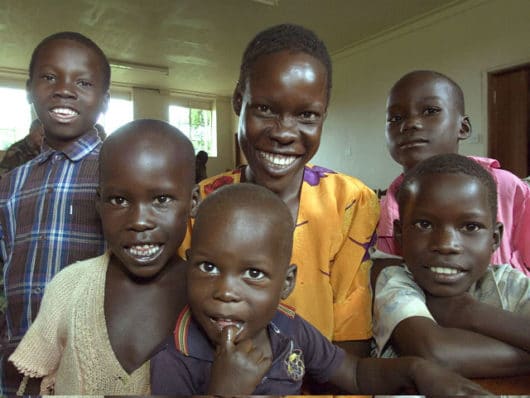
Problems Associated with Overpopulation In Uganda

OVERPOPULATION IN UGANDA

Overpopulation is often one of the major causes of poverty. A lack of educational resources along with high death rates often go hand in hand with higher birth rates, resulting in large booms in population growth. The United Nations predicted that the poorest countries in the world are the biggest contributors to population growth. Uganda is one of the poorest developing countries in the world. There are many problems associated with overpopulation In Uganda.

High Fertility Rates

The poorest developing countries are usually the ones with the highest fertility rates and the ones with the least amount of resources to support their population growth. It has been proven that fertility rates in African nations are higher than in Western nations. One of the problems is that more developed nations are the ones that consume most of the resources, leaving the least possible amount to support the populations in African nations.

In addition to this, the lack of sexual education and family planning is a major cause of overpopulation in this region. Only 20 percent of Uganda’s women have access to contraception. Women in Uganda have an average of 7 children, which is higher the African average of 5.1 but more than double that of the global average of 2.7. Ugandan government’s lack of responsibility in improving family planning is a major reason for the country’s exponential population growth.

Population Increases

Presently there are 27.7 million people living in Uganda. By 2025, this number is estimated to double to 56 million people, making Uganda the nation with the world’s biggest population growth (at a rate of 3.3 percent). This kind of growth definitely continues to make resources more scarce in this region of the world. With already 19.5 percent of Uganda’s population living in poverty, efforts to decrease poverty rates will fail unless measures are taken.

As much as 78 percent of the population in Uganda are under the age of 30. Experts say that such big population will be a burden to the economy unless it is transformed into a working force. One major reason for the vast increase in the youth population was a need for family security, often to help with labor. There is minimal industrialization in many developing countries, so people have kids in order to have more help on the farm.

Unemployment and Overpopulation

Currently, 83 percent of young people have no formal employment. This is partly due to low economic growth, slow labor markets, high population growth rates, the rigid education system, rural-urban migration and limited access to capital. This boom in population growth is bound to put pressure on the economy by straining resources if the high birth rates are not controlled.

The major problem of Uganda’s young population is an increasing dependency burden at the household level with a related increase in demand for social services like health and education, which are not growing at the same pace as its population.  For example, classrooms in public schools are overcrowded due to growth in school populations. One cause for the growth in the population has been an increase in unwanted births, leading back to the idea that family planning is an essential part of reducing overpopulation in Uganda.

Solutions to Overpopulation in Uganda

There are many possible solutions to overcoming the overpopulation crisis in Uganda. Experts highlight the need for a long-term plan that focuses on the role of the family, the government, the private sector and society in helping young people to become productive. By reducing the problems with overpopulation in Uganda, the economy will benefit through taxes and more sustained production of goods and services.

Family planning services would reduce fertility levels and increase the proportion of employed adults to young dependents.  Furthermore, promoting family planning by educating men and women about contraception will play a key role in reducing fertility rates. A reduction in “fertility was achieved in the West over the course of a century of female education, national family planning services and the introduction of job opportunities for women.” Therefore, it is important to empower women by giving them access to reproductive health services as well as better economic options. The United Nations aims to tackle this issue by running microcredit projects to turn young women into advocates for reproductive health.

Another solution is government incentives. Governments must promote responsible parenthood and limit subsidies to the first two children unless the family is living in poverty. This can also be accomplished by promoting child spacing and having fewer children. In certain urban regions of the country, there are ads showing happy couples with just one or two children.

Cutting exponential population growth will give Uganda’s natural resources a higher chance of supporting the human burden. Government intervention through family planning by educating people on contraception methods and empowering women by enhancing female education are important steps towards reducing problems associated with overpopulation in Uganda and decreasing poverty.

– Mayra Vega

Photo: Google

February 22, 2019
https://borgenproject.org/wp-content/uploads/borgen-project-logo.svg 0 0 Kim Thelwell https://borgenproject.org/wp-content/uploads/borgen-project-logo.svg Kim Thelwell2019-02-22 07:30:142024-12-13 18:01:43Problems Associated with Overpopulation In Uganda
Education, Health, Life Expectancy

Top 10 Facts About Life Expectancy in Vietnam

PA Top 10 Facts About Life Expectancy in Vietnam
Although it is true that the life expectancy rates tend to be relatively high in Vietnam, the most common causes of death, although preventable or treatable, have often been somewhat ignored by the country’s health officials and the general public. To get a better understanding of how these health oversights can and are being corrected, the list below states the top 10 facts about life expectancy in Vietnam as well as the efforts being made to enhance rates.

Top 10 Facts about Life Expectancy in Vietnam

  1. Adult Life Expectancy Rates. Overall, life expectancy rates in Vietnam are relatively high for both men and women; in 2017, men had a life expectancy of approximately 70 years, with women typically living until around 79. These numbers are a step up from where life expectancy rates in Vietnam were in 1990. Back then, men were only expected to live until 65 and women until 72. While the current life expectancy rates in Vietnam are impressive, it is still possible to improve them even further by improving the current healthcare system, which as of today, isn’t yet fully equipped to handle the country’s most common causes of death: stroke, heart disease, lung cancer.
  2. Child Mortality. Child mortality rates for children under five-years-old have reached an encouraging low, dropping from 47.4 deaths per 1,000 live births in 1990 to 13 deaths per 1,000 live births in 2017. Children under the age of one were also more likely to survive in 2017, with 10 deaths per 1,000 live births being the modern mortality rate; another exponential shift from the 35 deaths per 1,000 births observed in 1990.
  3. Emerging Economy. The drop in mortality rates and the increase of life expectancy rate in Vietnam may be due in part to the fact that the country is transitioning from an impoverished nation to a lower middle-income nation. The World Bank describes Vietnam as “one of the most dynamic emerging countries in East Asia”, and for good reason. In 2017, Vietnam reached a record-high GDP of $223.86 billion; an incredible jump from its record-low GDP of $6.29 billion in 1989.
  4. Emerging Middle-Class. Vietnam’s middle-class is projected to expand along with the newly emerging market economy. Currently, the middle-class population only makes up 13 percent of the population as most Vietnamese citizens are under 35 years old. Still, as Vietnam ages, the middle-class is expected to grow and eventually encompass 26 percent of the population by 2026.
  5. Childhood Education. In 2011, 66 percent of children in Vietnam had access to full-day preschool education. In 2016, the percentage grew to 84 percent. Programs like Children of Vietnam are hoping to increase that percentage further by providing education to poor and handicapped children. By providing these marginalized children transportation to schools as well as building more schools, Children for Vietnam hopes to break the cycle of poverty by creating opportunities for lower-class children to advance in society.
  6. Hospital Inadequacies. Despite the aforementioned victories in improving life expectancy rates in Vietnam, there is still much work to be done. The Ministry of Health (MOH) estimated that around 40,000 Vietnamese citizens travel abroad annually for health care, spending around $2 billion in the process. This is because most Vietnamese hospitals are outdated, overcrowded and largely understaffed with qualified medical professionals. Public hospitals in Vietnam rely on state budgets to upgrade their services. Although the budget has increased over the years, it is still insufficient.
  7. Automotive Accidents. Automotive accidents remain in the top 10 most common causes of death in Vietnam despite recent legislation that addresses drunk driving and driving without helmets – since many people drive motorcycles to navigate narrow streets. Road accident fatalities have decreased from 12,000 deaths per year prior to 2012 to below 10,000 deaths per year, but the legislation still has a way to go when it comes to road safety. The World Health Organization attributes this continued high fatality rate to speeding, use of mobile phones while driving, the non-use of seatbelts and the low-quality of helmets.
  8. Tobacco. A major cause of stroke and heart disease in Vietnam is the mass consumption of tobacco products. Over 15.6 million Vietnamese adults (over 15 years old) smoke, with 85 percent smoking daily. In an effort to combat this trend, the government has implemented a special consumption tax on tobacco products that is raised by five percent annually. Despite the good intentions behind the tax, it has somewhat backfired. Because of increasing government taxes on goods, smuggling has become a huge problem in the country. The Ho Chi Minh City-based Vietnam Tobacco Association stated that approximately 1 billion packs of smuggled cigarettes are consumed in the country annually. Many tobacco farmers and workers are suffering as a consequence, with 2018 seeing the loss of 1 million jobs in the field.
  9. Project Vietnam Foundation. The Project Vietnam Foundation (PVNF) is a U.S.-based nonprofit that operates in Vietnamese-American communities in the U.S. and on-site in Vietnam. In Vietnam, their primary focus is to provide medical training programs to impoverished rural areas. PVNF has provided reconstructive surgeries for over 2,050 children in need of cleft lip and palate operations, and PVNF’s volunteer mission program has treated over 93,000 patients who may not have otherwise been able to receive treatment.
  10. The Ho Chi Minh Environmental Sanitation Project. The Thi Nghe used to pose a major sanitation and environmental health threat to the city of Ho Chi Minh. With no effective sewage system, the canal was polluted with human waste and garbage, which would often overflow during the raining seasons into the houses and businesses built on top of the canal. In 2002, what was called the Ho Chi Minh Environmental Sanitation Project was implemented with the goal of cleaning the canal and establishing an underground sewage system. The Project finished in 2011, and with its completion came a revitalization of health. Because of the project, 96,000 households benefit from reduced flooding risks, and 1.2 million people (mainly lower-class) now have a centralized wastewater collection. Fish are returning to the canal, which is proof that the water quality is slowly but surely improving. The city is now requesting that phase two of the project begin, with a loan of $450 million from the World Bank and a goal to finish around 2030.

As these top 10 facts about life expectancy in Vietnam show, although progress is being made for healthcare and safety in the country, there is still much work to be done, especially in impoverished rural areas of the country. Educational programs like the Project Vietnam Foundation are truly key in creating sustainable healthcare systems in the nation, so spreading the word about these nonprofits and volunteer opportunities are essential in aiding the further progression of life expectancy of all Vietnamese citizens.

– Haley Hiday
Photo: Flickr

February 18, 2019
https://borgenproject.org/wp-content/uploads/borgen-project-logo.svg 0 0 Kim Thelwell https://borgenproject.org/wp-content/uploads/borgen-project-logo.svg Kim Thelwell2019-02-18 20:03:502019-08-15 10:49:00Top 10 Facts About Life Expectancy in Vietnam
Global Poverty, Life Expectancy

10 Facts About Life Expectancy in Cuba

10 Facts About Life Expectancy in Cuba
Cuba is a large island located in the center of the Caribbean Sea. The country has made a tremendous effort in improving healthcare and, therefore, increasing the average life expectancy for its residents. There is still room for improvement though, as the average life expectancy is less than those in first world countries. The following are 10 facts about the average life expectancy in Cuba that sheds light on the issues and improvements Cuba has made to increase the average lifespan.

10 Facts About Life Expectancy in Cuba

  1. Cuba’s estimated average life expectancy was 78.9 years in 2018 while the U.S. is just above their rank at 80.1. This puts Cuba at number 56 in the world for life expectancy. The U.S.’s rank is 45 in comparison. Cuba’s average life expectancy is excellent compared to most developing countries and has increased substantially in the last 50 years. The average life expectancy in Cuba was 63.8 in 1960.
  2. Smoking is prevalent in Cuba. At least 40 percent of men and 33 percent of women smoke tobacco in Cuba. Reducing this number would increase the average life expectancy as smoking tends to increase respiratory diseases. In one study, 41 percent of all deaths in Cuba in 2002 were from heart disease, stroke and “other unspecified diseases of the heart and veins,” and one such cause is due to frequent cigarette smoking.
  3. The prevalence of abnormally high blood pressure, or hypertension, is estimated to be around 25 percent in Cuba. About 70 percent of people who experience a heart attack have high blood pressure as do about 80 percent who suffer a stroke. The good news is that Cuba has been effective in treating patients with high blood pressure. In 2002, about 39 percent of Cubans aged 35 to 60 with high blood pressure were taking medication that successfully lowered their blood pressure to normal levels. These results are the highest in the world. To compare, the U.S. has a 29 percent rate for successfully treating hypertension patients in that age range.
  4. Since 2012, Cuba has had only one to two cases of pediatric HIV per year. Pediatric HIV is the spread of HIV from the mother to the baby. The World Health Organization recognized Cuba as the first country to eliminate the mother-to-child transmission of HIV and congenital syphilis.
  5. Despite Cuba being a developing country, their health care is exceptional. Cuba has universal healthcare, and infant and maternal mortality rates are less than most developing countries. The infant mortality rate is at four out of 1,000 children and maternal mortality is 39 out of every 100,000 births. There’s still space for improvement, but these numbers often decline as a country develops and improves things such as healthcare technology. This is still an impressive number when considering the infant mortality rate was 32 in 2015.
  6. The 1990s, the U.S. embargo against Cuba led to a reduction of medicine being sent to Cuba, which put lives at risk. In 2000, the Trade Sanction Reform and Export Enhancement Act allowed trade to resume, allowing the needed medications to enter the country. Cuba’s major importer for medications is the U.S. With medicine imported from the U.S. and other countries, Cubans have a higher average life expectancy than the rest of Latin America. Medication shortages let to a 48 percent increase in deaths from tuberculosis from 1992 to 1993.  After the act was passed, deaths from tuberculosis decreased from .7 in 1997 to .2 in 2007 for every 100,000 Cubans.
  7. The United Nations Population Fund began in 1971 and seeks to extend reproductive and healthcare services in Cuba. The UNPF has reached more than 140,000 people. In 2017, the UNPF spent more than $300,000 in integrated sexual and reproductive health services, which included maternal health and HIV.
  8. According to the Cienfuegos survey referenced in the National Center for Biotechnology Information, only 30 percent of the people engaged in vigorous activity, but 93 percent engaged in some kind of moderate physical activity at least three days a week. In one study by the National Center for Biotechnology Information, participants who engaged in regular physical activity at least three times a week reduced their risk of mortality by 30 to 35 percent.
  9. One nongovernment organization called CARE began operating in 1995 during the Special Period in Cuba, an economic crisis caused by the dissolution of the Soviet Union. Most recently, in 2017, Hurricane Irma ravaged Cuba. Care was on site helping to provide clean water and sanitation as well as assistance with shelter for more than 20,000 people. One issue CARE worked on was disaster risk reduction by improving buildings so as to save lives whenever the next hurricane strikes. As an isolated island, Cubans along the coastline have a high chance of their homes being completely destroyed from deadly hurricanes, such as Hurricane Gustav in 2008.
  10. Cuba boasts the highest ratio of doctors-to-patients in the world. In 2006, for every 10,000 people, there were 59 doctors. By 2010, Cuba still held the number one spot, far above the U.S. and Great Britan. Cuba also sends its doctors to more than 40 countries across the world to assist in health care programs.

These 10 facts about life expectancy in Cuba explain why the average lifespan is currently at 78.9. The average life expectancy, although excellent compared to other developing countries, can still be improved by continuing their focus on high-quality healthcare. Another way to increase the average life span is by reducing the amount of Cubans that smoke tobacco.

– Lucas Schmidt
Photo: Flickr
February 18, 2019
https://borgenproject.org/wp-content/uploads/borgen-project-logo.svg 0 0 Kim Thelwell https://borgenproject.org/wp-content/uploads/borgen-project-logo.svg Kim Thelwell2019-02-18 19:27:592024-05-29 22:58:2110 Facts About Life Expectancy in Cuba
Global Poverty, Hunger, Life Expectancy

10 Facts About Life Expectancy in Yemen

PA 10 Facts About Life Expectancy in Yemen
Historically, Yemen has been one of the poorest of the Arab countries. Since the civil war that broke out in 2015, the U.N. has found some alarming statistics on the state of the nation. In 2018, the number of Yemeni living in poverty is at a high of 79 percent, a 30 percent increase since 2017. The country is also experiencing other hardships as a result of the war. This includes concerns such as food insecurity, sanitation, healthcare access, nutritional needs, education, lack of access to clean water, a wavering economy and the displacement of people. Here are 10 facts about life expectancy in Yemen, both the causes and solutions to demonstrate the progress everyone has made.

10 Facts About Life Expectancy in Yemen

  1. Food insecurity is a problem that is currently impacting 60 percent of Yemen’s population. Save the Children estimated that, since the beginning of the war in 2015, as many as 85,000 children may have died of hunger. Governments, like the U.K for example, have taken action in response. The U.K. has allocated enough funds to provide £170 million in aid for the 2018-2019 year, meeting the food needs of 2.5 million Yemenis.
  2. Malnourishment is having a severe impact on 3 million pregnant or nursing women as well as on children. Thankfully the World Food Programme (WFP) has also been working to combat this. In 2018, WFP used direct food distributions or vouchers to provide 12 million people monthly rations of edible seeds and legumes, vegetable oil, sugar, salt and wheat flour. The organization has also been providing nutritional support to approximately 1.5 million women and children as well. However, humanitarian efforts are also struggling to reach Yemen. A coalition led by Saudi Arabia imposed a blockade on Yemen airspace. Yemen is an import-heavy country, requiring 10 to 15 thousand metric tons of food, this blockade is pushing Yemen even further to the brink of famine.
  3. The lack of basic healthcare is also having a negative impact on the long-term health of the Yemeni. The war effort has practically demolished the country’s healthcare system. In addition, fewer than 50 percent of healthcare facilities are functioning, leaving approximately 16 million people without access to basic healthcare. The International Committee of the Red Cross (ICRC) reported that in 2017, a cholera outbreak infected nearly a million people. Despite being a completely treatable disease, thousands of people died from it.
  4. Contaminated water supplies have also contributed to the spread of waterborne diseases. The collapse of the wastewater management systems, mostly in Houthi-controlled territory, led to the previously mentioned cholera outbreak. In addition to cholera, contagious diseases like diphtheria are spreading to the immunocompromised population as well. Thankfully, both the ICRC and the World Health Organization (WHO) have been sending fuel for electric generators to power hospitals, blood banks and labs as well as petrol for ambulances and clean water to try to mitigate the problem.
  5. Rising fuel prices are aggravating other existing issues, like food security, and contributing to the shortening life expectancy. According to the U.S. Central Intelligence Agency’s World Factbook, in 2017 Yemen ranked at 176 in terms of life expectancy with the average age of 65.9. In comparison, the U.S. ranks at 43 with an average age of 80. In 2016, the U.N. shared that the global average life expectancy was also much higher at 72 years. In the last three years, food costs have increased by 46 percent, partially due to the cost of fuel prices increasing higher than 500 percent of what they were before the conflict. The more expensive fuel is, the higher the food transportation costs are, which leads to more expensive food and the higher likelihood that people are going to go hungry.
  6. The declining economy is also limiting the purchasing power of the Yemeni, making it difficult for them to buy basic necessities. The World Bank notes that household incomes have been continuously declining, partially due to the fact that, traditionally, agriculture has been a source of income for poor households, but it’s now being restricted by several factors. In efforts to combat this problem, the Kingdom of Saudi Arabia has provided $2 billion to the Central Bank system of Yemen (CBY) as well as an oil grant of $1 billion. This action should help to revitalize the private channels and imported financing facilities previously provided by the CBY for food.
  7. Displacement of the Yemeni has also had a considerable impact on their life expectancy. According to the U.N. High Commissioner for Refugees (UNHCR), 2 million people who have escaped the country don’t have access to basic needs like food, water, shelter and healthcare. In response, the UNHCR has also been taking measures to mitigate these problems. The UNHCR provides basic necessities like blankets, mattresses, kitchen sets, buckets and emergency shelters. The organization has also provided healthcare services like psycho-social support and worked to prevent the spread of cholera. While refugees travel to these campus for safety, they are still susceptible to danger. Just last month, eight civilians were killed and 30 were injured from after a camp for displaced people in Yemen’s northwestern Hajjah province was bombed.
  8. International Rescue Committee (IRC) is another NGO working to alleviate the burdens of the Yemeni. Since 2012, the IRC has worked to promote cholera awareness, run medical treatment centers, screen and treat children for malnutrition and train volunteers to work in local communities. The IRC has provided primary reproductive care to more than 800,000 people, counseling mothers and caregivers on safe feeding and breastfeeding methods.
  9. Organizations like Yemen Relief and Reconstruction Foundation (YRRF) have also initiated considerable positive changes. Some of their highlights of the 2018 year include sending 1,300 water filters to people in need, distributing a month’s worth of food rations to 110,000 people and providing school bags and supplies to kids. These supplies were given primarily to families in Aslim, Hajjah, an area close to Saudi Arabia where many are unable to access to aid agencies.
  10. In addition to international organizations, passionate individuals are taking action to help the Yemeni. Ahman Algohbary is using his passion for photography, social media skills and ability to speak English to draw attention to the conditions people are going through in Yemen. His images online have led to people sending donations that are being used to sponsor families so they can reach clinics where they can receive nutrition treatment.

The problems that the Yemeni face are essentially all related, making them difficult to resolve. The conflict, for instance, has led to a decrease in funds and focus on vital public services, leading to the failure of sanitation and healthcare. However, international organizations like the UNHCR and ICRC are all stepping up to provide aid to thousands of families. Even individuals on a grassroots level are doing what they can to improve the situation. The 10 facts about the life expectancy in Yemen demonstrate the severity of the issue but also the ability for people all across the world to come together in efforts to help others.

– Iris Gao
Photo: Flickr
February 17, 2019
https://borgenproject.org/wp-content/uploads/borgen-project-logo.svg 0 0 Kim Thelwell https://borgenproject.org/wp-content/uploads/borgen-project-logo.svg Kim Thelwell2019-02-17 15:43:432024-05-29 22:58:2810 Facts About Life Expectancy in Yemen
Life Expectancy

Ten Facts About Life Expectancy in Tanzania

PA 10 Facts about Life Expectancy in Tanzania
Tanzania is home to Africa’s highest peak and borders the continent’s deepest lake, but among these geographical wonders lives East Africa’s largest population struggling to reach adulthood. According to the United Nations, Tanzania has the world’s largest youth population in modern history that, if cultivated with proper programmatic support, could result in unprecedented societal growth and progress as the population ages.

However, surviving childhood and staying healthy are major threats to an aging Tanzanian population where life expectancy is low. Lack of quality health care and poor sanitation contribute to high infant mortality and lives lost to preventable diseases. International aid is bolstering local and government-sponsored programs to address some of the most critical issues contributing to life expectancy in Tanzania, but more support is needed. In the article below, these and other issues are discussed in a form of 10 facts about life expectancy in Tanzania.

Ten Facts About Life Expectancy in Tanzania

  1. Overall, life expectancy in Tanzania has increased by nearly 10 years in the past decade. According to the most recent data, Tanzanians are expected to reach nearly 66 years of age, compared to 57 years of age in the mid-2000s. Several factors contributing to this success include socioeconomic growth through employment, higher incomes and more education.
  2. Nearly 20 percent of deaths in Tanzania are preventable with proper access to surgical care. The Tanzanian government is aware of the gap in health care access and has launched the National Surgical, Obstetric and Anesthesia Plan, dedicated to improving access to surgical, anesthesia and obstetric services by 2025.
  3. Malaria is the leading cause of hospitalization and death of children in Tanzania and one of the leading causes of all deaths in the country. Tanzania’s malaria epidemic has sparked decades of solution-driven support and strategic oversight from the Millennium Development Goals and Roll Back Malaria Partnership. Both initiatives have helped address this preventable disease and allowed Tanzanian children to live longer.
  4. Every day, 270 Tanzanian children under the age of 5 succumb to preventable diseases such as malaria, pneumonia and diarrhea. The need for a stronger health system and service delivery is reflected in the high rates of childhood mortality. The childhood mortality rate is, however, improving and has dropped by nearly half since the early 1990s due to concerted efforts from Tanzania’s government and international aid.
  5. Seventy-five percent of Tanzanian children have received all basic immunizations. With global immunization coverage consistent at 85 percent, Tanzania is taking health security for children seriously. One major barrier to higher coverage is the disparity between regions. International aid efforts like those from the U.S. Agency for International Development (USAID) offer support for childhood vaccination which is a contributing factor for a drop of two-thirds since 2000 in child mortality.
  6. Tanzanian children born to mothers with little education are 1.3 times more likely to die before their fifth birthday than children whose mothers have secondary or higher education. Further, adolescent women in Tanzania who have not been able to access education are five times more likely to be mothers than those with secondary or higher education. Programs from the Girls Educative Collaborative like Launch a Leader, that prepares girls heading to secondary school, help break down barriers and expand access to continuing education for young women.
  7. Two-thirds of women in the country give birth in a facility with a skilled practitioner. The assistance of an attendant reduces the chances of maternal mortality during birth, however, large gaps in skill among delivery attendants leave women at risk for maternal mortality.
  8. Twenty-seven million Tanzanians lack access to safe drinking water and 35 million Tanzanians rely on unimproved sanitation. These unsafe water and sanitation conditions disproportionately affect children and rural communities. But, there is hope. Organizations like Water.org have begun tapping into Tanzania’s existing technology infrastructure to improve the country’s water and sanitation infrastructure through digital finance and the company’s WaterCredits program.
  9. Tanzania has one of the world’s lowest physician-to-population ratios. WHO estimates that there are three doctors, nurses or midwives for every 10,000 Tanzanians. With a population of over 50 million and a recommended minimum threshold of 23 providers for every 10,000 people in low-income countries, these numbers highlight a significant gap in health care coverage. One USAID program, in collaboration with Tanzania’s government, has trained over 500 health providers in more than 400 facilities to address critical needs.
  10. Almost 1.5 million Tanzanians living with HIV, the AIDS epidemic are being well managed. Tanzania’s extensive roll out of antiretroviral medications has helped minimize the impact of the country’s epidemic over the last decade and improved life expectancy in the country.

The above presented 10 facts about life expectancy in Tanzania speak about the positive outcomes international and government solutions have on Tanzania’s population, but also highlight areas for further growth. Malaria is one of the leading deterrents for economic development and foreign investment in the country, and Tanzania did not meet the 2015 Millennium Development Goal targets for childhood or maternal mortality. With the proper support, Tanzania is on track to excel. The country’s future looks brighter (and older) than it did a mere decade ago.

– Sarah Fodero
Photo: Flickr
February 17, 2019
https://borgenproject.org/wp-content/uploads/borgen-project-logo.svg 0 0 Kim Thelwell https://borgenproject.org/wp-content/uploads/borgen-project-logo.svg Kim Thelwell2019-02-17 13:30:272019-12-18 14:20:04Ten Facts About Life Expectancy in Tanzania
Global Poverty, Life Expectancy

Improvement of Life Expectancy in Russia

Life Expectancy in Russia
The life expectancy in Russia has risen to an average of 72 years. This is a great rise compared to the average of 57 years in 1994. The leading causes of death in Russia are heart disease, stroke, cancer, HIV/AIDS, and alcoholism.

The Drop in Life Expectancy in Russia During the 1990s

Russia’s life expectancy had unexpectedly dropped in the 1990s after the fall of the Soviet Union. However, the government turned it around at a quick rate and brought life expectancy back up. A study into life expectancy in the ’90s reports that the main causes for the drop were poor healthcare, economic and social instability and depression that developed in citizens during that period.

In 1992, the poverty rate was 34 percent. With the drastic change of political atmosphere and depression, alcoholism and suicide rates also rose in the 1990s post-Soviet Russia. At the same time, wages fell for most of the ’90s and only began to climb again after the turn of the century.

With the turn-around of the economy, a new government leader and various other improvements, the life expectancy increased. Some people attribute this change to the leadership of Vladimir Putin, but it mostly comes from an overall change in the governmental rule.

The Future Goal

The government, including Putin, does intend to increase the life expectancy further. The goal is to close the gap between men and women’s life expectancy rates. In Russia, men live almost more than a decade less than women. This is the highest degree of difference between genders in the world.

Women on an average live to the age of 80 while men barely hit 70. The lower rate for men comes from their high rate of alcoholism. Thirty-five percent of men in Russia drink more than 3 liters of vodka a week. Vodka is the cheapest alcohol in Russia and most readily available, as it is frequently produced in poor villages.

Because the demand for vodka is so prevalent, it is a booming industry that provides jobs and keeps some families out of extreme poverty. Unfortunately, this cycle benefits the people who get money but hurts the people who die because of their addictions. Due to this, it is hard to imagine the cycle will break anytime soon, especially since attempts to reform alcohol consumption in Russia has failed numerous times.

Current Focus: To Reduce Alcohol Intake in Russia

It is harder to deplete suicide rates, HIV/AIDS and cancer rates than it is to create a society that limits its alcohol intake. Alcoholism is supported as a way to cope with extreme poverty and harsh living conditions in Russia.

On the other hand, alcohol has been used as a means of political oppression in the country. As quoted by the Russian historian Zhores Medvedev in 1996: “This ‘opium for the masses’ [vodka] perhaps explains how Russian state property could be redistributed and state enterprises transferred into private ownership so rapidly without invoking any serious social unrest.”

When the outlook on alcoholism in Russia changes, then the life expectancy for men will increase. Though Vodka is not the most severe leading cause of death in Russia, it goes hand in hand with poverty and government action. Life expectancy in Russia has shown some improvement in recent years. However, it is important not to overlook those points that still need improvement.

– Miranda Garbaciak
Photo: Flickr

February 17, 2019
https://borgenproject.org/wp-content/uploads/borgen-project-logo.svg 0 0 Kim Thelwell https://borgenproject.org/wp-content/uploads/borgen-project-logo.svg Kim Thelwell2019-02-17 07:30:592024-05-29 22:57:56Improvement of Life Expectancy in Russia
Global Poverty, Life Expectancy

Top 10 Facts About Life Expectancy in Uzbekistan

top ten facts about life expectancy in Uzbekistan
The top 10 facts about life expectancy in Uzbekistan reflect the many changes that the nation has endured since gaining its independence from the Soviet Union in the early 1990s. An evolving healthcare system, which now technically includes primary care for all, still struggles to meet the needs of the country’s poorest inhabitants.

Top 10 Facts About Life Expectancy in Uzbekistan

  1. The average Uzbek person has a life expectancy of approximately 66 to 72 years. However, the last 9 of those years are typically not spent in good health. When one accounts for the years lived in failing health, it changes the picture considerably.  It is an unfortunate fact that for too many Uzbek people, their final years are characterized by pain and sickness, most often due to heart disease and respiratory infections.
  2. Uzbek women, on average, live about 5 years longer than their male counterparts. Maternal mortality is at a 20 year low, down from 380 deaths for every 697,000 births in 1990, to 240 deaths for every 667,000 births in 2015. Prenatal care is also on the rise in Uzbekistan, up from just less than 95 percent in 1996 to more than 99 percent in 2015.
  3. The top 10 facts about life expectancy in Uzbekistan cannot exclude the leading cause of death, which is cardiovascular disease.  In Uzbekistan, where many traditional dishes are laden with bread and meat, the dietary risk is the number one cause of heart disease. Stress is another mitigating factor, unsurprising because in Uzbekistan the norm is to work 6 days a week.
  4. The Uzbek people are suffering from the adverse effects of polluted water. It is due to the prevalence of water-borne diseases and an overall scarcity of drinkable water. More than 30 percent of households lack drinkable water, thanks to an infrastructure that cannot properly purify drinking water or treat sewage.
  5. The good news is that Uzbekistan is now one of the 7 countries participating in a pilot program with the UNDP, called “Piloting Climate Change Adaptation to Protect Human Health in Uzbekistan.” The mission of this project is to provide medical personnel and the greater population with the information and tools to reduce the negative impact of climate factors on the health of the Uzbek population. The success of this project will be tracked by the decline of intestinal, respiratory and cardiovascular illnesses connected to climate.
  6. Another one of the top 10 facts about life expectancy in Uzbekistan is that many people in the country do not earn enough to access healthcare and fitness centers which would keep them healthy. Having financial resources makes it possible to buy healthy foods, pay for medical services and engage in activities that are optimal for a long and healthy life. A monthly gym membership in Uzbekistan is the equivalent of 20 American dollars, a considerable sum when the average Uzbek citizen earns only about $124 a month.
  7. The World Health Organization estimates that a typical 20-minute medical visit cost about 8 American dollars in 2005. While all citizens ostensibly have access to primary and emergency healthcare regardless of their ability to pay, the resources of the public sector are severely limited and medical personnel often prioritize patients who can pay for private care, often informally with cash or a bartering of services.
  8. Uzbekistan became independent of the Soviet Union in 1991, relinquishing a great deal of financial assistance. This has resulted in hospitals having fewer beds to spare and a decline in the number of doctors per population. The decline has been from nearly 350 physicians for every 100,000 population in 1990 to fewer than 250 in 2012.
  9. Out of a population of approximately 32 million, an estimated 52,000 people in Uzbekistan are living with HIV. The number has increased sharply in the last 30 years, which is attributed to the new mandatory reporting system and increased drug use. There are state-funded facilities dedicated to servicing HIV/AIDS patients in Uzbekistan, and outpatient pharmaceuticals are covered by the state, but there is still a tremendous stigma attached to an HIV diagnosis, which hampers treatment.
  10. Climate change has already impacted life expectancy in Uzbekistan.  An increase in dust storms has caused serious health issues for people exposed to an excess of dust particles, especially in the region of Karakalpakstan, which has an approximate population of 1.8 million.

The Uzbekistan government is working toward reinforcing the country’s preparedness for climate issues. It is doing this with the support of The Green Climate Fund (GCF). GCF, which is a United Nations Development Programme (UNDP) project, is focused on accessing funds for climate financing and increasing private engagement. These recent strides demonstrate that Uzbekistan is well on its way to improving the stations of its individual citizens and the health of the nation as a whole.

– Raquel Ramos
Photo: Flickr

February 17, 2019
https://borgenproject.org/wp-content/uploads/borgen-project-logo.svg 0 0 Kim Thelwell https://borgenproject.org/wp-content/uploads/borgen-project-logo.svg Kim Thelwell2019-02-17 07:30:022024-05-29 22:58:00Top 10 Facts About Life Expectancy in Uzbekistan
Global Poverty, Life Expectancy, Sanitation

Life Expectancy in Brazil

Life Expectancy in Brazil
From 1940 to 2016, the life expectancy in Brazil had steadily risen to an all-time high of 75 years. This improvement was largely due to efforts by the Ministry of Health and Ministry of Environment to strengthen the health and sanitation systems in the country. A continued increase in life expectancy can be achieved by utilizing technology to enhance the capabilities and performance of the healthcare system and by improving sanitation and access to clean water for all Brazilians.

An Improved Healthcare System

In 1988, after the end of Brazil’s military dictatorship, a newly established constitution created the Unified National Health System (UHS), which was expanded to provide free of charge and comprehensive health services with near-universal access. A focus on prenatal care, child nutrition programs, immunization campaigns and other important preventative services have played key roles in the increase of the life expectancy in Brazil.

In 1994, the Family Health Strategy (FHS) was founded. It has been heavily relying on community health workers (CHWs) to provide basic and preventative healthcare. Teams of doctors, nurses and community health workers were deployed throughout the country to cover territories of 3,000 to 4,000 residents. The FHS provides medical resources to underserved areas and allows the health teams to closely monitor the health status of the residents in their region. Currently, there are more than 265,00 active CHWs delivering care to around 67 percent of the population. The FHS was instrumental in increasing the life expectancy in Brazil from 67 years in 1994 to 75 years as of 2016.

The Use of Technology

Although the UHS is vital to improving health and life expectancy, the system still faces challenges caused by rising healthcare and medicine costs, maldistribution of medical professionals and poor access to health services in low-income regions. The Ministry of Health has invested in health technology systems and mobile applications to expand access to health services, improve the quality of care and reduce the overall costs of the UHS.

In 2012, they partnered with the medical journal, BMJ, to create the BMJ Best Practices application. More than 11,400 people now use the mobile app to make more informed diagnostic and treatment decisions for their patients at the point of care. Early diagnosis and treatment help to improve health outcomes, so it is beneficial for Brazil to continue to embrace this kind of technology. It is estimated that the country would spend $336 million on healthcare technology and applications by the end of 2018, but would potentially save $42 billion per year over the next 15 years. Hospitals and clinics with integrated health technology, such as electronic health and medical records, have also been shown to have a 3 to 4 percent lower mortality rate, which improves life expectancy rates in Brazil.

Improve Sanitation and Access to Clean Water

It is estimated that 50 percent of Brazilians do not have access to sewage and sanitation services. In fact, 35 million Brazilians still lack access to clean water. Inequalities exist in the over-concentration of services throughout affluent regions while services are lacking in poor and low-income regions. Between 2010 and 2014, there were almost 14,000 hospitalizations for diseases related to poor sanitation. In the densely populated Porto Alegre region, dengue rates were five times higher from 2001 to 2013.

In order to address the burden of sanitation-related illnesses, the National Public Sanitation Plan was formed in 2007 with the goal of providing clean water and sewage services to 93 percent of households by 2033. Between 2007 and 2015, the percentage of households with access to clean water had only slightly increased from 80.9 to 83.3. Operating with a deficit of $1.9 billion has impeded progress, and the program is currently on pace to meet its goals by 2050. With proper funding, however, the country could meet its original goals, which would go a long way to increase the life expectancy in Brazil.

Substantial investment from the federal government, public-private sources of capital along with investment from foreign aid programs such as UNICEF is still needed if Brazil is going to establish the infrastructure to achieve its original goal by the target deadline of 2033. As the country looks to the future, expanding the FHS, integrating technology into the healthcare system and enhancing sanitation services are key focus areas. These priorities will sustain and further improve the life expectancy in Brazil.

– Chinanu Chi-Ukpai
Photo: Flickr
February 13, 2019
https://borgenproject.org/wp-content/uploads/borgen-project-logo.svg 0 0 Kim Thelwell https://borgenproject.org/wp-content/uploads/borgen-project-logo.svg Kim Thelwell2019-02-13 01:30:152024-05-29 22:57:56Life Expectancy in Brazil
Life Expectancy

10 Facts About Life Expectancy in Singapore

10 Facts About Life Expectancy in Singapore
The Republic of Singapore is an island city-state located off of Southern Malaysia with a global financial center in a tropical climate and a multicultural population. As a developed nation, Singapore has been experiencing exceptional growth in its life expectancy, that is, due to its government’s commitment to health and the care of the elderly population, one of the largest in the world. In the article below, 10 facts about living expectancy in Singapore are presented.

10 Facts About Living Expectancy in Singapore

  1. Singapore, with a population of 5.88 million people, is ranked 3rd in the world in life expectancy with an average lifespan of 83.1. The country is only behind Switzerland and Japan that have expected lifespans of 83.4 and 83.7 years, respectively. The country ranking has steadily raised an average of 0.2 every year since 2000 and by 0.1 every year since 2010.
  2. In healthy life expectancy, the statistics that refers to the number of years people live in full health, Singapore is ranked 2nd in the world at 73.9, behind only Japan at 74.9. As of 1990, the country earned a ranking of “good” by WHO in full health category.
  3. Women have a higher life expectancy than men, as they are expected to live until 85.2 years, while men are expected to live up to 80.7 years. In comparison to other countries, the women’s ranking is 2nd in the world, while the men’s ranking is 10th in the world. Life expectancy for the country, in total, is 83.1 years.
  4. Part of the reason that the Republic of Singapore has been able to establish itself as such a dominant force in life expectancy and health is the country’s expenditure on research and development in health and medical sciences as a percentage of the GDP, which is second only to South Korea. Advancements in health care and medical technology, as well as improved living conditions and better nutrition, access to sanitation and reduced risk of epidemic infectious diseases, are all benefitting the population of the country.
  5. Singapore is ranked at the first place globally in terms of the proportion of births that are attended by skilled health personnel. The infant mortality rate is down to 2.2 percent in the country. The fertility rate is 1.2 and the crude birth rate is 9.4 percent.
  6. Singapore is third globally for the lowest road traffic mortality rate and fourth in deaths related to air pollution. The country has the lowest mortality rate for cardiovascular or chronic respiratory diseases and the ones that are attributed to unsafe water or lack of hygiene.
  7. As it relates to common health risk factors, Singapore boasts good ratings in these categories as well. Its people drink an average of 2.0 liters of alcohol per year, ranking them 145th in the world. Out of the total number of men in Singapore, 28 percent of them smoke, which gives them a rank of 81 in the world, while 5 percent of women smoke, giving them a ranking of 82. Only 5.8 percent of men are obese in Singapore, ranking the country in 139th place worldwide, while the women are at 6.3 percent (182nd). Their overall happiness score is 6.34 or 33rd on a global level.
  8. Singapore has started to promote frequent check-ups to help detect illnesses early and raise awareness of preventive medicine to help its population as they continue to age. With the support of this community, seniors are leading more active and productive lives, keeping in mind the value of being busy and working longer.
  9. Studies have shown that societies with a large senior population volunteer more and value connecting with their communities. They have the time and the inclination to be deeply engaged in their communities and seniors find that it keeps them young and active. Governments could create opportunities for the elderly to contribute. Singapore’s elderly have started at home, helping with child care, and have been branching out into society ever since. They are finding that this helps strengthen the intergenerational bonds while keeping them mentally active.
  10. Singapore’s government found that people are not starting to save early enough for retirement and that they need more assistance in financial and retirement planning. Now that they are living longer, they need clear financial adequacy tools to help people address such questions. They also found that older people need to focus on eating balanced diets and regular fitness while staying busy and mentally active so that they can live full lives as they continue to live longer.

Large contributions to the 10 facts about life expectancy in Singapore are the health system and how important health issues are addressed. With the intense focus has been put on making the lives of the country’s citizens better, life expectancy is only getting longer and elderly citizens must now learn how to finance their retirement to provide for themselves longer. The government is taking steps to help its aging population deal with their new reality by stressing the importance of mental and physical activity.

– Michela Rahaim

Photo: Flickr

February 3, 2019
https://borgenproject.org/wp-content/uploads/borgen-project-logo.svg 0 0 Kim Thelwell https://borgenproject.org/wp-content/uploads/borgen-project-logo.svg Kim Thelwell2019-02-03 13:30:382019-12-02 15:22:5410 Facts About Life Expectancy in Singapore
Life Expectancy

10 Facts About Life Expectancy in Libya

10 Facts About Life Expectancy in Libya
Between Egypt and Algeria in the northeastern corner of Africa lies Libya, a large desert nation consisting of roughly 6.5 million people. Since 2011, a violent and chaotic civil war has plagued this North African nation and many aspects of Libya’s society are in shambles.

A former colony of Italy, Libya gained independence in the years following the Second World War. In 1969, rebel leader Muammar Gaddafi assumed power, using oil exports to fund an extremely repressive and prosperous regime. Decades later, as Arab Spring protests swept through North Africa, Gaddafi’s grip on power fell and the country descended into civil war. Because Libya’s quality of life is often stunted by the rampant chaos within the country, the following 10 facts about life expectancy in Libya unpack the economic, societal and cultural issues brought on by the conflict.

10 Facts About Life Expectancy in Libya

  1. Libya’s total life expectancy is at 71.9 years, 75 for women and 69 for men. The WHO ranks Libya 104th in overall life expectancy, although the chaos within the country often prevents humanitarian and nongovernmental organizations from collecting accurate data.
  2. Despite decades of human rights violations, Gaddafi’s regime upheld one of the more comprehensive and effective health care systems in the Arab World. Funded by oil exports, the government offered free, quality health care to all citizens. Although the conflict has destroyed much of Libya’s infrastructure, remnants of Gaddafi’s health care system are still present today.
  3. The biggest hindrance to improving Libya’s life expectancy is the civil war. The WHO estimates that 1.2 million people are suffering from food insecurity as a result of the conflict and more than 650,000 have unreliable access to safe drinking water and sanitation. Roughly 30,000 people have suffered from conflict-related injuries and a sharp rise in gendered violence has severely affected communities across the country. For the elderly, sick and young people of Libya, the long list of hardships brought on by the conflict has complicated an already difficult life.
  4. The conflict has devastated much of Libya’s once flourishing health care system, most notably in the urban centers of Tripoli, Sirte and the rural south. In one year, the U.N. reported 36 attacks on medical facilities and personnel, though many suspect the actual number is higher. Seventeen hospitals have been closed, while only four of Libya’s 97 health care facilities are functioning above 80 percent of their normal capacity. The remaining hospitals are overcrowded, struggling to perform basic procedures as medicines and supplies are often depleted and many health care providers have fled the country.
  5. With up to nine factions fighting within the country, Libya’s official U.N.-backed government has little control outside of Tripoli and Sirte. Therefore, public health and awareness campaigns have been largely absent as the WHO reports that 75 percent of Libya’s public health facilities have shut down. Prior to the start of the conflict, HIV/AIDS rates in Libya were relatively low. However, the lack of public health efforts, compiled with increases of rape and gendered violence have resulted in a higher prevalence of the virus.
  6. Nearly 64 percent of Libyans are either overweight or obese. The study also found that the diet of most Libyans that was already lacking in fruits and vegetables has been heavily influenced by Western food practices. In the past decade, the burger has become a staple in Benghazi cuisine.
  7. Libya is Africa’s largest importer of rolled tobacco and each year roughly 3,500 Libyans die from tobacco-related causes. Though the war has crippled Libya’s tobacco industry, cigarette consumption rates are expected to rise by 25 percent in the coming decade. This could have a significant impact on Libya’s life expectancy as there is a clear correlation between high smoking rates and decreased national life expectancy.
  8. Because Libya’s state-run health care is largely ineffective, organizations like the WHO provide essential medical services. Partnering with a number of Libyan hospitals, the WHO has provided $1.4 million worth of drugs and medical supplies, reviewed 10 Libyan hospitals and upgraded the country’s disease surveillance system. As recently as January 15th, the WHO offered a workshop on noncommunicable diseases, attended by 30 nurses.
  9. Libya and Egypt recently began a cross border partnership monitoring diseases and issuing vaccinations. Facilitated by the WHO, the partnership has made important treatments, including the poliovirus vaccine, available to Libyans and has helped curb outbreaks in the rural Western regions. Since the initiative, no cases of polio, neonatal tetanus, or yellow fever have been reported.
  10. Despite the long list of issues, Libya’s life expectancy is relatively high considering the violence and chaos within its borders. When compared to Yemen (65.3), Afghanistan (62.7), Iraq (69.8), Syria (63.8) and Somalia (55.4), areas currently experiencing some of the most intense conflicts in the world, Libya’s life expectancy is the highest at 71.9.

Most of these 10 facts about life expectancy in Libya revolve around the current civil war that is the main roadblocks in improving the country’s life expectancy. The current government is unable to provide consistent health care, food, water, electricity and other basic rights to Libyans, threatening the lives of the country’s most vulnerable.

After almost eight years of conflict, tensions may be cooling as rival factions met recently in Benghazi to discuss a possible ceasefire. If these recent peace talks prove to be successful, the resource-rich country could become a fully functioning state once again. Yet, Libya still has a long uphill climb, and nongovernmental organizations and foreign aid will still be an integral part of the country’s development.

– Kyle Dunphey

Photo: Flickr

February 2, 2019
https://borgenproject.org/wp-content/uploads/borgen-project-logo.svg 0 0 Kim Thelwell https://borgenproject.org/wp-content/uploads/borgen-project-logo.svg Kim Thelwell2019-02-02 13:30:222024-05-29 22:58:1910 Facts About Life Expectancy in Libya
Page 13 of 15«‹1112131415›»

Get Smarter

  • Global Poverty 101
  • Global Poverty… The Good News
  • Global Poverty & U.S. Jobs
  • Global Poverty and National Security
  • Innovative Solutions to Poverty
  • Global Poverty & Aid FAQ’s
Search Search

Take Action

  • Call Congress
  • Email Congress
  • Donate
  • 30 Ways to Help
  • Volunteer Ops
  • Internships
  • Courses & Certificates
  • The Podcast
Borgen Project

“The Borgen Project is an incredible nonprofit organization that is addressing poverty and hunger and working towards ending them.”

-The Huffington Post

Inside The Borgen Project

  • Contact
  • About
  • Financials
  • President
  • Board of Directors
  • Board of Advisors

International Links

  • UK Email Parliament
  • UK Donate
  • Canada Email Parliament

Get Smarter

  • Global Poverty 101
  • Global Poverty… The Good News
  • Global Poverty & U.S. Jobs
  • Global Poverty and National Security
  • Innovative Solutions to Poverty
  • Global Poverty & Aid FAQ’s

Ways to Help

  • Call Congress
  • Email Congress
  • Donate
  • 30 Ways to Help
  • Volunteer Ops
  • Internships
  • Courses & Certificates
  • The Podcast
Scroll to top Scroll to top Scroll to top
