• Link to X
  • Link to Facebook
  • Link to Instagram
  • Link to TikTok
  • Link to Youtube
  • About
    • About Us
      • President
      • Board of Directors
      • Board of Advisors
      • Financials
      • Our Methodology
      • Success Tracker
      • Contact
  • Act Now
    • 30 Ways to Help
      • Email Congress
      • Call Congress
      • Volunteer
      • Courses & Certificates
      • Be a Donor
    • Internships
      • In-Office Internships
      • Remote Internships
    • Legislation
      • Politics 101
  • The Blog
  • The Podcast
  • Magazine
  • Donate
  • Click to open the search input field Click to open the search input field Search
  • Menu Menu

Archive for category: Health

Information and stories on health topics.

Global Poverty, Health, Water

Water Quality in the Democratic Republic of the Congo

Water Quality in the Democratic Republic of the Congo
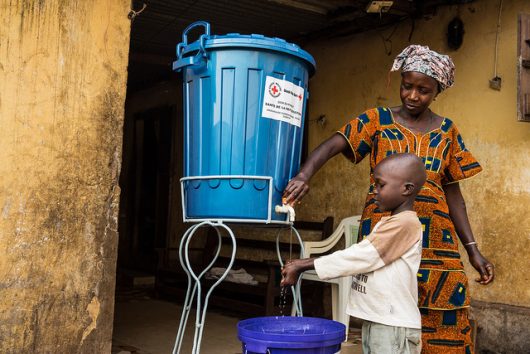
Water quality in the Democratic Republic of the Congo is in need of improvement. Only 46 percent of the population has access to clean and safe drinking water. Although the DRC has an abundance of freshwater sources, pollution and accessibility are major issues in the country.

According to the World Food Programme, the DRC is one of the poorest countries in the world. Therefore, the country has a lack of infrastructure and insufficient water storage and treatment facilities. Poorly maintained water systems can be dangerous because old and rusted pipes can possibly pollute water. Some towns, especially in rural regions, do not have any water systems.

For instance, the isolated town of Kasongo once had a working water system but it broke down and was not been repaired for several years. Without running water, residents had to walk three miles to get water from the nearest stream. This trip can take up to two hours. This is common for rural towns in the Congo.

People in the rural regions who depend on direct water sources are more likely to drink unsafe water. Approximately 37 million people in rural areas are at risk of contracting a disease from contaminated streams and rivers. One of the most common illnesses caused by unsafe drinking water is Cholera. Every year, 20,000 people die from cholera.

UNICEF representative, Pierette Vu Thi says, “A child living in a Congolese village is four times more likely to drink contaminated water than someone in town. Yet, all children have equal right to survival and development of which drinking water is a vital component.”

There are many solutions being explored to improve water access and quality in the Congo. The state water company REGIDESO is tapping groundwater in order to install pumps in remote rural areas. This method is much cheaper and less difficult than installing water systems. But, old water systems are also being restored. In Kasongo, REGIDESO replaced their defunct water system. The old storage tank, engine and pump were repaired with new models. A network of pipes and taps were extended to provide more people with running water.

The water quality in the Democratic Republic of the Congo is poor especially for the Congolese in rural areas. However, with new initiatives, many more people will gain access to clean water without having to travel miles.

– Karla Umanzor

Photo: Flickr

January 5, 2017
https://borgenproject.org/wp-content/uploads/borgen-project-logo.svg 0 0 Borgen Project https://borgenproject.org/wp-content/uploads/borgen-project-logo.svg Borgen Project2017-01-05 01:30:582024-12-13 17:56:28Water Quality in the Democratic Republic of the Congo
Disease, Health, Malaria

Five of the Top Diseases in Greece

Five of the Top Diseases in Greece
Though often envisioned as an ideal vacation spot, home to thousands of sites, islands and beaches, Greece is not exempt from the list of countries affected by diseases, and it is necessary that travelers be aware of this.

  1. Coronary Heart Disease
    According to WHO, Coronary Heart Disease (CHD) is one of the top diseases in Greece, responsible for 26.17% of the country’s total deaths. Statistically, CHD occurs in men between the ages of 50 to 79, and in women ages 70-79. Controllable factors include arterial hypertension, diabetes, dyslipidemia, obesity, smoking and lack of physical activity. Non-modifiable factors include gender, age and family history of premature CHD.
  2. Stroke
    Falling second in the list of top diseases in Greece, mortality from heart disease and strokes has reached 35,000 deaths per year, which is high compared to other regions like Portugal or Spain. As a result, life expectancy for Greeks has fallen. Statistics showing 33% of adults smoking daily and 19.6% of the population being overweight or obese contribute to the issue.
  3. Malaria
    In 2011, a total of 20 cases of malaria occurred among Greek residents in the Evrotas, Laconia district, caused by the parasite Plasmodium vivax. The following year, 17 additional locally acquired cases were reported. According to the Centers for Disease Control, it is recommended that travelers take an anti-malarial medication and follow insect protection measures to reduce the risk of mosquito bites.
  4. Legionnaires’ disease
    A total of 14 cases of Legionnaires’ disease were reported on the island of Corfu in 2011. Legionnaires’ disease is a bacterial infection that typically causes pneumonia but can also involve other organ systems. The disease is usually transmitted through contaminated water sources, such as air conditioners and showers. Common symptoms include fever, cough, chest pain, difficulty breathing, headache, muscle pains and diarrhea.
  5. West Nile virus
    An outbreak of West Nile virus infections surfaced in 2010, causing 262 confirmed cases and 35 deaths. West Nile virus is carried by Culex mosquitoes. Most infections are mild but can affect the central nervous system, leading to fever, headache, confusion, lethargy, coma and in most serious cases, death. Because there is no treatment for West Nile virus, prevention methods should be taken by keeping cover and applying insect repellents.

For both locals and visitors, such recent outbreaks emphasize the importance of taking safety precautions and preventing further transmission of top diseases in Greece. Since most of these illnesses cannot be cured, undergoing certain treatment methods or making lifestyle changes help with recovery.

– Mikaela Frigillana

Photo: Flickr

December 28, 2016
https://borgenproject.org/wp-content/uploads/borgen-project-logo.svg 0 0 Borgen Project https://borgenproject.org/wp-content/uploads/borgen-project-logo.svg Borgen Project2016-12-28 01:30:002024-12-13 17:56:26Five of the Top Diseases in Greece
Global Poverty, Health, Technology

HIV-Detecting USB: Changing the Lives of HIV Patients

HIV-Detecting USB: Changing the Lives of HIV Patients

Scientists at Imperial College London and tech company DNA Electronics have developed a USB that can diagnose HIV and allow patients to track their own virus levels. This HIV-detecting USB could save the lives of many.

Worldwide, 36.7 million people have HIV. According to AIDS.gov, the majority of HIV-positive people are from disadvantaged countries. A large number are unaware of their status. Others who know they are positive do not have access to necessary equipment.

According to Dr. Graham Cooke, a researcher from the Department of Medicine at Imperial College, “We have taken the job done by this equipment, which is the size of a large photocopier, and shrunk it down to a USB.”

How Does It Work?

The process is simple. The patient places a drop of blood on the USB. A complementary metal-oxide semiconductor detects HIV RNA. The presence of HIV in the patient’s blood triggers a change in acidity in the metal, which is translated into an electrical signal. Users can read the results on a computer.

Scientific Reports published the results of trials in early November. The USB tested 991 blood samples with 95% accuracy. The average wait time to get results was under 21 minutes. The process is quick and accurate. The technology is still in its early stages and will not be on the market for a while, but according to reports, the HIV-detecting USB is relatively inexpensive to produce.

Easily Used Outside of Hospitals

The developers want this device to reach patients living in regions where hospitals have limited resources to monitor their patients’ blood HIV levels.

The device is not restricted to medical facilities. Patients in remote areas can use the device to monitor their own HIV levels. Tracking virus levels helps patients receive accurate antiviral treatments and prevent the development of drug resistance.

Cook said, “HIV treatment has dramatically improved over the last 20 years…However, monitoring viral load is crucial to the success of HIV treatment.”

Soon, this HIV-detecting USB may be instrumental to treatment in underserved areas around the globe.

– Karla Umanzor

Photo: Flickr

December 22, 2016
https://borgenproject.org/wp-content/uploads/borgen-project-logo.svg 0 0 Borgen Project https://borgenproject.org/wp-content/uploads/borgen-project-logo.svg Borgen Project2016-12-22 01:30:172020-06-03 16:11:52HIV-Detecting USB: Changing the Lives of HIV Patients
Health

After the Earthquake: “Connecting Sichuan” Brings Healing

Connecting Sichuan
In May 2008, a magnitude 7.9 earthquake struck the Sichuan province in China. With over two minutes of shaking, the earthquake ended 87,150 lives and left an estimated five million people homeless.

The disaster could have turned the province into a poverty-stricken area, but it did not.

Immediately after the earthquake, international organizations such as the World Bank and many multinational corporations aided the Chinese government in restoring essential infrastructure, health and education services to pre-earthquake levels.

One of the major projects was Connecting Sichuan, a three-year, public-private partnership between the Sichuan Provincial People’s Government and multinational tech conglomerate Cisco.

As the project’s key stakeholder, Cisco contributed $45 million to the recovery, with a focus on providing universal healthcare in earthquake-damaged areas, demonstrating how a disaster might be turned into an opportunity for transformation and progress.

Even before the disaster, which devastated medical facilities, healthcare delivery was a problem in Sichuan. Sichuan’s per capita healthcare resources were below China’s national average.

In order to increase healthcare access to the rural population in earthquake-damaged areas, Connecting Sichuan established mobile health centers in Sichuan Province. Mobile health vehicles connect patients with medical experts located outside the immediate community. The mobile health centers employ advanced technology to improve patient care and build healthcare capacity.

Connecting Sichuan also built regional health networks to connect healthcare institutions in urban and rural areas and provide reliable connections to external organizations, such as the Provincial Department of Health and general hospitals in major cities. This shared resource model delivered improved services at much lower costs.

Starting in 2008, Connecting Sichuan successfully supported remote diagnoses between West China Hospital in the provincial capital of Chengdu and temporary field hospitals in Qingchuan and Dujiangyan, helping approximately 30 million people access reliable, affordable medical treatment.

Most importantly, the mobile health center in Sichuan lowered gaps in treatment quality between medical facilities based on geography and income. The project fostered local ownership, helping rural areas prosper.

A focus on healthcare solutions after the earthquake effectively drove workforce development and fueled job creation while attracting investment. The development of the mobile health center in Sichuan is compatible with the “Healthy China 2020” blueprint, which aims to deliver universal health care to all populations.

“Corporate social responsibility isn’t just about writing checks; it’s about looking at opportunities to develop solutions that address social needs in a responsible and transparent manner,” said Tae Yoo, Cisco Senior Vice President of Corporate Affairs.

By helping disaster-wrought areas, Cisco gains much more than tangible economic benefits. All U.S. corporations should aspire to match the invaluable human impact Cisco had on Sichuan Province.

– Yvie Yao

Photo: Flickr

December 3, 2016
https://borgenproject.org/wp-content/uploads/borgen-project-logo.svg 0 0 Borgen Project https://borgenproject.org/wp-content/uploads/borgen-project-logo.svg Borgen Project2016-12-03 01:30:072020-05-16 07:18:43After the Earthquake: “Connecting Sichuan” Brings Healing
Developing Countries, Health, Technology

Digital Otoscope: Can a Smartphone Detect Ear Infections?

Digital Otoscope
Ear infections are very common among young children and can be easily treated. By the age of three, a majority of children would have already experienced at least one ear infection. The problem emerges when ear infections go untreated. It can possibly cause serious medical issues. Researchers from Umea University in Sweden and the University of Pretoria in South Africa wanted to make diagnosis easy and affordable for people in developing countries. They created a software-based smartphone system along with a digital otoscope that can diagnose ear infections.

Claude Laurent, a researcher at the Department of Clinical Sciences at Umea University, says “Because of lack of health personnel in many developing countries, ear infections are often misdiagnosed or not diagnosed at all. This may lead to hearing impairments, and even to life-threatening complications.”

A digital otoscope is connected to a smartphone and takes photos of the eardrum. Then it is displayed on the smartphone. Since the software is cloud-based, the image is uploaded to the cloud. It is then analyzed and compared to archived images. The system automatically places it into one of the five diagnostic groups.

The system is completely portable allowing it to be used directly in the homes in villages and small towns.

Laurent says “Using this method, health personnel can diagnose middle ear infections with the same accuracy as general practitioners and pediatricians.” This is extremely important, as there tends to be a shortage of ear specialist in developing areas.

Traditionally, a pneumatic otoscope is used by doctors to view how much fluid is behind the patient’s eardrum. Although this method has been used for a long time, it is not always accurate. Often ear infections are misdiagnosed which may cause harm to the patient.

However, the software could possibly fix the problem of misdiagnosis. The digital otoscope has an 80.6 percent accuracy rate, while traditional otoscopes have an accuracy between 64 to 80 percent.

“This method has great potential to ensure accurate diagnoses of ear infections in countries where such opportunities are not available at present. Since the method is both easy and cheap to use, it enables rapid and reliable diagnoses of a very common childhood illness,” Laurent says.

Once widely available, this software-based smartphone system, with the use of cloud technology and a digital otoscope, will provide relief for children in various parts of the world.

– Karla Umanzor

Photo: Flickr

November 29, 2016
https://borgenproject.org/wp-content/uploads/borgen-project-logo.svg 0 0 Borgen Project https://borgenproject.org/wp-content/uploads/borgen-project-logo.svg Borgen Project2016-11-29 01:30:162020-05-09 11:38:00Digital Otoscope: Can a Smartphone Detect Ear Infections?
Health, War and Violence, Water

Water Quality in Syria

Water Quality in Syria
As the conflict in the country continues, water quality in Syria worsens, leaving the population more susceptible to diseases and forced to migrate in unsafe conditions.

Poor water quality in Syria is caused by damage and lack of maintenance to infrastructure as well as poor sanitation. Low power supply and lack of sewage sanitation also contribute to an insufficient clean water supply.

Water is also used as a weapon. For example, in Aleppo, pumps and electricity stations that fuel the water are controlled by different fighting parties. The water supply is often deliberately turned off for long periods of time as a tactic to wear the other side down.

As a result, civilians suffer and must resort to whatever supply of water they can find, such as wells, which are not guaranteed to be clean. Those who drink unsanitary water are at risk for developing diarrhea, typhoid, hepatitis and other health problems.

The Middle East has the lowest per capita water availability in the world as well as one of the highest rates of population growth, according to Ashok Swain, director of the International Center for Water Cooperation.

Syria and other nearby countries such as Iraq suffered a severe drought from 2007-2010, which severely lessened agricultural productivity and forced farmers and herders to migrate for water.

“The inability of Syria and Iraq to meet the demand for water — due to growing populations and/or decreasing supply and flawed water policies — has only exacerbated problems caused by drought conditions,” wrote Marcus King, associate professor of International Affairs at George Washington University, in his essay “The Weaponization of Water in Syria and Iraq.”

“Water scarcity played a meaningful but complicated role in creating conditions that led to political unrest and ultimately violent insurrection in Syria in spring 2011 and the spillover into Iraq,” said King.

According to the U.N. Refugee Agency, 6.5 million people have been displaced inside Syria, and 4.8 million have fled to nearby countries such as Jordan, Lebanon, Turkey, Iraq and Egypt since the conflict began in 2011. Neighboring countries are also experiencing clean water shortages as a result of the influx of refugees.

The U.N. Children’s Fund brings portable water to refugees in Syria and other affected nations as well as implements cost-effective, sustainable water systems for communities in need. UNICEF is also working to relieve nations hosting refugees by augmenting existing water, sewage and waste collection systems to accommodate the increased demand.

Other relief efforts headed by UNICEF include:

  •  Improving access to quality education;
  •  Children’s programming and protection services;
  •  Providing vaccinations and nutritional supplements;
  • Issuing emergency cash assistance to families in need;

You can help Syrian refugees by making a tax-deductible donation to UNICEF.

– Cassie Lipp

Photo: Flickr

November 26, 2016
https://borgenproject.org/wp-content/uploads/borgen-project-logo.svg 0 0 Borgen Project https://borgenproject.org/wp-content/uploads/borgen-project-logo.svg Borgen Project2016-11-26 01:30:112024-12-13 17:56:11Water Quality in Syria
Development, Global Poverty, Health

500 Sails: Poverty in the Northern Mariana Islands

500 Sails: Poverty in the Northern Mariana Islands
In efforts to improve overall health and reduce poverty in the Northern Mariana Islands, the 500 Sails project is working to restore maritime culture to the Chamorro people. By 2030, the organization aims to have 500 traditional canoes, called proas, built, operated and sailed by the Chamorro people.

In the Northern Marianas, 51 percent of individuals live below the poverty line and more than 1,800 families make less than $5,000 a year. Additionally, non-communicable diseases like heart attack and stroke cause 45 percent of medical referral patients to need immediate health care. These diseases are responsible for seven in 10 deaths in the commonwealth.

The 500 Sails project aims to improve the overall health and well-being of the indigenous population by encouraging widespread participation in traditional proa construction and sailing. Promoting local maritime traditions will enhance Chamorro culture and bring economic benefits to reducing poverty in the Northern Mariana Islands.

Health problems in the Northern Marianas “are closely tied to modern sedentary lifestyles, high-carbohydrate diets, and the far-reaching consequences of poverty,” says Peter Perez, 500 Sails executive director.

The 500 Sails project was presented with a three-year developmental grant by the Social and Economic Development Strategies program and was met with broad public support. The grant is a part of the U.S. Congressional Native American Program Act of 1974, which promotes economic self-sufficiency of indigenous populations. Benefits of the program directly impact the local residents, as 500 Sails connects communities to their natural and cultural environment.

“This is not a giveaway program,” says Perez. Rather, participating individuals will help build and finish the proas and take water-safety courses to properly prepare for maritime activity.

By promoting the use of proas, Chamorros will have greater access to inter-island transportation and off-shore fisheries, improving physical health and diets.

Economically, the program will open employment opportunities and increase tourist activity, an industry that employs about a quarter of the workforce and accounts for nearly one-fourth of the commonwealth’s GDP. With a very young population and 11.2 percent unemployment as of 2010, strengthening employment in the tourist industry will help stimulate economic growth and prosperity.

The 500 Sails program addresses what acting Governor Ralph Torres views as the “three fundamental potholes toward prosperity — jobs, opportunity, and health.” By addressing these underlying issues of poverty in the Northern Mariana Islands, the fleet created by the project will navigate the Chamorro people out of poverty and toward cultural and economic prosperity.

– McKenna Lux

Photo: Flickr

November 24, 2016
https://borgenproject.org/wp-content/uploads/borgen-project-logo.svg 0 0 Borgen Project https://borgenproject.org/wp-content/uploads/borgen-project-logo.svg Borgen Project2016-11-24 01:30:542024-06-04 05:25:34500 Sails: Poverty in the Northern Mariana Islands
Health

Poor Health in the Pacific Has Hope

Poor Health in the Pacific Has Hope
The World Health Organization has identified nine out of the top 10 most obese nations as being located in the Pacific. Within these nine nations, rates of obesity range from 35 percent all the way up to 50 percent.

Obesity measurements are calculated by looking at an individual’s BMI, or body mass index. Pacific islanders naturally have a larger build than people of other ethnicities. This is the case because, at one time, people from this region were forced to endure long and difficult journeys at sea. People able to store enough energy in the form of fat were more likely to survive, and evolution selected for these genes. However, this genetic component still does not explain all of the obesity rates.

What does help to explain this epidemic is the increasing number of foods that are being imported to the islands. Traditional tropical diets included an abundance of fresh produce and fish, but these foods are now replaced with more processed foods, which provide a cheaper alternative. One World Health Organization worker and Fijian native even noted that “it’s cheaper to buy a bottle of coke than a bottle of water.”

Additionally, urbanization and increasing numbers of office jobs contribute to poor health in the Pacific. Historically, many jobs such as fishing and farming included a great deal of physical activity. However, as more people begin to drive to work in offices, physical activity is greatly reduced.

This obesity academic is exhibited in children as well. Roughly one in five Pacific children are obese, and diabetes is a constant concern for children as well as health services who struggle to meet increasing demands.

Despite these unfortunate circumstances, there is still much hope for improving health in the Pacific. Members of the World Health Organization are confident that higher taxes on soft drinks, controlled marketing of products aimed at children and general promotions of a healthy lifestyle can help to turn things around.

Additionally, Australian researchers recently found an issue with the way that the rates of Type 2 diabetes were being measured in the Pacific. Essentially, blood glucose levels measured in the first phase of the survey were mistakenly compared to plasma levels in the follow-up portion of the survey. This caused rates to become inflated to nearly twice their actual value.

It was originally believed that Samoa experienced a 24.3 percent increase in diabetes from 2002 to 2013 when the actual increase was less than 3 percent. Tonga was thought to have experienced a 12 percent increase when diabetes rates actually decreased by three percent. Clearly, a recalculation may be required.

Although this inflation certainly does not mitigate the entire health crisis occurring in the Pacific islands, it does mean that at least rates of diabetes may be lower than was previously thought. Further steps to improve health in the Pacific will need to include conscious efforts on behalf of national governments, health organizations and citizens to strongly promote healthy living.

– Nathaniel Siegel

Photo: Flickr

November 17, 2016
https://borgenproject.org/wp-content/uploads/borgen-project-logo.svg 0 0 Borgen Project https://borgenproject.org/wp-content/uploads/borgen-project-logo.svg Borgen Project2016-11-17 01:30:132024-12-13 17:56:05Poor Health in the Pacific Has Hope
Developing Countries, Global Poverty, Health, Women and Female Empowerment

Low-Income Communities Deserve Sanitary Menstrual Products

Low-Income Communities Deserve Sanitary Menstrual Products
In 2015, 18 percent of Rwandan females didn’t go to school or work because they couldn’t purchase sanity menstrual products.

Sustainable Health Enterprises (SHE) recycles trunk fiber from banana farmers to be cut, carded, washed, fluffed and solar dried for menstrual pads. The company supplies farmers with the necessary equipment and training services for production. They offer health and hygiene education to the community through schools.

SHE believes it’s a personal injustice that menstrual hygiene is seen as a luxury item. In Rwanda each year, the country has roughly a gross domestic product (GDP) loss of $115 million for women needing to take sick leave due to their periods. The company is fighting for the removal of value-added taxes on menstrual pads.

“We’re creating a blueprint to franchise globally. It’s a sustainable system that can be rolled out anywhere. We think it’s straight up common sense,” SHE outlined on the company’s website.

Most U.S. food stamp programs do not define sanitary menstrual products as an essential item. In India, people believe menstruation makes women impure. Most of the time females who are on their period are banished from completing their household obligations such as cooking, or even from inhabiting their homes at all.

In the largest slum, Mukuru, in Nairobi, Kenya, a study found that girls 10 to 19 years old were having sex with older men to gain access to sanitary menstrual products, according to Dignity Period.

In Burkina Faso, 83 percent of girls don’t have a sanitary menstrual changing area, and more than half of schools in the poorest countries lack private toilets, according to UNICEF.

Diana Sierra, a founder of Be Girl Inc., created a pair of underwear with a menstrual, mesh pocket that females can fill with any type of recyclable materials, such as cotton, grass or fabric, depending on the materials readily available in their geographic location.

After Sierra finished a master’s program in sustainability management at Columbia University, she traveled to Uganda for her internship. While conducting research on a coffee farm and cultural arts, she was working on the side to create a prototype for the most effective sanitary pad.

“So I said okay I’m going to hack this material with what I have handy. I took an umbrella for the layer on the bottom, I took like a mosquito net and cut it in pieces and stick it all together and created a kind of a universal pocket, a mix-proof pocket for a certain material,” said Sierra.

Sierra took her product to a school and the children found it successful, but they didn’t like the color black because they found it boring. In Tanzania and Malawi, the stigma associated with menstruation is more than a negative connotation. It is considered a curse.

“When we were asking them, they were talking about how they can’t touch an animal because the animal would just drop dead, and they cannot touch a baby because the baby can die. They cannot go through the crops because the crops will die,” said Sierra.

Sierra realized that she spent years working for global companies, designing for about 10 percent of the population with their extra TVs and face steamers, but she wondered about the other 90 percent of the world who feel that they aren’t deserving of a sanitary product.

Be Girl was launched in the U.S. to fiercely distinguish between and within genders. Sierra is mining a conversation of equality worldwide. It’s a product not exclusive to any socioeconomic status. She wants women to educate themselves about their options and teach others in every country so that generations that follow will spread the knowledge.

“They have the same value as a human being, but they’re completely overlooked. So that was the very first thing that I said I have to go and see this for myself and experience firsthand what it is that a designer can do for this type of scenarios,” said Sierra.

– Rachel Williams

Photo: Flickr

November 15, 2016
https://borgenproject.org/wp-content/uploads/borgen-project-logo.svg 0 0 Borgen Project https://borgenproject.org/wp-content/uploads/borgen-project-logo.svg Borgen Project2016-11-15 01:30:432024-12-13 17:56:01Low-Income Communities Deserve Sanitary Menstrual Products
Global Poverty, Health

Mother’s Delivery Kits Provide Affordable Birthing Supplies

Mother's Delivery Kits Provide Affordable Birthing Supplies
After a close friend died during childbirth, Adepeju Jaiyeoba founded the Brown Button Foundation, an organization in Nigeria that trains birthing attendants in 2011.

Training the birthing attendants led Jaiyeoba to another realization: the supplies being used to deliver babies often were not sterile and posed hazards to the health of both the mother and baby. In response, Jaiyeoba started the Mother’s Delivery Kits in 2013, a for-profit company that provides affordable birthing kits with safe and sterile equipment.

Jaiyeoba intended for her kits to be used as a safe alternative. However, it is not uncommon for dangerous practices to be used when health care practitioners and families lack access to safe and sterile birthing tools.

This is especially common in rural Nigeria. For example, traditional birth attendants may cut the baby’s umbilical cord with a rusty blade or suck mucus out from the baby’s nostrils to prevent them from asphyxiating. Both practices can lead to infection. In contrast, the Mother’s Delivery Kit provides sterilized scalpel blades and a mucus extractor along with another 13 to 15 sterilized delivery tools.

Development of the Mother’s Delivery Kit has been so influential that Jaiyeoba was recognized by President Barack Obama during the Washington Fellowship for Young African Leaders Presidential Summit in 2014 for her ventures.

Mother’s Delivery Kits provides birthing kits for health centers, hospitals, university teaching hospitals, maternal and child health organizations and Traditional Birth Attendants. They have about 205 attendants and institutions that have registered for a consistent supply. Over 7,500 kits were sold in the first year alone. Such use has yielded a 100 percent safe delivery record.

As of 2015, 11,000 kits have been delivered. This life-saving company hopes to continue expansion through Nigeria and franchise their model to other organizations in countries with similar problems of high maternal and infant mortality rates during childbirth.

– Laura Isaza

Photo: Flickr

November 12, 2016
https://borgenproject.org/wp-content/uploads/borgen-project-logo.svg 0 0 Borgen Project https://borgenproject.org/wp-content/uploads/borgen-project-logo.svg Borgen Project2016-11-12 01:30:432024-12-13 17:55:48Mother’s Delivery Kits Provide Affordable Birthing Supplies
Page 155 of 212«‹153154155156157›»

Get Smarter

  • Global Poverty 101
  • Global Poverty… The Good News
  • Global Poverty & U.S. Jobs
  • Global Poverty and National Security
  • Innovative Solutions to Poverty
  • Global Poverty & Aid FAQ’s
Search Search

Take Action

  • Call Congress
  • Email Congress
  • Donate
  • 30 Ways to Help
  • Volunteer Ops
  • Internships
  • Courses & Certificates
  • The Podcast
Borgen Project

“The Borgen Project is an incredible nonprofit organization that is addressing poverty and hunger and working towards ending them.”

-The Huffington Post

Inside The Borgen Project

  • Contact
  • About
  • Financials
  • President
  • Board of Directors
  • Board of Advisors

International Links

  • UK Email Parliament
  • UK Donate
  • Canada Email Parliament

Get Smarter

  • Global Poverty 101
  • Global Poverty… The Good News
  • Global Poverty & U.S. Jobs
  • Global Poverty and National Security
  • Innovative Solutions to Poverty
  • Global Poverty & Aid FAQ’s

Ways to Help

  • Call Congress
  • Email Congress
  • Donate
  • 30 Ways to Help
  • Volunteer Ops
  • Internships
  • Courses & Certificates
  • The Podcast
Scroll to top Scroll to top Scroll to top