• Link to X
  • Link to Facebook
  • Link to Instagram
  • Link to TikTok
  • Link to Youtube
  • About
    • About Us
      • President
      • Board of Directors
      • Board of Advisors
      • Financials
      • Our Methodology
      • Success Tracker
      • Contact
  • Act Now
    • 30 Ways to Help
      • Email Congress
      • Call Congress
      • Volunteer
      • Courses & Certificates
      • Be a Donor
    • Internships
      • In-Office Internships
      • Remote Internships
    • Legislation
      • Politics 101
  • The Blog
  • The Podcast
  • Magazine
  • Donate
  • Click to open the search input field Click to open the search input field Search
  • Menu Menu

Archive for category: Health

Information and stories on health topics.

Disease, Global Poverty, Health

Ecohealth Alliance

The EcoHealth Alliance

Today’s world is burdened by diseases that scientists and medical professionals are actively attempting to cure. Poorer countries are subject to these infections as unsafe living conditions, a lack of strong healthcare systems and shortage of resources are all factors of such environments. However, a new field of study, ecohealth, has allowed new organizations to improve their understanding of diseases. Ecohealth is a study of the ways in which the Earth affects human health in various environments. Organizations such as the EcoHealth Alliance have taken this field further to tackle pandemic issues in our world today.

The EcoHealth Alliance

The EcoHealth Alliance is a global, environmental health nonprofit organization that is dedicated to protecting wildlife and public health from the emergence of disease. The Alliance formed when the Wildlife Trust and the Consortium for Conservation Medicine merged. After its inception in 1971, the Wildlife Trust worked to protect the planet’s wildlife. It later added conservation medicine when the connection to health and the environment became more evident.

The Consortium for Conservation Medicine was established in 1997. It had a similar focus on the healthy relationships between living organisms. Together, the organizations rebranded and created the EcoHealth Alliance. This rebranding allowed the organization to focus on local conservation as well as conservation medicine and the relationship between human health and the environment. EcoHealth Alliance has become a leader in preventative work of pandemics in “hotspot regions” of impoverished countries and in global conservation efforts.

The EcoHealth Alliance’s One Health Approach

The EcoHealth Alliance has a unique “One Health” approach that combats issues through different disciplines of thought. One Health consists of engaging with experts in many different disciplines to use their combined knowledge to solve problems that are larger than any single one of their respective areas of expertise. One example of how the Alliance is using One Health is through its work with the Rift Valley fever.

The Rift Valley fever is placed sixth on the World Health Organization’s list of priority diseases. This disease has a very low profile in comparison to others, such as Ebola, because it has only ever been observed in Africa and the Middle East. However, this disease is just as detrimental to those it infects, and there is a high likelihood of it traveling to the Americas.

The Rift Valley fever is spread through mosquitos. Mosquito bites infect livestock in the area. The infection has been recorded to kill “100 percent of infected young animals and 30 percent of adults.” This disease may also impact humans, whether it has traveled through mosquito bites or ingestion of affected livestock. It can result in mild flu-like symptoms as well as symptoms similar to Ebola.

How does One Health help?

The Rift Valley fever would be impossible to understand without the multidisciplinary approach that One Health entails because of the numerous factors surrounding the disease. Veterinarians understand how livestock is affected while parasitologists study the virus’s qualities and individual components. Economists research the impacts of outbreaks on society. Geologists study the conditions that allow the disease to thrive while anthropologists study the human behaviors surrounding the outbreak.

There is still much unknown about this disease as it disappears altogether between outbreaks. This lack of understanding makes it difficult to figure out the potential ways to protect people and animals. In response, the EcoHealth Alliance has formed a coalition of national and local partners in South Africa to improve prevention, detection and reporting policies surrounding this fever in people, livestock and wildlife.

The EcoHealth Alliance is the leading organization using the One Health approach. Hopefully, many organizations will follow to remain competitive. This organization’s procedures have brought together scientists from different backgrounds. It helps them to collaborate and tackle the importance of pandemic prevention in the interconnected landscape of the world today.

– Adya Khosla
Photo: Flickr

November 18, 2019
https://borgenproject.org/wp-content/uploads/borgen-project-logo.svg 0 0 Kim Thelwell https://borgenproject.org/wp-content/uploads/borgen-project-logo.svg Kim Thelwell2019-11-18 07:30:442020-01-18 13:29:16Ecohealth Alliance
Global Poverty, Health, Life Expectancy

10 Facts About Life Expectancy in Kyrgyzstan

10 Facts About Life Expectancy in Kyrgyzstan
Kyrgyzstan is a landlocked country in Central Asia with a population of 6.4 million. Since its independence from Russia in 1991, Kyrgyzstan has had unstable political conditions, leading to poor health conditions. Here are 10 facts about life expectancy in Kyrgyzstan.

10 Facts About Life Expectancy in Kyrgyzstan

  1. The average life expectancy in Kyrgyzstan is 71 years. For men, life expectancy is around 68 years, while women generally live 75 years. This represents a significant increase over the last 10 years, rising from an average of 67.7 years in 2010. However, the life expectancy in Kyrgyzstan still remains below the average in Asia, which is 79 years. It also falls behind other Central Asian countries, as the average life expectancy in Central Asia is 70 years for men and 76 years for women.
  2. The mortality rate for children under 5 in Kyrgyzstan is 20 per 1,000 live births. Comparatively, the average mortality rate for children under 5 in developing countries in Europe and Central Asia is 11 per 1,000 live births. Still, Kyrgyzstan has made much progress on reducing the mortality rate for young children over the past 20 years; in 1990, the mortality rate for children under 5 was 65 per 1,000 live births.
  3. Ischemic heart disease is the leading cause of death and disability in Kyrgyzstan. The rate of ischemic heart disease in Kyrgyzstan is significantly higher than the rates in other low-and-middle-income countries. In fact, 4,628.7 per 100,000 deaths in Kyrgyzstan are caused by ischemic heart disease, while the average rate for other low-and-middle-income countries is 3,036.7 per 100,000 deaths. The second most common cause of death in Kyrgyzstan is stroke.
  4. Kyrgyzstan’s sanitation and drinking water services have a significant impact on the health of its population. Around 93 percent of the population has access to basic sanitation services and piped water services reach 58 percent of the nation. Additionally, the practice of open defecation is not found in the country, contributing to more sanitary conditions.
  5. As of 2015, the maternal mortality rate in Kyrgyzstan is 76 per 100,000 live births. Maternal mortality has remained high in the nation for the past two decades, barely decreasing from 1990 when the maternal mortality rate was 80 per 100,000 live births. This is in spite of the fact that 99 percent of all births in Kyrgyzstan are attended by a skilled professional.
  6. In Kyrgyzstan, there are approximately 1.9 doctors and 6.4 nurses per 1,000 people, according to World Bank data from 2014. This is lower than the average for low-and-middle-income countries in Europe and Central Asia, which is approximately three physicians per 1,000 people. Kyrgyzstan has made improvements, however, as the rate was approximately 2.5 doctors per 1,000 people in 2008.
  7. Kyrgyzstan has made reforms to its health care system three times since 2001, with the goal of improving the availability and quality of medical services. A mandatory health insurance fund has been in place since the 1990s and on average people in Kyrgyzstan pay 39 percent of the total cost of their health services. However, a lack of pharmacy price regulation and the devaluation of the national currency led to a 20 percent increase in co-payments for reimbursed medicine in outpatient care increased between 2013 and 2015, driving up out-of-pocket costs.
  8. Kyrgyzstan’s Ministry of Health and Mandatory Health Insurance Fund will implement a new Primary Health Care Quality Improvement Program between 2019 and 2024. This program is largely funded by the World Bank, which is contributing nearly $20 million. Alongside this program is the country’s new health strategy for 2019-2030: “Healthy Person – Prosperous Country.” The government of Kyrgyzstan recognizes that strengthening the primary health care system is essential to improving lives, particularly for the impoverished.
  9. The impoverished — which account for 25.6 percent of the population — and those living remotely in the mountains are most likely to experience malnutrition in Kyrgyzstan. UNICEF estimates that 22 percent of all child deaths occur due to malnutrition and almost 18 percent of all Kyrgyz children are malnourished. Malnutrition causes stunting, low birth weight and vitamin and mineral deficiencies that can have a life-long effect on one’s health and wellbeing.
  10. Education is also an important factor contributing to health and life expectancy. In Kyrgyzstan, education is mandatory for nine years between the ages of 7 and 15. UNICEF notes that many children drop out after grade nine when this mandatory education ends, as only 59 percent for boys and 56 percent for girls attend upper secondary school. Quality of education is another challenge for the nation, with more than 50 percent of children not meeting the basic level of achievement in reading, math and science.

These 10 facts about life expectancy in Kyrgyzstan shed light on health and living conditions in the nation. With new health initiatives being undertaken in the country, there is hope that life expectancy rates will continue to improve.

– Navjot Buttar
Photo: UNICEF

November 15, 2019
https://borgenproject.org/wp-content/uploads/borgen-project-logo.svg 0 0 Jennifer Philipp https://borgenproject.org/wp-content/uploads/borgen-project-logo.svg Jennifer Philipp2019-11-15 05:58:002024-05-29 23:13:3910 Facts About Life Expectancy in Kyrgyzstan
Global Poverty, Health

Finding the Solution to the HIV/AIDs Epidemic in South Africa

HIV AIDS Epidemic in South Africa

South Africa has the world’s largest HIV/AIDs epidemic. The government has issued numerous HIV prevention programs in an effort to educate the public, reduce the annual number of new infections, and, eventually, eliminate the disease.

History of the HIV/AIDS Epidemic in South Africa

South Africa’s first reported cases of the Human Immunodeficiency Virus, or HIV, emerged in 1982 among homosexual men amidst Apartheid. Due to the political upheaval and repression by the government during Apartheid, HIV was ignored, thus allowing the virus to spread rapidly throughout the homosexual community among men. HIV was almost exclusively diagnosed in gay men until 1987 when there was a sudden increase in women being infected with the virus. The opportunistic microbial infection was credited with being spread as a result of poverty, limited primary health care, lack of education, and sexual exploitation and violence against women. It was not until the early 2000’s that the government recognized HIV/AIDs as a major issue after HIV rates with pregnant women soared from 1 percent in 1990 to over 30 percent by the beginning of the next decade.

Prevalence of HIV/AIDs Epidemic in South Africa

In 2018, the HIV/AIDS epidemic in South Africa rose to an estimate of 7.1 million South Africans affected by the disease, with 240,000 new diagnoses, and 71,000 AIDS-related illnesses. The disease is most prevalent among marginalized groups: sex workers account for 57.7 percent of HIV cases, gay men at 26.8 percent, and drug addicts at 1.3 percent. Additionally, there is an estimate of 280,000 children who have contracted the disease from their mothers; HIV prevalence is four times greater in women and young girls due to gender-based violence and transgender women are twice as likely to be infected by the virus than gay men.

Solutions to the Epidemic

Despite the initial negligence to the HIV/AIDs epidemic of South Africa from the government, South Africa aims to reduce the number of new infections to under 100,000 by 2022. The government has made great efforts to resolve the issue by executing awareness campaigns, encouraging HIV testing, distributing condoms, and implementing HIV prevention programs. In 2018, the HIV/AIDS epidemic in South Africa rose to an estimate of 7.1 million South Africans affected by the disease. There have been large improvements in the choice of antiretroviral medicines and the widespread accessibility of the Prevention of Mother-to-Child Transmission, or PMTCT, program. As of 2016, mother-to-child transmission rates have fallen from 3.6 percent to 1.5 percent between 2011 to 2015, meaning the country is on track to completely eliminating MTCT.

Due to the 2010 national HIV Testing and Counselling (HTC), campaign and the 2013 HTC Revitalisation Strategy—which focused on encouraging people from the private sector, rural areas, and higher education to test—more than 10 million people in South Africa get tested for HIV every year.

As of 2016, only 5 percent of South African schools provided sex education, but the government has committed to increasing this number to over 50 percent by 2022—especially in high-risk areas. The government has adopted UNAIDS 90-90-90 strategy: By 2020, 90 percent of all people living with HIV will know their HIV status; 90 percent of all people with diagnosed HIV infection will receive sustained antiretroviral therapy; and 90 percent of all people receiving antiretroviral therapy will have viral suppression. Thus far, 90 percent of South African’s know their HIV status, 68 percent are on treatment, and 87 percent are virally suppressed. Factually, South Africa has made significant progress in reducing HIV amongst the population, and they are on track to eliminate the HIV/AIDS epidemic in South Africa.

– Arielle Pugh
Photo: Wikimedia

November 12, 2019
https://borgenproject.org/wp-content/uploads/borgen-project-logo.svg 0 0 Lynsey Alexander https://borgenproject.org/wp-content/uploads/borgen-project-logo.svg Lynsey Alexander2019-11-12 10:38:412019-12-18 13:24:02Finding the Solution to the HIV/AIDs Epidemic in South Africa
Developing Countries, Development, Global Poverty, Health, Water, Water Quality, Water Sanitation

10 Facts About Sanitation in Africa

Sanitation in Africa

According to rehydrate.org, “One flush of your toilet uses as much water as the average person in the developing world uses for a whole day’s washing, cleaning, cooking and drinking.” This is the case in the second largest continent on Earth: Africa. It is home to bountiful wildlife, hot sun, and cultural life; but unfortunately, clean water and sanitation are not as boundless of a commodity. Here are 10 facts about sanitation in Africa to explain the depth of the issue.

10 Facts About Sanitation in Africa

  1. One of the starkest of the 10 facts about sanitation in Africa is just how widespread the problem is. Of the 54 countries in Africa, 16 have less than 25 percent sanitation coverage. While statistics vary depending on the country, the bottom line is that it isn’t an isolated issue. Nearly 45 percent of all people in Africa will face unclean sanitation conditions in their life.
  2. Not only is this an uncomfortable way of life, poor sanitation is a key cause in many of the prevalent diseases in Africa. Diarrhea, cholera, dysentery and typhoid are all transmitted by unclean water and account for a large majority of infant deaths. More than 315,000 children in Africa die annually from diarrheal diseases that result from a lack of sanitation. Providing clean water and proper sanitation could reduce diarrhea by 15 to 20 percent.
  3. A lack of clean drinking water causes more than disease. Multiple problems like swelling of the brain, seizures, kidney failure, and comas are extreme results of continuous dehydration. Additionally, daily life becomes much harder to live when basic needs like hydration are not first fulfilled. It’s hard to think and perform at your best when you are constantly thirsty.
  4. When water is available in most rural African villages, it is often in far away locations. This leaves children and women forced to walk many miles a day in order to access water. The United Nations estimates that Africa loses nearly 40 billion hours per year due to collecting water- roughly equivalent to a whole year of labor from France’s entire workforce. This is time that could be dedicated to education or pursuing careers if enough clean water was easily accessible for all.
  5. Most of Africa has yet to see a strong private sector develop for water and sanitation. Having a sturdy and ethical private sector would lead to a growth in affordable sanitation services for many people.
  6. Many issues with poor sanitation lie in the age-old cultural practices common in rural regions of Africa. Open defecation is one of the biggest of these. Though this is largely because of a lack of toilets and waste management systems, even when these systems are put into place, people’s beliefs must change with the infrastructure. Proper education and awareness is necessary to overcome sanitation habits ingrained in many people’s daily routine.
  7. Ultimately, governments of each individual African country must prioritize providing clean water and sanitation to their population for largescale progress to be made. It is encouraging to note that South Africa has made this a high priority goal and has already seen an improvement of 62 percent to 82 percent of households gaining access to improved sanitation.
  8. Having a lack of clean water makes life physically unbearable. Finding clean water takes precious time of out people’s lives. Drinking unclean water causes diseases and more physical discomfort. As a result, poverty in areas of poor sanitation remains stubborn. People cannot escape the vicious cycle of poverty without first having their basic needs met. Only when clean water becomes freely available can people in these places of Africa have enough time, energy and health to pursue a poverty-free future.
  9. One of the greatest bright spots in 10 facts about sanitation in Africa is the Reinvent the Toilet Challenge. Created by Bill and Melinda Gates, the Reinvent the Toilet Challenge asks innovators to create affordable solutions to poor sanitation in developing countries. As a result, 20 different engineering companies created low-cost and sanitary toilets. These projects still need work being implemented on a large scale, but nevertheless they offer hugely promising results for our future world.
  10. Along with this hopeful initiative, other improvements to sanitation in Africa have been made. Open defecation has dropped from 32 percent in 1990 to 25 percent in 2006. Additionally, between the years of 1990 and 2006, 146 million people in Africa gained access to sanitation. Finally, in 2006, 354 million of the 1.2 billion people in Africa used an improved sanitation facility.

– Hannah Stewart
Photo: Wikimedia

November 12, 2019
https://borgenproject.org/wp-content/uploads/borgen-project-logo.svg 0 0 Kim Thelwell https://borgenproject.org/wp-content/uploads/borgen-project-logo.svg Kim Thelwell2019-11-12 08:01:582024-05-29 23:13:0910 Facts About Sanitation in Africa
Activism, Developing Countries, Development, Global Poverty, Health, Water, Water Quality

8 Companies Working to End the Global Water Crisis

Global Water CrisisWater is a fundamental resource for the sustainment of human life. The accessibility of clean water throughout many underdeveloped countries is rapidly becoming a detrimental humanitarian problem, a direct result of exponential population growth. And with such swift consumption, usable water sources are quickly drying up and diminishing. Over the past couple of years, daily conservation of water has become a global plea to help preserve water sources for future generations. This may seem like a bleak issue, but there is hope. Many corporations and nonprofit organizations around the world are invested in ending to the global water crisis. Here are eight companies working to end the global water crisis.
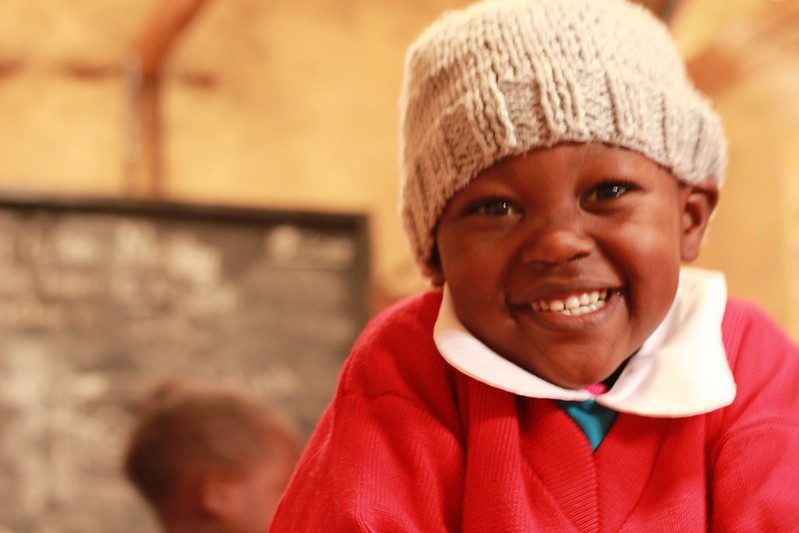
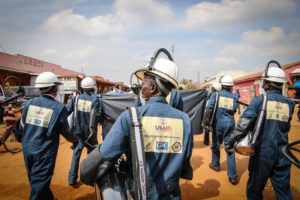
8 Companies Invested in Putting an End to the Global Water Crisis

  1. charity: water – Founded in 2006, this nonprofit organization is working to end the global water crisis by providing clean drinking water to citizens in 24 developing countries. charity: water focuses on three methodologies for providing clean water to communities in need: hand-dug wells, drilled wells and rainwater catch equipment that collects the water and sanitizes it. In addition, by collaborating with a number of local partners, the organization has funded more than 24,000 successful water projects as of 2018. Instead of just accepting donations, charity: water inspires people to start their own campaigns to raise money for clean water. Overall, the organization’s efforts have benefitted approximately 8.2 million people and counting.
  2. Global Water Challenge – The Global Water Challenge, also known as the GWC, is part of a leading team of organizations heavily invested in bringing clean water, for both consumption and hygiene purposes (WASH Sustainability Program), to each corner of the globe. While the GWC’s programs benefit entire communities, women’s empowerment is an important area of focus. After all, women are typically responsible for spending a huge portion of their days gathering water to sustain their families. Thanks to its public-private partnerships, the organization has reached more than 1 million individuals to date.
  3. water.org – The organization’s WaterCredit Initiative works with local businesses to provide loans to people who lack adequate water and sanitation resources. The organization mainly works with people through financing safe access to water in efforts to diminish the global water crisis, more sustainable methods and have effectively enabled more than 25 million people to obtain access to clean water and sanitation services.
  4. Drop in the Bucket – Similar to the previous organization, Drop in the Bucket also operates on a community loan basis to fund wells.  The organization has built 300 wells in schools in East Africa since its founding in 2006, recognizing this area as one in need when seeking to address the global water crisis.
  5. PepsiCo – Through partnerships with NGOs such as WaterAid and 2030 Water Resources Group of the World Bank, Pepsi has made it a priority to invest in ending the global water crisis. The company is focused on helping developing communities in the United States, Latin America, India and China by offering strategic grants that teach various methods for effectively conserving water. As of the middle of 2018, the company has donated $40 million to these organizations.
  6. The Nature Conservancy – One of the biggest charitable environmental organizations in North America, the Nature Conservancy concentrates its efforts on the preservation of land and water sources. The organization works in three continents — specifically focusing on Europe, as well as in Latin America and India. With more than one million members actively working to conserve natural landscapes through science and technological means, this group instills hope for future generations.
  7. UN Water – An arm of the United Nations, this agency works in more than 30 countries to provide clean water and sanitary techniques to assist the underprivileged. UN Water uses a data-driven approach to effect change in the countries where it operates.
  8. World Resources Institute – The World Resources Institute (WRI) is focused on the “mapping, measuring and mitigating global water challenges.” One of the organization’s current projects utilizes aqueduct systems as a method for preserving and sustaining water sources. The group is also working to rehabilitate ecosystems, to lessen the burden on diminishing water sources. The WRI is active in more than 50 countries and has global offices in Brazil, China, Europe, India, Indonesia, Mexico and the United States.

– Joanna Buoniconti
Photo: Flickr

November 11, 2019
https://borgenproject.org/wp-content/uploads/borgen-project-logo.svg 0 0 Kim Thelwell https://borgenproject.org/wp-content/uploads/borgen-project-logo.svg Kim Thelwell2019-11-11 12:39:192024-05-29 23:13:108 Companies Working to End the Global Water Crisis
Global Poverty, Health

Hope for Slums in Kenya

Hope for Slums in Kenya

A homeless child is wandering the streets of the largest slum in Africa. The child steals a mango, his meal for the next two days. An angry mob seeks justice and starts beating the hungry child. For some reason, a man saves the child from further punishment by paying for the mango. The man carried on with his day, but that boy’s life was changed forever. His name is Kennedy Odede and he is the founder of the multimillion-dollar nonprofit organization called Shining Hope for Communities (SHOFCO) to create hope for slums in Kenya.

Odede was forced to the streets at the young age of 10 because of poverty and violence in his family. After being saved from the angry mob, Odede met a Catholic priest who helped him go back to school. In addition to school, Odede was working a factory job that paid him only $1 for 10 hours of work. The kindness from strangers in the face of these struggles is what inspired Odede to create Shining Hope for Communities as a way to give back to his hometown and help the urban poor.

SHOFCO started in 2004 with, “passion, 20 cents and a soccer ball.” The grassroots organization works to transform urban slums into communities of hope. They do this in three ways. The first is by providing life-saving services like healthcare and clean water. As a grassroots organization, they also promote collective action, so that the struggling communities can advocate for lasting change. Finally, SHOFCO also works to educate young girls and allow them to be leaders because they are the key to advocating for and maintaining positive change in Kenya and Africa’s slums.

Here are a few ways that SHOFCO has benefited Kibera:

  • Over 500 students received free education from kindergarten to eighth grade
  • SHOFCO created 24 water kiosks that provided low-cost water to over 30,000 Kibera residents
  • The water kiosks served around 300,000 people in the region

The progress SHOFCO has made in Kenya and other African nations are remarkable. Grants and donations are SHOFCO’s main source of funding. They have yet to receive foreign aid, but the possibility of funding from the Kenyan government is looking more likely. SHOFCO could give hope for slums in Kenya and so many other slums in Africa if they received foreign aid. The impact that they have already made is astounding and they can only go up from here. In 2018, SHOFCO had some remarkable achievements:

  • Over 90 percent of students passed their KCPE exam which is an exam given at the end of primary school
  • The average school score on the KCPE was a B+
  • SHOFCO trained almost 1,500 new entrepreneurs

Fifteen years ago a boy who had struggled for most of his life started an organization that would change the lives of thousands. From earning $1 for 10 hours of work, Kennedy Odede used 20 cents of that dollar to create SHOFCO. With his amazing passion and kindness, SHOFCO has given hope for slums in Kenya. Together, Odede and SHOFCO have provided essential services to the poor and empowered young girls and women to create lasting change.

– Gaurav Shetty
Photo: Flickr


November 11, 2019
https://borgenproject.org/wp-content/uploads/borgen-project-logo.svg 0 0 Jennifer Philipp https://borgenproject.org/wp-content/uploads/borgen-project-logo.svg Jennifer Philipp2019-11-11 06:10:392020-01-18 13:52:53Hope for Slums in Kenya
Developing Countries, Development, Global Poverty, Health, Malaria

Human Behavior Can Help Eradicate Malaria

Studying Human Behavior Can Help Eradicate Malaria

Bed nets. Insecticide. Preventative medicine. These are the tools that are most known for fighting malaria—and for good reason. Tactics like these have saved millions of lives. However, when a country manages to eliminate most incidences of malaria, the traditional techniques lose their impact. One group of researchers, realizing the need for new strategies against malaria, decided to not focus on mosquitoes (the traditional tactic) but on humans themselves. Ultimately, studying human behavior can help eradicate malaria by targeting weak spots in preventative plans and providing a clearer implementation of resources. To better understand malaria, its far-reaching impacts and the importance of a new human-centered technique, it is helpful to start from the beginning.

What is Malaria and How Was it Treated in the Past?

Malaria has plagued humans for, quite literally, as long as humanity remembers. The earliest written records  — Mesopotamian cuneiform tablets — describe symptoms characteristic of the disease. Scientists found human remains dating back to 3200 BC with malaria antigens. Ancient scholars called the illness the “king of diseases.” It certainly lives up to the title. It is thousands of years old and it has killed hundreds of millions of people.

Anopheles mosquitoes, most active at dusk and night-time, are responsible for the malaria parasite’s spread. Carried in the insect’s stomach, the parasite enters the human bloodstream through the mosquitoes’ saliva (the same substance that makes bites itch and swell) as they feed.

Humans first exhibit symptoms a week or so after infection. If untreated, the disease quickly becomes serious. Sufferers feel flu-like symptoms, including body aches, fatigue, vomiting and diarrhea. Patients can die within 48 hours after they first exhibit symptoms.

In 1820, chemists developed quinine, the first modern pharmacological treatment for malaria. In the 1900s, the men who identified the malaria parasite, demonstrated that mosquitoes were responsible for transmission and developed the mosquito-repelling insecticide DDT all won Nobel Prizes for their respective discoveries. Understanding and preventing malaria were matters of great international importance.

What is Malaria’s Global Presence Today?

Fighting this disease remains a top global priority. Modern preventative measures now include insecticide-treated bed nets (to keeps the nocturnal malaria-carrying mosquitos away) and indoor sprays. Children in high-transmission areas are also eligible for seasonal malaria chemoprevention. Thanks to a surge in global humanitarian attention, the disease’s presence has fallen worldwide. Between 2010 and 2017, malaria incidence decreased by nearly 20 percent and fatalities decreased by nearly 30 percent.

However, the World Health Organization (WHO) estimates that 216 million clinical cases still occurred worldwide in 2016 alone, resulting in 445,000 deaths. The disease causes a massive drain on economies, due to healthcare costs and loss of workforce efficiency. In sub-Saharan Africa, where potent strains of the parasite thrive, those damaging effects are especially notable. Malaria and its effects cost Africa a stunning $12 billion every year and, because people living near unclean water sources and insecure housing are most at risk, malaria disproportionally affects the impoverished. By prohibiting individuals from attending work or school, let alone its potential to kill, malaria perpetuates the cycle of poverty. While reducing prevalence is a key factor, eradication continues to be the ultimate goal. That means the end to malaria’s ill-effects on communities, particularly impoverished ones.

How Studying Human Behavior Can Help Eradicate Malaria

When regions successfully employ traditional tactics, as many have, they find themselves with a new problem. “Lingering cases” is a term used to describe when a region no longer experiences outbreaks, but that the disease still exists locally. In general, eliminating any illness gets harder the fewer instances of it that occur. Tracking the carrier mosquitoes is infeasible, if not impossible. However, researchers in Zanzibar took a new approach – they decided to track humans instead.

In July 2019, the Johns Hopkins Center for Communication Programs published an article in Malaria Journal that details the reasoning behind the new technique. While indoor measures work, people are not necessarily confined to the home at nighttime. One Zanzibari woman remarked in an interview, “When you are outside, you can’t really wear the bed nets, can you?” Existing steps against malaria are not effective outdoors, which makes it nearly impossible to eliminate the last few cases.

Researchers conducted over 60 in-depth interviews and studied routine human movements: between homes, stores, public spaces, religious services and even special events, like weddings. They found many insights. For example, men were at the highest risk for infection because they most often work or socialize outside after dark. There is also a notable population of seasonal workers that come to Zanzibar from Tanzania’s mainland. These individuals rarely own mosquito nets nor insecticides to spray their residences. Better understanding the movements of people vulnerable to malaria, as well as those that find themselves periodically unprotected, is important. That information allows scientists to create better-targeted interventions, including community support programs, outdoor areas with preventative measures, and basic indoor resources for those without.

Small scale use of these techniques has proven effective, and the researchers behind this investigation believe they could be scaled up successfully. Best of all, 26 other countries have similarly low rates of malaria incidence. If Zanzibar, a high-transmission area for the parasite, could push back against this disease so successfully, other countries could benefit greatly from the same changes.

Conclusion

Malaria, a disease that has lasted for around 5000 years, has never been closer to eradication. The last century has seen a great surge in momentum for fighting this illness. The results are stunning; millions of lives saved, several countries eliminated the disease entirely, and dozens more are nearing that goal. In turn, people have prospered. For every dollar invested in African malaria control, the continent sees 40 dollars in economic growth. Much of that prosperity goes back to impoverished people, who can thrive with less illness and more economic efficiency. Now, researchers are pursuing the “last mile” strategies. Studying human behavior can help eradicate malaria by preventing remote cases. Total eradication and the end of malaria’s drain on the impoverished has never been closer.

– Molly Power
Photo: Wikimedia

November 9, 2019
https://borgenproject.org/wp-content/uploads/borgen-project-logo.svg 0 0 Jennifer Philipp https://borgenproject.org/wp-content/uploads/borgen-project-logo.svg Jennifer Philipp2019-11-09 08:41:262024-05-27 09:34:09Human Behavior Can Help Eradicate Malaria
Children, Global Poverty, Health, Poverty, Poverty Reduction

How Poverty Affects Breastfeeding in Zimbabwe

Breastfeeding in Zimbabwe
Zimbabwe is an African country located in the southern region of the continent. It has beautiful landscapes and wildlife that attract many people every year, but the country is still intensely poverty-stricken. In fact, it is one of the poorest nations in the world with a whopping 70 percent of the entire nation living under the poverty line.Many of the downsides that come with poverty are present in the country, but one downside that people often do not consider is how poverty affects breastfeeding in Zimbabwe. While people often see breastfeeding as a natural process that even the poorest populations do, breastfeeding is limited in Zimbabwe. About 66.8 percent of Zimbabwean women exclusively breastfed their newborns between the first six months of life with only 32 percent starting breastfeeding within the first day of life. In a country of malnourished people and food scarcity, this article will explore why women do not frequently breastfeed in Zimbabwe.

The Reason Women Do Not Breastfeed in Zimbabwe

One can attribute the lack of exclusive breastfeeding in Zimbabwe to a set of issues that include low education, low income and traditional practices as well as the country having a patriarchal society. Women said what they were only comfortable exclusively breastfeeding for the first three months of their child’s life and this directly relates to the fact that there is intense pressure from in-laws to include different foods in their babies’ diets which stems from long uninformed traditions. With little to no support from the male partner, mothers can find it difficult to resist this pressure.

In combination with these factors, there is also the simple fact that many Zimbabwean women suffer extreme malnourishment. Some reports also stated that many mothers who did not engage in exclusive breastfeeding for at least the first three months of life were simply unable to produce enough milk to fully nourish their babies.

The Effect On Zimbabwean Babies

Zimbabwe has an infant mortality rate of 50 deaths per 1,000 births. For perspective, the infant mortality rate in the United States is five deaths per 1,000 births. Reports determined that 10 percent of all mortality in children aged 5 years was because of non-exclusive breastfeeding at the beginning of life, which is quite significant.

In conjunction with this high infant mortality rate, there is also chronic malnutrition and stunting. Approximately 27 percent of children under the age of 5 in Zimbabwe suffer from chronic malnutrition. Stunting also occurs in Zimbabwean children but varies by region from 19 percent to 31 percent.

There is a correlation between education and breastfeeding in Zimbabwe as well. People have observed a connection between education and breastfeeding not only in the patterns of the mother but also in how it affects her children.

Solutions

Some are making efforts to bring more awareness and education to the people of Zimbabwe. One of these efforts is the initiation of World Breastfeeding Week which representatives from WHO, UNICEF and the Ministry of Health and Child Care launched due to concerns about the low exclusive breastfeeding rates. Only 48 percent of babies below the age of 6 months received exclusive breastfeeding at the time of this event which is significantly lower than the 66.8 percent in 2019.

The improved statistics show that efforts to combat the misinformation and societal pressures among Zimbabwean women to improve rates of exclusive breastfeeding are working. While poverty negatively affects breastfeeding in Zimbabwe, others are slowly combating it.

– Samira Darwich
Photo: Pixabay

November 8, 2019
https://borgenproject.org/wp-content/uploads/borgen-project-logo.svg 0 0 Lynsey Alexander https://borgenproject.org/wp-content/uploads/borgen-project-logo.svg Lynsey Alexander2019-11-08 01:30:352024-05-29 23:10:12How Poverty Affects Breastfeeding in Zimbabwe
Developing Countries, Development, Food & Hunger, Global Poverty, Health

The Maya Nut: Wild Food Consumption

Wild Foods Consumption
People considerably underlook wild food consumption when addressing the poor health epidemic. Lack of biodiversity in modern diets, especially the diets available to those living in poverty, is the main reason people have too few micronutrients and other key nutrients in their diet, which leads to an unnecessary number of preventable diseases and death.

The Maya nut is one of the lesser-known wild forest foods. Found in Ramón trees native to the rainforests of Latin America and the Caribbean, the Maya nut is extremely versatile in its uses and benefits. The Maya nut receives praise for its nutritional value, but people also stigmatize the wild food due to it once having been a staple food in severe times of poverty. Regardless of the association, what is important to note is that the Maya nut is a wild superfood with massive nutritional and health benefits for all people regardless their class status.

Versatility and Sustainability

Some of the micronutrients that one can find in the Maya nut in abundance include calcium, fiber, potassium, iron and zinc; these are all crucial and critically nutrients lacking in most diets across the globe. A nutrient-dense diet is even less accessible to those living in poverty: a propeller of the cycle of poverty when considering that a poor diet is the leading cause of future health issues.

People can consume the Maya nut in a variety of ways, such as fresh, dried or even roasted. The entire plant is useful in that the sap is medicinal, people can eat the seed or pit or they can mill it into flour (similar to the avocado). Individuals can also chop the branches into firewood. Unfortunately, less than 5 percent of the modern diet of local communities includes the Maya nut because communities do not support it.

Wild Foods and Forest Conservation

Research shows that an increase in the consumption of these types of wild forest foods could be a mutually beneficial enterprise with respect to forest conservation and the people that inhabit those communities suffering from deforestation. Satellite evidence shows that communities that are cultivating the threatened plant species are experiencing lower deforestation rates than areas that are not accessing and consuming the versatile Maya nut. The leading cause of deforestation in the world is food production and the practices by which humans manufacture food, so this is a great place to start when analyzing the world’s environmental crisis. Environmental benefits of the consumption of the Maya nut include the planting of trees, as opposed to their removal.

How to classify the Maya nut in terms of its wildness is controversial since it is notably a wild food but growers have since started to grow it intentionally. Wild edible species are technically plant groups that people do not cultivate willfully. While some grow it deliberately (the Maya Nut Institute is responsible for much of this), the Maya nut does continue to grow without human intervention in certain rainforest areas; just not enough to keep it from being on the verge of extinction.

Looking to the Future

One Ramón tree has the ability to produce up to 200 kg of food per year. Living for more than 100 years, this plant has the potential to outturn upwards of 20,000 kg of food in its lifetime. And not only that, but the Maya nut can last up to five years (if dried and stored properly) and will maintain its nutrient properties in full value. In terms of world hunger, wild foods can only help improve current circumstances. Wild food consumption could be a part of the solution to help reduce global poverty, hunger and deforestation all at once.

The protection of wild foods, wild foods consumption and overall accessibility to wild foods in poor communities is a global issue that people must address. Emphasis placed on education, awareness and accessibility could help increase wild food consumption. Others should make the indigenous people in areas where the Ramon trees flourish and provide ample food for the community aware of the plant and its benefits.

– Helen Schwie
Photo: Flickr


November 7, 2019
https://borgenproject.org/wp-content/uploads/borgen-project-logo.svg 0 0 Kim Thelwell https://borgenproject.org/wp-content/uploads/borgen-project-logo.svg Kim Thelwell2019-11-07 07:30:442020-01-18 14:05:12The Maya Nut: Wild Food Consumption
Global Poverty, Health

Rheumatic Heart Disease in Africa

Rheumatic Heart Disease in Africa
Heart disease is a significant burden across the world. From the Americas to Africa, heart disease affects people globally. While heart disease affects people from all spectrums of the socio-economic ladder, it disproportionately influences the lives of those living in extreme poverty. Nowhere is this more apparent than with rheumatic heart disease in Africa.

What is Rheumatic Heart Disease?

Rheumatic fever is the precursor to rheumatic heart disease. Rheumatic fever affects the connective tissue in multiple areas of the body, particularly the heart. Prolonged exposure to the illness can cause rheumatic heart disease due to the heart valves becoming swollen and scarred. Over time, this can lead to heart failure. Undertreated or ignored strep throat is the precursor to rheumatic fever. Those with frequent bouts of strep infections are at an increased risk of contracting rheumatic fever, particularly children. Children between the ages of 5 to 15 are particularly susceptible to rheumatic fever. Rheumatic fever and by extension, rheumatic heart disease, mainly affects children in underdeveloped nations.

Rheumatic Heart Disease in Africa: The Facts

Sub-Saharan Africa has the highest number of rheumatic heart disease cases in children between 5 to 14, with 1,008,207 cases.  In developed countries, the number of cases is drastically lower, with 33,330 cases. Thankfully, rheumatic heart disease is an easily preventable disease. Consistent, long-term treatment with penicillin can prevent rheumatic fever from progressing into rheumatic heart disease. Rheumatic fever is avoidable with early treatment of strep throat. This leaves the main reasons for the spread of rheumatic heart disease as a lack of resources, money and lack of knowledge about preventative measures.

How to Fight Rheumatic Heart Disease in Africa?

A multitude of nongovernmental organizations lent their services to the fight against rheumatic heart disease in Africa. One of these NGOs is the World Heart Federation (WHF), a group that dedicates itself to the eradication of rheumatic heart disease. On May 25, 2018, the global community put the World Health Organization’s resolution on rheumatic fever and rheumatic heart disease into action, and this led to the creation of the WHF Rheumatic Heart Disease Taskforce (RHDTF). This task force comprises three separate groups. The first group is the Access to Surgery group, which, as the name implies, focuses on developing strategies to bring lifesaving surgery to low-income countries. The Access to Surgery group works to create surgical centers dedicated to rheumatic heart disease surgery. The second and third groups in this task force are the Policy and Advocacy group and the Prevention and Control group. The Policy and Advocacy group works to increase access to penicillin in low-income areas by dealing with red-tape that can often affect the supply of penicillin. The Prevention and Control group focuses more on investing in projects that take on rheumatic heart disease at the local level.

The Future of Rheumatic Heart Disease

The future looks brighter for those suffering from rheumatic heart disease in Africa. Rheumatic heart disease is entirely preventable, with conventional prevention techniques such as avoiding sharing drinks, coughing away from others and even making sure to frequently wash hands.  With the help of NGOs like WHF and countries like Ghana hosting World Heart Day to raise awareness for rheumatic heart disease, there is hope that this disease’s days are finite.

– Ryan Holman
Photo: Flickr

November 6, 2019
https://borgenproject.org/wp-content/uploads/borgen-project-logo.svg 0 0 Lynsey Alexander https://borgenproject.org/wp-content/uploads/borgen-project-logo.svg Lynsey Alexander2019-11-06 07:30:312024-05-29 23:13:34Rheumatic Heart Disease in Africa
Page 126 of 214«‹124125126127128›»

Get Smarter

  • Global Poverty 101
  • Global Poverty… The Good News
  • Global Poverty & U.S. Jobs
  • Global Poverty and National Security
  • Innovative Solutions to Poverty
  • Global Poverty & Aid FAQ’s
Search Search

Take Action

  • Call Congress
  • Email Congress
  • Donate
  • 30 Ways to Help
  • Volunteer Ops
  • Internships
  • Courses & Certificates
  • The Podcast
Borgen Project

“The Borgen Project is an incredible nonprofit organization that is addressing poverty and hunger and working towards ending them.”

-The Huffington Post

Inside The Borgen Project

  • Contact
  • About
  • Financials
  • President
  • Board of Directors
  • Board of Advisors

International Links

  • UK Email Parliament
  • UK Donate
  • Canada Email Parliament

Get Smarter

  • Global Poverty 101
  • Global Poverty… The Good News
  • Global Poverty & U.S. Jobs
  • Global Poverty and National Security
  • Innovative Solutions to Poverty
  • Global Poverty & Aid FAQ’s

Ways to Help

  • Call Congress
  • Email Congress
  • Donate
  • 30 Ways to Help
  • Volunteer Ops
  • Internships
  • Courses & Certificates
  • The Podcast
Scroll to top Scroll to top Scroll to top