Foreign Aid Fueled Zambia’s COVID-19 Vaccination Success
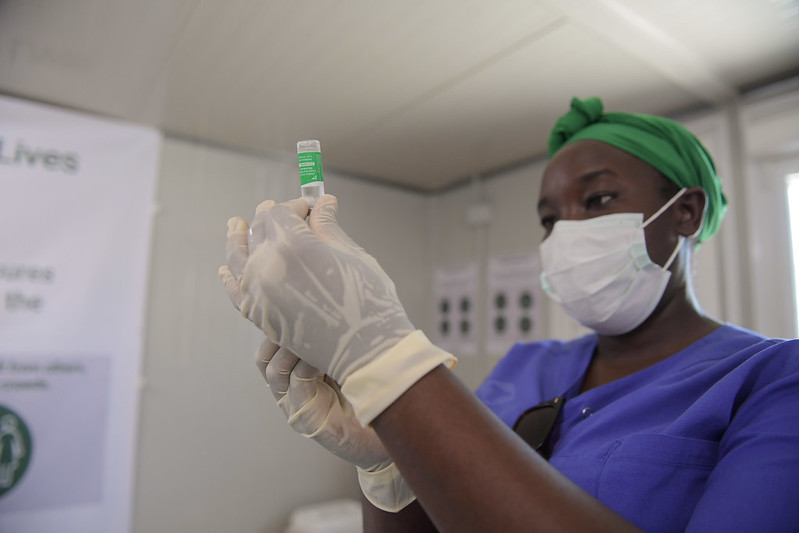 Zambia is a landlocked country in South-Central Africa. The nation has a reputation for political stability, avoiding the war and disruption that has dominated much of Africa’s post-colonial history. Despite economic growth, the daily lives of most Zambians have not improved in the last decade, with two-thirds of the population still living in poverty. Like every country across the globe, Zambia faced instability in the face of the COVID-19 pandemic. However, the country’s vaccination program exhibits the effectiveness and importance of international cooperation and donations when it comes to prioritizing global health.
Launch of Zambia’s COVID-19 Vaccination Program
In April 2021, Dr. Jonas Chanda, the Honourable Minister of Health for Zambia, launched the COVID-19 vaccination rollout. The United States Charge d’Affaires, at the United States (U.S.) Embassy, David Young, stated that the U.S. provided $2 billion to the Vaccine Alliance to support the COVAX. The Swedish Ambassador Anna Maj Huktgård congratulated the Government of the Republic of Zambia for achieving an important milestone in the response against COVID-19. She also took this as an opportunity to announce that the Swedish government was allocating a total of $259 million to support the COVAX program. The World Health Organisation (WHO) and the United Nations International Children’s Emergency Fund (UNICEF) worked in collaboration with other partners to support Zambia’s government in implementing the COVID-19 vaccination program.
International Contributions to Zambia’s Vaccination Efforts
In August 2021, the United Kingdom (U.K.) also donated 119,000 vaccine doses to Zambia through COVAX which arrived in Lusaka, as reported by UNICEF and the U.K.’s Foreign, Commonwealth and Development Office. In March 2022, the government of Japan, under an emergency partnership with UNICEF, officially handed over equipment aimed to strengthen the long-term capacity of the health system in Zambia, including the delivery of life-saving vaccines for COVID-19. This support included 82 solar-powered fridge freezers, 25 ‘on grid’ combo vaccine freezers, 120 large vaccine cold boxes and 200 vaccine carriers. This initiative was made possible through the COVAX facility, an international mechanism led by GAVI, CEPI, the World Health Organization and UNICEF to ensure equitable access to vaccines across the developing world.
National Vaccination Campaign and Foreign Aid
Later that year, in October, the Government of the Republic of Zambia and partners, including the Centre for Disease Control (CDC), WHO and UNICEF, launched a 10-day national COVID-19 vaccination campaign targeting children aged 12 to 17 and adults 18 and above across the country. The nation had had clear goals in its fight against COVID-19, which foreign aid undeniably made possible.
Achievements and Continued Support
In November 2022, the Zambian government celebrated the nation’s achievement of vaccinating 70% of the eligible Zambian population. The U.S. government, through the U.S. Agency for International Development, the Centers for Disease Control and Prevention, the President’s Emergency Plan for AIDS Relief (PEPFAR) and the U.S Department of Defense have since provided nearly 1.9 billion kwacha ($120 million) to respond, prevent the spread of and recover from the toll of COVID-19 in Zambia. The U.S. government also supported integrating COVID-19 vaccination into HIV treatment centers to protect those living with HIV against COVID-19.
Looking Ahead
Zambia’s successful vaccination program is a testament to the power of global cooperation. The generous foreign aid donations strengthened international relations and a shared commitment to prioritizing global health, especially during the COVID-19 pandemic, reveals what can potentially be achieved when the world unites for a common cause.
– Nia Willis
Nia is based in Carmarthenshire, UK and focuses on Global Health for The Borgen Project.
Photo: Flickr
