Poverty Alleviation in Hong Kong
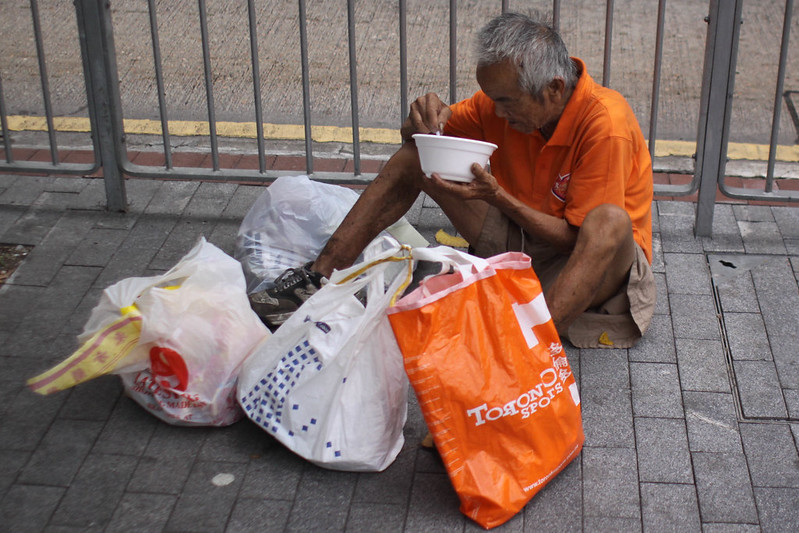 Despite its reputation for wealth and a dynamic economy, Hong Kong faces serious challenges with poverty, marked by stark income inequality and high living costs. More than 20% of its population lives in poverty, showcasing one of the largest wealth gaps in the world—Hong Kong’s poorest earn nearly 60 times less than its wealthiest residents. Many struggle to meet basic needs, evidenced by a 3.1% unemployment rate in 2023, affecting about 114,800 people and ongoing issues with affordable housing. These significant disparities have heightened social tensions and underscore the critical need for effective poverty alleviation strategies in Hong Kong, particularly in light of the economic downturn caused by the COVID-19 pandemic and the implications of the recently enacted Safeguarding National Security Ordinance.
Government Financial Aid
In response to reduced economic development, the Hong Kong government has launched several strategies to address local poverty. This year, it increased various social welfare subsidies by 3.3%, including the Comprehensive Social Security Assistance (CSSA), Disability Allowance and Old Age Living Allowance (OALA), benefiting more than 1.5 million citizens. Social welfare spending, now totaling HKD$127.4 billion, represents more than 20% of the government’s overall recurrent expenditure. This marks a 56.2% increase over five years, compared to HKD$81.5 billion in 2019. While financial aid plays a critical role, it may not be a long-term solution. Consequently, the government is also focusing on additional strategies to educate and assist able-bodied citizens in avoiding a return to poverty.
Government Programmes
Hong Kong has launched several government schemes to foster self-reliance among residents, particularly those in single-parent households facing poverty. A key initiative is the School-based After School Care Service scheme, which allows elementary students to stay at school for care and educational support after hours. This arrangement helps parents continue working without the burden of additional childcare costs, alleviating financial strain on single-income families.
Another significant effort is the Strive and Rise Program, a collaborative project involving the government, local businesses and the community. This initiative provides year-long mentorships to secondary students from economically disadvantaged backgrounds. Renewed for a second year, the program enhances students’ career prospects by offering mentorship and financial support to help them achieve personal development goals. Each participant receives HKD$ 10,000, with half paid at enrollment and the remainder upon program completion. These mentorships not only offer valuable work experience but also include lessons in financial planning, aiming to guide students toward economic independence.
Looking Ahead
Despite being relatively new, the Hong Kong government regularly evaluates the effectiveness of its programs aimed at poverty alleviation. As one of the world’s wealthiest regions, these local government initiatives underscore a strong commitment to narrowing the wealth gap in Hong Kong. By continuously refining and expanding these ongoing efforts, Hong Kong aims to foster a more equitable society where every individual has the opportunity for self-reliance and enhanced quality of life.
– Viola Cuthbertson
Viola is based in London, UK and focuses on Good News for The Borgen Project.
Photo: Flickr
