• Link to X
  • Link to Facebook
  • Link to Instagram
  • Link to TikTok
  • Link to Youtube
  • About
    • About Us
      • President
      • Board of Directors
      • Board of Advisors
      • Financials
      • Our Methodology
      • Success Tracker
      • Contact
  • Act Now
    • 30 Ways to Help
      • Email Congress
      • Call Congress
      • Volunteer
      • Courses & Certificates
      • Be a Donor
    • Internships
      • In-Office Internships
      • Remote Internships
    • Legislation
      • Politics 101
  • The Blog
  • The Podcast
  • Magazine
  • Donate
  • Click to open the search input field Click to open the search input field Search
  • Menu Menu

Archive for category: Global Poverty

Key articles and information on global poverty.

Financial Instruments, Global Poverty

The Impact of IMF Debt Restructuring in Zambia

IMF Debt Restructuring in ZambiaNovember 2020 saw Zambia become the first African nation to fail to meet its obligated debt payment to the International Monetary Fund (IMF), missing a payment of more than $40 million. In 2022, the country signed an Extended Credit Facility (ECF) agreement on the terms that it would allow more fiscal freedom to reinvest in stable, supported social reform. 

Sovereign Domestic Debt in Zambia

In 2019, Zambia’s external debt totaled almost $16 billion. A combination of declining national GDP, increased borrowing for commercial projects and a sustained fiscal deficit, further entrenched by the global financial impact of the COVID-19 pandemic, left the country unable to maintain economic growth.

Much of this debt was also worsened by inflexible loan agreements with bilateral lenders. As a result, the type of debt Zambia accumulated carried higher interest rates and strict repayment deadlines that the country struggled to meet.

Before defaulting on its November 2020 payment, Zambia’s debt-to-GDP ratio, a key indicator used by the IMF to calculate a country’s ability to repay debt, was nearing 103%. The IMF expects that countries with ratios below 60% are more able to repay loans effectively and sustainably. Ratios above this level indicate a high risk of economic default.

Conditions in Zambia were classified as extreme poverty under the United Nations (U.N.) frameworks, with more than half of the citizens living on less than $2 per day.

The Gamble of Restructuring

In response to growing trends of debt defaults and fiscal instability in low-income countries, the IMF and the World Bank launched two initiatives aimed at providing debt relief and encouraging poverty reduction strategies: the 1996 Heavily Indebted Poor Countries (HIPC) Initiative and the 2005 Multilateral Debt Relief Initiative (MDRI).

Support from these institutions allowed countries with the highest debt-to-GDP ratios to access comprehensive debt relief. These programs expanded following the COVID-19 pandemic, which disrupted global economic growth and placed pressure on international trade. The expansion produced the G20 Common Framework.

After defaulting in November 2020, Zambia applied for debt treatment under this framework. The goal was to temporarily stabilize debt levels while also improving fiscal management.

The application was formally accepted in the summer of 2022. Zambia received a 38-month ECF worth $1.3 billion, which the IMF increased to $1.7 billion in 2024. Upon approving the ECF terms, the IMF stated that efforts to alleviate Zambia’s debt distress would include increased social spending to “improve access to basic social services… [provide] a critical mitigant against food insecurity… and [increase] spending on health and education.”

The Impact of IMF Debt Restructuring in Zambia

Alongside institutional reforms aimed at preventing future debt mismanagement, IMF debt restructuring in Zambia has also produced several developments affecting citizens’ daily lives.

Across the health and education sectors, the ECF agreement allowed the Zambian government greater fiscal freedom to recruit “tens of thousands of teachers and health workers.” This expansion has improved access to education and strengthened service delivery in clinics and hospitals.

The government also expanded the Social Cash Transfer (SCT) scheme, which provides welfare payments to the country’s most vulnerable and excluded families. More than 1 million households were expected to receive support by the end of 2022.

Although current data remains limited due to gaps in surveys and census collection, the Civil Society for Poverty Reduction in Zambia reports that poverty remains widespread, reaching about 60% of the population in 2024. However, the organization notes that long-term economic stabilization may help lift millions of Zambian households out of poverty.

Some indicators of stabilization have already appeared. Inflation has declined steadily for more than a year and GDP growth has returned for the first time since before the COVID-19 pandemic.

Zambia’s ECF deal officially ended in October 2025. In reviewing progress, the IMF reported earlier this year that while fiscal restructuring during the 38 months showed progress, long-term sustainability will depend on the Zambian government maintaining these reforms independently.

Implementing Positive Social Change

Strategic initiatives like those led by the IMF still face barriers to comprehensive poverty reduction. One of the most significant challenges is the time required to negotiate funding and relief terms.

Zambia’s government waited nearly two years for its agreement to move forward. Other countries in the region, including Ethiopia, Ghana and the Democratic Republic of the Congo, have also experienced delays ranging from months to years before reaching similar agreements.

Some scholars attribute these delays to rigid institutional processes or lingering structural inequalities in global financial systems. The IMF instead points to “delays on structural conditionality” as a key factor slowing negotiations.

Looking Ahead

Despite the challenges, Zambia offers one example of how IMF-supported debt restructuring and ECF programs can provide low-income countries with a structured pathway out of financial crisis. These programs aim to restore macroeconomic stability while protecting essential social spending during broader institutional reforms.

By combining fiscal reform with commitments to health, education and social services, such programs seek to address immediate economic pressures while strengthening long-term fiscal capacity. The impact of IMF debt restructuring in Zambia illustrates how coordinated relief, fiscal reform and targeted social investment can help move a country from default toward stability and create a foundation for sustainable growth and gradual poverty reduction.

– Hannah Michie

Hannah is based in Nice, France and focuses on Good News and Politics for The Borgen Project.

Photo: Flickr

March 14, 2026
https://borgenproject.org/wp-content/uploads/borgen-project-logo.svg 0 0 Precious Sheidu https://borgenproject.org/wp-content/uploads/borgen-project-logo.svg Precious Sheidu2026-03-14 03:00:252026-03-13 13:22:52The Impact of IMF Debt Restructuring in Zambia
Global Poverty, Nonprofit Organizations and NGOs

Yoga and Poverty Reduction in China, India and Africa

Yoga and Poverty ReductionIn a report for the BBC, Jon Kelly recounts how B. K. S. Iyengar rose from extreme poverty to become one of the most influential figures in bringing yoga to the Western world. After what Kelly described as a “poverty-racked childhood in Karnataka,” doctors predicted Iyengar would not live past 20.

He went on to play a central role in yoga’s international expansion, promoting its physical and mental health benefits to a global audience. Beyond popularizing the practice, Iyengar inspired generations to view yoga as a tool for resilience, cultural connection and shared well-being.

His legacy provides the foundation for this article, which examines how yoga initiatives intersect with poverty reduction efforts through programs contributing to community well-being and livelihood development across diverse communities.

Yoga and Poverty Reduction

Advocates point to several connections between yoga and poverty-related outcomes, including reduced chronic stress, improved overall health and decreased reliance on costly medical care. Some organizations promote self-reliance through complementary initiatives such as microloan programs, while others help young people and families address trauma and participate more fully in economic life.

Hands to Heart Center, a Boston nonprofit, provides more than 700 free yoga classes in branch libraries, community centers, detention units, domestic violence shelters, high-poverty schools, homeless shelters, public housing developments and residential treatment programs, according to HuffPost.

Susan Lovett, who works with low-income youths and families through the organization, said yoga “can be practiced by anyone, in any condition, in any location.” She said the practice fosters connection among participants despite differences in background and circumstance.

Lovett added that mindfulness may increase civic engagement. “I don’t think mindfulness alone positively affects income inequality,” she said, “but I do think that people who develop mindfulness practice often seek out others who do the same.”

Yoga and Community Development in China

Taking Susan Lovett’s observations on mindfulness and social engagement as context, similar approaches are underway in China.

In the remote village of Yugouliang, Lu Wenzhen, a government official tasked with improving economic prospects, introduced yoga after noticing health benefits in his own practice, according to Global Citizen.

“As a result, they were able to spend more time working in fields and felt encouraged to pursue new opportunities,” the report said. The village has developed a yoga center and tourist sites that contribute to local economic growth.

Wenzhen’s efforts are part of a broader anti-poverty strategy that includes modernizing transportation, investing in renewable energy and expanding health care access. Yugouliang’s focus on holistic well-being is presented as one component of efforts aimed at strengthening local resilience.

Foundations Supporting Communities in India

China is not the only country using yoga in efforts connected to poverty reduction. Yogi Ashokananda founded the Yogi Ashokananda Foundation in 2013 and its U.K. sister organization, the Ashok Tree Foundation, in 2014.

The group aims to “relieve the impoverished conditions and promote academic education, animal welfare, health and wellness in communities served,” according to the foundation’s website.

Programs include the Sita Devi Primary School, which educates children ages 4 to 10; daily nutritional meals for at-risk adults and schoolchildren; and monthly health camps at Yogiville led by an ayurvedic practitioner, focusing on women’s wellness, children’s health and stress management.

By addressing poverty, education, nutrition and wellness, the foundations aim to support economic and physical well-being for children and families.

In an interview with practicing yogi Ravi Pinniti in India, he said yoga has influenced his own life. When asked if yoga has made a difference, Pinniti responded, “Of course it did. It improved my discipline, stress management and overall physical health, influencing every aspect of my daily life,” and improved his decision-making approach.

When asked if yoga creates a sense of community and belonging, Pinniti replied, “Yes, very strongly, with people from different places and communities, creating a safe, accepting environment, especially for those who feel isolated. It gives people the strength to live life more fully.”

The Africa Yoga Project in Kenya

In Africa, Paige Elenson founded the Africa Yoga Project in 2007 as an outreach program to train yoga instructors from Kenya’s poorest communities. “The goal is to help the teachers spread health and well-being throughout their communities while also providing them with a stable income,” the organization said.

The program operates in some of Nairobi’s largest informal settlements, including Kawangware, Korogosho, Kibera, Mathare and Kangemi. Twenty-one-year-old Walter Mugwe said yoga changed his life. “Three years ago, I was drinking and smoking marijuana, which sometimes led to violence,” he said. “That has since subsided.”

Haydee Bangerezako of the BBC reported that the program has 42 teachers working with nearly 2,000 students each week in close to 50 locations. Workshops are held in community halls, schools, prisons and other organizations.

Looking Ahead

From the resilience of B. K. S. Iyengar to community initiatives in Asia and Africa, yoga’s reach now extends beyond personal practice. While yoga alone cannot address systemic inequality, organizations are incorporating it into broader programs aimed at strengthening well-being, supporting livelihoods and fostering community engagement.

In villages, urban centres and underserved communities worldwide, practitioners are demonstrating that improved health and shared purpose can help lay the groundwork for opportunity and ease international poverty. After all, “the organized actions of mindfulness practitioners who focus on social justice can be powerful.”

As these efforts continue to expand, yoga’s enduring lesson remains clear: sustainable change often begins within — and, when nurtured collectively, can ripple outward to transform lives and livelihoods across generations.

– Gemma Nailer

Gemma is based in Manchester and focuses on Good News, Global Health for The Borgen Project.

Photo: Flickr

March 14, 2026
https://borgenproject.org/wp-content/uploads/borgen-project-logo.svg 0 0 Precious Sheidu https://borgenproject.org/wp-content/uploads/borgen-project-logo.svg Precious Sheidu2026-03-14 01:30:432026-03-13 12:29:05Yoga and Poverty Reduction in China, India and Africa
Entrepreneurship and Business, Global Poverty, Refugees and Displaced Persons

Syrian Refugee Entrepreneurship in Turkey

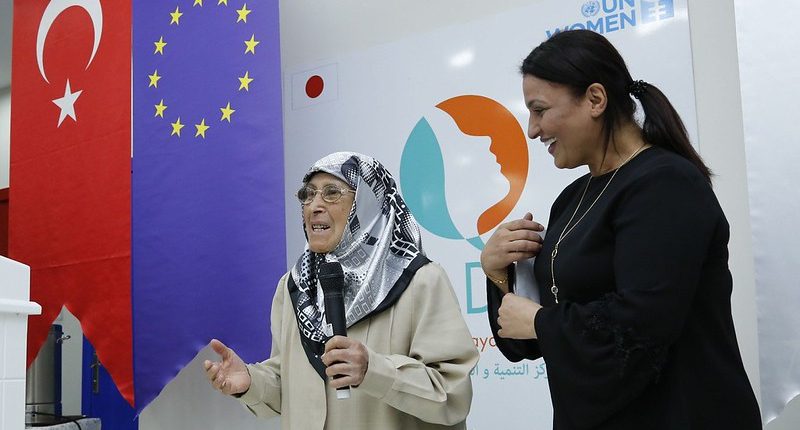
Syrian Refugee Entrepreneurship in TurkeyTurkey hosts one of the largest refugee populations in the world, with more than 3.2 million Syrians under temporary protection living across the country. While displacement is often portrayed as an economic burden, many Syrian refugees demonstrate resilience through entrepreneurship.

According to the World Bank, Syrian youth in Turkey increasingly start businesses as a pathway to economic empowerment, navigating formal and informal markets despite legal and financial constraints. These enterprises range from retail and services to manufacturing, creating jobs for both refugees and Turkish citizens. This growing business activity highlights how migrant entrepreneurship can contribute to a host country’s economy by generating income, expanding local markets and supporting poverty reduction. Syrian refugee entrepreneurship in Turkey shows how displaced communities can build economic opportunities despite challenging circumstances.

The Scale of Syrian Refugee Entrepreneurship in Turkey

Since the start of the Syrian conflict in 2011, many Syrians living in Turkey have moved beyond informal work and started their own businesses. Research from the Economic Policy Research Foundation of Turkey indicates that more than 10,000 Syrian-owned companies have been officially registered across the country. These businesses operate in sectors such as retail, trade, manufacturing and food services, reflecting both market demand and the needs of local communities.

Syrian-owned businesses are especially concentrated in cities such as Istanbul, Gaziantep, Hatay and Mersin, where strong trade networks and geographic proximity to Syria support commercial activity. In industrial centers like Gaziantep, Syrian entrepreneurs also contribute to regional trade connections and export activity.

On average, Syrian-owned firms employ between five and nine workers, including both Syrian refugees and Turkish citizens. This level of activity shows that Syrian refugee entrepreneurship in Turkey has moved beyond subsistence strategies and now contributes to local labor markets and small business ecosystems.

Economic Contributions: Jobs and Market Expansion

Syrian refugee entrepreneurship in Turkey also plays a growing role in job creation and market expansion. Since the start of the Syrian conflict, thousands of Syrian-owned businesses have opened across the country, operating in sectors such as retail, manufacturing and food services. These enterprises generate employment opportunities for both refugees and Turkish citizens.

Studies show that Syrian small and medium-sized businesses employ around seven workers on average, strengthening local labor markets and supporting small business ecosystems. In addition to employment, Syrian entrepreneurs contribute to trade networks that connect Turkish markets with partners across the Middle East. Through investment, production and cross-border commerce, Syrian-owned businesses increasingly support economic activity in the regions where they operate.

Challenges and Barriers for Syrian Entrepreneurs

Despite the growth of Syrian-owned businesses, refugee entrepreneurs in Turkey still face several structural barriers. Access to finance remains one of the most significant challenges, as many refugees lack the credit history or collateral required by formal financial institutions. Language barriers and unfamiliar administrative procedures can also make business registration and regulatory compliance more difficult.

Limited access to professional networks and business support services may restrict opportunities for growth and market expansion. Although Turkey introduced work permit regulations for refugees under temporary protection in 2016, many entrepreneurs still face difficulties navigating the formal business environment. Addressing these barriers remains important to help refugee-led businesses reach their full economic potential and expand their contributions to local economies.

Programs Supporting Refugee Entrepreneurship

Several international organizations and local initiatives support refugee entrepreneurship in Turkey. Programs led by the United Nations Development Programme (UNDP), the International Labour Organization (ILO) and other partners focus on strengthening refugee-led businesses through training, mentorship and policy guidance. These initiatives promote entrepreneurship as a pathway to sustainable livelihoods while also encouraging economic cooperation between refugees and host communities.

Local initiatives such as the İMECE Project also support refugee entrepreneurs by providing training and networking opportunities. Supported by the United Nations High Commissioner for Refugees (UNHCR) and the Habitat Association, the program has trained more than 9,000 participants and helped develop new refugee-led businesses. These initiatives demonstrate how targeted support programs can help transform refugee entrepreneurship into long-term economic opportunities that benefit both refugees and local communities.

Looking Ahead

Syrian refugee entrepreneurship in Turkey illustrates how displaced communities can contribute to economic growth when given opportunities to participate in local markets. By creating businesses, generating employment and strengthening trade networks, Syrian entrepreneurs increasingly support economic activity in the regions where they live. Continued support through training programs, inclusive policies and business development initiatives can help expand these contributions and promote long-term economic resilience for both refugees and host communities.

– Elif Oktar

Elif is based in London, UK and focuses on Business and Good News for The Borgen Project.

Photo: Flickr

March 13, 2026
https://borgenproject.org/wp-content/uploads/borgen-project-logo.svg 0 0 Precious Sheidu https://borgenproject.org/wp-content/uploads/borgen-project-logo.svg Precious Sheidu2026-03-13 07:30:082026-03-12 12:50:47Syrian Refugee Entrepreneurship in Turkey
Development, Global Poverty

An Interview With Steve Collins of the African Safari Foundation

African Safari FoundationAs CEO of the African Safari Foundation (ASF) and an affiliate of the Transfrontier Conservation Areas scheme (TFCA), Steve Collins conducts redevelopment initiatives in sub-Saharan Africa. His work centers on rights advocacy and the establishment of sustainable economic frameworks for communities affected by civil unrest and those exploited through colonial mistreatment. Crucially, these socioeconomic and anti-apartheid concerns are synthesized with ecological ones, offering a practical foundation for sustainable economies in South Africa.

Rural Southern African economies are land-based; value is determined by the land itself and the concomitant rights it necessitates, such as hunting or agriculture. When land belonging to Indigenous tribes was taken, so too was their socioeconomic mobility.

Displacement and the Limits of TFCAs

Much of Collins’s work focuses on the South Africa–Mozambique border. This area traverses two national parks: the Kruger and the Limpopo. Around 3,000 people were displaced during the Kruger Park’s inception in 1913. In exile, they formed rural communities which, according to Professor Brian King, have “some of the highest rates of socioeconomic poverty in the country.” 

Global data resource Focus on Land in Africa (FOLA) adds that these areas suffer particularly from “high rates of infant mortality, malnutrition and illiteracy.” TFCAs were introduced to address these issues. However, the original proposal was inadequate. Indeed, the founding of the Great Limpopo Transfrontier Park saw a further 7,000 Mozambicans relocated. 

As such, Collins denounced these programs as “colonialism as conservation.” Indigenous tribes received “no compensation and no consultation.” This undermines the prospects for genuinely sustainable economies in South Africa and the wider region.

Community-Led Models for Sustainable Development

Collins has since reimagined how TFCAs operate and, through ASF, has successfully implemented long-term nature-based employment schemes that simultaneously serve conservation requirements. He refers to the Makuleke tribe. Expelled in 1969, ownership of their land was restored in 1998. 

Totaling more than 22,000 acres, it now holds 80% of Kruger National Park’s biodiversity. It houses two private five-star tourist lodges, which tribe members are employed to manage. Under the Makuleke Communal Property Association, members hold exclusive commercial rights over the land. Additionally, a proliferation of employment has resulted in 99% of the workforce being Makuleke members.

Many claimants received financial compensation through a scheme that distributed 84 million Rand (about $5 million) to dispossessed communities. However, Collins notes that poor subsequent regulation has resulted in little meaningful improvement. FOLA spokesperson M. Mercedes Stickler agrees, stating that “cash compensation… [detracts] from land reform’s ultimate goal of achieving racial equity in landholding.”

Still, Collins’s ambition extends further. He believes his model offers solutions for rural communities in countries such as Angola. There, development must comply with governmental restrictions demanding low-carbon growth, no intensive agriculture, no fracking and no pollution.

Final Remarks

Through the African Safari Foundation and reformed TFCAs, Collins and his team have established non-exclusionary, community-led and sustainable economic structures across Southern Africa. These initiatives have reinstated dispossessed populations as “agents and recipients of the land’s economic worth,” reinforcing pathways toward sustainable economies in South Africa.

– Jude Parsons

Jude is based in London, UK and focuses on Technology and Politics for The Borgen Project.

Photo: Flickr

March 13, 2026
https://borgenproject.org/wp-content/uploads/borgen-project-logo.svg 0 0 Lynsey 2 https://borgenproject.org/wp-content/uploads/borgen-project-logo.svg Lynsey 22026-03-13 01:30:242026-03-12 12:32:05An Interview With Steve Collins of the African Safari Foundation
Developing Countries, Economy, Global Poverty

How Communal Living Benefits the Rural Poor in India

How Communal Living Benefits the Rural Poor in IndiaA single woman, a resident of Kambam near the Tamil Nadu-Kerala border, spoke about her family and friends organizing fundraisers. The funds went into assembling more than 1,000 grocery bags for low-income families living in the town. It is quite common for local communities in different parts of the nation to look after the rural poor in India.

India, while known for its overpopulated cities, is also prominently known for its vast rural landscape. Numerous small towns and villages where community living is the backbone still continue to exist. Kambam is one such town. On speaking to more locals in the region, there seemed to be several unofficial and low-key groups. These groups consistently reached out to the needy living in their area.

The Rural Poor in India

According to a recent SBI Research report, rural poverty has recorded a significant reduction. The report stated that in FY24, rural poverty accounted for about 4.86%, falling from 25% in 2011-12. This represents a notable reduction in rural poverty.

Taking a broader view of impoverished people in rural areas of the country brings several aspects to light. Similar to their surroundings, they more often tend to live as groups rather than individuals.

Secondly, experts state that there exists a notable disparity between homelessness in rural and urban areas. A recent census shows that 52% of India’s homeless live in urban areas, while 47% live in rural regions. Most of this population, however, lives in very inadequate and substandard housing situations. Nevertheless, studies show that they are less likely to be stranded on the streets like their urban counterparts.

On the other hand, access to health care and other basic facilities is often more difficult to reach in rural areas in India. These individuals, particularly those residing in remote parts, also face difficulties claiming the benefits of governmental schemes that can aid them in improving their lifestyles.

The Impact of Communal Living on the Rural Poor

India, similar to other Asian countries, exhibits a community-based lifestyle. This cultural approach has positive effects on people living below the poverty line. As mentioned earlier, casual conversations with locals in South India indicated the existence of several community outreach groups. 

One group of young women hosts a cooking-based group. Members gather for a day of cooking, chatting and working together. They cook large meals, pack them and distribute them to areas where low-income residents live. These women report a sense of fulfillment through such outreach activities and say it provides a break from their routine. 

Within the Muslim community in Kambam, following the rule of obligatory charity (“Zakath”), residents contribute regularly. Volunteers collect these funds and use them to help people who require health care assistance. This support can also extend to education and livelihood assistance.

These observations highlight the outcomes of communal living for people experiencing poverty. Studies also suggest that people living in rural India often approach the poor as members of their community.

As a result, individuals may help those who do not have access to basic life needs. For instance, it is common for a rural shopkeeper to give excess vegetables to a struggling person in the neighborhood.

Communities and Government Programs

In the last few decades, rural poverty has notably reduced. Several factors have contributed to this. While communal living and similar practices often provide short-term assistance, government schemes have focused on long-term solutions.

The central government’s housing schemes have contributed to reductions in homelessness. A research paper observes the difference between 2001 and 2011, showing a 28% decline in homelessness between the two decades.

In February 2025, the central government announced a new set of schemes focused on empowering rural communities. These initiatives aim to increase housing, employment, infrastructure and poverty alleviation efforts in rural areas.

Apart from governmental schemes and NGOs, projects often partner with local communities to enhance outreach and productivity. One such project was PURA (Providing Urban Amenities to Rural Areas). This large program began in 2001, with former President A. P. J. Abdul Kalam playing an integral role.

The project involved governments working with businesses and local communities to implement long-term solutions in rural areas. Although there were challenges, private-sector PURA initiatives reported more effective results. These outcomes ranged across housing, transport, education and employment.

Urban Versus Rural Poverty in India

Multiple studies suggest that rural poverty reduction in India has occurred at higher rates than urban poverty. One report stated that of the 22% of people experiencing poverty in India, nearly 25% live in urban areas. When considering that 70% of the nation’s population lives in rural areas, this suggests a higher concentration of poverty in urban settings. Additionally, homelessness shows higher rates in urban compared with rural India. While multiple factors contribute to this difference, lifestyle may be one factor. Urban environments often involve more individualistic living conditions compared with rural communities.

Looking Ahead

Global poverty can take many forms and requires diverse responses. Rural poverty in India highlights the need for strategies that combine government initiatives with community participation. In recent decades, government programs and community-based efforts have contributed to reducing poverty in rural areas. These approaches continue to support rural communities by improving access to services and economic opportunities.

– Shafika Fathima

Shafika is based in Chennai, Tamilnadu, India and focuses on Good News and Global Health for The Borgen Project.

Photo: Flickr

March 12, 2026
https://borgenproject.org/wp-content/uploads/borgen-project-logo.svg 0 0 Precious Sheidu https://borgenproject.org/wp-content/uploads/borgen-project-logo.svg Precious Sheidu2026-03-12 07:30:032026-03-12 01:59:22How Communal Living Benefits the Rural Poor in India
Global Poverty, Politics, Poverty Reduction

Legal Reforms in Nigeria’s Financial Sector

Legal reforms in Nigeria's financial sectorNigeria’s economy has faced persistent challenges in reducing poverty, in part because weak legal and financial systems have hindered growth, financial inclusion and investor confidence. In recent years, however, legal reforms in the financial sector and supportive fiscal policy frameworks have helped strengthen Nigeria’s economic stability. These reforms have also expanded access to financial services for individuals and small businesses, a vital step in the fight against poverty.

Modernizing Financial Law

One of the most significant legal reforms in Nigeria’s financial sector is the Banks and Other Financial Institutions Act (BOFIA) 2020. It replaced a 1991 law that had become outdated amid technological advancements and the rapid growth of non-bank financial players. BOFIA 2020 modernizes the legal framework governing banks and other financial institutions. 

The Act clarified regulatory functions, expanding the Central Bank of Nigeria’s (CBN) regulatory reach and introducing stronger enforcement and credit recovery mechanisms. Experts note that the updated law also explicitly brings fintech companies within the CBN’s regulatory purview, requiring them to be licensed and regulated by the CBN. This reduces legal uncertainty and supports stable, legal expansion of digital financial services.

Financial Inclusion Gains Through Legal Frameworks

Legal backing for financial sector reform has coincided with measurable progress in financial inclusion, a key indicator of poverty reduction. The CBN’s National Financial Inclusion Strategy and related regulatory frameworks aim to expand access to formal financial services for all citizens. These efforts target financial exclusion, which once affected more than half of the adult population.

Progress on this front helps households save securely, access credit, make digital payments and protect assets. Improving access to finance is especially critical in a country where access to formal financial services was historically low. Nigeria’s strategy supports agent banking, mobile and digital financial services and initiatives targeting rural and underserved communities. All these are backed by legal and institutional reforms that make financial services safer and more predictable for consumers.

Strengthening Governance and Transparency

Nigeria’s broader legal reform agenda includes efforts to improve fiscal transparency and accountability at the state level through programs such as the World Bank-supported Fiscal Governance Reform and the State Fiscal Transparency, Accountability and Sustainability Program (SFTAS). This initiative uses legal and policy frameworks to improve public financial management across states, strengthening domestic revenue mobilization and sustainable financing for public services.

Fiscal transparency and accountable governance reduce leakage, corruption and inefficiencies. These problems disproportionately affect low-income households and limit funds for education, health and economic support programs that help lift people out of poverty.

Capitalization and Risk Management

Legal reforms have also supported initiatives such as bank recapitalization exercises, spearheaded by the CBN, to strengthen the stability and resilience of financial institutions. Higher capital requirements improve risk management capacities and reduce systemic vulnerabilities, fostering a safer environment for depositors and stakeholders alike. These moves help reduce the risk of bank failures, which can erode public confidence and destabilize local economies.

Reducing exclusion and strengthening the legal framework helps tackle financial instability. This, in turn, encourages domestic and foreign investment, a potential driver of economic growth and job creation in a country where millions still face multidimensional poverty.

Challenges and Continued Reform Needs

Despite improvements, substantial challenges remain. According to the World Bank’s latest development analysis, a majority of Nigerians continue to live in poverty even after macroeconomic reforms and legal changes, as household purchasing power remains weak and inequality persists. This highlights that legal reform is necessary but not sufficient in itself. 

Effective enforcement, expanded digital inclusion and complementary social protections remain essential to ensure that financial sector progress translates into meaningful poverty-reduction outcomes for the most vulnerable.

Conclusion

Legal reforms in Nigeria’s financial sector have modernized regulation, expanded financial inclusion strategies and strengthened fiscal governance. Indeed, from BOFIA 2020 to broader governance reforms, these changes highlight the rule of law’s role in economic stability and anti-poverty efforts. By improving the predictability and transparency of financial systems, these reforms help unlock access to services, encourage investment and create a more inclusive economic environment.

Sustained focus on implementation and enforcement is essential. Targeted programs that expand access to finance for women, rural residents and microenterprises will help ensure Nigeria’s legal reforms deliver broad improvements in living standards and long-term poverty reduction.

– Sean Leung

Sean Leung is based in London, UK and focuses on Good News for The Borgen Project.

Photo: Flickr

March 12, 2026
https://borgenproject.org/wp-content/uploads/borgen-project-logo.svg 0 0 Lynsey 2 https://borgenproject.org/wp-content/uploads/borgen-project-logo.svg Lynsey 22026-03-12 01:30:182026-03-12 01:41:00Legal Reforms in Nigeria’s Financial Sector
Disease, Global Poverty, Health

Eliminating Trachoma in the Most Impoverished Communities

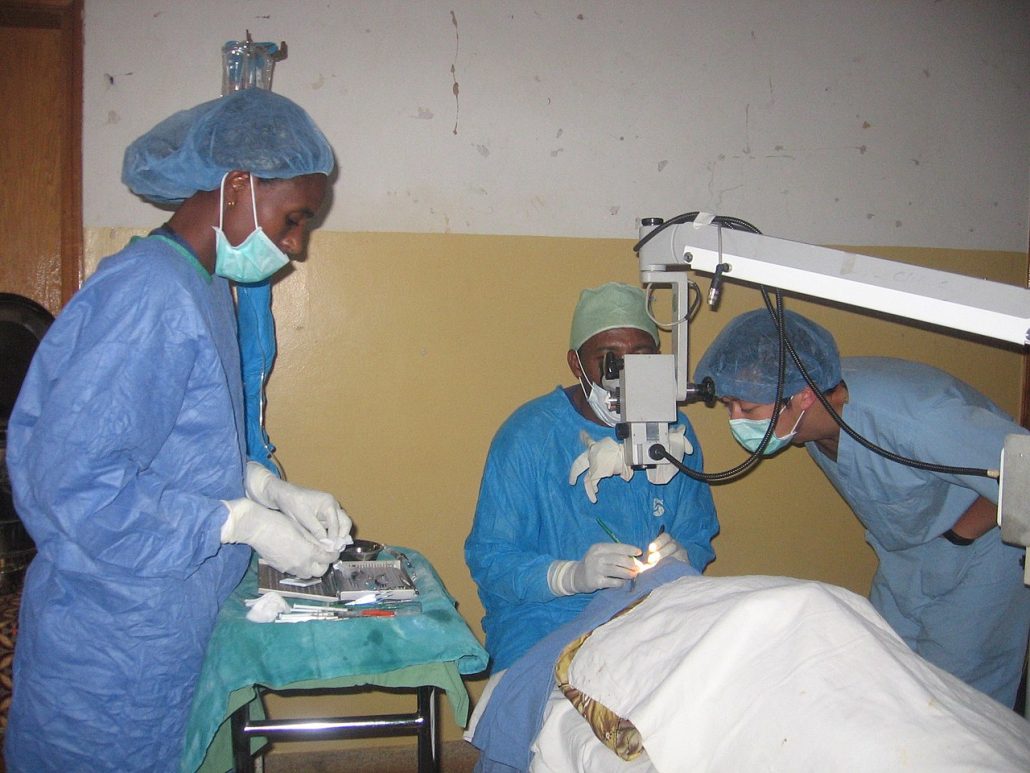
TrachomaTrachoma is an infectious eye disease caused by the bacterium Chlamydia trachomatis. It is a chronic form of conjunctivitis and causes 1.4% of global blindness, yet governments can completely prevent it. Thirty countries across Africa, Asia, Central and South America, the Middle East and Australia have faced trachoma as a public health problem. It affects the most impoverished parts of the world. 

Infection spreads easily due to poor hygiene, crowded housing and limited access to sanitation and water. Viral disease and poverty fuel this spread, making people vulnerable to preventable diseases such as trachoma.

Eliminating Trachoma in Libya

On February 18, 2026, the World Health Organization (WHO) celebrated Libya’s elimination of trachoma. Libya struggled with trachoma for more than a century, but hard work and commitment led to this recent success. The country’s victory over trachoma shows how supporting the fight against neglected tropical diseases can help millions over time.

Political unrest and displacement in Libya limited access to quality health care, yet the country still managed to eliminate trachoma. Displacement and such unrest drive poverty by increasing the demand for water, sanitation and hygiene services. This connection between disease and poverty makes eliminating trachoma even more significant.

The SAFE Initiative

Countries affected by trachoma adopted the Surgery, Antibiotics, Facial cleanliness and Environmental improvement (SAFE) strategy. Through this effort, Pfizer and the International Trachoma Initiative (ITI) have delivered more than one billion doses of Zithromax to countries in need. Experts now estimate that trachoma could be eliminated as a public health threat worldwide by 2030.

ITI, a U.S.-based nonprofit, currently operates in more than 14 countries across Southeast Asia and Africa. These interventions address the link between disease and poverty and have improved the lives of millions. Twenty-seven additional countries, including Papua New Guinea and Pakistan have also eliminated trachoma, underscoring the importance of tracking its prevalence and taking decisive action against infectious diseases. 

Fewer than 100 million people now require treatment, a historic global low since the WHO began recording cases. This milestone reinforces the need to confront disease alongside poverty. It demonstrates how strong local leadership, backed by international coordination, can improve the well-being of the world’s poorest populations.

Final Remarks

The massive success of the trachoma eradication campaign demonstrates the positive impact international help can have on many other tropical diseases. Research into trachoma has taught researchers much about how to slow its spread. Making hygiene a game for young children helps them avoid touching their eyes and mouths, which, in turn, helps women, who often act as primary caregivers. 

Additionally, communities can use the structures built for trachoma to fight other diseases. If people around the world work together to combat disease and poverty, everyone’s well-being will improve.

– Caitlin Cooper

Caitlin is based in Aberdeen, UK and focuses on Global Health and Politics for The Borgen Project.

Photo: Flickr

March 12, 2026
https://borgenproject.org/wp-content/uploads/borgen-project-logo.svg 0 0 Lynsey 2 https://borgenproject.org/wp-content/uploads/borgen-project-logo.svg Lynsey 22026-03-12 01:30:132026-03-12 01:28:19Eliminating Trachoma in the Most Impoverished Communities
Education, Global Poverty, Technology

Tackling Digital Poverty in Punjab

Tackling Digital Poverty in PunjabTackling digital poverty in Punjab is currently one of the highest priorities in achieving fair access to education. There is a low level of digital literacy in Punjab as a result of socioeconomic constraints, gender inequality and rural-urban divides. Rural and marginalized populations have limited device ownership, inadequate connectivity and high levels of digital illiteracy. Within the education system, children from low-income households, rural communities and female students face additional hurdles because of digital poverty.

In India, for every household that is online, about one household remains offline. This gap underscores how digital poverty is shaping educational outcomes and the scale of the challenge in addressing it. Academic performance is impacted by the digital divide. Disadvantaged learners face reduced educational persistence and limited career prospects.

To ensure fair access and inclusion for all students and to create equal opportunities both in school and in the job market later in life, digital poverty has become a pressing issue for India and Punjab.

POISE and Tackling Digital Poverty in Punjab

The World Bank Board of Executive Directors is addressing digital poverty in Punjab to improve education through the Punjab Outcomes-Acceleration in School Education Operation (POISE) program. An investment of $286 million has been made available for the project, which uses technology to monitor learning outcomes.

The investment means that 1.3 million primary school students are enrolled and more than 2.2 million secondary school students are also attending classes. In addition, 592,000 students in early childhood education will receive support through POISE. Digital infrastructure in schools will be expanded through the installation of computer labs, tablets and projectors, particularly for science and mathematics curricula.

Creating a Future Without Digital Poverty in Punjab

Paul Proccee, acting country director for the World Bank India, stated that “digital infrastructure has the potential to significantly drive economic development and poverty reduction.” He also noted that digital infrastructure can help fulfill “India’s vision of Viksit Bharat through quality education for better jobs.” 

Meghna Sharma and Ragnvald Michel Maellberg, task team leaders for the program, stated that “POISE will help to improve school readiness at pre-primary level, foundational learning at primary level, skills at the secondary level for school to higher education or work transition, as well as teacher training and school management.”

In recent years, India has shifted toward technology-led development. The aims of POISE include strengthening readiness for school, improving literacy and numeracy skills, enhancing the quality of STEM education and improving pathways into higher education and employment for students.

Looking Ahead

Tackling digital poverty in Punjab has the potential to transform education and expand opportunities for many students. The Digital Poverty Alliance has emphasized that digital poverty limits social and economic inclusion. The issue involves not only a lack of access to technology but also a lack of digital literacy and skills, which are essential in an increasingly connected world. POISE in Punjab represents a step toward ensuring that, regardless of background, more students have access to the opportunities created by the digital age.

– Suneel Mehmi

Suneel is based in London, UK and focuses on Good News for The Borgen Project.

Photo: Unsplash
March 11, 2026
https://borgenproject.org/wp-content/uploads/borgen-project-logo.svg 0 0 Precious Sheidu https://borgenproject.org/wp-content/uploads/borgen-project-logo.svg Precious Sheidu2026-03-11 07:30:142026-03-10 14:09:59Tackling Digital Poverty in Punjab
Child Marriage, Global Poverty

Child Marriage in the UAE: Legal Reform and Protection for Girls

Child Marriage in the UAEChild marriage has historically been a concern across parts of the Middle East, but the United Arab Emirates (UAE) has taken steps in recent years to strengthen protections for young people. As part of efforts to align national legislation with international child protection standards, the country’s updated Personal Status Law sets the minimum legal age of marriage at 18 years. By ensuring that marriage decisions occur when individuals are emotionally and legally mature, these reforms aim to protect girls’ education and well-being.

Modernizing Family Law

Legal reforms introduced in 2024 and implemented in 2025 expanded child-centered protections within family law as part of broader efforts to address child marriage in the UAE. The law introduced penalties for child neglect or abuse, and courts can now prioritize the best interests of children in marriage and custody decisions. The revised framework also requires courts to evaluate the welfare and maturity of any young person involved, providing an additional safeguard against coercion and early unions.

Advocacy organizations note that establishing 18 as the national standard marks progress, although earlier legal frameworks allowed judicial exceptions for marriage under 18. Increased judicial oversight requires courts to carefully assess whether a marriage serves the welfare of the young person involved, reinforcing protections against coercion or early unions.

Expanding Child Protection Systems

Alongside marriage law reform, the UAE has invested in broader child protection initiatives designed to reduce risks faced by minors. National legislation outlines protections covering education, employment restrictions and welfare systems to prevent exploitation. These frameworks aim to create safer environments where children can remain in school and develop before entering adulthood.

Supporting Girls Through Education and Awareness

Globally, education plays a key role in preventing child marriage, and the UAE has increasingly focused on awareness and social development programs. According to reports, the average age of marriage for women in the UAE has risen to about 24 years, suggesting changing social expectations and expanded opportunities for women’s education and employment. Research consistently links later marriage with higher rates of secondary education completion and greater workforce participation for women, outcomes associated with long-term reductions in poverty.

Government initiatives and partnerships with international organizations continue to promote girls’ rights and community awareness around early marriage. These efforts aim to help young women make informed life choices by encouraging continued education and economic participation.

A Positive Path Forward

Recent legal reforms highlight the UAE’s growing commitment to protecting children and promoting gender equality. Setting a clear legal age requirement, strengthening court oversight and expanding child welfare policies support efforts to reduce child marriage in the UAE and promote healthier futures for girls.

Although enforcement and social attitudes may vary, these reforms represent an institutional shift toward prevention rather than response, signaling sustained commitment to child protection. Continued cooperation between advocacy groups, legal institutions and legislators indicates that further progress remains possible. As reforms take effect, the focus increasingly shifts toward prevention, education and long-term opportunities for young people across the UAE.

– Honey Regev

Honey is based in Edinburgh, Scotland and focuses on Good News for The Borgen Project.

Photo: Flickr

March 11, 2026
https://borgenproject.org/wp-content/uploads/borgen-project-logo.svg 0 0 Precious Sheidu https://borgenproject.org/wp-content/uploads/borgen-project-logo.svg Precious Sheidu2026-03-11 03:00:572026-03-10 14:04:03Child Marriage in the UAE: Legal Reform and Protection for Girls
Global Poverty, Migration

Community Support for Migrants in Mexico

Migrants in MexicoCommunity support for migrants in Mexico continues to play a critical role amid financial and policy challenges that have strained humanitarian assistance services. As Mexico hosts hundreds of thousands of displaced people seeking asylum or protection, coordinated action by international nonprofits, local shelters and grassroots partners helps sustain essential services. These services include food distribution, temporary housing, legal aid and economic support.

Funding Reductions and Service Gaps

Mexico’s 2025 federal budget projects about $460 billion in revenue and modest economic growth. However, cuts to foreign aid, particularly programs affected by the expanded Mexico City Policy, have reduced funding for health, food assistance and legal support that nonprofits rely on to assist migrant populations. These reductions have increased pressure on humanitarian networks already managing high service demand.

In 2025, the U.N. refugee agency (UNHCR) in Mexico lost approximately 60% of its operating budget due to cuts in foreign assistance. This led to the closure of four offices and slower asylum processing, resulting in longer wait times for individuals awaiting decisions. These delays have contributed to overcrowding in shelters and increased vulnerability among migrants in cities such as Tapachula and Tijuana.

Nonprofits at the Frontline

Despite these challenges, community support for migrants in Mexico persists through coordinated efforts by both international and local organizations. The International Rescue Committee (IRC) has operated in Mexico since 2019, providing emergency assistance, including food distribution, cash support, hygiene kits and legal guidance, to displaced individuals in cities such as Tijuana and Ciudad Juárez. By partnering with community groups and local shelters, the IRC helps extend reach and facilitate access to asylum procedures.

In many cases, these organizations act as primary connectors between migrants and essential services. For example, shelters supported by international and local nonprofits continue to offer temporary housing, daily meals and referral services for medical and legal needs, often operating beyond capacity. Volunteers and community donations remain integral to sustaining these operations amid funding uncertainty.

Food Assistance and Local Partnerships

Nutrition support is a critical component of humanitarian care. World Central Kitchen has provided regular meal distributions at shelters and mobile feeding sites, helping ensure that displaced families receive adequate nourishment even amid limited resources. These efforts often collaborate with local kitchens and community centers to reach larger populations.

Food redistribution networks like food banks play a complementary role. They collect surplus food from donors and redistribute it to shelters, community kitchens and vulnerable migrant households. These partnerships strengthen food security and reduce waste, reinforcing community engagement in humanitarian response.

Faith‑based organizations and local civic groups also contribute, offering space, supplies and volunteer support. Many churches, community centers and educational facilities open additional shelter space during peak demand periods. This highlights the essential role of local partnerships in sustaining community support for migrants in Mexico.

Economic Barriers and Long-Term Stability

Access to stable employment remains challenging for many migrants in Mexico due to restrictive work authorization policies and lengthy asylum processing. Without legal employment opportunities, many remain dependent on humanitarian services. They are forced into informal labor markets with lower wages and fewer protections. 

These conditions increase the risk of poverty, exploitation and housing instability. In addition, limited access to health care, education and financial services compounds challenges faced by displaced families. This creates a cycle of economic vulnerability that requires sustained intervention from humanitarian organizations and policy frameworks supporting legally authorized employment pathways.

Challenges and Continued Resilience

Humanitarian organizations report ongoing challenges, including funding shortfalls, staffing limitations and increasing demand for services. A survey of civil society groups working with asylum seekers found that more than half of legal and psychosocial support providers are at risk of reducing services or closing operations without additional resources. This heightens pressure on frontline shelters and assistance programs.

Despite these obstacles, community support for migrants in Mexico remains adaptive and resilient. Through collaboration among international nonprofits, local shelters, food relief partners and volunteer networks, essential services such as shelter, meals and legal support continue to reach displaced populations. These combined efforts help sustain humanitarian care while promoting long‑term stabilization and economic inclusion for migrants navigating complex displacement challenges.

– Kianna Hines

Kianna is based in Brooklyn, New York, USA and focuses on Global Health for The Borgen Project.

Photo: Flickr

March 11, 2026
https://borgenproject.org/wp-content/uploads/borgen-project-logo.svg 0 0 Lynsey 2 https://borgenproject.org/wp-content/uploads/borgen-project-logo.svg Lynsey 22026-03-11 01:30:102026-03-10 12:35:11Community Support for Migrants in Mexico
Page 38 of 2162«‹3637383940›»

Get Smarter

  • Global Poverty 101
  • Global Poverty… The Good News
  • Global Poverty & U.S. Jobs
  • Global Poverty and National Security
  • Innovative Solutions to Poverty
  • Global Poverty & Aid FAQ’s
Search Search

Take Action

  • Call Congress
  • Email Congress
  • Donate
  • 30 Ways to Help
  • Volunteer Ops
  • Internships
  • Courses & Certificates
  • The Podcast
Borgen Project

“The Borgen Project is an incredible nonprofit organization that is addressing poverty and hunger and working towards ending them.”

-The Huffington Post

Inside The Borgen Project

  • Contact
  • About
  • Financials
  • President
  • Board of Directors
  • Board of Advisors

International Links

  • UK Email Parliament
  • UK Donate
  • Canada Email Parliament

Get Smarter

  • Global Poverty 101
  • Global Poverty… The Good News
  • Global Poverty & U.S. Jobs
  • Global Poverty and National Security
  • Innovative Solutions to Poverty
  • Global Poverty & Aid FAQ’s

Ways to Help

  • Call Congress
  • Email Congress
  • Donate
  • 30 Ways to Help
  • Volunteer Ops
  • Internships
  • Courses & Certificates
  • The Podcast
Scroll to top Scroll to top Scroll to top