Barriers to Surgical Research in Developing Regions
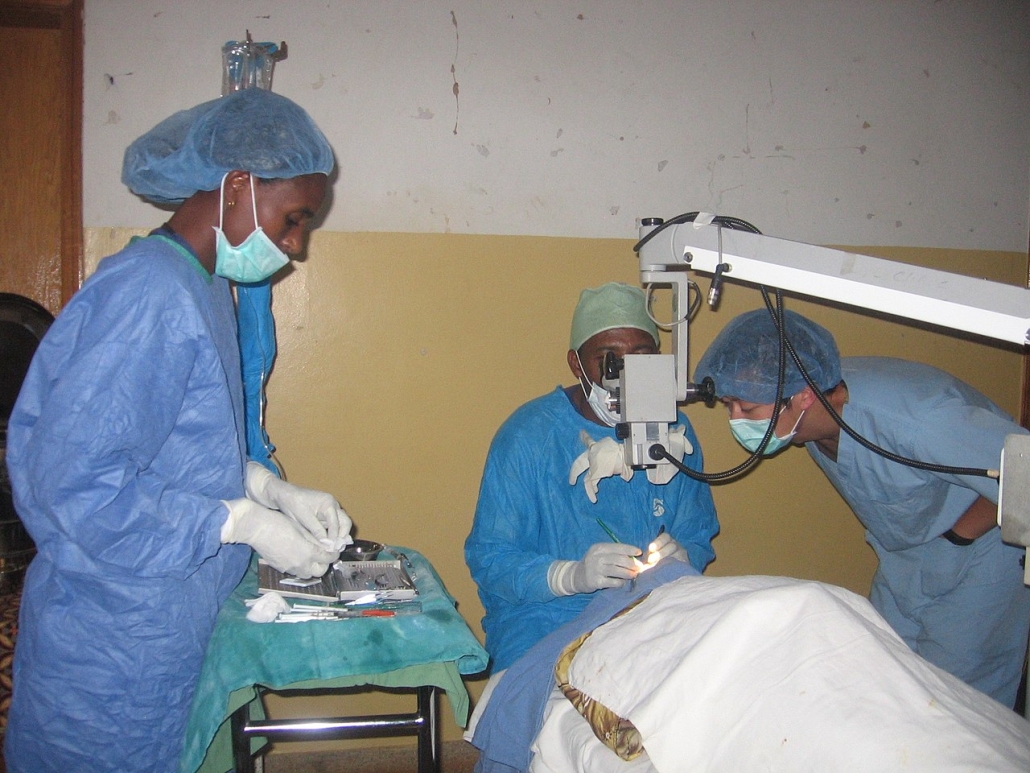
Access to safe and effective surgical care is central to global health. Progress in this area depends on strong research systems, yet many low-resource settings struggle to build them. Understanding the different barriers to surgical research in developing regions highlights the limits to innovation and how stakeholders can improve outcomes worldwide. Without targeted efforts to strengthen research capacity, these gaps will continue to widen global health inequalities.
Limited Funding and Infrastructure
Limited and inconsistent funding remains a major obstacle. Surgical research requires financial support for equipment, personnel and long-term studies. Many governments and institutions must prioritize immediate patient care, which reduces available resources for research initiatives.
Infrastructure gaps also restrict progress. Many hospitals operate without reliable electricity, sterile environments, or modern laboratory facilities. These conditions make it difficult for researchers to run controlled studies or collect consistent data, which weakens the overall quality of research output.
Shortage of Trained Personnel
A shortage of trained researchers and surgical specialists continues to slow advancement. Healthcare professionals often manage high patient volumes, leaving little time for research. Training programs and mentorship opportunities also remain limited in many regions.
Migration further intensifies this challenge. Skilled professionals frequently move to higher-income countries in search of better opportunities. This trend erodes local expertise and impedes the development of long-term stability in research ecosystems.
For example, according to Stanford University’s Medical Journal, an estimated six billion people on the planet do not have access to cardiac surgical care due to a shortage of trained personnel, resources, and other limiting factors. The Journal of Thoracic and Cardiovascular Surgery reported that in places such as Africa, there is one cardiovascular surgeon per four million people.
The data found in this study is focused on the shortage of trained personnel specifically in cardiac medicine; however, a lack of personnel and resources is universal among several types of surgical research and care.
Access to Equipment and Materials
Reliable access to high-quality equipment remains essential for surgical research. Many facilities rely on outdated or poorly maintained tools, which limit precision and consistency in experiments.
These gaps directly reinforce the various barriers to surgical research in developing regions, particularly when researchers cannot access tools that ensure accurate, repeatable results. Researchers often depend on specialized instruments that can withstand repeated use while maintaining accuracy. Without access to comparable tools, researchers face difficulties when attempting to replicate or validate findings.
Regulatory and Data Challenges
Regulatory systems in many regions lack clarity or consistency. Researchers often encounter delays during approval processes due to limited institutional capacity or unclear guidelines. Ethical review boards may lack sufficient staff or standardized procedures, which slows research progress.
Data collection also presents ongoing challenges. Limited digital infrastructure reduces the ability to store, manage and analyze information effectively. A study in The Lancet Global Health emphasizes the need to strengthen data systems to improve both surgical care delivery and research capacity.
Emerging Solutions and Global Collaboration
Global partnerships continue to support research development. International organizations and academic institutions now collaborate with local teams to provide funding, training and technical expertise. These partnerships help strengthen local capacity while promoting knowledge exchange.
Technology also creates new opportunities. Mobile data tools and telemedicine platforms enable researchers to collect and share information more efficiently. These solutions help overcome infrastructure limitations and support more inclusive research environments.
Addressing these challenges requires sustained investment, stronger policies and continued collaboration. When stakeholders commit to these efforts, they can expand research capacity, reduce disparities and improve surgical care for communities worldwide.
– Kelly Schoessling
Photo: Wikimedia Commons

