How UK Aid Continues to Support Development in the DRC
 Following her most recent visit to the Democratic Republic of the Congo (DRC), Jenny Chapman, Minister for Africa and International Development, reaffirmed the U.K.’s commitment to supporting development in the DRC. The goal is to achieve “sustainable growth and stability.” She announced that the U.K. would provide more than £7 million in additional humanitarian aid to help mitigate the impacts of ongoing conflicts on people in the area. This money is to provide clean water, hygiene and protection services to those fleeing conflict, and to provide funding for the International Committee of the Red Cross (ICRC) and the World Food Programme (WFP). A hospital and center in Beni that helps those who have survived sexual violence is also set to see a funding increase, as the U.K. announced an extra £6 million to the United Nations Population Fund (UNFPA).
UNFPA
The UNFPA helps to provide displaced women and girls with essential medical services in the form of medicine, midwives and mobile units. The organization ensures that these people can access maternal health services, including emergency obstetric and newborn care. It also provides safe spaces for them, as well as offering medical, psychosocial and legal support via hotlines. In the DRC, “conflict has disrupted health care for millions,” and the UNFPA helps to mitigate the impacts. Mobile ultrasounds have allowed it to help pregnant women who have been displaced, not just by detecting pregnancy complications but also by providing these women with a sense of reassurance amid conflict. The UNFPA has helped to provide more than 20,000 women with prenatal care in the DRC.
This year, the DRC is expected to take up the chairmanship of the International Alliance on Preventing Sexual Violence in Conflict, which shines a light on issues with “upholding international humanitarian law, humanitarian access and accountability for abuses.” Even before the conflict escalation, an estimated three women per hour died in the country due to pregnancy and birth-related issues, so the DRC’s new status as chairman should help to draw attention to the country’s challenges and support more funding and resources to address them.
Humanitarian Aid From the ICRC
The ICRC has been operating in the Democratic Republic of the Congo for almost 50 years. It works to ensure that victims of armed violence are respected and have their basic needs met. It also reunites separated families and visits detention centers to ensure people held within them, whether arrested or just detained, are being treated appropriately. From January to June of 2025, the impact of the organization within the DRC was extensive. Almost 40,000 were provided with health care, more than half a million people were helped with accessing clean water and around 215,000 people received food, financial assistance, vouchers, household items or support for agricultural production.
Addressing Food Insecurity
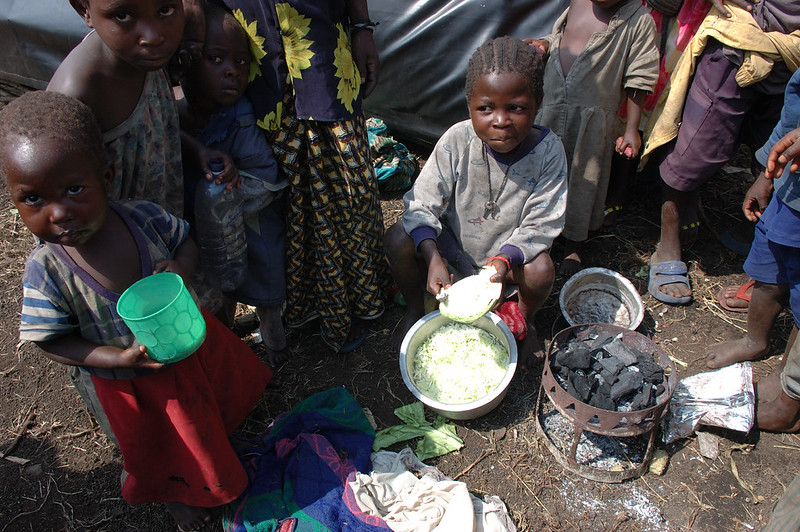
More than 25 million people in the DRC face food insecurity. For development in the DRC to be sustainable, it is important to lower this number, as it is causing around 3 million people to be stunted due to consistent malnutrition. This negatively affects people’s quality of life as well as their ability to provide for themselves and their families, and adds more strain to a health care system already struggling to meet demand. The WFP helps to tackle malnutrition and hunger. In 2024, it helped “5.3 million people with food, cash, malnutrition support and resilience interventions.” The WFP is assessing how to meet increasing demand caused by renewed conflict.
Banking and Financial Inclusion
The U.K. will provide a British International Investment loan of £18.7 million to Rawbank. The bank operates in the DRC and has received awards for being the best in the country since 2008. It has provided more modern banking systems to people in the DRC, allowing them to access mobile banking and increasing financial freedom. It also helps to fund education for young people by granting scholarships, providing mentoring, masterclasses, workshops and training courses, and providing financial support to those wishing to be entrepreneurs. This is part of the We Act Program that the bank runs. The program also helps to support young people who may be interested in arts and culture, sport, corporate social responsibility and digital sectors.
Providing financial freedom and education will help development in the DRC by offering people the opportunity to get involved in and improve the businesses within the country, as well as drawing new companies in with increasing education levels.
Expanding Energy Access
The U.K. is also “supporting capital investment in the Sustainable Energy for Africa Fund, in partnership with the African Development Bank, to support Moyi Power.” Moyi Power aims to improve electrical access in the DRC. The starting goal of the organization is to provide electricity to three isolated cities in the country: Gemena, Bumba and Isiro. The three have a combined population of 700,000 people, but there is no reliable grid access, so sourcing power is difficult. After five years, Moyi expects that it will have provided 37,000 households and customers with connectivity, and the aim is to double its operations every five years. Increasing electrical access will increase development in the DRC, as it will be a draw for businesses to set up headquarters there. In turn, this would increase employment opportunities and start a positive multiplier effect within the country.
Looking Ahead
U.K. aid is supporting development in the DRC in two major ways: it is helping to improve access to necessities provided by the ICRC, WFP and UNFPA, while also investing in organizations such as Rawbank and Moyi Power that aim to increase education and employment opportunities. These work in tandem to ensure that the country is supported in the short term while people are facing hardships due to conflict, but set it up to be able to support itself in the long term.
– Ryan Cowen
Ryan is based in Brighton, UK and focuses on Good News and Politics for The Borgen Project.
Photo: Flickr
