Supporting Rural Communities in Tonga
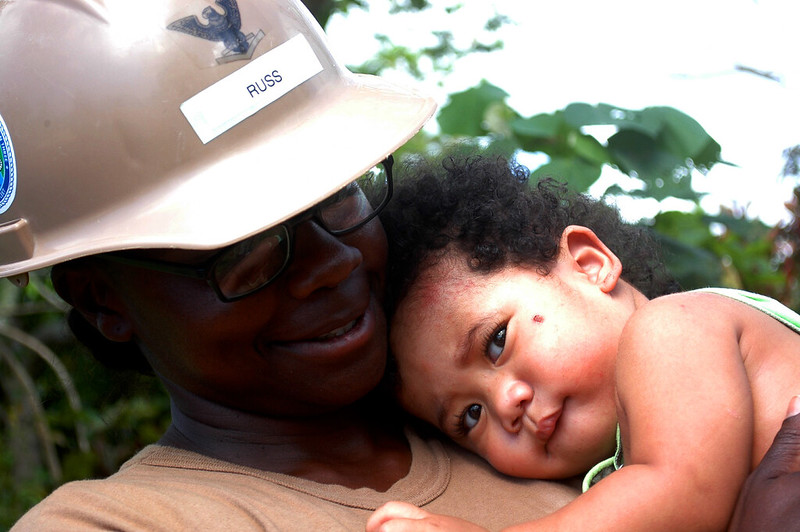 The 104,175 citizens who inhabit the Kingdom of Tonga’s archipelago in the South Pacific Ocean face a multitude of challenges caused by environmental volatility, seismic activity and isolation from the rest of the world. These challenges disproportionately affect rural communities, which make up 53% of the 20.6% of the overall population living in poverty. However, in response, several international development projects have been conducted as part of efforts to strengthen food and economic security and enhance education, communication, climate and disaster resilience to support rural communities in Tonga.
Connectivity and Communication
The eruption of the Hunga-Tonga-Hunga-Ha’apai underwater volcano and subsequent tsunamis in 2022 severed 55 miles of the underwater data cable that connected Tonga to the world via Fiji. While most countries have multiple data cables, the U.K. has 50, Tonga has only one. During the five weeks it took for repairs to be conducted, the island nation was cut off from the internet and the wider world.
The damage from the once-in-1,000-year eruption highlighted the fragility and importance of internet connectivity. Of the 130 people over the age of 10 on Hunga, only 44 had access to the internet in 2024, a trend seen across the Asia-Pacific region, where only 47% of individuals in rural areas use the internet compared with 82% in urban areas.
In response, the International Telecommunication Union (ITU), as part of a Joint Program to support the United Nations Sustainable Development Goals (SDGs) and its Smart Villages and Smart Islands Initiative (SVSI), established Hunga’s Digital Hub. The hub provides locals with high-speed and reliable internet access, which has reshaped the island’s education and agricultural sectors. Teachers at the two primary schools on the island now have access to online resources, while older students, whose attendance at high schools on the main island of Vava’u was previously affected by ocean conditions, are now able to learn online. Fishermen and farmers can also market online and arrange sales before costly trips to the mainland.
Community Empowerment and Food Security
The most well-known development project in Tonga is the Tonga Rural Innovation Project (TRIP), which has had two phases — Phase I from 2012 to 2017 and Phase II from 2018 to 2025 — with a third phase agreed upon in February 2026. The project is a collaboration between the government of Tonga, the International Fund for Agricultural Development (IFAD) and other key stakeholders.
The success of TRIP II was apparent in the project’s recent Completion Report, which highlighted the ways the program exceeded targets in several key areas. With a total budget of $12.66 million, the project reached 9,291 households and more than 32,000 people across 122 communities, exceeding targets by 93%. Post-project surveys revealed that 99.8% of households surveyed reported knowledge of TRIP II, with a participation rate of 97.4% in Community Development Planning.
The project was not without difficulties. The COVID-19 pandemic and the Hunga-Tonga-Hunga-Ha’apai eruption presented challenges for the program. In response, increased funding and a time extension were allocated to ensure success, with an additional grant of $0.7 million financed by the IFAD and the Australian government. Overall, TRIP II helped support rural communities in Tonga by increasing the volume of crops cultivated and incomes generated by agriculture, with yam, sweet potato and Tonga taro yields rising by 52.9%, 59.4% and 54.3%, respectively.
Climate Resilience and Infrastructure
The financial implications of natural disasters are often severe for Tonga, with the Hunga-Tonga-Hunga-Ha’apai eruption contributing to a decline in real GDP of almost 6% in 2021 and 2022. Combined with the threat such events pose to the lives of Tongans, the need to act is apparent. This led to the establishment of the Tonga Australia Resilient Communities Program (TARCP), agreed in December 2024 between the Australian government and the MORDI Tonga Trust (MORDI).
With a budget of AUD $9.7 million, the project aims to work alongside other initiatives and align with several U.N. SDGs to establish greater economic and climate resilience, as well as build climate infrastructure and improve access to water, sanitation and hygiene supplies through local approaches and international funding. The project remains in its early stages, with targets to improve resilience and quality of life for around 39,300 Tongans across five of Tonga’s main island groups: Tongatapu, Vava’u, Ha’apai, ‘Eua and the Niuas.
Looking Ahead
Progress has been made to support rural communities in Tonga and projects continue to expand. Indeed, the recent agreement of TRIP III represents a continuation of the work begun under previous phases. Together, ongoing international development projects offer pathways to strengthen rural communities in Tonga and reduce the financial and social impact of natural disasters and economic isolation.
– Sean Patrick Welsh
Sean is based in Haywards Heath, UK and focuses on Technology and Politics for The Borgen Project.
Photo: Flickr
