• Link to X
  • Link to Facebook
  • Link to Instagram
  • Link to TikTok
  • Link to Youtube
  • About
    • About Us
      • President
      • Board of Directors
      • Board of Advisors
      • Financials
      • Our Methodology
      • Success Tracker
      • Contact
  • Act Now
    • 30 Ways to Help
      • Email Congress
      • Call Congress
      • Volunteer
      • Courses & Certificates
      • Be a Donor
    • Internships
      • In-Office Internships
      • Remote Internships
    • Legislation
      • Politics 101
  • The Blog
  • The Podcast
  • Magazine
  • Donate
  • Click to open the search input field Click to open the search input field Search
  • Menu Menu

Archive for category: Global Poverty

Key articles and information on global poverty.

Economy, Global Poverty

Spark Microgrants: Building Durable Livelihoods in Africa

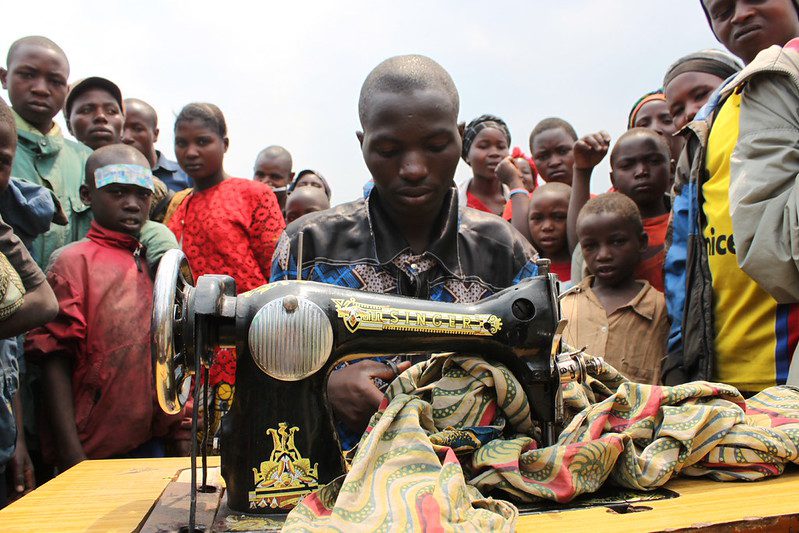
spark micrograntSpark Microgrants is an organization working in Africa that provides cash grants and development support to small villages in order to encourage long-term economic growth. Through its two key pillars, durable livelihoods and collective agency, Spark Microgrants has helped more than 1,300 villages develop durable livelihoods in Africa. What started as a small initiative in Rwanda in 2010 has now reached more than 1 million people in Rwanda, Malawi, Uganda, Ghana, and Burundi.

The Three-Phase Method

Spark Microgrant’s method is particular, as it wants to avoid imposing its practices and ideas on the citizens of the villages, so it adopted a village-driven process. This means that the organization puts the decision-making for the projects in the hands of those who will be using it, allowing them to build on pre-existing indigenous practices.

In fact, the first phase of the development project requires the village to identify its local assets, so that the economic growth that follows stems from pre-existing resources and not external, unsustainable support. Then, through six months of village planning meetings open to all village members, they must develop a vision or plan for how to utilise these resources in their favour, and then must decide on a method through which to achieve this vision. Opening these meetings to the entire village is an essential component of this phase, as it shifts the power in the village from a small group of male elites to women and men of all ages and socio-economic status.

For the second phase of development, the village receives the first half of its microgrant to invest in its chosen project. Not only does this allow them to test the success of their chosen project before they receive the second half, but it also allows the village to begin a savings program. Both of these are crucial to the success of the program because they ensure that the village can become self-reliant and will be able to prosper long after Spark Microgrants stops supporting them.

For the final phase, Spark Microgrant monitors the success of the program for two years to ensure that the chosen investments are prosperous. Additionally, they ensure that the benefits of the program are experienced by all members of the village, allowing all members to emerge from extreme poverty and stay out of it for the foreseeable future.

Current Impact

In the last 15 years, Spark Microgrants has had immense success in building durable livelihoods in Africa. By partnering with other local organizations, it has been able to expand its expertise of the region’s indigenous practices and widen its impact. It uses its two key pillars to quantify its success thus far. For “collective agency,” it tracks growth in citizen engagement in the project, specifically in village meetings. This is invaluable to the program, as it fosters a deep trust in the collective action of the village. In fact, they have seen a 215% increase in women’s civic engagement, proving that the open village meetings have succeeded in encouraging all village members to participate, creating more diverse governing bodies.

For the second pillar of “durable livelihoods,” Spark Microgrants tracks economic factors such as growth in assets, savings, and food security. It reports a 249% increase in median household asset values in the villages they have worked with as well as an 160% increase in household savings. Whilst this data clearly demonstrates the charity’s success, the most impressive … is that each village has seemed to use its revenues and success to launch its own similar programs in other villages. This is significant because it creates an impact multiplier, essentially doubling Spark’s impact for every village it works with.

Spark Microgrant’s efforts in building durable livelihoods in Africa are not only immense in results and statistics, but they also encourage self-reliance and sustainable long-term impact. Its flexible systems allow its models to be adaptable and unique to each village, creating lasting change and breaking generational poverty.

– Vittoria Cortese

Vittoria is based in Washington DC, USA and focuses on Good News for The Borgen Project.

Photo: Flickr
March 10, 2026
https://borgenproject.org/wp-content/uploads/borgen-project-logo.svg 0 0 Naida Jahic https://borgenproject.org/wp-content/uploads/borgen-project-logo.svg Naida Jahic2026-03-10 07:30:002026-03-10 01:33:37Spark Microgrants: Building Durable Livelihoods in Africa
Agriculture, environment, Global Poverty

Green Nitrogen Fixation Can Help Alleviate Global Poverty

Green Nitrogen FixationToday’s standard fertilizer production process contributes to a sizable 2% of global carbon dioxide emissions and requires high-priced materials and complex engineering. Additionally, farming communities in impoverished nations often have limited access to and cannot afford the rising costs of industrial fertilizers. Green nitrogen fixation is a sustainable process that can be achieved on-site, ending small-scale farmers’ dependence on imported fertilizers. 

With numerous environmental and economic benefits, green nitrogen fixation can help alleviate global poverty and promote food security in developing nations. 

Industrial Fertilizer Production

Industrial fertilizer is composed of compounds that provide plants with essential nutrients, which include the crucial life-sustaining element nitrogen and minerals such as phosphorus and potassium. Nitrogen for fertilizer production is commonly obtained from atmospheric air, which reacts with hydrogen in natural gas to create ammonia. The ammonia can be converted to ammonium nitrate or other nitrogen compounds and mixed with minerals to produce fertilizer.

Inert atmospheric nitrogen must be “fixed” (converted to reactive nitrogen compounds) to be absorbed by crops. The Haber-Bosch process is the most common technique for nitrogen fixation since the early 1900s. It catalyzes the reaction between hydrogen and nitrogen at extreme temperatures and pressures, requiring significant energy and producing substantial carbon dioxide. 

Not only is the Haber-Bosch process energy-intensive, consuming nearly 2% of global energy demand, but the materials needed for the method can be costly and, at times, inaccessible.

Fertilizer Supply Chain

Given that phosphorus, potassium and natural gas resources are limited and available only in certain parts of the world, fertilizer availability can fluctuate. The ongoing conflict between Ukraine and Russia has significantly reduced fertilizer reserves. Many of Ukraine’s fuel processing facilities have been damaged in battle, reducing its ability to produce natural gas and driving up fuel prices. 

Additionally, Russia and Belarus produce a substantial amount of fertilizer that they are presently unable to export due to shipping disruptions and sanctions resulting from the conflict. Rising costs and fertilizer scarcity have had a significant impact on farmers and consumers worldwide. Unlike those in developed nations who may be able to afford higher-priced fertilizers, food growers in developing regions do not have the financial resources to afford them.

Alternative solutions are needed to enable impoverished farmers to sustain food security for themselves and their communities. A promising alternative to industrial fertilizer, green nitrogen fixation can help alleviate global poverty by protecting the food supply of developing countries while delivering additional environmental and economic benefits.

On-Site Green Nitrogen Fixation Methods

Providing the capability of on-site, small-scale production, green nitrogen fixation methods are economical and fairly easy for remote farmers to implement. The methodologies include the following:

  • Plasma-Based Nitrogen Fixation: Plasma nitrogen fixation uses ionized gas (plasma) to cause a reaction between atmospheric nitrogen and hydrogen from water to produce ammonia. Plasma is created by electrifying air using small-scale reactors powered by solar or wind energy. The process creates liquid nitrates that can be sprayed onto crops. Though plasma nitrogen fixation uses renewable energy and has small-scale production capabilities, it requires high energy consumption. 
  • Biological Nitrogen Fixation: Biological nitrogen fixation uses bacteria such as Azotobacter to convert atmospheric nitrogen into ammonia via the enzyme nitrogenase. The bacteria are added to the soil, enabling crops to take up nitrogen directly. Biological nitrogen fixation eliminates the need for a fuel source. It provides a no-processing, direct on-site application. However, it can emit nitrous oxide (a greenhouse gas) when excess nitrogen is added to the soil.
  • Photocatalytic Nitrogen Fixation: This method utilizes solar energy to convert atmospheric nitrogen into ammonia, using water as a hydrogen source. A photocatalyst is exposed to solar energy to generate the reaction between hydrogen and nitrogen to form ammonia. While the method uses renewable energy and has on-site production capability, current catalysts are inefficient and the reaction loses much of its energy as heat.

Scientists are working to further improve these techniques to enhance their effectiveness. With so many potential benefits for remote farmers, there is promise that green nitrogen fixation can help alleviate global poverty by enabling sustainable small-scale farming and helping end food insecurity worldwide. 

The Agrogeological Approach

In addition to nitrogen, plants also need key minerals for optimal growth. To bypass reliance on imports, these minerals can be obtained locally. Although the fertilizer industry mainly targets the macro- (main) plant nutrients, such as nitrogen, phosphorus and potassium, the “agrogeological” approach also employs micro- (secondary) nutrients to sustain soil fertility. Generally available worldwide, sources of phosphorus and potassium include animal manure, fallen leaves and sewage sludge. 

Secondary plant growth nutrients, such as calcium, magnesium, iron, zinc and copper, can be obtained from wood ash, marl (a sedimentary clay rock) and phosphate rock. Often requiring minimal processing, these resources can be found in industrial waste or in nature and, along with nitrogen from green nitrogen fixation, can sustainably provide crops with the nutrients needed to thrive.

Outlook for Green Nitrogen Fixation

The world population could reach 10 billion by 2050, further increasing the already scarce supply of fertilizer and adding to food production demands on impoverished nations. Green nitrogen fixation is a promising soil fertility solution, particularly when coupled with agrogeological techniques. It can help alleviate global poverty by strengthening the resilience and independence of local farmers while contributing to environmental protection.

– Debbie Barto

Debbie is based in Monroe, WA, USA and focuses on Technology and Solutions for The Borgen Project.

Photo: Flickr

March 10, 2026
https://borgenproject.org/wp-content/uploads/borgen-project-logo.svg 0 0 Lynsey 2 https://borgenproject.org/wp-content/uploads/borgen-project-logo.svg Lynsey 22026-03-10 03:00:082026-03-10 01:28:38Green Nitrogen Fixation Can Help Alleviate Global Poverty
Gender Equality, Global Poverty, Women's Empowerment

3 Programs Empowering Young Girls in India

Empowering Young Girls in IndiaWithin India, gender discrimination is very prevalent, especially for young girls. This news is shared across various channels and explicitly stated on sites like the Human Development Index, which show that the country ranks higher on gender gaps than the global average. However, such news fails to acknowledge the positive developments that are empowering young girls in India. 

Specifically, three programs in India are designed to help young girls thrive in their environments. These include the Sukanya Samriddhi Yojana, the Mahila Shakti Kendra (MSK) and the Balika Samriddhi Yojana.

Sukanya Samriddhi Yojana

This program empowers young girls in India by providing financial assistance. It is a government banking scheme initially set up to help parents support their daughters’ educational goals. By setting aside this money and building a fund for these young girls, it helps this minority move away from a life of poverty. 

Systemic gender inequalities can lead to an unfortunate life, such as poverty. One cause can be a lack of education. Girls are not as fortunate as boys to be granted the right to learn. As a result, they miss out on opportunities and independence and end up relying on others. Sukanya Samriddhi Yojana works to prevent that and help girls live a life full of education.

Mahila Shakti Kendra (MSK)

MSK is a program that empowers young Indian girls, particularly those in rural areas. It does so in many ways. However, the focus areas include education, employment, literacy, health and related support services.

Rural girls are often the most at risk because they lack the opportunities that boys or children in urban areas have. These girls do not have the resources needed to escape a frugal lifestyle, which very often results in early marriages and a cycle of domestic work. Educating and supporting girls in rural areas is not only essential for their futures but also for long-term national development.

Balika Samriddhi Yojana

Balika Samriddhi Yojana empowers young girls by providing financial support to those from underprivileged backgrounds. It not only helps with finances but also supports parents to ensure a focus on young girls’ mental and physical well-being. It provides a stipend to parents after the birth of a girl and scholarships for the child to support her education.

By doing all of this, it helps ensure that the girl and her family move away from struggling livelihoods and work toward bettering their lives, leaving poverty behind and toward a brighter future.

Final Remarks

These programs not only focus on gender inequalities, hoping to lessen that barrier, but also aim to help build a life out of poverty and into something better. These are only three programs highlighted, but many others address the issue and shed new light on it, showing that community and support can go a long way toward empowering young girls in India.

– Danielle Johnson

Danielle is based in Knoxville, TN, USA and focuses on Good News for The Borgen Project.

Photo: Flickr

March 10, 2026
https://borgenproject.org/wp-content/uploads/borgen-project-logo.svg 0 0 Lynsey 2 https://borgenproject.org/wp-content/uploads/borgen-project-logo.svg Lynsey 22026-03-10 01:30:242026-03-10 01:14:433 Programs Empowering Young Girls in India
Education, Global Poverty, Technology

ZNotes: Reducing Learning Poverty Through Education

ZNotesEducation does not just reduce learning poverty. It also provides a better future and enhances the chances of people who did not have access to education before. This can provide greater access to jobs and reduce income inequality. 

Education can transform lives socially and empower people across demographics to improve their own lives. Even people in developing nations like India are achieving state ranks due to these educational opportunities. 

ZNotes

ZNotes is an educational platform created by Zubair Junjunia, who witnessed the inequalities students faced during their end-of-year exams. Junjunia launched the platform when he was just 16. Now, this platform has amassed a wealth of information to help people gain further access to educational rights.

With more than 500,000 subscribers to its databases, ZNotes has had a profound impact on more than 6 million students from more than 190 countries. Epic Angels is one of the educational platform’s biggest benefactors in the Asia Pacific region. 

The Importance of Education

UNESCO reports that global poverty would be reduced by more than 50% if everyone completed secondary education. During the COVID-19 pandemic, the learning poverty rate skyrocketed to about 70% due to limited access to educational resources. ZNotes is a good way to quell this hindrance. 

If everyone (including those in developing or low-income households) had proper access to education, then 171 million people would be able to have better lives and be free from poverty. Although ZNotes has garnered support from more than 4.5 million students globally, coverage of certain topics remains limited. 

How ZNotes Is Reducing Learning Poverty

ZNotes is an immensely popular online learning tool that has also won awards for its syllabus-tailored study materials, which increase the chances of getting good grades. What started as a personal effort quickly turned into a global fight against educational inequality. It has worked to reduce the rate of learning poverty ever since by connecting learners across cultures, genders and faiths. 

In these diverse spaces, students exchange guidance on university, internships and career pathways, widening access to valuable social capital. Beyond preparing students for high-stakes exams, ZNotes equips them for life after school. Through its internship and contribution programs, young people gain real-world experience in a global social impact startup, building both academic and employability skills. The results are clear: 77% of interns report stronger candidacy for jobs and future internships.

Conclusion

Education is a powerful yet complex tool to foster growth, independence and success. ZNotes is an online educational platform dedicated to working collaboratively with students to reduce learning poverty. With millions of supporters, ZNotes has significantly contributed to reducing learning poverty by empowering students to become globally connected, career-ready leaders through a combination of academic support and real-world experience.

– Shruti Reddy

Shruti is based in Cedarhurst, NY, USA and focuses on Technology and Solutions for The Borgen Project.

Photo: Flickr

March 9, 2026
https://borgenproject.org/wp-content/uploads/borgen-project-logo.svg 0 0 Lynsey 2 https://borgenproject.org/wp-content/uploads/borgen-project-logo.svg Lynsey 22026-03-09 07:30:592026-03-09 02:28:47ZNotes: Reducing Learning Poverty Through Education
Global Poverty, Women's Empowerment

Women’s Economic Empowerment in Nepal

Women’s Economic Empowerment in NepalAfter the adoption of the Beijing Declaration and Platform for Action 30 years ago, Nepal has made strong progress in women’s economic empowerment. The Beijing Platform, agreed upon by 189 countries in 1995, remains the most important global plan for advancing women’s rights. In 2025, global leaders reviewed progress during the 69th session of the Commission on the Status of Women (CSW69), also known as the Beijing+30 review.

Although progress has been made worldwide, major gaps remain. According to U.N. Women, women still perform 2.8 times more unpaid care work than men, and nearly 30% of women globally have experienced physical or sexual violence. These challenges underscore why countries like Nepal must continue to strengthen women’s economic and social rights.

Stronger Political Representation

Nepal’s 2015 Constitution requires that women make up at least 33% of seats in the federal parliament and provincial assemblies. By 2018, women held 33% of parliamentary seats and 41% of local government positions. This increase in representation gives women a stronger voice in national and local decision-making.

Greater political participation supports women’s economic empowerment in Nepal because women leaders often advocate for education access, property rights and equal employment policies. Nepal has also institutionalized gender equality and women’s empowerment through the Gender Equality and Social Inclusion (GESI) frameworks to support equal opportunity across sectors, reinforced by the National Women’s Commission and parliamentary committees that implement gender-sensitive policies and programs. This legal commitment is further anchored in Nepal’s Gender Equality Act (2006), which abolishes discriminatory legal provisions and promotes equal treatment for women in areas such as employment, property rights, and public participation. These policies help expand access to education, protect legal rights and support women’s participation in development programs, including disaster response and climate action. By building stronger laws and institutions, Nepal is creating long-term systems that support gender equality.

Expanding Financial Access and Entrepreneurship

Access to finance plays a key role in women’s economic empowerment in Nepal. According to the World Bank, expanding financial inclusion allows women to start businesses, invest in agriculture and improve household stability. In 2026, the World Bank approved a $95 million operation to support sustainable and inclusive finance in Nepal, including measures that help women-led businesses access credit and grow their enterprises. Microfinance programs and cooperative banking models have helped increase women’s financial access in recent years.

Women entrepreneurs are also receiving new investment support. The International Finance Corporation (IFC) has invested in programs that expand financing for women-led businesses. These investments help women grow enterprises in agriculture, retail and small-scale manufacturing.

In addition to funding, many programs offer business management and vocational training. For instance, Goldman Sachs 10,000 Women initiative provides entrepreneurs with business education, mentoring, networking opportunities, and access to capital. The program includes courses in leadership, marketing, and financial management. Combining financial services with practical training increases the chances that women-owned businesses will succeed long term.

Closing the Digital Gap

Digital access is becoming more important for economic participation. However, global data from the International Telecommunication Union shows that 65% of women use the internet compared to 70% of men. This gap limits women’s access to online work, digital banking and e-commerce opportunities.

Nepal is responding by expanding digital literacy and technology training programs for women and girls. These initiatives aim to reduce the gender digital divide and prepare women for jobs in an increasingly digital economy.

Simultaneously, legal protections remain important. The United Nations in Nepal has urged stronger enforcement of laws addressing gender-based violence, including domestic violence and human trafficking. Protecting women’s safety allows them to participate more fully in the workforce and public life.

Women and Climate Leadership

Women in Nepal are also playing important roles in disaster response and climate adaptation. Community-based women’s groups often lead local preparedness efforts, especially in rural areas affected by floods and earthquakes. However, women are still underrepresented in national climate planning and funding decisions.

Regional discussions during the Asia-Pacific Ministerial Conference on the Beijing+30 Review in 2024 emphasized the need for women’s inclusion in sustainable economic transitions. Expanding women’s access to green jobs and climate-focused industries can support both gender equality and environmental progress.

Through continued reforms and participation in global forums such as the World Federation of United Nations Associations International Model United Nations, Nepal has shown commitment to reviewing and strengthening its policies. By improving financial access, increasing political representation and expanding digital opportunities, the country is building a foundation for lasting women’s economic empowerment in Nepal. Continued enforcement of laws and investment in women-led initiatives will help ensure that progress remains steady and inclusive.

– Anaisha Kundu

Anaisha is based in Skillman, NJ, USA and focuses on Business and Politics for The Borgen Project.

Photo: Flickr

March 9, 2026
https://borgenproject.org/wp-content/uploads/borgen-project-logo.svg 0 0 Naida Jahic https://borgenproject.org/wp-content/uploads/borgen-project-logo.svg Naida Jahic2026-03-09 07:30:302026-03-08 12:29:12Women’s Economic Empowerment in Nepal
Child Soldiers, Global Poverty

Child Soldiers in Libya: Reintegration Efforts

child soldiers libyaArmed conflict in Libya has had lasting effects on the country’s youth, including the recruitment of children by armed groups. Since the country’s political instability escalated following the 2011 revolution, various militias and factions have drawn young people into conflict roles. Efforts to address the issue of child soldiers in Libya increasingly focus not only on preventing recruitment but also on helping former child soldiers reintegrate into civilian life.

International organizations and local authorities are working to provide education, psychological support and employment pathways for children affected by conflict. These initiatives aim to improve long-term stability while reducing the likelihood that vulnerable youth will return to armed groups.

Child Recruitment

Children can become associated with armed groups in a variety of ways. Some join voluntarily due to economic hardship, while others are coerced or influenced by community pressures. In many cases, conflict disrupts education systems and employment opportunities, making armed groups appear to be one of the few available options for income or security.

Years of political instability have also weakened institutions responsible for protecting children. Humanitarian organizations report that refugee and migrant children in Libya face increased vulnerability to exploitation, violence and recruitment into armed activities

These conditions highlight why addressing the issue of child soldiers in Libya requires broader social and economic solutions, including education access and community-level support systems.

Reintegration Programs for Former Child Soldiers

A growing number of reintegration initiatives aim to help former child soldiers transition back into civilian life. Many of these programs follow a disarmament, demobilization and reintegration (DDR) framework. DDR programs focus on removing children from armed groups and supporting their return to education, family life and employment opportunities.

In the Libyan city of Zintan, cooperation between local authorities and international organizations helped release and reintegrate 125 children and adolescents formerly associated with armed forces. These programs included psychosocial counseling, community activities and educational support designed to help children rebuild social connections

Community involvement could play a key role in reintegration success. Training sessions for teachers, social workers and community leaders could help address stigma and encourage communities to accept returning children. According to child protection organizations, reintegration programs that include community-based support and mental health services significantly improve long-term outcomes for former child soldiers.

Strengthening Child Justice Systems

Alongside reintegration programs, Libya has taken steps to improve its child justice system. In 2022, Libyan authorities partnered with international organizations to launch initiatives focusing on creating a more child-friendly legal framework. The program focuses on rehabilitation, skill development and reintegration support for children who encounter the justice system).

Strengthening legal protections could help ensure that children previously involved in armed groups are treated as victims of conflict rather than criminals. Access to social services, counseling and education programs could reduce the long-term economic and psychological effects of conflict on young people.

Reintegration and Poverty Reduction

Poverty reduction could help reduce the issue of child soldiers in Libya and the world. Armed groups recruit children who often come from communities facing unemployment, limited education opportunities and economic instability. Without alternatives, returning to armed groups can appear to be the most viable option.

Reintegration programs attempt to break this cycle by providing vocational training, life skills education and job placement support. By helping young people access employment opportunities and return to school, these programs contribute to long-term economic stability for individuals and communities

Looking Ahead

Efforts to address child soldiers in Libya demonstrate the importance of combining humanitarian assistance, education programs and legal reforms. While challenges remain due to ongoing political instability, reintegration initiatives provide a pathway for children affected by conflict to rebuild their lives.

Expanding these programs may not only support individual recovery but also contribute to broader peacebuilding efforts. By investing in youth rehabilitation and opportunity, Libya and its international partners are working toward long-term stability and a future in which children are no longer drawn into armed conflict.

– Jason Hill

Jason is based in Fullerton, CA, USA and focuses on Good News for The Borgen Project.

Photo: Flickr

March 9, 2026
https://borgenproject.org/wp-content/uploads/borgen-project-logo.svg 0 0 Naida Jahic https://borgenproject.org/wp-content/uploads/borgen-project-logo.svg Naida Jahic2026-03-09 03:00:592026-03-08 12:24:20Child Soldiers in Libya: Reintegration Efforts
Electricity and Power, Global Poverty, Health

Community Health Services Sustain Health Care Access in Cuba

Health Care Access in CubaWhen blackouts and fuel shortages threaten hospitals across Cuba, it is the doctors, nurses and medical students long embedded in neighborhoods who keep the system running. The de facto blockade of Cuba’s oil supply in recent months has had serious and widespread effects across all of Cuba, notably within the National Health Service (NHS). Representing the nation at the U.N. in September of 2025, Foreign Minister Bruno Parilla described daily challenges facing Cubans: “A grave scenario of prolonged and daily blackouts, difficulties in affording food, insufficient availability of medicines, reduced public transport, limited community services and pronounced inflation, which is eroding real incomes.”

Authorities and community clinics have reorganized services to protect health care access in Cuba. This ensures the continuous availability of life-saving treatments, including oncology care, dialysis and maternal health, across rural provinces. It also maintains regular access to primary family care physicians.

Cuba’s widespread, free-at-the-point-of-use medical system plays a critical role in maintaining access to health care, particularly during periods of economic or energy disruption. The health system’s ability to function under these conditions reflects Cuba’s family doctor and primary health care model. This model is built on principles that protect universal care and strengthen community resilience for all people in Cuba. These key principles form the foundation of Cuba’s strategy for maintaining health care access during humanitarian crises.

Accessibility and Regionalization

These first two principles establish that health care access in Cuba is universal and should remain available regardless of geography, income or social status. Before Cuba’s post-revolution health care reforms, rural Cubans had little to no access to hospital care. Today, “polyclinics,” general medical care centers are found in communities across the country, giving people outside major cities access to health care on a scale not seen since before the Spanish colonization of Cuba.

During the current fuel shortages and electricity disruptions, maintaining accessibility has required reorganizing how doctors and staff deliver care across Cuba. As a result, five million patients, including those undergoing dialysis or chemotherapy, who require constant electricity and regular specialist care, may see changes to their treatment plans.

Hospitals have prioritized electrical power for critical treatments to ensure staff can continue treating the most vulnerable patients. Thousands of cancer patients require ongoing chemotherapy or radiotherapy, procedures that rely on stable electricity. Local health authorities have responded by concentrating patients in facilities with reliable power generators and hospital beds so that treatments can continue uninterrupted.

The newspaper Girón spoke with Yamira López García, the provincial director of Public Health in Matanzas, about the situation. She reaffirmed the government’s commitment to maintaining the operational capacity of all facilities within the public health system and expanding outpatient services so that “no patient will be left without the possibility of treatment.”

The paper also reported that radiotherapy, chemotherapy and dialysis remain available to patients and that authorities have established infrastructure for new admissions. These efforts demonstrate how the system seeks to preserve health care access in Cuba even as logistical conditions deteriorate.

Prevention

Preventive medicine is the central pillar of Cuba’s health care model. Rather than focusing solely on hospital treatment, the system relies on neighborhood doctors and nurses to monitor family health and identify risks early. The NHS has called for doctors to be reassigned to facilities near their residences to strengthen neighborhood clinics and reduce transportation pressures.

Specialists from secondary care institutions have also been temporarily deployed to community polyclinics to ensure local services remain operational. Because this regionalized network already exists, the system can redistribute medical personnel across local facilities without dismantling care. Clinics remain embedded within the communities they serve, helping maintain health care access in Cuba even when transportation and electricity shortages disrupt larger hospitals. 

These visits allow health workers to identify patients who may require urgent care before conditions worsen, reducing pressure on hospitals and helping preserve health care access at the community level in Cuba.

Community Participation

Rather than imposing health care structures on communities, Castro’s system sought to integrate local populations and emphasize organized public participation. Health care delivery, for example, is not limited to professional staff but also involves collaboration among medical institutions, local communities and educational programs. To maintain universal health care access in Cuba, medical students have joined primary care teams in clinics and doctors’ offices. 

As part of their training, students assist with household visits, patient monitoring and public health education. Their work expands the capacity of the neighborhood health system while allowing services to continue despite staffing and transportation challenges. This collective approach strengthens the resilience of local clinics. It ensures that community-based care remains a cornerstone of health care access in Cuba.

International Collaboration

Cuba’s health care strategy also includes international collaboration, with thousands of medical professionals participating in missions across Africa, Asia and Latin America. At the beginning of the COVID-19 pandemic, tens of thousands of Cuban doctors were working in more than 50 countries. Rather than recalling them, the Cuban government asked them to cooperate with host nations in combating the pandemic.

In recent months, many of those host countries have donated thousands of tons of critical aid, reflecting how international cooperation and reciprocal support can lead to better outcomes. The Nuestra América Convoy to Cuba is one such coalition aimed at delivering humanitarian aid based on “cooperation, respect for international law and U.N. values.” Arriving in Havana on March 21, 2026, the convoy is made up of volunteers from around the world and carries food, medicines and energy supplies.

Final Remarks

The energy crisis has tested every link in Cuba’s health care system. The resilience of community clinics and primary care networks demonstrates how strong public health infrastructure can protect health care access in Cuba, even under severe resource pressures. The polyclinic model supports universal accessibility and regionalized services, while prevention and community participation make clinics more adaptable under pressure. This approach offers a potential model for other low-resource settings facing similar shocks.

– Zoey Cruz

Zoey is based in Bedfordshire, UK and focuses on Technology and Global Health for The Borgen Project.

Photo: Pixabay

March 9, 2026
https://borgenproject.org/wp-content/uploads/borgen-project-logo.svg 0 0 Lynsey 2 https://borgenproject.org/wp-content/uploads/borgen-project-logo.svg Lynsey 22026-03-09 01:30:432026-03-08 10:59:47Community Health Services Sustain Health Care Access in Cuba
Agriculture, Education, Global Poverty

Poverty Reduction in Namibia: Progress and Practical Solutions

poverty namibiaNamibia has made steady progress in reducing poverty since gaining independence in 1990, but many communities still face economic hardship. High unemployment, regional inequality and limited access to services continue to shape daily life for millions. Strengthening social protection, expanding education access and investing in rural development remain central to long-term poverty reduction in Namibia.

Poverty Trends and Current Challenges

Namibia reduced its national poverty rate from 37.7% in 2003 to 17.4% in 2021, according to the Namibia Statistics Agency. Yet broader indicators show that many households still experience deprivation. OPHI reports that 43% of Namibians live in multidimensional poverty, which includes limited access to health care, education and basic services.

Rural communities face the highest risks. UNICEF report notes that poverty is the highest in northern regions, where access to water, sanitation and employment remains limited.

Women and children experience the greatest vulnerability, according to Namibia’s 2024 Voluntary National Review, which highlights persistent gaps in nutrition, education and income stability.

Unemployment also remains a major barrier. Reuters reports Namibia’s broad unemployment rate as more than 36%, one of the highest in southern Africa.

Supporting Families and Skills Development

Namibia operates one of the most extensive social protection systems in the region. The Ministry of Gender Equality, Poverty Eradication and Social Welfare provides old-age pensions, child grants, disability support and food assistance. In 2023, more than 600,000 Namibians relied on social grants, according to The Namibian.

UNICEF’s Social Protection Budget Brief shows that grants significantly reduce poverty and narrow inequality gaps, especially for children and elderly residents.

Namibia has also tested innovative approaches. The Basic Income Grant pilot in Otjivero-Omitara showed improvements in nutrition, school attendance and local economic activity.

Education has been a national priority since independence. Namibia now maintains primary school enrollment above 95%, according to UNICEF. In 2025, the government announced plans to introduce free higher education and vocational training beginning in 2026. This expansion aims to help young people enter careers in agriculture, construction, information technology and renewable energy.

Agricultural Investment and Economic Diversification

Agriculture remains a major source of income for rural households. The Namibia Agricultural Mechanization and Seed Improvement Project (NAMSIP) provides farmers with equipment, improved seeds and training to strengthen food security. 

The Green Scheme irrigation program expands crop production and market access for small-scale farmers. Recent reporting from New Era shows that Green Scheme projects are increasing productivity and helping communities adapt to climate challenges. 

Land access remains central to Namibia’s poverty reduction strategy. The Legal Assistance Centre documents ongoing efforts to redistribute commercial farmland and provide training to resettled families. Beneficiaries who receive continued technical support report higher food security and more stable incomes. Rural development projects (including road upgrades, water infrastructure and electrification) could also help communities access markets, schools and health services. These improvements strengthen local economies and reduce regional inequality.

Namibia is internationally recognized for its Community-Based Natural Resource Management (CBNRM) program. Through conservancies, communities manage wildlife and benefit directly from tourism and conservation income.

Maliasili’s analysis highlights that conservancies generate millions of dollars in community revenue each year and support women’s cooperatives, youth enterprises and local governance. 

Look Forward To What’s Ahead

Namibia’s progress shows that consistent investment and inclusive policy can reduce poverty. Strengthening social protection, expanding education, supporting farmers and improving land access remain essential pillars of poverty reduction in Namibia. Continued collaboration between government agencies, community organizations and international partners will be vital to ensuring long-term stability and shared economic growth.

– Angela ‘Phoenix’ Garrett

Angela is based in Chicago, IL, USA, and focuses on Good News and Global Health for The Borgen Project.

Photo: Flickr

March 9, 2026
https://borgenproject.org/wp-content/uploads/borgen-project-logo.svg 0 0 Naida Jahic https://borgenproject.org/wp-content/uploads/borgen-project-logo.svg Naida Jahic2026-03-09 01:30:292026-03-08 11:06:25Poverty Reduction in Namibia: Progress and Practical Solutions
Agriculture, Global Poverty

Indonesia’s Reliance on the Coffee Industry

Indonesia's Reliance on the Coffee Industry Coffee consumers are all around the world. Currently, the United Kingdom (U.K.) consumes about 95 million cups daily. Globally, the demand for coffee is increasing by 2.2% per year. Presently, the import of coffee is soaring. This is especially seen with the quantity of coffee beans.

A main coffee-producing country is Indonesia. Indonesia’s reliance on the coffee industry is crucial. It exported a total of $1.58 billion of coffee in 2024. Indonesia’s biggest buyer is the United States (U.S.). With a total of $302 million made, this shows the popularity of the coffee industry. This is seen significantly in North America.

Indonesia’s coffee trade originated in 1711. This started when the Dutch East India Company sent its first export from Java to Europe. From this, it made significant profits. Therefore, this influenced the rise of the coffee industry. Currently, Indonesia is ranked as the fifth-largest coffee provider globally.

Background on Poverty in Indonesia

The problem of inequality has put many in poverty. There is a large wealth gap between the rich and the general population of Indonesia. Increasing inequality hinders economic development. Wealthier individuals often have better access to basic services, while others do not.

Rural areas suffer more than urban areas. Alongside women who earn low wages, they also suffer from inadequate basic services. Rural areas have limited availability of electricity and insufficient roads. The education system faces challenges through barriers and restricted funds. Consequently, this increases challenges within the agricultural sector.

Positives and Negatives in the Production of Palm Oil

Palm oil is an important point in Indonesia’s agricultural production. Around 57% of its production comes from Indonesia. It is also found in vegetable oil, cosmetics, processed food and more. Economically, this has helped the wealth of Indonesia. However, this has had some negative impacts.

This has pressured some children in Indonesia into child labor. Besides this, they suffer from unequal conditions. The increase in child labor is due to them being paid less. Although Indonesia has child labor restrictions, it is estimated that 1.01 million children participated in labor.

Another factor that is impacting this is the rural setting and private farming. This restricts education and increases poverty. Agriculture is a hard career in which to control child labor. Although Indonesia was one of the first countries in Asia to have restrictions and create national legislation. The minimum age of employment is 15 years old.

Indonesia’s Importance in Agriculture

Indonesia relies heavily on agriculture. This is seen to be rising in popularity. Through reaching $29.6 billion in 2024, higher than in 2022, it presents its dependence on this trade. Many agricultural products are becoming more popular.

Indonesia’s variety of sources is vital worldwide. More than 60% of the sector is involved with the agricultural industry. This therefore shows the reliance of the agriculture sector on its income.

Agriculture is needed globally. This helps countries worldwide and the economic development of Indonesia. It provides food security and job opportunities. Agriculture provides many positive effects. This also provides growth in industrial development and builds closer communities. A main part of this trade is farming, which is the main source of agriculture.

A hidden step before the craft of coffee is the production of coffee beans. Although the people working are not always treated fairly. Indonesia’s reliance on the coffee industry is crucial, as it supports 1.8 million families. However, they do not even earn $0.50 per cup.

Mainly in the “bean belt,” coffee production occurs in more than 50 countries. Even with this major working industry, many people suffer. With 17 countries having recorded child labor, this highlights some negatives. Through the threat of poverty, people are pressured to work. Alongside this, the production of coffee and agriculture can be challenging. This also has implications for the environment.

Another downfall is the hardships farmers face. Factors such as irregular weather patterns, the threat of pests and the sensitive nature of coffee plants make the growth of coffee more challenging. Coffee production and agriculture depend on the quality of their environment. However, there are some ways to solve these difficulties.

Physical Solutions

Even with some hardships, there are some physical solutions. This helps with agriculture, especially regarding the production of coffee.

Improving soil quality is an important factor. This is done by cover cropping and applying compost. By protecting soil quality and growth, this allows a sustainable environment for crops.

Agroforestry integration is another solution. This is when trees play a role in farming. Trees would provide shade, control temperature and support biodiversity. Not only would this help crops, but it would also help surrounding species.

Increasing biodiversity is crucial. From maintaining plants to supporting living organisms, these act as natural pest control. This environmentally friendly method is beneficial because pests are a consistent challenge. Water control is fundamental. This helps to stabilize soil, increase infiltration and control surface runoff. The management of water will help crops grow healthier and stronger.

Practical Solutions to Help Coffee Farmers

Indonesia’s coffee consumption has grown significantly. Tripling since before the pandemic shows Indonesia’s important role in the industry. There are practical solutions that buyers can follow to support farmers more. Some simple steps, such as choosing, donating and educating are key ways to implement this.

Choosing fair trade coffee is a small change, but it helps ensure a fairer wage. This helps provide a more stable income for farmers. A fairer wage would increase the quality of life for many families. About 37,000 products are sold in more than 140 countries, showing its success.

Donating to organizations is another step that can support equality in communities and human rights. Funds donated can support training and bring more job opportunities. This is supported by fair trade programs, where approximately 2 million farmers are involved.

Education is also vital. Knowledge about the hardships farmers face can increase advocacy. This helps improve policies and influences fair trade. This can support a healthier future for farmers and the economy.

– Daisy Sheena

Daisy is based in Manchester, UK and focuses on Technology and Solutions for The Borgen Project.

Photo: Flickr

March 8, 2026
https://borgenproject.org/wp-content/uploads/borgen-project-logo.svg 0 0 Precious Sheidu https://borgenproject.org/wp-content/uploads/borgen-project-logo.svg Precious Sheidu2026-03-08 13:30:192026-03-15 00:53:29Indonesia’s Reliance on the Coffee Industry
Employment, Global Poverty, Refugees

How Job Training for Refugees in Turkey Strengthens Communities

Job Training for Refugees in TurkeyTurkey hosts one of the largest refugee populations in the world, with more than 3 million registered Syrian refugees, according to the U.N. Refugee Agency. Economic pressures have made access to stable employment difficult for many displaced individuals and vulnerable citizens alike. In response, job training for refugees in Turkey has become a strategy to strengthen livelihoods while promoting shared economic participation.

Many refugees in Turkey face significant barriers when they try to enter the formal labor market, including limited access to certified vocational training, challenges with skills recognition and work permit requirements. The International Labor Organization (ILO) reports that regulatory and structural obstacles push many refugees into informal employment, increasing their vulnerability and limiting long-term stability. At the same time, rising inflation and labor market instability have placed growing economic pressure on Turkish citizens, particularly workers in lower-income sectors. In response, policymakers and development organizations design programs that align vocational training with employer demand and encourage businesses to hire workers formally.

Aligning Skills With Industry Demand

From November 2022 to January 2025, the United Nations Development Programme (UNDP) implemented a workforce initiative focused on Turkey’s textile sector. The project aimed to expand employment pathways for Syrian refugees and members of host communities through targeted vocational training.

The initiative, titled “Decent and Sustainable Job Opportunities for Refugees and Host Communities in the Turkish Textile Sector,” aligned training directly with labor market needs. Turkey’s textile industry remains one of the country’s major export sectors and a significant source of employment across manufacturing and supply chains. The Government of the Republic of Korea funded the project with $178,620. In 2023 alone, the program directed $131,522 toward training and implementation activities.

Rather than offering generalized training, the program developed sector-specific curricula in collaboration with textile industry partners to address identified labor market needs. It provided on-the-job training at employer premises, strengthening participants’ practical skills and increasing their chances of securing formal, sustainable employment. By working closely with private-sector actors, the project connected skills development directly to hiring pathways.

Promoting Shared Economic Participation

The project targeted both Syrian refugees and vulnerable Turkish citizens, aiming to strengthen social cohesion by expanding access to vocational training and formal employment pathways.

Access to formal employment plays a key role in economic stability. Formal jobs often provide regulated wages, safer working conditions and access to social protection systems. For displaced individuals, stable employment can reduce reliance on informal labor markets, which frequently offer inconsistent income and limited worker protections.

In addition to UNDP’s textile sector initiative, the International Labor Organization (ILO) has implemented broader employment and vocational training programs to improve refugees’ access to formal labor markets in Turkey. The ILO works with government institutions, employers and worker organizations to expand skills development, promote formal hiring and strengthen labor market governance.

Economic Integration and Long-Term Impact

The World Bank emphasizes that integrating refugees into labor markets can contribute to long-term economic growth when programs align skills development with employer demand. Workforce initiatives that connect vocational education to employer needs can reduce reliance on short-term assistance while strengthening national economies.

Beyond employment-focused initiatives, international agencies have also invested in strengthening the textile sector itself. The United Nations Environment Programme’s InTex Programme trained 230 industry representatives and supported 32 small and medium-sized enterprises in adopting eco-innovation and circular production practices in its first phase. By building technical capacity within the textile value chain, such programs demonstrate how skills development can improve both environmental sustainability and economic competitiveness in refugee-hosting countries.

Employment programs are increasingly recognized as a key component of refugee response strategies. International development agencies note that long-term displacement requires economic solutions that move beyond short-term humanitarian assistance. When refugees gain access to skills training and formal employment, they contribute to local consumption, industrial productivity and broader economic activity. Host countries may also benefit from addressing labor shortages in specific sectors.

Concluding Thoughts

The UNDP textile sector project concluded in January 2025 after completing its planned activities. By combining targeted skills training, industry partnerships and inclusive enrollment, the initiative demonstrated how job training for refugees in Turkey can contribute to poverty reduction, economic resilience and shared prosperity in refugee-hosting countries.

– Isil Ertas Senturk

Isil is based in Oakville, Ontario, Canada and focuses on Good News for The Borgen Project.

Photo: Flickr

March 8, 2026
https://borgenproject.org/wp-content/uploads/borgen-project-logo.svg 0 0 Jennifer Philipp https://borgenproject.org/wp-content/uploads/borgen-project-logo.svg Jennifer Philipp2026-03-08 07:30:362026-03-07 03:14:03How Job Training for Refugees in Turkey Strengthens Communities
Page 39 of 2162«‹3738394041›»

Get Smarter

  • Global Poverty 101
  • Global Poverty… The Good News
  • Global Poverty & U.S. Jobs
  • Global Poverty and National Security
  • Innovative Solutions to Poverty
  • Global Poverty & Aid FAQ’s
Search Search

Take Action

  • Call Congress
  • Email Congress
  • Donate
  • 30 Ways to Help
  • Volunteer Ops
  • Internships
  • Courses & Certificates
  • The Podcast
Borgen Project

“The Borgen Project is an incredible nonprofit organization that is addressing poverty and hunger and working towards ending them.”

-The Huffington Post

Inside The Borgen Project

  • Contact
  • About
  • Financials
  • President
  • Board of Directors
  • Board of Advisors

International Links

  • UK Email Parliament
  • UK Donate
  • Canada Email Parliament

Get Smarter

  • Global Poverty 101
  • Global Poverty… The Good News
  • Global Poverty & U.S. Jobs
  • Global Poverty and National Security
  • Innovative Solutions to Poverty
  • Global Poverty & Aid FAQ’s

Ways to Help

  • Call Congress
  • Email Congress
  • Donate
  • 30 Ways to Help
  • Volunteer Ops
  • Internships
  • Courses & Certificates
  • The Podcast
Scroll to top Scroll to top Scroll to top