• Link to X
  • Link to Facebook
  • Link to Instagram
  • Link to TikTok
  • Link to Youtube
  • About
    • About Us
      • President
      • Board of Directors
      • Board of Advisors
      • Financials
      • Our Methodology
      • Success Tracker
      • Contact
  • Act Now
    • 30 Ways to Help
      • Email Congress
      • Call Congress
      • Volunteer
      • Courses & Certificates
      • Be a Donor
    • Internships
      • In-Office Internships
      • Remote Internships
    • Legislation
      • Politics 101
  • The Blog
  • The Podcast
  • Magazine
  • Donate
  • Click to open the search input field Click to open the search input field Search
  • Menu Menu

Archive for category: Global Poverty

Key articles and information on global poverty.

Gender Equality, Gender Wage Inequality, Global Poverty, Women and Female Empowerment

Addressing the Gender Wage Gap in Saint Lucia 

Gender Wage Gap in Saint LuciaWage disparities between men and women are a significant issue globally, and the gender wage gap in Saint Lucia is no exception. Despite some progress, women on the island still earn less than men for performing the same work. Factors such as restrictive societal norms and domestic responsibilities heavily contribute to this gap. Efforts are advancing to improve these conditions, but Saint Lucia still has a long way to go before achieving wage equality.

Gender Wage Gap in Saint Lucia

The gender wage gap in Saint Lucia reflects broader inequalities within the job market. Women make up 62.9% of the labor force, significantly trailing men at 75.6%. This disparity does not result from a lack of motivation or capability, but is largely due to the weight of unpaid domestic work carried by women. These societal expectations limit women’s full participation in the workforce, reducing their economic independence and contributing to poverty.

Also, the insufficient accommodations and resources available to support mothers balancing family responsibilities play a significant role in the high poverty rates among women in Saint Lucia. Because women frequently occupy lower-paying jobs, they have less access to the social protections that often receive funding from insurance and social security contributions, which puts them at a further disadvantage compared to their male counterparts.

Power of Education

According to UN Women, women in Saint Lucia earn approximately 10% less than men. However, data from the Saint Lucia Central Statistical Office shows that higher levels of education correlate with a smaller wage gap. This demonstrates the importance of access to quality education in empowering women and enhancing their earning potential. Investments in education are key to addressing the gender wage gap in Saint Lucia and alleviating poverty.

However, Saint Lucia has made meaningful strides in empowering women and promoting educational opportunities that play a crucial role in advancing gender equity among the workplace. Ongoing commitment to these initiatives remains important for further closing the income divide and building a society that thrives on principles of equality and fairness.

Time for Change

One promising initiative tackling the gender wage gap in Saint Lucia is the Renewable Energy Sector Development Project, launched by the World Bank. This clean energy initiative prioritizes gender inclusion by awarding scholarships to women in engineering fields. Since its start in July 2022, the program has awarded 17 scholarships to women pursuing degrees in electrical and mechanical engineering, fields historically dominated by men. This program offers a path for women to access higher-paying, high-demand jobs in the STEM field, thereby helping reduce the gender wage gap in Saint Lucia.

Recently in Saint Lucia, young ladies gathered with female leaders to discuss women’s empowerment and networking. The Department of Gender Affairs organized the event in partnership with the UN Women Multi-Country Office through the Build Back Equal Programme. The stories that these leaders shared inspired the girls, showing them that individuals like themselves can thrive despite facing institutional barriers. This event marked the beginning of more opportunities for young women to gain knowledge and feel empowered in their professional journeys.

The milestones achieved through initiatives like the Renewable Energy Sector Development Project and the Build Back Equal Programme are very meaningful. By actively creating spaces for women to enter and thrive in traditionally male-dominated fields, these programs help close the gender pay gap and also lay the groundwork for stronger economic development across Saint Lucia.

Looking Ahead

Despite the country’s small population of under 180,000, Saint Lucia is making bold strides toward gender equity. Such progress deserves greater recognition. Highlighting these efforts brings much-needed attention to the power of investing in women. When women gain access to quality education, professional mentorship and high-paying careers, the benefits extend outward; strengthening families, communities and the nation as a whole. Empowering women is not only a matter of fairness; it is a bridge for a more resilient society.

– Knia Parks

Knia is based in Pepper Pike, OH, USA and focuses on Good News and Politics for The Borgen Project.

Photo: Flickr

May 30, 2025
https://borgenproject.org/wp-content/uploads/borgen-project-logo.svg 0 0 Jennifer Philipp https://borgenproject.org/wp-content/uploads/borgen-project-logo.svg Jennifer Philipp2025-05-30 07:30:142025-05-30 05:24:03Addressing the Gender Wage Gap in Saint Lucia 
Disease, Global Health, Global Poverty

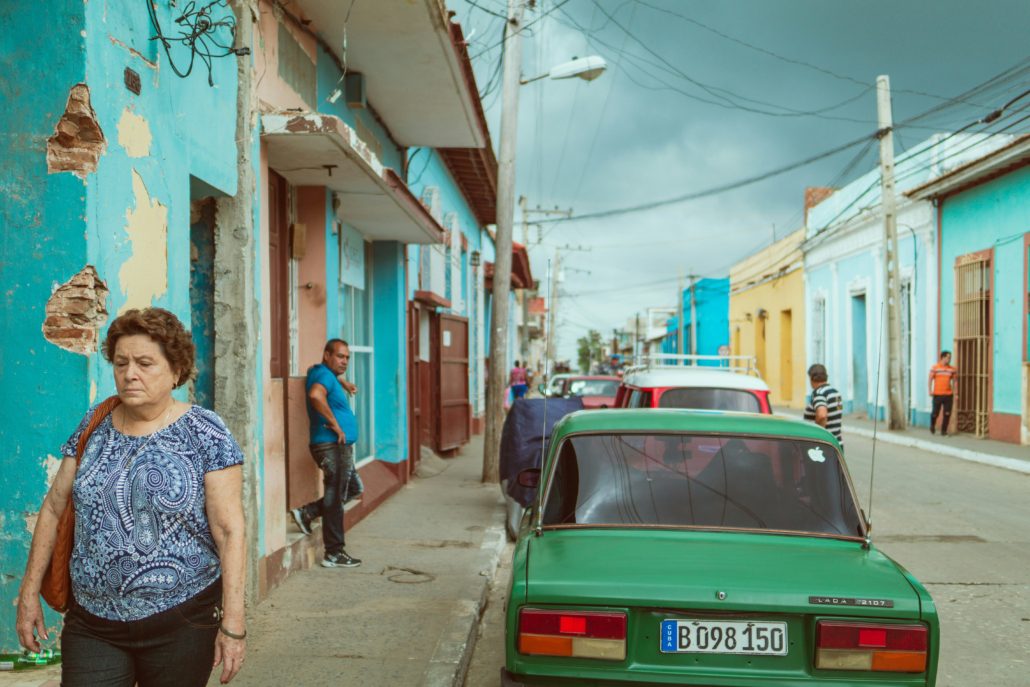
TB in the Philippines: A Persistent Public Health Crisis

TB in the PhilippinesTuberculosis (TB) remains one of the world’s deadliest infectious diseases, with the World Health Organization (WHO) estimating that about 10 million people contract the illness each year. Mycobacterium tuberculosis, the bacteria that cause TB, is currently latent in an estimated 2 billion people worldwide, more than 25% of the global population. While TB affects people globally, the disease has an outsized impact on lower-middle-income countries like the Philippines, where socioeconomic challenges hinder access to treatment and prevention.

The Burden in the Philippines

The Philippines has one of the highest TB incidence rates in Southeast Asia. In 2023, approximately 37,000 people in the country died from TB out of the 739,000 who were diagnosed. This places the national incidence rate more than six times the regional average. The WHO classifies the Philippines as a “high burden” country for multidrug-resistant TB (MDR-TB) and TB/HIV co-infection. Despite recent economic growth, the Philippines remains classified as a lower-middle-income country by the World Bank, with a poverty rate of 15.5% in 2023. TB-related mortality and infection remain elevated, particularly in urban slums, prisons and overcrowded housing environments that allow the bacteria to spread quickly through close human contact.

Link Between Poverty and Infection

TB transmission in the Philippines is not strongly correlated with national wealth, as countries with smaller economies like Cambodia and Laos report fewer cases. Instead, population density, limited health infrastructure and barriers to treatment access help explain the high infection rate. Many patients cannot afford to miss work to complete the full six-month treatment regimen. A 2016–2017 national survey found that 42.4% of TB-affected households spent more than 20% of their annual income on treatment. TB is preventable and curable, but treatment gaps continue to affect the poorest populations most. Patients who cannot access affordable health care risk worsening infections and higher transmission rates. The burden is particularly severe for those with MDR-TB, which requires longer, more expensive treatment courses. TB/HIV co-infection further complicates recovery, especially in vulnerable communities.

Addressing Social Determinants

According to WHO Director-General Dr. Tedros Adhanom Ghebreyesus, “TB is the definitive disease of deprivation.” In this context, tackling TB in the Philippines means improving access to nutrition, housing, education and affordable health care—factors that directly influence disease outcomes.

The Filipino government provides public TB treatment programs, but implementation remains challenging. Many affected individuals cannot afford to complete treatment. In 2024, the U.S. Agency for International Development (USAID) committed $10 million to TB testing and prevention efforts in the Philippines. NGOs like the Global Fund and Doctors Without Borders continue to support screening, awareness and treatment in high-risk communities.

Drug Resistance and the Need for Global Action

Treatment success rates in the Philippines remain below 60%, largely due to the rising prevalence of drug-resistant TB. According to the U.S. National Institutes of Health, emerging TB strains that resist standard antibiotics threaten to undo decades of progress in global TB control. Without sustained investment, the spread of MDR-TB could escalate, placing additional pressure on health care systems.

Looking Ahead

Addressing tuberculosis (TB) in the Philippines necessitates a comprehensive strategy that emphasizes early detection, affordable treatment and community-based care. Enhancing surveillance systems, deploying mobile clinics and integrating TB programs into primary health care networks could improve treatment adherence. Expanding support for individuals living in poverty is also crucial.

According to the World Bank, the treatment success rate for new and relapse TB cases in the Philippines was 78% in 2022, which is below the global average of 88% reported by the World Health Organization. This underscores the need for targeted interventions to improve treatment outcomes.

International partnerships, combined with sustained political commitment, offer an opportunity to reduce TB-related deaths and transmission in the Philippines. While challenges remain, comprehensive efforts focused on health care and poverty reduction could improve outcomes for thousands of Filipinos each year.

– Maxwell Marcello

Maxwell is based in Pittsburgh, PA, USA and focuses on Global Health for The Borgen Project.

Photo: Flickr
May 30, 2025
https://borgenproject.org/wp-content/uploads/borgen-project-logo.svg 0 0 Precious Sheidu https://borgenproject.org/wp-content/uploads/borgen-project-logo.svg Precious Sheidu2025-05-30 07:30:052025-05-30 05:05:22TB in the Philippines: A Persistent Public Health Crisis
Global Poverty, Mental Health

Mental Health Support in Gaza: A Growing Humanitarian Priority

Mental Health Support in Gaza: A Growing Humanitarian PriorityAs the war in Gaza continues, about 2 million people have been displaced, many without access to essential services. While humanitarian organizations continue trying provide deliveries of food, clean drinking water and sanitation supplies, one critical need remains under-addressed: mental health support. A 2024 Lancet Psychiatry article reported that more than 50% of Gaza’s children showed signs of post-traumatic stress disorder (PTSD) even before the recent conflict. Prolonged exposure to trauma, displacement and instability has intensified mental health challenges across all age groups.

Mental Health in Gaza

During emergencies, mental health support often receives less attention than physical needs. However, psychological trauma, if left untreated, can have long-term consequences for individuals and communities. According to the United Nations Office for the Coordination of Humanitarian Affairs (OCHA), more than 495,000 children in Gaza are currently dealing with mental health issues. Without access to support, these issues may worsen and contribute to a cycle of poverty, as shown in a 2023 World Bank report that linked untreated mental health conditions to reduced economic opportunity in conflict zones.

Several barriers hinder access to care in Gaza. Health infrastructure has been severely damaged, psychiatric services are limited and stigma continues to discourage people from seeking help. Years of underinvestment and cultural misunderstanding have made it difficult for many to recognize mental health as a critical component of well-being.

The Gaza Community Mental Health Program

While organizations like WHO and Médecins Sans Frontières (MSF) have expanded mental health support, the Gaza Community Mental Health Programme (GCMHP) remains the only NGO in the region dedicated solely to mental health. Since 1990, GCMHP has provided community-based psychological services, working to break stigma and improve access.

The organization continues operating despite the destruction of several facilities. Its hotline offers free phone consultations, while field workers travel between camps to provide counseling. GCMHP has already delivered psychological first aid to more than 12,000 individuals affected by the conflict. Its teams report symptoms consistent with complex trauma, including emotional numbness, dissociation and social withdrawal. These conditions often worsen as people remain surrounded by reminders of their trauma in destroyed neighborhoods and overcrowded shelters.

What Success Looks Like

GCMHP’s impact becomes clear through individual stories. A case involved a six-year-old named Mohammad, who witnessed multiple bombings and suffered nightmares, anxiety and bedwetting. GCMHP diagnosed him with PTSD and designed a recovery plan involving drawing therapy and family sessions. Mohammad’s symptoms improved over time, reflecting the power of early intervention and consistent care. GCMHP continues helping survivors rebuild emotional stability, one patient at a time.

The Road Ahead for Mental Health Support in Gaza

Mental health recovery requires sustained commitment. Short-term interventions cannot fully address long-term psychological distress. Aid organizations aim to integrate mental health services into all levels of humanitarian response. GCMHP and UNRWA have both urged greater investment in mental health and psychosocial support (MHPSS) as part of emergency relief programs. Expanding access to these services not only reduces suffering but also supports long-term recovery and resilience. Ensuring mental health remains a central part of aid in Gaza could play a vital role in helping communities rebuild after conflict, both physically and emotionally.

– Collier Simpson

Collier is based in Savannah, GA, USA and focuses on Global Health for The Borgen Project.

Photo: Pexels

May 30, 2025
https://borgenproject.org/wp-content/uploads/borgen-project-logo.svg 0 0 Precious Sheidu https://borgenproject.org/wp-content/uploads/borgen-project-logo.svg Precious Sheidu2025-05-30 01:30:382025-05-29 11:04:05Mental Health Support in Gaza: A Growing Humanitarian Priority
Electricity and Power, Global Poverty

Investments to End Poverty: Renewable Energy in Nigeria

Renewable energy in NigeriaNigeria is home to more than 220 million people, yet more than 85 million still live without access to electricity. According to the World Bank, this places Nigeria among the countries with the largest energy access deficits globally. To address this, the federal government has introduced a 450 billion naira (approximately $290 million) renewable energy budget aimed at reducing poverty and boosting inclusive development.

Electricity access influences nearly every aspect of daily life, from communication and business operations to school attendance and health care outcomes. In rural Nigeria, a lack of reliable power often forces health clinics to rely on candlelight or diesel generators, which are costly and inefficient. Students in off-grid communities struggle to study after sunset, while farmers face difficulties storing perishable goods for the market. Without intervention, this electricity gap reinforces existing inequalities.

Energy Access and Poverty Reduction

The government’s renewable energy initiative seeks to reduce poverty by expanding access to reliable electricity across rural and underserved regions in Nigeria. According to Nigeria’s Minister of Humanitarian Affairs and Poverty Reduction, Professor Nentawe Yilwatda, energy poverty contributes to wider inequality, limits educational attainment and hinders health service delivery. Improved access to electricity can support small businesses, boost crop processing and reduce household reliance on costly, polluting generators. In support of this strategy, the Global Energy Alliance for People and Planet (GEAPP) has partnered with Nigerian agencies to scale up distributed renewable energy solutions and implement low-carbon infrastructure across the country.

Nigeria’s Evolving Energy Infrastructure

The country’s current energy transition includes solar, wind, geothermal and hydropower components. These renewable energy sources in Nigeria are expected to replace aging fossil fuel-based systems, enabling a reduction in emissions and creating new economic opportunities. According to Konrad Adenauer Stiftung, this transition supports Nigeria’s broader ambition to achieve net-zero emissions by 2060. Updated infrastructure could also generate up to 340,000 new jobs by 2030 across the renewable energy and energy efficiency sectors, according to the International Renewable Energy Agency.

Regional Potential and Global Implications

Nigeria’s push for distributed renewable energy forms part of a broader continental effort to address energy poverty. The World Bank estimates that scaling up distributed access renewable energy (DARES) systems could benefit more than 200 million people across Africa. Nigeria’s model—focused on affordability, decentralization and local capacity—provides a framework other low-income countries could adopt.

Looking Ahead

As Nigeria advances its national electrification plan, future efforts could focus on improving grid resilience, expanding community-based mini-grid networks and fostering private sector collaboration. Streamlining regulatory frameworks and offering incentives for local manufacturing of renewable components may lower project costs and promote self-sufficiency. Expanding technical training programs could also help address skill shortages in the clean energy workforce.

According to the International Energy Agency (IEA), sub-Saharan Africa requires more than $25 billion annually in energy investments to meet universal access goals by 2030. Sustained political commitment and effective monitoring could be key to ensuring that these investments translate into lasting, inclusive progress for all Nigerians.

– Anastasia Flerchinger

Anastasia is based in Richland, WA, USA and focuses on Good News and Politics for The Borgen Project.

Photo: Flickr
May 30, 2025
https://borgenproject.org/wp-content/uploads/borgen-project-logo.svg 0 0 Precious Sheidu https://borgenproject.org/wp-content/uploads/borgen-project-logo.svg Precious Sheidu2025-05-30 01:30:092025-05-29 10:55:49Investments to End Poverty: Renewable Energy in Nigeria
Global Poverty, Health, Mental Health

Addressing Mental Health in Mauritania

Mental Health in MauritaniaMauritania is a country located in northwestern Africa and it severely lacks mental health care. The absence of basic necessities, ongoing economic instability and weak social support systems contribute to the development of mental health issues. Additionally, existing vulnerabilities such as discrimination and social stigma often intensify these struggles.

As of 2025, there is no publicly available data more recent than the 2004 joint study by Mauritania’s Ministry of Health and the World Health Organization (WHO). According to The New Humanitarian, the study found that approximately 34% of the country’s population had experienced a mental health issue. This encompasses a range of conditions including stress, depression and schizophrenia.

Poverty’s Effect on Mental Health

According to the United Nations Children’s Fund (UNICEF), as of 2022, one in four children lives in extreme poverty and 80% are exposed to some form of violence. This contributes to chronic stress and a heightened risk of mental health disorders.

Poverty remains one of the most significant barriers to both physical and mental health in Mauritania. According to the World Bank, rural areas bear the brunt of deprivation due to underdeveloped infrastructure and limited access to essential services. Many Mauritanians rely on informal or subsistence work, which offers little to no financial security, health insurance or protection against job loss.

This instability contributes to chronic stress, especially in households already dealing with illness, trauma or displacement. According to the World Bank, in these communities, even basic health services can be financially and geographically inaccessible, making mental health in Mauritana support a distant priority. The lack of income, combined with social stigma and institutional neglect, keeps many individuals trapped in a cycle where untreated mental health in Mauritania conditions both stem from and contribute to extreme poverty.

Having only one psychiatric hospital, the Nouakchott Centre for Specialised Medicine, with a limited number of beds, the population of Mauritania has very limited access to mental health care. According to Radio France Internationale (RFI), most patients only stay for a few days due to there being a limited number of beds and staff. The hospital only has 20 rooms, according to RFI.

Economic Toll of Untreated Mental Illnesses

The consequences of untreated mental illness in Mauritania extend far beyond individual suffering. They create a significant, long-term burden on the nation’s already fragile economy. Mental health disorders often limit a person’s ability to attend school, maintain employment or care for family members. In a country where 90.9% of Mauritania’s total employment is informal as of 2017, according to the Global Economy, any loss in productivity can have immediate and devastating effects on household income. This is especially damaging for families living at or below the poverty line, who lack savings, insurance or access to consistent medical care.

According to the National Institutes of Health (NIH), it is estimated that depression and anxiety cost the global economy more than $1 trillion each year in lost productivity. Individuals experiencing mental illness often drop out of school or are unable to secure jobs, reducing their lifelong earning potential. According to the United Nations Foundations, in many cases, caregiving responsibilities fall to women and girls, who may leave school or the workforce to support relatives, further entrenching gender and economic inequalities.

Long-Term Impact

According to a study conducted by the Tacoma-Pierce County Health Department in 2016, untreated mental illness can lead to higher health care costs in the long term, as conditions worsen and require more intensive interventions.

Untreated mental illnesses can also lead to social issues such as homelessness. The NIH reported that in 2021, more than 20% of people who experience homelessness also have a mental illness.

Expanding access to mental health care in Mauritania, training professionals locally and integrating psychological support into primary care could reduce long-term public spending while improving workforce participation and overall quality of life. According to the WHO, “every $1 invested in scaling up treatment for depression and anxiety leads to a return of $4 in improved health and productivity.”

Voices From Nouakchott

Despite limited staff, visitors and patients of the Nouakchott Centre for Specialised Medicine are satisfied with their visits. For example, in 2007, according to TNH, Dianaba Dia took her child to see a psychiatrist at the hospital for violent seizures.

“He was a doctor just like any other,” Dia told TNH. “What counts for me though is that since we saw him my daughter has got better.”

Additionally, the scarcity of mental health resources also profoundly affects individuals like Sidi Lemen after a failed attempt to emigrate to the United States in 2025. According to RFI, this setback led to depression and subsequent substance abuse. He sought help from the Nouakchott Centre for Specialised Medicine. However, due to limited resources, he was only admitted for a few days, highlighting the pressing need for expanded mental health services in Mauritania.

“We need to increase the number of beds,” Dr. Mohamed Lemine Abeidi told RFI. “Lots of patients travel long distances to come here, and there’s no other psychiatric care infrastructure.”

Mauritania faces significant challenges in providing mental health care not only because of the limited number of beds, but also due to a scarcity of trained professionals. According to France 24, all of the country’s psychiatrists have received their training abroad, highlighting the absence of local educational programs in this field.

Hope for Health Care

Mauritania’s mental health crisis is deeply intertwined with poverty. However, recent initiatives offer a glimmer of hope. The World Bank has launched a national program aimed at improving health services for approximately 2.5 million people, focusing on women, children and adolescents in underserved communities. This program aims to improve primary health care and increase access to mental health services.

Additionally, the United Nations High Commissioner for Refugees (UNHCR) is working closely with the Mauritanian government to integrate refugees into national healthcare systems, including mental health support. These collaborative efforts aim to build a more inclusive and resilient health infrastructure.

Despite these promising developments, significant challenges remain. According to Alima, the Mbera refugee camp is operating beyond its capacity, housing more than 116,000 refugees in a space designed for 80,000. This overcrowding exacerbates the strain on already limited mental health resources.

– Clarissa Dean

Clarissa is based in Bowling Green, KY, USA and focuses on Good News and Celebs for The Borgen Project.

Photo: Pexels

May 29, 2025
https://borgenproject.org/wp-content/uploads/borgen-project-logo.svg 0 0 Jennifer Philipp https://borgenproject.org/wp-content/uploads/borgen-project-logo.svg Jennifer Philipp2025-05-29 07:30:272025-05-29 02:52:35Addressing Mental Health in Mauritania
Children, Global Poverty, Health

Operation Smile in Panama: Changing Lives

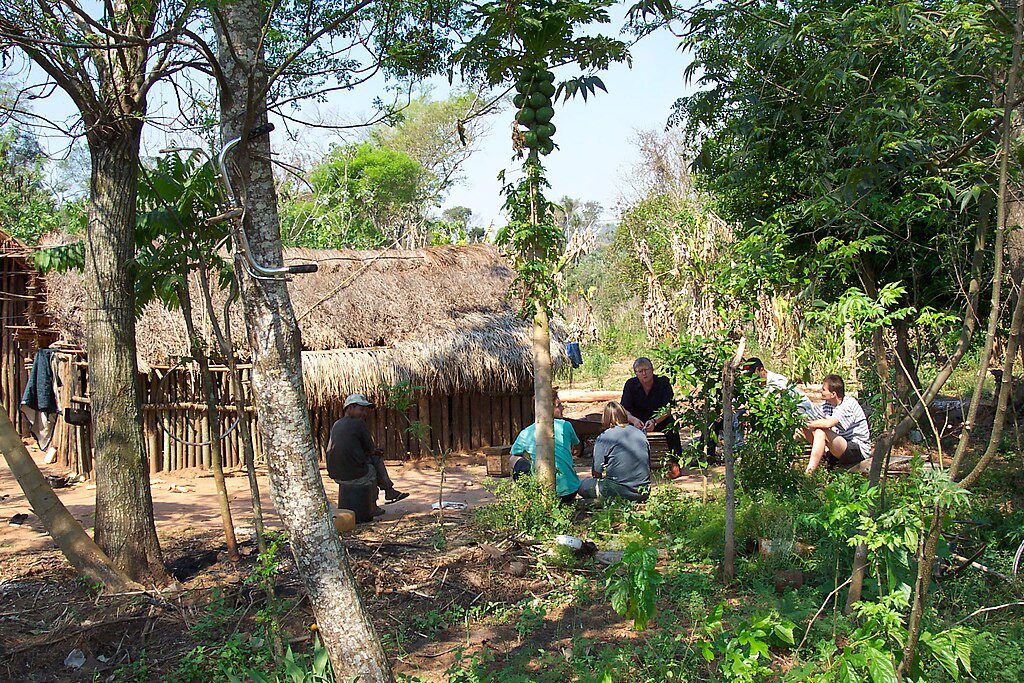
Operation Smile in panamaPanama is a beautiful country that connects North and South America. Known for its tropical rainforests, beaches and home to the world-famous Panama Canal, linking the Atlantic and Pacific Oceans. Although these features bring in tourism and allow for global trade, this country’s economy is full of contradictions. However, Operation Smile is endeavoring to combat.

While Panama City is a bustling metropolis full of international trade, the wealth gap is desperately wide, with many Panamanians who live in rural areas living in extreme poverty. The rural and indigenous communities of Panama lack access to clean water, education and, most prevalently, health care. The Panama health crisis affects many, but one of the less addressed issues is the lack of available medical resources for those born with cleft palates.

Cleft Palates

A cleft palate is a condition where a gap in the roof of a baby’s mouth doesn’t fully close during fetal development. Affecting one in 700 children worldwide, children born with a cleft palate often experience severe difficulties eating. Without access to reconstructive surgery early on in life, this condition can swiftly leave a child more susceptible to infection, malnutrition and in some severe cases, starvation.

However, with 94% of children born with cleft palates coming from low-income backgrounds, this life-changing surgery is simply unobtainable due to the health care poverty that is widespread around Panama. Many families in rural Panama have little to no access to a doctor. They often cannot afford the surgery even if it were available.

How Operation Smile Is Helping

Since 1991, dedicated Operation Smile volunteers, including surgeons, nurses and speech therapists, have travelled across Panama to deliver free and life-changing surgeries to more than 3,000 children. Behind every operation is a network of professionals that aid in bridging the gap in health care within Panama’s most impoverished communities.

In addition to performing surgeries, the Operation Smile team provides a complete package of support, from dentistry and orthodontics to nutrition and speech therapy. These volunteers are vital in ensuring that these children have access to medical and emotional support, ensuring that patients go on to heal from their surgery and thrive into healthy adults.

The Story of Laura Alvarez

One of the most inspiring stories of an Operation Smile volunteer comes from Laura Alvarez. As a Panamanian woman, born with a cleft palate, she has made it her life’s ambition to help others born with the same condition. Although Alvarez could access surgery for her condition, she understood the importance of making medical care available across Panama, where her journey with Operation Smile began.

Alvarez recalls the struggles of growing up with a cleft palate, stating, “After I turned 10 years old, some classmates pointed out how I spoke strangely and looked different from them. ‘You look like a pig,’ they said. These cruel comments made me feel ashamed of myself.” With a first-hand understanding of the issue, Alvarez began working for the organization and soon traveled internationally to speak at the Latin America in Action (LEA) conference.

Conclusion

Operation Smile is bridging the health care gap in Panama by providing free, life-changing surgeries to needy children. The organization delivers critical care through dedicated volunteers and inspires long-term change in communities affected by health poverty.

– Abbey G Malin

Abbey is based in Oxford, UK and focuses on Good News for The Borgen Project.

Photo: Flickr
May 29, 2025
https://borgenproject.org/wp-content/uploads/borgen-project-logo.svg 0 0 Lynsey 2 https://borgenproject.org/wp-content/uploads/borgen-project-logo.svg Lynsey 22025-05-29 07:30:192025-05-29 02:59:31Operation Smile in Panama: Changing Lives
Food Insecurity, Global Poverty, Hunger

Everything To Know About Hunger in Sudan

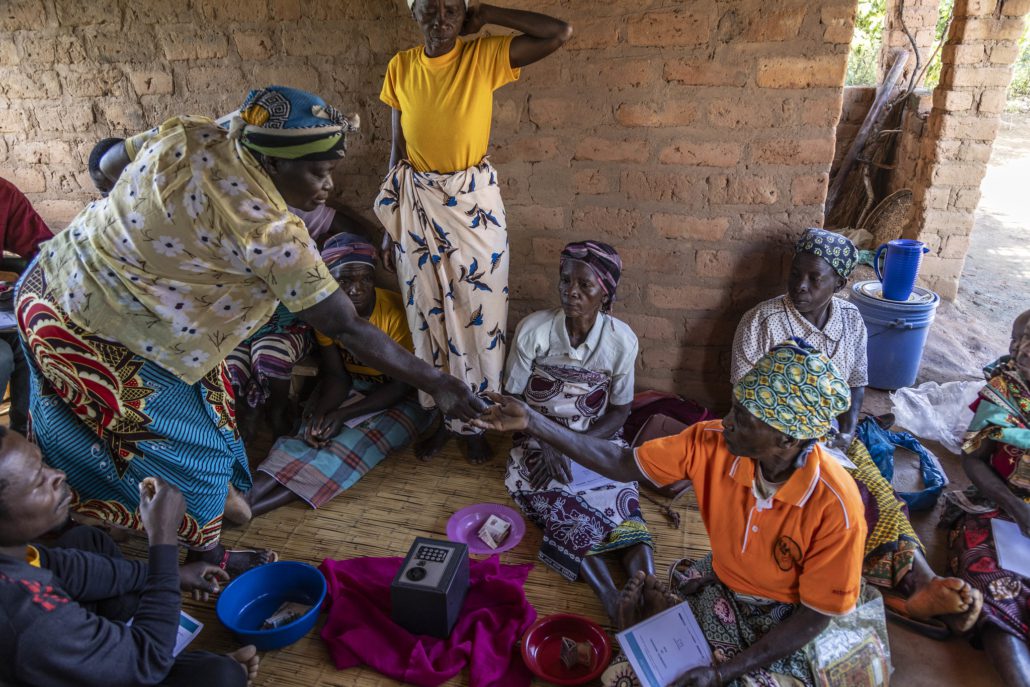
Hunger in SudanWith more than half the population facing food insecurity, Sudan is experiencing one of the world’s worst humanitarian crises in recent history. However, with the help of community organizations and foreign aid, there is hope for addressing hunger in Sudan.

The Current Situation of Hunger in Sudan

Despite being the only officially confirmed famine in the world, Sudan has received very little help from foreign aid and a lack of media coverage. In an interview with Save the Children, comedian Ola Labib highlights how the media has ignored the conflict and subsequent famine because Western culture has normalized African pain. However, what is happening is far from normal, and mass desensitization to this scale of suffering is terrifying.

About 8.5 million people in Sudan are facing food insecurity at an emergency level, and 25.6 million people are facing it acutely. And yet, despite the international community abandoning them, civilians have demonstrated commendable resilience by creating Emergency Response Rooms (WhatsApp group chats that coordinate humanitarian aid) to combat widespread hunger in Sudan. For example, the Khartoum State Emergency Response Rooms (ERRs) collaborate with non-governmental organizations (NGOs) to feed people across the Khartoum state. Since April 2023, the Khartoum State ERRs have united existing support systems to form a network of decolonized aid, consisting of 162 base ERRs and 4,000 volunteers across all seven districts of Khartoum. In recognition of their incredible work, the Nobel Peace Prize committee has nominated them for the 2025 award.

What Caused the Crisis of Hunger in Sudan?

Sudan’s famine is a multi-layered issue, with many factors such as drought, flooding and economic collapse coming into play. However, although changing weather patterns have exacerbated hunger in Sudan, humans can also cause modern famines. The ongoing conflict between the Sudanese Armed Forces (SAF) and the paramilitary Rapid Support Forces (RSF), which began in April 2023, has largely caused Sudan’s humanitarian crisis. After co-leading a two-year coup, rising tensions between Gen Fattah al-Burham (SAF) and Gen Mohamed Hamdan Dagalo (RSF) sparked Sudan’s third civil war. During this conflict, both sides have actively blocked access to aid and looted resources from civilians, utilizing hunger in Sudan as a weapon of war. Evidence also shows that the RSF, which originated from the Janjaweed militia and receives partial funding from the United Arab Emirates (UAE), has committed genocide in the region of Darfur and used rape as a weapon of war.

Organizations Supporting Sudan

There are many organizations addressing hunger in Sudan, including the World Food Programme (WFP), Action Against Hunger and Save the Children. The World Food Programme (WFP) has been working in Sudan since 1989. By providing emergency food packages, cash-based assistance and nutrition supplements, as well as supporting agricultural workers to increase production and prevent losses, the WFP has assisted more than 13 million people since the conflict began in 2023. Similarly, Save the Children has been working in Sudan since 1983 and has helped 3.8 million people since 2023 by providing emergency care nutrition programs and cash transfers for livelihood support. Meanwhile, Action Against Hunger started working in Sudan in 2017 to provide health and nutrition interventions. The organization also established community protection networks for women and girls at risk of sexual violence, supporting 44 health facilities and seven hospitals and helping 180,000 people last year alone.

In addition to more well-known charities, Kids for Kids, with support from Dame Joanna Lumley, is a brilliant organization that implements sustainable change by speaking to families in Sudan about what would help them most, and then using this information to direct their projects. Some of these projects include kitchen kits, goat loans and delivering seeds. Kids for Kids has worked with 110 Sudanese villages so far, helping 590,000 people in total.

Activists and Journalists Raising Awareness

In addition to NGOs supporting those experiencing conflict, Sudanese journalists and activists have been raising awareness about hunger in Sudan. African correspondent for Sky News, Yousra Elbagir posts excellent content on Sudan. Her recent coverage of her return home to the capital, Khartoum, is particularly moving. Elbagir’s personal narratives have humanized the crisis, ensuring that the suffering of Sudanese does not just become another statistic. While it is difficult to document exact numbers regarding her impact on funding and aid, her reporting has successfully mobilized people to promote awareness about the famine. Sara Elhassan is another excellent journalist utilizing her social media platforms to make people aware of hunger in Sudan. Her easy-to-follow overviews of the war and its impact on civilians, as well as daily updates on the conflict, ensure readers stay informed and engaged with the crisis.

A Call for Action

Despite the scale of devastation and hunger in Sudan, it is important to recognize the work that community-led action and organizations are delivering on the front line. ERRs, community kitchens and charities in Sudan have created a network of aid that demonstrates human resilience. With support from the international community, their impact could be amplified so that there is no more silence regarding hunger in Sudan.

– Clodagh Dowson

Clodagh is based in Bradford on Avon, Wiltshire, UK and focuses on Global Health and Politics for The Borgen Project.

Photo: Flickr
May 29, 2025
https://borgenproject.org/wp-content/uploads/borgen-project-logo.svg 0 0 Jennifer Philipp https://borgenproject.org/wp-content/uploads/borgen-project-logo.svg Jennifer Philipp2025-05-29 01:30:562025-05-28 22:01:08Everything To Know About Hunger in Sudan
Children, Education, Global Poverty

Updates on SDG 4 in Ghana: Improving Education Access

SDG 4 in GhanaOften referred to as the gateway to Africa, Ghana has been a beacon of hope to other African countries and continues to make strides in all major sectors. However, that hope is bleak, especially in rural and underserved communities with regard to SDG 4 in Ghana. For example, many children have difficulty accessing education due to having to travel long distances or they have to abandon school to go to work. Children brave enough to pursue their educational dreams often study in dilapidated buildings, trek for miles through dangerous terrains and do so with little to no reading or studying materials.

Education in Ghana

According to a 2022 report by the World Bank, UNESCO and other organizations, nearly 53% of 10-year-old Ghanaian children cannot read and understand a simple story. Teacher shortages, overcrowded classrooms and limited access to learning materials remain persistent obstacles. Updates on SDG 4 in Ghana hint that gender disparities still affect educational attainment, particularly among girls in rural areas. Factors such as early marriage, menstruation-related absenteeism and domestic responsibilities often push girls out of school.

For more than two decades, Ghana, through government initiatives and support from NGOs has worked hard to achieve near-universal primary school enrollment. Around 70,000 out-of-school children being reintegrated through a nationwide education initiative supported by the Ghanaian government and its development partners. Their stories reflect a broader national commitment: ensuring every child in Ghana receives quality education.

This ambition aligns with Sustainable Development Goal 4 (SDG 4): Quality Education, which Ghana continues to pursue through legal reforms, public-private partnerships and community-led efforts. Despite funding pressures and pandemic disruption, the country has made notable strides since 2020. 

The Free Senior High School (SHS) Bill

One of the biggest policy shifts on the horizon is the Free Senior High School (SHS) Bill introduced in 2024 by Ghana’s Ministry of Education to give legal backing to the provision of free and compulsory education at the senior high school level. While the free SHS policy has existed since 2017, passed into law will make it a constitutional right, securing access for future generations. Former President of Ghana, Nana Addo Dankwa Akufo-Addo, in his final State of the Nation Address in Parliament on Jan. 3, 2025, praised the transformative impact of the initiative.

“We have transformed education, and there can never be a reversal of the fact that 5.7 million young adults have gained access to secondary education, who would otherwise not have had the opportunity but for Free Senior High / Technical and Vocational Education and Training (SHS/TVET),” he stated. However, Fact-Check Ghana fact checked this statement and adjusted its number of beneficiaries to 3.2 million in total. With institutions such as the National Association of Graduate Teachers (NAGRAT) calling for the suspension of the Free SHS policy, its impact still remains significant for many families that have tremendously benefited since its inception. 

“I never thought my daughter would finish high school,” says Efua, a mother of four in the Central Region. “But because of Free SHS, she’s now writing her WASSCE exams.”

An analysis by Africa Education Watch on the financial burden and implementation of the Free SHS Policy revealed that between the 2017/2018 and 2023/2024 academic years, a total of GH¢12.88 billion went toward the policy, averaging GH¢1.84 billion annually. 

Initiatives To Improve Education Access

Efforts to address SDG 4 in Ghana has involved the introduction of the Education Regulatory Bodies Act (2020) to strengthen oversight of schools by creating bodies like the National Schools Inspectorate Authority (NaSIA). As of January 2024, all pre-tertiary schools are now required to register with NaSIA, improving accountability and educational standards.

On Feb. 27, 2025, President John Dramani Mahama announced the introduction of the No-Fee Stress Policy, which will remove tertiary admission fees for all students, while persons with disabilities (PWDs) will receive full tuition-free education throughout their studies.

Delivering a nation address on May 7, 2025, he noted that his government was taking concrete steps to implement the policy, allocating GH¢452 million to cover academic facility user fees for 156,294 first-year students across the country for the 2025 academic year.

 Ghana has also finalized an Inclusive Education Policy, supported by UNICEF, which promotes learning access for children with disabilities. More than 1,500 teachers have been trained in inclusive, gender-responsive teaching practices.

Yet, challenges remain. Despite these reforms, education spending has dropped from 4.3% of GDP in 2020 to just 3.1% in 2023, below the UNESCO-recommended minimum. Advocates argue that sustainable investment is essential if Ghana is to meet its SDG 4 targets by 2030.

Investments in Education in Ghana

On Feb. 21, 2025, Ghana launched a $2.23 million Global Partnership for Education (GPE) grant in collaboration with UNICEF to build institutional capacity and improve policy planning and accountability in the education system. The grant, which took effect in January 2025, is expected to end in December 2027.

Previous efforts like the Secondary Education Improvement Project (SEIP) helped more than half a million students transition into higher education, with targeted scholarships for rural girls. SEIP demonstrated that data-driven, donor-supported models can effectively bridge educational gaps.

Public-private collaborations have also taken root. For example, the “Communities of Excellence” initiative, funded by the Jacobs Foundation, is building localized learning ecosystems in rural districts. More than 23,000 students, half of them girls, now benefit from personalized, differentiated instruction.

Grassroots Efforts

Efforts toward SDG 4 in Ghana are increasing at the grassroots level as nonprofits continue to fill gaps and champion vulnerable learners. In 2023, Plan International Ghana supported more than 28,000 children across 66 communities, providing school supplies, scholarships and teacher training. In Volta and Oti, Plan International’s efforts equipped 46 schools with new desks and delivered thousands of textbooks.

Girls’ education, a vital piece of SDG 4, is receiving focused attention. UNICEF’s Undaunted Women Support Project empowered nearly 15,000 girls across five rural districts, combining academic support, mentorship and the provision of sanitary supplies. One participant, 15-year-old Rita, credits the program for “changing her path” after nearly dropping out due to menstruation-related stigma and poverty.

During the pandemic, Ghana’s Back-to-School campaign helped reintegrate pregnant girls and young mothers through community advocacy and new national guidelines, reinforcing that motherhood should not end a girl’s education. “Without the Back-to-School Campaign, I may have never returned to school after childbirth. I am grateful for the support from my parents and teachers, which helped me resume my studies. I am now on track to becoming a nurse” Ernestina a participant.

Looking Ahead

Addressing SDG 4 in Ghana is complex. Legislation is progressing, partnerships are thriving and NGOs are stepping up where state resources fall short. But funding gaps and learning disparities still challenge long-term gains.

As the world watches, Ghana’s evolving model, rooted in legal reform, community action and cross-sector collaboration, offers valuable lessons for nations pursuing education for all.

– Dela Michel 

Dela is based in Rockville, MD, USA and focuses on Good News for The Borgen Project.

Photo: Unsplash

May 29, 2025
https://borgenproject.org/wp-content/uploads/borgen-project-logo.svg 0 0 Jennifer Philipp https://borgenproject.org/wp-content/uploads/borgen-project-logo.svg Jennifer Philipp2025-05-29 01:30:122025-05-28 22:10:11Updates on SDG 4 in Ghana: Improving Education Access
Developing Countries, Development, Global Poverty, Technology

Digital Poverty in the Least Developed Countries

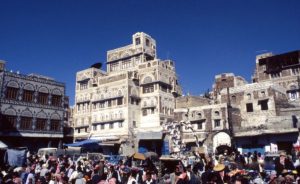
Digital Poverty in the Least Developed CountriesMillions are being left behind in the digital age, as digital poverty in the least developed countries becomes ever more entrenched in global society. As the world sees its’ fourth industrial revolution, the United Nations’ list of the 46 Least Developed Countries (LDCs) is seeing a growing digital divide. Just under a fifth of the world’s population lives in the least developed countries, and yet almost 70% of the collective LDC population still does not have access to the internet.

Background

Digital poverty in the least developed countries could deepen global socio-economic inequalities and exclude those living in LDCs from fully participating in the global economy. Digital poverty is also holding the growth of business back; in Senegal, 80% of people cannot use the internet for work, and in Rwanda this jumps to 99%. Elsewhere, in the LDCs of Mozambique, Tanzania and Uganda, only 10% of businesses have a computer.

As new technologies develop at an exponential rate in more developed countries, LDCs are left outpaced. For example, 5G mobile networks are becoming commonplace in more developed countries, whilst LDCs are still only able to work with 2G and 3G networks, according to the U.N. This digital gap reinforces disparities in education, employment, and economic growth. However, efforts are underway to understand the facts that contribute to digital poverty in least developed countries and to bridge the digital divide.

About Digital Poverty

Digital poverty refers to restricted or no access to digital resources such as the internet, computers and mobile phones. It also encompasses digital illiteracy, where individuals lack the skills or education necessary to utilize online tools effectively. Digital poverty exists on a spectrum—while some individuals may have limited access, others do not have access to technological advancements at all.

Globally, 3.7 billion people lack access to or do not use the internet, with sub-Saharan Africa particularly affected. Digital poverty disproportionately affects vulnerable populations, including women, the elderly, and those with lower education levels.

Key contributing factors to digital poverty include:

  • High Costs: Internet services and devices remain unaffordable for many in LDCs.
  • Infrastructure Gaps: Unreliable electricity and insufficient ICT infrastructure hinder internet expansion.
  • Limited Education: Many individuals lack the skills to navigate digital technologies or do not recognize the benefits of being online, according to Telecommunications Policy.
  • Content Accessibility: Many LDCs lack sufficient digital content available in local languages.

The Impact

The impacts of digital poverty can limit other aspects of a person’s life, including their earning potential. More than 80% of jobs that are middle-skilled, and therefore higher earning, rely on individuals having skills in technology and access to digital platforms and technology, according to the Institute of Electrical and Electronics Engineers (IEEE). Lower-skilled jobs, which do not have these requirements, tend to be lower paid. This results in a cycle of individuals in digital poverty taking on lower-income jobs, which further limits possible education, meaning that people cannot gain the digital skills they need to secure the higher-earning, digitally focused jobs.

In LDCs, this cycle could limit a nation’s economic progress, both in terms of its citizens’ economic opportunities and mobility, and in limiting an LDCs ability to partake as effectively in online trade, both nationally and globally.

Digital Poverty: Solutions

Amazon’s Project Kuiper is a low-cost satellite internet initiative that provides broadband access to underserved regions. Whilst precise costs are still not public, the project promises that its 3,232 satellite constellation will provide speeds comparable to 4G internet, addressing infrastructure limitations faced by LDCs.)

The UNDP commenced its Doha Program of Action (DPoA) in 2022, set to run through to 2031. The DPoA is a framework strategy which aims to accelerate digital accessibility in LDCs through five key steps, including early engagements with governments, tailoring digital solutions that “work for everyone,” creating result-driven roadmaps, improving technical capacities and sharing skills and expertise through archives and assemblies.

Whilst the DPoA is still in its’ formative years, initiatives like this, which focus on policy development, equitable digital solutions, and infrastructure expansion, in collaboration with governments, NGOs, academia, and private companies, have previously been successful.

Digital Literacy Workshops

In Bangladesh, the UNDP facilitated digital literacy workshops for female entrepreneurs, boosting their ability to generate income. Similarly, in Nepal, the UNDP collaborated with a local bank firm to equip women from rural areas with the knowledge of how to partake in online transactions.

UNDP reports on its website that an initiative in Afghanistan improved and expanded a digital payment system, which resulted in a growth in financial inclusion and the synchronization of financial services. These success stories demonstrate how global collaboration can boost access to the digital age and enhance local economies.

The Future

Bridging the digital divide extends beyond simple internet access—it directly impacts global poverty reduction. Improved internet access enables entrepreneurship and job creation while allowing individuals to access essential financial services. More than 25% of the global population lacks access to banking, restricting economic mobility, but with the right initiatives, this can change.

Expanding digital access could improve economies by enhancing trade, education and health care. Closing the digital divide could foster international economic growth, benefiting both developing and developed nations.

Closing the digital divide is not a challenge that any single country can solve alone—it requires global collaboration and, when used the right way, technology can even be a part of the solution. While recent technological initiatives provide hope, sustained investment in digital infrastructure, policy reform, and education will be necessary to ensure long-term success.

– Amber Lennox

Amber is based in Suffolk, UK and focuses on Technology and Solutions for The Borgen Project.

Photo: Flickr
May 28, 2025
https://borgenproject.org/wp-content/uploads/borgen-project-logo.svg 0 0 Naida Jahic https://borgenproject.org/wp-content/uploads/borgen-project-logo.svg Naida Jahic2025-05-28 07:30:502025-05-28 03:23:31Digital Poverty in the Least Developed Countries
Child Poverty, Global Poverty, Nonprofit Organizations and NGOs

The Realities of Child Poverty in the Philippines

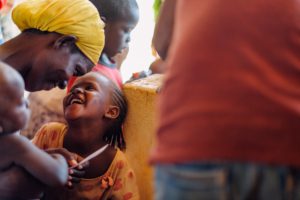
The Realities of Child Poverty in the PhilippinesChild poverty in the Philippines remains a pressing concern that affects children’s physical and mental development. While the overall poverty rate in the country has declined, the child poverty rate continues to increase. According to a 2022 policy research report by the World Bank and UNICEF, approximately 5.14 million Filipino children—about 12.4%—live in extreme poverty.

Root Causes and Response Initiatives

Causes, familiarity and socio-economic conditions contribute to the rising number of children living below the poverty line. Advocacy organizations and programs like the Pantawid Pamilyang Pilipino Program (4Ps) and Childhope Philippines Foundation work to ensure that children living on less than $2.15 per day can access education, health care, housing and other resources needed to break the poverty cycle. The Philippines continues to pursue its goal of becoming an upper-middle-income country. However, poverty in the country stems from multiple interconnected issues. The long-term effects of child poverty extend beyond the affected children to wider society.

Several factors, including limited employment, inadequate access to quality education and health care and regional conflict, contribute to the persistence of poverty among children.

Child Labor

Low household income remains a key driver of child labor. To support their families, many children either drop out of school or divide their time between work and school. According to the Philippine Statistics Authority (PSA), in 2023, around 1.09 million children aged 5 to 17 were working and 678,000 of them were not eligible to work legally. Although the number of working children has decreased from previous years—935,000 in 2021 and 828,000 in 2022—child labor remains a significant concern. Many children leave school due to financial hardship, creating a cycle of poverty that could persist across generations.

Education

Education plays a vital role in national development. The Philippine government mandates a 13-year basic education system from kindergarten through 12th grade, known as the K–12 program. Despite this, many Filipino children face a learning crisis marked by poor performance in international assessments and high levels of learning poverty. According to UNICEF, children in the Philippines lag five to six years behind students in countries with similar economic profiles.

The education system is governed by three agencies: the Department of Education (DepEd), which manages the K–12 public school system; the Commission on Higher Education (CHED), which oversees universities; and the Technical Education and Skills Development Authority (TESDA), which supervises vocational training programs. While enrollment has increased, access to quality education remains uneven, especially in rural areas. Addressing inaccessibility through advocacy and investment could help children build a better educational foundation.

Child Poverty Reduction Solutions

Governmental and nongovernmental organizations (NGOs) programs, such as the Conditional Cash Transfer (CCT) programs and Childhope Philippines Foundation, work to combat child poverty in the Philippines. Government programs provide financial support to low-income families, help ensure that every child can attend school and receive necessary health care, while NGOs offer educational solutions, food assistance and community development projects. Expanding and implementing these solutions can potentially get every individual to work together to fight against child poverty effectively, for an increase in opportunities for children as they grow older.

Pantawid Pamilyang Pilipino Program (4Ps)

The Pantawid Pamilyang Pilipino Program (4Ps) serves as the country’s flagship poverty reduction strategy. Implemented by the Department of Social Welfare and Development (DSWD), the program provides financial aid to poor households for up to seven years. Conditions include children’s school attendance, regular health visits and participation in family development sessions.

The 4Ps is the fourth-largest CCT program globally and funds 4,177,476 loan recipients, with 870,865 newly registered households. The strategy covered 75% of the country’s population alongside the Philippine government and the Millennium Development Goals (MDGs), eradicating extreme poverty and hunger, achieving quality education, advancing gender equality, decreasing child mortality and upgrading maternal health care. The 4Ps’ accomplishments have resulted in a poverty reduction of 1.4 percentage points per year or 1.5 million fewer poor Filipinos. In the end, more than 600,000 Filipino families accomplished self-sufficiency with help from the 4Ps. 

Childhope Philippines Foundation

Childhope Philippines is a renowned NGO that aims to promote the welfare, uphold and protect the rights of street children in the Philippines. The organization provides education, health services and livelihood opportunities for the impoverished youth. Established in 1995, Childhope empowers children with skills and resources to achieve a brighter future. It encourages everyone to become a united community where individuals play a role in raising awareness of child poverty in the country.

Nationally and internationally, the foundation encourages people to send donations and participate in volunteer work to become a beacon of hope for 50,000 to 70,000 Filipino children who live and work on the streets of Metro Manila, Philippines. Throughout the years, Childhope transformed the lives of approximately 10,500 street children with long-lasting impacts through its partnerships and projects.

Looking Ahead

Every child deserves access to basic rights and opportunities for a better future. Child poverty in the Philippines requires comprehensive strategies that address economic hardship, improve education and expand social welfare. Efforts by both the government and NGOs play a crucial role in reducing hardship and supporting children’s development. Ongoing commitment from all sectors could help build a society where every child can thrive and contribute meaningfully to national growth.

– Makayla Johnson

Makayla is based in Cary, NC, USA and focuses on Good News for The Borgen Project.

Photo: Flickr
May 28, 2025
https://borgenproject.org/wp-content/uploads/borgen-project-logo.svg 0 0 Precious Sheidu https://borgenproject.org/wp-content/uploads/borgen-project-logo.svg Precious Sheidu2025-05-28 07:30:132025-05-28 03:37:52The Realities of Child Poverty in the Philippines
Page 176 of 2162«‹174175176177178›»

Get Smarter

  • Global Poverty 101
  • Global Poverty… The Good News
  • Global Poverty & U.S. Jobs
  • Global Poverty and National Security
  • Innovative Solutions to Poverty
  • Global Poverty & Aid FAQ’s
Search Search

Take Action

  • Call Congress
  • Email Congress
  • Donate
  • 30 Ways to Help
  • Volunteer Ops
  • Internships
  • Courses & Certificates
  • The Podcast
Borgen Project

“The Borgen Project is an incredible nonprofit organization that is addressing poverty and hunger and working towards ending them.”

-The Huffington Post

Inside The Borgen Project

  • Contact
  • About
  • Financials
  • President
  • Board of Directors
  • Board of Advisors

International Links

  • UK Email Parliament
  • UK Donate
  • Canada Email Parliament

Get Smarter

  • Global Poverty 101
  • Global Poverty… The Good News
  • Global Poverty & U.S. Jobs
  • Global Poverty and National Security
  • Innovative Solutions to Poverty
  • Global Poverty & Aid FAQ’s

Ways to Help

  • Call Congress
  • Email Congress
  • Donate
  • 30 Ways to Help
  • Volunteer Ops
  • Internships
  • Courses & Certificates
  • The Podcast
Scroll to top Scroll to top Scroll to top