Midwife Training Reduces Maternal Mortality in South Sudan
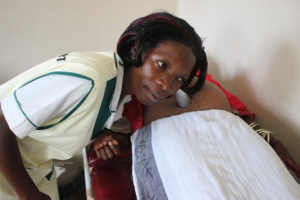 South Sudan has the highest maternal mortality rate in the world. Today, approximately 1,200 mothers die per 100,000 births, according to the World Health Organization (WHO). Lack of obstetric training, low rates of hospital deliveries and premature pregnancies are driving factors in this outcome.
A 2017 estimate claimed that health care professionals are only present in one of five childbirths in South Sudan. The majority of South Sudanese mothers give birth in unsanitary and isolated conditions. Forced marriage and adolescent pregnancies are common. A girl in South Sudan is more likely to die of childbirth than finish secondary school. However, maternal health improvement has occurred in the recent decade.
While mortality rates are still high, recent years have shown a decrease: from 2,054 maternal deaths per 100,000 births in 2010 to 1,223 deaths per 100,000 births in 2020. A massive reason for the past decade’s reduction of maternal mortality in South Sudan is an increase in trained midwives.
Hope for South Sudanese Mothers: A Midwife Training Institute
In 2010, the Sudan Relief Fund partnered with Solidarity for South Sudan to support establishing the Catholic Health Training Institute (CHTI). This institute trains young South Sudanese to become certified midwives and nurses in Wau, South Sudan. Its goal is to provide necessary health care to women in need, ultimately reducing the startling rate of maternal mortality in South Sudan.
The institute began with 18 inaugural students but has five times the enrollment today. Notably, one-third of the institute’s students are women. This is a remarkable statistic considering the educational gender gap in South Sudan. The institute serves as a temporary home for its students, providing them with dormitory housing and land to cultivate for the institute’s collective food service. Attending students come from various regions and tribal groups with a shared goal of reducing maternal mortality in South Sudan.
Education
Midwife certification requires a rigorous, 3-year education at Wau’s CHTI. National and foreign medical personnel work together to operate CHTI education. After passing an entrance exam, students are taken through thorough academic study. Students attend lectures and classroom lessons for the entire first year of their program.
Second-year students are taken to hospital facilities to practice hands-on skills such as maternal examinations, IV and immunization insertion and emergency skills like infant rehabilitation. In their third year of study, students are provided internships at Wau Teaching Hospital. Midwifery students will spend time focusing on antenatal care (ANC), learning to care for mothers throughout pregnancy and delivery.
First aid training and disease prevention education are also services provided to CHTI students. Meticulous training prepares CHTI students to impact maternal mortality in South Sudan positively.
Certification
As a result of its excellent education, CHTI renders certified and passionate health care professionals. Since its founding in 2010, the program has educated students to earn their Diploma in Nursing (RN). In 2012, a second certification was added, allowing students to receive a Diploma in Midwifery (RM). CHTI was labeled as the top-performing school of nursing and midwifery in the 2024 National Examination by the South Sudan Ministry of Health. CHTI graduates are among the nation’s first certified midwives, a massive step toward the reduction of maternal mortality in South Sudan.
Hope for Maternal Health Improvement in South Sudan
Prior to the CHTI’s establishment, the nation only had 10 obstetricians and four pediatricians in total, according to the 2010 issue of the South Sudan Medical Journal. A decade of midwife training has produced more than 350 CHTI graduates. About 85% of the institute’s graduates are currently employed in local hospitals and NGOs.
With a certification in nursing and midwifery, CHTI graduates utilize their skills to aid mothers in safe pregnancy and delivery. Additionally, women are increasing in the institute’s enrollment, a factor further improving health outcomes for female patients. At the program’s graduation, students are ceremonially labeled as “beacons of hope” for their communities.
With organizations like the Sudan Relief Fund and Solidarity with Sudan’s support, CHTI is able to run amid conflict and crisis, encouraging mass reduction of maternal mortality in South Sudan.
– Helen Cusick
Helen is based in Minneapolis, MN, USA and focuses on Good News and Global Health for The Borgen Project.
Photo: Flickr
