• Link to X
  • Link to Facebook
  • Link to Instagram
  • Link to TikTok
  • Link to Youtube
  • About
    • About Us
      • President
      • Board of Directors
      • Board of Advisors
      • Financials
      • Our Methodology
      • Success Tracker
      • Contact
  • Act Now
    • 30 Ways to Help
      • Email Congress
      • Call Congress
      • Volunteer
      • Courses & Certificates
      • Be a Donor
    • Internships
      • In-Office Internships
      • Remote Internships
    • Legislation
      • Politics 101
  • The Blog
  • The Podcast
  • Magazine
  • Donate
  • Click to open the search input field Click to open the search input field Search
  • Menu Menu

Archive for category: Global Poverty

Key articles and information on global poverty.

Global Health, Global Poverty

A Clearer Future: Papua New Guinea Eradicated Trachoma

papua new guinea trachomaTrachoma is an infectious disease causing in-turning of the eyelids, visual impairment and often irreversible blindness. The disease is associated with crowded households and inadequate hygiene, access to water, and access to and use of sanitation, primarily affecting women and children within poor and rural regions. According to 2024 data, 103 million people worldwide live in trachoma endemic areas and are at risk of irreversible blindness. However, light is emerging from the dark. Following a 13-year-long struggle against the infectious disease, Papua New Guinea eradicated trachoma as a public health concern, as announced at the 78th World Health Assembly in Geneva.

About Trachoma

Trachoma is one of many neglected tropical diseases (NTDs) ― complex conditions prevalent among impoverished tropical areas and often transmitted through vectors, making them major public health concerns. Almost absent from the global health agenda, NTDs do not get enough resources and attention, perpetuating cycles of poverty, stigma and social exclusion within neglected populations

Trachoma is the leading infectious cause of blindness worldwide and is responsible for the visual impairment or blindness of more than 1.9 million people, according to the World Health Organization (WHO). The bacterium Chlamydia trachomatis spreads through personal contact, such as sharing beds, clothing, and surfaces, and by flies that have come into contact with discharge from the eyes or nose of an infected individual. The average immune system can overcome a single episode of infection but in endemic communities, infection re-occurs frequently, often leading to years of constant infection. If untreated, the infection can cause the eyelid to turn inward, resulting in pain, light intolerance, and eventually irreversible visual impairment or blindness.

Trachoma’s impact is especially harsh in remote and impoverished areas where access to care is limited. Prevalence rates are especially high among pre-school-aged children (as high as 60-90%), and due to greater contact with infected children, women experience trachoma blindness four times as often as men, WHO reports. Blindness and visual impairment cause significantly reduced productivity, the economic cost of which is estimated to be $8 billion per year

Global Elimination Strategies

As of October 21st 2024, 21 countries worldwide have successfully eradicated trachoma as a public health problem, including Cambodia, Ghana and Pakistan. These previously endemic countries implemented the WHO-recommended SAFE strategy, which encompasses:

  1. Surgery to treat trachomatous trichiasis (the blinding stage of the disease)
  2. Antibiotics to clear the infection (specifically mass administration of azithromycin)
  3. Facial cleanliness
  4. Environmental improvement (especially enhancing access to sanitation and clean water)

Papua New Guinea Elimination Strategy

Foundational efforts to eliminate trachoma in Papua New Guinea began in 2012, with organizations including Collaborative Vision, The Brian Holden Vision Institute and The Global Trachoma Mapping Project contributing towards the effort. However, surveys in Papua New Guinea revealed that despite signs of active trachoma in children, there were very low levels of Chlamydia trachomatis and negligible levels of trachomatous trichiasis, suggesting that children were not progressing to severe stages of the disease.

As a result, Papua New Guinea’s National Department of Health organized a series of further assessments, surveys and investigations, building a comprehensive understanding of trachoma’s status in the country. This confirmed that community-wide interventions such as mass antibiotic distribution and large-scale surgery were not necessary. Unlike other countries where trachoma elimination required vast surgery campaigns, mass antibiotic administration and targeted improvements in access to water, hygiene and sanitation, Papua New Guinea’s success was fueled by vigorous disease surveillance.

This is a powerful testament to the country’s ability to adjust its health strategies to the realities of local communities, ensuring the safety of its population whilst reducing unnecessary resource use. Dr Ana Campa, Trachoma Coordinator of the Fred Hollows Foundation New Zealand, stated that “Trachoma in Papua New Guinea is complex and presents atypically. Additional research and ancillary surveys … [were] crucial in understanding the picture of trachoma in the country and ultimately moving the country into drafting its dossier.”

A Clearer Future

To date, 56 countries globally have eliminated at least one NTD, including 22 that have eliminated trachoma as a public health issue. Papua New Guinea eradicated trachoma not only as a medical milestone, but as a demonstration of how context-specific strategies can achieve lasting health improvements. With the list of countries eliminating NTDs rapidly growing, we are gaining considerable momentum towards a world where NTDs are no longer a significant threat to vulnerable populations.

WHO and its partners remain dedicated to helping countries like Papua New Guinea protect their progress against trachoma and move closer to eradicating more NTDs, protecting the world’s poor.

While WHO’s SAFE strategy remains vital to tackling trachoma, Papua New Guinea’s success in eradicating the fatal disease provides a clear example of how innovative strategies rooted in distinct local realities can lead to sustainable health victories.

– Holly McArthur

Holly is based in Somerset, UK and focuses on Good News and Global Health for The Borgen Project.

Photo: Flickr

June 2, 2025
https://borgenproject.org/wp-content/uploads/borgen-project-logo.svg 0 0 Naida Jahic https://borgenproject.org/wp-content/uploads/borgen-project-logo.svg Naida Jahic2025-06-02 07:30:122025-06-02 00:39:53A Clearer Future: Papua New Guinea Eradicated Trachoma
Developing Countries, Development, Global Poverty

Community-Led Development in Tanzania: Transforming Lives

Community-Led Development in TanzaniaTanzania is a country with stunning landscapes and a rich cultural heritage. It has become an example of how community-driven development can successfully tackle poverty. Recent statistics show that approximately 26.4% of the population lives below the national poverty line. Rural communities are at risk because they have limited access to essential services like clean water and education. Some significant changes occurring on the ground involve community-led development in Tanzania, devising creative solutions to transform lives through local initiatives, improving life in rural areas and establishing sustainable methods to escape poverty.

VSLAs: Driving Internal Financial Growth

In rural Tanzania, formal banking services are restricted, leaving numerous communities distant from conventional financial institutions. Village Savings and Loan Associations (VSLAs) have effectively addressed this void, transforming economic inclusion, especially for women. The VSLA model is a simple yet highly effective approach. In this system, groups of 15 to 40 local community members, predominantly women, meet regularly to save small amounts of money, after which the total savings and any profits from loans are shared among the members.

The impact extends beyond individual success stories. VSLAs promote shared ownership, transparency, effective governance, inclusiveness and organized savings and lending. Members can lend money to other farmers. Borrowers must repay the loan within a set timeframe and contribute interest to the group’s savings. At the end of each cycle, members receive back their savings and a share of the interest earned on the loans.

In the latest savings round, 112 VSLA groups saved 80 million Tanzanian Shillings ($32,000) in just nine months. Members use these savings to invest in their futures, start businesses, repair homes, cover medical costs and pay for education. More importantly, the model builds financial literacy, entrepreneurial skills and social capital that sustain poverty reduction beyond any single loan or project.

Participatory Forest Management

Since 2001, the Nou Joint Forest Management Project (JFM) has been a conservation effort in Tanzania’s Manyara Region. Its goal is to safeguard the 320 sq km Nou Forest, which sustains 28 permanent rivers and impacts the livelihoods of more than 200,000 individuals. This initiative tackles forest degradation caused by shifting agriculture, population increases, illegal logging and unmanaged grazing. The approach utilizes Participatory Forest Management (PFM), fostering collaboration between government bodies and local communities to protect forest resources.

Tanzania’s Forests cover approximately 38.8 million hectares, supporting biodiversity while providing critical resources to rural communities. Historically, these forests faced degradation through unsustainable harvesting and agricultural expansion. PFM, an innovative, community-led development in Tanzania, transfers management rights and responsibilities to local communities.

The World Land Trust’s 2021 appeal to save Tanzania’s coastal forest is a notable conservation achievement. Within five weeks, the campaign garnered $541,760 from international donors, exceeding its initial goal of $487,584. Immediate action was needed to protect the coastal forests of Lindi District in southern Tanzania, which face urgent threats from expanding roadways and commercial cashew and sesame plantations.

The appeal’s success has enabled Tanzania Forest Conservation Group (TFCG) to launch immediate conservation action in partnership with local communities. The funding supports comprehensive protection efforts, including enhanced reserve patrolling, wildlife monitoring programs and vital research initiatives. Most importantly, the additional money raised allows TFCG to expand its conservation impact further, providing these fragile coastal ecosystems with the robust protection they need.

The Path Forward

The UNESCO-Alwaleed Philanthropies project embodies an innovative approach to community-led development in Tanzania. It recognizes that culture and the arts can be powerful tools for education and economic empowerment. The core concept involves integrating cultural heritage and artistic practices into Technical and Vocational Education and Training (TVET).

This approach ensures that students do not merely acquire skills; they gain abilities rooted in their cultural identity, which can aid in preserving traditional practices while fostering modern livelihoods. From 38 applications, UNESCO carefully selected projects demonstrating the most substantial potential to blend cultural preservation with practical skill development. Each selected initiative receives up to $10,000 as funding and as seed money to prove that culture-based vocational education can create sustainable business and employment opportunities.

This project is part of a broader effort to promote the economic and social value of cultural heritage and institutions in Tanzania. The initiatives foster collaboration on both local and national levels, aiming to empower youth, women and underprivileged groups while ensuring that Tanzania’s vibrant culture remains influential and thrives in today’s world.

– Vanuza Antonio

Vanuza is based in London, UK and focuses on Good News and Global Health for The Borgen Project.

Photo: Flickr

June 2, 2025
https://borgenproject.org/wp-content/uploads/borgen-project-logo.svg 0 0 Lynsey 2 https://borgenproject.org/wp-content/uploads/borgen-project-logo.svg Lynsey 22025-06-02 01:30:412025-06-02 00:25:46Community-Led Development in Tanzania: Transforming Lives
Global Poverty, HIV/AIDS

Combating HIV in Ivory Coast

HIV in Ivory CoastIvory Coast, officially the Republic of Côte d’Ivoire, is a country of around 31 million people on the southern coast of West Africa. Though now a sovereign state, Ivory Coast is a former French colony; this region is where researchers say humans began contracting retroviruses. While Ivory Coast has made progress in managing the epidemic, the country remains one of the most affected by HIV in West Africa. People in this region are still in dire need of testing, treatment and prevention resources.

Facts About HIV in Ivory Coast

  • Around 2% of people in Ivory Coast are living with HIV. However, a quarter of this population is estimated to be undiagnosed.
  • The Rate of HIV in Ivory Coast has steadily declined within the past decade, declining from 4.5% in 2006 to 2.7% in 2014.
  • Women experience higher rates of HIV than men.
  • There is a high proportion of invasive cervical cancer related to HIV.
  • Sexual transmission is the primary mode of HIV infection but transmission through breastfeeding remains a significant issue.
  • Coinfection of HIV with other human retroviruses, such as Human T-lymphotropic virus type 1 (HTLV-1) and hepatitis viruses B, C and delta, is common in Ivory Coast. However, these coinfections are often inadequately managed, with many patients remaining undiagnosed.
  • About 94% of people receiving HIV treatment in Ivory Coast have achieved viral suppression, but access to testing and treatment remains limited.

What’s Being Done

In efforts to support individuals living with HIV and bolster overall public health, humanitarian organizations and individuals alike have initiated programs in the Ivory Coast to aid the epidemic:

  • The Center for Solidarity and Social Action (CSAS). CSAS was founded in 1995 in Bouaké to promote a better quality of life for people living with HIV, including children and young people. At the time, the organization had the first program dedicated to children and teenagers living with HIV. While the initiative initially offered psychological support, in the present day, CSAS uses medical treatment for patients.

    The organization offers help with the management of STIs, HIV/AIDS screening tests, management of opportunistic infections and access to care and prescriptions. CSAS also leads the PRESERV project, working to improve access to reproductive health and HIV services for young people and vulnerable groups.
  • The Joint United Nations Programme on HIV and AIDS (UNAIDS). UNAIDS, a United Nations (U.N.) organization, was established in 1994 to strengthen responses to HIV epidemics on a systematic scale. It aims to head the global effort to end AIDS as a public health threat by 2030.

In Ivory Coast, the program uses educational initiatives to promote HIV prevention and sexual health to support communities. During the height of the COVID-19 pandemic, UNAIDS partnered with the United Nations Development Programme (UNDP) to provide food and hygiene kits to needy mothers. This partnership seeks to support vulnerable pregnant and breastfeeding women, especially those affected by HIV.

Challenges remain in the prevention and treatment of HIV in Ivory Coast. Nonetheless, the progress achieved through these initiatives highlights civilian organizations’ impact on crisis response when given sufficient support. A maintained emphasis on education, contraception and access to medical care can be effective ways of continuing to rectify HIV.

– Erin Hellhake

Erin is based in Old Bridge, NJ, USA and focuses on Global Health and Politics for The Borgen Project.

Photo: Pexels

June 2, 2025
https://borgenproject.org/wp-content/uploads/borgen-project-logo.svg 0 0 Lynsey 2 https://borgenproject.org/wp-content/uploads/borgen-project-logo.svg Lynsey 22025-06-02 01:30:042025-07-24 08:49:07Combating HIV in Ivory Coast
Agriculture, Food Insecurity, Global Poverty

Food Systems in Pakistan

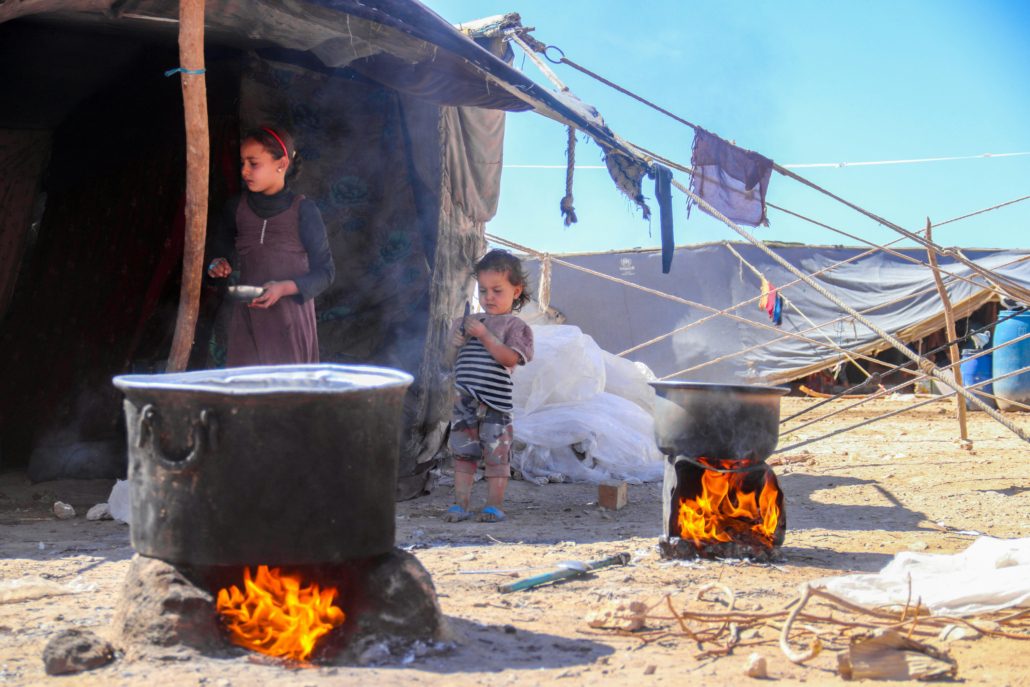
Food Systems in PakistanFrom inefficient supply chains to outdated frameworks, food systems in Pakistan are under significant strain. Behind spoiled harvests and empty shelves is a configuration of a fractured food crisis, where millions go hungry because of these vulnerabilities. More than 11 million people in Pakistan’s rural areas are facing these challenges, with 1.7 million in emergency conditions. Addressing the urgency of Pakistan’s systemic challenges may help reform a more sustainable infrastructure to transform the food system.

Pakistan’s Agricultural Sector

Agriculture drives Pakistan’s economy with around 44% of the labor force and contributing nearly a quarter of the country’s GDP. Aside from this sector being vital for economic stability, 67% of rural households also rely on agriculture for their livelihoods. However, challenges arise within environmental and systematic divisions, including chemical fertilizer overuse, poor irrigation techniques and outdated farming methods that have led to soil degradation, salinity and waterlogging. 

However, agricultural abundance does not automatically translate into national food security. As an example, Pakistan has produced bumper wheat crops in recent years, greater than 23 million tons in 2006 alone, yet millions still suffer from food insecurity due to poor distribution networks. The imbalance between production and access showcases a deep-rooted problem within the food system in Pakistan: a discrepancy between supply and sustainable delivery. Climate shocks, infrastructure gaps and a lack of investment in rural supply chains further exacerbate this disconnect. To ensure long-term food security, Pakistan must go beyond crop yields and focus on building a resilient and equitable food system. Addressing inefficiencies in the distribution of the food supply chain and ensuring that sustainable agricultural practices are supported from farms to households is not just a logistical challenge but a moral imperative.

Distribution of the Food Supply Chain

The distribution of food systems in Pakistan is facing challenges impacting farms and consumers. The causes of substantial post-harvest losses, from perishable fruits, vegetables and dairy are due to inadequate rural roads, lack of cold storage, unreliable transportation and market access barriers. About 30–40% of these goods never make it to the market, which threatens food availability, resulting in an annual economic loss of millions.

Yet, within these challenges lie opportunities. Investments in rural infrastructure and more localized supply chains may reduce spoilage and stabilize food prices; one major issue is the highly unequal distribution of land and water; only 37% of rural households own land, and most of those own fewer than five acres, which limits the ability of small farmers to benefit from agricultural growth. To address this, Pakistan has introduced programs aimed at improving rural infrastructure, such as expanding rural road networks and electrification projects, which may help reduce transport costs and increase access to markets. However, many rural enterprises still face frequent power outages and limited credit access, hindering productivity. Policies that invest in human capital and support both farm and non-farm rural sectors to build a more inclusive and resilient food system in Pakistan must complement these efforts.

Upgrading Infrastructure for Sustainable Food Systems

Action Against Hunger, for example,  is a non-government organization that began working in Pakistan in 2005 to combat hunger and malnutrition, especially in vulnerable rural areas. The organization focuses on improving food security by supporting home gardens, promoting climate-resilient agriculture and distributing livestock and fish to boost access to nutritious food. In the Sindh province, where child malnutrition is highest, it has helped more than 314,000 people in the past year through programs like Farmer Field Schools and vertical gardening. Its efforts have led to more diverse diets, increased crop yields and promoted better nutrition for families across 10 districts.

– Hibah Iqbal

Hibah is based in Houston, TX, USA and focuses on Global Health for The Borgen Project.

Photo: Unsplash
June 1, 2025
https://borgenproject.org/wp-content/uploads/borgen-project-logo.svg 0 0 Jennifer Philipp https://borgenproject.org/wp-content/uploads/borgen-project-logo.svg Jennifer Philipp2025-06-01 07:30:182026-04-16 10:10:39Food Systems in Pakistan
Development, Global Poverty

Poverty and Unemployment in The Philippines

philippines unemploymentAccording to the Philippines Statistics Authority (PSA), the current employment rate is around 96.1%. In contrast, the current unemployment rate stands at 3.8%. This looks good on the surface. However, employment gaps relating to poverty exist in the Philippines.

Within the Philippines, there are wage/salaried workers in private companies or the army. There are the self-employed/family businesses, retail stores or drivers with low-paid employees. Then there are farming towns and family members who technically do not have jobs but still receive allowances.

Workplace Quality

While hospitality and food service jobs are on an employment rise of 377,000, careers in administration and agriculture have largely decreased by almost a million. In STEM, they’ve had a shorter decrease of -68,000. These facts are distressing because they reflect the lack of skill or education that the people of the Philippines have access to or have completed, which directly reflects the unemployment and poverty in the Philippines.

The reasoning behind these statistics could be the unmanageable population rate, or it could be the lack of sufficient education. Asian Development Bank (ADB) lists that the major factors of poverty in this nation revolve around weak employment generation, increasing populations, recurring trauma of natural disasters, income inequalities, etc.

ADB research found that poverty is directly related to the accessibility of education. Families with many children tend to be the first affected by poverty and unemployment in the Philippines. It also found that the government still has a hand in the reason why chronic poverty levels have not improved, with little action on poverty reduction programs.

“Self-Rated” Poverty and The Employment Gap

In his recent article, entrepreneur and President of the National Economic Protectionism Association (NEPA) Brian James Lu explores the highest rates of what he calls “self-rated” poverty. Theoretically, the job market holds plenty of opportunities, but the people qualified for these roles are few. This is where the employment gap and issues of poverty intersect. Last December, SWS reported that 63% of Filipinos claimed themselves as unemployed.

“The characteristic of Philippine employment is that while more Filipinos are technically employed, many are underemployed, working jobs that offer meagre wages, lack security, or provide limited hours,” according to Lu.

There is an average of 20 typhoons annually, with limited financial success, especially with families who are involved in agriculture, and only 5% of lower-income households use health services. The findings break down the gap between primary and secondary education with a difference of 96% over 73%. In turn, Filipinos who live in poverty face discrimination when applying for jobs.

A New Future

A 2024 Labour Force survey found that almost 50 million people have a job in the Philippines, lowering unemployment rates by 13.9%. Jobs providing a stable life for most include jobs in services and agriculture. Their Department of Finance have taken measures by creating a program dubbed Growth-Enhancing Actions and Resolutions (GEARS) that has aided their economy and, in turn, has invested in more valuable employment options for all citizens.

Another recent initiative, the Corporate Recovery and Tax Incentives for Enterprises (CREATE) Act, has brought in further investments to the country. A notable mention includes President Bongbong Marco’s Build Better More program focusing on employment prosperity.

Active Solutions

Skill development programs like the Philippines Skill Framework (PSF) focuses on quality education and organizations such as The Department of Labor and Employment (DOLE) have provided training programs, especially in STEM/Medical careers and “Trabaho Para sa Bayan” (TPB) planning on the technology field have started to make a positive impact on the livelihood of many Filipino families. The need for “multi-skilled” individuals is a desired outcome for rising market demand.

– Melody Aminian

Melody is based in Irvine, CA, USA and focuses on Global Health for The Borgen Project.

Photo: Flickr

June 1, 2025
https://borgenproject.org/wp-content/uploads/borgen-project-logo.svg 0 0 Naida Jahic https://borgenproject.org/wp-content/uploads/borgen-project-logo.svg Naida Jahic2025-06-01 03:00:192025-06-12 01:47:17Poverty and Unemployment in The Philippines
Education, Global Poverty

Reducing Poverty in Georgia

georgia poverty Georgia is a country that has made monumental strides in reducing poverty. It has achieved this through reducing political corruption, investing in education and implementing changes to its banking system. This country adopts a bottom-up approach to poverty, focusing on providing for its most vulnerable citizens. This diverse nation is setting an example for equality and poverty reduction.

Georgia’s Accomplishments

Based on the international poverty line standard, Georgia has reduced poverty by 15% since 2000, dropping from around 20% to just 5%. Over the same period, the country has also reduced inequality by 5%, as measured by the Gini index. These achievements are particularly impressive given Georgia’s diverse population, which includes several ethnic groups.

Georgia has reached these milestones through reforms across several sectors, contributing to poverty. One of its key approaches is combating political corruption through the use of technology. Georgia has implemented Blockchain technology, which securely processes transactions, identities and other sensitive information, acting as a registry system, and its performance has received positive feedback.

This registry combats corruption by replacing the old system, where politicians often accepted bribes to expedite document processing. The new system ensures that processing fees are redirected back to the registry, preventing funds meant for the government and its people from being misused. Proof of trust in Georgia’s anti-corruption reforms is evident in a 2004 national survey. Initially, 97% of respondents considered the Civil Registry the most corrupt agency in the country. However, within just two years, the same percentage of respondents agreed that the agency was free of corruption.

Georgia’s Education Reforms

Georgia is also reforming its education system to address inefficiencies, a lack of resources and outdated methods. The country is modernizing its education system by adopting the European education model and increasing funding. The reformed system aims to provide students with knowledge of technological innovation, independence, civic responsibility and more. Georgia is improving its curriculum and implementing evidence-based policymaking. To support these changes, the government is increasing state education funding to 6% of the GDP, ensuring more resources are available for students and educators alike.

Reducing Poverty in Georgia

Over the past few decades, Georgia has made remarkable progress in reforming areas critical to poverty reduction. What sets this country apart is its innovative approach to addressing poverty. While traditional social programs are often the primary tools for poverty alleviation, Georgia has demonstrated that modern techniques can also be highly effective.

By assessing its unique challenges and acting accordingly, Georgia has proven that there are alternative methods to address poverty beyond conventional social program investments. Its 2004 national survey also shows that Georgia made the right decision by listening to its people and addressing political corruption.

– Nicholas East

Nicholas is based in Ashby, MA, USA and focuses on Politics for The Borgen Project.

Photo: Flickr

June 1, 2025
https://borgenproject.org/wp-content/uploads/borgen-project-logo.svg 0 0 Naida Jahic https://borgenproject.org/wp-content/uploads/borgen-project-logo.svg Naida Jahic2025-06-01 01:30:262025-06-01 01:25:01Reducing Poverty in Georgia
Charity, Global Poverty, Nonprofit Organizations and NGOs

5 Charities Operating in Tanzania

5 Charities Operating in TanzaniaTanzania is acknowledged for its rich national parks like Ngorongoro Crater and Serengeti. However, beyond its scenic landscapes, many citizens face significant economic hardship. As populations increase, the poverty rates also increase. In 2011, about 12.3 million Tanzanians lived in vulnerable conditions. By 2018, that number rose to 14 million. Still, recent data reveal progress—Zanzibar, for instance, recorded a 4.7% drop in poverty from 30.4% in 2014–15 to 25.7% in 2019–20. Charitable organizations have played a vital role in building community resilience and expanding access to essential services.

5 Charities Operating in Tanzania

  1. Save the Children. A global humanitarian organization focused on protecting children’s rights and well-being. The charity has worked with the Tanzanian government for more than 100 years, first launching its programs in Zanzibar before expanding across the country. Its efforts prioritize nutrition services, educational access and child poverty reduction. In Tanzania, 27% of the population lacks adequate sanitation and housing, with 8% living in extreme poverty. Children represent a significant portion of this population, comprising 44.8% of those affected. Save the Children operates under three core goals: eliminating preventable child deaths, ensuring access to education and protecting children from violence. Since 2024, the program has enacted 122 policy reforms and responded to 112 emergencies.
  2. Plan International. Plan International is an independent development and humanitarian organization that promotes health care, clean water access and child protection. Established in Tanzania in 1991, the organization now operates in eight regions and aims to eliminate child poverty by 2030 through policy reform and community empowerment. Plan International adheres to the U.N. Convention on the Rights of the Child, which affirms children’s right to security and care. Its long-term vision is to ensure all children, especially girls, have the opportunity to thrive.
  3. BAPS Charities. BAPS Charities provides essential services in health, education and nutrition. The BAPS clinic in Dar es Salaam is one of its most notable programs in Tanzania, offering free medical services to families. The clinic operates weekdays from 8 a.m. to 6 p.m. and on Saturdays from 8 a.m. to 12 p.m. Services include lab work, treatment and food distribution. Children are given safe spaces and nourishment, such as water and snacks, contributing to a warm and welcoming environment.
  4. Zara Charity. Founded in 2009 by Zainab Ansell, Zara Charity is a nonprofit registered under the United Republic of Tanzania. It works to improve the lives of disadvantaged families through eco-tourism partnerships and educational support for women and orphans. Notable sponsors include Zita Tanzanian Wild Camps Ltd. and Tour Compass. Its key initiative is organizing volunteer cleanups on Mount Kilimanjaro to reduce environmental waste. Additionally, these activities provide residents, especially the underserved, with cleaner living conditions.
  5. Kupona Foundation. Kupona Foundation is a U.S.-based nonprofit that partners with the Comprehensive Community-Based Rehabilitation in Tanzania (CCBRT). The organization is dedicated to strengthening Tanzania’s health care systems. Kupona has raised $7 million to support medical treatment, training and infrastructure. Furthermore, with 87% of its funds directed to programming, the organization ensures financial accountability and sustainability. Kupona’s efforts help expand access to quality care while laying the foundation for long-term development.

Looking Ahead

Tanzania continues to make progress in reducing poverty, due to the efforts of local and international charitable organizations. These five charities exemplify how targeted interventions in health, education, environmental sustainability and child protection can transform communities. Indeed, as the nation pushes toward sustainable development, the work of these charities operating in Tanzania offers a roadmap for continued growth, resilience and hope.

– Janae Bayford

Janae is based in Centennial, CO, USA and focuses on Business and Good News for The Borgen Project.

Photo: Flickr

June 1, 2025
https://borgenproject.org/wp-content/uploads/borgen-project-logo.svg 0 0 Precious Sheidu https://borgenproject.org/wp-content/uploads/borgen-project-logo.svg Precious Sheidu2025-06-01 01:30:102025-06-01 01:34:185 Charities Operating in Tanzania
Global Poverty, Homelessness

Boca de Rua Empowers Homeless Individuals Through Journalism

Boca de RuaBoca de Rua, a unique street newspaper based in Porto Alegre, Brazil, continues to empower people experiencing homelessness by involving them directly in journalism. According to The Guardian, the publication creates opportunities for participants to write, photograph and sell the paper, offering both income and visibility to marginalized voices.

About the Newspaper

Founded in 2000 by journalists Rosina Duarte and Cristina Pozzobon, Boca de Rua—which translates to “Word on the Street”—operates as a quarterly publication where contributors attend weekly editorial meetings and determine the paper’s content. Vendors sell each issue for R$3 (around $0.53) and keep the proceeds.

According to Global Voices, about 50 people contribute to each edition. Topics range from street abuse to positive community stories, with recent issues covering tragedies like a fire at a state-run homeless shelter and flood impacts on the city. More than a source of income, the paper builds confidence and public presence for its contributors. Since its founding, Boca de Rua has supported more than 400 individuals through this model of participatory journalism.

Addressing Homelessness in Brazil

Homelessness remains a significant issue in Brazil. According to Development and Cooperation, the population of unhoused individuals grew by 38% between 2019 and 2023, largely driven by the COVID-19 pandemic. As of 2022, more than 281,800 people were registered as homeless in Brazil and economic insecurity remains the leading cause. In response, the Brazilian government relaunched the Minha Casa Minha Vida (“My House My Life”) program. Initially implemented in 2009, the initiative offers housing subsidies to low-income families, particularly those earning under $400 per month, according to The Rio Times.

Stories of Ambition and Impact

Elisângela Escalante, a contributor for six years, shared with Global Voices how the paper helped her transition off the streets and into a home. Previously dependent on her partner financially, Escalante was able to regain independence through earnings from the newspaper. “Through it [Boca de Rua] I got a lot of things and I helped a lot of people too,” she said.

A memorable edition that she worked on featured the cover story “Why Can’t We Be Mothers?”—a piece that explored the challenges of motherhood while experiencing homelessness. During production, some participants even reconnected with their children, underscoring the paper’s emotional and social reach.

Another contributor, Michael Vasconcelos, told The Guardian that he became homeless after a family fallout. He later joined Boca de Rua, where he describes himself as a “paperboy and journalist.” “Now, I steal people’s attention and deal in information,” Vasconcelos said.

Media Representation and Inclusion

Community-led media initiatives like Boca de Rua play a crucial role in amplifying marginalized voices and fostering media diversity. According to the United Nations Educational, Scientific and Cultural Organization (UNESCO), empowering Indigenous voices in the media is essential for fostering pluralism and diversity, which are vital elements of a vibrant society. 

Despite this progress, gaps remain. As of 2025, UNESCO reported that:

  • About 25% of media outlets that are non-Indigenous have no editorial guidelines that correlate with Indigenous social issues.
  • Only one in five of media outlets cite marginalized individuals as sources, while 8% say that they never have.
  • Roughly 16% of media outlets that are non-Indigenous are required to publish in Indigenous languages by quotas.
  • Around 49% of media workers who are Indigenous have been exposed to harassment, danger and intimidation.

By offering contributors a direct platform, Boca de Rua helps counter these inequities and drives awareness through lived experience.

Looking Ahead

As Boca de Rua continues to grow, its impact reaches far beyond housing. Co-founder Rosina Duarte emphasizes that the paper’s core mission is to provide income and reduce the harm caused by silence and isolation. The organization aims to deepen its role as a platform for dignity, self-expression and community-driven change.

Contributor Michelle Marques dos Santos, who joined as a teenager living on the streets, is now preparing to publish a book about her life—an opportunity she attributes to the confidence and visibility gained through the newspaper. Now expecting her seventh child—the first she will be able to raise herself—Santos’s story reflects the transformative potential of community-led media initiatives. As Boca de Rua continues its work, it holds promise not only for current contributors but also for future generations seeking visibility and purpose.

– Clarissa Dean

Clarissa is based in Bowling Green, KY, USA and focuses on Good News and Celebs for The Borgen Project.

Photo: Flickr

May 31, 2025
https://borgenproject.org/wp-content/uploads/borgen-project-logo.svg 0 0 Precious Sheidu https://borgenproject.org/wp-content/uploads/borgen-project-logo.svg Precious Sheidu2025-05-31 07:30:412025-05-31 02:21:37Boca de Rua Empowers Homeless Individuals Through Journalism
Gender Equality, Global Poverty, Violence

Advancing Gender Equality in Ecuador Under SDG 5

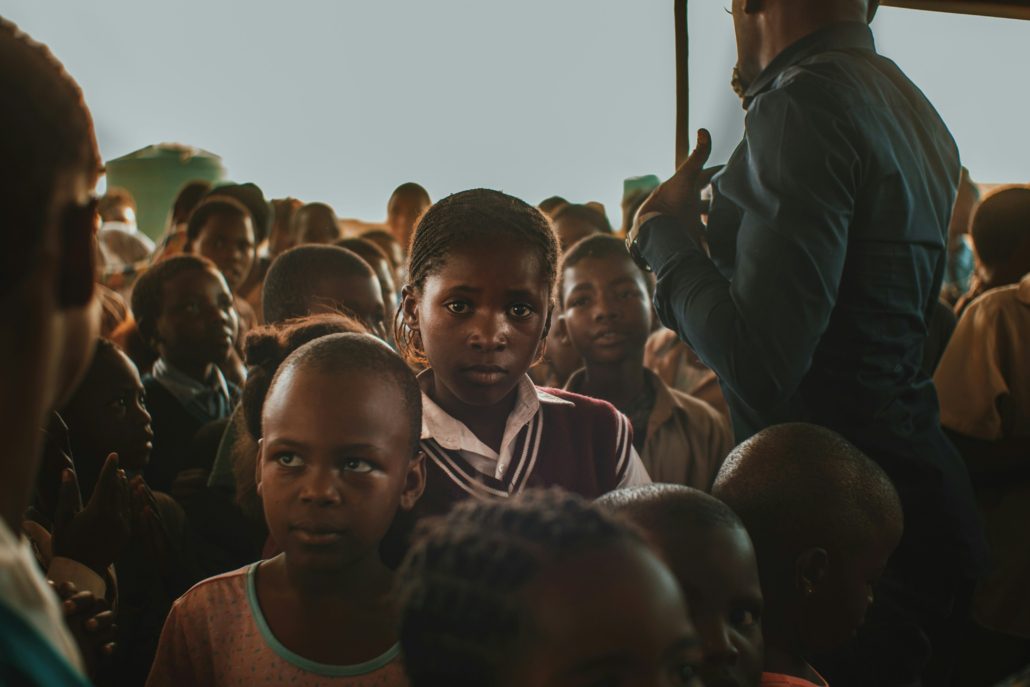
Gender Equality in EcuadorGender Equality in Ecuador is making significant progress as the country implements new laws and initiatives to address gender disparities. These efforts align with Sustainable Development Goal 5 (SDG 5), which aims to empower all women and girls. While persistent challenges like wage gaps and gender-based violence remain, recent legislative developments and support from international organizations reflect Ecuador’s commitment to long-term change.

Legal Reforms Supporting Gender Equality in Ecuador 

In 2023, Ecuador passed two major laws aimed at increasing women’s economic participation:

  • The Equal Pay Law: The Equal Pay Law requires organizations to develop equality plans and submit annual wage reports to monitor and address gender pay disparities.
  • The Care Economy Law: The Care Economy Law formally recognizes unpaid care work and provides social protections for caregivers.

These reforms address long-standing barriers to women’s participation in the labor market in Ecuador, where approximately 552,284 women were engaged in unpaid labor as of Oct. 2024. Women aged 15 and older spend nearly 19.2% of their day on care work and domestic tasks (four times more than men). These laws seek to dismantle structural barriers that prevent women from fully participating in the labor market. 

U.N. Women have supported gender-sensitive workplace practices in Ecuador through technical assistance and funding for programs that promote equality. Notably, U.N. Women have advocated for the implementation of the Violet Law which mandates that companies with 50 or more employees must develop an equality plan registered before the Ministry of labor. These efforts align with broader feminist frameworks like the ‘Purple Economy’ which advocates for a caring and gender-equal economic model.

Women’s Participation in Politics

Legislative change has also led to historic gains in political representation. For instance, in 2023, women held 43.1% of seats in Ecuador’s National Assembly. Meanwhile, the cabinet of President Daniel Noboa included 47% women, the highest in Ecuador’s history.

Gender parity reforms in the electoral code have largely driven these advances in gender equality as they require political parties to progressively increase the percentage of women heading candidate lists.

Persistent Gender Gaps in Employment and Pay 

Despite legal reforms, gender disparities remain prominent in Ecuador’s labor market. For instance, in 2023 female labor force participation was 53% for women compared to 76% for men. According to the UNDP, women-led households are more likely to live in poverty due to fewer job opportunities, lower wages and care responsibilities. For instance, 38.1% of the population lived in multidimensional poverty in 2022. In rural areas, that number stood at 70%. These figures highlight how continued efforts are needed to create inclusive economic opportunities for women.  

The Urgent Issue of Gender-Based Violence

Gender-based violence is another significant challenge to achieving SDG 5 for Ecuador. According to Encuesta de Violencia Contra las Mujeres, 65% of women in Ecuador have experienced some form of violence in their life. The government has responded by reinforcing the 2018 Law to prevent and eradicate violence against women and amended the penal code to criminalize femicide and gender discrimination.

For women subject to gender-based violence, a lack of financial resources often makes it harder to escape abusive environments, perpetuating the cycle of poverty. A lack of access to support forces many women to remain in unsafe situations. Governments and organizations must target investment in economic and legal support to break this cycle. 

Collaborative Efforts to Advance SDG 5 in Ecuador

However, organizations like Fundación María Guare aid turning policy into practical support. Since its establishment in 1990, the organization has provided legal aid, counseling and shelter to more than 232 women escaping violence. These programs help vulnerable women access their rights and rebuild their lives. 

Ecuador’s pursuit of gender equality reflects a culmination of policy progress and persistent social challenges. New laws, rising female leadership and grassroots programs demonstrate that change is mobilizing. However, further action is required to close gender labor gaps and end violence. Collaboration between government, international partners and local organizations will be crucial for achieving SDG 5 and ensuring lasting, inclusive development.

– Rebecca Lee

Rebecca is based in Scotland and focuses on Politics for The Borgen Project.

Photo: Unsplash
May 31, 2025
https://borgenproject.org/wp-content/uploads/borgen-project-logo.svg 0 0 Jennifer Philipp https://borgenproject.org/wp-content/uploads/borgen-project-logo.svg Jennifer Philipp2025-05-31 01:30:402025-05-30 22:45:37Advancing Gender Equality in Ecuador Under SDG 5
Advocacy, Global Poverty, Nonprofit Organizations and NGOs, Women's Empowerment

Tyla Supports South African Women’s Education Through Charity

Tyla Supports South African Women’s Education Through CharityTyla Laura Seethal, born in 2002 in Johannesburg, South Africa, continues to celebrate her African identity through music and performance. Her 2023 single “Water” went viral on TikTok and earned a Grammy Award in 2024 for Best African Musical Performance. Despite global success, Tyla remains rooted in her home country and recently launched an initiative to support young women’s education in South Africa.

Barriers to Women’s Education

Women in South Africa often face gender-based obstacles in pursuing education and professional advancement. Cultural expectations and unequal domestic responsibilities limit their ability to attain higher education. Although the South African Constitution prohibits discrimination, persistent stereotypes suggest men are better suited for leadership roles. A study conducted during the COVID-19 pandemic at a University of Technology in the Free State Province revealed the structural barriers women face in higher education. Female staff reported challenges including harassment, stereotyping, maternity leave concerns and doubts about their qualifications. These findings highlight the need for gender-responsive reforms to promote economic and social development through inclusive education.

Tyla’s ‘Bliss Smoothie’ Initiative

In April 2025, Tyla partnered with U.S.-based health food store Erewhon to launch the “Bliss Smoothie.” Proceeds from smoothie sales support 18twenty8, a South African nonprofit focused on women’s education and personal development. Tyla selected 18twenty8 because of its long-standing mission to empower women through education, recognizing that access to schooling plays a vital role in breaking the cycle of poverty. The organization received renewed attention following the donation, which founder Refiloe Seseane called “a motivator to continue the work that [they] have been doing.”

18twenty8’s Impact

Since registering in 2011, 18twenty8 has supported women ages 18 to 28 through life skills workshops, financial assistance, leadership camps and peer mentorship. The organization aims to build women’s confidence and equip them with tools for success. Graduates featured on the organization’s website have shared stories of how tuition assistance and mentorship enabled them to pursue their degrees and long-term goals. Tyla’s contribution may help more women access higher education and challenge the cultural norms that have historically limited their potential.

Expanding Opportunities Through the ‘Big Sister Network’

In addition to its core programs, 18twenty8 operates the Big Sister Network, a mentorship initiative that pairs young women with professional female mentors. This program provides guidance, career exposure and support, addressing the lack of positive female role models and academic mentors in many communities. Through these relationships, participants gain insights into various career paths and develop the confidence to pursue their goals. The ‘Big Sister Network’ exemplifies 18twenty8’s commitment to holistic empowerment, fostering a supportive environment where young women can thrive.

Looking Ahead

As Tyla continues to expand her influence, initiatives like the Bliss Smoothie partnership aim to open new avenues for global engagement in gender-focused development. Sustained support for organizations like 18twenty8 could strengthen the pipeline of South African women’s education and skilled professions in South Africa. Future collaborations with public institutions and the private sector could also help scale impact through scholarships, digital learning tools and mentorship infrastructure. According to UNESCO, each additional year of secondary education for a girl can increase her future earnings by up to 20%, highlighting the long-term benefits of educational access. By investing in women’s development early, communities may see improved health, reduced poverty and higher levels of civic participation.

– Sarina Francis

Sarina is based in Tallahassee, FL, USA and focuses on Good News for The Borgen Project.

Photo: Flickr

May 31, 2025
https://borgenproject.org/wp-content/uploads/borgen-project-logo.svg 0 0 Precious Sheidu https://borgenproject.org/wp-content/uploads/borgen-project-logo.svg Precious Sheidu2025-05-31 01:30:342025-05-30 22:54:20Tyla Supports South African Women’s Education Through Charity
Page 175 of 2162«‹173174175176177›»

Get Smarter

  • Global Poverty 101
  • Global Poverty… The Good News
  • Global Poverty & U.S. Jobs
  • Global Poverty and National Security
  • Innovative Solutions to Poverty
  • Global Poverty & Aid FAQ’s
Search Search

Take Action

  • Call Congress
  • Email Congress
  • Donate
  • 30 Ways to Help
  • Volunteer Ops
  • Internships
  • Courses & Certificates
  • The Podcast
Borgen Project

“The Borgen Project is an incredible nonprofit organization that is addressing poverty and hunger and working towards ending them.”

-The Huffington Post

Inside The Borgen Project

  • Contact
  • About
  • Financials
  • President
  • Board of Directors
  • Board of Advisors

International Links

  • UK Email Parliament
  • UK Donate
  • Canada Email Parliament

Get Smarter

  • Global Poverty 101
  • Global Poverty… The Good News
  • Global Poverty & U.S. Jobs
  • Global Poverty and National Security
  • Innovative Solutions to Poverty
  • Global Poverty & Aid FAQ’s

Ways to Help

  • Call Congress
  • Email Congress
  • Donate
  • 30 Ways to Help
  • Volunteer Ops
  • Internships
  • Courses & Certificates
  • The Podcast
Scroll to top Scroll to top Scroll to top