Being Poor in Nicaragua: Life on the Edge of Survival
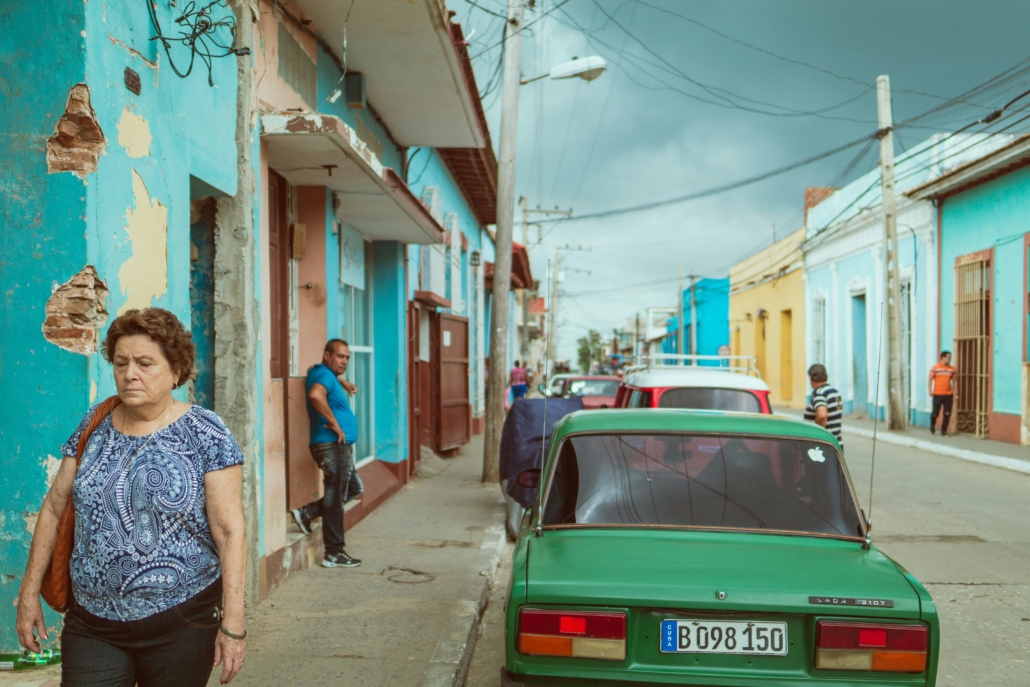 Poverty in Nicaragua is not just a number. It is a daily struggle for families who face limited opportunities, unpredictable income and fragile public services. Even with modest economic growth on paper, everyday life for many remains uncertain. When disaster hits—be it a drought, job loss or storm—there is often little room to recover.
A Nation of Beauty and Inequality
Nicaragua, bordered by Honduras and Costa Rica, is known for its volcanoes, lakes and vibrant culture. Yet for many of its citizens—especially in rural areas— economic fragility overshadows these scenic images. According to the World Bank, approximately 12.5% of the population lived below the international poverty line of $3.65 per day in 2023.
This figure masks deeper inequalities. About 73% of the rural population depends on agriculture, where work is seasonal and wages are low. Failed harvests are not only financial setbacks—they often mean food insecurity for entire families, according to the World Food Programme (WFP).
Adding to the challenge, remittances made up 26% of Nicaragua’s GDP in 2023, according to the World Bank. This reliance on income from abroad highlights the painful fact that many families survive only because loved ones have left home.
The Human Face of Poverty
Being poor in Nicaragua means limited access to clean water, health care and education. In rural communities, homes are often built with scrap materials and lack proper toilets or plumbing. Children face high rates of malnutrition and many families struggle to meet even the most basic dietary needs.
Environmental disasters only make things worse. Hurricanes, flooding and droughts are common and can wipe out crops, damage homes and isolate villages. The Food and Agriculture Organization (FAO) has warned that extreme weather events often reverse development gains, keeping families trapped in poverty.
Political and Economic Tensions
Politics in Nicaragua remain tense. The government, led by President Daniel Ortega, has received criticism for stifling opposition and limiting freedoms. These issues have led to international sanctions and reduced foreign investment, which affects funding for public services and development programs.
Although the International Monetary Fund (IMF) projected Nicaragua’s economy would grow by 3.6% in 2024, many of the country’s poorest people are not feeling the impact. Growth often benefits urban centers or large businesses, leaving rural communities behind.
Solutions
Despite these challenges, local and international organizations are working to make a difference. Opportunity International has been active in Nicaragua for nearly 20 years, partnering with micro-entrepreneurs to build sustainable businesses that help families lift themselves out of poverty.
Support also comes from other NGOs. The Fabretto Foundation is improving education in under-resourced areas by training teachers and equipping rural classrooms. Meanwhile, Catholic Relief Services helps farmers manage climate risks through sustainable practices such as soil conservation and drought-resistant crops, building long-term resilience in vulnerable communities.
Final Thoughts
Being poor in Nicaragua means living with uncertainty, but it does not have to stay that way. With targeted policies, community-driven efforts and international support, progress is possible. Each step forward—whether it is a harvest that survives the season, a child finishing school or a family opening a small shop—brings hope that poverty in Nicaragua can be challenged and one day, overcome.
– Charlie Baker
Charlie is based in London, UK and focuses on Global Health and Politics for The Borgen Project.
Photo: Unsplash
