 The Netherlands lies by the coast of the Atlantic Ocean with a temperate marine climate. It is rainy for most of the four seasons. There are hundreds of locations for groundwater extraction all over the Netherlands. Thanks to natural filtering and isolation from external sources of pollution, the groundwater has a low degree of contamination. Hence, it does not require complicated procedures for purification.
As reported by the Dutch public health agency RIVM, due to human factors, the quality of tap water in some areas of the Netherlands does not meet the expected standards. It is also indicated by its survey that about 60 percent of drinking water in the Netherlands is sourced from the ground, and the rest is provided by surface water. Because of the contamination resulted from pesticides, industrial emissions and improper waste disposal, more than half of the groundwater used is below the international standard of water quality.
Regarding surface water quality in the Netherlands, the quality was also poor due to the pollution from drugs, cosmetics, pesticides and other chemical residues. Some factories of wastewater treatment were unable to purify these harmful substances. RIVM has called for the establishment of a better environmental monitoring system on the sources of drinking water.
The drinking water quality in the Netherlands depends on the variations in regional management. The test standard is more strict than bottled water in the market. The related Dutch laws such as Drinking Water Law and Water Pipeline Management Measures aim to ensure water quality. Organizations in the chain of water production, including companies and collective supply units, all must regularly check the water quality in the Netherlands and inspect the results. The Ministry of Infrastructure and Environment of the Netherlands also publishes annual reports on the quality of drinking water each year.
The latest Dutch water law was enacted in 2009. It aims to stress the impact of climate change and sea-level rise on flood control security, release the pressure of population demands from increased water consumption and accelerate integrated management of water resources.
Water quality in the Netherlands across drinking water from rivers, lakes and the ground has improved greatly over the past decade, to great praise. The successful practice of water management by law and regulations from the Dutch government has been recognized as “the miracle of drinking water” by media in Europe. Nevertheless, further efforts are still needed to maintain the water quality in the Netherlands, in addition to the promotion of water management practices from a single country to the world.
– Xin Gao
 Crowning a decade of substantial investment, the Chinese government gifted
 The solution to increasing the efficiency of USAID is indisputable. If the United States undoes shipping industry requirements that demand aid transport on American ships, the nation can feed more people at a lower cost. Here are all the facts you need to convince patriots that loosening United States shipping industry restrictions, not tightening them, is best for America.


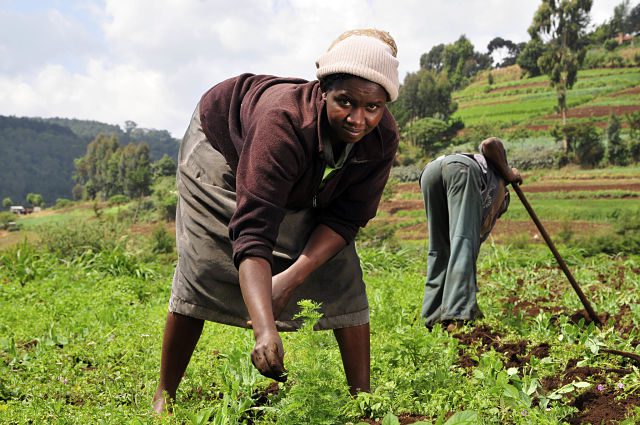 Recently the U.S. Agency for International Aid Development Administrator, Mark Green, announced the next phase for Feed the Future, and listed 12 countries that will be targeted to receive aid.
 The global counterfeit medicine market is enormous, making up an estimated
  The Selma actor reached the heights of his career after receiving a 2015 Golden Globe nomination for Best Actor in a Motion Picture-Drama. However, David Oyelowo’s humanitarian work for