• Link to X
  • Link to Facebook
  • Link to Instagram
  • Link to TikTok
  • Link to Youtube
  • About
    • About Us
      • President
      • Board of Directors
      • Board of Advisors
      • Financials
      • Our Methodology
      • Success Tracker
      • Contact
  • Act Now
    • 30 Ways to Help
      • Email Congress
      • Call Congress
      • Volunteer
      • Courses & Certificates
      • Be a Donor
    • Internships
      • In-Office Internships
      • Remote Internships
    • Legislation
      • Politics 101
  • The Blog
  • The Podcast
  • Magazine
  • Donate
  • Click to open the search input field Click to open the search input field Search
  • Menu Menu

Archive for category: Global Poverty

Key articles and information on global poverty.

Disease, environment, Global Poverty

Bulgaria’s Air Quality and Disease Prevention

Bulgaria's Air QualityBulgaria’s public health initiatives prioritize air quality and disease prevention. They address critical issues that disproportionately affect low-income communities and exacerbate poverty, promoting a healthier and more equitable society.

Breathe Sofia

In September 2022, the city of Sofia, Bulgaria, launched Breathe Sofia, a project aimed at improving air quality in one of the country’s most polluted cities. It focuses on protecting vulnerable populations by building public support for stronger policies, offering technical guidance for regulations and sharing international best practices.

By reducing air pollution, these efforts can help alleviate poverty by lowering health care costs and improving quality of life, especially for communities most affected by environmental disparities. Beyond health benefits, air pollution reduction also promotes social equity. It supports children’s well-being in impacted areas, increases economic participation and reinforces Bulgaria’s commitment to inclusive development under the European Union’s (EU) sustainability goals.

Bulgaria’s Air Quality

Bulgaria has also launched the New Operational Program on the Environment, allocating $1.77 billion to address water and waste management, biodiversity and air pollution. Since 2021, the program has helped provide cleaner air for 1.3 million people.

Furthermore, as part of its broader sustainability agenda, Bulgaria has prioritized emissions reduction through the National Program for the Improvement of Ambient Air Quality. This strategy drove significant progress between 2018 and 2024, with emissions falling by 66.5%. This reduction directly benefits low-income families by providing cleaner air and supporting healthier, more sustainable living conditions.

Addressing Diseases

To address cancer and chronic diseases, Bulgaria has joined the Joint Action to Prevent Noncommunicable Diseases and Cancer (JA PreventNCD), a three-year EU-funded health initiative. The project aims to reduce the burden of cancer and other noncommunicable diseases (NCDs) across Europe by supporting 22 EU Member States, along with Iceland, Norway and Ukraine. It also focuses on tackling social inequalities linked to NCD risk factors.

With NCDs disproportionately affecting marginalized communities, JA PreventNCD targets the root causes by addressing the link between poverty and poor health. The initiative acknowledges the unequal impact of NCDs on lower socioeconomic groups and promotes equitable access to prevention and care. By focusing on prevention and healthier lifestyles, JA PreventNCD aims to reduce health problems, ease the economic burden of NCDs and contribute to poverty reduction.

Bulgaria’s commitment to rare disease recognition took a major leap in 2005 when it joined the J Project, a Central and Eastern European initiative focused on primary immune deficiencies. Ten years later, this progress led to the establishment of a dedicated expert center at the university hospital. The center provides families in low-resource communities with access to specialized care for rare diseases.

Final Remarks

As Bulgaria works to improve the quality of life for its citizens, it collaborates with national and international programs aimed at disease prevention and air pollution reduction. Supported by initiatives like the Clean Air Fund and the EU partnerships, these efforts create healthier environments and expand access to essential resources in underserved communities through public health and sustainability investments. Indeed, they help pave the way for a more equitable and resilient future.

– Karisma Polly

Karisma is based in Sunrise, FL, USA and focuses on Global Health and Celebs for The Borgen Project.

Photo: Pixabay

August 4, 2025
https://borgenproject.org/wp-content/uploads/borgen-project-logo.svg 0 0 Lynsey 2 https://borgenproject.org/wp-content/uploads/borgen-project-logo.svg Lynsey 22025-08-04 01:30:462025-08-03 17:20:48Bulgaria’s Air Quality and Disease Prevention
Charity, Global Poverty, Nonprofit Organizations and NGOs

5 Charities Operating in New Zealand

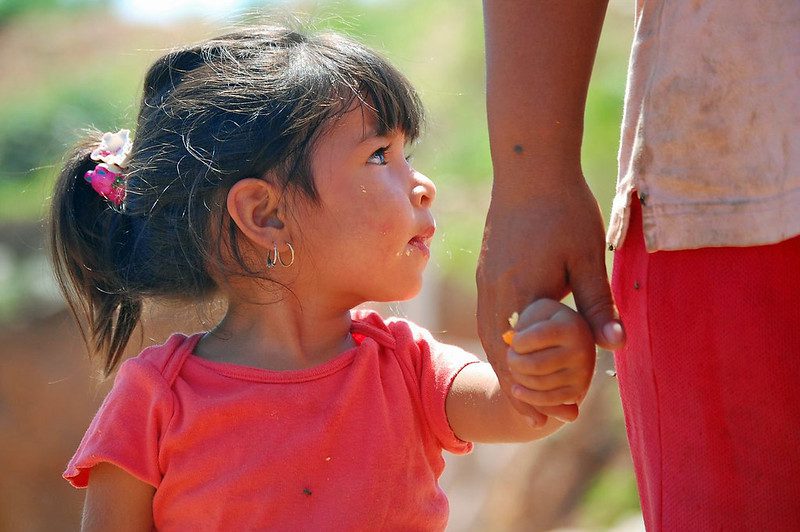
Charities Operating in New ZealandAcross New Zealand, communities are creating charities to help individuals and families living in challenging situations get by. New Zealand families are no strangers to hardship, as about 18% of children live in homes with very low incomes, specifically less than half of the typical income. From preserving food, medical kits, clothing, water and shelter to building better education programs, these charities operating in New Zealand have substantially grown in the path to ridding poverty.

Visionwest

Visionwest is one of many faith-led charities in New Zealand that address poverty and homelessness, support the elderly and ensure the young have hope for the future. It helps the nation by creating community housing, which includes long-term and transitional housing. The organization also contributes to the government‑backed Housing First Initiative. This program provides immediate housing and long-term support to tackle homelessness in Auckland and Canterbury.

The charity also fights food insecurity by providing services like the Pātaka Kai food bank and the Manaaki Kai social supermarket. Through these efforts, Visionwest has made a substantial impact:

  • 13,585 food parcels distributed
  • 7,312 clients are now living independently
  • 4,102 Well-being Center sessions
  • 1,709 financial mentoring sessions
  • 584 households with safe, affordable housing
  • 451 young people to achieve education and empowerment goals

Childfund

ChildFund New Zealand works in communities where political instability, conflict and violence impact the daily lives of children, youth and their families. This is one of the many essential child-centered charities operating in New Zealand. It uses a holistic approach by working alongside communities to deliver development programs that emphasize the outlook of children and youth. ChildFund has fought rising poverty by creating community water access points and providing hygiene training to keep families healthy.

In 2024 alone, the organization made an impact by reaching:

  • 263,026 people through development activities
  • 114 emergency food kits distributed
  • 89 meal kits provided
  • 55 education bundles delivered
  • 35 water purification units distributed

Auckland City Mission

Auckland City Mission is a charity that recognizes the cost-of-living crisis that has impacted many communities. With many only earning enough money to pay essential bills, there is often not much left for food. Auckland City Mission is among the charities operating in New Zealand that focus on bringing communities together, creating meaningful change and rising out of poverty. People in the community experience living in cars, inappropriate housing, mental health issues and struggling to feed their families.

Auckland City Mission has created HomeGround, its nine-story purpose-built facility that houses 80 apartments, health services and addiction recovery support. It has provided immediate housing relief and long-term support to those in hardship. Thanks to its efforts, the charity was able to provide:

  • 39,407 food parcels to families and individuals facing severe need
  • 19,826 health consultations to support community well-being
  • 484 admissions into its social detox program for individuals battling substance dependence

Kindness Collective

Kindness Collective is a charity that provides practical, community-led support through five nationwide programs. Since this is a community-driven organization, its work is varied and its approach is to go where the need and help matter most. Kindness Collective work includes packing pajamas, food boxes and planting potatoes weekly. The charity works like a match-making agency, linking those in need to people with more to give.

Donations have included food, bedding, clothing, baby items and toys. As a result of these contributions and ongoing efforts, the impact has been significant:

  • 69,534 people provided with essential items
  • 20,200 meals delivered through community events
  • 183,988 toiletries distributed

KiwiHarvest

KiwiHarvest is one of the many food-centered charities operating in New Zealand. Its mission is based on helping the population become food secure, ensuring everyone has access to enough nutritious food every day. More than 27% of New Zealand children live in households where food tends to run out. Each year, New Zealand wastes enough food to feed the entire Dunedin population, approximately 150 thousand people.

To fight these statistics, KiwiHarvest works with food businesses to rescue the good food that goes unsold. It also redistributes excess food to those who need it, while protecting the environment. Through all this hard work, KiwiHarvest saves 250,000 kilograms of food each month and redistributes it to those facing hunger.

Through its dedication, KiwiHarvest has created a transformative impact:

  • $18 million worth of food saved in 2024
  • 16.2 million kilograms of food rescued
  • 43,031,285 kilograms of CO₂-equivalent emissions prevented from entering the atmosphere

From rescuing food to distributing essential supplies and providing health support, these organizations drive real, measurable change. Their combined efforts meet urgent needs and build stronger, more resilient communities across New Zealand.

– Emily Herlehy

Emily Herlehy is based in Denton, Texas, USA and focuses on Good News for The Borgen Project.

Photo: Flickr
August 4, 2025
https://borgenproject.org/wp-content/uploads/borgen-project-logo.svg 0 0 Lynsey 2 https://borgenproject.org/wp-content/uploads/borgen-project-logo.svg Lynsey 22025-08-04 01:30:202025-08-03 10:46:475 Charities Operating in New Zealand
Global Poverty, Health

Helena Ndume: How a Namibian Doctor Helped Blind People See

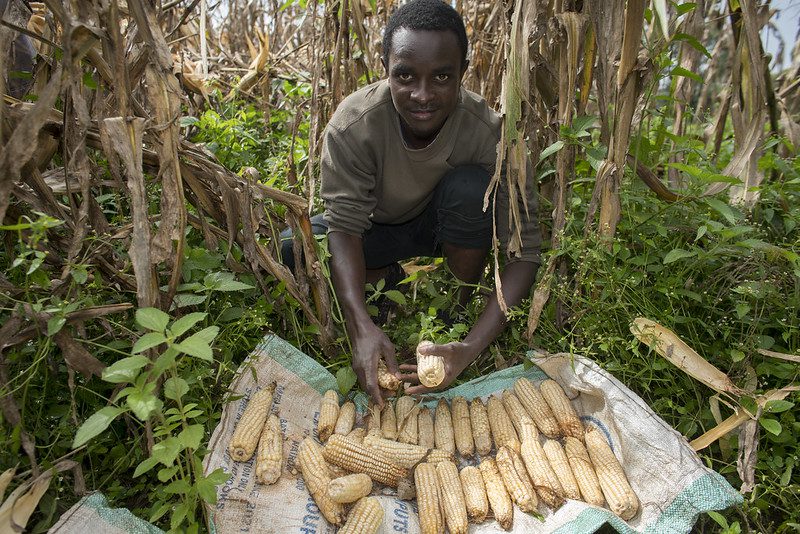
Helena NdumeFor thousands of impoverished Namibians, Helena Ndume is a miracle worker. In her 30 years as an ophthalmologist, she has performed more than 35,000 eye surgeries, giving people back their sight and livelihoods. But despite her worldwide acclaim, Helena Ndume was once living in a situation not unlike those of her patients: poverty-stricken, disadvantaged and rife with inequalities. However, instead of giving up, she persevered and changed the lives of thousands across the globe.

Early Life

Helena Ndume was born in Namibia in 1960. During this time, Namibia, like many other South African countries, was divided by apartheid, a system of racial segregation that resulted in mass discrimination toward citizens of color. Even from a young age, Ndume could not stay quiet about the injustices committed against her people. She participated in anti-colonial rallies in junior high. Eventually, she decided to leave the country when she was 15 years old.

The journey before her was not for the faint of heart. To make it to the refugee camp in Zambia, she had to first cross Angola on foot, which was in the midst of a violent civil war. Her determination and grit shone through as she successfully made the voyage. She then took advantage of her Zambian education to earn a prestigious scholarship to the University of Leipzig in Germany. With such a prestigious education, Helena Ndume could have gone anywhere in the world. However, she chose to return to her home country of Namibia to fight the economic and social turmoil there.

The Namibian Struggle

By the time Ndume returned home in 1989, the nation was undergoing rapid social and political change. Namibia had finally gained independence after its 50-year stint as a territory of South Africa and this move allowed it to break free of apartheid rule. Despite this big win, Namibians were in no position to celebrate.

The country had recently suffered a large drought, which weakened the already-lacking agricultural sector. Furthermore, even though apartheid was over, Black citizens still struggled to take their place in the workforce, which heavily advantaged the wealthy White upper class by excluding people of color from taking high-paying jobs.

As a result of a lack of opportunities and continued inequality, more than half of the Namibian population experienced extreme poverty, which manifested itself as starvation and disease outbreaks. HIV/AIDS and polio cases hit a record high during the mid-’90s, as per the Centers for Disease Control and Prevention. Both illnesses can weaken the immune system and pave the way for sight-stealing diseases, such as cytomegalovirus (CMV) Retinitis and trachoma. Without adequate health care or a cure, thousands of Namibians were left blind.

A Global Hero

This is why, Ndume says, she decided to work with Surgical Eye Expeditions (SEE) International. SEE International is a nonprofit organization that sends experienced doctors and life-changing vision technology to underserved communities. Since starting in 1995, Ndume has served at hundreds of free eye clinics to treat preventable blindness.

Blindness is often seen as a crippling affliction in many parts of the world. However, its impact is especially severe in developing countries like Namibia because of the widespread lack of health care, which affects as much as 70% of the population in some areas.

Ndume believes that blindness is closely associated with severe poverty due to its far-reaching consequences on one’s lifestyle. From causing a parent to lose their job to forcing a child to drop out of school, blindness has severe repercussions for entire families and communities.

Envisioning a Brighter Future

One of the most inspiring things about Ndume’s work is her undeniable passion for the people she serves. Ndume has stated that her patients’ joyful expressions “fuel and recharge” her to “continue serving not only the Namibian people but all of humanity.” Such sentiments demonstrate Ndume’s undeniable passion for helping others and becoming a positive change source in her community.

Her dedication to serving humanity has not gone unnoticed. In 2015, she was awarded the Nelson Rolihlahla Mandela Prize by the United Nations (U.N.), recognizing her unwavering commitment and transformative work in global health. Receiving the award was a full-circle moment for Ndume, who undoubtedly looked up to Mandela’s anti-apartheid activism as a young teen. In addition to this prize, Ndume was presented with the Lions Clubs International Humanitarian Award and the Forbes Women Africa Social Impact Award in 2022.

Looking Ahead

Although blindness is still prevalent in Namibia, Ndume’s work has given citizens a reason to hope for a brighter future. Since 1993, the poverty rate has been halved and the GDP has grown substantially, according to the World Bank. The Gini Index, which measures the income equality in a nation, is still disproportionately high at 59.1% as of 2015, but shows a promising downward trend from the previous decade.

These statistics prove that economic growth is on the horizon for Namibia, as well as greater equality and health care. Ndume’s selflessness and devotion to the betterment of her country define her as a role model and inspiration for future generations of doctors, innovators and leaders worldwide. Most importantly, her incredible story shows that anyone can make a difference in their community, no matter where they come from.

– Grace Gonzalez

Grace is based in Oakton, VA, USA and focuses on Global Health for The Borgen Project.

Photo: Flickr
August 3, 2025
https://borgenproject.org/wp-content/uploads/borgen-project-logo.svg 0 0 Lynsey 2 https://borgenproject.org/wp-content/uploads/borgen-project-logo.svg Lynsey 22025-08-03 07:30:472025-08-03 17:38:29Helena Ndume: How a Namibian Doctor Helped Blind People See
disability and poverty, Global Poverty

Addressing Disability and Poverty in Brunei

Disability and Poverty in BruneiDisability and poverty in Brunei is an emerging challenge despite the country’s high-income status. While Brunei provides universal health care and generous welfare programs, persons with disabilities (PWDs) continue to face systemic barriers that limit their full participation in society. The issues of limited employment, infrastructure gaps and social stigma persist yet new government and community initiatives show promise.

Disability and Poverty in Brunei: A Structural Link

According to the ASEAN Disability Forum, about 1% of Brunei’s population, roughly 4,100 people, live with a disability. Although the absolute poverty rate in Brunei is low, many PWDs face ‘relative poverty’ which relates to a lack of access to education, jobs and digital resources. A 2021 study by Universiti Brunei Darussalam revealed that PWDs face structural exclusion in both the labor market and education system, especially in rural areas. These limitations create a cycle of economic hardship that persists despite national wealth. Disability and poverty in Brunei must be understood as interconnected issues, where inclusion gaps not income levels contribute to vulnerability.

Welfare Programs and Legal Support

Brunei ratified the UN Convention on the Rights of Persons with Disabilities in 2016, marking a turning point in its legal commitment to PWD rights. Under the Welfare Assistance Act, PWDs with an “OKU card” (Orang Kelainan Upaya) are eligible for monthly financial support. As of early 2025, more than 3,800 PWDs hold the OKU card. In addition, more than 1,600 caregivers receive monthly care allowances, reflecting the government’s efforts to expand its safety net. However, challenges remain. Many PWDs struggle to find suitable jobs or gain access to inclusive education. Accessible infrastructure and digital equity also lag behind policy goals.

Recent Progress in Policy and Practice

Brunei’s 12th National Development Plan introduced “Different Abilities Design Guidelines” to make public buildings more accessible. The Ministry of Finance and Economy has pledged more than 4 billion Brunei dollars toward more than 300 national projects, including improvements in housing, education and health care.

In a 2025 New Year address, His Majesty Sultan Hassanal Bolkiah reaffirmed the nation’s commitment to leaving no one behind. He specifically emphasized the rights of persons with disabilities to live in dignity and self-reliance. Many advocacy groups, including SMARTER Brunei, an autism awareness nonprofit organization, welcomed his remarks.

In December 2024, the “Embrace Differences” campaign launched with support from public and private sectors. The initiative provides children with autism access to tablets and e-learning modules, helping bridge the digital divide in schools.

The Road Ahead

Despite these advances, more work remains. Less than 10% of working-age PWDs in Brunei are employed in the formal economy, according to the ASEAN Post. Creating inclusive hiring practices and investing in vocational training can help reduce reliance on welfare and foster economic independence.

Muhammad Hamzi, president of the Brunei Darussalam National Association of the Blind, explained, “The primary issue is awareness, particularly regarding the challenges PWDs face in the workplace, which includes relevant training programs.”

Education reform is equally critical. While digital learning efforts are expanding, only a few schools offer inclusive classrooms. Training teachers in disability awareness and scaling up assistive technologies could help to ensure children with disabilities are not left behind.

In underserved areas, community-based outreach through mosques, clinics and village councils can help identify and support PWDs who may not be registered for official aid. These local efforts can also reduce stigma and raise public understanding.

– Charlie Wood

Charlie is based in Liversedge, UK and focuses on Global Health for The Borgen Project.

Photo: Wikimedia Commons

August 3, 2025
https://borgenproject.org/wp-content/uploads/borgen-project-logo.svg 0 0 Jennifer Philipp https://borgenproject.org/wp-content/uploads/borgen-project-logo.svg Jennifer Philipp2025-08-03 07:30:352025-08-03 01:36:24Addressing Disability and Poverty in Brunei
Disability, disability and poverty, Education, Global Poverty

Inclusive Education: Confronting Disability and Poverty in Bhutan

Disability and Poverty in BhutanBhutan is a country with a unique culture and traditions. It is the only South Asian country that has a Gross National Happiness (GNH) philosophy, which emphasizes the importance of collective happiness and well-being over economic growth in the nation. This index is based on four pillars including sustainable socio-economic development, cultural preservation, environmental preservation and good governance, which help measure the quality of life and happiness of citizens.

Despite the importance given to GNH, the country faces a number of challenges with respect to poverty including access to education and basic resources, access to health care and social support. These factors disproportionately affect vulnerable populations in the country, especially children with disabilities. However, recent developments in regional and national policies and legislation aimed at addressing disability and poverty in Bhutan have resulted in positive changes in these areas. 

The Correlation Between Disability and Poverty in Bhutan

The Oxford Poverty and Human Development Initiative (OPHI) report (2018) indicated that people with disabilities experienced significantly higher levels of multidimensional poverty in Bhutan. It suggested that the multidimensional poverty rate of people was at a stark 11.1%, as compared to people without disabilities (5.6%). A 2022 report revealed that systematic barriers to education, vocational training and employment particularly affecting children and youth with disabilities reinforces the connection between disability and poverty in Bhutan. It further emphasized the role of Bhutanese social norms, like “Karuna” (compassion) and “Karma,” in perpetuating social and economic exclusions experienced by the disabled population especially.

The intersection of lack of coordination, funding for initiatives and targeted support were identified as both the cause and consequence of poverty in Bhutan. Another study noted a higher degree of prevalence of disabilities amongst poor children and those of mothers with lower levels of education. While this analysis does not paint a rosy picture regarding the intersection of disability and poverty in Bhutan, it acts as an entry point for change, grounded into local social institutions and realistic implementation, offering a roadmap to the policymakers for actionable goals—an approach that is already beginning to show tangible progress.

Disability and Education in Bhutan

In 2024, Kesang Chuki Dorjee, Chairperson of the Social and Cultural Affairs Committee (SCAC) presented a report titled “Review Report on the State of Persons with Disabilities.” In the report, Dorjee indicated how between the 12th and 13th Five-year plans, the government’s allocation towards educational activities for children with disabilities saw a rise from approximately Nu 87 million to Nu 1.115 billion.

The 2024 report estimated that 1,071 children with disabilities were attending in schools in a nationwide capacity. Bhutan has established three early childhood intervention centers offering services including communication skills, socialization behavior management, school readiness and other vocational training, like cooking, weaving tailoring and so on. Guided by the Sustainable Development Goals (SDGs), Bhutan has made important strides in implementing these inclusive strategies and policies for educating children with disabilities.

Education is an important aspect in the intersection of disability and poverty in Bhutan. The fact is that education is a critical point of intervention as it directly tackles the root cause of marginalization. As the abovementioned data suggests, children with disabilities are especially more likely to experience discrimination in mainstream educational settings. Ensuring that all children can participate in quality education regardless of ability can help build a stronger economic future for all, along with promoting equity. In Bhutan, where educational attainment has close links with future livelihoods, inclusive educational policies have become a key tool in breaking the cycle of intergenerational poverty, promoting social inclusion and fulfilling the country’s Gross National Happiness (GNH) philosophy of collective well-being and equity.

Looking Ahead

Despite many challenges stemming from the link between disability and poverty with respect to children in Bhutan, the momentum for change has been set into motion. The significant increase in government investment, along with inclusive educational initiatives, reflects a national commitment to ensuring that no child is left behind. As Bhutan continues incorporating principles of Gross National Happiness into its policies, the government and stakeholders are working to ensure that children with disabilities living in poverty, not only gain access to equitable education but also have the opportunity to contribute meaningfully to society. Though the journey may be long, the actions taken today are laying a strong foundation for a more inclusive and equitable Bhutan in the future.

– Vasudhaa Shakdher

Vasudhaa is based in Vancouver, Canada and focuses on Good News for The Borgen Project.

Photo: Unsplash

August 3, 2025
https://borgenproject.org/wp-content/uploads/borgen-project-logo.svg 0 0 Jennifer Philipp https://borgenproject.org/wp-content/uploads/borgen-project-logo.svg Jennifer Philipp2025-08-03 03:00:412025-08-02 11:11:33Inclusive Education: Confronting Disability and Poverty in Bhutan
Disease, Global Poverty, Technology

Drones Reducing Tuberculosis in Nepal

Tuberculosis in Nepal: How Drones are Helping Tuberculosis has long affected rural nations across the globe, but the crisis in Nepal is particularly concerning. In 2023, 68,000 people in the country had tuberculosis, nearly a third of whom died. Tuberculosis also remains among the top five causes of death in Nepal. Exacerbated by limited access to medical treatment and high transmission rates, the disease continues to pose a serious threat. However, new technologies—including drones—offer potential solutions that could transform health care delivery in Nepal and beyond. 

A Persistent Threat in Nepal

Tuberculosis is a serious infectious bacterial disease that spreads through coughs and sneezes. When detected and treated early, it is both preventable and curable. However, geographic and economic barriers make tuberculosis more difficult to manage in Nepal. Approximately 50% of Nepalis must travel between six and eight hours to reach a health care facility. It is the isolation and lack of infrastructure in the rural regions, where 80% of Nepalis reside, that deepens the inaccessibility of medical care. With these roadblocks, fewer citizens actively seek out care and the diagnosis of tuberculosis is consistently delayed. As a result, almost 70% of Nepalis are carriers of the disease and may face serious consequences in the future.

The Danger of Delayed Treatment

Once exposed to tuberculosis, it is important to seek out medical care quickly to begin treatment and prevent the spread of this potentially deadly disease. However, because seeking medical treatment in Nepal is such a burden, many seek it out very infrequently or not at all. The longer people wait to seek tuberculosis treatment, the more serious the illness can become. By waiting for an official diagnosis and treatment, they risk increased rates of community transmission and potential health issues. This transmission and these complications have led to significant economic decline. Many become bedridden or unable to work as a result of the disease, leading to increased poverty rates. Telemedicine, however, is making notable progress. Organizations have begun using drones to diagnose and treat tuberculosis patients more efficiently.

Using Drones to Fight Tuberculosis in Nepal

A number of institutions, including WeRobotics, Stony Brook University and Nepal Flying Labs, have been utilizing cargo drones to combat tuberculosis in Nepal. These drones collect samples from individuals suspected of having tuberculosis and deliver them for testing. The same drones also help administer treatment. Tuberculosis treatment often spans several months, making it difficult for patients in remote areas to complete. However, with the support of these drones, a technology known as e-DOTS can facilitate therapy remotely.

Building Toward Health Equity

The efforts made by these international organizations are enabling tuberculosis diagnosis and treatment. Technology like these drones is not only helping to reduce the prevalence of tuberculosis, but also represents a step toward bringing medical care to rural areas in need. Telemedicine is actively empowering rural communities by providing access to timely care. So far, these drones have tested more than 700 people in rural Nepali communities. It is the hope of many that technology like this will continue to cross borders and support international poverty reduction.

– Caroline May

Caroline is based in Denver, CO, USA and focuses on Good News and Technology for The Borgen Project.

Photo: Flickr

August 3, 2025
https://borgenproject.org/wp-content/uploads/borgen-project-logo.svg 0 0 Precious Sheidu https://borgenproject.org/wp-content/uploads/borgen-project-logo.svg Precious Sheidu2025-08-03 03:00:212025-08-02 11:16:03Drones Reducing Tuberculosis in Nepal
Child Marriage, Children, Global Poverty

Bringing the Focus to Child Marriage in Angola

Child Marriage in AngolaAngola, located on the southwest coast of Africa, has little data on child marriage. However, from the statistics that have emerged, it paints a rather alarming picture. The lack of stories from underage brides can indicate that there has been little investigation into this topic, making it even more crucial that the internet is bringing the focus to child marriage in Angola.

The Hard Facts

Angola’s legal age of marriage is 18. However, this law can have exceptions. If the guardians of a minor believe marriage to be in the best interest of the child, children can marry from as young as 15.

In Angola, 8% of girls are married before they are 15 years old. While this can appear to be a relatively low percentage, that is still 929,000 young girls. The statistic is even higher for brides under the age of 18, at around 30%. This means that at least 2.9 million girls are married before they reach the legal age of marriage in Angola. While child marriage is less common for boys, 6% of boys in Angola also marry before they are 18.

Why is Child Marriage Happening in Angola? 

Gender inequality is a primary cause of child marriage. The perpetuated belief that girls and women are lesser than their male counterparts can contribute to violence against girls. More than 7,000 girls reported in 2020 that they had experienced some form of physical, verbal or sexual violence. And, that same year, there were reports of a further 15,000 cases of violence against children. Violence against women correlates with the increased number of child brides. From 2017 to 2020, the yearly number of reported child marriages rose from 11 to 267.

Young girls are subject to the majority of child marriages, highlighting the strong tie to gender inequality. Girls are valued more for their potential relationships with men, rather than for their own independent futures. Young women will have their development stunted by these marriages, teaching them to rely on their husbands rather than their own skills. 

Additionally, COVID-19 largely affected Angolan girls. Only 19.73% of children attended a school prior to the pandemic and the closure of schools from 2020 puts children at a heightened risk of falling victims to child marriage and/or gender-based violence. Since the schools have been re-opened there is no data to show how many children have returned to school. The children will have been impacted from the years without education, and many are now too old to return to their studies.

The Solutions from The Angolan Government

The Angolan Government are now bringing the focus to child marriage in Angola. It has pledged that by 2030, it will have ended child and forced marriages. It is among 20 countries that have committed to this cause. From 2013, the government has co-sponsored numerous Human Rights Council resolutions which focus on putting an end to child marriage. Amidst this, it also signed a statement at the Human Rights Council which implored a solution to child marriage.

In 2019, the Angolan Government stated that they were in the process of adopting a national strategy to prevent child pregnancies and marriages. The government continues to address the issue of underage marriages, and it is hopeful that with a strategy in place, it can significantly reduce the number of cases.

The Work of Mwana Pwo

Created in 2017, Mwana Pwo is an organization based in Angola that aims to inspire leadership amongst women. Mwana Pwo translates to “girl child” in Chokwe. Maria Malomalo created this organization after going to a clinic for check-ups during her third pregnancy and realizing she was nearly always the oldest woman there. She was only 30 at the time. Maria began to question why so many young girls were marrying and giving birth at such a young age, this led to the creation of Mwana Pwo.

In terms of bringing the focus to child marriage in Angola, Mwana Pwo created the project Just a Child in 2022. The organization Bread for The World funded it, which works to eradicate world hunger. The objective of Just a Child is to reduce the number of cases of child marriage in Angola.

Poverty definitely has links to child marriages. Many families view marriage as a way for girls to escape poverty and simultaneously reduce costs for a household. This is why the work of Mwana Pwo is so essential. By encouraging young girls to become leaders and seek an education, the organization is enabling them to escape poverty independently. 

Mwana Pwo has stated that “The impact of poverty on child marriage is undeniable, but sometimes you also have to ask ‘why don’t they sell their sons? So it’s the whole issue around gender inequality and looking at women as ‘things,’ not as people.” 

The organization has set up facilities that allow young women and girls to develop new skills. Its information hubs provide a place for girls to enroll in courses such as entrepreneurship, IT and business. These skills are life changing and enable young girls to take control over their own futures. The website for Mwana Pwo goes into further detail on the great work it is carrying out and what it has accomplished with donations.

– Katie Gray

Katie is based in Glasgow, UK and focuses on Good News and Global Health for The Borgen Project.

Photo: Unsplash

August 3, 2025
https://borgenproject.org/wp-content/uploads/borgen-project-logo.svg 0 0 Jennifer Philipp https://borgenproject.org/wp-content/uploads/borgen-project-logo.svg Jennifer Philipp2025-08-03 01:30:552025-08-02 10:57:58Bringing the Focus to Child Marriage in Angola
Charity, Global Poverty, Nonprofit Organizations and NGOs

3 Charities Operating in Hong Kong

Charities Operating in Hong KongHong Kong is located on the east bank of the Pearl River on the south coast of China. It is known for its dazzling city life, colorful traditions and financial centers. What might be less apparent, however, is the divide between the rich and the needy. In the first four months of 2024, the most impoverished earned 81.9 times less than the richest. Following the COVID-19 pandemic, poverty rates have risen significantly. Currently, 1.39 million people live in poverty in Hong Kong, most of whom are older adults.

These three charities operating in Hong Kong provide aid to the most vulnerable communities and aim to mobilize local society to offer them care and support.

Kadoorie Farm and Botanic Garden

Sir Horace and Lord Lawrence, two brothers, founded Kadoorie Farm and Botanic Garden (KFBG) in 1956. The idea sprouted after a surge of Chinese immigrants arrived in Hong Kong following the civil war at the end of 1946. Since many of these immigrants were farmers, the Kadoorie brothers provided them with training, guidance on how to plough their land and interest-free loans.

Its programs empower rural communities in Hong Kong and beyond to build income sources, improve food security and gain skills that promote long-term self-sufficiency and environmental resilience.

Hong Kong Family Link Mental Health Advocacy Association Limited

This organization was established in 2003 by Dr. Lee Cheng and Dr. Zhao Yulong to raise awareness about mental health in Hong Kong. In a society where stigma around mental illness remains widespread, the Hong Kong Family Link Mental Health Advocacy Association Limited works to combat discrimination and uphold the rights of people with mental health conditions.

The organization not only works to improve the lives of individuals with mental health conditions by providing access to education, employment and housing, but also offers medical care and vocational training to support their recovery from treatable illnesses.

In addition, it trains family members to actively participate in the care and recovery of their loved ones, empowering them to become part of the healing process. To further dismantle the stigma surrounding mental illness, the organization engages the broader community, partnering with volunteers, journalists, medical professionals and other organizations to raise awareness and foster collaboration.

Helping Hand

Helping Hand was founded after Bob Saunders, a former fishmonger, came across 120 elderly individuals who had been evicted from “caged homes” and abandoned on the streets with only their meager belongings. In response, he established Helping Hand in 1978 to support underprivileged older adults in Hong Kong, with a mission to ensure they live with dignity after years of hard work.

Since then, the organization has expanded its services across several locations, including Tai Wo Ping, Shun Lee Tsuen and Lai King. Helping Hand provides 1,000 beds across its care homes and serves more than 40,000 older adults in need each year. Its services include housing, rehabilitation, a holiday center, physical activities and training programs designed to enhance the well-being of elderly residents.

In 1984, the organization launched its signature Cookie Campaign. This highly successful fundraising initiative continues to support Helping Hand’s mission of caring for Hong Kong’s aging population.

Conclusion

Despite the efforts of these three charities operating in Hong Kong, there is much more to do to bridge the wealth gap, eliminate societal stigma and provide every HongKonger with a decent and dignified life. Funding, volunteer work and community mobilization are the key moving forward.

– Yasmine Belabed

Yasmine is based in Algeria and focuses on Technology and Global Health for The Borgen Project.

Photo: Flickr

August 3, 2025
https://borgenproject.org/wp-content/uploads/borgen-project-logo.svg 0 0 Lynsey 2 https://borgenproject.org/wp-content/uploads/borgen-project-logo.svg Lynsey 22025-08-03 01:30:372025-08-02 11:05:583 Charities Operating in Hong Kong
Disease, Global Poverty, Health

Strengthening Disease Prevention in Sudan 

Disease Prevention in SudanSudan has faced severe conflicts creating detrimental humanitarian crises, crippling its health care systems and leading to increases of fatal diseases, including malaria and cholera. This humanitarian crisis has left 15.8 million people in need of humanitarian aid. With this conflict increasing constantly, it has now left half of Sudan’s population (30.4 million) people in desperate need of aid. Where refugee camps have been set up to provide aid to people has contributed to this increase in diseases by providing poor sanitation, enabling the spread of these diseases. Here is information about disease prevention in Sudan.

Health Challenges Under Conflict

A major challenge Sudan faces in tackling the spread of disease and poverty begins with child immunization. The most prevalent diseases within Sudan include malaria, cholera, measles and dengue fever affecting 3.4 million children under the age of 5 years old. Ongoing conflict has severely disrupted vaccination efforts, worsening children’s access to aid as well as making it increasingly difficult to reach these children with essential, life-saving immunizations. While UNICEF continues to provide critical support in delivering vaccines, sustained investment and stability are essential to protecting public health. UNICEF has been providing support to Sudan since 1952, and in 2024, it helped more than 9.8 million Sudanese individuals access sanitary water and provided education and psychosocial care to 2.7 million children and caregivers. To effectively prevent the spread of infectious diseases, Sudan must prioritize the restoration and continuity of its national immunization program.

Non-communicable diseases (NCDs) represent the leading cause of morbidity worldwide, accounting for 71% of global deaths, and they are becoming more and more prevalent in Sudan. Data from the NCD Progress Monitor shows that the percentage of NCD related mortality had increased from 32% in 2015 to 54% in 2022. Sudan’s progress in implementing NDC policies has been slow as the country achieved five of the 19 NCD targets in 2022.

Organizations Assisting Sudan

Despite immense challenges, several global aid organizations are making an impact, including UNICEF and World Vision who have enabled Sudan’s development by helping individuals who have been directly affected by this ongoing conflict by providing necessary education, food and water and shelter. World Vision has been able to reach more than 3 million individuals, providing them with emergency assistance in Sudan’s unstable climate, making a significant impact. These organizations help to boost social development in Sudan, ultimately aiding them to reduce levels of poverty and increase individual’s livelihoods.

Action Against Hunger is an organization that is fixated on providing care to individuals experiencing this violence and ongoing conflict. It has been working in Sudan since 1985 to provide fresh water and food as well as malnutrition treatment to those deprived of food. From 2023-2024, it has helped more than 815,000 Sudanese people access food by working in 15 different locations in Sudan to reach the optimum number of people. This organization has also been growing rice in flood waters and farming onions, helping to create new emergency services and rebuild livelihoods, ultimately contributing to the resistance of poverty in Sudan.

Advancing With Sustainability and Purpose 

After the breakout of the war in 2023, the International Rescue Committee (IRC) established a prevalent presence in Al Jazirah State where health and nutrition services were provided and assisted 400,000 Sudanese refugees prior to the War. The IRC established a WASH program – which is an integrated water, sanitation and hygiene program – to help disease prevention in Sudan. 

– Carise Wallbank

Carise is based in the UK and focuses on Global Health for The Borgen Project.

Photo: Unsplash

August 3, 2025
https://borgenproject.org/wp-content/uploads/borgen-project-logo.svg 0 0 Jennifer Philipp https://borgenproject.org/wp-content/uploads/borgen-project-logo.svg Jennifer Philipp2025-08-03 01:30:092025-08-01 14:56:23Strengthening Disease Prevention in Sudan 
Child Poverty, Global Poverty

The Fight Against Child Poverty in Lima, Peru

Child Poverty in LimaLima, the sprawling capital of Peru with its 10 million inhabitants, is also an epicenter of poverty. As of 2022, approximately 26% of residents in the departments of Lima and Callao, which together make up a metropolitan zone, experience some degree of poverty. This contrasts with the total population percentage for Peru, which was 29% in 2023, actually an increase from the previous year. Most of the city’s poor concentrate in what is known as pueblos jóvenes or “young towns,” informal shantytowns that are widespread throughout Peru. Poverty here is endemic, as are social issues such as crime, poor sanitation, unclean water and lack of education services.

Several organizations, both international and local, operate in Peru with the aim of alleviating child poverty in Lima. Their charitable efforts contribute to improving the livelihoods of thousands of disadvantaged youths living in the Peruvian capital.

SOS Children’s Villages

SOS Children’s Villages is the largest charitable organization in the world dedicated to the rights of children, particularly those without or at risk of losing family care. Established in 1946 in Austria, it now operates in 135 countries worldwide. The Peruvian branch of SOS Children’s Villages addresses concerning problems affecting the country’s urban youth: according to official figures, more than 3.4 million were at risk of losing family care in 2019 and more than 1.5 million did not work or study in 2023.

Its work is focused on providing children with a safe family environment by strengthening families’ child-rearing skills, settling children with relatives, training family care professionals and providing integral development courses. It also lobbies the Peruvian government so it increases assistance to vulnerable youths. All of these initiatives establish a solid foundation for child social development that is particularly felt in Lima, a dense urban environment where family fracturing is prevalent.

Un Techo Para Mi Pais

Un Techo para mi País (TECHO) is a Latin American nonprofit that works to provide proper housing to vulnerable populations. Though active in 18 countries, its activities in Peru overlap mostly with the aforementioned pueblos jóvenes of the major cities. Since 2006, it has built 5,800 emergency settlements and provided aid to more than 26,000 people. Approximately 3.5 million Limans experience home precarity or homelessness, and around 300,000 of them are children. As the epicenter of Peru’s child homelessness problem, TECHO concentrates its house-building activities in the city’s most underprivileged areas.

This also includes increased access to sanitation and clean water, providing these services to almost 11,000 people. The work TECHO performs elevates the living standards of those residing in the notorious pueblos jóvenes, particularly those in the massive urban sprawl of Lima. 

Caritas Internationalis

Caritas Internationalis, founded in 1951, is another international relief group, aligned with the Catholic Church. Since its beginning in 1955, Caritas in Peru has carried out programs that foster human development, particularly among the disadvantaged. It fights against discrimination and social exclusion, which are prevalent in Lima and other cities, by providing families with the training and resources to elevate themselves. Some of its programs include rural development through cacao planting, caring for the elderly, providing aid to migrants and work training for at-risk youths. When it comes to impoverished youths in Lima, this latter initiative is particularly relevant: Caritas provides workshops and vocational training for youths, specifically focusing on the pueblos jóvenes, where educational and economic opportunities are scarce.

It also engages in political advocacy, initiatives in environmental responsibility and projects for natural disaster mitigation. Although active throughout Peru, Caritas places a special emphasis in urban areas given the prevalence of factors such as economic inequality, urban poverty and crime, and their work directly benefits vulnerable populations experiencing child poverty in Lima.

Looking Ahead

Lima, the largest city in Peru, offers its own unique range of social challenges. It is only a very small fraction of the problem that is child poverty; however, professional, dedicated organizations with decades of experience are making genuine progress. Every day sees steady progress in the fight against child poverty in Lima. While the reliability of aid from world governments comes increasingly under question, supporting private initiatives may be the future of the ongoing fight against poverty in all its facets and across every corner of the world.

– Rafael Saavedra

Rafael is based in San Antonio, TX, USA and focuses on Politics for The Borgen Project.

Photo: Unsplash

August 2, 2025
https://borgenproject.org/wp-content/uploads/borgen-project-logo.svg 0 0 Jennifer Philipp https://borgenproject.org/wp-content/uploads/borgen-project-logo.svg Jennifer Philipp2025-08-02 07:30:552026-04-16 10:10:33The Fight Against Child Poverty in Lima, Peru
Page 142 of 2162«‹140141142143144›»

Get Smarter

  • Global Poverty 101
  • Global Poverty… The Good News
  • Global Poverty & U.S. Jobs
  • Global Poverty and National Security
  • Innovative Solutions to Poverty
  • Global Poverty & Aid FAQ’s
Search Search

Take Action

  • Call Congress
  • Email Congress
  • Donate
  • 30 Ways to Help
  • Volunteer Ops
  • Internships
  • Courses & Certificates
  • The Podcast
Borgen Project

“The Borgen Project is an incredible nonprofit organization that is addressing poverty and hunger and working towards ending them.”

-The Huffington Post

Inside The Borgen Project

  • Contact
  • About
  • Financials
  • President
  • Board of Directors
  • Board of Advisors

International Links

  • UK Email Parliament
  • UK Donate
  • Canada Email Parliament

Get Smarter

  • Global Poverty 101
  • Global Poverty… The Good News
  • Global Poverty & U.S. Jobs
  • Global Poverty and National Security
  • Innovative Solutions to Poverty
  • Global Poverty & Aid FAQ’s

Ways to Help

  • Call Congress
  • Email Congress
  • Donate
  • 30 Ways to Help
  • Volunteer Ops
  • Internships
  • Courses & Certificates
  • The Podcast
Scroll to top Scroll to top Scroll to top