• Link to X
  • Link to Facebook
  • Link to Instagram
  • Link to TikTok
  • Link to Youtube
  • About
    • About Us
      • President
      • Board of Directors
      • Board of Advisors
      • Financials
      • Our Methodology
      • Success Tracker
      • Contact
  • Act Now
    • 30 Ways to Help
      • Email Congress
      • Call Congress
      • Volunteer
      • Courses & Certificates
      • Be a Donor
    • Internships
      • In-Office Internships
      • Remote Internships
    • Legislation
      • Politics 101
  • The Blog
  • The Podcast
  • Magazine
  • Donate
  • Click to open the search input field Click to open the search input field Search
  • Menu Menu

Archive for category: Global Poverty

Key articles and information on global poverty.

Economy, Global Poverty, Innovations

Circular Economy in Latin America Fights Poverty

Circular Economy in Latin AmericaIn Latin America and the Caribbean (LAC), less than 5% of municipal waste is recycled, well below Europe’s 33–49% range, despite nearly 80% of the population living in cities. A 2025 World Economic Forum report attributes low recycling rates to poor waste infrastructure and the informal economy’s dominance. This linear system harms the environment and leaves millions of waste pickers trapped in poverty, limiting the region’s ability to scale a circular economy that Latin America urgently needs.

Waste Pickers at the Heart of Circular Innovation

In Bogotá and other major cities, informal recyclers, known as waste pickers, collect up to 90% of materials destined for recycling. Despite this, many lack basic safety gear and earn below minimum wage. A 2024 Reuters investigation reports that roughly 20 million waste pickers worldwide process 60% of recycled plastics, yet they remain overlooked in policy design.

Brazil: Fishing for Litter and PET Recycling

Brazil’s Fishing for Litter initiative offers fishermen a guaranteed monthly minimum wage to collect trash from Guanabara Bay while working. In two years, 80 fishermen collected nearly 400 tonnes of waste, earning fair wages and reducing pollution in mangrove ecosystems.

In Minas Gerais, Brazil, cooperatives of catadores (waste pickers) partner with Veja, a sustainable shoe manufacturer, to transform polyethylene terephthalate (PET) bottle waste into shoe materials. This collaboration ensures fair prices and traces plastic from collection to production, elevating informal workers’ incomes and environmental stewardship.

Colombia: Ecobricks and Rising Challenges

Grassroots ecobrick projects in coastal Colombian towns repurpose plastic waste into sturdy bricks for building benches, walls and classrooms. A recent ResearchGate report notes that these initiatives prevent plastic leaks into marine environments and raise awareness of sustainable practices. These programs, often school-led, empower local communities and generate small incomes.

However, on June 24, 2025, more than a dozen Colombian associations dumped 15 tonnes of plastic in Bogotá’s Bolívar Square to protest plummeting prices, down from $0.75 to $0.50 per kilo. With most earning less than $350 monthly, pickers urged the government to stabilize income through price guarantees and rights recognition.

Textile Recycling in Chile: A Second Life for Fabric

In Santiago, Ecocitex transforms textile waste into eco‑yarn products. Founded in 2020 by Rosario Hevia, the company has recycled more than 200 tons of textiles, mitigating thousands of tons of CO₂ emissions. It employs formerly incarcerated women through partnerships like Abriendo Puertas. The organization also supports more than 220 people annually and promotes social inclusion while offering sustainable income through its yarn and product sales.

Scaling Up Through Finance and Tech

An Inter‑American Development Bank analysis, “Unlocking Circular Economy Finance in Latin America and the Caribbean: The Catalyst for Positive Change,” shows how microfinance, digital logistics platforms and public‑private partnerships are opening new opportunities for recyclers and SME recyclers, particularly women‑led initiatives. The report recommends financial instruments and incentives that can scale small circular businesses across the region.

It also urges countries to modernize environmental laws and build stronger public-private partnerships to close the investment gap. The region can drive circular growth and create more resilient, equitable economies by supporting MSMEs with better access to finance, innovation and inclusive strategies.

From Waste to Wealth

Across Latin America, grassroots circular economy models, from ecobricks to cooperatives and textile upcycling, demonstrate that sustainable solutions can lift communities out of poverty. With millions dependent on informal recycling, policy reforms that integrate these workers are not just environmentally prudent but economically essential. Supporting these initiatives through finance, infrastructure and inclusive policies offers a proven path from waste to wealth.

– Meral Ciplak

Meral is based in Edmonton, Canada and focuses on Technology and Solutions for The Borgen Project.

Photo: Pixabay

August 1, 2025
https://borgenproject.org/wp-content/uploads/borgen-project-logo.svg 0 0 Lynsey 2 https://borgenproject.org/wp-content/uploads/borgen-project-logo.svg Lynsey 22025-08-01 03:00:352025-08-01 04:29:40Circular Economy in Latin America Fights Poverty
Disease, Global Health, Global Poverty

Combating Mold and Poor Air in Informal Settlements

Invisible Threat: Combating Mold and Poor Air in Informal Settlements to Boost HealthInformal settlements, often characterized by dense populations, inadequate infrastructure and precarious living conditions, house millions of people worldwide. While visible challenges like the lack of sanitation and access to clean water are widely recognized, a serious and often overlooked threat exists within the very structures these communities rely on: mold and poor air quality. This ongoing issue significantly affects public health, contributing to chronic illnesses and undermining the overall well-being of residents.

The built environment in informal settlements worsens the problem. Residents often construct dwellings from salvaged or low-cost materials that provide minimal insulation and poor ventilation.

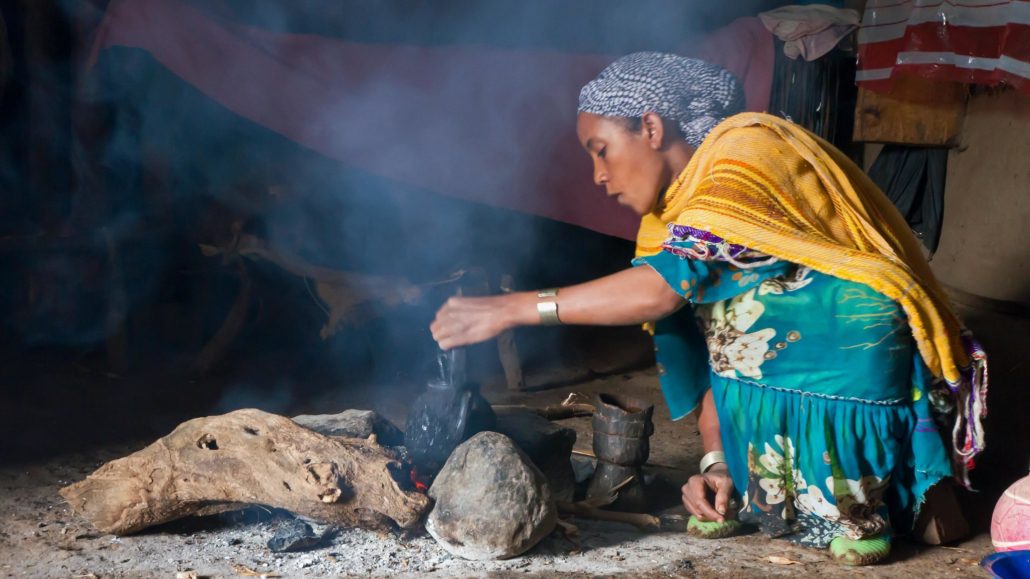
Overcrowding is common, further limiting air circulation and increasing humidity. Additionally, many residents rely on open fires or rudimentary stoves for cooking and heating and this releases harmful pollutants into the already confined spaces. The combination of moisture, poor ventilation and indoor pollution creates ideal conditions for mold growth and contributes to dangerously poor air quality in informal settlements.

Health Impacts of Mold and Poor Air

Exposure to mold and poor air in informal settlements has far-reaching health consequences, particularly for vulnerable populations like children, the elderly and individuals with preexisting respiratory conditions.

  • Respiratory Illnesses. Mold spores, when inhaled, can trigger allergic reactions, asthma attacks and other respiratory problems. Chronic exposure to indoor air pollutants, including particulate matter and volatile organic compounds from cooking fires, significantly increases the risk of acute respiratory infections, chronic obstructive pulmonary disease (COPD) and even lung cancer. Children, whose respiratory systems are still developing, are particularly susceptible to these adverse effects.
  • Allergic Reactions and Skin Conditions. Beyond respiratory issues, mold can cause a range of allergic reactions, including skin rashes, itchy eyes and nasal congestion. The damp and unhygienic conditions often associated with informal settlements can also exacerbate existing skin conditions and contribute to new ones.
  • Cognitive and Developmental Impacts. Studies have begun to link exposure to poor indoor air quality, particularly in early childhood, with negative impacts on cognitive development and academic performance. This creates an unfortunate cycle where environmental factors undermine educational opportunities, perpetuating poverty.
  • Mental Health. The constant presence of dampness, mold and poor air in informal settlements can also contribute to stress, anxiety and depression among residents. The feeling of living in an unhealthy and unsafe environment can take a significant toll on mental well-being.

Potential Solutions and Ongoing Efforts

Addressing mold and poor air quality in informal settlements requires a multi-faceted approach that considers the unique challenges of these communities.

  • Improving Housing Design and Materials. Simple design modifications, such as strategically placed windows and vents, can significantly improve airflow and reduce humidity. Educating residents on preventing water intrusion and managing leaks could also play a crucial role. Implementing affordable and moisture-resistant building materials can also help. Organizations like Habitat for Humanity often focus on improving housing conditions, including better ventilation and moisture control. Exploring the use of locally sourced, sustainable materials that offer better insulation and breathability can potentially provide long-term solutions.
  • Enhancing Indoor Air Quality Practices. Promoting access to and adoption of cleaner cooking technologies, such as improved cookstoves or alternative fuels, can significantly reduce indoor air pollution. The Global Alliance for Clean Cookstoves promotes the use of these solutions. Educating residents on simple practices like opening windows when cooking, drying clothes outdoors and maintaining regular cleaning can make a significant difference. Proper waste disposal reduces the presence of damp organic matter that can contribute to mold growth.
  • Community Engagement and Education. Informing residents about the health risks associated with mold and poor air and empowering them with practical solutions is paramount. Supporting local initiatives that focus on improving housing conditions and environmental health can lead to sustainable change. Organizations like Slum Dwellers International (SDI) often work with communities to identify and address their housing and infrastructure needs. Establishing community-based health monitoring programs can help track the prevalence of respiratory illnesses and other health issues linked to indoor air quality, allowing for targeted interventions.
  • Policy and Urban Planning Interventions. Granting secure land tenure to residents of informal settlements can incentivize them to invest in improving their homes and living conditions, knowing they won’t be evicted. Investing in basic infrastructure like drainage systems, piped water and electricity can reduce dampness and the reliance on polluting energy sources.
  • Integrated Urban Planning. Incorporating health considerations into urban planning for informal settlements, with a focus on ventilation, open spaces and access to services, is crucial for long-term public health. UN-Habitat supports inclusive and sustainable urbanization.

A Healthier Future for Informal Settlements

Addressing mold and poor air in informal settlements appears to go beyond improving housing; it also involves safeguarding public health, strengthening resilience and reducing poverty linked to environmental conditions. Implementing strategies that combine improved housing, cleaner practices, community engagement and supportive policies can help mitigate these risks and improve outcomes for affected communities.

– Anoushka Rai

Anoushka is based in Frisco, TX, USA and focuses on Technology and Global Health for The Borgen Project.

Photo: Flickr
August 1, 2025
https://borgenproject.org/wp-content/uploads/borgen-project-logo.svg 0 0 Precious Sheidu https://borgenproject.org/wp-content/uploads/borgen-project-logo.svg Precious Sheidu2025-08-01 03:00:272025-08-01 04:49:16Combating Mold and Poor Air in Informal Settlements
Education, Global Poverty

Education Reform in Rwanda

Education Reform in RwandaLearning poverty, as defined by the World Bank, is the inability of a child to read and comprehend an age-appropriate text by age 10. This has been a long-standing issue across Africa, with 89% of children experiencing learning poverty throughout Eastern and Southern Africa alone, an issue that was worsened due to the pandemic. However, education reform in Rwanda has helped improve the chances of students to thrive, from creating a more inclusive space to adding training to prepare students for real-world challenges.

Reform: A Little Means a Lot

One approach to education reform in Rwanda is a targeted strategy. Educational reform is a complex process that often attempts to address multiple issues simultaneously. As a result, progress tends to happen gradually and in small increments. However, with help from Educate!, a youth employment and skill-building organization founded by Eric Glustrom and Boris Bulayev, Rwandan schools have focused their efforts on one change in the curriculum: Entrepreneurship. A mandatory class for the upper-secondary school level, Educate! focused its efforts on practical learning rather than memorization and theory.

As of May 16, 2024, the reform has reached every secondary school in Rwanda, impacting 165,000 students annually. Teachers who incorporated the curriculum change and utilized student-centered techniques saw improvement in their students’ soft skills, which are closely linked to workplace success, such as patience and perseverance. In short, narrowing the scope of reform and focusing on one change at a time might sound like a short-term plan, but its benefits can be seen in the long term.

Expansion: Accessibility Is Key to Attendance

Educational reform is an excellent start, but another problem within Rwandan schools is the overcrowding. A typical primary classroom in Rwanda held an average of 73 students. Keeping that many students in one classroom, it becomes clear that not every student will receive the necessary attention they deserve to succeed.

However, thanks to a team-up with the World Bank, Rwanda has added more than 22,500 new classrooms across the country, decreasing the average from 73 students per class to 49. Another bonus of the expansion efforts is that an additional 68,000 students between the ages of 5 and 14 can now access school within a two-kilometer radius, which significantly aids their attendance and energy to learn.

Inclusivity: No Child Will Be Left Behind

Another important step in improving Rwanda’s education has been to sustain a more inclusive environment. This includes adding wheelchair ramps to the newly added schools and gender-segregated bathrooms, which gives students easier access to sanitation and a safe school environment.

In addition to physical changes within the school, Rwanda is also taking measures to introduce early identification of disabilities among students so that they can get the help they need. The Global Partnership for Education has helped Rwanda digitalize educational content and support technology‑based teaching, improving children’s reading and pronunciation skills.

Conclusion

Education reform in Rwanda has come a long way in the past couple of years. Efforts to improve education across Africa have had their fair share of successes and setbacks. However, with the help of global organizations, Rwanda is seeing incredible improvement in keeping up with an ever-evolving environment.

– Matthew Perduk

Matthew is based in Chantilly, VA, USA and focuses on Good News, Global Health for The Borgen Project.

Photo: Wikimedia Commons

August 1, 2025
https://borgenproject.org/wp-content/uploads/borgen-project-logo.svg 0 0 Lynsey 2 https://borgenproject.org/wp-content/uploads/borgen-project-logo.svg Lynsey 22025-08-01 03:00:142025-08-01 04:43:43Education Reform in Rwanda
Agriculture, Food Insecurity, Global Poverty

Climate-Smart Agriculture in Jordan Offers Hope

Climate-Smart Agriculture in JordanJordan has long been thirsty as the world’s second most water-scarce country. This scarcity affects more than just drinking water. It severely threatens agriculture, the industry that feeds the entire nation. Facing limited resources, Jordan is pioneering innovative, environmentally friendly farming solutions. Climate-smart agriculture in Jordan is a triple win: fighting food insecurity, protecting the planet and promoting long-term economic resilience by helping the country grow sustainably.

Agriculture’s Water Dilemma

The average Jordanian has access to less than 60 cubic meters of water per year, less than one-fifth of the U.N.’s 500 cubic meter threshold for absolute water scarcity. The problem continues to worsen. The climate crisis is causing reduced precipitation, rising temperatures and more frequent droughts, all exacerbating water scarcity.

Agriculture in Jordan faces a major challenge due to limited water resources. While the sector depends heavily on a steady water supply to grow food, it contributes significantly to the country’s water scarcity. Despite accounting for only about 5.6% of Jordan’s gross domestic product (GDP), agriculture consumes more than 50% of the nation’s freshwater. This imbalance has left many farmers who depend on agriculture for their livelihoods struggling to afford the water needed to sustain their crops.

Farming for the Future

Climate-smart farming in Jordan promises not only to address water scarcity but also to prevent it from intensifying. Using effective water management techniques, Jordan can better nourish its population and support agricultural livelihoods. This approach can potentially boost the country’s economy, benefit the 24.1% of impoverished citizens and help protect the environment.

In 2023, the World Bank launched “My Land,” officially known as the Agriculture, Resilience, Value Chain Development and Innovation (ARDI) project. Aiming to provide funding to 30,000 farming households and create 12,000 new jobs, particularly for women and youth, My Land is a shining example of the potential of climate-smart agriculture in Jordan to stimulate growth beyond crop production. The project also hopes to see benefits from one generation to the next by teaching farmers water-conservation techniques and helping them plant drought-resistant crops.

Complementing the World Bank’s work, the Jordan Hydroponics Agriculture and Employment Development Project (HAED-Jo), funded by the Ministry of Foreign Affairs of the Netherlands, seeks to develop a more efficient and eco-friendly agriculture sector. At farms like Abu Sido and Al-Jabaly, HAED-Jo has introduced a hydroponic system that enables crops to be grown in a water-based medium instead of soil. This technology can potentially reduce water consumption by up to 80%.

A Path Toward Prosperity

As global temperatures rise, Jordan will continue to confront severe water scarcity. Yet, initiatives like My Land and HAED-Jo demonstrate that the country is rising to the challenge with innovation and resilience. This progress matters beyond the environment, as agriculture has two to three times more impact on reducing poverty than other industries. Thus, climate-smart agriculture in Jordan is sowing the seeds of a more food-secure and prosperous future.

– Caroline Clark

Caroline is based in Needham, MA, USA and focuses on Global Health and Politics for The Borgen Project.

Photo: Flickr

August 1, 2025
https://borgenproject.org/wp-content/uploads/borgen-project-logo.svg 0 0 Lynsey 2 https://borgenproject.org/wp-content/uploads/borgen-project-logo.svg Lynsey 22025-08-01 01:30:592025-07-31 11:48:02Climate-Smart Agriculture in Jordan Offers Hope
Economy, Global Poverty, Women's Empowerment

How Creative Labs Are Uplifting Women in Kyrgyzstan

Women in KyrgyzstanLocated in central Asia, Kyrgyzstan is a landlocked country nestled between two mountain ranges. Since its independence from the Soviet Union in 1991, the country has been focusing on developing, working recently with the United Nations Development Programme (UNDP). In 2022, the UNDP launched its first women-centered creative labs working to achieve Sustainable Development Goals (SDGs) 4 and 5: quality education and gender equality.

Women Empowerment

Women’s empowerment has become a foundational aspect of development and falls under SDG 5, gender equality. The basis is that the more education and knowledge that women have, the more they are able to contribute to the country’s economy as well as their social stability and overall community. However, in developing nations, it can be harder for women to have the necessary resources and their opportunities become limited.

The Creative Economy

Kyrgyzstan is classified as a developing country with strong growth potential but faces significant challenges due to its landlocked geography. The creative economy, particularly sectors that support and uplift artists, especially women, has emerged as an alternative pathway for economic development in the country.

By focusing on women in Kyrgyzstan and harnessing their talents, the country is strengthening its economy by enabling broader participation across various sectors. This approach has led to multiple societal benefits, including increased employment, improved quality of life and a more inclusive society.

The creative economy has also emerged as an innovative means of promoting culture and producing tangible exports, helping Kyrgyzstan grow economically while preserving its cultural heritage.

Women Creative Lab

In 2022, the UNDP launched the Women Creative Lab (WCL) initiative, women-focused workspaces established across Kyrgyzstan. The UNDP describes WCLs as more than just physical spaces; they are environments where women can learn new skills, access opportunities and improve their overall quality of life. By providing women in Kyrgyzstan with a space to create and grow, the initiative addresses gender inequality and enhances education.

The campaign started by targeting more than 25 thematic events and helping them create a safe working space, as well as giving them resources and a network so that they can grow further. The campaign was initiated by the UNDP’s Acceleration initiative with the support of the leading business acceleration in the Kyrgyz Republic, “Welcome KG.”

Expanding the WCL

Since the launch of the first WCL in Osh in 2022, two additional labs have opened in Abad and Batken in 2023, with plans to support more than 200 women across Kyrgyzstan. Since their founding, the WCLs have already empowered hundreds of women, demonstrating how the creative economy can serve as both a development tool and a means of uplifting women.

At these labs, women can take classes, engage in creative and skill-building activities and access a wide range of resources. Beyond creativity, the WCLs provide education on sexual and reproductive health, gender equality, legal rights and financial literacy. These centers have become safe, empowering environments where women in Kyrgyzstan can grow, learn and build the confidence and skills needed to support themselves.

Looking Forward

Kyrgyzstan hopes to grow its creative economy by establishing more creative labs and expanding its reach so that it can help more women. After being operational for three years now, the laboratory has been able to expand to more locations and as they continue to grow, more women are becoming employed and the county’s GDP has increased.

The organization is finding that the laboratories also attract more grassroots NGOs to the area to drive development and establish better initiatives. Through these creative labs in Kyrgyzstan, women are given more opportunities that not only benefit themselves but also the country as a whole.

– Olivia Peters

Olivia is based in Newport, RI, USA and focuses on Good News and Technology for The Borgen Project.

Photo: Flickr

August 1, 2025
https://borgenproject.org/wp-content/uploads/borgen-project-logo.svg 0 0 Lynsey 2 https://borgenproject.org/wp-content/uploads/borgen-project-logo.svg Lynsey 22025-08-01 01:30:122025-07-31 11:40:49How Creative Labs Are Uplifting Women in Kyrgyzstan
Global Poverty, Women and Female Empowerment

The Flipflopi Project: Women Recycling Programs in Kenya

FlipflopiWomen’s recycling programs in Kenya are turning plastic waste into economic opportunity. Women like Lorna Rutto and Nzambi Matee are transforming plastic garbage into economic strength. Rutto, the founder of EcoPost, has repurposed more than 13 million kilograms of plastic into resilient fence posts, generating at least 300 employment opportunities, mostly for women in economically disadvantaged neighborhoods. Simultaneously, Matee, an engineer and the creator of Gjenge Makers, transforms plastic into colorful pavement bricks that, according to reports, are five times stronger than concrete, processing up to 25 metric tons of garbage weekly.

In Kenya, initiatives such as EcoPost and Gjenge Makers demonstrate how recycling serves as a mechanism for economic development, particularly for women. These projects provide more than employment; they cultivate technical skills, foster leadership and empower women to become environmental stewards and entrepreneurs. In a nation that produces more than 22,000 tons of garbage each day, these women-led initiatives are facilitating community sanitation while directly confronting gendered poverty.

Recycling as a Path to Economic Empowerment

In Kenya’s expanding green economy, recycling goes beyond simple street cleanliness; it is fundamentally about generating livelihoods, especially for women in marginalized communities. TakaTaka Solutions, a trash management and recycling company located in Nairobi, employs women in sorting facilities, where they get training to segregate plastics, metals and biological materials for resale. As of 2023, TakaTaka processed up to 95% of collected garbage and created hundreds of formal employment opportunities, mostly for women who were previously engaged in informal labor or were unemployed.

Some initiatives further integrate recycling with entrepreneurship. In Kibera, Nairobi’s biggest informal settlement, the Human Needs Project runs a Women’s Empowerment Center that trains women in trash management, recycled craft production and microenterprise business planning. These projects provide both money and access to computer literacy, accounting and leadership training; skills often inaccessible to women in underprivileged regions.

The Human Needs Project, in collaboration with Mr. Green Africa, has implemented a PET-plastic collecting “cage” system that allows residents, particularly women, to recycle bottles in return for points that can be exchanged for water, sanitation and skills training. Peter Muthaura, the Director of Training and Strategic Partnerships for the initiative, explains:

“This innovative approach incentivizes responsible waste management, promotes a cleaner environment and fosters economic empowerment in the community.” Women’s recycling programs in Kenya are redefining economic roles for women by formalizing waste collection work and offering technical and entrepreneurial training. A formerly inconspicuous, low-prestige occupation has suddenly become a pathway to enhanced autonomy and influence.

From Margins to Leadership

Women in Kenya’s recycling industry are not just generating income; they are assuming leadership positions, transforming community perceptions about garbage and gender roles. The Flipflopi Project in Coastal Kenya, a circular economy program that constructs boats and household products from recycled plastic, has emerged as a platform for empowering women as craftsmen, educators and environmental champions.

The initiative developed a plastic recovery and training center in Lamu County, targeting 60% of the archipelago’s population and provides vocational programs in plastic processing, upcycling, traditional boatbuilding and storytelling skills for women. In its 2019–2021 expeditions, women craftsmen had a significant role in both constructing the boat and facilitating workshops, addressing students and interacting with county authorities.

As Flipflopi co-founder Dipesh Pabari explains: “A multi-colored boat made of flip flops is a conversation starter, no matter who you are.” Women affiliated with Flipflopi are transforming norms by doing outreach events with politicians and media, therefore establishing themselves as prominent advocates in environmental and community development. 

Why Recycling Solutions in Kenya Work

The success of Kenya’s recycling projects is attributed not just to innovation but also to the ecosystem, including legislation, community ownership and cultural preparedness for change. Collectively, these elements foster an atmosphere in which women are not only included but essential to the development of the green economy.

  • Progressive Environmental Policies. Kenya has shown political commitment to garbage management. The 2017 national plastic bag ban was among the most extensive globally and its implementation established a foundation for enhanced recycling systems. The 2021 Sustainable Waste Management Act officially acknowledged the contributions of community-based waste pickers and required the incorporation of women and youth in county-level waste management plans.
  • Decentralized, Community-Driven Models. In contrast to many centralized systems, Kenya’s recycling infrastructure flourishes via local cooperatives and public-private partnerships, mostly managed or maintained by women. This decentralized approach guarantees that solutions are customized to local requirements, whether in urban informal settlements or coastal fishing communities. Flipflopi, for example, depends on local beach-cleaning organizations, mostly led by women, to gather plastic for its community boat-building workshops. M-taka in Kisumu exemplifies the use of technology, social incentives and organized training to educate 1,140 women, train 75 as recycling agents and process more than 103 tons of recyclables, facilitated by community-based buy-back shops and a mobile application.
  • Integration with Broader Development Goals. These projects extend beyond recycling; they connect waste management solutions to training, financial empowerment and health education. Companies such as M-taka integrate waste collection initiatives with teaching on responsible waste management and economic skills for women, using digital platforms. A UNDP-supported NAMA research outlines that Kenya’s circular economy program has the potential to generate 1,600 jobs, enhance health and promote income fairness, particularly favoring women in the waste industry.

Scaling the Model

As Kenya’s recycling industry expands, the current issue is to scale effective models while preserving their community-oriented and gender-inclusive foundations. Organizations, politicians and funders are increasingly prioritizing replication, extending validated projects to new counties, farther into informal settlements and allied industries like construction, agriculture and energy.

  • Geographic Expansion: M-taka’s Regional Rollout. M-taka, first tested in Kisumu, intends to duplicate its effectiveness across Western Kenya through new satellite centers and collaborations with both government and private stakeholders. It has obtained backing from climate technology investors to implement satellite gathering sites and integrate a mobile application in additional counties in 2025.
  • Community Replication: Flipflopi’s Open-Source Toolkit. The Flipflopi Project has progressed beyond the construction of the world’s first recyclable plastic dhow. Through its Lamu-based Design and Training Centre, it currently instructs boat and furniture fabrication using community-sourced plastic.
  • Cross-Border Knowledge Sharing Based on East African Campaigns. The Flipflopi Lake Victoria campaign, including a recycled plastic dhow that navigated Kenya, Tanzania and Uganda, highlighted transboundary plastic issues and stimulated regional collaboration. The campaign included community clean-ups and policy discussions in each nation, facilitating a collective vision for East African action on plastic. The women’s recycling programs in Kenya are currently transitioning into a scaling phase, characterized by technology-driven geographic expansion, open-source replication resources and regional advocacy collaborations. These initiatives aim to eliminate plastic waste while disseminating a proven, women-centric circular economy model across East Africa.

Looking Ahead: From Plastic to Power

What started as grassroots initiatives to clean up Kenya’s streets, beaches and rivers has evolved into a robust paradigm of economic empowerment, environmental stewardship and gender fairness. In urban areas and coastal communities, women are transcending the periphery of informal trash labor; they are constructing boats, managing businesses, educating future leaders and influencing the grassroots perspective of sustainability. 

As initiatives like M-taka and Flipflopi expand their operations and distribute their frameworks, Kenya’s recycling movement is transitioning from a localized success to a regional model for inclusive green development. The message is clear: with appropriate assistance and foresight, waste is not only an issue to address, but it also serves as a foundation to build on.

– Ray Bechara

Ray is based in Glasgow, Scotland and focuses on Good News for The Borgen Project.

Photo: Flickr

July 31, 2025
https://borgenproject.org/wp-content/uploads/borgen-project-logo.svg 0 0 Precious Sheidu https://borgenproject.org/wp-content/uploads/borgen-project-logo.svg Precious Sheidu2025-07-31 07:30:222025-07-31 01:56:43The Flipflopi Project: Women Recycling Programs in Kenya
Electricity and Power, environment, Global Poverty, Natural Disaster

The Journey To Renewable Energy in Micronesia

Renewable Energy in MicronesiaMicronesia (or the Federated States of Micronesia) is a small country located in the continent of Oceania. A large advocate of environmental policy, renewable energy in Micronesia has a long history behind it. Through many years of struggle and advancements, Micronesia has made its intentions for a clean future clear.

Life in Micronesia

While Micronesia’s environment is beautiful, living there isn’t easy.  In 2013, 41.2% of the population lived below the national poverty line, a statistic that the World Bank Group estimates to be higher post-COVID-19. Due to its isolated geography, poor mineral deposits and lacking economy, opportunities can be slim.

Electricity is a scarce resource in Micronesia; most of the country is reliant on diesel generators that power a central grid. Most communities do not have day-long access to electricity. Individual households are not the only parties affected by a lack of energy; hospitals have to work with a less-than-ideal power supply as well.

For those with more reliable access to electricity, another problem rears its head. Aging infrastructure causes many power grids to be vulnerable to intense weather like typhoons. This leads to frequent power outages as the grids fail to hold under the conditions.

Fossil Fuels in a Changing World

As an island country, Micronesia experiences some of the highest rates of sea-level rise per year on the planet. A reliance on diesel generators, which produce more pollutants than gasoline engines, exacerbates the issue. Its economic reliance on fisheries and farming causes a unique need to halt the unsustainable fossil fuels use as weather patterns rapidly intensify.

Micronesia’s reliance on diesel generators is more than just an environmental issue however, it is also a financial one. Micronesia has a severe lack of local fossil fuel deposits, this includes resources to fuel these generators. Due to this, Micronesia must outsource its entire fuel supply.

The U.S. used to pay for these fuel imports, but that stopped in 2004. As Micronesia locally lacks typical energy sources, the cost for a fossil fuel economy is too great for Micronesia to handle.

A Plan To Help

In 2004, Micronesia implemented a Strategic Development Plan to outline the goals and benchmarks of renewable energy in Micronesia up until 2023.  This plan detailed multiple advancements towards green energy, such as providing sustainable funding for environmental programs and would outline the approach towards green energy for the coming years.

This plan provided an outline that would pave the way for climate and disaster policy, as well as the formation of new climate committees. Through this new focus, renewable energy in Micronesia has grown into a larger force. Solar energy has become prevalent in the country, playing a large role in the hopeful eventual phasing out of the reliance on diesel.

A Green Future

Renewable energy in Micronesia still has a long way to go. The country still has an overwhelming reliance on diesel generators, and most households are still without electricity. However, through actions both past and present, there is undeniable progress ahead.

The World Bank’s recent ARISE Project is set to be a significant boon for the country. The project aims to increase solar construction, creating both mini-grids and home systems. It also aims to strengthen the older grid’s infrastructure to make them more resilient to natural events. This project will help more than 3,000 people gain electrical access.

The FSM recently launched its National Energy Policy through 2050. This policy outlines a future of independent power production as well as public private partnership. It also calls for studies into clean energy sources such as wind, the implementation of hydropower and advancements in architecture for solar. 

Looking Ahead

With weather patterns steadily intensifying over time, renewable energy’s steady traction and momentum and an ambitious goal of net zero emissions by 2050, a green future is not only necessary, but inevitable for Micronesia.

– Cayle Harrison

Cayle is based in West Columbia, SC, US and focuses on Global Health and Politics for The Borgen Project.

Photo: Wikimedia Commons

July 31, 2025
https://borgenproject.org/wp-content/uploads/borgen-project-logo.svg 0 0 Jennifer Philipp https://borgenproject.org/wp-content/uploads/borgen-project-logo.svg Jennifer Philipp2025-07-31 07:30:072025-07-31 02:12:03The Journey To Renewable Energy in Micronesia
environment, Global Poverty, Government

Advances in Monitoring Air Pollution in Laos

Air Pollution in LaosLaos is one of the most polluted countries in Southeast Asia. However, it has implemented a wide-reaching air monitoring system, improving the data on real-time air quality.

What Causes Air Pollution in Laos

Numerous sources, including waste burning, vehicle emissions, forest fires, heavy industry and the widespread use of slash-and-burn agriculture, cause air pollution in Laos. Slash-and-burn agriculture is where land is cleared for planting by burning the existing forests in the area.

The region has a long history of using slash-and-burn agriculture and people consider it traditional and effective; however, it contributes significantly to air pollution in Laos.

Negative Effects of Air Pollution

Worldwide air pollution leads to about one in nine deaths. Being exposed to high levels of air pollution can lead to lung cancer, heart disease, respiratory infections and stroke. As well as an increased risk of developing dementia and Alzheimer’s. Air pollution also has economic impacts; in 2019, it accounted for the loss of 6.1% of the global gross domestic product (GDP).

Also, because air pollution causes sickness, it places extra burdens on health systems and can increase the national healthcare spending. Further, when kids miss school due to an air pollution-related illness, they miss valuable time in the classroom and their parents often have to take time off work to look after them. This impacts economic growth.

Poverty and Air Pollution

Living on less than $1.90 per day, 716 million people are exposed to unsafe levels of air pollution. Pollution levels are especially high in lower-middle-income countries, where economies often depend on highly polluting industries.

Low-income communities tend to be disproportionately exposed to unsafe air pollution levels, partly because they tend to have jobs that require them outside performing physical labor. When they get an air pollution-related illness, they also tend to have more limited access to good and affordable health care.

New Air Quality Monitors

The government is combating air pollution in Laos by installing new air quality sensors. So far, 148 schools across the country have installed sensors, ensuring coverage in every district. This provides authorities with localized, real-time data on air quality nationwide. Policymakers can use this data to shape long-term clean air strategies and take immediate actions, such as temporarily closing schools in areas with dangerous pollution levels.

Hands-on training for students, teachers and local officials accompanied the installation of the sensors. In the future, an AI-powered program will use the data collected from the sensors to provide real-time local air quality estimations for more than 8,500 villages in Laos. This will include areas that do not have on-site sensors.

Final Remarks

While air pollution in Laos remains a serious concern, the government’s investment in real-time monitoring marks a major step forward. With sensors now installed across every district and plans to expand AI-powered forecasting, Laos is better equipped to track pollution. Furthermore, this will allow the protection of public health and guide long-term environmental policy. Continued innovation and action will be essential to ensure cleaner air and a healthier future for all Laotians.

– Axtin Bullock

Axtin is based in Georgetown, MA, USA and focuses on Technology and Global Health for The Borgen Project.

Photo: Wikimedia Commons

July 31, 2025
https://borgenproject.org/wp-content/uploads/borgen-project-logo.svg 0 0 Lynsey 2 https://borgenproject.org/wp-content/uploads/borgen-project-logo.svg Lynsey 22025-07-31 03:00:292025-07-31 02:08:46Advances in Monitoring Air Pollution in Laos
Global Health, Global Poverty, Technology

Virtual Reality Surgical Training in Low-Resource Countries

5 Ways Virtual Reality Surgical Training Transforms Low-Resource CountriesIn many low-resource countries, surgical training faces limitations due to a lack of equipment, mentors and opportunities for hands-on practice. Virtual reality (VR) technology has emerged as an affordable and scalable solution to bridge these gaps. Here are five ways VR is transforming surgical education in these regions.

5 Ways VR Surgical Training Transforms Countries

  1. Teaching Without Cadavers or Overseas Travel. Virtual reality surgical training allows surgeons to practice complex procedures without cadavers or international fellowships. In a joint session between Bahir Dar, Ethiopia and the United Kingdom (U.K.), 13 Ethiopian and 30 U.K. participants viewed 360° VR-recorded orthopedic operations with live commentary; nearly all delegates reported that VR training enhanced learning value, aided surgical performance and surpassed conventional resources. In a separate randomized controlled trial involving surgical residents, immersive VR significantly boosted self-confidence compared to traditional instruction. These results demonstrate that VR training yields measurable confidence gains in settings where cadaver access remains scarce.
  2. Training Surgeons in Nepal for Emergency Procedures. Oxford Medical Simulation (OMS) has partnered with global health educators to deliver VR-based emergency medical training scenarios in low-resource hospitals, including settings like Patan Hospital in Nepal. These applications let users practice decision‑making under pressure for emergencies such as trauma and obstetric crises. A pilot study showing that VR simulation is at least as effective as traditional simulation in acute care scenarios referenced Oxford’s platform and underscored its decision‑making training capabilities. At least 150 students showed that self-assessed competence was significantly higher in VR-based courses compared to e-learning alone, though similar to tutor-led sessions. Course suitability ratings favored tutor-led training, with VR ranked in the middle. Researchers concluded that while VR enhances the learning experience, the number of sutures performed during practice remains the strongest predictor of skill.
  3. Reducing Training Costs Dramatically. Traditional cadaver labs cost schools up to $10,000 per cadaver and limit how many students can train at once. Synthetic cadavers like SynDaver’s models cost around $70,000 but avoid tissue decay and pay for themselves within a few years. Virtual reality surgical training is even more affordable. VictoryXR’s virtual cadaver labs cost about $15,000 and let multiple students study photorealistic anatomy simultaneously. Though haptic feedback remains limited, VR reduces costs and expands access to advanced surgical training for schools with fewer resources.
  4. Enhancing Cataract Surgery Skills in Ethiopia. Orbis International teamed with FundamentalVR in 2025 to deliver virtual reality surgical training for cataract surgery to ophthalmologists across Ethiopia. The new tool uses affordable gaming hardware and focuses on manual small-incision cataract surgery, the technique most commonly performed in low-resource countries. It enables independent learning through automated performance monitoring and feedback, helping residents build skills in a realistic simulation before entering the operating room. The VR platform integrates with Orbis’s telemedicine and e-learning platform, Cybersight and is already in use at partner hospitals in Ethiopia, Bangladesh, China, Mongolia and India. By targeting local surgical methods and offering affordable, portable training, this program aims to grow the number of skilled cataract surgeons and improve patient outcomes in underserved communities.
  5. Improving Competency for Laparoscopic Surgeries. OMS launched VR training for laparoscopic cholecystectomy in partnership with local medical universities in countries like Nepal and Ethiopia. Trainees practiced precision skills such as bead placement, bead transfer, balloon cutting and intracorporeal suturing. Post-training assessments showed significant improvements, with task completion times reduced by up to 137.8 seconds for suturing exercises. The mean workshop score increased from 8.15 to 9.3, reflecting greater surgical proficiency and confidence. Sentiment analysis also found that 88% of participants reported an increased interest in pursuing surgery as a career.

Strengthening Surgical Training Systems

Virtual reality surgical training is revolutionizing how surgeons gain critical skills in low-resource nations. By eliminating reliance on cadavers, costly labs and overseas fellowships, these programs empower countries to build strong surgical workforces locally. Early results show marked gains in surgeon competency, speed and confidence. As this technology continues to expand, it holds the potential to transform patient outcomes and strengthen health systems where surgical care has long been out of reach.

– Hayden Chedid

Hayden is based in Parker,CO, USA and focuses on Technology and Global Health for The Borgen Project.

Photo: Flickr

July 31, 2025
https://borgenproject.org/wp-content/uploads/borgen-project-logo.svg 0 0 Precious Sheidu https://borgenproject.org/wp-content/uploads/borgen-project-logo.svg Precious Sheidu2025-07-31 03:00:072025-07-31 02:03:30Virtual Reality Surgical Training in Low-Resource Countries
Global Poverty, Refugees, Women's Empowerment

Aboutengue Refugee Camp: Women Achieving Financial Freedom

Aboutengue Refugee CampA Sudanese refugee helps women achieve financial freedom in a camp in Chad. Fatima Zakaria works with women across Aboutengye to build a new independent life away from the conflict in Sudan.

Fatima Zakaria

In June 2023, Zakaria’s hometown of El Geneina in western Darfur was attacked and her life was altered forever. The 27-year-old social worker for the Ministry of Social Affairs had graduated from university and was looking forward to furthering her studies when war broke out in Sudan. She then fled the war-torn country and made the journey to a refugee camp.

She remarks on the journey, “We were scattered. My family fled in different directions and I got separated from my mother and some of my siblings.” When she was settled into the camp, she reconnected with her mother and siblings, but had lost her father, husband and three of her siblings. During her journey to safety, she was shot in the leg near the border. She has since made a full recovery.

Sudanese Civil War

The Sudanese Civil War has displaced 13 million people from their homes and made 3.8 million refugees since it began in 2023. The conflict broke out over a struggle for power between the Sudanese army and a paramilitary group, the Rapid Support Forces.

During the three years of fighting, the country has experienced a famine and claims of genocide in the western Darfur area. More than 150,000 people have died as a result of a conflict that the United Nations (U.N.) has called the world’s largest humanitarian crisis.

Aboutengue Refugee Camp

Since April 2023, Zakaria has been among the more than 800,000 refugees who have fled to safety in eastern Chad. According to the UNHCR, the U.N. Refugee Agency, the average number of people crossing the border has reached 1,400 daily.

Most refugees are women and girls arriving in Chad’s Wadi Fira and Ennedi Est provinces. Zakaria found safety in Aboutengye, one of five refugee camps in eastern Chad that now provides shelter to more than 50,000 people. Charities such as Médecins Sans Frontières/Doctors Without Borders (MSF) have worked to improve the facilities in such camps.

MSF has helped to build a faecal sludge treatment site, which soon became known as the “poop factory” among the residents. The project provides an innovative solution to treat and safely dispose of sludge from latrines; this process also works sustainably with the environment and involves growing safe-to-eat bananas.

Zakaria’s Work

Zakaria decided to rebuild her life in the camp and use her experience to support other women in the community. She worked with fellow refugees to form an association that joins different women’s groups in the camp. Activities such as making traditional incense and perfumes, basket weaving and handicrafts bring together women from several generations.

Zakaria speaks out on how many of these women have lost their husbands due to conflict and she “created [the association] to empower them on how to generate income in the camp.” She has since opened her small home to the association as a hub for weekly meetings where the women share ideas and experiences. The group discusses challenges they face in the camp and daily life. The haven provides a space for any woman in the settlement to talk through her problems and receive emotional support.

She wishes to continue her education to support her mother and sisters, who face a different life from the one they grew up with. She believes education is the answer to helping more people in her community.

Conclusion

Despite experiencing hardship, from the death of family members to being forced from her home, the Sudanese refugee helps women better their lives. She uses her skills and determination to improve her life, her family and the community of women that now call Aboutengue refugee camp home.

– Phoebe Guildford

Phoebe is based in Cardiff, Wales and focuses on Good News for The Borgen Project.

Photo: Pixabay

July 31, 2025
https://borgenproject.org/wp-content/uploads/borgen-project-logo.svg 0 0 Lynsey 2 https://borgenproject.org/wp-content/uploads/borgen-project-logo.svg Lynsey 22025-07-31 03:00:032025-07-31 01:50:00Aboutengue Refugee Camp: Women Achieving Financial Freedom
Page 144 of 2162«‹142143144145146›»

Get Smarter

  • Global Poverty 101
  • Global Poverty… The Good News
  • Global Poverty & U.S. Jobs
  • Global Poverty and National Security
  • Innovative Solutions to Poverty
  • Global Poverty & Aid FAQ’s
Search Search

Take Action

  • Call Congress
  • Email Congress
  • Donate
  • 30 Ways to Help
  • Volunteer Ops
  • Internships
  • Courses & Certificates
  • The Podcast
Borgen Project

“The Borgen Project is an incredible nonprofit organization that is addressing poverty and hunger and working towards ending them.”

-The Huffington Post

Inside The Borgen Project

  • Contact
  • About
  • Financials
  • President
  • Board of Directors
  • Board of Advisors

International Links

  • UK Email Parliament
  • UK Donate
  • Canada Email Parliament

Get Smarter

  • Global Poverty 101
  • Global Poverty… The Good News
  • Global Poverty & U.S. Jobs
  • Global Poverty and National Security
  • Innovative Solutions to Poverty
  • Global Poverty & Aid FAQ’s

Ways to Help

  • Call Congress
  • Email Congress
  • Donate
  • 30 Ways to Help
  • Volunteer Ops
  • Internships
  • Courses & Certificates
  • The Podcast
Scroll to top Scroll to top Scroll to top