How Urban Farming in Lebanon is Combating Food Insecurity
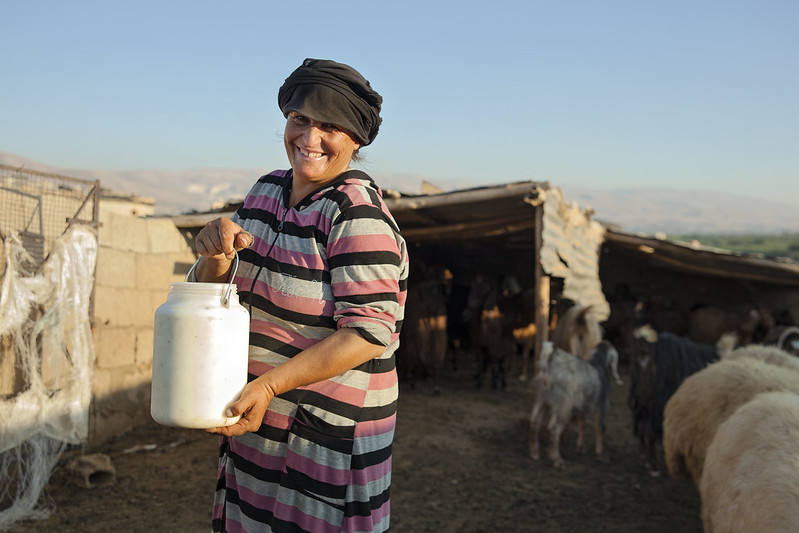 Food insecurity has become one of Lebanon’s most pressing challenges. Years of economic collapse, political instability and rising global commodity prices have left millions struggling to access basic nutrition. Estimates show that 42% of the population faced high acute food insecurity in early 2023. This crisis is especially severe in urban areas like Tripoli, where high population density, unemployment and reliance on expensive imports leave communities vulnerable to market shocks. In the Shalfeh neighbourhood of Abou Samra, a new initiative is addressing this challenge through a solution rooted in sustainability, urban farming.
Changing the System
Launched by U.N.-Habitat and funded by the Government of Japan, the Al-Marjeh project integrates food production, renewable energy and clean water access to strengthen community resilience and combat Lebanon’s food insecurity.
The program has trained 100 women and 50 youth in planting, harvesting, composting, packaging and marketing. Participants gain both technical knowledge and business skills, enabling them to produce and sell fresh produce locally.
To support this shift, the project has installed renewable energy systems and water filtration units in two public schools and a health dispensary, benefiting the residents. These improvements enhance hygiene facilities, reduce the risk of waterborne diseases like cholera and ensure sustainable access to clean water – an essential component of urban agriculture.
Reducing Poverty and Building Livelihoods
The Al-Marjeh project’s benefits extend beyond the harvest. Many graduates have received agricultural toolkits to continue production at home, reducing household food costs while generating income from surplus sales. Others have joined cash-for-work initiatives, expanding cultivation on larger plots and strengthening local food supply chains.
For residents, the training has been transformative. By learning to grow their own crops, citizens have reduced reliance on expensive imported vegetables and built more stable income streams. Examples like Omar, a young participant, who now applies his training to community gardens and helps neighbours adopt sustainable cultivation techniques, highlight the transformative impact.
This impact reflects a broader trend: urban farming fosters self-reliance, reduces dependency on volatile markets and creates spaces for community cooperation that works together to reverse Lebanon’s food insecurity. By linking food production directly to urban residents, the initiative could shorten supply chains, reduces transportation costs and improve access to fresh produce in neighbourhoods that have long relied on limited and costly imports.
Long-Term Development Impact
Urban farming in Lebanon is also a climate resilience strategy. With arable land scarce and extreme weather patterns intensifying environmental pressures, localized farming offers a way to meet food needs sustainably. The Al-Marjeh project promotes water-efficient irrigation and composting practices, reducing environmental strain while maintaining productivity.
U.N.-Habitat highlights that these projects strengthen social cohesion by involving diverse community members in collective goals. The combination of environmental sustainability, economic opportunity and improved nutrition provides a blueprint for scaling similar initiatives in other urban centres facing similar issues as Lebanon’s food insecurity.
Looking Ahead
As Lebanon continues to navigate overlapping economic and political crises, urban farming offers a practical and empowering response. By equipping residents with the skills, resources and infrastructure to produce their own food, projects like Al-Marjeh reduce vulnerability to external shocks and lay the foundation for inclusive, sustainable growth. In Tripoli’s Shalfeh neighbourhood, a simple idea—growing food locally—is helping build a more resilient future.
– Thomas Finighan
Thomas is based in London, UK and focuses on Business and Global Health for The Borgen Project.
Photo: Flickr
