• Link to X
  • Link to Facebook
  • Link to Instagram
  • Link to TikTok
  • Link to Youtube
  • About
    • About Us
      • President
      • Board of Directors
      • Board of Advisors
      • Financials
      • Our Methodology
      • Success Tracker
      • Contact
  • Act Now
    • 30 Ways to Help
      • Email Congress
      • Call Congress
      • Volunteer
      • Courses & Certificates
      • Be a Donor
    • Internships
      • In-Office Internships
      • Remote Internships
    • Legislation
      • Politics 101
  • The Blog
  • The Podcast
  • Magazine
  • Donate
  • Click to open the search input field Click to open the search input field Search
  • Menu Menu

Archive for category: Global Poverty

Key articles and information on global poverty.

Agriculture, environment, Global Poverty

Female Farmers in Bangladesh

Farmers in BangladeshBangladesh is on the frontline of the climate crisis, with rising seas, stronger cyclones and frequent floods threatening lives and livelihoods, especially along its low-lying coast. Rapid urbanization and economic growth add further pressure to vulnerable communities.

Yet, amid these challenges, stories of resilience shine through. Women like Koruna and Asma lead climate-smart farming and sustainable honey production. They prove innovative, eco-friendly livelihoods can protect the environment, support families and strengthen communities against adverse climate.

Bangladesh’s Climate Crisis

The coast of Bangladesh is particularly vulnerable to the impacts of extreme weather events, such as rising sea levels, which pose a significant threat to the nation’s development. These risks are intensified by natural disasters like the recent widespread floods, which continue to disrupt livelihoods and infrastructure. As Bangladesh rapidly urbanizes rural areas and develops hundreds of economic zones, water, energy and transportation demand surge.

The country also aims to capitalize on the “blue economy” by harnessing ocean resources for growth. However, these ambitions place additional environmental and social pressure on coastal communities already facing loss and damage from rising temperatures. Managing these climate risks has become central to Bangladesh’s development strategy, especially as tropical cyclones alone cost the country an estimated $1 billion annually.

By 2050, climate variability could cause the loss of one-third of agricultural gross domestic product (GDP), a serious concern, given that agriculture employs nearly half of the workforce. Additionally, around 13.3 million people may be forced to migrate internally over the next 30 years due to climate-driven impacts, disproportionately affecting women. The country’s GDP could fall by up to 9% in extreme scenarios, such as severe flooding. As environmental degradation and disaster costs continue to rise, Bangladesh faces mounting challenges that require urgent, sustainable solutions.

Honey Farming

Koruna, Bangladesh’s only female honey farmer, has turned her passion into a profitable and honourable livelihood, earning recognition nationwide. After attending a three-day boot camp in Bagerhat, she gained valuable knowledge on green, environmentally friendly business practices. She learned to avoid harmful materials like plastic and to understand sustainable production’s environmental and economic benefits.

The training also equipped her with marketing and pricing skills and strategies for selling products at stalls. Today, honey farming has transformed Koruna’s life: she has built her own home and another for her husband entirely from her business earnings. Her daughter and son-in-law now work alongside her. For Koruna, this venture provides financial stability and meets her family’s needs and brings immense pride in her role as a pioneering, environmentally responsible entrepreneur.

Female Farmers in Bangladesh

In the climate-vulnerable district of Bagerhat in southern Bangladesh, 37-year-old Asma’s life transformed after joining Concern’s Collective Responsibility, Action and Accountability for Improved Nutrition (CRAIIN) project in 2020. Over two days of hands-on training, she gained the skills and resources to start climate-smart farming, along with half a kilogram of earthworms, two compost rings, a compost slab, saplings and four types of seeds.

Using vermicompost she now produces, Asma has grown a thriving garden, improving her family’s diet and income. “My life changed totally after starting with the farming compost. Now I can afford education for my children,” she says. The benefits extend beyond her household.

CRAIIN has boosted community agriculture, strengthened water, sanitation and hygiene practices and enhanced nutrition knowledge. Local households now trade vegetables and other products, fostering resilience and economic opportunity. As a lead farmer connected to 400 households, Asma trains others in vermicompost production and climate-resilient cultivation. She ensures the project’s impact ripples across the community and sees female farmers prosper in Bangladesh.

Final Remarks

Bangladesh’s fight against adverse weather is also a story of resilience and innovation. Through ventures like Koruna’s honey farming and Asma’s climate-smart agriculture, communities adapt, protect the environment and boost local economies as farmers prosper in Bangladesh. Their leadership shows real change comes from policy and empowering people to drive sustainable solutions.

– Phoebe Guildford

Phoebe is based in Cardiff, Wales and focuses on Good News for The Borgen Project.

Photo: Pixabay

September 15, 2025
https://borgenproject.org/wp-content/uploads/borgen-project-logo.svg 0 0 Lynsey 2 https://borgenproject.org/wp-content/uploads/borgen-project-logo.svg Lynsey 22025-09-15 01:30:202025-09-14 23:36:26Female Farmers in Bangladesh
Education, Global Poverty

Higher Education in Namibia: Overcoming Development Hurdles

Higher Education in NamibiaThe Republic of Namibia is a Southern African nation, regarded by the World Bank as an “upper-middle-income country.” Yet according to UNICEF’s 2021 Poverty Index Report, more than 43.3% of the population lives in multidimensional poverty.

Problems Facing Namibia

Namibia has been rebuilding itself since gaining independence from South Africa in 1990. It has made progress in reducing poverty, yet strong challenges persist that continue to hinder development. Namibia has been rated one of the world’s most unequal countries, with its Gini coefficient coming in at 59.1 in 2015, second only to South Africa.

Its geographical disparities, in terms of access to services as well as wealth and economic opportunities, are significant. Much of the population, especially in rural regions, relies on the agricultural sector for their income. These incomes are unstable and unsustainable, given the nation’s susceptibility to droughts, extreme weather and food scarcity. This limits the earning potential of many Namibians.

The wealth inequality creates difficulties in accessing basic necessities, such as education. This creates a vicious cycle where opportunity is limited by a lack of skilled workers, creating high unemployment, hindering overall development and job creation. Therefore, education is crucial in breaking the nation’s poverty cycle and is identified as an optimistic solution to creating sustainable growth.

Looking Forward

Newly elected President Netumbo Nandi-Ndaitwah has begun her leadership by introducing a National Development Plan (NDP6). The plan outlines five key areas of focus, including modernizing industrial infrastructure and promoting new technologies, to improve employment opportunities amid an unemployment crisis among the nation’s younger, working-age population.

A major aspect of achieving the NDP6’s employment and opportunity objectives focuses on higher education in Namibia. In her State of the Nation speech to Parliament, Ndaitwah outlined that “tertiary education will become 100% subsidized by the government…commencing 2026.” Namibia already provides free public elementary and high school education; the new policy would remove tuition and registration fees at universities and colleges.

The NDP6 also aims to create 80,000 new manufacturing jobs by 2030. These jobs would create demand for skilled workers produced by higher-education initiatives, in sectors such as technology, energy, infrastructure and logistics. The increase in manufacturing employment would bolster opportunities and raise average wages in the industry from N$5,749 (approximately $327) to N$10,000 ($568).

The emphasis on manufacturing is projected to increase the sector’s share of the country’s GDP from 10.6% to 18%, while boosting its contribution to exports from 42% to 60%. This shifts the nation’s reliance away from the unpredictability of the agricultural sector. It creates a skilled workforce that can continue to generate opportunities, expand their companies and stimulate long-term economic growth.

The nation’s GDP growth would also enhance Namibia’s global competitiveness and trading relations. It points to an optimistic future for a nation that has shown steady improvements since independence, despite post-pandemic disruptions. Education offers a constructive path to change.

Organizations Aiding the Progress

The optimism is supported by the foundational work of nonprofit organizations that are improving access to higher education in Namibia. The University of Namibia Foundation (UNAM) has formed strategic partnerships with the University of Namibia, generating a N$15 million (about $855,000) seed fund to enhance educational research and innovation over the next three years.

UNAM also collaborated with Namibia Asset Management (NAM) to provide more than N$4.7 million ($273,600) in bursaries, with recipients advancing to professional roles across various developing sectors.

Conclusion

Higher education is emerging as Namibia’s key to breaking the cycle of poverty and inequality. With government-backed tuition subsidies, strategic investment in manufacturing and support from nonprofit organizations, the nation is building a skilled workforce. This workforce will be capable of driving sustainable economic growth and fostering long-term development.

– Mia Keen

Mia is based in London, UK and focuses on Business and Politics for The Borgen Project.

Photo: Flickr

September 14, 2025
https://borgenproject.org/wp-content/uploads/borgen-project-logo.svg 0 0 Lynsey 2 https://borgenproject.org/wp-content/uploads/borgen-project-logo.svg Lynsey 22025-09-14 07:30:112025-09-14 01:53:29Higher Education in Namibia: Overcoming Development Hurdles
Global Poverty, Women's Empowerment

Reducing Poverty in Bangladesh via Women’s Empowerment

Reducing Poverty in BangladeshSince attaining its independence in 1971, Bangladesh has made significant strides in its policies and laws that have improved conditions for women in the nation. These changes can be attributed to the women’s movement in the country, which has helped strengthen women’s rights and empowerment across varied spheres. Though the nature of progress made by women is uneven and some inequalities remain persistent, significant changes have been observed.</span></p><h2>Reducing Poverty in Bangladesh

According to the 2025 National Multidimensional Poverty Index (NMPI) for Bangladesh, the country has made significant progress in reducing poverty. For instance, the poverty headcount ratio based on the upper poverty line fell from 31.5% to 18.7% between 2010 and 2022. Additionally, the nation has continuously outperformed its Least Developed Country (LDC) companions, achieving most of the Millennium Development Goals (MDGs) related to the health and education of children.

Within this realm, schools at the primary and secondary levels have observed significant improvements in gender parity in the context of school attendance and completion rates. Explaining how the global Multidimensional Poverty Index (MPI) is a measure of acute poverty, the NMPI’s (2025) data for Bangladesh found that “from 2014 to 2019, nearly 19 million people moved out of poverty, with the fastest progress being in Sylhet, the poorest region.” The report also suggested that Multidimensional poverty based on the gender of the household head was not significantly different between male and female-headed households.

Furthermore, other sources have reiterated the recent surge in progress in the country. A news source, Press Xpress, mentioned how the latest Household Income and Expenditure survey (HIES), 2022, showcased a decrease in poverty rates from 40% in 2005 to 18.7% in 2022. The report echoed similar findings to the previously described research, denoting that this decrease in poverty rates can be attributed to “overall improvement in people’s purchasing power, strengthening their ability to access basic items better.”

The article also noted improvements in women’s empowerment in the country. This is reflected in the growing participation of women in political discussions and arenas. It is also seen in visible advances in the health care sector, such as the recent community clinic initiative, which has contributed to a decline in maternal and child poverty rates in Bangladesh.

The Impact of Women’s Empowerment

A 2021 study centred on the impact of women’s empowerment on poverty reduction in the rural areas of Bangladesh added to the discussion. It signified that women and their spouses’ education was important in reducing income and multidimensional poverty in rural households. It gave women decision-making power regarding entering the labor market, reducing their economic dependence and holding down higher-paying jobs to support themselves.

Overall, the study found that women’s participation in income-generating activities and higher levels of education were essential factors in continuously eradicating gendered poverty. These factors also help strengthen the social standing of women in the community.

The SNAD Foundation Bangladesh

As a nation, Bangladesh has strived to achieve this dual purpose through various projects that have been implemented recently. One example is the SNAD Foundation Bangladesh (SNADF), a nonprofit organization based in Dhaka. SNADF is focused on “community welfare” and “prioritizing women and children, offering comprehensive education, training and skill development opportunities to empower them for a brighter future.” The NGO focuses on women’s economic empowerment through programs catered to skill-based workshops, vocational training courses and business development to help vulnerable women create dependable livelihoods.

The organization is focused on creating entrepreneurial and employment opportunities to enable women to be financially autonomous and stand on their own two feet. This mission aligns with SDG 5, which encourages the development of gender equality initiatives. Furthering the cause of women’s empowerment in Bangladesh, SNADF holds “awareness sessions” for families and community leaders. These sessions engage participants in discussions that question the gender status quo and encourage more open-mindedness.

Through regular monitoring, SNADF has empowered many women to start home-based tailoring businesses, gain stable employment and access microloans for growth. By linking program graduates with buyers and financial institutions the organization ensures a sustainable income for women.

The Naari Uddug Kendra Program

Another program is the Naari Uddug Kendra (NUK), a national nonprofit women’s organization established in 1991. The organization is “mandated to promote gender equality, human rights and foster personal and political empowerment of women and girls in Bangladesh.” Recognized as an advocate for gender equality, the NGO has received backing from individuals, governmental bodies and financial institutions.

An immediate goal of the establishment has been to make space for women’s representation in local government agencies, in the workplace and academic institutions.

Challenges Remain

Despite these developments in recent years and the considerable progress made in reducing poverty and gender equality in Bangladesh, much remains to be done. According to data collated by the World Bank, Bangladesh has experienced many setbacks since the interim government took office in 2025. In early 2025, the World Bank estimated that political upheaval would cause an economic slowdown in the nation, similar to 2020, the pandemic year, pushing extreme poverty to 9.3%.

This negatively impacted women, who are already an underrepresented and vulnerable population, facing unemployment rates and rising inactivity rates as high as 18% and 7.7%, respectively. While challenges persist, especially amid political instability and economic slowdown, Bangladesh’s story is one of resilience and hope. Significant advances made through initiatives like that of SNADF and NUK signal visible reductions in poverty rates and the gender gap in the country.

Through these initiatives and continuous governmental involvement, Bangladesh is creating opportunities for women to gain autonomy, education and move out of the cycle of multidimensional poverty that affects them daily. Though progress may be uneven and setbacks inevitable, Bangladesh is charting a path toward a more equitable future where gender equality is a reality.

– Vasudhaa Shakdher

Vasudhaa is based in Vancouver, Canada and focuses on Good News and Politics for The Borgen Project.

Photo: Flickr

September 14, 2025
https://borgenproject.org/wp-content/uploads/borgen-project-logo.svg 0 0 Lynsey 2 https://borgenproject.org/wp-content/uploads/borgen-project-logo.svg Lynsey 22025-09-14 03:00:512025-09-14 01:40:07Reducing Poverty in Bangladesh via Women’s Empowerment
Disease, Global Poverty, Health

Sleeping Sickness in Kenya Eradicated

Sleeping Sickness in KenyaSleeping sickness was first discovered in the early 20th century in Africa. It became the greatest threat to sub-Saharan Africa in the late ’90s. The region reported more than 40,000 cases every year, with the actual number thought to be much higher because of the remote communities suffering from underdiagnosis. By 2018, WHO statistics showed fewer than 1,000 cases across the entire continent—a historic milestone for Africa.

What Is Sleeping Sickness?

Human African trypanosomiasis (HAT), also known as the sleeping sickness, is a vector-borne parasitic disease. It is caused by protozoans of the genus Trypanosoma, transmitted to humans by bites of tsetse flies (Glossina), which have acquired the parasites from infected humans or animals.

HAT is considered a neglected tropical disease (NTD). NTD is a group of tropical infections that are common in low-income populations in developing regions of Africa, Asia and the Americas. This disease is one of 20 diseases and conditions currently classified by the World Health Organization (WHO).

These flies are very common in sub-Saharan Africa, though only certain species transmit the disease. Rural populations that rely on agriculture, fishing, animal handling or hunting are the most exposed. The disease can spread from single villages to entire regions and the incidence can vary from one village to the next.

Symptoms

Sleeping sickness can be divided into two main categories: West African sleeping sickness and East African sleeping sickness.

The East African sleeping sickness is characterized by a rapid succession of stages. Both stages take about a month and a half to show symptoms. The first stage begins immediately after the fly bites the victim. After a couple of weeks, the parasite starts to infect the brain and central nervous system.

The West African sleeping sickness takes longer to affect a person. Symptoms may be mild during the first few months after a tsetse fly bite introduces the parasite. During the first stage, an infected individual can experience fever, headache, enlarged lymph nodes, itching and joint pains.

In the second stage, once the parasite reaches the nervous system, it can cause behavioral changes, confusion, sensory disturbances and poor coordination. Sleep cycle disruption, which gives the disease its name, is a prominent feature. Without treatment, HAT is usually fatal, although rare cases of self-cure have been reported.

Kenya Eliminates HAT

Now, the disease is almost completely gone, thanks to coordinated efforts, new diagnostic tools, safer treatments and community-based surveillance. These measures help workers respond more quickly to outbreaks.

Kenya has strengthened HAT surveillance in 12 health facilities across six historically endemic counties, which act as sentinel sites. The country also actively monitors tsetse flies and animal trypanosomiasis, supported by the national veterinary health authorities and the Kenya Tsetse and Trypanosomiasis Eradication Council (KENTTEC).

The plan to eliminate this disease in Kenya is entering its final stages, but now it is crucial to ensure that the progress is sustained. WHO is working to prevent any potential resurgence that could lead to another devastating outbreak. WHO has set a goal of eliminating the threat of sleeping sickness across Africa by 2030.

Final Remarks

HAT is the second NTD to be eliminated in Kenya after the country was deemed free of Guinea worm disease in 2018. While there are still challenges involving the sickness, experts say that the trend with the disease is up-and-coming.

Kenya’s success follows similar announcements from nine other African nations: Côte d’Ivoire, Rwanda, Benin, Uganda, Chad, Equatorial Guinea, Ghana, Togo and Guinea.

– Avery Car

Avery is based in Norfolk, Nebraska, USA and focuses on Good News for The Borgen Project.

Photo: Flickr

September 14, 2025
https://borgenproject.org/wp-content/uploads/borgen-project-logo.svg 0 0 Lynsey 2 https://borgenproject.org/wp-content/uploads/borgen-project-logo.svg Lynsey 22025-09-14 03:00:342025-09-14 01:49:23Sleeping Sickness in Kenya Eradicated
Global Poverty, Health, Technology

Telemedicine in Yemen: Health Care Amid War

Telemedicine in YemenYemen is one of the world’s vulnerable countries, with a GDP per capita of just $433. Decades of conflict, including a civil war that has killed more than 300,000 since 2014, have left millions of Yemenis without necessities. Health care in particular is lacking all over Yemen. The country has a mere 0.3 physicians per capita, below the global average.

Rates of vaccination against communicable diseases hover between 40% and 50%, compared to more than 90% in Western countries. Only 50% of the country’s medical facilities are functional. It comes as no surprise, then, that 80% of Yemenis face “significant challenges” in accessing health care.

The problem is even more dire in rural areas. The scarcity of health care in Yemen has fueled major outbreaks of preventable diseases such as cholera, diphtheria and polio. These outbreaks have caused thousands of deaths and cost the Yemeni economy millions of dollars.

A Modern Solution

The enormous toll of treatable diseases in Yemen has given rise to a novel solution: telemedicine. Telemedicine is a form of low-cost health care in which physicians remotely diagnose and administer medical treatment to faraway patients. Physicians specifically utilize phone calls, text messages, online video-conferencing and other telecommunications technology to ensure their patients receive high-quality care.

Since its inception in the mid-1900s, telemedicine has proliferated—reaching millions of needy patients all over the world. In war-torn Yemen, several institutions have been using telemedicine since 1997. Leading the way are international companies, NGOs and medical associations. One example is SmartHealthTec, a Dubai-based medical equipment company that opened a branch in Yemen. The branch has recently inaugurated telemedicine platforms in the country to ensure the effective operation of its equipment “even in crisis conditions.”

Meanwhile, the international NGO Swinfen Charitable Trust has connected Yemeni doctors with medical consultants to address 85 complex cases across the country. This telemedicine approach enabled specialists to provide feedback to patients who otherwise had no access to such expertise. A 2020 study of a group of Yemeni patients and clinicians found general satisfaction with the Swinfen Charitable Trust’s telemedical consultations.

Similarly, the Eradication of Leishmaniasis [skin disease] from Yemen Project has successfully used telemedicine to reach vulnerable patients since 2013. Through WhatsApp and phone calls, Yemeni dermatologists have provided free medical recommendations to patients in different, often unreachable parts of the country. This has likely saved the lives of many patients who would have perished from skin-related conditions in a war-torn context without medical facilities.

Challenges Remain

Despite its success in reaching patients, telemedicine in Yemen still faces major limitations. Only 18% of Yemenis consistently use the Internet and just 55% have phone service. Reliable wi-fi infrastructure is also severely lacking. These barriers restrict who can access telemedicine in the first place.

Even with expanded Internet and wi-fi access, telemedicine will remain limited in scope. Severe medical conditions almost always require in-person treatment, such as surgery. Telemedicine cannot solve everything.

Telemedicine’s Potential

Regardless of its limitations, telemedicine can still strengthen health care in Yemen. Years of conflict have severely damaged the country’s physical health facilities. Yet international companies, NGOs and collaborative projects have successfully used telemedicine to reach patients in need. Its low-cost, remote nature, combined with advances in telecommunications, ensures that telemedicine will remain a vital part of Yemen’s health care system for decades to come.

– Pranav Kanmadikar

Pranav is based in Louisville, KY, USA and focuses on Technology and Global Health for The Borgen Project.

Photo: Freepik

September 14, 2025
https://borgenproject.org/wp-content/uploads/borgen-project-logo.svg 0 0 Lynsey 2 https://borgenproject.org/wp-content/uploads/borgen-project-logo.svg Lynsey 22025-09-14 03:00:122025-09-14 01:43:34Telemedicine in Yemen: Health Care Amid War
Education, Global Poverty

Education Crisis in Haiti: Poverty and Violence Threaten Education

Education Crisis in Haiti: How Poverty and Violence Threaten Children’s EducationHaiti is facing a worsening crisis as violence continues to displace more than a million Haitians into tent cities. Armed groups now control an estimated 85% of Port-au-Prince, driving a record 1.3 million people from their homes in just six months, a 24% increase since December 2024, per the International Organization for Migration (IOM). More than half of those displaced—approximately 700,000—are children. The United Nations International Children’s Emergency Fund (UNICEF) reports that the number of internally displaced children has jumped by nearly 50% since September 2024, equating to one in eight children nationwide. 

The future of Haiti’s youth hangs in limbo as schools have become fragile lifelines; some have transformed into shelters, while others are completely rundown, cutting countless children from the classrooms they once knew. Amid the education crisis in Haiti, however, a wave of grassroots initiatives and community-led action is pushing back with hope.

A Crisis of Scale and Impact

The United Nations (U.N.) estimates that 5.4 million Haitians are facing crisis-level hunger, with 5,636 people already in catastrophic famine conditions. The World Food Programme (WFP) is urgently appealing for $46 million to sustain emergency operations targeting 2 million people, including half a million children relying on school meals—a critical lifeline now at risk. At the same time, the U.N.’s 2025 humanitarian appeal for Haiti remains underfunded, with only 9.2% of its $900 million goal met.

The State of Education

More than 1,600 schools have closed in Haiti, a 60% increase in just four months—disrupting learning for more than 243,000 children. In the West and Artibonite regions, nearly 1,000 schools have shut down, impacting 300,000 students. Meanwhile, in the Grand South, the arrival of 103,000 displaced school-aged children overwhelmed the education systems. Plan International reports that more than 90% of displaced children in the South and Southeast—where 260,000 people sought refuge—have lost access to education.

Henry Noel, a volunteer of buildOn, a nonprofit that partners with rural communities to build schools and promote literacy, spoke with The Borgen Project, saying, “Right now, the education crisis in Haiti is unlike anything we’ve seen in years. Violence in Port-au-Prince has forced millions of people from their homes and almost half a million of those are children. Many of them were already out of school and the violence has only made things worse. Entire schools have been attacked or destroyed—I think about 300 schools [in the capital] were shut down because of the violence.”

Rising to the Challenge in Rural Communities

By early 2025, an estimated one million Haitians had been displaced by escalating gang violence. Many of these families fled to rural towns—places they once considered safe havens. Yet this mass migration has overburdened local schools, with large waves of out-of-school children arriving all at once. Noel states, “For the families who fled, especially into rural areas, schools are overwhelmed. We see classrooms with twice as many students as they were built for. Children who missed one or two years of lessons are trying to catch up, often without books, without supplies, sometimes even without shoes to walk the long distance to class. It’s devastating.”

Amid the education crisis in Haiti, buildOn—a nonprofit dedicated to breaking the cycle of poverty through education—has stepped up its efforts to rebuild hope and access to learning. BuildOn is an international nongovernmental organization (NGO) that brings education to rural areas, supporting displaced families. In 2024, it built a new school in Journu, serving 285 students—150 of whom were previously out of school.

Enroll Program

Its Enroll program provides accelerated learning, supplies, meals and community engagement to restore educational access quickly. “Through Enroll, we go into the communities, identify children who are not in school and create a plan with their families and teachers to bring them back. We provide accelerated learning for those who fell behind, school supplies like notebooks and pencils and even meals in some cases.” 

Speaking on how buildOn is responding to the crisis, Noel said, “buildOn’s work is focused on two main areas: building safe schools in rural communities and helping out-of-school children re-enter the education system. Last year, for example, we built a new school in Journu, a rural community that received many displaced families. That school now serves about 285 students, 150 of whom had dropped out because of violence or poverty. For us, it’s not just about the building—it’s about giving those children a safe place where they can be children again.”

Building Hope Brick by Brick

Against the backdrop of a collapsing state, scorched schools and displaced millions, there remains a lifeline in classrooms carried on shoulders, songs played on guitars and books passed hand to hand. “The resilience of Haitian children and families is truly beautiful to witness. Despite everything, when we open a new school, the joy is incredible. Parents show up to help lay bricks, students are eager to learn, teachers are determined to keep going even when conditions are hard,” Noel said.

Where schools continue to teach, poetry fills the air and hands learn to stitch or strum, hope—and Haiti’s next generation—endures. As Noel concluded, “Don’t forget the children of Haiti. Every child deserves the chance to learn, no matter the circumstances. And even in the hardest times, education is possible—if we come together to make it happen.”

– Meagan Beaver

Meagan is based in Zephyrhills, FL, USA and focuses on Good News for The Borgen Project.

Photo: Pixabay

September 14, 2025
https://borgenproject.org/wp-content/uploads/borgen-project-logo.svg 0 0 Precious Sheidu https://borgenproject.org/wp-content/uploads/borgen-project-logo.svg Precious Sheidu2025-09-14 01:30:352025-09-14 01:22:48Education Crisis in Haiti: Poverty and Violence Threaten Education
Development, Education, Global Poverty

Higher Education in the DRC

Higher Education in the DRCHistorically, political turmoil in the Democratic Republic of the Congo (DRC) has contributed to the country’s higher education gap, which persists today. Militant activity connected to the rebel group M23 has resurged since November 2021. Efforts to meet the urgent needs of the 1.2 million people displaced by violence in the eastern provinces of North and South Kivu alone have taken the place of addressing disparities in higher education.

Despite recent efforts to make education equally available, bridging this gap for rural populations, low-income families and disabled and female students remains largely on the back burner. Here’s a look at the complex factors influencing higher education as a goal for all Congolese students and the path forward to make this a reality.

The DRC’s Educational Landscape

Barriers to higher education can be traced back to the DRC’s colonial period, when education was distributed exclusively to the elite class. Today, this trend manifests as an educational gender gap. In 2020, for instance, only 8% of Congolese men enrolled in tertiary education, while this figure was a mere 5% for Congolese women. Meanwhile, the DRC has one of the youngest populations, with more than 60% of people younger than 25.

The country’s lack of educational resources poses the risks associated with an under-skilled workforce, such as high youth unemployment and economic instability. Still, from 2010 to 2024, the number of Congolese children enrolled in secondary education increased from 2.3 million to 7.5 million. With such demographics, demand for education in the DRC is predictably high, yet enrollment in higher education doesn’t reflect this.

While overall enrollment in schooling for Congolese children has shown progress, the marginal number of students able to afford higher education reveals a systematic disparity between educational demand and resource availability. As a result, future adults with less education will become vulnerable to the same financial instability that withheld them from pursuing higher education.

Factors Affecting Higher Education in the DRC

A significant correlation exists between the quality of health and the attained level of education. UNESCO considers the expected health and the attained schooling that Congolese children will receive in their lifetimes and currently estimates these children will only achieve 37% of their full potential. The DRC’s low yield in tertiary school enrollment is reflected in its low funding for educational resources, with only 2.3% of the country’s GDP invested in the education sector.

Additionally, as civil unrest displaces families, funds once set aside for higher education are instead diverted to cover food, shelter and other basic needs. Rural communities, already lacking infrastructure, remain cut off from adequate educational services, widening the resource gap between urban and rural students. In these same areas, violence often disrupts schooling, while the limited educational materials the Congolese government can distribute are stretched especially thin.

In 2019, the DRC attempted an educational reform to make free schooling equally accessible nationwide. However, many parents continued paying teacher salaries themselves. Particularly in large cities, families have struggled to sustain education through out-of-pocket payments. In contrast, higher education often remains under-resourced and staffed by undertrained teachers. Congolese teachers have gone unpaid, raising concerns that federal funds meant to improve educational quality are not reaching students as intended.

Who Is Without Access to Educational Opportunity?

While the DRC’s poor infrastructure affects all students, higher education remains disproportionately inaccessible for women because of deep-rooted cultural and social barriers. The gender gap in higher education enrollment is narrowing, yet high fertility rates and cultural pressure for early marriage compound disadvantages for women. For those who do not complete secondary school, the likelihood of marrying young and bearing children is nearly twice as high as that of their peers.

Driving Access to Higher Education

While solutions like free education can be achieved, a community-based approach is necessary to compensate for the gaps preventing Congolese youth from pursuing higher education. On a structural level, reforming the education system could produce a more relevant curriculum to better equip Congolese students for success in the workforce. Still, the need remains to eliminate social, financial and political barriers deterring students from higher education.

The DRC’s government institutions must also do their part to distribute educational resources equitably. In the meantime, the World Bank is one organization spearheading educational funding in the DRC. In 2024, the World Bank helped channel $67 million from the Global Partnership for Education to the DRC to stock classrooms, support disabled students and advance girls’ secondary education.

While external funding doesn’t promise a permanent solution for higher education in the DRC, it does set an agenda as the country continues to navigate systemic reform on behalf of its current and future students.

– Isla Hansen

Isla is based in Spokane, WA, USA and focuses on Good News and Politics for The Borgen Project.

Photo: Wikimedia Commons

September 14, 2025
https://borgenproject.org/wp-content/uploads/borgen-project-logo.svg 0 0 Lynsey 2 https://borgenproject.org/wp-content/uploads/borgen-project-logo.svg Lynsey 22025-09-14 01:30:282025-09-14 01:14:50Higher Education in the DRC
Global Poverty, Women's Empowerment

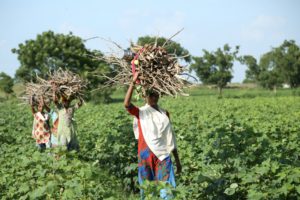
Primark’s Cotton Project in India: What It Means for Women

Primark’s Cotton Project in IndiaPrimark’s cotton project in India has helped women across the country become empowered and support themselves. In addition, the project teaches women effective farming techniques and fights poverty by spreading transferable skills.

Life for Women in India

Life for women in India has recently undergone a monumental change: women’s employment rate has doubled from 22% in 2017-18 to 40.3% in 2023-24, according to the Indian Press Information Bureau (PIB). The scale of this shift is even more striking given that it occurred in just seven years.

Female employment has risen by 96% in rural India and 43% in urban India. This progress can be attributed to multiple factors, one of which is Primark’s cotton project in India. The project is one of the ways equal opportunities are being created for women while also helping combat global poverty.

How the Cotton Project Helps

To understand why Primark’s cotton project in India is so effective, it’s important to look at where Indian women are employed. According to the Institute for Youth in Policy (YIP), more than 50% of India’s GDP comes from the informal sector, which makes up 85% of the country’s workforce. Within this, most women are concentrated in just four sectors:

  • Apparel
  • Textiles
  • Tobacco
  • Food products

According to Data for India, these sectors account for 78% of women in manufacturing. More than half of these women work in two activities: custom tailoring (apparel) and bidi production (tobacco). As of 2024, apparel remains women’s most popular manufacturing sector, employing 42.39% of them.

The Primark Cotton Project in India supports women by partnering with organizations that advocate for female workers, most notably, the Self-Employed Women’s Association (SEWA). Together with Primark, SEWA has helped train 300,000 farmers since the project’s launch in 2013, with support from CottonConnect.

The project is also beneficial because it:

  • Teaches women how to farm more effectively, using less water and fewer chemicals
  • Develops farming skills that can be applied immediately
  • Provides a pathway to improved incomes and lifestyles for women across India

From Primark’s perspective, the project has benefited many and serves as a way to empower women.

The Bigger Picture

According to CottonConnect, the Primark Cotton Project in India has been an even greater success. For example, the project is estimated to have reached 26,000 people in rural India. This reach is especially significant given that 32.5% of rural Indians live in poverty.

Another success has been the cultural shift toward women becoming authoritative figures who are well respected. This shift helps combat poverty by opening up higher-paying roles for women, positively impacting family support and education.

The Future

Going forward, Primark’s Cotton Project in India will remain one of the many ways women in India can feel empowered, support their families and improve their lifestyles. For Primark, this initiative also brings benefits as the company works toward a healthier environment while strengthening communities of Indian women.

The key takeaway is that big brands and recognizable names like Primark can drive change in multiple ways. All it takes is one voice; eventually, more will follow, leading to meaningful improvements for those in need or less fortunate.

– Ibrahim Sule

Ibrahim is based in Manchester, UK and focuses on Good News and Technology for The Borgen Project.

Photo: Wikimedia Commons

September 14, 2025
https://borgenproject.org/wp-content/uploads/borgen-project-logo.svg 0 0 Lynsey 2 https://borgenproject.org/wp-content/uploads/borgen-project-logo.svg Lynsey 22025-09-14 01:30:022025-09-14 01:32:16Primark’s Cotton Project in India: What It Means for Women
Global Poverty, Youth Empowerment

Hip-Hop Fights Poverty in Senegal Through Youth Empowerment

Poverty in senegalIn Senegal, where more than 60% of the population is under the age of  25, youth empowerment is key to tackling poverty, unemployment and democratic fragility. More than a music genre, hip-hop has become a powerful tool to educate, engage and mobilize. From Dakar’s suburbs to national TV, artists and activists are building a movement that combines culture, politics and social innovation, whilst reducing poverty in Senegal.

Hip-Hop and Civic Engagement

Politically engaged rap first gained ground in Senegal during the ’90s, amplifying the voices of underrepresented youth. “Hip-hop was born out of our desire for change,” said Matador, founder of the organization Africulturban and a pioneer of conscious rap in Senegal. He emphasized that the role of hip-hop is not to align with political parties, but to act as a watchdog. “We do not do politics with hip-hop, but we deal with politics.”

Africulturban, founded in 2006, provides vocational and creative training through its Hip Hop Akademy, offering programs in DJing, graphic design, photography and video production. Matador explained that these programs allow youth to build careers in the creative sector, noting, “These are real jobs. Some of our students now support their families with what they learned here.” He also highlighted that these programs have opened new opportunities for girls, especially in fields traditionally dominated by men, such as audiovisual production.

Providing News Through Rap in Senegal

Another initiative using hip-hop to drive civic engagement is Journal Rappé. Created in 2013 by a group of artists and journalists, the program delivers weekly rap videos both in French and Wolof, Senegal’s most widely spoken language. The videos present national and international news in a way that is accessible to young audiences. “We saw that many young people were not connecting with traditional news, so we created something they could relate to,” said Xuman, cofounder of Journal Rappé.

With more than 25 million views on YouTube, Journal Rappé has been recognized as a powerful example of music-based civic journalism. The initiative also conducts media education workshops in neighboring countries, promoting democratic participation through storytelling. “Democracy requires critical thinking and free expression,” the team member added. “And rap is a perfect vehicle for that—it is sharp, direct and resonates with youth.”

Empowering Senegalese Youth Through Hip-Hop Training

Impact Senegal Association, another youth-focused organization, aims to provide technical training to bridge the gap between education and employment, further reducing poverty in Senegal. The organization trains young people in sound engineering, lighting and stage production, offering a 1,600-hour program over two years. According to founder Amadou, more than 50% of trainees are women between the ages of 21 and 25.

“We believe that democracy is not just about voting. It is also about having the means to participate in society and that means having a job,” Amadou told The Borgen Project. He added that youth employment strengthens families and contributes to national development: “When a young person earns a living, they are not just escaping poverty, they are becoming an active citizen.”

Impact Senegal Association’s mission is also rooted in accessibility. Amadou emphasized the importance of creating a safe environment for women in male-dominated technical fields. “A democracy cannot ignore half of its population,” he said. “It is essential to welcome women with respect and provide the conditions for them to thrive.”

Challenges Remain

Despite these successes, organizations like Africulturban and Impact Senegal Association face persistent challenges. Many graduates of their training programs leave the country due to limited job opportunities at home. According to Matador, state support remains minimal. “Africa’s future is in our hands. No one will build it for us,” he said. “If we do not stay and fight, we are betraying our generation.”

Still, these organizations continue to mobilize young Senegalese around the belief that culture can drive economic and political change. Through music, training and public outreach, hip-hop is helping to shape a generation of informed, skilled and engaged citizens.

– Alexandra Diallo-Scholler

Alexandra is based in Los Angeles, CA, USA and focuses on Good News for The Borgen Project.

Photo: Flickr

September 13, 2025
https://borgenproject.org/wp-content/uploads/borgen-project-logo.svg 0 0 Lynsey 2 https://borgenproject.org/wp-content/uploads/borgen-project-logo.svg Lynsey 22025-09-13 07:30:462025-09-12 15:22:42Hip-Hop Fights Poverty in Senegal Through Youth Empowerment
Disease, Global Poverty, Health

The Hexavalent Vaccine Program in Senegal

The Hexavalent Vaccine Program in SenegalSenegal stands as one of Africa’s most stable and developing countries. From previous opposing leadership, Senegal now stands as a free country that can restructure its infrastructure. The most recent implementation in Senegal, the hexavalent vaccine program, plans to provide a healthier and more accessible future for health care.

The hexavalent vaccine program was officially introduced in Senegal in early July 2025. Centered on the Vaxelis vaccine, the initiative represents a major step toward ensuring healthier, more efficient lives for citizens by protecting children against multiple deadly diseases with a single shot.

Facts About the Hexavalent Program

The hexavalent program provides new, effective vaccines to combat six different diseases. The Vaxelis shot aims to prevent:

  • Whooping Cough
  • Hepatitis B
  • Diphtheria
  • Poliomyelitis (Polio)
  • Haemophilus Influenzae Type B
  • Tetanus

The hexavalent vaccine replaces the previous, separately administered vaccines. This six-in-one vaccine’s impact can be endless, as it is time and cost-effective. This three-round immunization works on a 14-week schedule for completion. With infancy, this can be a four-round immunization cycle to protect against Hepatitis B preemptively.

This program aims to improve efficiency by reducing costs and the number of injections needed. From 2024 to the present day, the price has ranged from $4.50 to $2.85 per dose. In developing and low-income countries, $2.85 per dose is the average for the three-dose vaccine.

This vaccine will impact and create financial markets that will draw investment efforts. The hexavalent program can promote a flourishing market, rather than destroying it.

Senegal’s Hexavalent Vaccine Rollout

Senegal is among the first low-income countries to adopt this innovation. This vaccine eases the burden on children and parents, strengthens polio defense and aligns with WHO’s optimized immunization schedules. Backed by Gavi (covering most costs) and the Senegalese government (20% contribution), the rollout is expected to prevent 2,300 hospitalizations annually by 2030.

The Minister of Health and Social Action, Dr. Ibrahima Sy, emphasized the importance of this program and how this reinforcing vaccine will offer a healthier future for Senegal: “For the past 18 months, our teams have been working tirelessly to prepare this transition. Hexavalent embodies our commitment to offering Senegalese children simplified and reinforced protection.”

This program signals a healthier future for fragile health care systems struggling with limited resources. Other countries are already studying Senegal’s model to adapt and strengthen their own immunization efforts.

Conclusion

With its strong commitment to universal health care coverage, Senegal is shifting its focus toward addressing the systemic barriers that continue to delay this mission. A critical review is being performed to study these weak points and how to implement successful foundations.

It marks a historic moment for Senegal, reflecting a turning point in its health sector and shaping the trajectory of future health care development across the nation.

– Emma Rowan

Emma is based in Boston, MA, USA and focuses on Global Health for The Borgen Project.

Photo: Flickr
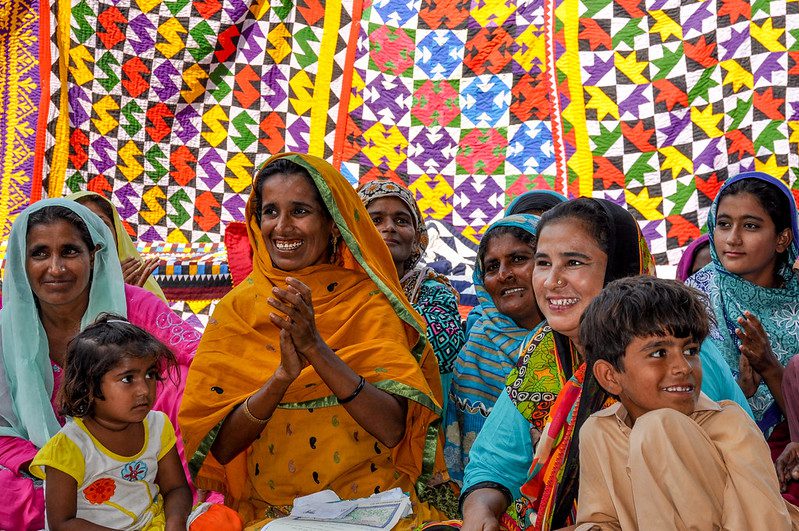
September 13, 2025
https://borgenproject.org/wp-content/uploads/borgen-project-logo.svg 0 0 Lynsey 2 https://borgenproject.org/wp-content/uploads/borgen-project-logo.svg Lynsey 22025-09-13 07:30:442025-09-12 15:14:43The Hexavalent Vaccine Program in Senegal
Page 111 of 2163«‹109110111112113›»

Get Smarter

  • Global Poverty 101
  • Global Poverty… The Good News
  • Global Poverty & U.S. Jobs
  • Global Poverty and National Security
  • Innovative Solutions to Poverty
  • Global Poverty & Aid FAQ’s
Search Search

Take Action

  • Call Congress
  • Email Congress
  • Donate
  • 30 Ways to Help
  • Volunteer Ops
  • Internships
  • Courses & Certificates
  • The Podcast
Borgen Project

“The Borgen Project is an incredible nonprofit organization that is addressing poverty and hunger and working towards ending them.”

-The Huffington Post

Inside The Borgen Project

  • Contact
  • About
  • Financials
  • President
  • Board of Directors
  • Board of Advisors

International Links

  • UK Email Parliament
  • UK Donate
  • Canada Email Parliament

Get Smarter

  • Global Poverty 101
  • Global Poverty… The Good News
  • Global Poverty & U.S. Jobs
  • Global Poverty and National Security
  • Innovative Solutions to Poverty
  • Global Poverty & Aid FAQ’s

Ways to Help

  • Call Congress
  • Email Congress
  • Donate
  • 30 Ways to Help
  • Volunteer Ops
  • Internships
  • Courses & Certificates
  • The Podcast
Scroll to top Scroll to top Scroll to top