Women’s Empowerment in Rwanda is Driving Poverty Reduction
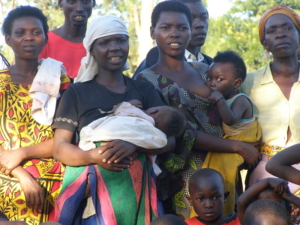 Women in Rwanda have played a pivotal role in improving the country. Their influence and policies have shown how women’s empowerment in Rwanda can reshape a nation’s social and economic landscape. With 63.8% of seats in the Chamber of Deputies held by women, the highest proportion in the world, the country has translated political representation into concrete policies that reduce poverty and improve the quality of life for all.
Increasing Exports
Almost 70% of Rwandan women work in agriculture and the practice covers a third of GDP and accounts for nearly half of all export revenues. Therefore, empowering female farmers in Rwanda is pivotal to increasing the economy. The World Food Programme (WFP) and partners have introduced various initiatives to help reduce gender inequalities, improve food security and support potential female leaders. Farmers are now being taught entrepreneurial skills such as public speaking and governing, as well as innovative farming techniques such as grafting, market access and contract negotiation.
Another major export that Rwanda relies on is coffee. With 400,000 rural smallholder families engaged in production, coffee remains a cornerstone crop in Rwanda. Among the key actors is the Twongere Umusaruro Cooperative (TUK), which works closely with the Relationship Coffee Institute (RCI). Founded in 2013, RCI aims to transform the lives of rural, low-income women coffee farmers by providing training and access to markets. Initially working with 4,000 women, the organization has since expanded to support more than 30,000 coffee growers.
Additional Women’s Centers
Rwanda has established several women’s centers to address gender-based violence, inequality and discrimination, while promoting economic empowerment. Access to justice has improved nationwide, with eight centers providing comprehensive services to survivors of gender-based violence.
Furthermore, Women for Women Rwanda’s program has reached more than 80,000 women, providing training, mentorship and opportunities to build sustainable livelihoods. The organization also works with men through the Men’s Engagement Program (MEP).
Using a “training the trainer” approach, local leaders teach men about women’s rights and gender equality, encouraging them to influence others and create environments where women can reach their full potential. In 2023 alone, 920 men completed the MEP.
Improving Women’s Financial Inclusion
Women in Rwanda are more likely to struggle financially. They face higher unemployment rates and men still hold most managerial positions. To address this, the government has implemented the “Gender Equality Seal” program. If the government deems that a company supports women as much as men, it receives this title and additional benefits. As a result, women’s financial situations have improved, with access to financial products increasing by 11%.
Additionally, the Joint Programme on Accelerating Progress Toward the Economic Empowerment of Rural Women (JP RWEE) works across Africa, including Rwanda and is currently in its second phase. The program focuses on strengthening rural women’s access to finance and ensuring the lasting impact of their knowledge and skills.
Better Health Care
Rwanda has made significant strides in health care for women and children through innovation, technology and targeted interventions. The Rwanda Health Information System (RHIS) has made collecting and managing health data far more efficient. Furthermore, drones have greatly improved medical delivery time, particularly to remote areas.
The RapidSMS program sends pregnant women free text messages with health information, appointment reminders and alerts to health facilities about danger signs in their communities. These innovations have accumulated a global record in reducing maternal mortality. To maintain this progress, Rwanda has introduced maternal death audits, which investigate each case and recommend measures to prevent future fatalities.
Moreover, life expectancy for women in Rwanda has risen to 72 years. Around 97% receive antenatal care and more than 64% of married women use some form of birth control. Prevention of Mother-to-Child Transmission (PMTCT) services are available in 85% of health facilities, effectively eliminating mother-to-child HIV transmission. The government also plans to achieve 100% access to drinking water and electricity, with no significant gender disparities, further supporting women’s health and well-being.
Accessible Education
Rwanda has achieved universal education. Primary education is free and compulsory, with girls’ enrollment in primary school currently standing at 98%. Government programs have led to a more comfortable environment for girls. These include school feeding programs, 12 years of basic education and gender-friendly school environments. As a result, girls’ enrollment in science, technology, engineering and maths (STEM) subjects has risen considerably.
Prior to current initiatives, period poverty forced young women in Rwanda to stay at home. The government introduced Icyumba Cy’umukobwa (The Girls’ Room) to address the issue. These rooms provide a safe space for menstruating girls, offering free sanitary products, beds, pain relief and towels. Experienced female advisors support girls in navigating the challenges of menstruation. Furthermore, Rwanda also removed VAT on sanitary products as a nationwide initiative, continuing the fight to end period poverty for all.
Conclusion
Rwanda’s experience demonstrates that empowering women is a matter of social justice and a powerful driver of national development. From political representation and economic participation to education, health care and social initiatives, women’s empowerment has tangibly reduced poverty, increased productivity and improved quality of life across Rwanda. Women in Rwanda are proving their value and showcasing how sustainable development is inseparable from gender equality. Investing in women is investing in the future of the nation.
– Lysia Wright
Lysia is based in Derby, UK and focuses on Good News and Global Health for The Borgen Project.
Photo: Flickr
