• Link to X
  • Link to Facebook
  • Link to Instagram
  • Link to TikTok
  • Link to Youtube
  • About
    • About Us
      • President
      • Board of Directors
      • Board of Advisors
      • Financials
      • Our Methodology
      • Success Tracker
      • Contact
  • Act Now
    • 30 Ways to Help
      • Email Congress
      • Call Congress
      • Volunteer
      • Courses & Certificates
      • Be a Donor
    • Internships
      • In-Office Internships
      • Remote Internships
    • Legislation
      • Politics 101
  • The Blog
  • The Podcast
  • Magazine
  • Donate
  • Click to open the search input field Click to open the search input field Search
  • Menu Menu

Archive for category: Global Poverty

Key articles and information on global poverty.

Disease, Global Poverty, Health

Diseases Impacting Bolivia and the Work To Mitigate Cases

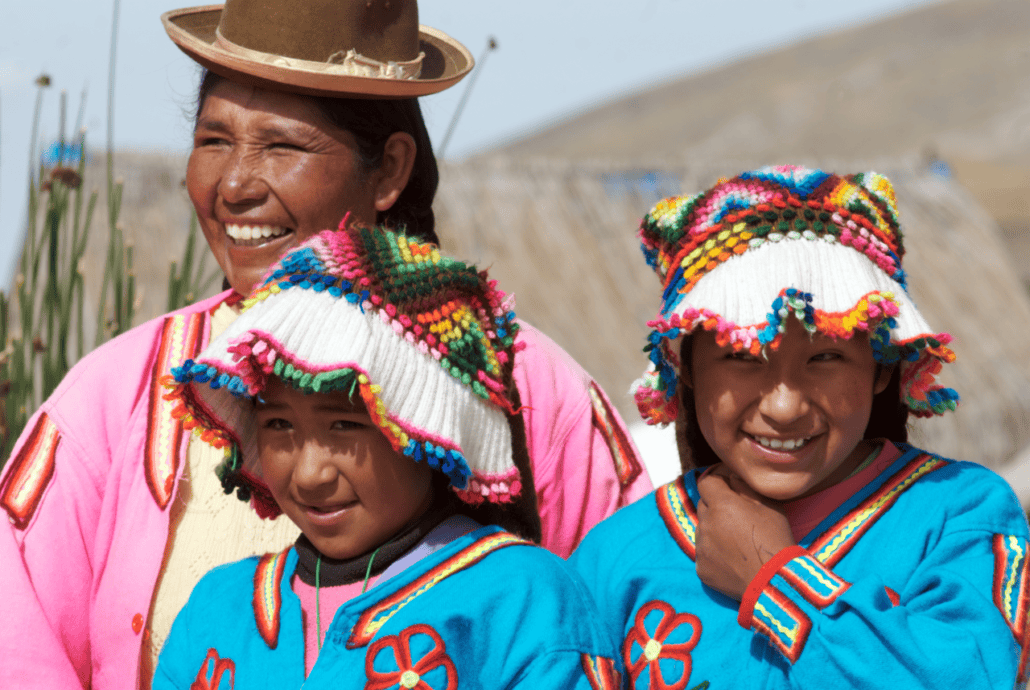
Diseases Impacting BoliviaBolivia, a country centrally located in South America, has a population of roughly 12.7 million people. The nation borders other countries such as Brazil, Paraguay, Argentina, Chile and Peru. Its central location in the continent makes it extremely important to contain any diseases that start-up within the country. There have been multiple diseases impacting Bolivia, however, recently, Bolivia has dealt with one outbreak in particular that has caught the eye of international health organizations. There are two other diseases that health officials currently are monitoring with a standard level of caution after a reduction in cases due to health officials and organizations recent efforts.

The Main Outbreak of Focus

Currently, International Health Organizations are focusing on one main Chikungunya outbreak. In recent months, the virus has popped up in the cities of Santa Cruz, the eastern side of Bolivia, and Cochabamba, a central region. Chikungunya is a mosquito-borne and transmissible illness that causes fever and severe joint pain. Symptoms typically begin 3-7 days after an infected mosquito bites. The virus currently has no specific treatment, however, death due to the virus is rare.

The CDC currently has Bolivia’s Chikungunya outbreak listed in the Level 2 Category titled “Practice Enhanced Cautions.” Its main advice for prevention of obtaining the virus is actions necessary to avoid mosquito bites. These actions include using insect repellent, wearing long sleeved clothing and residing in places that have screens on windows and doors. Homeless individuals across the country become more vulnerable to contracting the virus as their access to housing with screens on windows and doors is more limited. Additionally, the CDC recommends the virus-like particle vaccine Vimkunya for travelers visiting chikungunya outbreak areas. Chikungunya certainly stands out as the primary focus for health officials out of the couple of diseases impacting Bolivia currently.

Global Dengue

The CDC lists two other diseases, global dengue and global measles, in the Level 1 Category titled “Practice Usual Precautions.”

Global dengue, like Chikungunya, spreads through infected mosquitoes and is a year round risk to many parts of the world. The virus usually takes up to 2 weeks to develop and causes fever, headache, nausea and vomiting. The CDC placed Bolivia in Level 1 for global dengue due to a couple reasons that include higher reported numbers of dengue than usual in the country, a higher than expected number of dengue cases among U.S. travelers returning from Bolivia and an outbreak that health officials recently mitigated. In order to prevent contracting this virus, health officials recommend avoiding mosquito bites by wearing long sleeved clothing and applying insect repellent. Global dengue popped up significantly in Bolivia in 2024 with close to 60,000 cases appearing in 2024 alone.

PAHO’s Efforts

The Pan-American Health Organization (PAHO) worked with Bolivian authorities to improve the quality of clinical care within the country so that doctors increased their ability to detect the virus early. This assistance from the organization became part of a multi-country program to mitigate the number of cases of dengue that popped up in countries such as Bolivia, Paraguay, Guatemala, Honduras and Panama. The program started wrapping up its work in mid-2025 and the five countries involved jointly saw a 70% average reduction in new cases compared to the previous 5 years.

Global Measles

Global measles is a respiratory illness that is highly contagious. It spreads through coughing and sneezing and typical warning signs and symptoms of the illness include a red bumpy rash, a high fever and red watery eyes. The CDC recommends receiving the Measles-Mumps-Rubella (MMR) Vaccine as the primary way to avoid contracting the virus. Additionally, the CDC advises the vaccination in particular to those who are traveling internationally.

The CDC placed Bolivia in Level 1 for global measles due to both the recent rise in cases in many countries across South America and a recent outbreak that happened in Bolivia itself. The measles outbreak in Bolivia started in April of 2025 eventually leading to a national emergency declaration with health officials reporting around 600 cases across the country.

Bolivia’s Vaccination Efforts

In response, Bolivia ramped up their vaccination efforts and were able to administer 1 million doses to children mostly aged 1 to 20 years old. Coverage for the vaccine expanded in response to this outbreak as 5 to 20-year-olds received the vaccine when previously coverage focused on 1 to 4-year-olds. Unfortunately, coverage for both first and second doses of the vaccine still is below the 95% threshold that helps ensure prevention of outbreaks. Doctors and helpers assisting with vaccination efforts focused on rural indigenous areas in particular as both distance and poverty posed a challenge. Local brigades went door to door while coordinating with local community leaders in order to ensure that the vaccines reach those in the communities who needed it.

The National Vaccination Registry helped assist in efforts as well by helping identify children that had incomplete vaccination schedules. Additionally, the Pan-American Health Organization (PAHO) and the Government of Canada worked to help Bolivia with outbreak control and quick response in order to mitigate the spread of this and other diseases.

Looking Ahead

Ultimately, diseases impacting Bolivia such as Chikungunya, Measles and Dengue have all had surges in numbers in recent years. The outbreaks brought concern to health officials and the key is the continuous work to limit the resumption of breakouts of these diseases. The work up to this point by organizations such as the Pan-American Health Organization contributed massively to a large reduction in cases and it is a positive sign of what is to come in the future.

– Drew Allen

Drew is based in Wilmington, DE, USA and focuses on Global Health for The Borgen Project.

Photo: Wikimedia Commons
July 6, 2026
https://borgenproject.org/wp-content/uploads/borgen-project-logo.svg 0 0 Jennifer Philipp https://borgenproject.org/wp-content/uploads/borgen-project-logo.svg Jennifer Philipp2026-07-06 03:00:522026-07-05 09:47:50Diseases Impacting Bolivia and the Work To Mitigate Cases
Employment, Global Poverty

How Yikodeen Is Building Safety Footwear in Nigeria

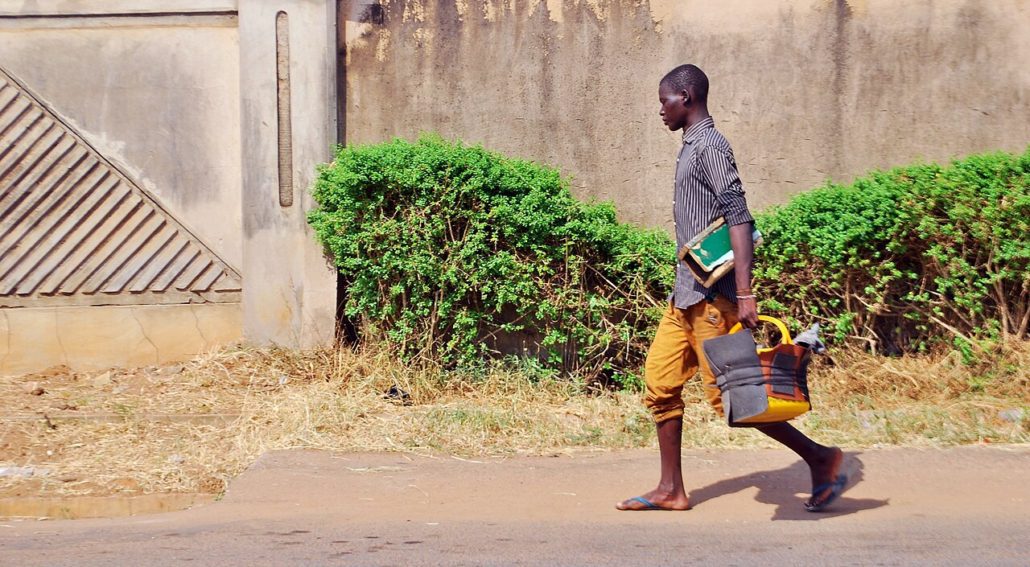
Safety Footwear in NigeriaIn Nigeria, high poverty and limited formal employment make local manufacturing more than a business issue. It is also a development issue. The World Bank estimated that the share of Nigerians living below the national poverty line rose from 40.1% in 2018-19 to 42.9% in 2022. Nigeria’s National Bureau of Statistics also reported that 63% of people were multidimensionally poor in 2022, meaning they faced overlapping deprivations in areas such as health, education, living standards, work and security. In this context, safety footwear in Nigeria matters not only as a product but as part of a larger story about jobs, skills and local industrial capacity.

From Fashion Shoes to Industrial Footwear

Atunde did not begin with industrial boots. According to How We Made It in Africa, he studied computer science, trained in Italy, visited factories in China and later worked manually in a Nigerian shoe factory to understand local production. He saw differences in quality, process and scale, then used those lessons to build a company that could compete with imported footwear.

Yikodeen started in 2016 with fashion shoes. The company’s first major turning point came when it secured an order for 10,000 pairs of shoes for the police. At the time, Yikodeen was producing only a few hundred pairs each month, so the company needed machines and workers quickly. Instead of importing new equipment, Atunde bought and refurbished machines from old Nigerian footwear factories. The order pushed the company to grow from about 15 workers to about 50 and helped it move into government and security-sector supply.

Why the Safety-Boot Pivot Mattered

The police contract pointed Yikodeen toward a more deliberate market: safety footwear in Nigeria. In 2018, the company began developing safety boots, but certification requirements and the COVID-19 pandemic slowed progress. A key breakthrough came when Saipem, an Italian oil-services company operating in Nigeria, tested Yikodeen’s safety boots and began placing orders in 2022. That helped prove that a Nigerian manufacturer could meet strict safety and procurement standards.

That strategy fit a market where local content rules and workplace safety needs can create openings for domestic manufacturers. AVCA reported that Yikodeen is one of the indigenous manufacturers licensed by the Nigerian Content Development and Monitoring Board to supply the oil and gas industry. These credentials matter because industrial clients need products that meet safety requirements, while local-content policies can encourage companies to buy from qualified Nigerian suppliers.

Investment, Scale and Jobs

Growth brought outside capital. In 2025, Aruwa Capital Management invested $1.5 million in Yikodeen. How We Made It in Africa reported that the investment was expected to increase annual capacity roughly tenfold, helping the company meet larger corporate orders. Yikodeen also said the investment would support capacity expansion, local production and product development.

For workers, the expansion matters because it can create practical pathways into skilled production. The Guardian Nigeria reported that the upgrade was expected to create about 200 new jobs and bring more than 20 product varieties to the Nigerian safety-footwear market. These jobs and skills can help families facing poverty by offering income, training and a connection to formal industrial supply chains.

Why This Matters for Poverty Reduction

Yikodeen’s story matters because poverty in Nigeria is not only about income. The National Bureau of Statistics reported that many Nigerians experience overlapping deprivations in sanitation, food security, health care, housing quality, education and employment. For people in poverty, daily life can mean unstable work, long commutes, difficulty paying for basic needs and limited access to secure formal jobs. Manufacturing can help address part of this challenge when it creates reliable work, builds skills and strengthens local supply chains.

Safety footwear in Nigeria also has a worker-protection dimension. In sectors such as construction, oil and gas, power and manufacturing, reliable protective boots can reduce the risks workers face on the job. When these boots are made locally, the benefits can spread beyond the buyers: factories need machine operators, quality-control staff, warehouse workers, sales teams and suppliers. That makes Yikodeen a useful example of how local manufacturing can support both worker safety and economic opportunity.

A Practical Lesson for Local Industry

Yikodeen grew by repairing what Nigeria already had, meeting strict standards and reinvesting in production. Its use of refurbished machinery shows that industrial capacity can sometimes be rebuilt by recovering old assets and pairing them with new skills. Its work with demanding clients also shows that local firms can move into higher-value markets when they meet certification and quality requirements.

The company’s story does not mean local manufacturing is easy. Atunde has pointed to workforce management as one of the hardest parts of scaling, especially when lower-wage workers also need basic support such as meals and nearby accommodation. Still, Yikodeen shows how safety footwear in Nigeria can become part of a wider development pathway: protecting workers, creating jobs and proving that local firms can supply industries that once relied heavily on imports.

– Josephine Dokpesi

Josephine is based in the United Kingdom and focuses on Business and New Markets for The Borgen Project.

Photo: Wikimedia Commons
July 6, 2026
https://borgenproject.org/wp-content/uploads/borgen-project-logo.svg 0 0 Jennifer Philipp https://borgenproject.org/wp-content/uploads/borgen-project-logo.svg Jennifer Philipp2026-07-06 03:00:482026-07-05 09:54:18How Yikodeen Is Building Safety Footwear in Nigeria
Disability, disability and poverty, Global Poverty

Disability and Poverty in Vanuatu: 5 Initiatives To Combat the Crisis

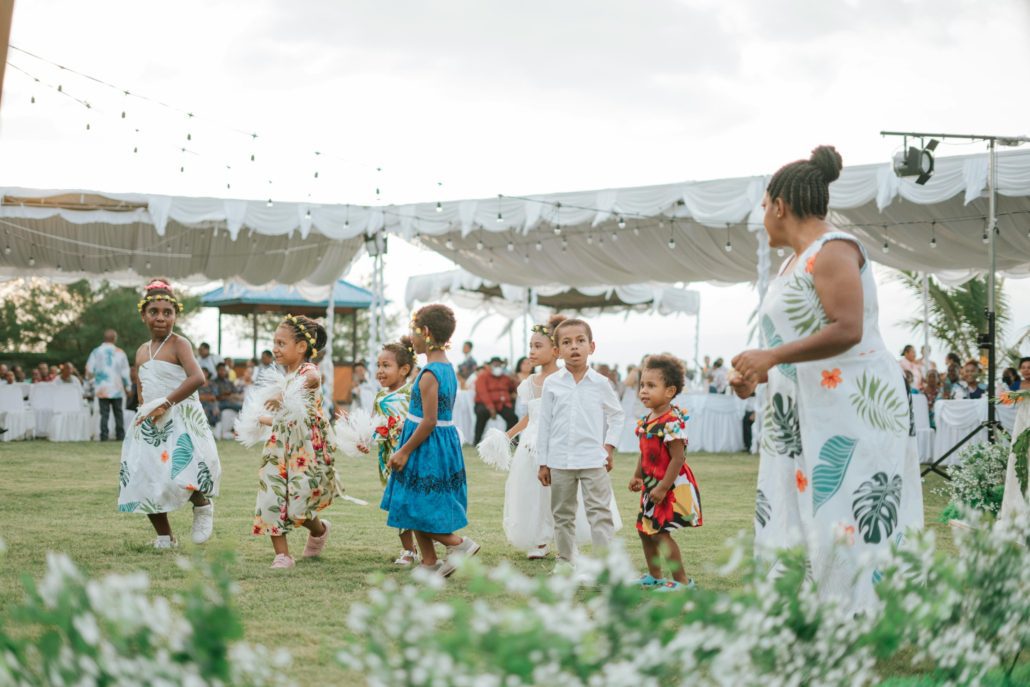
Disability and Poverty in VanuatuVanuatu, a small island country in the South Pacific, suffers from severe poverty rates, especially among the disabled community. Women and children suffer the most in terms of disability and inequality. 

Disability and poverty in Vanuatu have widened the economic gap; without access to the proper education or special needs to navigate the world, poverty rates continue to rise. Organizations and government initiatives are emerging to bridge the gap between the disabled and the rest of society.

Economic Background of Vanuatu

Vanuatu is a lower- to middle-income island country that has experienced declining economic growth in recent years—5.8% economic growth in 2023, 1% growth in 2024 and 1.5% growth in 2025. Statistics show a low school attendance rate with only 52% attending junior secondary school and 26% showing up for senior secondary school. Child labor is a frequent problem in the country as well, as a large portion of kids between the ages of 5 and 17 have been exploited for it. The poverty rate in Vanuatu is roughly 19.50%, which is the equivalent of $3 USD. The multi-dimensional poverty rate is at a stark 27.31%. 

The types of disabilities the people experience are often more along the lines of learning disabilities, issues with reading and writing, and mathematical calculations. Children often drop out of school as a result of not having glasses to see properly. Here are five initiatives that are addressing disability and poverty in Vanuatu.

1. Vanuatu Skills Partnership (VSP)

The Vanuatu Skills Partnership (VSP) is an initiative that helps students with disabilities gain access to programs that cater to their specific needs, while providing targeted support for each career path. The Partnership works closely with the Ministry of Education to develop programs such as disability specific education programs and new skills policies, giving providers the ability to qualify individuals for training programs. The program also offers sign language training to better assist the deaf community. The program offers a renewed chance for people in the disabled community to live meaningful lives and contribute to the economy and society. Individuals with disabilities who were prevented from success in the past are finding renewed opportunities in tourism, farming, food distribution, construction and business investments.

2. Vanuatu Disability Promotion & Advocacy Association (VDPA)

Established in 1999, this organization serves as the primary advocacy group for the disabled community. Despite the United Nations’ ratification of the Convention on the Rights of Persons with Disabilities (CRPD), Vanuatu still struggles to implement effective programs. With the VDPA, advocacy has continued to grow over the years since this ratification. It has been able to provide capacity building that strengthens disability organizations across the country, and the organization partners with the VSP to create collaborative approaches to disability programs. It also spreads awareness to change attitudes and remove barriers already in place.

3. Vanuatu Society for People With Disability (VSPD)

The Vanuatu Society for People with Disability (VSPD) offers access programs so that people with disabilities have easier access to their rights, specific services and opportunities to be able to contribute and support their society. The VSPD also supports advocating for community-based inclusive development, which also supports both boys and girls within the community, and also bridges gender gaps in the country’s disability problem. With the nation’s National Gender Equality Policy (NGEP), the VSPD focuses on contributing to the end of violence and discrimination against women and girls. The VSPD has a strong partnership with NGOs and government agencies, including Save the Children, Oxfam, CARE and World Vision, to assist with implementing their vision and breaking down the barriers for the disabled community.

4. VSPD and VDPA Partnership – Strategic Plans for 2024–2029

In 2025, the VSPD and VAPD partnered to develop a strategic set of plans for the years 2024 to 2029 to strengthen and further their disability advocacy programs. The plans are set to fully implement the National Disability-Inclusive Development Policy, which aims to fully remove the barriers for the disabled, and the Inclusive Education Policy, to align with the United Nations CRPD.

5. Provincial Disability Officers and Committees

The Ministry of Justice and Community Services partnered with the VSP to put disability officers and committees in highly populated parts of Vanuatu. The officers work with committees to ensure these programs are properly implemented and that the proper resources are available to create success for the national mission.

Looking Ahead

These initiatives have taken steps to alleviate disability and poverty in Vanuatu, advancing its target to addressing their poverty issues and human rights advancement. 

– Benjamin Elland

Benjamin is based in East Lansing, MI, USA and focuses on Technology and Global Health for The Borgen Project.

Photo: Unsplash

July 6, 2026
https://borgenproject.org/wp-content/uploads/borgen-project-logo.svg 0 0 Jennifer Philipp https://borgenproject.org/wp-content/uploads/borgen-project-logo.svg Jennifer Philipp2026-07-06 03:00:372026-07-05 09:51:18Disability and Poverty in Vanuatu: 5 Initiatives To Combat the Crisis
Global Poverty, Women and Female Empowerment, Women's Empowerment

Stitch by Stitch: Afghan Women Fight Poverty with Zardozi

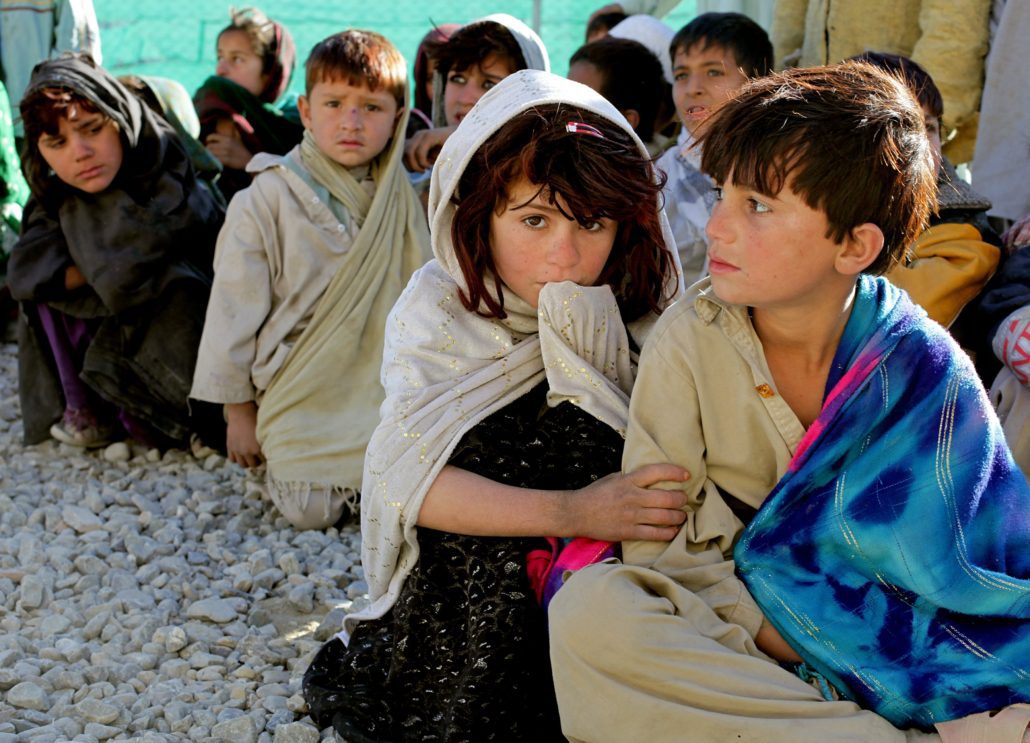
ZardoziAccording to the United Nations Development Programme (UNDP), nearly 85% of Afghan women rely on less than $1 a day to successfully support their families while facing barriers to education, employment or economic authority within the household. Since 2020, the UNDP reports that Afghanistan that a devastating 29% economic downturn has gripped the nation, prompting women to find creative solutions in their fight against poverty.

Cherma Dozi, a well known and traditional Afghan embroidery style, celebrates underappreciated culture in the Middle East. It stands as one of many Zardozi patterns that showcases regional culture and beauty. Taking advantage of this common hobby is Zardozi, which is a nongovernmental organization (NGO) that takes its name directly from the Afghan embroidery it promotes. It teaches women and girls in Afghanistan to create traditional stitching, protecting their economic opportunities under an oppressive government. This organization seeks to help women and girls find viable employment, participate in local markets and amplify their voices in the government.

Protecting Women

Zardozi embroidery utilizes basic fabrics that often fill Afghan homes and in local markets. Located in community spaces, Zardozi runs an embroidery business program, teaching women to sell their creations for profit. By learning how to sew this embroidery upon dresses, shirts and traditional attire, the program helps the girls to become proficient in sewing, embroidery and business skills. Nearly 1,000 Afghan women participate in the program. They currently operate four main centers in the cities of Kabul, Mazar, Jalalabad and Herat. These women also earn grants of $100 to get started. Notably, Zardozi formulates connections with local merchants and stores to purchase their goods.

Zardozi invites all women to participate, from advanced to beginners, all women, no matter their age. Nearly 2.2 million Afghan girls receive no formal schooling, emphasizing the importance of these programs. Serving as a vital alternative to typical school, these women learn, bond and grow as empowered leaders. By partnering with local markets, these women gain economic footing under an oppressive government. They develop a larger societal presence, stable connections and continued business growth even after graduating out of the program.

Preserving Culture

Historians believe Zardozi originated in Persia, and it remains a popular Middle Eastern embroidery technique. Throughout generations, women pass down familial techniques, formulating unique designs based on regional location and cultural lineage. More than 500 years old, Zardozi derives its name from two Persian words: “zar,” meaning gold, and “dozi,” meaning embroidery. It has appeared throughout history on traditional, royal attire for Asian countries. Using stones, beads and metallic thread, Zardozi creates stacked designs with layers of details and heavy material. Designs leap from the outfit, often favoring bright colors to symbolize luck and creativity.

Utilizing this ancient technique as a business foundation, Zardozi preserves key Afghan culture in the process. According to the University of London, traditional Afghan embroidery faces the risk of dying out due to a lack of interest from younger generations, volatile markets and competition from machine made products. Zardozi empowers these women to commercialize their products, protecting this vital craftsmanship from extinction.

Helping Afghanistan

Zardozi’s program transforms a traditional hobby into a powerful monetary asset, tackling systemic poverty in an innovative way. The program equips Afghan women with the market tactics, accounting basics and business skills to develop a sustainable livelihood.

As families pass down unique forms of Zardozi stitching from generation to generation, they teach young girls these sustainable practices allow them to support themselves while keeping their heritage alive. With Zardozi, women learn key skills and receive essential monetary support to combat local poverty, moving them one step closer to true economic gain, stability and a brighter future for all in Afghanistan.

– Maya Tung

Maya is based in Summit and focuses on Good News and Technology for The Borgen Project.

Photo: Pixabay

July 6, 2026
https://borgenproject.org/wp-content/uploads/borgen-project-logo.svg 0 0 Jennifer Philipp https://borgenproject.org/wp-content/uploads/borgen-project-logo.svg Jennifer Philipp2026-07-06 01:30:462026-07-05 09:45:38Stitch by Stitch: Afghan Women Fight Poverty with Zardozi
Global Poverty, Humanitarian Aid, USAID

How US Aid Freezes Jeopardize USAID Programs in The Gambia 

USAID Programs in The GambiaIn the delicate landscape of democratic consolidation, foreign assistance serves as an indispensable scaffold for nations emerging from prolonged autocracy. For nearly a decade, the U.S. Agency for International Development (USAID) and partnered State Department programs have acted as a foundational pillar supporting The Gambia’s painstaking efforts to rebuild its public institutions following the 22-year dictatorship of Yahya Jammeh. However, according to the IMF’s April 2026 Regional Economic Outlook, these hard-won stabilization gains across Sub-Saharan Africa are now under severe macro-financial pressure. 

USAID Programs in The Gambia

Historically, this recovery has faced steep domestic hurdles. The 2026 regional economic slowdown to 4.3%, which external shocks, rising commodity inflation and climbing fertilizer costs that threaten fragile agricultural sectors drove, further exacerbated the structural vulnerability of the Gambian economy. While past USAID programs in The Gambia actively worked to alleviate these conditions, funding community-based civic education and agricultural resilience workshops, the IMF reports that declining foreign aid is creating sharp headwinds for poverty reduction and food security across low-income, non-resource-rich nations. 

The sudden freeze of USAID programs in The Gambia mirrors a dangerous, broader regional trend identified by the IMF: a synchronized, donor-driven contraction in bilateral official development assistance (ODA). As the IMF warns that these structural aid cuts hit fragile and low-income states the hardest, Banjul must navigate a high-stakes political transition with severely diminished external financing. Despite these immediate structural pressures, a combination of alternative European partnerships and regional civil society coalitions is actively working to safeguard the country’s democratic gains.

The Foundation of Institutional Rebirth

For a small, aid-dependent nation like The Gambia, international development assistance has historically been focused on systemic, long-term stabilization. Following the democratic election of President Adama Barrow, Washington stepped up its engagement, deploying targeted grants through USAID alongside multilateral frameworks led by the United Nations Development Programme (UNDP) to bolster governance, the rule of law, and anti-corruption measures. As the UNDP’s transitional justice initiatives detailed, these funds and partnerships were strategically channeled into rewriting the country’s repressive legal frameworks, training an independent judiciary and reinforcing security sector reforms meant to depoliticize the national armed forces and police.

Prior to the funding freeze, U.S. aid directly supported the infrastructure behind the country’s landmark transitional justice mechanisms, including the implementation phase of the Truth, Reconciliation and Reparations Commission (TRRC). International governance experts emphasize that such foundational support is critical for young democracies struggling to root out deeply embedded corruption and heal societal divisions that a generation of authoritarian rule left behind.

The Strategic Fallout of the Funding Freeze

The trajectory of governance in West Africa experienced a sharp disruption following a widespread freeze on foreign aid programs funded by the U.S. government. In Banjul, the sudden suspension brought critical joint projects with local ministries to an immediate standstill, exposing vulnerabilities across several priority areas:

  • Constitutional Reform – The U.S. government froze funding originally designated to support the National Assembly during the complex drafting and review of the new Constitution Amendment Bill, slowing down essential legislative progress.
  • Human Rights Oversight – The government has deferred frucial grants to expand the operational capacity of the National Human Rights Commission (NHRC), limiting the state’s ability to independently monitor abuses.
  • Media and Civic Space Protection – The government has abruptly cut subsidies aimed at training independent journalists, upholding ethical media monitoring standards and supporting civic education in schools.

When international funding pipelines dry up, the financial and administrative burden shifts back onto a fragile state economy already struggling with inflation and low human capital. Without robust alternative buffers, the structural gaps left by sudden aid cuts threaten to undo years of delicate institutional progress.

Towards a Positive Future

While external financing gaps have introduced significant friction, a robust multilateral effort is actively working to protect the Gambia’s progressive path. In alignment with its Global Gateway strategy, the European Union has stepped forward as a critical stabilizing partner, allocating €193 million in bilateral grant funding for the 2021–2027 period. These funds are explicitly designated to consolidate democratic transition, strengthen the National Social Protection Secretariat, and transform the rural energy infrastructure by powering 1,000 schools and 100 health centers via sustainable solar grids.

Simultaneously, international governance organizations like International IDEA have launched the EU-funded Consolidation of Democratic Dispensation in The Gambia (EU-CODE) project. Through this initiative, they have partnered directly with local networks, including the Gambia Press Union (GPU) and the CSO Gender Platform, to build legislative capacities, deliver ethical media monitoring training and amplify human rights and women’s representation within the national constitutional process. Ultimately, these cooperative frameworks demonstrate that the collective resolve of European institutions and local civic actors remains an essential buffer in maintaining the country’s democratic journey.

Looking Ahead

Ultimately, the suspension of U.S. foreign assistance exposes the deep vulnerabilities of transitional states operating under severe macro-financial pressures. While the freeze on USAID funding has abruptly disrupted critical pillars of democratic consolidation, stalling constitutional reform, human rights oversight, and civic space protections, The Gambia’s trajectory is not entirely compromised. The swift intervention of multilateral frameworks, catalyzed by the European Union’s €193 million Global Gateway strategy and International IDEA’s localized partnerships, highlights a shifting paradigm in international development. By successfully absorbing structural shocks, this diversified coalition of European institutions and local civic actors demonstrates that while single-donor dependencies pose high risks, a resilient, multi-layered international network remains a powerful buffer capable of safeguarding a young democracy’s hard-won gains.

– Ioana Marin

Ioana is based in Bucharest, Romania and focuses on Politics for The Borgen Project.

Photo: Unsplash

July 6, 2026
https://borgenproject.org/wp-content/uploads/borgen-project-logo.svg 0 0 Jennifer Philipp https://borgenproject.org/wp-content/uploads/borgen-project-logo.svg Jennifer Philipp2026-07-06 01:30:112026-07-05 09:37:53How US Aid Freezes Jeopardize USAID Programs in The Gambia 
Foreign Aid, Global Poverty, HIV/AIDS

Foreign Aid in Vietnam: Decades of Progress, a Year of Uncertainty

Foreign Aid in VietnamVietnam is one of the developing world’s clearest success stories. Vietnam launched sweeping economic reforms in 1986 and opened itself to deep international engagement, transforming the country from one of the poorest into a dynamic middle-income economy in a single generation. GDP per capita climbed from under $700 in 1986 to nearly $4,500 in 2023, and the extreme poverty rate fell from 14% to under 4% between 2010 and 2023, according to the World Bank. The economy grew roughly 8% in 2025. Much of that progress unfolded alongside foreign aid in Vietnam — and in 2025, a sudden freeze on U.S. assistance showed how fragile those gains can be when they hinge on a single donor.

A Partnership Built Out of War

Foreign aid in Vietnam has touched everything from public health to the unfinished business of the war itself. The United States has been Vietnam’s most prominent aid partner, and its most meaningful contributions addressed the legacy of the war. Since the 1990s, Washington has helped clear unexploded ordnance, clean up Agent Orange contamination and account for missing soldiers.

The American military sprayed vast areas of southern Vietnam with Agent Orange and other herbicides between 1962 and 1971. As many as 4.8 million Vietnamese may have been exposed to the dioxin those chemicals contained, and at least 1 million still live with related health and disability effects, according to the U.S. Institute of Peace. The Vietnam Red Cross estimates that about 150,000 children have been born with birth defects tied to that exposure — including limb deformities, spina bifida, developmental disabilities and other conditions that can leave people unable to walk or live independently, sometimes across two or three generations.

According to the U.S. State Department, the U.S. provided more than $250 million for unexploded ordnance clearance and more than $155 million for disability support in affected provinces between the early 1990s and 2025. The two countries completed a major dioxin cleanup at Da Nang Airbase in 2018 and began remediation at the larger contaminated site at Bien Hoa.

These programs did more than remove poison from the soil. They turned a painful history into a foundation for cooperation, helping the former adversaries normalize relations and, in 2023, establish a Comprehensive Strategic Partnership — Vietnam’s highest diplomatic designation.

Addressing HIV/AIDS

U.S. aid also propped up public health. About 250,000 Vietnamese live with HIV, and the epidemic has long been concentrated among marginalized groups — including people who inject drugs and men who have sex with men — who often face stigma that keeps them from seeking care. Through the President’s Emergency Plan for AIDS Relief (PEPFAR), American funding sustained HIV prevention and treatment for tens of thousands of Vietnamese. Vietnam became the first and only country in Asia to receive focused PEPFAR support after the program launched in 2003, and within a decade the U.S. was the largest single donor to the national HIV response. That investment helped Vietnam reach a 99% viral-suppression rate in PEPFAR’s focus provinces and shift most patients onto antiretroviral treatment paid for through domestic health insurance. Most of the country’s pre-exposure prophylaxis clients still rely on PEPFAR support, UNAIDS reported.

The 2025 Freeze

In January 2025, President Donald J. Trump issued an executive order pausing nearly all foreign aid, and his administration moved to dismantle the U.S. Agency for International Development (USAID). By March, the State Department had announced that most USAID programs would be terminated and the rest folded into the department; the agency effectively ceased operating by mid-2025.

The effects in Vietnam were immediate. Writing in the Georgetown Journal of International Affairs, two Vietnam specialists documented how the freeze idled more than a thousand deminers, cut off rehabilitation services for tens of thousands of people affected by Agent Orange, and reduced the world’s largest dioxin remediation project to a skeleton crew. In Quang Tri Province, Vietnam’s most contaminated region, over a thousand local demining workers lost their jobs. At Bien Hoa, U.S. diplomats warned of an environmental and public-health catastrophe as dioxin-laced soil sat exposed, ProPublica reported. UNAIDS found that the cuts suspended or terminated HIV and tuberculosis programs, leaving some patients to pay out of pocket.

A Partial Recovery — And a Lasting Lesson

After lobbying from Vietnamese officials and American advocates, funding for most war-legacy projects resumed by late March 2025, and in October the two governments signed a memorandum reaffirming cooperation. But the disruption left a mark. The Georgetown analysts argue that even a brief suspension in the “safest” area of cooperation signaled that any U.S. commitment could fall victim to domestic politics — prompting Vietnam to diversify its partners and giving China fresh evidence to portray Washington as unreliable. Just weeks after the freeze, Reuters reported, Xi Jinping visited Hanoi and signed roughly 45 cooperation agreements.

Foreign aid makes up about 1% of the U.S. federal budget, yet its impact in Vietnam has been enormous. Foreign aid in Vietnam shows both what outside assistance can build and how quickly it can stall: the events of 2025 underscored a simple truth — the gains aid produces are real, but they are not self-sustaining.

– Jen Phan

Jen Phan is based in Hanoi, Vietnam and focuses on Business and Politics for The Borgen Project.

Photo: Wikimedia Commons
July 6, 2026
https://borgenproject.org/wp-content/uploads/borgen-project-logo.svg 0 0 Jennifer Philipp https://borgenproject.org/wp-content/uploads/borgen-project-logo.svg Jennifer Philipp2026-07-06 01:30:062026-07-05 09:39:57Foreign Aid in Vietnam: Decades of Progress, a Year of Uncertainty
Global Poverty, Tourism

Mountain Gorilla Conservation and Poverty Reduction

Mountain Gorilla Conservation and Poverty ReductionIn Rwanda, Uganda and the Democratic Republic of the Congo, conservation policies centered on mountain gorillas are linking wildlife protection with poverty reduction by funding local development, creating jobs and reducing reliance on poaching.

Mountain gorillas (Gorilla beringei beringei) live only in the forests of the Virunga Massif, which spans Rwanda, Uganda and the Democratic Republic of the Congo, as well as Uganda’s Bwindi Impenetrable National Park. With a global population of just more than 1,000 individuals, the species remains vulnerable to poaching, habitat pressure and disease. However, research shows that poverty and lack of economic opportunity often increase reliance on illegal hunting, making conservation efforts that provide alternative income sources critical to both protecting gorillas and supporting local communities.

Rwanda

Rwanda has adopted one of the most direct approaches to mountain gorilla conservation in connection with economic development. Gorilla trekking permits cost approximately $1,500 per visitor in 2017, generating significant revenue from international tourism. Through its formal revenue sharing policy, the Rwanda Development Board allocates 10% all of national park tourism income to communities living near protected areas; this furthers funding toward schools, health centers and local infrastructure projects.

Tourism now generates more than $600 million annually for Rwanda and supports employment across sectors ranging from hospitality to transportation.

By ensuring that local communities receive direct economic benefits from conservation, Rwanda has created incentives to protect mountain gorillas rather than exploit them.

Uganda

Uganda has focused on combining regulated tourism with community involvement around mountain gorilla habitats. Gorilla tourism is centred in Bwindi Impenetrable National Park, where controlled trekking permits generate income and help fund conservation efforts. Conservation organizations working in the region focus on community engagement and opportunities, recognizing that poverty and limited employment can contribute to reliance on illegal hunting.

As mountain gorilla conservation efforts have expanded, jobs such as guides, porters, trackers and park staff have provided local residents with stable sources of income tied directly to the continued protection of gorillas. This approach helps reduce pressure on wildlife while creating economic opportunities in surrounding communities.

Democratic Republic of the Congo

Mountain gorilla conservation efforts in the Democratic Republic of the Congo face unique challenges due to ongoing conflict and instability. Despite these conditions, mountain gorillas continue to receive protection through conservation programs in areas such as Virunga National Park.

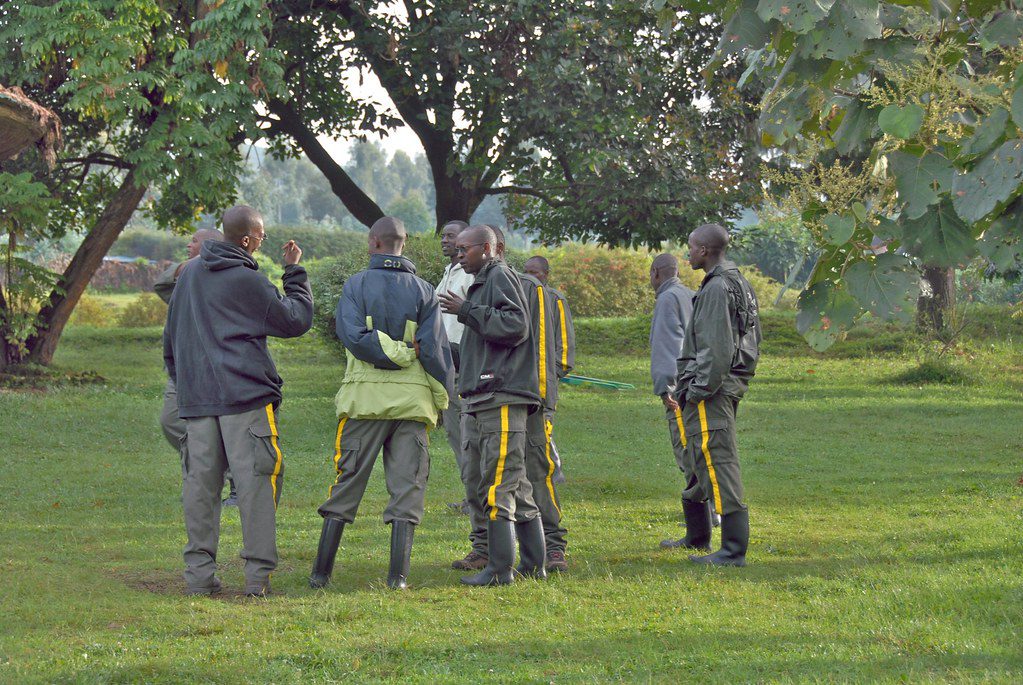
Rangers remove traps, monitor wildlife populations and work to prevent poaching, often under dangerous circumstances.

These programs create employment opportunities for local residents and support conservation outcomes in regions where economic opportunities are limited. Conservation remains an important source of both environmental protection and local economic activity.

While the approaches used by Rwanda, Uganda and the Democratic Republic of the Congo differ, each reflects the same underlying principle: conservation is often most effective when local communities benefit from it. Through tourism revenue, job creation and investment, mountain gorilla conservation programs help address some of the economic pressures that can contribute to poaching. As a result, efforts to protect one of the world’s most endangered primates are also creating opportunities to reduce poverty and support long-term development in the communities that live alongside them.

– Kale Overton

Kale is based in Ames, IA, USA and focuses on Good News and Politics for The Borgen Project.

Photo: Flickr

July 5, 2026
https://borgenproject.org/wp-content/uploads/borgen-project-logo.svg 0 0 Naida Jahic https://borgenproject.org/wp-content/uploads/borgen-project-logo.svg Naida Jahic2026-07-05 07:30:432026-07-04 11:59:46Mountain Gorilla Conservation and Poverty Reduction
Global Poverty, Technology

Innovate Health Africa’s DHLSAT

Man using a tablet in a bright room, Innovate Health Africa initiative. DHLSATDigital health literacy in Africa is becoming as essential as a stethoscope. As African health care rapidly adopts electronic health records, telemedicine and mobile health applications, frontline health workers increasingly need digital skills to provide effective care. A new tool developed by Innovate Health Africa is helping them find out exactly where they stand and what to do next.

A Continent Adopting Digital Tools

Africa carries approximately 25% of the world’s disease burden but accounts for only 3% of the global health care workforce, according to McKinsey. To bridge that gap, African health care has increasingly turned to digital health tools. However, this adoption has revealed a critical challenge: many health workers lack the digital literacy needed to use those tools effectively.

Research conducted across sub-Saharan Africa found that low digital literacy levels and limited access to technology represent key challenges for health workers and patients alike when adopting and embracing digital health tools. In Ethiopia, studies found that only around half of health care workers demonstrated sufficient digital literacy levels, with gaps widening in rural and lower-income areas.

The consequences are significant. Addressing the health care worker shortage in sub-Saharan Africa could reduce the region’s disease burden by 35% and increase its GDP by an estimated $22 billion a year, except if those workers are equipped with the skills to operate in an increasingly digital health landscape.

What Is the DHLSAT?

Innovate Health Africa is an organization advancing equitable health care in Africa through innovation, research and workforce capacity development. It developed the Digital Health Literacy Self-Assessment Tool (DHLSAT) to address this gap.

The DHLSAT is a scientifically validated diagnostic framework developed to align with continental health workforce digital readiness efforts. It empowers frontline health care professionals across Africa to precisely map their digital competencies, identify critical literacy gaps and access tailored recommendations to accelerate digital readiness at the frontline.

How It Works

Health care professionals complete the DHLSAT assessment online and receive a personalized digital health literacy profile based on four proficiency tiers: Practitioner, Explorer, Innovator and Expert. Each tier reflects a different level of digital health competency ranging from foundational awareness to advanced innovation capability.

Following the assessment, the tool generates personalized recommendations and scientifically validated insights to guide each user’s digital health literacy growth. Users can download their digital health literacy profile report and share it with employers, recruiters, academic institutions or other relevant organizations.

The DHLSAT covers key areas of digital health competency, including data governance, bioinformatics, digital health’s role in climate change and the broader digital health landscape across Africa, giving health workers a comprehensive view of both their strengths and the areas that require development.

DHLSAT’s Impact

The response from health care professionals who have used the tool reflects its practical value. One user, Dr. Alex O., described the experience as opening a new perspective on developing digital skills. Another user, Kofo Kola O., described the profile as clearly articulating both strengths and weaknesses in a way that felt comforting, exciting and inspiring. A community health worker, Sarah T.S., noted that with Innovate Health Africa’s guidance, her community health project now reaches more than 10,000 people monthly.

Building the Foundation for Digital Readiness

The DHLSAT does not operate alone. Innovate Health Africa works with more than 30 trusted partners in more than six countries and operates across three core portfolios: workforce capacity development, implementation research and innovation. Furthermore, the organization designs and delivers competency-based training in digital health, generates scientific evidence on how digital health is being experienced across African health systems and works with public and private health institutions to design and implement community-shaped digital health solutions.

The DHLSAT fits within a broader strategy to ensure that Africa’s digital health transformation is led by informed, capable health workers instead of being undermined by a skills gap that goes undiagnosed and unaddressed.

Looking Ahead

Africa’s digital health sector is growing rapidly, and the need for a skilled, digitally literate health workforce has never been more necessary. By giving health care professionals the ability to assess their own digital readiness, receive personalized guidance and track their progress, the DHLSAT represents a practical, scalable solution to one of the continent’s most pressing workforce challenges.

– Joy Kohol

Joy is based in Muncie, IN, USA and focuses on Good News and Global Health for The Borgen Project.

Photo: Unsplash

July 5, 2026
https://borgenproject.org/wp-content/uploads/borgen-project-logo.svg 0 0 Lynsey Alexander https://borgenproject.org/wp-content/uploads/borgen-project-logo.svg Lynsey Alexander2026-07-05 07:30:202026-07-04 12:06:52Innovate Health Africa’s DHLSAT
Global Poverty, Homelessness

The Top 3 Organizations Fighting Poverty in Canada

Poverty in CanadaCanada is the second-largest country in the world and covers more than half of the northern hemisphere. In March 2026, the Federal Housing Advocate released a report on the homelessness crisis across the nation. This report revealed that the number of homeless people in Canada had increased by 107% in recent years, with an estimated 85,000 people living without shelter in Ontario in 2025. This figure, representing a significant portion of the province’s total population, highlighted the severity of the humanitarian crisis and prompted organizations such as United Way Centraide Canada to increase efforts to help citizens struggling with poverty. Here is information about the top three organizations fighting poverty in Canada.

Canada Without Poverty

Canada Without Poverty is a nonprofit, charitable organization that lobbies the government to introduce policies that help struggling individuals access housing, employment and income security.

The organization has used systematic advocacy to successfully lobby for the legislation of Canada’s first National Housing Strategy and National Poverty Reduction Strategy. This was achieved by collaborating with more than 700 organizations, including Citizens for Public Justice, and more than 11,000 individuals.

In recent years, it has worked to introduce the Lived Experience Community 2030 Project. The major initiative focuses on bringing together individuals across the ten provinces to share their personal experiences with poverty and homelessness.

By providing a platform for victims of poverty to voice their experiences, the project aims to reshape how Canada’s government conducts consultations and ensure that those most affected by poverty can inform the path toward achieving the United Nations’ (U.N.) Sustainable Development Goals (SDGs).

Campaign 2000

Based in Toronto, Campaign 2000 was founded in 1991 to address child poverty. With more than 120 partners across Canada, the organization focuses on improving the living situations of families by advocating for public policy solutions and education. Campaign 2000 publishes research on child poverty on its blog to educate the public about the indicators of and solutions for child poverty. The blog releases resources such as:

  • Discussion Papers, records of the organization’s public policy and investment proposals.
  • An annual Report Card on Child and Family Poverty in Canada, detailing any progress toward eliminating child poverty in Canada.

For more than 35 years, the information released by Campaign 2000 has consistently helped push the Canadian government to make significant changes, such as introducing the Canada Child Benefit in 2016. Its work is credited with raising public awareness and helping to guide legislative change, making it one of the most influential organizations fighting poverty in Canada.

United Way Centraide Canada

United Way Centraide Canada tackles poverty with a more hands-on approach by breaking the issue down into the following elements:

  • Food: Volunteers help run food banks and school breakfast programs, providing affordable, healthy food to those who cannot access these vital resources.
  • Housing: The United Way Centraide Canada team invests in emergency shelters and helps people in need access safe and affordable housing through Housing First programs. These strategies have helped the organization feed more than 1.6 million Canadians.
  • Employment and financial stability: Through connections and training programs, United Way Centraide Canada helps people find jobs where they can thrive and teaches them how to achieve and maintain financial stability.

Since its founding in 1917, United Way Centraide Canada has mobilized $600.1 million annually and supported 8 million people in need, making it one of the most successful organizations fighting poverty in Canada.

Looking Ahead

Although poverty continues to be a significant issue nationwide, the dedication and perseverance of organizations like Canada Without Poverty, Campaign 2000 and United Way Centraide Canada offer not only hope but opportunity. Indeed, as these organizations continue to grow their reach and influence, sustained public support through donations and volunteering will be essential to building a more equitable future for Canadians living in poverty.

– Ruby Fraser

Ruby is based in Cannes, France and focuses on Global Health, Politics for The Borgen Project.

Photo: Pixabay

July 5, 2026
https://borgenproject.org/wp-content/uploads/borgen-project-logo.svg 0 0 Lynsey Alexander https://borgenproject.org/wp-content/uploads/borgen-project-logo.svg Lynsey Alexander2026-07-05 07:30:202026-07-04 12:27:05The Top 3 Organizations Fighting Poverty in Canada
Education, Global Poverty, Women and Female Empowerment

CAMFED: Education Opportunities for Women

How Education Opportunities for Women Impact the Future of Africa CAMFEDEducation equips women in developing countries with essential knowledge around reproductive health, nutritional health and disease prevention. In a world where infectious diseases remain a leading cause of infant mortality, education is one of the most important assets a mother can have to protect the health and well-being of her child.

Education Barriers for Women

A child born to a mother who can read is twice as likely to live past the age of five. However, as of 2023, national laws to protect adolescent and pregnant mothers’ right to an education exist in only half of African countries, even though more than 30% of teenagers in Africa become pregnant. Adi Radhakrishnan, Leonard H. Sandler Fellow in the Children’s Rights Division at Human Rights Watch, said that many pregnant girls and adolescent mothers in Africa are still denied their basic right to education for reasons that have nothing to do with their desire and ability to learn.

The number of girls who drop out of school because of early pregnancies is especially high in Sub-Saharan Africa. More than 6 million young women ages 10 to 19 who were pregnant or parenting were out of school in October 2024. Because of the stigma around teen pregnancy and school cultures that discourage return, fewer than 5% of girls who drop out early due to pregnancy ever return to finish their education. Regional directors of the United Nations Educational, Scientific and Cultural Organization (UNESCO) have noted that when these girls want to return to school, they are not welcomed back.

Progress in Girls’ Education

For every year that a girl stays in school, her potential future income increases by 10%. Girls in Africa who finish secondary education are more likely to be healthier, earn more money for their families, marry later and have greater knowledge around medicinal and nutritional health to pass on to the next generation.

Education opportunities for women in Africa create benefits beyond the individual — they are a catalyst for brighter futures for families, communities and the broader region. In Africa, 50 million more girls were in school in 2024 than in 2015. During the same period, infant mortality declined from 55 deaths per 1,000 live births in 2014 to 47 in 2024, suggesting a connection between expanded educational access for mothers and improved child survival rates.

Providing Education Opportunities for Women in Africa

The Campaign for Female Education (CAMFED) association is a sisterhood of African women who partner with their communities to support and mentor young girls in their journey to becoming young adults, both in the classroom and beyond. CAMFED not only sends girls to school who would otherwise be unable to attend due to poverty — it also works one-on-one to provide girls with real-world skills so they can contribute to their communities long after they finish secondary school.

One young woman whose life was affected by CAMFED’s support said that without the organization, she would have dropped out of school and her family would have gone hungry. She now works as one of CAMFED’s climate-smart agriculture guides, bringing sustainable practices and climate education into classrooms and to rural farmers. Like many other women who once received educational support from CAMFED, she is now part of the sisterhood, working to help girls who are in the same position she once was.

This sisterhood, founded in 1993 with just 32 women, aims to provide education opportunities for women across Africa. On average, each member of the CAMFED association uses her own resources to support another three girls in attending school. So far, the association has supported 646,000 students with secondary school scholarships and helped more than 1 million girls attend primary school. Since its founding, CAMFED has supported more than 9 million children in schools across seven countries in Africa.

Looking Ahead

Expanding education opportunities for women in Africa requires continued investment in policy, funding and community engagement. The progress seen over the past decade — from legislative reforms to grassroots organizations like CAMFED — demonstrates that meaningful change is achievable. Sustained commitment to girls’ education remains one of the most effective pathways to reducing poverty and improving health outcomes across the continent.

– Tommy Bass

Tommy is based in Philadelphia, PA, USA and focuses on Good News and Global Health for The Borgen Project.

Photo: Pixabay

July 5, 2026
https://borgenproject.org/wp-content/uploads/borgen-project-logo.svg 0 0 Precious Sheidu https://borgenproject.org/wp-content/uploads/borgen-project-logo.svg Precious Sheidu2026-07-05 07:30:022026-07-04 12:14:14CAMFED: Education Opportunities for Women
Page 11 of 2176«‹910111213›»

Get Smarter

  • Global Poverty 101
  • Global Poverty… The Good News
  • Global Poverty & U.S. Jobs
  • Global Poverty and National Security
  • Innovative Solutions to Poverty
  • Global Poverty & Aid FAQ’s
Search Search

Take Action

  • Call Congress
  • Email Congress
  • Donate
  • 30 Ways to Help
  • Volunteer Ops
  • Internships
  • Courses & Certificates
  • The Podcast
Borgen Project

“The Borgen Project is an incredible nonprofit organization that is addressing poverty and hunger and working towards ending them.”

-The Huffington Post

Inside The Borgen Project

  • Contact
  • About
  • Financials
  • President
  • Board of Directors
  • Board of Advisors

International Links

  • UK Email Parliament
  • UK Donate
  • Canada Email Parliament

Get Smarter

  • Global Poverty 101
  • Global Poverty… The Good News
  • Global Poverty & U.S. Jobs
  • Global Poverty and National Security
  • Innovative Solutions to Poverty
  • Global Poverty & Aid FAQ’s

Ways to Help

  • Call Congress
  • Email Congress
  • Donate
  • 30 Ways to Help
  • Volunteer Ops
  • Internships
  • Courses & Certificates
  • The Podcast
Scroll to top Scroll to top Scroll to top