Mountain Gorilla Conservation and Poverty Reduction
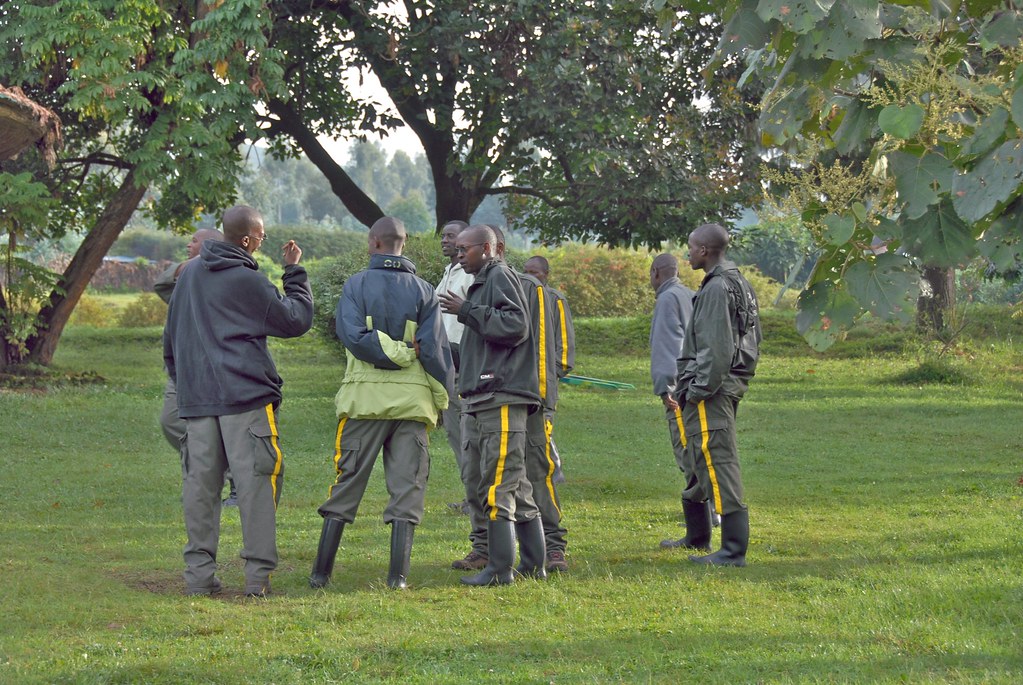 In Rwanda, Uganda and the Democratic Republic of the Congo, conservation policies centered on mountain gorillas are linking wildlife protection with poverty reduction by funding local development, creating jobs and reducing reliance on poaching.
Mountain gorillas (Gorilla beringei beringei) live only in the forests of the Virunga Massif, which spans Rwanda, Uganda and the Democratic Republic of the Congo, as well as Uganda’s Bwindi Impenetrable National Park. With a global population of just more than 1,000 individuals, the species remains vulnerable to poaching, habitat pressure and disease. However, research shows that poverty and lack of economic opportunity often increase reliance on illegal hunting, making conservation efforts that provide alternative income sources critical to both protecting gorillas and supporting local communities.
Rwanda
Rwanda has adopted one of the most direct approaches to mountain gorilla conservation in connection with economic development. Gorilla trekking permits cost approximately $1,500 per visitor in 2017, generating significant revenue from international tourism. Through its formal revenue sharing policy, the Rwanda Development Board allocates 10% all of national park tourism income to communities living near protected areas; this furthers funding toward schools, health centers and local infrastructure projects.
Tourism now generates more than $600 million annually for Rwanda and supports employment across sectors ranging from hospitality to transportation.
By ensuring that local communities receive direct economic benefits from conservation, Rwanda has created incentives to protect mountain gorillas rather than exploit them.
Uganda
Uganda has focused on combining regulated tourism with community involvement around mountain gorilla habitats. Gorilla tourism is centred in Bwindi Impenetrable National Park, where controlled trekking permits generate income and help fund conservation efforts. Conservation organizations working in the region focus on community engagement and opportunities, recognizing that poverty and limited employment can contribute to reliance on illegal hunting.
As mountain gorilla conservation efforts have expanded, jobs such as guides, porters, trackers and park staff have provided local residents with stable sources of income tied directly to the continued protection of gorillas. This approach helps reduce pressure on wildlife while creating economic opportunities in surrounding communities.
Democratic Republic of the Congo
Mountain gorilla conservation efforts in the Democratic Republic of the Congo face unique challenges due to ongoing conflict and instability. Despite these conditions, mountain gorillas continue to receive protection through conservation programs in areas such as Virunga National Park.
Rangers remove traps, monitor wildlife populations and work to prevent poaching, often under dangerous circumstances.
These programs create employment opportunities for local residents and support conservation outcomes in regions where economic opportunities are limited. Conservation remains an important source of both environmental protection and local economic activity.
While the approaches used by Rwanda, Uganda and the Democratic Republic of the Congo differ, each reflects the same underlying principle: conservation is often most effective when local communities benefit from it. Through tourism revenue, job creation and investment, mountain gorilla conservation programs help address some of the economic pressures that can contribute to poaching. As a result, efforts to protect one of the world’s most endangered primates are also creating opportunities to reduce poverty and support long-term development in the communities that live alongside them.
– Kale Overton
Kale is based in Ames, IA, USA and focuses on Good News and Politics for The Borgen Project.
Photo: Flickr
