• Link to X
  • Link to Facebook
  • Link to Instagram
  • Link to TikTok
  • Link to Youtube
  • About
    • About Us
      • President
      • Board of Directors
      • Board of Advisors
      • Financials
      • Our Methodology
      • Success Tracker
      • Contact
  • Act Now
    • 30 Ways to Help
      • Email Congress
      • Call Congress
      • Volunteer
      • Courses & Certificates
      • Be a Donor
    • Internships
      • In-Office Internships
      • Remote Internships
    • Legislation
      • Politics 101
  • The Blog
  • The Podcast
  • Magazine
  • Donate
  • Click to open the search input field Click to open the search input field Search
  • Menu Menu

Archive for category: Food & Hunger

Information and stories on food.

COVID-19, Developing Countries, Food & Hunger, Food Insecurity, Food Security, Global Poverty, Hunger

Cabarete Sostenible: Identifying the Cause of Hunger

cause of hungerThe COVID-19 pandemic is deemed a global health crisis that has resulted in an economic crisis and a hunger crisis too. In the Dominican Republic, Cabarete Sostenible seeks to address the root cause of hunger.
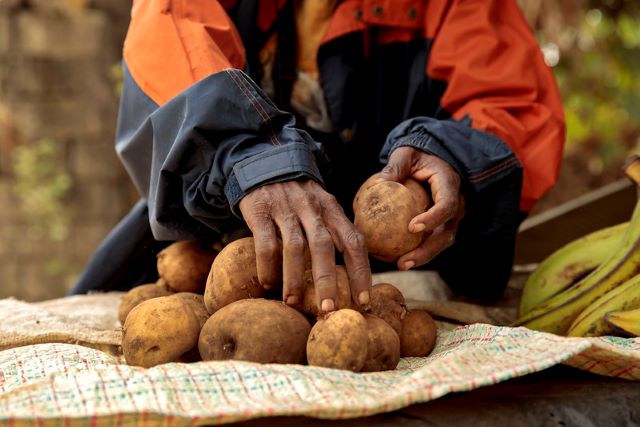
Unemployment Due to COVID-19

Cabarete, Dominican Republic, prides itself on being one of the watersports capitals of the world. Nearly two-thirds of Cabarete’s population depends on the local tourism industry for work and income. These jobs mostly fall under the informal economy.

Before the COVID-19 pandemic, more than 60% of the world’s working population were employed in the informal economy. The informal economy is defined by hourly jobs that offer neither a salary nor employee benefits. The pandemic left many people without a regular source of income and without health insurance.

Compared with the bailout packages that the governments of wealthy nations were able to provide to their citizens, the governments of impoverished nations were unable to provide citizens with such economic support. Around the world, NGOs have attempted to assist in providing the support that impoverished governments are unable to provide.

Cabarete Sostenible Addresses the Root Cause of Hunger

Moraima Capellán Pichardo, a citizen of Cabarete, is a supporter of the concept of food sovereignty. The Borgen Project spoke with Capellán Pichardo about the origins of Cabarete Sostenible and the organization’s long-term goals. Food sovereignty, the principle that individual self-actualization is dependent on having enough to eat, is at the heart of Cabarete Sostenible’s mission.

Capellán Pichardo told The Borgen Project that individual NGOs in Cabarete were working independently of each other when the COVID-19 pandemic began. These separate organizations had a common goal so they came together to form a coalition and increase their impact. This coalition became the nonprofit organization, Cabarete Sostenible. Everyone who works with Cabarete Sostenible is a volunteer. The organization works with local food distributors and organic farms and distributes the foodstuff that it receives to struggling families and individuals in Cabarete. This forms the organization’s first response to the hunger crisis.

Although it began as a method to address an acute crisis, Cabarete Sostenible seeks to address the root cause of hunger. Capellán Pichardo indicated that food sovereignty has been on the minds of Cabarete Sostenible’s volunteers and organizers since its inception. “Very early on, we sat down to discuss where we thought Cabarete Sostenible was going in the future. For us, we wanted to make sure that we did not just stick to giving out food because that does not really address the root problem.”

The Concept of Food Sovereignty

Food insecurity means being without reliable access to sufficient and nutritious supplies of food at any given time and is a common reality for citizens of Cabarete. On the other hand, food sovereignty, organizing society in such a manner that every individual has access to producing his or her own food, is a possible solution to food insecurity. “Food sovereignty is tied to land access,” Capellán Pichardo says. “For us, it is important that the first mission that Cabarete Sostenible focuses on is food sovereignty: access to healthy and appropriate food and using the native agricultural land to provide that.”

Food Sovereignty Addresses Food Insecurity

Since COVID-19, many factors have contributed to a rise in food insecurity and extreme poverty worldwide. Mass rates of unemployment have threatened access to food as even the poorest households spend close to three-fourths of their income on food.

Widespread unemployment, combined with unexpected drops in agricultural production, has created an unprecedented crisis. Because of supply line disruptions and trade barriers, often the result of increased health precautions, citizens of the world’s poorest nations are left without access to food. Some of the suffering caused by such disruptions can be mitigated by food sovereignty policies. Perhaps, a societal approach may be modeled after Cabarete Sostenible’s efforts to address the root causes of hunger.

Sustainable Community Solutions to Hunger

Capellán Pichardo is optimistic about the road ahead as she details how the organization has worked with local landowners to collaborate on solutions. The organization has opened the first community garden and is working to partner up to create a community-style farm. All this is work toward creating a social business model. Cabarete Sostenible seeks to address the root cause of hunger by helping to create a sustainable way of living, where food shortages are less likely and future hunger crises are averted.

– Taylor Pangman
Photo: Flickr

January 25, 2021
https://borgenproject.org/wp-content/uploads/borgen-project-logo.svg 0 0 Lynsey Alexander https://borgenproject.org/wp-content/uploads/borgen-project-logo.svg Lynsey Alexander2021-01-25 01:30:042021-01-25 03:57:28Cabarete Sostenible: Identifying the Cause of Hunger
Food Security, Global Poverty, USAID

The Success of USAID in India

USAID in India
The United States Agency for International Development (USAID) is an independent body within the U.S. federal government. This means that, though it receives funding from the federal government, it may operate virtually independently from the political will of any sitting presidential cabinet. Its focuses are international economic development, gender equality, health care and humanitarian aid. USAID works with more than 100 governments all over the world. This article will focus specifically on USAID in India.

The Situation

As India has grown in terms of population, the Indian government has struggled to provide basic services for its people. USAID in India has played a significant role in overcoming socioeconomic challenges over the past few decades. American and international economic aid to India stems back to the 1950s with the creation of the World Bank and it underwent further formalization in the 1960s with the construction of USAID in 1961. Since its inception, USAID has worked to support the efforts of local grassroots organizations, community initiatives and various branches of the Indian government.

USAID and the Indian Government

The main point of cooperation between USAID and the Indian government in the past few decades has been the organization and creation of public-private partnerships that help fulfill the need for basic services within India. A public-private partnership (PPP) is an agreement between one or more private entities and one or more public bodies, generally established with the purpose of lessening the burden of development and provision of public services on the local government.

PPPs receive criticism as a form of covert privatization and are, therefore, harmful to the local community in the long term. However, arguments also determine that PPPs are a way of dragging private entities into the public (ally accountable) sector, as the government retains ownership over the entity and is still largely responsible for the delivery of services. In recent decades, USAID in India has helped establish a minimum of 34 Indian PPPs, generating a combined total of close to $400 million in financial resources.

Triangular Cooperation

As per the 2016 U.S.-India Joint Statement, the U.S. and Indian governments have made a commitment to working with partners across the whole of Asia as well as Africa for the purposes of poverty reduction. This includes the pursuit of food security via public-private partnerships, farmer training and the sharing of technological advances as well as the promotion of clean energy.

For example, USAID supports the Society for Research and Initiatives for Sustainable Technologies and Institutions (SRISTI). This society has helped increase productivity for Indian farmers by providing them with more efficient agricultural equipment, which SRISTI hopes to also provide to struggling farmers in Kenya. USAID is also helping India become energy-secure by helping the Indian government provide citizens with access to clean energy sources. In the past four years alone, USAID has provided access to more than 600 megawatts of power in India.

Grants and Awards for Indian Aid Organizations

USAID, among other branches of the U.S. government, also provides various financial grants and awards to aid organizations in India and throughout the world. The major requirements to be eligible for USAID funding, as an Indian organization, are (among others) that the organization registers with the Indian government as a nonprofit organization and that the organization is able to demonstrate a genuine impact on the demographic of focus.

The purpose of these grants is to enable self-reliance within Indian communities, thereby lessening the overall need for international assistance. An example of an Indian nonprofit organization receiving USAID funding is Piramal Swasthya, which in 2019 received $30,000 and the “Inclusive Health Access Award” for providing health care to underprivileged Indian communities.

Transparency

All over the world, governmental and non-governmental aid organizations struggle with demands from citizens and government officials for increased transparency in terms of operations as well as funds. Because of this, every single year, USAID submits the “U.S. Overseas Loans and Grants” report, AKA the “Greenbook” to United States Congress for review. The annual Greenbook is also available to members of the public who are interested in how USAID conducts its operations. USAID also maintains a database of foreign aid, called the Foreign Aid Explorer, which, like the Greenbook, is open to members of the public. The USAID organization itself supports the International Aid Transparency Initiative and plays a significant role in helping the United States government pursue total transparency in foreign aid initiatives.

Closing Remarks

Over the past 60 years, USAID has worked alongside local Indian actors to unlock the infinite development potential of Indian civilians. USAID and U.S. foreign policy initiatives have worked alongside local actors to improve Indian health care, promote gender equality, promote food security and strengthen international cooperative endeavors to end global poverty. During times of agricultural crises beginning in the 1960s, USAID organized food imports for India.

Amid the current COVID-19 crisis, USAID continues to work closely with the Indian government to provide health care for one of the world’s most populated countries. Additionally, both during and outside of times of crisis, USAID has tried to involve the Indian diaspora itself in India’s development, placing Indians at the forefront of social and economic change. Over the past 10 years alone, nearly 300 million Indians have escaped poverty. While one cannot understate the efforts and successes of grassroots Indian organizations when discussing India’s socio-economic development over the past six decades, the role that USAID in India has played in supporting these successes is worthy of noting.

– Olivia Nelson
Photo: Flickr

January 23, 2021
https://borgenproject.org/wp-content/uploads/borgen-project-logo.svg 0 0 Jennifer Philipp https://borgenproject.org/wp-content/uploads/borgen-project-logo.svg Jennifer Philipp2021-01-23 14:31:292024-06-06 00:59:28The Success of USAID in India
Food & Hunger, Food Security, Global Poverty, Hunger, Sustainable Development Goals

The Future of Food Systems Around the Globe

Food SystemsIn the next 30 years, the world population will grow by two billion: approximately 25% of the current population. Food demand will increase significantly during this time and international organizations are prioritizing the development of strategies to address this concern. Framing the future of food systems, which encompass producing, processing, transporting and consuming food, is key to continued efforts in reducing poverty and extreme hunger.
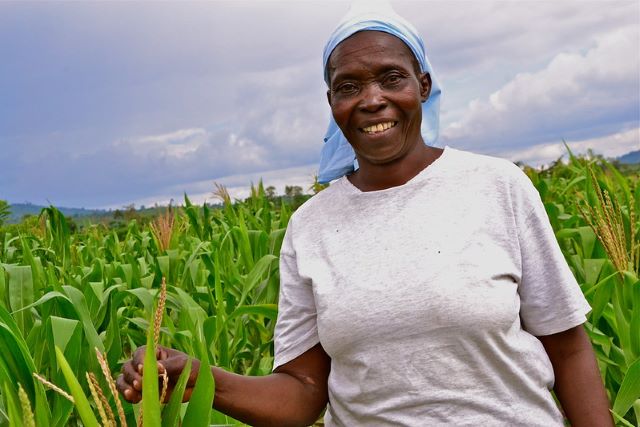
Population Growth in Africa

Global population growth does not imply an equal or even proportional increase in every region of the world. The population of sub-Saharan Africa, for example, is estimated to double by 2050, from approximately one to two billion. This number accounts for half of the global population growth expected. Such substantial growth in a population already experiencing food insecurity, if not coupled with sustainable food system developments, will exacerbate the issue and make advancement more difficult.

Facets of Food Security

Increasing demand for food is not the only threat to the future of food systems around the world. The cultivability of land is changing with the climate, requiring workers in the agriculture sector to adjust crop selection and techniques. Instability in the industry detracts from the appeal of such an occupation and further strains the food supply.

Many producers of food are among the hardest hit by the effects of food insecurity. In India, 41% of the workforce falls under agriculture, yet the country is home to the largest number of people experiencing hunger in a single nation — approximately 189 million. With the food supply responsibility falling on some of the most at-risk populations, food systems are even more vulnerable when confronted with adversity.

The COVID-19 pandemic is an example of adversity faced by food systems. Limits put in place to prevent further spread of the virus weaken the agriculture sector of the workforce and economy. This stress on food systems extends to the global economy, education, peace efforts and human rights, among others.

The Decade of Action

Just 10 years remain to meet the United Nations’ 17 Sustainable Development Goals (SDGs) by 2030. The second SDG necessitates improvements in food security, nutrition and agriculture across the globe, marking the next 10 years as the Decade of Action. The 2021 U.N. Food Systems Summit (UNFSS) has been planned to foster discussions of global challenges, priorities, opportunities and solutions in the food system sector, hopefully resulting in unified and inclusive efforts toward achieving the SDGs. In a lead up to the 2021 UNFSS, 13 organizations collaborated to host the two-day Bold Actions for Food as a Force for Good event in November 2020.

Food System Innovations

Along with the need to shift toward more sustainable consumption, gender-equity in food systems, agricultural innovations and financing for solutions, the Bold Actions for Food as a Force for Good event emphasized the importance of novel approaches to reducing extreme hunger with the Food Systems Innovation Challenge. In this challenge, teams of students from 20 universities proposed innovative ideas to transform the future of food systems. Solutions proposed by these teams include online systems connecting producers and consumers to keep all facets of the food market current on need and capacity. Apps and food labels to provide guidance on reducing food waste and making more sustainable dietary choices as well as food packaging that minimizes waste and carbon footprints formed part of these solutions.

A Sustainable Future

Projections for global population growth alongside new challenges stemming from climate change and COVID-19, make food security a top concern. By promoting the now-underway Decade of Action, the U.N. is leading unified efforts to establish sustainable and equitable food systems worldwide. Progress will depend on effective mobilization, collaboration and innovation— the backbones of development toward more stable food systems.

– Payton Unger
Photo: Flickr

January 13, 2021
https://borgenproject.org/wp-content/uploads/borgen-project-logo.svg 0 0 Yuki https://borgenproject.org/wp-content/uploads/borgen-project-logo.svg Yuki2021-01-13 06:11:012021-01-13 06:11:01The Future of Food Systems Around the Globe
Developing Countries, Food & Hunger, Food Security, Global Poverty

How Implementing AI Increases Food Security

AI Increases Food SecurityArtificial Intelligence seems like a far-off concept reserved for science fiction. In truth, AI is present in modern life and the advancements in this technology are being used to combat global poverty. Most prominently, computer scientists and engineers are improving the ways that AI increases food security globally. The need for utilizing technology in food security is essential to protect more than 800 million people suffering from hunger worldwide.
Predicting Threats to Food Security

A vital step to protect food security is looking ahead and responding proactively to potential problems. The Nutrition Early Warning System (NEWS) works by gathering massive amounts of data from vast sources to forecast developing situations affecting food supply. NEWS is a perfect example of how AI increases food security with constant improvements in its system to enhance response times to price changes, poor weather conditions for food development and other global crop issues.

The effectiveness of machine learning far surpasses human data collection and these types of technology have already seen success. Through the algorithms created by AI technology, a forecasted drought prevented many Colombian farmers from planting crops that would not have been fruitful. This prediction saved the farmers millions of dollars by avoiding crop loss during the dry spell. Preserving large amounts of money to spend during opportune times is another way AI increases food security and stabilizes supply.

AI Optimizes Agricultural Procedures and Production

People living in rural areas that work in farming communities are usually the most susceptible to extreme poverty. AI can improve working conditions and modernize agriculture to protect vulnerable populations and provide them with upward economic mobility through technology education and increased crop production.

AI robotics is revolutionizing agriculture and crop harvesting robots as well as AI-enhanced drones are increasing production and keeping workers safe. Robotic weed control allows for the proper and safe distribution of herbicides that can be harmful to humans. This also prevents herbicide resistance. In Argentina, drones inspect wheat crops for harmful infections and pests. AI increases food security by diagnosing soil conditions as well. This technology allows workers to implement the necessary strategies for correcting nutrient deficiencies.

The most important aspect of these technologies is that they provide benefits but will not reduce the need for actual workers. Though education in these fields can be expensive, the skills learned will add value and mobilize people out of extreme poverty.

The FAO AI Systems Used for Food Security

The Food and Agriculture Organization (FAO) has implemented two programs in which AI increases food security and improves agriculture sustainability; the FAO’s WaPOR portal and the Agriculture Stress Index System (ASIS). Both systems monitor water usage in agriculture in different ways.

  • The FAO’s WaPOR portal monitors water in the Near East and African regions. It does this through open-source technology that gathers massive amounts of data. Simultaneously, the AI analyzes the data to determine the best water use for different crops and regions and uploads the information in real-time.
  • ASIS works similarly to NEWS. It is a satellite system that works as an early detection system for droughts or other water shortages. ASIS breaks down the information from a global standpoint to each country and region. Doing this allows people to be proactive in their preparation for impending droughts by improving water usage and shoring up logistics of moving aid to an area troubled by food shortages, thereby preventing hunger.

The Future of Food Security

As time progresses, AI will improve and become more common, eventually becoming cheaper and more accessible worldwide. With the rapid advancement in this technology and what is already in place to sustain food security using AI, a hunger-free world is a closer reality.

– Zachary Kunze
Photo: Flickr

January 7, 2021
https://borgenproject.org/wp-content/uploads/borgen-project-logo.svg 0 0 Yuki https://borgenproject.org/wp-content/uploads/borgen-project-logo.svg Yuki2021-01-07 00:38:152024-06-04 01:17:59How Implementing AI Increases Food Security
Food & Hunger, Food Aid, Food Insecurity, Global Poverty, Hunger

Two Nonprofits Tackle Hunger in Kenya

Hunger in KenyaKenya is currently home to 46 million people, and more than 35% of Kenyans suffer from food insecurity and malnutrition each year, with 2.6 million facing a food insecurity crisis. The state of food insecurity in this country is serious, with the country ranking 86 out of 117 countries on the 2019 Global Hunger Index. Children are especially at risk, with slightly less than a third of those who are food insecure suffering from stunted growth.  This is one of the many common issues related to hunger and poor nutrition. The rampant hunger in Kenya is a dire situation. However, there are some efforts to address this crisis.

The Farming Issue

Nearly 75% of Kenyans rely on agriculture for all or part of their incomes. The industry makes up about a third of the Kenyan economy, but only one-fifth of the land in Kenya is suitable for farming. A lack of reliable irrigation forces farmers to rely on rain as their primary water source. Reliance on nature makes planting and harvesting unpredictable and risky. This, combined with the population boom in Kenya over the past 25 years, means that the food supply is limited at best and extremely vulnerable to weather patterns and natural disasters like droughts and floods.

Domestic farmers are the main food providers in Kenya. The industry needs a robust workforce to keep up with the heavy demands of an ever-increasing population. However, the younger generation is uninterested in farm work and current farmers are getting too old for the job. Conversely, lack of employment also perpetuates hunger in Kenya. Millions of Kenyans are unemployed or underpaid and many cannot afford to buy food in the first place. Poor infrastructure and high domestic taxes levied on farmers for transporting their goods are the cause of such steep food prices. These exorbitant transportation fees leave much of the population hungry.

Despite all of this, the issue of hunger in Kenya has generally improved over the past decades. Further, many organizations continue to battle this crisis and expand food access to the millions of struggling Kenyans.

World Vision

The Christian nonprofit World Vision tackles child poverty and injustice worldwide. The organization first branched out to Kenya in 2017. Upon arrival, World Vision volunteers saw villages suffering from drought and hunger. They noticed people eating animals like hyenas and vultures and mourning the loss of their livestock, the remains of which were everywhere.

In the first year of its project, World Vision reached 3.5 million individuals. The organization was able to provide clean water, health care and nutritional support. World Vision knows that hunger in Kenya is far from solved and does not plan on slowing down its efforts. The nonprofit hopes to expand water and nutrition access as a way to help alleviate the suffering in Kenya.

Action Against Hunger

The “world’s hunger specialist,” Action Against Hunger, is a nonprofit working “to end hunger in our lifetimes.” It provides global aid to children and families to treat and prevent malnutrition. The organization has worked in Kenya since 2002.

Its work has included implementing programs to assist refugees and improve health, water, sanitation and childcare. The nonprofit has been able to expand access to health treatments, screenings and services for those suffering from malnutrition. It also supported thousands of herders by providing livestock vaccinations and training animal health experts.

In 2019, the organization reached more than 1.9 million people with its nutrition and health programs and nearly 50,000 people with its water, sanitation and hygiene initiatives. Additionally, Action Against Hunger aided more than 40,000 people with its food security and livelihood programs. This all added up to more than 2 million people in 2019 alone, a significant effort for a team of only 43 employees.

Looking Ahead

Hunger in Kenya is a severe issue that has cost the lives and livelihoods of millions of individuals and families. Children are at severe risk of malnutrition and related diseases while the farming industry is struggling to provide even a portion of the country’s necessary food supply. Aggressive and comprehensive government or international intervention to shore up farmers and expand their capacity to produce are absent. It is organizations like World Vision and Action Against Hunger that have to pick up the slack. Fortunately, these organizations have been able to reach and save the lives of millions of Kenyans. The issue lives on, but the efforts of nonprofits continue to provide hope.

– Connor Bradbury
Photo: Flickr

January 4, 2021
https://borgenproject.org/wp-content/uploads/borgen-project-logo.svg 0 0 Jennifer Philipp https://borgenproject.org/wp-content/uploads/borgen-project-logo.svg Jennifer Philipp2021-01-04 14:24:542022-04-13 01:05:39Two Nonprofits Tackle Hunger in Kenya
Food & Hunger, Global Poverty, Health

GM Golden Rice Provides Nutrition to the Poor

GM golden riceRice is a staple crop in Asia that provides 30-72% of the energy intake in the region. Many children in these countries rely on meager amounts of rice and almost nothing else. Enter genetically modified (GM) rice. GM golden rice is a revolutionary modified rice crop, characterized by its golden color and vitamin A fortification. This biofortified crop works to alleviate the issue of malnutrition in Asia, especially among children.
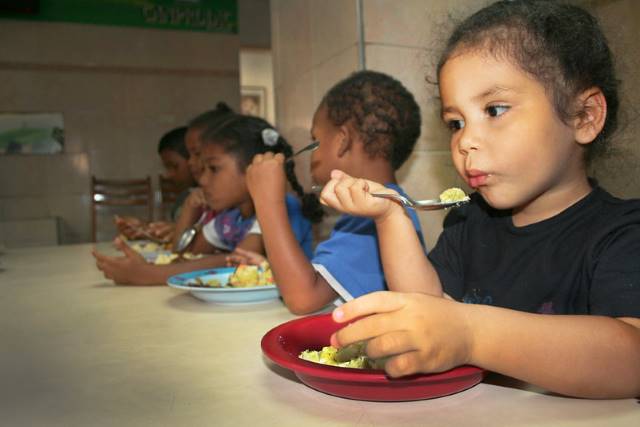
Vitamin A

In Bangladesh, China, India and elsewhere in Asia, there is a vitamin A deficiency problem. Annually, vitamin A deficiency results in the death of several million children and blindness in 250,000, according to a study done by WHO. Half of these children die within 12 months of losing their sight.

GM golden rice allows for beta-carotene (a Vitamin A precursor) synthesis in the edible portion of rice. This process may prove to be a promising remedy to this widespread vitamin deficiency. The body can actually use beta-carotene in the edible portion of rice, rather than the rice’s leaves. Not only is it usable, but it can supply 30% to 50% of a person’s daily vitamin A requirement.

Other Benefits

Besides the nutritional benefit, GM golden rice also lasts longer than its non-GM counterparts. A Purdue University researcher found that some GM foods have an increased shelf life by a week longer than it would have originally. Foods that can stay fresher longer help impoverished regions store food and aid food distribution across long periods of time.  

Furthermore, modified foods, like GM golden rice, are routinely screened for safety. Simon Barber, director of the Plant Biotechnology Unit at EuropaBio, the European biotech industry association, stated that before anything may be imported into Europe and used as animal feed or as an ingredient in food for humans, it had to travel through a security approval process.

In addition, the two genes inserted into GM golden rice, plant phytoene synthase and bacterial phytoene desaturase, are innocuous to the human body. Further, Dr. Russesll Reinke, IRR Program Lead for Healthier Rice,  stated that test trials in Australia, New Zealand and the U.S. found this rice to be safe for consumption.

Conclusion

As technology rapidly evolves, people will have reservations about the unfamiliar processes involved. However, GM golden rice has continued to be a proven and effective supplement for adequate nutrition. With new technological solutions, like GM golden rice, food shortages can continue to decrease.

– Justin Chan
Photo: Flickr

December 23, 2020
https://borgenproject.org/wp-content/uploads/borgen-project-logo.svg 0 0 Lynsey Alexander https://borgenproject.org/wp-content/uploads/borgen-project-logo.svg Lynsey Alexander2020-12-23 17:28:442021-06-04 13:57:27GM Golden Rice Provides Nutrition to the Poor
Aid, Food & Hunger, Food Aid, Food Insecurity, Global Poverty

Alimenta La Solidaridad Fights Food Insecurity

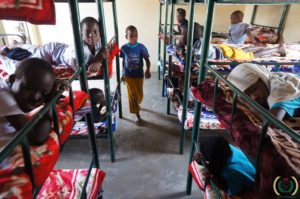
Alimenta la SolidaridadVenezuela has a convoluted political, economic and social situation. The present humanitarian crisis in Venezuela has placed the country fourth for the largest food crisis in the world. The nonprofit organization Alimenta La Solidaridad (Feed Solidarity) chooses to tackle this issue head-on.
The Situation in Venezuela

According to the World Food Programme, one in every three Venezuelans requires food assistance. Venezuela’s deteriorating situation has decreased household access to food as well as the purchasing power of the people. In 2019, an estimated 2.3 million Venezuelans suffered from food insecurity and approximately 9.3 million required immediate food assistance.

The current food dilemma is expected to worsen due to the current economic crisis. Already, the plight has increased childhood malnutrition and starvation. Children in Venezuela rarely obtain vital nutrients for proper growth and adequate cognitive development.

A Nonprofit to the Rescue

Alimenta La Solidaridad was determined to combat the rampant food insecurity in Venezuela. Since 2016, it has provided more than 7 million meals to Venezuelan children in need. The program started mainly in Distrito Capital, the capital’s state, but it has gradually expanded nationwide. It now operates in 14 additional states, has a total of 188 dining rooms across the national territory and gives food assistance to more than 14,000 children.

The nonprofit recognizes the necessity to contribute its part to society. Alimenta La Solidaridad aims to find sustainable solutions to the food-related challenges that plague many low-income Venezuelan families. This organization works exhaustively to soften the effect of the nutritional deficiencies that many children in this program endure.

How Alimenta La Solidaridad Works

Alimenta La Solidaridad operates through donors with the help of mothers and fathers from the communities. The nonprofit gathers people willing to share their homes to provide the space for community kitchens. Volunteers cook, organize the children, clean and manage the daily operations of this effort. The organization is “more than a plate of food.” When people with Alimenta La Solidaridad get together, they create a place of transformation. Sometimes, they create activities that turn into opportunities for the development and empowerment of children. Mothers in the program also receive growth opportunities.

Alimenta La Solidaridad provides training courses that will empower mothers. The new skills are then put right back into the organization. These mothers often end up taking on one of the most important roles within the organization. They do not only make the initiative possible but they also teach the children to grow in the values of co-responsibility, involvement and service.

Alimenta La Solidaridad aids the outside communities as well. The initiative contributes to the reduction of criminal indexes within the surrounding areas. Further, the organization promotes community organizations and volunteer work. The organization utilizes these avenues of aid as a way to fulfill its mission of providing daily meals to children suffering from food insecurity in Venezuela.

Hope for the Fight

Despite the dire reality in Venezuela, many organizations across the nation are trying to find ways to help. Alimenta La Solidaridad is the perfect example of an organization that managed to provide aid despite bleak circumstances. The nonprofit’s dedication and goodwill have led to a model based on responsibility and empowerment. This method boosts the sense of involvement and level of voluntary service within Venezuelan communities in need. Food insecurity has met its match with the hopeful spirit of the resilient Venezuelan people.

– Isabella León Graticola
Photo: Flickr

December 23, 2020
https://borgenproject.org/wp-content/uploads/borgen-project-logo.svg 0 0 Kim Thelwell https://borgenproject.org/wp-content/uploads/borgen-project-logo.svg Kim Thelwell2020-12-23 13:34:302024-05-30 07:53:25Alimenta La Solidaridad Fights Food Insecurity
Child Poverty, Children, COVID-19, Food & Hunger, Food Aid, Global Poverty

Open Heart Orphanage Suffers During the Pandemic

Open Heart OrphanageIn the midst of COVID-19 sweeping through Uganda, six children at Open Heart Orphanage have died. However, it was not the virus that claimed their lives. The tragic deaths were a result of hunger and fever, collateral effects of the pandemic.

Food Struggles During the Pandemic

The people of Uganda must fight to stay healthy during the pandemic as well as combat food insecurity. The issue of food affordability is not only an organic result of the pandemic. Back in April, four Ugandan government officials were arrested for conspiring to inflate COVID-19 relief food prices. The effects are far-reaching. According to UNICEF, 6.7 million children under the age of five could suffer from life-threatening malnutrition in 2020.

The Hidden Victims

Uganda has consistently ranked among the countries with the greatest number of orphaned children in the world, and it has not gone without its controversy. Last year, VICE reported that there are at least 300 “children’s homes” operating without government oversight. Four out of five of these orphans have at least one living parent. Questions arise over the exploitation of these children and the quality of the care they receive. During the coronavirus pandemic, the children are even more vulnerable. Orphans are oftentimes the faces of Facebook scams targeting donors from Western countries.

Children are the “hidden victims” of the virus. They are not particularly susceptible to contracting the disease, but they will be the ones to bear its effects on the social and economic systems. Domestic struggles within the family, surging food prices and a shortage of available medical care have led to malnutrition and displacement, especially in developing countries like Uganda. The result is many children are being left in orphanages.

Open Heart Orphanage

The Borgen Project interviewed Hassan Mubiru, a pastor at Open Heart Orphanage in Bulenga, Kampala, Uganda. Its mission is to help orphans experience a full and productive life. Currently, the organization serves 175 “needy” or orphaned children. The Christian nonprofit aims to provide these children with education, medical assistance, housing, clothing, food and water and the love of God. Due to the pandemic, there have been some obstacles in achieving these goals.

“Coronavirus has crippled most of our activities because we were absolutely unprepared when the lockdown was announced,” said Mubiru. The pastor explains that the organization has always worked below its budget and did not store supplies ahead of time. When COVID-19 hit, they did not have enough resources to sustain themselves.

Even more challenging was the shortage of volunteers. Mubiru stated, “Those who used to individually help are no longer helping. We cannot guarantee salary or their payments.” Unstable payments met with mandates to stay in quarantine have deterred many volunteers from coming to Open Heart Orphanage.

Mubiru says that the biggest issue for Open Heart Orphanage is the lack of available food. “It is extremely difficult or impossible to get food as prices went higher and almost nothing was coming into us. We have so far lost six children due to hunger and fever since the pandemic started. These are things we would have prevented if we had enough food and means of getting treatment in time.”

Open Heart Orphanage strives to help children reach their fullest potential. The nonprofit is a stepping stone for the children and not a final destination. Mubiru believes that children are better off in a home than an orphanage, especially in these times. Mubiru emphasized, “We encourage families to adopt even if this is another crisis because the law governing adoption is tough and high fees.”

– Miska Salemann
Photo: Flickr

December 22, 2020
https://borgenproject.org/wp-content/uploads/borgen-project-logo.svg 0 0 Kim Thelwell https://borgenproject.org/wp-content/uploads/borgen-project-logo.svg Kim Thelwell2020-12-22 01:30:222020-12-17 14:46:54Open Heart Orphanage Suffers During the Pandemic
COVID-19, Food & Hunger, Global Poverty

The Czech Republic: Drought and COVID-19

The Czech Republic is a Parliamentary Republic bordering Germany, Poland, Austria and Slovakia. The country was founded on January 1, 1993, following a political revolution, and peacefully splitting from the former Czechoslovakia. In 2020, the Czech Republic ranked as the eighth safest country in the world. The country also reports a 2.4% unemployment rate and healthy GDP growth over the past five years. The latest Eurostat data also shows that the Czech Poverty rate is 3.4%, the second-lowest rate in the EU. However, the well-being of the Czech Republic’s citizens may decline as a threatening drought continues to plague the country and coincide with the COVID-19 pandemic.

Poverty & Hunger in the Czech Republic

In a 2017 study, the Czech Republic Hunger Statistic was 2.5%. This means that 2.5% of the population’s food intake was insufficient to meet basic dietary requirements. Meanwhile, the World Hunger Statistic is around 11%.

Despite the Czech Republic’s success in the fight against poverty, the country has some areas of weakness. For example, the Czech Republic’s wage gap is larger than other European countries. Women tend to earn about 22% less than men. As a result, a disproportionate number of women, especially single mothers, fall below the poverty line.

Additionally, the Czech Republic’s relatively low poverty rate of 3.4% is somewhat misleading. The poverty rate considers the standard of living within the Czech Republic. Sociologist Daniel Prokop uses Luxembourg to exemplify why this can be misleading: “the median [income] in Luxembourg is twice as high as in the Czech Republic. Therefore, the poverty line is twice as high, making it easier for low-income workers to fall below it.” So, countries with higher median incomes have a higher standard of living. Since the Czech Republic has a lower relative poverty threshold, an impoverished citizen in Luxembourg may not be considered impoverished in the Czech Republic.

Working Through a Long-term Drought

The Czech Republic is experiencing the most threatening drought in 500 years. The drought began in 2018, and it escalated to a climate crisis in April 2020- right in the start of the COVID-19 pandemic. There is a fear that the continuation of the drought in the Czech Republic will cause mass famine.

Scientists are using an ESA satellite to monitor the drought and soil conditions, keeping the country’s agribusiness sector stable. Well-organized agricultural systems are preventing major catastrophe in the present. Yet, crop yields are expected to continue shrinking in the upcoming months. The biggest concern, however, is the impending water shortage. The Ministry of Environment in the Czech Republic has implemented over 15,000 projects across the country to build pipelines for drinking water, preserving dams and reservoirs and much more.

COVID-19 Impacts

Thankfully, the Czech Republic has handled COVID-19 wisely from the start. They were the first country in Europe to issue a mask mandate, sending the notice on March 19, 2020. So far, there are no significant deviations from normal malnutrition and poverty rates due to the pandemic. Despite a couple of recent clusters in the eastern parts of the country, heavily populated cities such as Prague (population: 1.3 million) are seeing consistently low infection rates as of late July. Many citizens’ lives have returned to normalcy, with schools and buildings re-opening and commerce flourishing.

Tomorrow’s Outlook

Organizations ranging from small local projects to large NGOs are working to combat poverty and hunger in the Czech Republic as the drought and COVID-19 continue. For example, the Prague Changemakers organizes volunteering projects by recruiting local citizens. Together, they cook and distribute food to the local homeless population.  Additionally, Naděje is an example of a larger NGO. Naděje was founded in the 1990s following the revolution and their organization’s goal is to serve the homeless. Naděje began by serving food in railway stations. Soon, the NGO expanded to building homes and shelters across the country. For their first major project, Naděje established day centers for the homeless to get food, creating two hostels for men and one for women.

Ultimately, responsible governmental action and the work of NGOs like Naděje have provided stability to the Czech Republic in an uncertain time. Hopefully, their work in the Czech Republic will continue to keep COVID-19 and the drought under control. It seems other countries should take notes as unemployment, hunger, and poverty rates remain relatively low in the Czech Republic.

– Ruhi Mukherjee
Photo: Flickr

December 20, 2020
https://borgenproject.org/wp-content/uploads/borgen-project-logo.svg 0 0 Kim Thelwell https://borgenproject.org/wp-content/uploads/borgen-project-logo.svg Kim Thelwell2020-12-20 07:30:092024-05-28 00:00:18The Czech Republic: Drought and COVID-19
Food Security, Global Poverty

How Agriculture is Ending Poverty in Indonesia

How Agriculture is Ending Poverty in Indonesia
Indonesia has struggled with poverty since the Asian financial crisis of the late 1990s. However, the rate of poverty has been steadily decreasing over the years. In 1999, Indonesia’s poverty rate was a staggering 24%. In 2013, it had dropped to 11.4%, and in 2019, it stood at 9.4%. Below are several ways agriculture is ending poverty in Indonesia.

Palm Oil Production in Indonesia: Providing Jobs and Alleviating Poverty

Palm oil is one of the most commonly used vegetable oils around the world and is found in half of grocery store items. Its popularity has skyrocketed globally since 1990, with global consumption growing from 14 million tons in 1990 to 63 million tons in 2015, 80% of which Indonesia supplies. After the Asian financial crisis, millions of Indonesians relied on the palm oil industry to relieve poverty. Between the years 2001 and 2010, 10 million Indonesians saw relief from poverty directly from working in the palm oil industry.

In 2017, 3.8 million Indonesians worked in the palm oil industry. Today, 17 million Indonesians rely on the palm oil industry for work and the industry uses 7% of Indonesia’s land for its production. Palm oil agriculture is ending poverty in Indonesia because it directly helps farmers in rural areas. Poverty most affects Indonesia’s rural areas. However, by maintaining and increasing funding for palm oil production, families living in these rural regions can lift themselves out of poverty.

Indonesia’s COVID-19 Farmer Support

Farmers in Indonesia play a significant role in stabilizing the economy during the COVID-19 pandemic. The Ministry of Agriculture saw the necessity of supporting the many farmers of Indonesia, who make up 30% of the population, by providing livelihood necessities such as seeds and fertilizer.

The government is also providing 34 trillion Indonesian rupiahs, or $2,284,494,000, in loan subsidies. The 2.7 million farmers also received 300,000 Indonesian rupiahs, or $20, which is typically one week of wages, for three months.

USAID: Partnering with Local Farmers

The United States Agency for International Development (USAID) partners with farmers in Indonesia to help build stable livelihoods, reduce poverty and help the economy. USAID ensures that farmers have a consistent supply of necessary resources needed to produce food of high quality. This food security ensures that people see long-term benefits and avoid malnutrition, weakened immune systems and cognitive health issues. At the same time, USAID is committed to achieving these goals in an environmentally friendly way.

In its 2019 Annual Report, USAID clarified how its assistance with agriculture is ending poverty in Indonesia. USAID gained 2.9 hectares of farmland, which supports the livelihood of 11,400 people. Rubber plant farmers also received training on environmental sustainability and reducing the risk of forest fires, bringing about a 74% reduction in such fires. Additionally, 30% of farmers are now producing government-certified rubber products of a higher quality, which have increased in price from $0.50/kg to $0.80/kg. In addition, productivity has increased by 2.5%. USAID has set long-term goals for development and expects to acquire 100 million hectares of forest land by 2030.

Agriculture is ending poverty in Indonesia at such a high rate because the agriculture industry is most effective at raising incomes compared to other industries. In a 2016 study by the World Bank, 65% of impoverished workers could make a living by working in agriculture. The agriculture industry has made great efforts to eradicate poverty in Indonesia. Improvements in the practices of agriculture correlate with better incomes and an improved quality of life for farmers and will steadily increase with ongoing efforts.

– Karena Korbin
Photo: Flickr

December 14, 2020
https://borgenproject.org/wp-content/uploads/borgen-project-logo.svg 0 0 Kim Thelwell https://borgenproject.org/wp-content/uploads/borgen-project-logo.svg Kim Thelwell2020-12-14 01:31:272024-05-30 07:53:07How Agriculture is Ending Poverty in Indonesia
Page 16 of 78«‹1415161718›»

Get Smarter

  • Global Poverty 101
  • Global Poverty… The Good News
  • Global Poverty & U.S. Jobs
  • Global Poverty and National Security
  • Innovative Solutions to Poverty
  • Global Poverty & Aid FAQ’s
Search Search

Take Action

  • Call Congress
  • Email Congress
  • Donate
  • 30 Ways to Help
  • Volunteer Ops
  • Internships
  • Courses & Certificates
  • The Podcast
Borgen Project

“The Borgen Project is an incredible nonprofit organization that is addressing poverty and hunger and working towards ending them.”

-The Huffington Post

Inside The Borgen Project

  • Contact
  • About
  • Financials
  • President
  • Board of Directors
  • Board of Advisors

International Links

  • UK Email Parliament
  • UK Donate
  • Canada Email Parliament

Get Smarter

  • Global Poverty 101
  • Global Poverty… The Good News
  • Global Poverty & U.S. Jobs
  • Global Poverty and National Security
  • Innovative Solutions to Poverty
  • Global Poverty & Aid FAQ’s

Ways to Help

  • Call Congress
  • Email Congress
  • Donate
  • 30 Ways to Help
  • Volunteer Ops
  • Internships
  • Courses & Certificates
  • The Podcast
Scroll to top Scroll to top Scroll to top