• Link to X
  • Link to Facebook
  • Link to Instagram
  • Link to TikTok
  • Link to Youtube
  • About
    • About Us
      • President
      • Board of Directors
      • Board of Advisors
      • Financials
      • Our Methodology
      • Success Tracker
      • Contact
  • Act Now
    • 30 Ways to Help
      • Email Congress
      • Call Congress
      • Volunteer
      • Courses & Certificates
      • Be a Donor
    • Internships
      • In-Office Internships
      • Remote Internships
    • Legislation
      • Politics 101
  • The Blog
  • The Podcast
  • Magazine
  • Donate
  • Click to open the search input field Click to open the search input field Search
  • Menu Menu

Archive for category: Food & Hunger

Information and stories on food.

Food Aid, Food Security, Hunger, Poverty

Hunger in Mexico: The Continuing Fight

Hunger in Mexico

Mexico struggles with multiple food-related health issues that range from malnutrition to obesity. Many families do not have access to the proper nutrients that their bodies need. However, this is not because of a lack of resources but rather because they cannot afford the available food. Approximately 36% of Mexicans are poor, with 7% in extreme poverty, making hunger in Mexico a significant problem. 

A Failed Crusade Against Hunger

Almost 22 years ago, in January 2013, and in the face of over seven million Mexicans living in extreme poverty, President Peña Nieto created the National Crusade Against Hunger. The program was designed not only to fight poverty and hunger in Mexico but also to completely eradicate both. The program centered around five main objectives: to achieve zero hunger through adequate food provisions, improve child nutrition rates, increase monetary income and food production for rural farmers, minimize food loss during transportation and promote internal community awareness. The Crusade allowed Mexicans in local communities to choose what objectives they wanted to focus on. The hope was for the program to address the diverse needs of varying regions. 

However, two years after the Crusade began, Mexico’s National Council for the Evaluation of Social Development Policy observed that it had made no substantial progress towards the five listed goals. Additionally, the Federal Auditor’s Office found that the program only covered approximately 60% of the population. Moreover, those that the program did cover failed to report adequate data on the aid received. After advising that the program be shut down in 2018, the Federal Auditor’s Office labeled the Crusade a failure. 

The Hunger Project

The Hunger Project (THP) has been a long-time supporter of hunger reduction efforts in Mexico, having worked with the people of Mexico for over 30 years. (As a prominent Mexican citizen, Mexico’s country director of The Hunger Project had participated in the activities of the Crusade). By providing training, education and monetary support, THP aims to teach communities how to take care of themselves long-term. In 2024, THP is particularly targeting indigenous and marginalized communities in rural areas, working to bring them to self-reliance. The current recipients include elderly indigenous women entrepreneurs, indigenous girls and adolescents, mothers, children under 5 and families, as well as indigenous men. Their work includes nutrition intervention, “indigenizing” food systems, training to build sustainable food security and Eat Well programs.

Global FoodBanking

In 2023, Mexico’s network of (56) food banks (Red de Bancos de Alimentos de Mexico, BAMX), a certified member of the Global FoodBanking Network, served almost 2.5 million people (over 847,000 children) and supported over 2,000 community service agencies with over 70,000 volunteers. GFN focuses worldwide on solving challenges to food security, hunger and sustainability. 

Saving Food, Reducing Hunger

Roadrunner Food Bank, established in 1979 in Albuquerque, New Mexico, is the largest food bank in the state and a member of Feeding America. In the summer of 2024, RFB signed an agreement with BAMX to establish the International Food Exchange Project. Through a food rescue process, millions of pounds of quality but “unsaleable” fruits and vegetables that would otherwise be unused and wasted, will have an outlet, first through BAMX food banks, with any excess going to southwestern U.S. food banks. Says Dana Yost, president and CEO of RFB, “[T]he big win is that it increases nutritious food access to people facing hunger whether they live here [New Mexico] or in Mexico. After all, hunger has no border.” The process will include the participation of growers, producers, exporters and other partners. One task will be to identify donor support and funding needs. The project is currently a pilot effort, but the intention is eventually to create a guide to the project that will allow it to expand. While food rescue and food sharing are not new concepts, this is the “first of a kind” arrangement between binational food banks and can become a model for similar efforts between other countries.

– Staff Reports
Photo: Flickr
Updated: October 28, 2024

October 21, 2020
https://borgenproject.org/wp-content/uploads/borgen-project-logo.svg 0 0 Kim Thelwell https://borgenproject.org/wp-content/uploads/borgen-project-logo.svg Kim Thelwell2020-10-21 01:39:532024-10-28 16:46:42Hunger in Mexico: The Continuing Fight
Food Security, Global Poverty

The EU Farm to Fork Strategy

Farm to ForkRecently, the European Union Green Deal created a new food security strategy called the “Farm to Fork Strategy.” The European Union Green deal aims to make Europe the most climate-neutral continent and the Farm to Fork strategy is at the heart of this goal. Farm to Fork is a directive designed to “ensure food security, nutrition and public health, making sure that everyone has access to sufficient, safe, nutritious food.” The EU particularly noted that global food systems cannot be resilient during times of crisis such as during the COVID-19 pandemic, unless food systems are sustainable. The EU further noted that food systems need to be redesigned in order to reduce negative impacts on the environment.

The Farm to Fork Strategy

On June 2, 2020, The EU dedicated €10 billion towards developing the start of the program by donating towards “the research and innovation of food, bioeconomy, natural resources, agriculture, fisheries, aquaculture and the environment” along with developing new technology to find a nature-based solution for naturally grown food, that is also sustainable year-round and throughout multiple years, by growing annuals in the farms of European countries. This trial run, done exclusively in Europe, hopes to be a pioneer in agriculture, destined to help millions globally once the project receives more traction.

The Farm to Fork Strategy stands in line with the Sustainable Development Goals (SDGs) and not only plans to provide more sustainable food sources but will also provide aid to issues such as global warming, pollution, deforestation and overfishing. The overall goal is to “ensure food security and create a safe food environment” globally.

The Main Goals of Farm to Fork:

  • Ensuring sustainable food production;
  • Ensuring food security;
  • Stimulating sustainable food processing, wholesale, retail, hospitality and food services practices;
  • Promoting sustainable food consumption and facilitating the shift to healthy, sustainable diets;
  • Reducing food loss and waste;
  • Combating food fraud along the food supply chain.

This detailed plan, if executed properly, is estimated to reduce greenhouse gas emissions and global food shortages. Targets that are essential to meet in order to reach the environmental and food safety goals of Farm to Fork are:

  • a reduction by 50% in the use of chemical and hazardous pesticides by 2030;
  • a reduction of nutrient losses by at least 50% while ensuring that there is no deterioration in soil fertility;
  • a reduction in the use of fertilizers by at least 20% by 2030;
  • a reduction of overall EU sales of antimicrobials for farmed animals and aquaculture of 50% by 2030;
  • reaching 25% of agricultural land under organic farming by 2030.

The Potential Impact of Farm to Fork

With the use of the Farm to Fork Strategy, the entire world could be more self-sustaining. The initiative could help millions around the world who struggle with food scarcity, making sustainable agriculture one of the most important fields in society. Farm to Fork helps not only food scarcity but the environment as a whole as well. Farm to Fork aims to do more than just curb global hunger, ultimately, aiming to make the planet a better place as a whole.

– Alexis LeBaron
Photo: Flickr

October 20, 2020
https://borgenproject.org/wp-content/uploads/borgen-project-logo.svg 0 0 Kim Thelwell https://borgenproject.org/wp-content/uploads/borgen-project-logo.svg Kim Thelwell2020-10-20 01:30:132020-10-20 01:28:36The EU Farm to Fork Strategy
Food Security, Hunger, Poverty

Hunger in Maldives: The FAO Assists

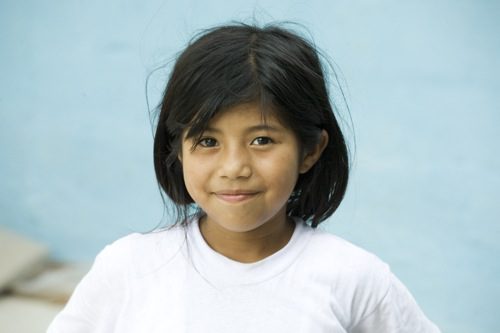
The Maldives, an archipelago located near India and Sri Lanka, faces significant food security and hunger challenges. With a population of 515,696 citizens, it is estimated that over 10.3% are battling hunger. However, increased efforts have been made to combat this rise in hunger in the Maldives.
Problem in Numbers

With various scattered islands in the Maldives, it must be noted that most citizens live in urban areas. However, despite this setting, 17.3% of children in the Maldives are underweight, while 10.6% are wasted, a condition where a child’s muscle and fat tissues dissolve away to the bone.

It is estimated that only 47.8% of babies are exclusively breastfed during their first six months of life. As a result, many infants do not receive the essential nutrients needed for healthy development, which could lead to significant health problems in the future.

Alongside the impact of malnutrition on children, it is important to highlight that the adult population also experiences a significant burden, with  42.6% of women of reproductive age suffering from anemia.

Causes of Hunger and Poverty

Various factors cause food insecurity in the Maldives. One major factor is poverty, which has been exacerbated by a decline in tourism. Tourism is estimated to contribute to two-thirds of the nation’s GDP, so the recent border closures due to COVID-19 have had a severe impact on the livelihoods of the citizens. With one-third of adult males and a quarter of females engaged in tourism-related occupations, thousands have lost their jobs, making it harder for people to provide food and other necessities for their families.

Climate change, environmental degradation and declining ocean health threaten food security in the Maldives. Rapid temperature changes, flooding and drought impact agricultural yields, reducing the ability to produce food locally.

Another contributing factor to the hardships many families face is the decline in fish exports. Since fisheries after tourism represent a significant portion of the GDP, many families that rely on fishing as their primary source of income have experienced severe financial impacts.

Road to Change

Despite the rising hunger rates among the population of the Maldives, several organizations have mobilized to assist those in need. A prominent organization in this effort is the Food and Agriculture Organization of the United Nations (FAO), which is committed to advancing both fisheries and agriculture in the Maldives.

The FAO’s primary objective was to reassess the situation in the Maldives and create opportunities to grow the fishery and agriculture sectors. By establishing a stable framework, the organization enabled thousands to secure new jobs in the agriculture industry while increasing demand for specific goods.

Additionally, the FAO focused on teaching sustainable practices to hundreds of Maldivian farmers. By supporting small-scale farms, the FAO significantly boosted production in underprivileged communities. The organization also equipped farmers with the tools and knowledge to thrive amid climate change. This included providing methods to enhance the productivity of their crops, livestock and fisheries despite challenging climatic conditions.

Despite significant support from the FAO, the Maldives still struggles to adequately feed its entire population. While organizations like the FAO can provide short-term assistance, long-term solutions require active involvement from the government. To effectively reduce hunger, the Maldivian government must collaborate with nonprofit organizations to improve food security nationwide. By working together, NGOs and the Maldivian government can help decrease the overall hunger rate in the Maldives.

– Aditya Padmaraj
Photo: Flickr 

Updated: November 1, 2024

October 19, 2020
https://borgenproject.org/wp-content/uploads/borgen-project-logo.svg 0 0 Kim Thelwell https://borgenproject.org/wp-content/uploads/borgen-project-logo.svg Kim Thelwell2020-10-19 02:21:182024-11-03 17:31:23Hunger in Maldives: The FAO Assists
Children, COVID-19, Food & Hunger, Food Insecurity, Global Poverty

How Amazon and UPS Battle Food Insecurity in Guatemala

Food Insecurity in Guatemala
September 1, 2020, brought joy to citizens of Guatemala City as nearby schools finally received a long-awaited donation from the company, Amazon. Through coordinated efforts with Guatemala Minister of Education Claudia Ruíz Casasola, Amazon donated cooking supplies which will be dispersed among 500 schools surrounding Guatemala City. These schools are located in the Dry Corridor, an area that has suffered from food insecurity due to dramatic flooding followed by months of drought. Amazon’s donation to these 500 schools will perhaps assist 100,000 students currently battling food insecurity in Guatemala.

Amazon’s Partnership with the World Food Program (WFP) USA

Amazon is a partner of the World Food Program USA (WFP), an organization dedicated to fighting global hunger and famine. The organization has had quite a year, providing meals for 138 million people. They even raised $1 million in 10 days for those suffering the results of the explosion in Beirut. This partnership has allowed WFP to continue its efforts in supporting the Guatemalan government’s school feeding program while combating global hunger as a whole.

Amazon’s Partnership with the United Parcel Service (UPS)

This donation was long-awaited, as Amazon delivered the initial shipment back in February of 2020. Concerns surrounding the COVID-19 pandemic and international shipping delayed the distribution of the donation until now. Therefore, making this a moment of excitement and gratitude. However, the shipment of this donation was made possible through the generosity of the United Parcel Service (UPS). UPS covered the cost of the shipment of Amazon’s donation to the schools in Guatemala, contributing to the support of the WFP as it navigates the global challenges of the pandemic. The donations expect utilization in January when many public schools plan on welcoming back students.

The outcomes of this donation are plentiful, as food insecurity is a major threat to the children in Guatemala. This year’s cropping season produced Guatemala’s worst crop yield in 35 years due to excessive drought. Moreover, Guatemala faces the highest level of malnutrition in Latin America. As a result, many school-aged children face stunted growth and the pandemic contributed to a total of 1.2 million citizens, already in need of food assistance.

Through the generosity of Amazon and UPS, items such as bowls, blenders and pans will arrive in schools to prepare breakfasts and lunches for students facing food insecurity. By battling food insecurity  in Guatemala and malnutrition in schools, the government can work to make sure students are receiving their necessary nutrient intakes. In parallel, this does not place financial stress on families to provide daily meals for their children.

Mission Guatemala

The Guatemalan government’s school feeding program, in addition to other initiatives, such as Mission Guatemala, has the goal of ending any deaths relating to hunger across the country. Large organizations like the WFP, along with major businesses like Amazon and UPS have the potential to assist in the fight against global hunger in countries like Guatemala. Amazon and UPS have set a positive example with this donation. In this way, they bring awareness to the food crisis that exists in countries outside of the U.S. Due to the companies’ global influence, other major brands may follow suit. Potentially, making donations and partnering with organizations that work to assist others.

The WFP USA also accepts donations and the opportunity to begin fundraising through their website. Advocacy is essential, and any individual contribution can assist those battling hunger, as seen by the generosity of both Amazon and UPS.

– Evan Coleman
Photo: Flickr

October 17, 2020
https://borgenproject.org/wp-content/uploads/borgen-project-logo.svg 0 0 Kim Thelwell https://borgenproject.org/wp-content/uploads/borgen-project-logo.svg Kim Thelwell2020-10-17 04:00:582020-10-17 04:00:58How Amazon and UPS Battle Food Insecurity in Guatemala
Food Security, Global Poverty

West African Super Grain Bringing Prosperity to Sahel Farmers 

west african super grain
Fonio is a millet with small grains native to West Africa. It is a staple of many dishes in the Sahel region of Niger, Chad, Nigeria and Mali. Also, it has been compared to quinoa and teff by several food scientists. The grain, which has a nutty flavor, can be roasted, pounded or boiled to make bread, couscous and porridge. Also, its swift maturity cycle of two months and its health benefits (gluten-free and fiber-rich) has skyrocketed the popularity of this West African super grain across the Atlantic to Western grocery shelves.

The rise of fonio will benefit the farmers in the Sahel struggling with food security and poverty. A semi-arid region, the 10 Sahel countries experience only 12–20 inches of rainfall per year, making it difficult to sustain agricultural prosperity. Additionally, the GDP in this area ranges between $900 to less than $3,000 per capita — with oil and minerals being the main sources of income. Importantly, due to these nations’ fragile, political environments, business relations tend to suffer. Financial experts are looking at crops like fonio already native to the region so citizens in these countries can help grow the economy. In this same vein, activities like farming will help. Here are some ways the West African super grain will bring prosperity to the region. 

Fonio: Loyal to the Homeland

For thousands of years, fonio has flourished in the arid soil of the Sahel region, just south of the Sahara Desert. Land that is not arable is beneficial for it, as the plant grows in poor soil with little to no need for fertilizers. Its long roots assist in providing topsoil and supplying the atmosphere with carbon dioxide. Farmers in the Sahel are familiar with its low-maintenance and use the crop’s ability to self-fertilize to grow other crops in conjunction. It is rotated with other crops to keep the desert land as fertile as possible. Since fonio favors dry, arid soil, the Sahel is one of the few regions in the world where mass production is possible. As the West African super grain continues to grow in popularity, its environmental selectiveness will be an advantage for Sahel farmers in monopolizing production and generating wealth in the region.

Fonio in the Culinary World

Pierre Thiam, an acclaimed Senegalese chef, restaurateur, author and culinary ambassador, founded Yolélé Foods to bring formerly unknown West African staples to the Western palate. In particularly, fonio. Earlier this year, Yolélé released a series of pre-seasoned fonio pilafs intended to be ready within minutes of opening. While the company focuses in the Brooklyn area, it imports fonio directly from the Sahel. To help farmers increase productivity, the company partnered with SOS Sahel, a nonprofit focused on improving conditions in the region. Additionally, Yolélé built the first industrial-scale mill in Dakar, the capital of Senegal (where Thiam is from). With the increased demand for the crop, hopes are high that farmers in the region will have a steady source of income for their labors.

Win-Win

If the popularity of the West African super grain is any indication, fonio could reach quinoa’s status in the culinary world. In Western homes, it is quickly becoming a key ingredient for those with celiac disease, as well as in gluten-free households. While citizens of these nations incorporate the grain into their salads, bread and cakes — farmers in the Sahel are working to ensure their way of life is not endangered by poverty and hunger.

– Faven Woldetatyos
Photo: Flickr

October 17, 2020
https://borgenproject.org/wp-content/uploads/borgen-project-logo.svg 0 0 Jennifer Philipp https://borgenproject.org/wp-content/uploads/borgen-project-logo.svg Jennifer Philipp2020-10-17 02:53:222020-10-17 02:53:22West African Super Grain Bringing Prosperity to Sahel Farmers 
Food & Hunger, Food Insecurity, Global Poverty, Water Crisis, Water Quality, Water Sanitation

Fighting Poverty and Pollution

poverty and pollutionPollution impacts people’s air, water and food worldwide. In general, pollution affects impoverished individuals the most. Many individuals in developing countries already struggle to find clean water, edible food and good healthcare. Unfortunately,  pollution only exacerbates these pre-existing issues. The city of Nairobi, Kenya is a prime example of this. Its largest garbage dump surrounds and pollutes churches, schools, shops and places of business. As such, poverty and pollution are closely related. Eliminating pollution may be able to help eradicate global poverty. 

Poverty and Pollution

Runoff from factories, farms and towns has made drinking water sources dangerous because of contamination. In some places, the effects of pollution also decrease the crop yield and increase food prices, as runoff also contaminates farm land. Additionally, imported food products are often tainted with bacteria, thus making these food products dangerous for consumption. These circumstances could increase the number of people suffering from malnutrition, especially in developing countries. Poverty and pollution are therefore connected through causation: high food prices and food insecurity can both contribute to poverty. Indeed, pollution could contribute to the number of people living in global poverty increasing by 100,000 million.   

Pollution and Hunger

There are currently 815 million people around the world suffering from chronic undernourishment. Importantly, one of the main causes of malnourishment and undernourishment is contaminated food. India, for example, lost an estimated 24 million tons of wheat in one year due to an airborne pollutant. More recently, India may also lose 50% of its rice production because of the same pollutant. On a global scale, studies have found that air pollutants decrease the production of staple crops like wheat, rice, maize and soybeans from 5% to 12%. Experts estimate that this is equivalent to the loss of up to 227 million tons of crops, which equals $20 billion in global revenue lost.

However, food is also becoming contaminated through industrial runoff in the ground. Pollution via industrial run-off affects crops in sub-Saharan Africa, East Asia and South America. In these regions, access to foods that are high in nutrients is low and irrigation runoff is high. Runoff especially impacts Africa, where farmers depend on subsistence farming to feed themselves and their families.

Both of these types of pollution can increase food insecurity and hunger. In these conditions, individuals cannot use their land to grow clean food for themselves and their families. Worldwide, 33% of children who come from middle- to low-income countries already endure chronic malnutrition. This contributes to the fact that 45% of all children’s deaths are due to undernutrition or a related cause. Furthermore, there are at minimum 17 million children worldwide who are acutely malnourished, resulting in the death of two million children each year. Thus, pollution and poverty are related through the issue of hunger, which is fatal for children around the world.  

Pollution Clouds the Water

Unfortunately, pollution does not only amplify the issue of hunger, it also contributes to a lack of clean water. Globally, 844 million people do not have regular access to clean water. The vast majority of these people live in extreme poverty. In Uganda alone, there are 28 million people who cannot readily access clean water. These Ugandans must drink water polluted by sewage, mudslide debris and other contaminants.

Due to these conditions, 70% of all diagnosed diseases are directly linked to unclean water and poor sanitation and hygiene methods. These diseases include hepatitis, typhoid, cholera, diarrhea and dysentery. Unfortunately, these diseases kill 3.4 million people each year, 43% of whom are children younger than five. In Uganda, these illnesses force 25% of children to stop attending school each year. 

Poverty and pollution are directly related through water pollution. On a global scale, the world loses $18 billion when people are to sick with waterborne illnesses to work. Additionally, the time many people must spend finding water results in missed economic opportunities valued at over $24 billion worldwide. 

The Fight Against Pollution

Thankfully, many organizations are addressing these pressing connections between poverty and pollution. The Abdul Latif Jameel Poverty Action Lab (J-PAL), based at M.I.T., received a $25 million gift from King Philanthropies to combat many issues that both poverty and pollution create. It plans to do so by launching the King Climate Action Initiative (K-CAI). The K-CAI focuses explicitly on helping those who live in extreme poverty. Its aims include reducing carbon emissions, reducing pollution, acclimating to the climate change and transitioning toward cleaner energy.

The K-CAI plans to accomplish these goals by creating and evaluating many smaller projects. Once the K-CAI determines which projects are the most impactful, it will implement them in impoverished countries on a large scale. Thus far, J-PAL has focused on improving the production of food, education, policy and healthcare in impoverished countries. K-CAI is using J-PAL’s successes to help determine the most efficient ways to achieve these goals.  

The correlation between poverty and pollution is clear and direct. As such, pollution can make the fight to end global poverty more challenging. However, with promising initiatives such as the K-CAI, the global battle against pollution and poverty seem like a much easier feat. Defeating pollution will give the world a much-needed advantage in ending global poverty once and for all. 

– Amanda Kuras
Photo: Flickr

October 16, 2020
https://borgenproject.org/wp-content/uploads/borgen-project-logo.svg 0 0 Jennifer Philipp https://borgenproject.org/wp-content/uploads/borgen-project-logo.svg Jennifer Philipp2020-10-16 10:24:262020-10-16 10:24:26Fighting Poverty and Pollution
Food & Hunger, Food Insecurity, Food Security, Global Poverty

Improving Food Security in Africa with ZeroFly Storage Bags

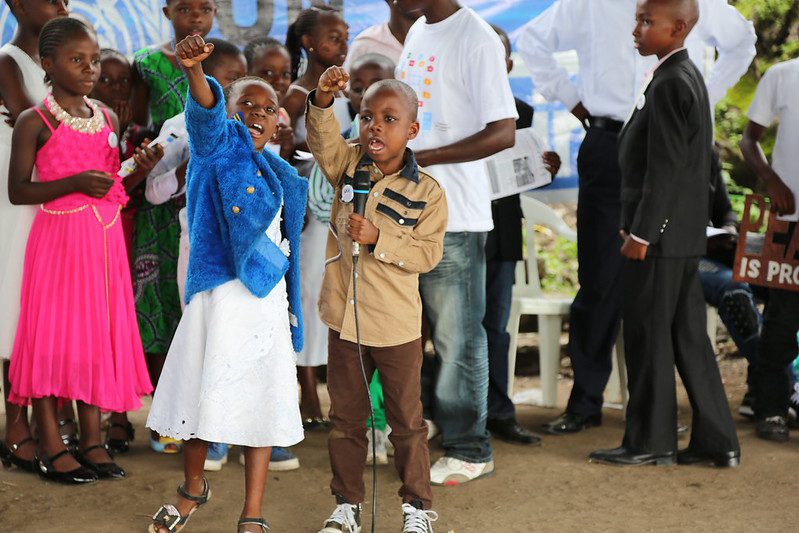
improving food security in AfricaA severe food deficit plagues the African continent, as 20% of its inhabitants do not have enough food. To create a more sustainable, livable future for Africans, there needs to be a serious effort dedicated to improving food security in Africa. Agriculture’s significance for the African economy creates an excellent opportunity to help the economy while increasing the food supply with new technological advancements. Here is how ZeroFly Bags are improving food security in Africa.
Understanding Post-Harvest Loss

Recent efforts geared toward improving food security in Africa have revealed the key causes of food insecurity. In Kenya, perhaps most alarming is the country’s high rate of post-harvest food loss. While food waste refers to edible food that is thrown away, food loss refers to food that is not even edible for human consumption. In Kenya alone, 20% of grain cereals are lost after harvest. Specifically an estimated 12% of maize ends up as post-harvest loss. This is an astounding figure for a region that relies heavily on agriculture as a primary food source.

Furthermore, Kenya is a model for other countries in the region, which exposes the depth of food insecurity in Africa. While Kenya has begun to address this issue, post-harvest food loss still contributes to food insecurity throughout sub-Saharan Africa. Thirty-three million smallholder farms are responsible for producing up to 90% of the food supply in some Sub-Saharan African countries. Despite these millions of farmers, however, post-harvest losses lead to severe food shortages. While grain loss can equal up to 20% of supply, up to half of fruits and vegetables do not even make it to the marketplace.

Improving Food Security in Africa by Overcoming Food Loss

Post-harvest food losses result from a lack of food safety measures, inadequate sanitation and poor storage methods. The methods taken so far to combat these issues are expensive. These include regular pesticide treatments, which are time-consuming, dangerous and questionably successful. As such, sub-Saharan Africa still loses $4 billion a year as a result of post-harvest food losses. The ZeroFly Bag could drastically transform that number.

A recent technological invention, ZeroFly Storage Bags, works toward improving food security in Africa. Public health innovation company Vestergaard developed the product to ameliorate food storage methods. Embedded with FAO- and WHO-certified pesticide deltamethrin in its fibers, the ZeroFly Storage Bag protects the stored grain from insects. Because the bag slowly releases the pesticide over two years, it remains effective for at least that long. With pests unable to taint the quality of the food, these bags keep post-harvest food loss to a minimum.  

Impact on a Global Scale

While this innovation is improving food security in Africa, it also has the potential to reduce poverty worldwide. Only two-thirds of food produced for human consumption actually make it to the marketplace. As 12.5% of people worldwide are without food, limiting post-harvest food loss can improve food security around the globe.

The ZeroFly Storage Bag could be an essential part of bettering both food security and poverty. For example, the World Bank estimates that a 1% reduction in post-harvest food losses would save $40 million. This could directly benefit smallholder farms. While many people in Africa and elsewhere struggle to access food, the ZeroFly Storage Bag is a sustainable solution to improving food security in Africa and around the world.

– Eliza Cochran
Photo: Flickr

October 16, 2020
https://borgenproject.org/wp-content/uploads/borgen-project-logo.svg 0 0 Jennifer Philipp https://borgenproject.org/wp-content/uploads/borgen-project-logo.svg Jennifer Philipp2020-10-16 08:26:492024-06-04 01:17:57Improving Food Security in Africa with ZeroFly Storage Bags
Food & Hunger, Food Insecurity, Food Security, Global Poverty, Human Rights, United Nations

How the UN Eradicates Poverty and Promotes Human Rights

u.n. eradicates povertyThe United Nations (U.N.) is an international organization designed for countries to work together on human rights issues, maintain peace and resolve conflicts. Currently, the U.N. consists of representatives from 193 countries. In the general assembly, nations have a platform for diplomatic relations. One of major missions of the U.N. is the eradication of global poverty. The U.N. eradicates poverty comprehensively and works to address current poverty levels and their resulting crises. Additionally, it works to prevent the causes of poverty from spreading on a global level.

What Is Poverty?

The U.N. defines poverty as “more than the lack of income and productive resources to ensure sustainable livelihoods.” The organization asserts that poverty affects people in many ways, including “hunger and malnutrition, limited access to education and other basic services, social discrimination and exclusion, as well as the lack of participation in decision-making.” Poorer countries that suffer from a lack of basic resources face all of these problems.

Around the world, more than 730 million people live below the poverty line. Many of these people live in Southern Asia and sub-Saharan Africa. These poor countries also often suffer from internal violence that impacts their ability to address the needs and vulnerabilities of their citizens. As such, poverty and conflict have a reciprocal relationship, both contributing to the other.

The U.N. eradicates poverty through multiple commissions that address specific populations and the issues they face. For example, UNICEF, the U.N. children’s commission, works specifically to address children living in poverty globally. It does so by promoting education access and healthcare, as well mitigating the damaging effects of armed conflict. Through “fundraising, advocacy, and education,” this division of the U.N. eradicates poverty and helps children around the world.

Poverty and Human Rights

The U.N. outlines inalienable international human rights as the following: “the right to life and liberty, freedom from slavery and torture, freedom of opinion and expression, the right to work and education, and many more.” One of the many detrimental effects of global poverty is high death rates. Poverty may cause death through water and food insecurity, as well as a lack of healthcare and medical access. This is why poverty is truly a human rights issue.

For someone to have a guarantee to life and liberty, they cannot be living in abject poverty. Education and the “right to work” are also rights affected by living in poverty. Education is sparse in many of the world’s poorest countries, which often suffer from high unemployment rates. This contributes to household income and citizens’ inability to provide for themselves and their families. Thus, poverty is a complex and multifaceted issue that affects all aspects of people’s lives, from their health and well-being to their futures.

The International Poverty Line

According to the U.N., as of 2015, there were “more than 736 million people liv[ing] below the international poverty line.” The international poverty line (IPL) quantifies people’s standard of living. This helps researchers, aid workers and governments assess people’s situation. It also allows these actors to assess their success in mitigating harm and promoting development. Foreign Policy explains that “The IPL is explicitly designed to reflect a staggeringly low standard of living, well below any reasonable conception of a life with dignity.”

The U.N. eradicates poverty by examining not only measures like the IPL but also the effects of extreme poverty. The number of people below the poverty line is important, but the U.N. focuses on what this means for people living in such poverty. For example, the U.N. notes that “[a]round 10 percent of the world population is living in extreme poverty and struggling to fulfill the most basic needs like health, education.”

The Future of the U.N. and Poverty

The U.N. is likely to remain one of the leading forces in the eradication of poverty and the promotion of human rights. Its unique history, size and diverse commissions make it a powerful organization. In particular, the commissions that work with vulnerable populations will be essential to securing the safety and prosperity of those living in poverty. Importantly, the U.N. eradicates poverty with the support of its 193 member states, as it depends on their sponsorship and help in conflict resolution. Just as poverty has no borders, neither should the solutions we use to solve it.

– Kiahna Stephens
Photo: Flickr

October 15, 2020
https://borgenproject.org/wp-content/uploads/borgen-project-logo.svg 0 0 Kim Thelwell https://borgenproject.org/wp-content/uploads/borgen-project-logo.svg Kim Thelwell2020-10-15 12:42:562024-05-30 07:52:20How the UN Eradicates Poverty and Promotes Human Rights
Child Poverty, Food & Hunger, Food Security, Poverty

Food Insecurity on the Islands: Hunger in Fiji

hunger in fijiFiji, a country bordering both Tonga and Futana, has faced increased obstacles with food security. It is estimated that amongst the population of 926,276 citizens, over 250,000 individuals are battling poverty and hunger. However, increased efforts have been made to combat this rise in hunger in Fiji.

Problem in Numbers

It is estimated that over 35% of Fiji’s population is below the national poverty line. With the income of households drastically declining, thousands of families do not have the proper resources to thrive.

Fiji children are also heavily impacted, further contributing to the increased rate of hunger in Fiji. It has been recently estimated that over 40% of Fiji’s children are malnourished. A majority of children in Fiji suffer from “protein-energy malnutrition”, meaning that they do not consume enough vital and nutritious foods for their bodies.

The Causes

The lack of food distribution in Fiji points towards a variety of factors. A primary cause is due to Fiji’s political instability and corruption. Additionally, with tourism making up a majority of Fiji’s GDP, the COVID-19 pandemic has led to decreased budgets and widespread unemployment.

Climate change has also affected hunger in Fiji. Cyclones have led to massive agricultural losses, resulting in widespread losses of income and the destruction of food that would be derived from the agricultural crops.

Another cause contributing to the hunger in Fiji is the increased dropout rates among children. With the majority of Fiji’s population battling poverty, children are often instructed to leave school in search of work. From grueling street work to harsh agricultural labor, children earn very little over the years.

In 2016 it was estimated that over 55% of children at primary school age were not attending school. This low schooling rate leaves many children uneducated, unskilled and closed off to stable job opportunities which in turn leaves them unable to afford basic necessities as adults.

The Road to Change

However, despite the increased rates of hunger among the Fiji population, organizations have stepped up to aid the needy. A prominent organization is Moms Against Hunger, which has dedicated itself to providing food for the individuals battling poverty. Moms Against Hunger has recruited numerous volunteers and has delivered over 250,000 food packages to families in need. Under the COVID-19 pandemic, hundreds of families received enough food to last several months.

Another impactful organization is HELP International, which looks to empower and educate individuals in need. HELP International focused its efforts in the nutrition sector, teaching individuals nutritional guidelines, financial literacy and the importance of schooling. Through these efforts, thousands of families can learn to manage a budget, eat well and pursue higher education.

Additionally, Aggie Global seeks to educate farmers on sustainable practices. Under a team of various volunteers, Aggie Global hosted workshops to teach farmers about crop control, production tricks and sustainable solutions. After conducting these workshops, hundreds of farmers were able to boost production, increasing the amount of food distributed to the public.

The Future

Despite organizations looking to aid those in need, Fiji continues to face problems in feeding the entirety of its population. The efforts from nonprofit organizations provide short-term relief but Fiji is in great need of government assistance to see great and lasting change.

For Fiji to see an immense reduction in its hunger rate, the government must act alongside nonprofit organizations to provide for families. In addition, the Fiji government must prioritize the youth and support and encourage the pursuit of higher education. With increased positive influence and support from Fiji’s government, poverty-stricken families all over Fiji would benefit, lowering the overall hunger rate.

– Aditya Padmaraj
Photo: Flickr

October 14, 2020
https://borgenproject.org/wp-content/uploads/borgen-project-logo.svg 0 0 Kim Thelwell https://borgenproject.org/wp-content/uploads/borgen-project-logo.svg Kim Thelwell2020-10-14 05:57:432024-06-06 00:43:15Food Insecurity on the Islands: Hunger in Fiji
Food Security, Global Poverty

Hunger and Malnutrition in New Caledonia

malnutrition in new caledonia
New Caledonia is a French territory off the east coast of Australia. Like many Pacific Island nations, its main food staples include fish, fruit and coconut. While food insecurity is not a prevalent issue in the territory as a whole, food deserts are certainly. Rising food prices drive the poorest citizens — most often, those of the Kanak community (New Caledonia’s indigenous Melanesian population) — to scrounge for their needed caloric intake. Cheap food products sacrifice nutrition for convenience and the prevalence of these food deserts in New Caledonia has prevented the entire population from enjoying the sustenance the island has to offer. These are the factors that are contributing to the problem of malnutrition in New Caledonia.

Growth in Both Prosperity and Food Prices?

Growth stunting and hunger levels are generally low in New Caledonia. However, as food prices rise, it becomes difficult for rural and tribal communities (which have been most affected by the country’s spike in poverty rates) to maintain healthy diets. These increases follow the nation’s growth in prosperity — derived from its lucrative nickel industry and payments from mainland France.

Malnutrition in New Caledonia arises from economic and geographical limitations. Despite how the territory seems to flourish, wealth is unequally distributed. This, in turn, leads to a significant portion of the population struggling with rising food prices. When markets lack competition, sellers can raise the price of goods without the risk of a competitor undercutting them. On top of wealth and wage disparities, the poorest populations in the country cannot afford nutritional food.

A Victim of Geography

Like most islands, New Caledonia operates under the constraints of its remoteness, which involves limited space and a smaller, local market. Food prices are about 33% higher in New Caledonia, with inflation having risen in the territory at a faster rate than it did in France. Those above the poverty line in New Caledonia spend only about a quarter of their income on food. Yet, for the 17% living below it — they might spend more than half of their income on food. In New Caledonia, 85% of adults eat fish at least once a week. Of the total amount fished, 92% is used for subsistence, which leaves the remaining 8% for the market.

While New Caledonia has several great agricultural staples, the reliance on agriculture has been decreasing due to a reduction in available land (as well as the increase of non-agricultural jobs). The distribution of available agricultural land parallels the disparity in wealth distribution and food security concerning the Kanak community and the rest of New Caledonia’s population. The predominantly European-settled Southern Province holds about 22% of New Caledonia’s limited farmland. Meanwhile, the native Kanak Northern Province holds only about 14%.

During 2004–2006, the prevalence of undernourishment in the population was at 9.6%. This rate decreased in the next decade, dropping to 8.2% during 2017–2019. For comparison, the rate of undernourishment in the U.S., one of the wealthiest nations in the world, is less than 2.5%.

Closing the Gaps

While hunger is not an issue for all of its citizens, malnutrition in New Caledonia tends to plague those who receive less of the territory’s wealth as compared with others. As food prices rise, many of those who do not receive proper nutrition fall into the lower-income bracket and thus, below the poverty line. Also, this unfortunately tends to include members of the Kanak community. This wealth disparity (and subsequent nutrition disparity) is exacerbated by lower rates of education and job training within the Kanak communities. This of course results in lower rates of employment among the Kanak. By first bridging the education and employment gap, closures on the wealth and nutritional gaps can then follow.

– Catherine Lin
Photo: Flickr

October 11, 2020
https://borgenproject.org/wp-content/uploads/borgen-project-logo.svg 0 0 Kim Thelwell https://borgenproject.org/wp-content/uploads/borgen-project-logo.svg Kim Thelwell2020-10-11 01:30:102024-06-05 02:12:23Hunger and Malnutrition in New Caledonia
Page 18 of 78«‹1617181920›»

Get Smarter

  • Global Poverty 101
  • Global Poverty… The Good News
  • Global Poverty & U.S. Jobs
  • Global Poverty and National Security
  • Innovative Solutions to Poverty
  • Global Poverty & Aid FAQ’s
Search Search

Take Action

  • Call Congress
  • Email Congress
  • Donate
  • 30 Ways to Help
  • Volunteer Ops
  • Internships
  • Courses & Certificates
  • The Podcast
Borgen Project

“The Borgen Project is an incredible nonprofit organization that is addressing poverty and hunger and working towards ending them.”

-The Huffington Post

Inside The Borgen Project

  • Contact
  • About
  • Financials
  • President
  • Board of Directors
  • Board of Advisors

International Links

  • UK Email Parliament
  • UK Donate
  • Canada Email Parliament

Get Smarter

  • Global Poverty 101
  • Global Poverty… The Good News
  • Global Poverty & U.S. Jobs
  • Global Poverty and National Security
  • Innovative Solutions to Poverty
  • Global Poverty & Aid FAQ’s

Ways to Help

  • Call Congress
  • Email Congress
  • Donate
  • 30 Ways to Help
  • Volunteer Ops
  • Internships
  • Courses & Certificates
  • The Podcast
Scroll to top Scroll to top Scroll to top