• Link to X
  • Link to Facebook
  • Link to Instagram
  • Link to TikTok
  • Link to Youtube
  • About
    • About Us
      • President
      • Board of Directors
      • Board of Advisors
      • Financials
      • Our Methodology
      • Success Tracker
      • Contact
  • Act Now
    • 30 Ways to Help
      • Email Congress
      • Call Congress
      • Volunteer
      • Courses & Certificates
      • Be a Donor
    • Internships
      • In-Office Internships
      • Remote Internships
    • Legislation
      • Politics 101
  • The Blog
  • The Podcast
  • Magazine
  • Donate
  • Click to open the search input field Click to open the search input field Search
  • Menu Menu

Archive for category: Food & Hunger

Information and stories on food.

Food Security, Global Poverty, Water, Water Quality

Water and Food Security in Ethiopia

Water and Food Security in Ethiopia
The Universal Declaration of Human Rights recognized that having food was a human right in 1948. However, it did not include water until 2010. Thus, governments have three obligations: to respect, protect and fulfill these rights in a non-discriminatory, participatory and accountable way. Particularly, water is important for agricultural production and ecosystems such as forests and lakes. Water and food security are essential in alleviating poverty in Ethiopia.

About 800 million people reside in areas where water and food security is low. In order to address the underlying causes of food insecurity, it is necessary to resolve water insecurity and social injustices.

Water Quality and Access

According to the United Nations Development Program, a crisis in water and sanitation causes more devastation than a terrorist attack. Furthermore, these crises happen quietly. As a result, millions of people enjoy access to clean water without concern for others.

Lyla Mehta argues that water is food in itself. The micronutrients in water aids in human health and sanitation. Additionally, water of poor quality can cause diseases that lead to food insecurity and damage ecosystems. Therefore, having access to clean water is essential in improving living conditions for people.

Water inequity exists within societies in four ways:

  • Availability: The gap between water-abundant nations and water-scarce nations is large.
  • Access: Water Accessibility depends greatly on gender, socio-economic status and power relations. As a result, discrimination of race, class and gender is prevalent.
  • Quality: The effects of pollution diminish water quality, causing poor nutrition and damaged ecosystems.
  • Stability: Changing weather and variability make water accessibility highly unstable. Additionally, by 2080, another 1.8 billion people will suffer from water scarcity due to environmental challenges.

Water and Food Security in Ethiopia

Ethiopia relies heavily on agriculture, which constitutes 40% of its GDP and 75% of the workforce. The agriculture industry consists mainly of small-holder farmers in a mixed system of crop-livestock. Furthermore, farmers have limited knowledge of technology and rely heavily on rainfall. Consequently, the primary cause of food shortages is droughts.

Fortunately, many organizations and agencies are working to promote water and food security in Ethiopia.USAID works with several programs to strengthen the conditions of Ethiopia’s water and food security. First, the Feed The Future Strategy encourages participation in income-generating activities within the agricultural sector. This provides jobs and opportunities for families in rural areas and provides credits and technical assistance to small and medium-sized businesses. Additionally, USAID is the largest bilateral donor to the Productive Safety Net Program (PSNP) of the Government of Ethiopia. It contributes by directly rehabilitating the natural environment through labor-based public efforts, stimulating markets, creating greater service accessibility and preventing the draining of household assets.

Additionally, the World Food Program supports the MERET program in investing in a number of activities that relate to water and soil conservation and rehabilitation. Moreover, packages of homestead development and household income-generating programs have emerged to increase household income and women’s assistance. As a result, water availability has increased from ponds, wells, springs and soil moisture. Furthermore, there has been a significant increase in production and household income.

How to Address Water and Food Security

Expectations have determined that agricultural productivity will increase in the following decades. Thus, the need for water will increase as well. It is challenging to address water security when competition increases. However, allocating quality water in specific amounts and managing agriculture will help communities achieve sustainable social and economic development.

Furthermore, programs are building comprehensive plans to address challenges related to production and consumption. First, improving less fortunate communities’ access to food and water is imperative. Next, overcoming gender discrimination will help improve food production and nutrition. Then, promoting inclusive water governance to guarantee equitable and sustainable decision-making in water and food security is crucial.

Water is as important as food for human health. Moreover, water contributes to food accessibility, sanitation and provides a means to achieve sustainable income. Therefore, Ethiopia needs to address water and food security.

– Helen Souki
Photo: Flickr

March 9, 2021
https://borgenproject.org/wp-content/uploads/borgen-project-logo.svg 0 0 Jennifer Philipp https://borgenproject.org/wp-content/uploads/borgen-project-logo.svg Jennifer Philipp2021-03-09 07:30:172021-03-05 08:46:22Water and Food Security in Ethiopia
Food Security, Global Poverty

Plenitud Teaches Sustainable Farming in Puerto Rico

Plenitud teaches sustainable farming in Puerto Rico
The small Puerto Rican town of Las Marias lies deep in the island’s interior mountains. At least 43% of its population lives below the poverty levels and another 21.8% are aged over 65 years. The COVID-19 pandemic further exacerbated the situation. On the island, 40% of families reported food insecurities, up from roughly 33% prior to the pandemic. Luckily, one organization is busy addressing this. Here is how Plenitud teaches sustainable farming to impoverished Puerto Rican families.

What is Plenitud?

A group of graduates from the University of Florida created Plenitud in 2008 in order to research, learn and educate about sustainable farming techniques. With a strong conviction and purpose, these friends quickly began cultivating permaculture and teaching initiatives in Puerto Rico’s central mountains. Within a few years, Plenitud grew and swiftly established relationships with several major universities across the island. These universities host groups of students for academic and service trips in impoverished areas. In 2011, Plenitud settled on a 15-acre Las Marias farm equipped with a greenhouse, food forests, eco-buildings, campsites, rainwater collection and a Teaching Center. Here, Plenitud teaches sustainable farming and operates as a hub of sustainability.

Building Community Resilience

Plenitud has a strong belief that communities deserve access to safe shelter, clean water, food and health. Because of this, the organization supports community resiliency among the most vulnerable populations. To do this, Plenitud installs rainwater harvesting systems and regularly tests and monitors the water quality. Additionally, Plenitud establishes food security among communities by training a new generation of farmers, installing community gardens and growing fresh and healthy food. These efforts improve food security by ensuring local food sovereignty.

Further work has gone into building “SuperAbobe” shelters. These are a form of earthbag construction that can provide quick and secure housing for vulnerable individuals. These SuperAbode homes, like other bio-construction buildings, aim to minimize the impact on the environment by sourcing local, raw materials. Additionally, SuperAdobe shelters offer a form of alternative housing that easily withstand the earthquakes and hurricanes that frequently devastate the area.

Inspiring the Future Generations

Plenitud believes that teaching the value of cultivating food from an early age is crucial to resolve many of the problems faced by Puerto Rican children and their families. Plenitud teaches sustainable farming not only to promote economic stability in impoverished Puerto Rican regions but also to inspire the youth into choosing organic farming as a profession. To do so, Plenitud developed partnerships with four public schools in addition to universities. Its Partner Schools Program offers over 1,000 students experiential education in food preparation and sustainable farming. In this way, Plenitud is preparing the future generation of sustainable farmers.

With these applied techniques, Plenitud is successfully positioning itself at the forefront of the sustainability movement in Puerto Rico. This movement’s core is about giving impoverished and malnourished communities the right tools to become resilient and self-sustainable. Through community resilience projects and sustainable farming practices, these communities will have the tools to lift themselves out of poverty, contributing to the economic development of the entire region.

– Jesus Quinones
Photo: Flickr

March 5, 2021
https://borgenproject.org/wp-content/uploads/borgen-project-logo.svg 0 0 Jennifer Philipp https://borgenproject.org/wp-content/uploads/borgen-project-logo.svg Jennifer Philipp2021-03-05 16:04:322024-05-30 07:56:33Plenitud Teaches Sustainable Farming in Puerto Rico
Food & Hunger, Food Aid, Food Security, Global Poverty

Feed the Children is Making a Difference in Haiti

5 Things to Know about Feed the Children and Their Work in Haiti
For the last 40 years, Feed the Children has been working toward a hunger-free world by providing resources to those who lack basic necessities. In 2020, Feed the Children has created a substantial impact worldwide and reached countless children and families in need. Most notably, Feed the Children is making a difference in Haiti.

Feed the Children’s Goals

Feed the Children works in Guatemala, Honduras, Haiti, El Salvador, Nicaragua, Philippines, Uganda, Kenya, Malawi and Tanzania to reduce hunger and bolster education. The specific approach in each country varies slightly based on the overwhelming needs of the area. However, the dedication to alleviating food insecurity and teaching self-reliance remains a priority in every community. These impoverished areas desperately need assistance to help build better communities for their children. Feed the Children hopes that its efforts will yield the following four results:

  • Properly nourish children by age 5.
  • Provide all children with clean water, proper sanitation and hygiene resources.
  • Enable all children to receive a high-quality education.
  • Cultivate financially stable families that contribute to their communities.

Successfully Reached over 1.6 Million People

The organization displays its impressive impact in its 2019 Annual Report and shares its Strategic Plan for 2019-2023. While the organization works both in the United States and internationally, its combined impact accounts for 6.3 million people worldwide. In its 10 countries of focus, it has reached 1.6 million people and distributed over 9.4 million pounds of food and essential items; the value of these items total over $31 million. The organization gave school supplies and books to 17,821 international students. Moreover, 228,450 school children now benefit from regular, nutritious meals at school. In its Strategic Plan for 2019-2023, Feed the Children plans on implementing many new initiatives to create an even larger impact in the future. Here are some of its most prominent strategic visions:

  • Expanding its emphasis on child-focused programming to 10% of total resources.
  • Reducing chronic and acute undernutrition in impoverished communities to only 12%.
  • Increasing the percentage of food donations by 8%.
  • Gaining 36% more corporate partners to contribute toward product and service donations, financial gifts and promoting shared values.
  • Increasing overall revenue by 21%.

Intervention in Haitian Natural Disasters

Haiti is both the most impoverished and least developed country in the western hemisphere. The country’s literacy rate is only 61%, which is significantly below the 90% literacy rates among most Latin American and Caribbean countries. Its education expenditures account for only 2.4% of the GDP; these numbers make it apparent that the Haitian commitment to education is staggeringly low. The economy struggles from political instability, natural disasters, disease and mismanagement of humanitarian relief. Frequent hurricanes contribute to the high rates of damage and death seen in Haiti. In 2017, Haiti only collected 10% of its GDP for tourism. This is significantly low compared to its past percentages and the Caribbean states’ average of 15%. These startling statistics caught the attention of Feed the Children and inspired them to extend aid to this struggling nation.

Community Development Programs and Peer-to-Peer Care Groups

The Child-Focused Community Development (CFCD) programs have been making a difference in Haiti through their implementation into 12 different communities. This program teaches children and their families how to prevent malnutrition and reduce poverty through food and nutrition, health and water, education and lifestyle. This training is extremely pertinent to the members of these Haitian communities, as many children suffer from malnutrition. At least 17% of babies are born with low birth weights and 22% of children have stunted growth. Feed the Children hopes that this community development program will save many children from the harmful effects of malnutrition. Through an emphasis on low-cost sanitation initiatives that possess high impact results, families can learn how to address health issues more quickly and prevent disastrous health outcomes.

Additionally, Feed the Children has incorporated peer-to-peer Care Groups in Haitian communities. These groups meet to help educate mothers of young children about nutrition and health. With the ultimate goal of raising healthy children, the peer-to-peer Care Groups teach mothers how to utilize nutritious foods and how to prevent water-borne illnesses through safe cooking.

Positive Results

Not only has Feed the Children been able to give its 12 targeted Haitian communities more food and basic resources, but it also equipped them with the tools they need to build more self-sustaining societies. From the peer-to-peer Care Groups alone, over 1,600 women received training as caregivers who are equipped with extended knowledge on nutrition and safe health practices for their children. Feed the Children also incentivized families to keep their children in school by offering a hot meal three times per week at school. For many families, this school food serves as the only guaranteed meal a child would consume in a day. Therefore, providing these meals for school children both helps keep them from malnourishment and encourages consistent school attendance.

Feed the Children is a great example of an organization that has been making a difference in Haiti and yielding substantial results in the fight against global poverty. With various initiatives spanning 10 nations, countless numbers of vulnerable children and families are learning about how to implement healthy food, water and hygiene habits into their daily lives. Food insecurity and lack of education are huge contributors to poverty; Feed the Children recognizes this and strategically approaches malnutrition and education in a way that cultivates improvements in the lives of the poor.

– Hope Shourd
Photo: Flickr

March 5, 2021
https://borgenproject.org/wp-content/uploads/borgen-project-logo.svg 0 0 Lynsey Alexander https://borgenproject.org/wp-content/uploads/borgen-project-logo.svg Lynsey Alexander2021-03-05 01:30:322024-05-30 07:56:05Feed the Children is Making a Difference in Haiti
Food Security, Global Poverty

SunCulture Expansion Increases Food Security

SunCulture Expansion For many farmers in Africa, unpredictable weather patterns and growing seasons often lead to insufficient harvests and food insecurity. Yet, nearly 80% of people in Africa rely on agriculture as their main source of food. According to the United Nations, global food production must increase by 60% by the year 2050 in order to sustain the world’s growing population. Despite environmental limitations, more sustainable and efficient farming must occur. SunCulture, a Kenya-based solar-powered generator and irrigation system manufacturer, promotes food production, ensuring that farmers in Africa have the means to produce enough food. With the latest SunCulture expansion, the company hopes to help more farmers in Africa and also add new products to its repertoire.

SunCulture Promotes Food Production

Africa has 65% of the world’s uncultivated, arable land, according to the African Development Bank. However, due to limited resources to sustainably grow and harvest food, food scarcity is prevalent in farming communities in Africa. To combat this scarcity, SunCulture has provided families with sustainable tools to increase food production, such as generators and irrigation systems. Since much of Africa’s freshwater exists as groundwater, irrigation systems help pump water up to the surface to water crops during droughts. At the same time, solar-powered generators provide power in farming villages lacking electricity. With these tools available for purchase, SunCulture promises that families can sustain themselves and their communities without fear of food insecurity or scarcity. The pay-as-you-grow financing option allows farmers to pay in small monthly installments, making products accessible and affordable.

Since SunCulture’s creation in 2013, it has changed the lives of thousands of farmers across East Africa. The company estimates that farmers using its products have seen up to five times increase in crop yields and have gained up to 10 times increased income from selling their crops. By allowing farmers the opportunity to grow enough food to sell the excess, local commerce has bolstered the economies of these communities. This had led to more people being able to purchase SunCulture’s irrigation systems and grow even more crops. Although SunCulture currently promotes food production exclusively in the eastern parts of Africa, new business expansions have allowed them to help farmers across the continent.

SunCulture Expansion

In December 2020, SunCulture announced a US$14 million expansion that would allow farmers across the African continent access to the company’s products. Backed by numerous organizations such as Energy Access Ventures (EAV) and USAID’s Kenya Investment Mechanism (KIM) program, the expansion would also allow SunCulture to provide better support to farmers in Africa such as more efficient irrigation systems and less costly generators. While EAV has been one of SunCulture’s main investors since its inception, KIM offers new opportunities both in helping companies find a market to sell their products and getting the resources necessary to make their products. Through its work with KIM, SunCulture is confident in its ability to bring sustainable irrigation to the millions of farming families in Africa.

While this SunCulture expansion may take time to cover all of Africa, it will immediately impact farmers in Kenya, Ethiopia, Uganda, Zambia, Senegal, Togo and Cote d’Ivoire. Farmers in these countries will be able to either purchase their first irrigation system from SunCulture or buy more systems to better sustain their crops and increase yields.

Addressing Food Security and Reducing Poverty

As more people in Africa rely on agriculture both for food and income, SunCulture’s products have been able to increase agricultural outcomes. With the expansion, SunCulture hopes to aid more families and communities in Africa to reduce food insecurity and better their livelihoods, alleviating poverty overall.

– Sarah Licht
Photo: Flickr

March 4, 2021
https://borgenproject.org/wp-content/uploads/borgen-project-logo.svg 0 0 Kim Thelwell https://borgenproject.org/wp-content/uploads/borgen-project-logo.svg Kim Thelwell2021-03-04 01:30:402024-05-30 07:56:47SunCulture Expansion Increases Food Security
Food Security, Global Poverty

Agricultural Sustainability in the DRC

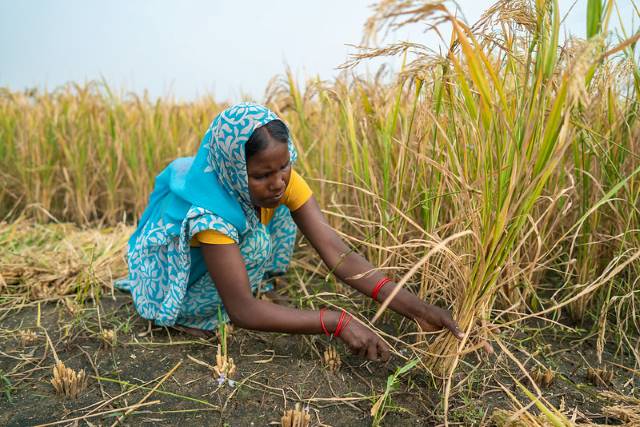
Agricultural Sustainability in the DRCDespite the Democratic Republic of the Congo harboring the second-largest cultivable land in the world at 80 million hectares, food insecurity and malnutrition are pressing issues in a country that ranks among the poorest in the world. The Integrated Food Security Phase Classification (IPC) characterizes almost 22 million of the 89.5 million residents as severely food insecure, despite 70% of the employed population working in the agricultural industry. Lack of infrastructure combined with prolonged national armed conflict has led to only 10 million hectares currently under cultivation, leaving enormous potential for agricultural and economic growth. Agricultural sustainability in the DRC is crucial to address food insecurity and poverty.
The Joint WFP-FAO Resilience Program in DRC

A combined effort from the Food and Agriculture Organization (FAO) and the World Food Programme (WFP) focuses on the optimization of agriculture production as well as market revisions and improvements to reduce food insecurity and bolster a declining national economy. Improving agricultural sustainability in the DRC could prove effective in stabilizing a region with enormous agricultural potential.

The Need for Agricultural Sustainability

Providing direct financial relief to the DRC has proven both necessary and effective, especially in the wake of nationwide flooding in 2019 and 2020 on top of widespread armed conflict and displacement. Since 2018, USAID reports that the DRC has received roughly $570 million worth of direct food relief. However, direct relief does not equal sustainability and is a relatively short-term solution. The joint program from the WFP and FAO implements successful strategies to provide much-needed agricultural sustainability in the DRC and creates an important foundation for further improvements.

The Benefits of Cooperation

Promoting organizational cooperation and improving managerial structure has allowed for combined agricultural improvements nationwide. Since 2017, this project has reached 30,000 small farm households and stimulated cooperation that has improved organizational structure and operational capacities. This cooperation has allowed for the distribution of newer agricultural technologies and concepts such as improved seeds and more advanced tools to optimize production.

Increased cooperation has also helped eliminate local conflicts between farmers and has increased the total area of land being cultivated. The program has also provided 7,000 local women with functional literacy education, allowing for more female community engagement as well as involvement in managerial duties in farming communities.

Addressing Nutrition in the DRC

At a local level, the joint program has implemented enhanced nutritional programs to utilize the increasing resources. Increased cooperation and education have allowed for the growth of crops with enhanced nutritional value. To promote long-term sustainability, in 2020, the project utilized direct aid to establish 300 vegetable gardens, reaching 13,510 residents. The program also held 150 culinary demonstrations regarding optimal cooking techniques that are both affordable and nutritious.

Developing the DRC’s Infrastructure

Large agricultural areas such as the DRC rely heavily on infrastructure for transportation and storage of goods. The joint program has fixed 193 kilometers of agricultural roads since implementation in 2017, with 65% of the road rehabilitators being women.

Not only has the program enhanced transportation capabilities but it has also constructed 20 different storage buildings as well as 75 community granaries, allowing for the long-term storage of agricultural products. This enhanced storage capacity reduces waste from spoilage and allows product to be sold during favorable selling seasons, allowing for advanced agricultural sustainability in the DRC.

The Joint WFP-FAO resilience program in the DRC has made significant accomplishments in the country. With further efforts, agricultural sustainability in the DRC can be further developed to improve poverty in the region.

– Jackson Thennis
Photo: Flickr

February 28, 2021
https://borgenproject.org/wp-content/uploads/borgen-project-logo.svg 0 0 Lynsey Alexander https://borgenproject.org/wp-content/uploads/borgen-project-logo.svg Lynsey Alexander2021-02-28 01:30:562024-05-30 07:56:17Agricultural Sustainability in the DRC
Food Security

Flood-Tolerant Rice Benefits Farmers in India

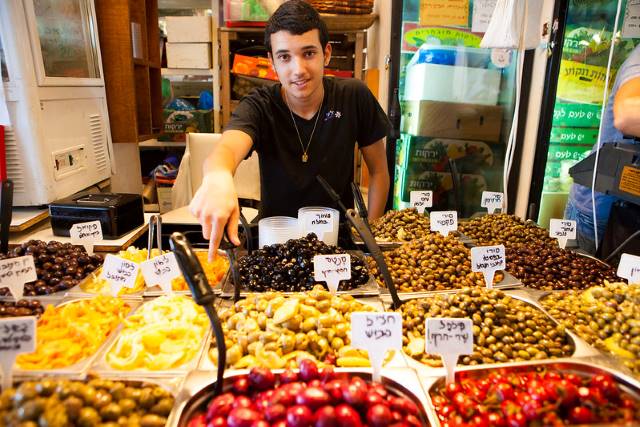
Flood-Tolerant Rice BenefitsRice farming and production impacts the lives of millions throughout the world. Rice is the staple food of three billion people globally and a source of income for many. The farming of rice also contributes significantly to the economic growth of many countries. Especially within developing countries, the success of rice production is crucial for feeding individuals and creating economic stability. Flood-tolerant rice benefits developing countries reliant upon rice for livelihoods, food security, and the economy’s stability.
Environmental Challenges Affect Rice Production in India

Recent changes in the climate have caused rice production volatility due to flooding and drought. As many as 4.8 million people in India are exposed to river flood risks each year. In India, environmental challenges have had an especially negative effect on rice crops as floods have overtaken many viable planting areas. This flooding has disproportionately affected low-income farmers. These farmers often work with less reliable plots of land that are more prone to flooding. Without the development of techniques to help combat extreme weather, both the livelihoods of low-income people within India and the general Indian economy will experience a significant socio-economic impact.

Swarna Sub-1 Rice

A strain of flood-tolerant rice called Swarna Sub-1 has been a major development that addresses crop damage due to flooding in India. As a mixture of two different rice varieties, this scientifically developed plant is able to withstand intense flooding. This type of rice has been on the market for use since around 2009; however, many farmers have not had access to the rice strain until recently. This is largely due to the lack of information about the existence of Swarna Sub-1 and a lack of accessibility to it.

Flood-Tolerant Rice Benefits

The introduction of flood-tolerant rice has allowed for an increase in rice production, as J-PAL studies have shown. J-PAL is an organization that researches innovative solutions to global poverty. The increased rice production throughout India has had an incredibly positive effect, both economically and socially, as there is a larger supply of rice boosting local economies. As impoverished farmers have seen more successful rice harvests, they have been keener to cultivate a greater amount of farmland and make riskier agricultural decisions. Farmers have also invested in fertilizers to further increase crop health as they are more sure of their ability to create a solid income through rice farming. Additionally, precautionary rice savings decreased, suggesting farmers have perceived lower risk of crop losses with the flood-tolerant rice.

Swarna Sub-1 seeds increased rice yields by about 10% over the course of two years, as seen in the study. Researchers stated that the productive behavior changes among farmers who planted Swarna Sub-1 accounted for 41% of the long-term increase in rice yields. The higher yields also increased the income of farmers by roughly $47 per hectare.

The Potential of Flood-Tolerant Rice

These flood-tolerant rice benefits have improved the livelihoods of impoverished farmers in India while also contributing to food security and local economies. Increased access to flood-tolerant rice varieties in developing countries has the potential to improve lives and lift people out of poverty.

– Olivia Bay 
Photo: Flickr

February 27, 2021
https://borgenproject.org/wp-content/uploads/borgen-project-logo.svg 0 0 Yuki https://borgenproject.org/wp-content/uploads/borgen-project-logo.svg Yuki2021-02-27 01:30:322021-02-27 08:07:05Flood-Tolerant Rice Benefits Farmers in India
Food & Hunger, Food Insecurity, Global Poverty, Hunger

Battling Food Waste and Food Insecurity in Israel

Food Insecurity in IsraelIt is an indisputable fact that everyone needs food for survival. Even further, everyone needs enough nutritious food to truly thrive. That being true, the reality is that not everyone gets enough high-quality, nutritious food yet significant amounts of food are thrown away daily. This dilemma is present globally and Israel is no exception. Food waste and food insecurity in Israel is a growing problem, but one organization, Leket Israel, is working to address both.

Israel’s Food Dilemma

Food waste is an excess of food that usually gets thrown into landfills instead of being consumed. The amount of food wasted in Israel is striking, but possibly more striking is the economic impacts it has on individual and infrastructural levels.

The Environmental Protection Ministry in Israel cited that Israeli families throw away about $1,000 worth of food per year. This equates to $352 million in waste treatment and a month and a half of average household food expenses.

Food waste is present not only on the household level but also prominently in the restaurant and agricultural sectors. Remedying food waste would likely lift a considerable economic weight from the shoulders of many Israeli individuals and communities.

Remedying food insecurity in Israel would do the same. Food insecurity is widely considered as a lack of consistent access to balanced, nutritious food sources. Many in Israel suffer from food insecurity and the number continues to climb.

The Latet organization’s yearly Alternative Poverty Report revealed that the 20.1% of Israeli households in poverty grew to 29.3% in 2020 due to COVID-19.

So naturally, food insecurity has worsened because of the pandemic. The number of food-insecure households in Israel grew from 17.8% before the pandemic to 22.6% in December 2020. Further, the number of households in extreme food insecurity increased by 34,000 during the pandemic, per the National Insurance Institute of Israel.

There is a great need to address the dilemma of food waste and food insecurity in Israel.

Leket Israel

Leket Israel is an organization that recognizes the importance of addressing the increased need for more accessible food sources and reducing food waste. Joseph Gitler started an organization in 2003 that would become Leket Israel, a food bank and the largest food rescue chain in the country.

Specifically, Leket takes nutritional food excesses and distributes them to thousands of Israelis who need them. The food provided mostly consists of agricultural surpluses and gathered cooked meals that would become food waste, with special focus on the quality and nutritional value of the food distributed to beneficiaries across Israel.

Nutritional Education

Within food insecure populations that do not have access to reliable nutritious food, there can also be a lack of knowledge about balanced nutrition. For this reason, Leket Israel implements multiple nutrition workshops to make its impact and fight to promote food security more lasting. Nutritional workshops involve lessons on how to select and prepare diverse, healthy meals on a restricted budget. They are given in Hebrew, Amharic, Arabic and Russian to increase accessibility.

There is a greater demand for the work that Leket Israel is doing because of the COVID-19 pandemic and the increase in food insecurity across Israel. The organization’s affirmative response to this demand is undeniable. Take, for example, the experience of Natalie Digora. During the pandemic, Leket Israel is helping people like Natalie Digora in Ramat Gan, Israel, who turned to the organization after being sent home from her occupation as an opera singer in March 2020. They have continued serving her.

Turning Food Trash into Food Treasure

Digora’s story is one of thousands. To date, Leket Israel has served more than 2,300,000 cooked meals to more than 200,000 individuals. As it continues this, turning one person’s trash into another’s treasure, Leket gives hope to people struggling with food insecurity in Israel.

– Claire Kirchner
Photo: Flickr

February 17, 2021
https://borgenproject.org/wp-content/uploads/borgen-project-logo.svg 0 0 Yuki https://borgenproject.org/wp-content/uploads/borgen-project-logo.svg Yuki2021-02-17 05:20:302021-02-17 05:20:30Battling Food Waste and Food Insecurity in Israel
Children, Food & Hunger, Food Aid, Food Security, Global Poverty, Humanitarian Aid, Nonprofit Organizations and NGOs, Poverty Reduction

5 NGOs Fighting Poverty in Wales

Poverty in WalesWales, one of the four scenic countries that comprise the United Kingdom, has 25% of its population facing poverty. Around 200,000 children live in poverty in the country too, with 90,000 of these children enduring extreme poverty. As Wales struggles with poverty on a daily basis and searches for improvement, NGOs in the country are doing their part to combat poverty.

5 NGOs Fighting Poverty in Wales

  1. The Joseph Rowntree Foundation. The Joseph Rowntree Foundation is an independent NGO working to solve poverty in the United Kingdom and Wales. Through research, policy, collaboration and practical solutions, the Joseph Rowntree Foundation aims to inspire action and change inside the United Kingdom. By shining a light on poverty in Wales while offering solutions for potential change, poverty in the country can be clearly addressed and better managed.
  2. The Catholic Agency for Overseas Development (CAFOD). CAFOD is an international NGO that reaches out to people living in poverty with practical help in the overall pursuit of campaigning for global justice. Through donations, campaigning and calling upon individuals to volunteer in both their local communities and internationally in Wales, CAFOD looks to immediately impact poverty with positive results. CAFOD is also a member of Caritas Internationalis, one of the largest humanitarian, development and social service networks in the world.
  3. The Trussell Trust. This is an NGO that supports a nationwide network of food banks that collectively provides emergency food and support to people locked in poverty. The Trussell Trust handed out 70,393 emergency food parcels from April through September through its 117 food banks that comprise the Welsh network of the NGO. Across the United Kingdom, the Trussel Trust’s network distributed more than 1.2 million emergency food parcels during the first six months of the COVID-19 pandemic.
  4. Save the Children. An NGO founded in 1919, Save the Children combats child poverty worldwide with the mission of keeping children safe, healthy and learning. The Wales sector of Save the Children works with education, social care and health partners to deliver a range of programs that directly benefit the lives of children in Wales. Children growing up in poverty in Wales face deep impacts, and as they fall behind in school due to the limited income of their parents, the cycle of poverty continues. Save the Children directly combats this cycle in Wales by advocating to the Welsh government about the importance of childhood education.
  5. The Bevan Foundation. Located directly in Wales, this NGO is on the constant lookout to reduce poverty in the country through innovation and ideas. Working alongside the Joseph Rowntree Foundation to find new solutions to poverty, the Bevan Foundation has presented evidence to the Welsh Parliament’s Equality, Local Government and Communities Committee inquiry on the impact of COVID-19 on communities, poverty and housing. The evidence will be beneficial for implementing anti-poverty strategies in Wales. The Bevan Foundation has also advocated consistently for social security benefits that would alleviate poverty.

The Future of Wales

Wales, facing increasing poverty due to the COVID-19 pandemic, finds its poverty worsening among children in the country more so than among adults. Amid this poverty, organizations are working to address the situation in different ways. With the help of more NGOs, poverty in Wales can reduce as the nation works to address the very core and cycle of it.

– Dylan James
Photo: Flickr

February 4, 2021
https://borgenproject.org/wp-content/uploads/borgen-project-logo.svg 0 0 Kim Thelwell https://borgenproject.org/wp-content/uploads/borgen-project-logo.svg Kim Thelwell2021-02-04 07:30:272022-05-11 08:38:315 NGOs Fighting Poverty in Wales
Food & Hunger, Global Poverty

5 Facts About Food Security in Kuwait

Food Security in KuwaitLocated on the western edge of the Persian Gulf, Kuwait is a small Arab state comparable to the size of New Jersey. Nevertheless, Kuwait holds the sixth-largest oil reserve in the world. This has helped its citizens become among the wealthiest in the world. Kuwait has consistently ranked among the Arab world’s best for food security. However, its reliance on food imports, as well as having underdeveloped agriculture and fishing industries, could hinder its future. Here are five facts about food security in Kuwait.

Top 5 Facts About Food Security in Kuwait

  1. According to the Economist’s 2019 Global Food Security Index, Kuwait received a score of 74.8 out of 100 and ranked 27 out of 113 countries for food security. As a result, Kuwait only trails Qatar (ranked 13) and the United Arab Emirates (UAE) (ranked 21) in the region. Kuwait is most notably fifth in the world for food “affordability” and boasts a high “sufficiency of supply.” Both factors significantly contribute toward preventing hunger.
  2. Despite its high ranking on the Global Food Security Index, Kuwait imports more than 96% of its food. Given that Kuwait only has 1.4 million citizens, more than 700,000 foreign nationals and migrant workers benefit from a subsidy program. In November 2019 alone, subsidy expenditures reached upward of $23.5 million. Kuwait’s food subsidy initiative has ultimately improved the nutrition of Kuwaiti children and created widespread food security in Kuwait.
  3. Expatriates in Kuwait who do not receive subsidized food are at great risk of food insecurity. The average non-Kuwaiti worker in 2018 earned about 299 KD, while the average Kuwaiti citizen earned 1,415 KD. In the event of another surge of COVID-19, this wage gap could be especially catastrophic for the 2 million foreign nationals in Kuwait who do not receive food subsidies. For some, their salary might not even cover all of their basic human needs.
  4. A major reason for Kuwait’s reliance on imported food is its weak agriculture industry, which has traditionally consisted of fruits and vegetables like tomatoes, onions and melons. Ultimately, agriculture contributes less than 0.5% to the country’s GDP. Further development of agriculture seems unlikely considering an average annual rainfall of about four inches and 8.6% arable land. An underdeveloped agriculture sector would be an existential threat to most countries. Conversely, Kuwait’s small population, great wealth and diversified imported food supply chain allow it to circumvent such risks.
  5. Kuwait’s fisheries have experienced reduced production. Kuwait’s fisheries can provide only 33-49% of total fish demand in Kuwait and their production has dropped by more than 20% in recent decades. Anything that negatively impacts Kuwait’s fishing industry could make Kuwait more dependent on other countries for their fish supply. If water temperatures increase as experts predict, the average price of fish would likely rise with the departure of locally-sourced fish. This could increase poverty nationwide. Therefore, programs like the DNA Project are crucial to safeguarding Kuwait’s food security in the future. The DNA Project intends to collect DNA from local and migrating fish in order to manage stock more effectively.

Kuwait Works with FAO

Although fighting domestic poverty has long been a priority for Kuwait, the growing presence in foreign policy is exciting. Kuwait’s current work with the Food and Agriculture Organization (FAO) of the United Nations to combat hunger in Syria is just one example of this transition. In May 2019, Kuwait donated $3 million to the FAO, securing 200 kilograms of enhanced wheat seeds for 20,000 Syrian farmers and their families. Consequently, Kuwait has helped to bolster both agricultural production and food security in Syria. Kuwait’s involvement in eliminating poverty in Syria builds on its partnership with the FAO in Yemen, Somalia, South Sudan and Nigeria, where it has achieved similar success in improving food security.

As collaboration develops between nations to eliminate poverty, the ability to achieve other humanitarian goals will significantly increase as well.

– Alex Berman
Photo: Pexels

January 27, 2021
https://borgenproject.org/wp-content/uploads/borgen-project-logo.svg 0 0 Kim Thelwell https://borgenproject.org/wp-content/uploads/borgen-project-logo.svg Kim Thelwell2021-01-27 07:30:562024-06-07 05:08:055 Facts About Food Security in Kuwait
Food Security, Global Poverty, United Nations

2021: The International Year of Fruits and Vegetables

Fruits and Vegetables
The United Nations 74th General Assembly declared 2021 as the International Year of Fruits and Vegetables (IFYV). Thus, the United Nations has four primary focus areas: Raising awareness of nutrition and health benefits, promoting balanced and healthy diets, reducing losses and waste and promoting consumption, sustainability, supply chains and capacity strengthening.

IFYV and Sustainable Development Goals (SDGs)

The International Year of Fruits and Vegetables is in congruence with three SDGs. It works towards achieving zero hunger ensuring healthy lives and promoting well-being and promoting sustainable consumption and production patterns. Consequently, the initiative helps raise awareness about the health benefits of fruits and vegetables and hastens the 2030 Agenda’s attainment.

Cross-cutting Issues to Address

  • Small-Scale Production: Over 50% of fruits and vegetables grow on less than 20 hectares of land worldwide. Consequently, developing countries produce a significantly low volume of fruits and vegetables. Farmers in developing nations primarily practice subsistence farming for consumption. Thus, farmers sell the remaining fruits and vegetables to markets.
  • Technology and Innovation: To ensure quality and quantity output, the Food and Agriculture Organization of the United Nations (FAO) hopes to improve its already-existing farming technologies in the fruit and vegetable sector. As a result, it targets high-yielding and disease-resistant cultivars, insect-breeding for pollination, pest control and conservation-agriculture techniques.
  • Gender and Youth: Although women play a significant role in the world’s fruit and vegetable sector, they still face disproportionate disadvantages such as lack of legal access to land, insufficient financing and low and unequal pay. Fostering innovations in this sector would open opportunities for women and the youth in this sector to gain economies of scale and improve its overall thriving.
  • Policy: In the past, fruits and vegetables have received less attention than staple crops in policy, research and funding. In 2021, however, thanks to FAO’s initiative, the Fruits and Vegetable sector potentially stand a chance of receiving financing both from governments and investors, which will, in turn, boost its productivity.
  • Losses: East and Southeast Asia and farms in sub-Saharan Africa lose about 50% of fruit and vegetables during storage. Technological advancements would help increase supply chains’ efficiency and reduce losses and waste.

Policies & Measures

The 2021 International Year of Fruits and Vegetables policies’ aim to attain sustainability, boost productivity and ensure profitability in this sector. Thus, it strives to nurture a healthy food environment for consumers to consume fresh produce. Furthermore, it emphasizes the importance of including fruits and vegetables in a balanced diet.

Furthermore, these policies explore opportunities for tax incentives and deductions in business activities. Additionally, it seeks new sources of funding for infrastructure development in developing countries. This enables smooth and timely transportation of the harvest to redistribution facilities and markets.

Policies aim to reduce food waste in developing countries by modifying market standards for fresh produce and facilitating food banks’ access to fruits and vegetables in the field for easy redistribution.

FAO Director-General Qu Dongyu launched the International Year of Fruits and Vegetables. He remarked that promoting healthy diets is crucial for immune system strengthening. The COVID-19 pandemic has made this especially important. It is difficult to assess the project’s progress this early, but it has undoubtedly made progress.

– Divine Mbabazi
Photo: Flickr

January 25, 2021
https://borgenproject.org/wp-content/uploads/borgen-project-logo.svg 0 0 Jennifer Philipp https://borgenproject.org/wp-content/uploads/borgen-project-logo.svg Jennifer Philipp2021-01-25 19:36:472021-03-11 19:37:042021: The International Year of Fruits and Vegetables
Page 15 of 78«‹1314151617›»

Get Smarter

  • Global Poverty 101
  • Global Poverty… The Good News
  • Global Poverty & U.S. Jobs
  • Global Poverty and National Security
  • Innovative Solutions to Poverty
  • Global Poverty & Aid FAQ’s
Search Search

Take Action

  • Call Congress
  • Email Congress
  • Donate
  • 30 Ways to Help
  • Volunteer Ops
  • Internships
  • Courses & Certificates
  • The Podcast
Borgen Project

“The Borgen Project is an incredible nonprofit organization that is addressing poverty and hunger and working towards ending them.”

-The Huffington Post

Inside The Borgen Project

  • Contact
  • About
  • Financials
  • President
  • Board of Directors
  • Board of Advisors

International Links

  • UK Email Parliament
  • UK Donate
  • Canada Email Parliament

Get Smarter

  • Global Poverty 101
  • Global Poverty… The Good News
  • Global Poverty & U.S. Jobs
  • Global Poverty and National Security
  • Innovative Solutions to Poverty
  • Global Poverty & Aid FAQ’s

Ways to Help

  • Call Congress
  • Email Congress
  • Donate
  • 30 Ways to Help
  • Volunteer Ops
  • Internships
  • Courses & Certificates
  • The Podcast
Scroll to top Scroll to top Scroll to top