• Link to X
  • Link to Facebook
  • Link to Instagram
  • Link to TikTok
  • Link to Youtube
  • About
    • About Us
      • President
      • Board of Directors
      • Board of Advisors
      • Financials
      • Our Methodology
      • Success Tracker
      • Contact
  • Act Now
    • 30 Ways to Help
      • Email Congress
      • Call Congress
      • Volunteer
      • Courses & Certificates
      • Be a Donor
    • Internships
      • In-Office Internships
      • Remote Internships
    • Legislation
      • Politics 101
  • The Blog
  • The Podcast
  • Magazine
  • Donate
  • Click to open the search input field Click to open the search input field Search
  • Menu Menu

Archive for category: Food & Hunger

Information and stories on food.

Developing Countries, Food Aid, Food Security, Global Poverty, Hunger

The Rising Case of Hunger in Swaziland

hunger in swazilandIn 2017, it was recorded that 58.9% of people in Swaziland were living below the poverty line. Despite the country’s lower-middle-class status, the poverty rate continues to persist. Challenges such as low economic growth, severe weather patterns, high unemployment, high cases of HIV/AIDS and a high amount of malnutrition, the Swaziland population is struggling with an immense amount of poverty. A whole 42% of the population lives on less than $1.90 a day. With people in Swaziland struggling to make ends meet, hunger in Swaziland continues to be prevalent.

Food Insecurity in Swaziland

Many Swazis are chronically food insecure. One out of three people face severe hunger, and with the COVID-19 pandemic, hunger is only increasing. With severe weather conditions, Swaziland faces poor harvest years, decreasing the amount of food that can be produced. The Integrated Food Security Phase Classification (IPC), a tool used to improve food security, reported that 32% of the population will experience “high acute food insecurity” within the coming months due to the pandemic. COVID-19 has compounded the food insecurity situation, causing restrictions that disrupt the already limited food supply for Swazi households.

Rise Against Hunger

Humanitarian assistance programs have been a huge support system for the lack of food supplies in Swaziland during the COVID-19 pandemic. Rise Against Hunger is a movement that mobilizes resources to improve poverty and create solutions for hunger in Swaziland. This movement provides life-saving aid to the world’s most vulnerable, Swaziland being one of the most vulnerable countries. Rise Against Hunger now partners with Salesian Missions, a humanitarian organization that gives hope to millions of youth globally, to provide food and aid to those living in poverty in Swaziland. Together, these organizations provide meals for the hungry. Beginning in 2011, this partnership has been successful, providing food and life-saving aid to malnourished individuals in Swaziland.

USAID Food Relief

As the Swaziland government struggles to deliver aid and food relief, USAID has partnered with World Vision to provide emergency food assistance. USAID is making an effort to reach 45,000 food insecure people in Swaziland by providing monthly food rations. These food rations include cornmeal and beans and vegetable oil.  Not only are USAID and World Vision providing food rations to decrease the percentage of hunger in Swaziland, but they are also working to increase the agricultural production of families that need assistance in recovering from previous droughts. With USAID stepping in to provide as much relief as possible, these efforts will produce longer-term resilience.

Hunger in Swaziland has caused many to succumb to hunger at a faster rate since the COVID-19 pandemic hit, making hunger a widespread issue. Organizations and charities are working together to provide the necessary aid essential to eradicate hunger in Swaziland.

– Kendra Anderson
Photo: Flickr

December 12, 2020
https://borgenproject.org/wp-content/uploads/borgen-project-logo.svg 0 0 Kim Thelwell https://borgenproject.org/wp-content/uploads/borgen-project-logo.svg Kim Thelwell2020-12-12 02:43:282024-05-30 07:53:18The Rising Case of Hunger in Swaziland
Developing Countries, Food Aid, Food Security, Foreign Aid, Foreign Relations, Global Poverty

2020 Conference Pledges Aid to Afghanistan

Aid to AfghanistanThe period of 2018 to 2020 brought with it a series of difficulties for the people of Afghanistan, including droughts, floods and pandemics. A severe drought in 2018 impacted 95% of the country’s farmland and dried up crucial water sources. More than 250,000 people were displaced and at least 1.4 million civilians required emergency aid. Following the drought, 2019 had the opposite occurrence: heavy rainfall activated widespread flooding in nine provinces, impacting more than 112,000 people. These crises continue to be felt in 2020 as both old and new challenges exacerbate conditions for the poorest Afghans. Countries all over the world are pledging to provide aid to Afghanistan.
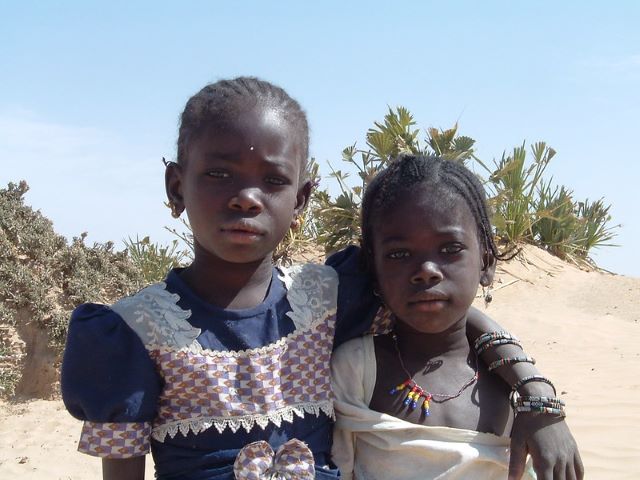
Conditions Affecting Afghanistan

  • COVID-19: In November 2020, Afghanistan documented 44,133 coronavirus cases and 1,650 fatalities. The socio-economic impacts have been extensive. Average household debt rose by 36,486 AFS (US$474) and the poverty level increased from 54% to 70%. According to the World Bank, Afghanistan’s economy is predicted to contract by at least 5.5% due to the 2020 impact of COVID-19.
  • Displacement: Nearly 286,000 Afghans at home and 678,000 abroad suffered displacement in 2020, bringing the total displaced to approximately four million. Internal displacement camps are rife with insanitation, poor healthcare, unemployment, limited potable water and food insecurity. According to estimations by the 2020 Humanitarian Needs Overview, one million displaced people will require aid by the end of 2020.
  • Political Uncertainty: Political instability has been a mainstay in Afghanistan for decades and continues to trouble both citizens and the international community. Despite ongoing 2020 peace negotiations with the Taliban, fighting continues in the region. As a result, desperately needed health clinics have suffered closures and 35,000 Afghans were displaced from the Helmand Province in October 2020 alone.
  • Women’s Rights: Conditions for Afghan women and children have improved in recent years, allowing 3.3 million girls to receive an education. Additionally, women have experienced expanding opportunities for political, economic and social engagement. However, government participation is still strictly limited and women are still at high risk of violence.
  • Food insecurity: Afghan farmers still had not fully recovered from the 2018 drought and 2019 flood before the impact of COVID-19 on the country raised food prices, and with it, further food insecurity. Estimates warn that one-third of the population have already exhausted their savings and are in crisis levels of food security, with 5.5 million of them in emergency levels. However, farmers are hopeful that improved climate conditions will alleviate some of the damage done in previous years of difficulties.

2020 Afghanistan Conference

International donations fund at least half of Afghanistan’s annual budget. This is unlikely to change anytime soon, especially as COVID-19’s toll on the country’s economy also decreases government revenues. There was concern that the 2020 Conference would see a diminished aid pledge from Afghanistan’s largest donors, but the meetings that took place on November 24 secured a minimum of US$3.3 billion annually for four years contingent upon a review of Afghanistan’s progress in areas of peace, political development, human rights and poverty reduction. The United States is one such donor, pledging $300 million for 2021 and promising another $300 million worth of aid to Afghanistan if the ongoing peace talks prove successful. To this end, the “Afghanistan Partnership Framework” details the principles and goals of Afghanistan’s growth in peace-building, state-building and market-building.

Rebuilding Afghanistan

While some have expressed concern that the donations for aid to Afghanistan are not enough to cover costs and that the contingency requirements will be very difficult for Afghanistan to implement without compromises, there nevertheless is hope that tighter restrictions will prevent fewer funds from being lost to corruption. Despite the future challenges ahead of Afghanistan, Afghan leaders reiterated their commitment to “finding a political settlement that can not only bring an end to the suffering of the Afghan people but strengthen, safeguard and preserve the gains of the past 19 years.”

– Andria Pressel
Photo: Flickr

December 9, 2020
https://borgenproject.org/wp-content/uploads/borgen-project-logo.svg 0 0 Yuki https://borgenproject.org/wp-content/uploads/borgen-project-logo.svg Yuki2020-12-09 01:30:432024-05-30 07:55:572020 Conference Pledges Aid to Afghanistan
Developing Countries, Food & Hunger, Foreign Aid, Global Poverty

Poverty in Mali: Causes, Solutions and Further Action

poverty in Mali
A land-locked, predominantly rural society with limited women’s rights, a poor health care system and constant conflict due to recent terrorism and political instability, Mali and its population are extremely vulnerable to poverty. In fact, 49% of Malians live below the poverty line.

Poverty in Numbers

The astronomically high rate of poverty in Mali affects various parts of its society, namely food security, education and women’s rights. More than 70% of families in Mali are four individuals or larger given that the average Malian woman gives birth to six children. Big families, combined with the rising number of droughts, food shocks and unsustainable agriculture practices, have adversely impacted food security and the cost of living in Mali. This leads to many children dropping out of school to support their family by working, a problem that the increased poverty due to COVID-19 will likely exacerbate. As a result, the total adult literacy rate is just 33% while only reaching 22% for women, thus hurting the future prospects and opportunities for Mali’s population.

Furthermore, many treat Malian women as property to buy and sell. This oppressive culture along with widespread poverty in Mali has greatly contributed to about 49% of Malian girls having to marry before they turn 18 against their will, as husbands will pay more money for younger brides.

The government of Mali has consistently viewed international cooperation and collaboration as the most effective way for it to reduce domestic poverty. Traditionally, however, Mali’s largest obstacle to overcome has been the constant threat of terrorism in its north, which has displaced hundreds of thousands of people in addition to reducing the government and NGOs’ ability to provide basic services to those who fled.

Programs to Help Mali

Governments across the world have provided aid for Mali’s people through a variety of programs. Notably, the United State’s Feed the Future initiative not only gives nutritional help to millions of Malian children per year but it advances long-term food solutions to food security in Mali by providing sustainable farming technologies for thousands of Malian farmers.

Canada has pursued a similar mission by funding hydro-agricultural infrastructure to help 7,500 women gain access to high-quality, irrigated land as well as helping about 470,000 women obtain crop insurance or agricultural credit from 2014 to 2017. This further bolstered food security for at-risk families, thereby building resilience to possible environmental events.

Finally, the World Bank has allocated $1.5 billion to 30 programs directly improving Mali’s infrastructure, financial sector and agricultural sector. The results of such ventures have been overwhelmingly positive for eliminating poverty in Mali. Almost 80,000 Malians have received cash transfers four times a year, more than 100,000 women and children received nutritional supplements and new water sanitation facilities underwent establishment in communities experiencing the threat of water scarcity.

The Road Ahead

The efforts of Mali and its partners cannot stop now. COVID-19 will inevitably create even more poverty throughout Mali with numerous economic and health factors on top of a possible increase in terrorist activities. For many reasons, stepping up efforts to help Mali’s government is the only option. Failing to prevent Mali’s condition from further deteriorating could have dire humanitarian repercussions. On the other hand, acting now and collectively is essential to ensuring regional peace and prosperity for the future. Helping Mali is no longer a choice for the world; rather, it is fundamental to eliminating poverty by the United Nations’ 2030 target date.

– Alex Berman
Photo: Flickr

December 7, 2020
https://borgenproject.org/wp-content/uploads/borgen-project-logo.svg 0 0 Kim Thelwell https://borgenproject.org/wp-content/uploads/borgen-project-logo.svg Kim Thelwell2020-12-07 03:07:002024-05-30 07:52:56Poverty in Mali: Causes, Solutions and Further Action
Developing Countries, Food Security, Global Poverty

3 Places Where Gardening is Helping People Survive

With the COVID-19 pandemic causing global economic downturns, food insecurity and unemployment, many communities in developing countries have turned to small-scale farming and home gardening as a solution. When the pandemic took full effect in March 2020, an upward trend in gardening around the world followed. In developing countries where access to food was dangerously inhibited by the pandemic’s economic effects, embracing small-scale gardening became crucial. To navigate a food crisis, residents of various developing countries embraced gardening and its many benefits, plotting gardens wherever they could find land. In addition to helping communities survive a food crisis by staving off hunger and providing necessary nutrients, gardening also supports struggling local economies and improves mental health. Gardening is helping people survive a pandemic and has taken root to assist communities to cope with the crisis.
3 Places Where Gardening is Helping People

    1. Palestine: In Palestine, the recent farming initiative began when a municipality near Bethlehem reacted to surging unemployment and poverty rates by distributing various herb and vegetable seedlings for residents to plant in their yards. By June 2020, some produce was already ripe for picking. Noting the success of this effort, the Palestinian Agriculture Ministry distributed over one million seedlings and the Applied Research Institute in Bethlehem (ARIJ) contributed 40,000 seedlings. Residents that lack land are encouraged to move their gardening efforts to the roof and the ARIJ is instructing them on how to construct gardens with easily attainable equipment like water pipes. The ARIJ has also brought these gardening initiatives to refugee camps, helping them build planting boxes and even greenhouses so crops can be grown all year. By increasing home gardens, residents have been able to better sustain themselves and benefit from the satisfaction of harvesting from their own gardens.
    2. Lebanon: Prior to the pandemic, the Lebanese economy was already struggling and the added hardship of COVID-19 led to empty supermarket shelves. Since 2019, Lebanon’s currency has decreased in value by 80% and poverty has risen to over 50%. Following a massive explosion in Beirut on August 4, 2020, that destroyed Lebanon’s largest port, imports, which make up the majority of Lebanon’s food supply, are even harder to come by. However, similar to Palestine, officials have urged residents to take up gardening as a means to survive. Residents are utilizing plentiful family land or backyard spaces to plant vegetables and raise chicken and sheep and many are freezing food to prepare for a tough winter. In March 2020, the Ghaletna initiative was created to connect people to their land by teaching farming techniques and helping disperse surplus yield to families most in need. Beyond supplementing Lebanon’s food stocks, these gardens provide residents with a sense of comfort knowing that they no longer have to rely solely on imports. Likewise, this transition is prompting Lebanese people to embrace traditional, local foods.
    3. South Africa: In South Africa, gardening is helping people as well. A local farming initiative is not only helping its community by providing produce but is also helping the area’s economic recovery.  In the Uitenhage region, a small-scale farming effort called the Lima Gardening Initiative began when three men with no gardening or farming experience bought a plot of land just as lockdown took effect. Gardening efforts began with spinach, cabbage and beetroot but has expanded since March and locals are now able to purchase produce at affordable prices. In addition to supplying the community with easily accessible food, a primary goal of the Initiative is to encourage youth participation and change the idea that gardening is for the elderly. Once the produce is harvestable, the Initiative plans to employ the youth and help correct rising unemployment. Additionally, the group hopes to use the profit they attain from selling produce at affordable prices to open a soup kitchen and further give back to the community. Through these efforts, the Lima Gardening Initiative is helping a South African community adjust to the economic effects of the pandemic.

    Although these farming initiatives began out of necessity, people in Palestine, Lebanon, South Africa and other countries around the world are learning the benefits of gardening. Beyond coming into use in a time of economic crisis and food shortage, residential and small-scale gardening is helping to support local economies, employing those in need and providing gardeners with a sense of satisfaction and a safe haven.

    –  Angelica Smyrnios
    Photo: Flickr

December 7, 2020
https://borgenproject.org/wp-content/uploads/borgen-project-logo.svg 0 0 Kim Thelwell https://borgenproject.org/wp-content/uploads/borgen-project-logo.svg Kim Thelwell2020-12-07 02:10:312024-05-30 07:52:533 Places Where Gardening is Helping People Survive
COVID-19, Food & Hunger, Food Aid, Food Insecurity, Global Poverty, Health

Lentil as Anything is not an Ordinary Restaurant

Lentil as AnythingRecently, The Borgen Project spoke with Emilie Elzvik, a 21-year-old student at Northeastern University and former volunteer at Lentil as Anything. Elzvik never imagined herself serving gourmet vegan meals to a table filled with backpackers, refugees and homeless people in Newtown, Australia. But, Lentil as Anything changed everything for her.

Lentil as Anything

Lentil as Anything embodies a rare business model. The menu does not have any set prices. Everyone is welcome to “pay as they feel,” either through a financial donation or volunteering their skills. The founder, Shanaka Fernando, was born in Sri Lanka before becoming a restauranteur and world traveler. In 2000, Fernando began the first Lentil as Anything in the Australian city of St. Kilda to provide a space for local communities to come together and share a meal “disregarding any existing economic and social barriers.”

At the time, Fernando’s concept was a wild idea. Twenty years later, it has become a booming success. The restaurant chain now claims four restaurants around Australia. Additionally, Lentil as Anything provides more than 1,000 free meals a week to people most in need.

Elzvik’s Story

Elzvik began working for Lentil as Anything when she was studying abroad for a semester. “It’s like every hippie’s dream cafe, except customers are not just wealthy teenagers. They are from various socio-economic backgrounds. Some live on the street outside. Some are just traveling through.”

Elzvik points out that many of the volunteers were once customers themselves. “When they can’t pay, they offer their time,” said Elzvik. Lentil as Anything provides just as many employment opportunities as they do meals. Elzvik comments, “I think many people come to volunteer because it gives them a sense of purpose.”

According to Elzvik, there is no such thing as a boring day at Lentil as Anything. “It is no gloomy soup kitchen,” she states. Spices like nutmeg and cinnamon waft through the kitchen. Volunteers twist lemons and grate ginger. Servers dance around the floor, jotting orders down on their notepad. It is always noisy inside; laughter bounces across the walls. On some late nights, there is yoga or an open-mic night in the upstairs space.

So how exactly does this seemingly utopian cafe operate?

Sustainable Food Sourcing

Elvzik recalls the kitchen being full of “bruised apples” and “funky looking eggplants” that would get thrown out by most restaurants or stores. “Lentil as Anything takes them and turns them into something beautiful,” says Elzvik.

The Department of Agriculture in Australia reports that food waste costs the economy around $20 billion each year. That amounts to about 300kg per person or one in five bags of groceries.

To stock the kitchen, Lentil as Anything takes in unwanted leftovers from nearby stores. The chain stands by its all-vegan menu. The diet is both inclusive and nutrient-rich. Elzvik mentions that many visitors would not be able to afford something as “dense and hearty” as a Lentil as Anything meal. Fast food is typically the most affordable option and Lentil as Anything aims to change that.

Volunteership

The restaurant relies heavily on volunteer servers and cooks, like Elzvik.  CNBC reports that around 60% of new restaurants fail within the first year. By a restaurant’s fifth year, that rate jumps to 80%.

Lentil as Anything is not an exception. The restaurant cannot stay afloat on its own. The Daily Telegraph reports that “it costs Lentil as Anything up to $23,000 a week to keep [its] doors open – and customer contributions do not come close to covering costs.”

Before coming to Lentil as Anything, Elzvik had no prior customer service experience. She says that volunteering at the restaurant requires no experience at all. Volunteers attend an orientation and receive the necessary training. “What you learn at Lentil can be applied to any future job, especially working with people in a busy environment,” states Elzvik.

Location Matters

Restaurants like Lentil as Anything might not work just anywhere. “You need the perfect equilibrium,” claims Elzvik. She explains that in order for this business model to work, there must be enough people donating above the requirement to cover those who cannot afford these costs.

One of Lentil as Anything’s strategic locations is Newton in Sydney. Newtown is a diverse neighborhood, socially and economically. The Australian Bureau of Statistics reveals that 67% of the Newtown population works full time, 24% part-time and less than 5% identify as unemployed.

Looking forward

Like many businesses, the pandemic hit Lentil as Anything deeply. On September 25, the restaurant reached out to its social media followers and asked for help to keep Lentil alive.

Lentil as Anything is facing its most significant financial challenge to date. The restaurant is working to raise $300,000 by the end of October. If it does not reach its goal, Lentil as Anything may face closing its restaurant doors forever. Donations can be made through its GoFundMe campaign.

The restaurant’s motto is that everyone deserves a seat at the table. Hopefully, Lentil as Anything can serve as a successful business model for many restaurants around the world to address food insecurity.

– Miska Salemann
Photo: Unsplash

December 7, 2020
https://borgenproject.org/wp-content/uploads/borgen-project-logo.svg 0 0 Lynsey Alexander https://borgenproject.org/wp-content/uploads/borgen-project-logo.svg Lynsey Alexander2020-12-07 01:31:362022-03-30 04:13:20Lentil as Anything is not an Ordinary Restaurant
Food & Hunger, Food Aid, Food Insecurity, Food Security, Global Poverty, Health, Hunger

Snack Against Hunger and Poverty

Snack Against Hunger and PovertyPeople can often feel hopeless nowadays when addressing global poverty and hunger on a personal level. One can only donate so many times before it feels pointless. For decades there was a decrease in poverty and hunger all around the world. However, with the pandemic in full force, the numbers are once again increasing.
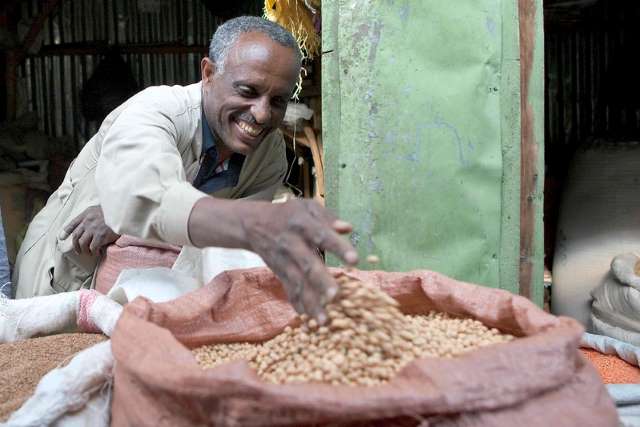
So what should can each individual consumer do to help those in need and bring these statistics down? They must change daily patterns, so nearly all of their “normal” actions start benefitting someone else. One way is to switch up the food consumers eat. Many brands in a variety of food categories use their profits to fight global poverty and hunger. Switching to one of these brands allows people to effectively snack against hunger and poverty. Below are just a few of the brands aiding in poverty and hunger-reduction.

1. Bobo’s

Bobo’s donates their profits from selling oat-based products to eight organizations. Two of the organizations focus on food security in the U.S. (Community Food Share and Conscious Alliance), and one nonprofit provides housing for low-income families (Habitat for Humanity). Get in a dose of nutritious oats to snack against hunger and poverty.

2. This Saves Lives

This Saves Lives has something for everyone. They have 10 different flavor options, a variety of kid’s options and five types of crispy treats. For each purchase, This Saves Lives provides a calorie-dense packet of paste filled with nutrients to a child in need. So far, over 24 million packets have been sent out!

3. Barnana

Barnana is a company that produces plantain-based chips in normal chip form, tortilla style and flavor bites. All consumers can find a chip that will satisfy whether that’s salty or sweet. The plantains used for the chips are upcycled from those that were deemed not perfect enough for mainstream market standards. By upcycling the produce, Barnana fights food waste and secures extra income for small scale farmers that depend on every sale.

4. Project 7

Project 7 is a healthy candy brand that makes gummies, lollipops and everything in between. They partner with nonprofits to help the seven areas of need: healing, saving, housing, food, drink, teaching and hope. Make chewing a life-giving activity and snack against hunger and poverty.

5. Beanfields

Beanfields is another company that creates chips both sweet and salty, similar to Barnana. The company — centered in a kitchen and not a boardroom — cooks up a variety of bean-based tortilla chips and cracklings. They get creative by producing an environment-conscious snack while also supporting people in need. Beanfields partners with Homeboy Industries, an organization that helps ex-gang members find peace and stability in their new lives. Homeboy Industries partners with many nonprofits fighting hunger and poverty that provide ex-offenders jobs and a sense of community.

Buying snacks and snacking are often mindless activities. Helping people should have that same ease and it does. Yet, it often falls on the back burner and gets forgotten. Buying from companies donating to those in need is one easy solution. People can enjoy their favorite foods in a more effective way. Why just snack when one can snack against hunger and poverty?

– Anna Synakh
Photo: Flickr

December 4, 2020
https://borgenproject.org/wp-content/uploads/borgen-project-logo.svg 0 0 Lynsey Alexander https://borgenproject.org/wp-content/uploads/borgen-project-logo.svg Lynsey Alexander2020-12-04 01:30:352024-05-30 07:55:43Snack Against Hunger and Poverty
Food Aid, Food Security, Global Poverty

Ethiopia’s Productive Safety Net Program

Productive Safety Net ProgramAccess to safe and adequate food is a basic human right under Article 25 of the Universal Declaration of Human Rights. However, food insecurity has been a persistent issue around the world for decades. One key country that has suffered from high rates of food-insecurity is Ethiopia, with around 32 million people living in a state of hunger or malnourishment. However, in 2005, the Ethiopian Government implemented a new way to help meet the needs of vulnerable households through the Productive Safety Net Program (PSNP).

Food Insecurity and its Effects on Health

Food security is a vital aspect of health and well-being. The main causes of food insecurity can be attributed to many influences such as low rates of agricultural production, shortage of water and poor sanitation, climate change and natural disasters, among a plethora of other factors.

Furthermore, food insecurity can have significant consequences on communities both in economic terms and in the effect of the physical health of individual members of the community. Research has shown that food insecurity is associated with increased health risks such as cognitive development problems in children, general malnutrition, higher incidents of mental health issues such as anxiety and depression and many other ailments.

The Productive Safety Net Program (PSNP)

As rates of food insecurity grew across sub-Saharan Africa, the Ethiopian Government created the PSNP in 2005 in order to provide a more productive and systematic approach to aid vulnerable populations. As explained by the World Bank report on the program, “The PSNP incorporates a number of interesting features, such as public works activities geared towards improving climate resiliency; a risk financing facility to help poor households and communities to better cope with transitory shocks and the use of targeting methods that assist the most climate-vulnerable community members to obtain the full benefits of consumption smoothing and asset protection.”

Results and Impacts of the Program

The Ethiopian Government faced many challenges in implementing this program, such as difficulties in balancing female participation in public work programs and household responsibilities. However, PSNP has shown a positive impact on Ethiopia’s food-insecurity rates and therefore further expanded efforts from 2010 to 2014 with improved strategies and implementation tactics.

As a result of these efforts, the PSNP is credited with the reduction of poverty rates in Ethiopia by two percentage points as of 2014. Furthermore, the program successfully benefited more than one million participants as well as their families. Research shows that the program improved both food security rates and led to a reduced number of months households went without sufficient food. Not only did the program positively affect food insecurity rates throughout Ethiopia, but the PSNP also aided in the improvement of the general health and well-being of many individuals.

The Promise of PSNP for the Future

As recognized around the world, Ethiopia’s Productive Safety Net Program has been widely successful in aiding the country’s impoverished population and improving Ethiopia’s food security rates. Because this program targets food insecurity through agricultural aid, financial aid and structural aid, these strategies have helped to create a strong foundation for these vulnerable populations. Although this program has encountered obstacles in its execution, the PSNP continues to show promise in combatting extreme poverty and food insecurity throughout Ethiopia.

– Caroline Dunn
Photo: Flickr

December 2, 2020
https://borgenproject.org/wp-content/uploads/borgen-project-logo.svg 0 0 Kim Thelwell https://borgenproject.org/wp-content/uploads/borgen-project-logo.svg Kim Thelwell2020-12-02 01:38:112020-12-02 01:38:10Ethiopia’s Productive Safety Net Program
Food Security, Global Poverty

Agricultural Transformation in India

Agricultural Transformation in India
In the last few decades through the process of development, India has experienced structural transformation, with the contribution of the agriculture sector in Gross Domestic Product (GDP) falling to around 15% in 2017 from 51% in 1950. In most developed countries, the change in the share of GDP composition and the share of the labor force engaged in each sector determine the structural transformation. Despite the fall in the contribution of the agriculture sector in GDP, it employs around 50% of the labor force in India. It is imperative to study how agricultural transformation through mechanization in India impacts the productivity in the sector, which further pulls labor to the manufacturing sector.

Agricultural Transformation

Agricultural transformation is the process that leads to increased farm productivity, making farming commercially viable and strengthening interlinkages with other sectors of the economy. For agricultural transformation, there are key areas that require focus. Farmer’s access to financial resources is one of the major challenges that India faces. Even though there has been an increase in the sales of tractors all across India giving rise to mechanization in the sector, it is also important to make mechanized equipment accessible to all farmers, even the farmers with small and scattered land holdings. Mechanization of the agriculture sector is imperative to increase the productivity of the farmers but it should also occur in an environmentally-sustainable manner.

Mechanization in the agricultural sector consists of using machinery, tools and equipment to reduce post-harvest losses, get good quality products and increase the value of the farm product. It helps in increasing the economic benefits for the farmers who can efficiently use their manpower, reduce input costs and increase the value of output, adopt diversification of crops and in turn, improve their welfare.

The focus of mechanization in agriculture is to augment the farmer by increasing their per hectare productivity and replacing the efforts of animal or manual labor with mechanical power. Mechanization can take place in two ways; ‘partially’ when machines only replace a part of the farming activity or ‘completely’ when machinery replaces animals and human labor entirely. In India, there are inter-regional differences in the level of mechanization. The Northern-Indian states like Uttar Pradesh, Punjab and Haryana experience a high level of mechanization due to the presence of highly fertile lands and state-specific policies. In the southern and eastern states of India, the level of mechanization is low due to the hilly topography and high cost of transportation.

Sustainable Technology

In today’s world, it is imperative to make use of sustainable technology which not only increases agricultural productivity but also ensures improvement of social and environmental footprint at every stage. Providing access to farmers with agricultural tools, machinery and modern technology can create a shift for them from subsistence farming to market-oriented farming. In the context of India, where the agricultural sector provides employment to 50% of the labor force and is one of the major producers of rice, wheat, pulses, spices, cotton, meat and sugar, the goal is to enhance food security for a population of 1.3 billion. The shift towards sustainable mechanization in agriculture would not only improve efficiency and agricultural productivity but in developing countries like India, it would also lead to the development of food supply chains.

The Powerland Agro Tractor Vehicle

The Powerland Agro Tractor Vehicle has played an incredible role in the agricultural transformation of India through mechanization by manufacturing all-terrain vehicle (ATV) for farms. It is changing the landscape of the utility and farming industry in India by launching versatile tractors for the Indian farmers which can tow, pull, plow as well as spray and run power tools. During the ongoing fourth industrial revolution, it is imperative to invest and innovate in the domain of automation of traditional manufacturing and industrial practices. To integrate sustainable mechanization in the agricultural sector, Powerland is currently working on developing its autonomous electric vehicle platform with robotic capabilities.

Tej Naik, Co-founder of Powerland, believes that Machine Learning (ML) in conjunction with Powerland’s ATV and internet of Things (IoT) will allow input of data from the field resources, and process it to control how much fertilizer and water goes directly to the soil. This technology can also give rise to satellite crop monitoring of the crops and soil. He also believes that autonomous vehicles will not only help reduce operator stress and fatigue, but will allow farmers to perform efficiently, and in turn improve their productivity.

Concluding Notes

The agricultural sector plays an extremely important role in the overall welfare of farmers as well as ensuring food security in India. Despite the progress in the mechanization of the agricultural sector, the challenges that farmers face due to the high cost of input and machinery acts as an obstacle. To make the agricultural sector more productive, there is an immediate need to focus on sustainable mechanization and make it accessible. India highly subsidizes the agriculture sector, and as a result, it is important to invest in technology that is efficient and environmentally sustainable. Conservation of water and electricity should be a priority and should receive encouragement from the state. The government should also support, encourage and invest in companies that work towards agricultural transformation in India.

– Anandita Bardia
Photo: Flickr

October 27, 2020
https://borgenproject.org/wp-content/uploads/borgen-project-logo.svg 0 0 Yuki https://borgenproject.org/wp-content/uploads/borgen-project-logo.svg Yuki2020-10-27 13:05:422024-05-30 07:53:21Agricultural Transformation in India
Food & Hunger, Global Poverty, United Nations, World Hunger

Updates on Hunger in Madagascar

Updates on Hunger in Madagascar
Madagascar is an island off the east coast of Africa, situated on the Indian Ocean. It is the second-largest island country in the world. Today, this island nation is facing a major food crisis and ranks 64 out of 79 on the 2012 Global Hunger Index. As of 2015, around 28% of the island’s population, nearly 4 million citizens, suffered from hunger. Here are some updates on hunger in Madagascar.

The Root of the Issue

A significant factor in Madagascar’s famine rates is its weather. The island is prone to periodic droughts, cyclones and unpredictable rainfall. From 1980 to 2010, the country experienced 35 cyclones and five long drought periods. Moreover, it experienced five large earthquakes and six epidemics during the same period. This type of environment makes it very difficult for farmers to steadily produce adequate crops for the country’s residents. Due to food insufficiency, 47% of the citizens suffer from malnutrition — one of the highest rates in the world.

Recent Updates on Hunger Rates in Madagascar

The hunger rates within the last three years have not decreased. Conversely, the percentages continue to rise. In 2017, Madagascar’s famine rates increased by 1.4% to 44.4% from 2016. In 2018, two destructive cyclones caused flooding around the coastal areas of Madagascar. This affected roughly 200,000 citizens and displaced 70,000. During the same year, unpredictable rainfall dropped food production for around 80% of citizens. Fortunately, in 2019, livestock prices began decreasing due to the higher availability of food. Similarly, the price of rice decreased slightly since 2018 — suggesting modest improvements in the country’s food supply.

Solutions from International Organizations

While the government has struggled to control Madagascar’s famine rates, other organizations have stepped in to aid the country with its food crisis. These organizations provide necessary resources to people across the island and representing positive updates on hunger in Madagascar.

The Food and Agriculture Organization (FAO), a U.N.-sanctioned organization, is providing agro-pastoral support to rural families in western Madagascar. The aim is to increase productivity in farming systems and improving farmers’ incomes. The FAO also is collecting and analyzing data on food security and agro-weather conditions to help farmers prepare for potential natural disasters. Importantly, these disasters would include climate-related crises. Also, the FAO supports government efforts to incorporate nutrition awareness programs into education systems.

As a temporary solution, the United Nations Children’s Fund (UNICEF) has paid trucks to deliver resources, such as clean water, to villages prone to contaminated drinking water. UNICEF also carries out routine health checks for children. In 2015, the organization began reporting high percentages of children suffering from malnutrition.

The World Food Programme (WFP) also came up with a short-term solution to address Madagascar’s hunger crisis. In 2016, within famine-affected areas, the WFP gave $20 each month to families to buy resources they could find. Also, it distributed nutritional supplements to children.

Final Outlook

Overall, the famine statistics in Madagascar do not seem to be dropping. This is primarily due to the country’s geographic location. The island is more prone to natural disasters and the government does not have any long-term solution that can certainly decrease the country’s current high famine rates. Yet, with the continued support from international organizations, there may be a bright light at the end of the tunnel for Madagascar.

– Megan Ha
Photo: Flickr

October 26, 2020
https://borgenproject.org/wp-content/uploads/borgen-project-logo.svg 0 0 Jennifer Philipp https://borgenproject.org/wp-content/uploads/borgen-project-logo.svg Jennifer Philipp2020-10-26 07:30:542024-05-30 07:52:28Updates on Hunger in Madagascar
Food Security, Global Poverty

How ColdHubs Is Using Solar Power to Help Smallholder Farmers

ColdHubsIn sub-Saharan countries, post-harvest crop loss is so high that nearly 50% of fresh food never reaches consumers. These losses not only diminish the economic potential of the agricultural industry, but they also aggravate food insecurity, malnourishment and stunting in young children. In turn, poor nourishment decreases productivity in individuals, which is reflected by a 2% to 3% loss in GDP. So far, many countries lack a solution to this serious problem. This is where Nigerian company ColdHubs comes in.

Post-Harvest Losses

The main culprit in post-harvest losses is spoilage, the natural process of decay and deterioration characteristic to perishable food items. While reduced temperatures can slow the pace of spoilage, sub-Saharan countries lack ample access to chilled storage spaces for produce. The small-scale farmers of sub-Saharan Africa who lack such storage face both financial and infrastructural barriers. While 62% of farmers cannot afford cooling technology, 36% do not have access to power in the first place.

In Nigeria, agriculture accounts for 22% of GDP and employs 36% of Nigerians. Nearly 90% of these Nigerians are small, family farmers. Yet large quantities of post-harvest losses pose a tremendous hurdle to their economic progress. For instance, Nigeria is home to the largest tomato production belt in West Africa. However, nearly half of the crop of tomatoes spoils each year. As of 2017, post-harvest losses in Nigeria cost up to $9 billion dollars annually. Meanwhile, more than 5 million people in Nigeria are food insecure. Two million children suffer from severe acute malnutrition, and 45% of all child deaths are due to malnutrition.

Cabbage in Nigeria: A Case Study

One company is working to make a dent in those statistics. In 2013, a radio journalist specializing in agricultural news was following the journey of cabbage from farms to markets in Jos, Nigeria. What the journalist, Nnaemeka Ikegwuonu, hadn’t anticipated addressing was the story of the cabbage post-market. Farmers abandoned the cabbage that didn’t sell, leaving edible food to rot. Ikegwuonu tracked down the farmers, asking why they had left the cabbage and how to avoid such a situation.

In a recent interview with The Borgen Project, Ikegwuonu recounted, “They actually told me that if there was a form of storage inside the market, that it would be very useful to them to actually store their produce and then come back in the next week to pick up their produce [for sale] when there is less cabbage in that market.” It was this moment that inspired Ikegwuonu to develop ColdHubs. The idea: 100% solar-powered, walk-in cold rooms for food storage, installed in Nigerian markets and farms.

How ColdHubs Helps

The ColdHubs business model is simple. Farmers store perishable items in reusable crates provided by ColdHubs, using a flexible pay-as-you-store subscription. The crates then go into a ColdHub refrigerated room powered by solar panels. Each unit features enough solar panels to generate six kilowatts of energy every hour. However, the cold room itself uses up only 1.5 to 2 kilowatts per hour. This surplus allows for refrigeration to continue to run on rainy or cloudy days.

For a daily flat fee per crate stored, the solar-powered system allows farmers access to 24/7 chilled storage that operates entirely off the grid. This storage extends the shelf life of perishable foods from two days to 21 days. Importantly, this leads to an 80% reduction in post-harvest loss and a 25% increase in smallholder farmer income. For the 24 ColdHubs presently in use, some 3,517 smallholder farmers use the service. So far, ColdHubs has saved more than 20,000 tons of food from spoilage. Another 30 ColdHubs are currently under varying stages of construction. By the end of the year, the company hopes to have 50 ColdHubs fully operational throughout Nigeria.

Supporting Women and Farmers

ColdHubs looks not only to serve economic and renewable ends, but social ones as well. ColdHubs aims to employ women for its management and oversight operations. Thus far, the organization has created new jobs for 48 women. Additionally, ColdHubs is careful to maintain an affordable model ultimately aimed to support farmers over increasing profit.

“We designed Cold Hubs from a smallholder farmer from our perspective. I’m a smallholder farmer myself. The design was specifically suited so that the technology and service would be affordable,” Ikegwuonu explained. This manifests in the pay-as-you store model, as opposed to selling cold rooms outright. “We actually take up the risk of building in a cold room, and in three to four years we recover on that capital expenditure. It’s a slow, philanthropic process.”

Why It Matters Now

The proliferation of ColdHubs throughout Nigeria comes at a crucial moment, as farming seasons become more and more volatile. With prolonged heatwaves and an increasingly erratic rainy season, rain-reliant smallholder farmers struggle to raise  crops, predict growing seasons, and sell food before it rots.

“Once you harvest tomatoes, you have approximately 48 hours to sell it. With increased heat, it has actually reduced now to about 32 hours to sell that tomato.” Ikegwuonu added. With climate change in mind, ColdHubs operates with as much attention to its own climate footprint as possible. In addition to being entirely solar-powered, the cold rooms also use natural refrigerants. This reduces their contribution to atmospheric pollution.

Since approximately 54% of the working population in the continent of Africa relies on agriculture for income, ColdHubs could be a lifeline in the fight against hunger. The organization intends to bring its technology into other regions of Africa. As in Nigeria, it hopes to uplift smallholder farmers. “The future for us is to be running close to 10,000 ColdHubs in about five to 10 years, all across Africa,” Ikegwuonu shared. Once ColdHubs spreads throughout Africa, he hopes to bring the technology to developing countries across the globe.

– Alexandra Black
Photo: Flickr

October 23, 2020
https://borgenproject.org/wp-content/uploads/borgen-project-logo.svg 0 0 Kim Thelwell https://borgenproject.org/wp-content/uploads/borgen-project-logo.svg Kim Thelwell2020-10-23 11:33:062024-06-06 00:43:18How ColdHubs Is Using Solar Power to Help Smallholder Farmers
Page 17 of 78«‹1516171819›»

Get Smarter

  • Global Poverty 101
  • Global Poverty… The Good News
  • Global Poverty & U.S. Jobs
  • Global Poverty and National Security
  • Innovative Solutions to Poverty
  • Global Poverty & Aid FAQ’s
Search Search

Take Action

  • Call Congress
  • Email Congress
  • Donate
  • 30 Ways to Help
  • Volunteer Ops
  • Internships
  • Courses & Certificates
  • The Podcast
Borgen Project

“The Borgen Project is an incredible nonprofit organization that is addressing poverty and hunger and working towards ending them.”

-The Huffington Post

Inside The Borgen Project

  • Contact
  • About
  • Financials
  • President
  • Board of Directors
  • Board of Advisors

International Links

  • UK Email Parliament
  • UK Donate
  • Canada Email Parliament

Get Smarter

  • Global Poverty 101
  • Global Poverty… The Good News
  • Global Poverty & U.S. Jobs
  • Global Poverty and National Security
  • Innovative Solutions to Poverty
  • Global Poverty & Aid FAQ’s

Ways to Help

  • Call Congress
  • Email Congress
  • Donate
  • 30 Ways to Help
  • Volunteer Ops
  • Internships
  • Courses & Certificates
  • The Podcast
Scroll to top Scroll to top Scroll to top
