• Link to X
  • Link to Facebook
  • Link to Instagram
  • Link to TikTok
  • Link to Youtube
  • About
    • About Us
      • President
      • Board of Directors
      • Board of Advisors
      • Financials
      • Our Methodology
      • Success Tracker
      • Contact
  • Act Now
    • 30 Ways to Help
      • Email Congress
      • Call Congress
      • Volunteer
      • Courses & Certificates
      • Be a Donor
    • Internships
      • In-Office Internships
      • Remote Internships
    • Legislation
      • Politics 101
  • The Blog
  • The Podcast
  • Magazine
  • Donate
  • Click to open the search input field Click to open the search input field Search
  • Menu Menu

Archive for category: Economy

Information and stories about economy.

Economy, Education, Global Poverty

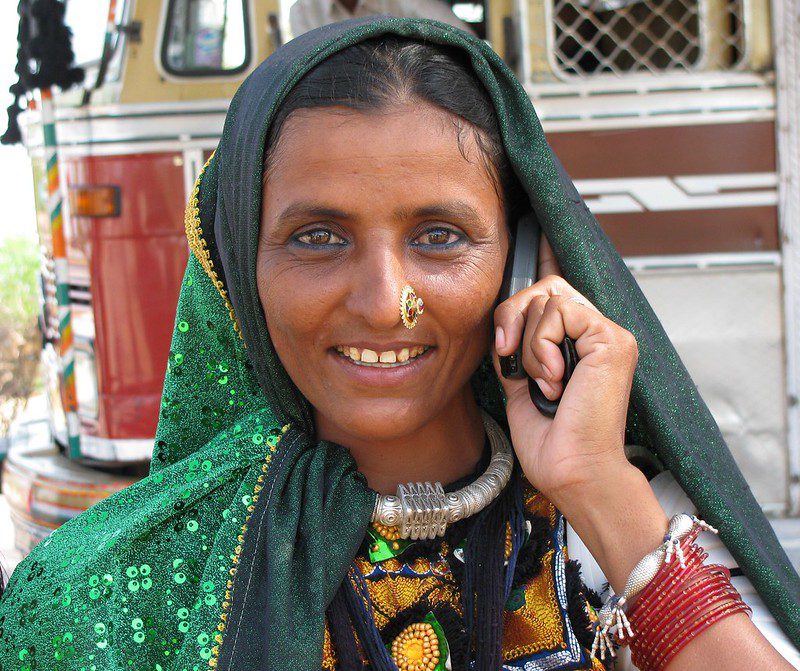
Phones to Combat Poverty Wave In India

Phones Are Providing a New Relief From the Poverty Wave In IndiaThe recent technological revolution booming in the developed world is showing positive results. To that end, many people are urging the distribution of these technologies to developing countries like India. Rural villages in the country have largely not been part of the mobile phone trend. Even certain urban areas remain hidden from these new technologies. Several nonprofit organizations and recent government movements have vowed to fight this reality, looking to increase the availability of cell phones and cell phone data in India. Here are three ways India is using phones to combat poverty.

Increasing Education Opportunities

Many rural villages in India focus on agriculture as their primary form of livelihood. Most farmers only earn around $2 per day. In 2010, a nonprofit organization based in San Francisco, mPowering, partnered with a charity working in Orissa, India to distribute mobile phones to village residents. mPowering relied on cell phone towers in the area to give farmers and other rural families more functionality. The nonprofit’s initiative, conducted in the Indian village of Juanga, saw a 19% increase in its school attendance for children. In addition, more women were able to gain access to important health care needs through a so-called point system loaded onto communal phones. People can then redeem these points for commodities like food and clothing. As a result, the Juanga experiment found a 67% decrease in reported diseases.

Government Intervention for Economic Stimulation

The Indian government has developed a scheme to hand out phones to children and impoverished families because more than 10% of Indian families cannot afford to purchase a cell phone. During the COVID-19 pandemic, the country is distributing phones to children learning online. In the Punjab region, 75 million children should receive a handset. These initiatives are a direct response to the rising fear that more than 24 million children worldwide could lose access to proper education.

According to a UN report, if online school without other alternatives continues, this very fear might become a reality. The Indian government’s push to include children in its mobile phone plan is just one step to introduce mobile devices to the general population. It has also developed a $6.65 billion scheme to increase the production of electronic goods within the country. The move has helped increase the number of phone manufacturers in India, which rose from two to more than 200 in just a few years.

A Variety of Options for a Variety of Users

Estimates show that more than 900 million Indian citizens do not own a smartphone or have access to the internet. However, recent economic growth has turned India into a leading market for cheap phone data options. As a result of this spark in data growth, companies developed a variety of cell phones and cell phone software to reach a wider demographic. There are currently more than 100 smartphone brands that dominate the Indian cell phone market, with Chinese manufacturers holding more than 75% of the space. Recently, companies like Apple have begun to market lower-end budget phones to expand their outreach in India as well. Growing demand and relatively low tariff rates have allowed mobile phone markets to gain millions of users in mere months. The launch and future cultivation of 3G and 4G networks are only expediting initiatives that use phones to combat poverty.

The expanding economy in India is allowing newer technologies to reach a wider range of consumers. The target audience in the country has slowly shifted from urban individuals to inhabitants of impoverished rural regions. As India’s economic prosperity grows, using phones to combat poverty ensures that people receive more education, are better off and experience inclusion.

– Mihir Gokhale
Photo: Flickr

January 23, 2021
https://borgenproject.org/wp-content/uploads/borgen-project-logo.svg 0 0 Lynsey Alexander https://borgenproject.org/wp-content/uploads/borgen-project-logo.svg Lynsey Alexander2021-01-23 19:54:272021-04-16 19:54:42Phones to Combat Poverty Wave In India
Economy, Global Poverty

Online Gaming in India Boosting the Economy

Online Gaming in India
India is a country in Southeast Asia that has a population of more than 1.2 billion people. It is the second most populated country in the world after China. India’s land consists of only 2.4% of the world’s landmass. However, the nation also supports 14% of the world’s population. As a result of overpopulation, India experiences large food shortages. Thus, 194.4 million people are malnourished and live on only $2 per day. Fortunately, India’s large population has increased online game development. Online gaming in India could be worth $1.1 billion by 2021. Furthermore, the online gaming market has created more job opportunities and gives impoverished people an avenue to connect with the world.

Online Gaming in India Attracts Investors

More than 75% of India’s population is under 45 years of age. Additionally, about 60% of India’s online gamers are aged 18 to 24. Thus, India has the second-largest online gaming market in the world and the country has 560 million game users. As the accessibility of mobile phones improves, the game user base increases as well. Also, cell phones are affordable and developing more revenue than gaming consoles. Therefore, developers are increasing their focus on the mobile gaming industry.

Only 25 gaming developers were working in India in 2010. However, this number increased to 275 gaming developers by 2019. Additionally, foreign and domestic gaming businesses continue to invest in India’s gaming market. As a result, more job opportunities come out of this industry. Rockstar Games is an American company that bought Dhruva Interactive, an Indian gaming development company. This created about 500 jobs for people in India. In addition, Youzu Interactive is a Chinese gaming company that invests $10 million to aid in developing local games. Baazi Games is a domestic gaming company that has invested $5 million to help gaming start-ups develop more mobile games. Moreover, two e-commerce firms, PayTM and AGTech Holdings launched a sports gaming platform called Gamepind. Together the companies invested more than $16 million.

Mobile Gaming Connects People

As online gaming in India has increased in popularity, the price of mobile phones has decreased. In fact, about 1 GB of data costed an average of $0.26 in 2019 whereas, the global average is $8.53. This has greatly increased the accessibility of cell phones and the gaming market in India. Jio is an Indian phone company that contributes to cell phone affordability. The company encourages other companies to lower prices by offering free calls and more affordable data plans.

About 48% of online gamers in India start playing to interact with friends. Additionally, more than 75% of online gamers stated they continued to play online games to relieve stress and continue social interaction. For many people, online gaming is an opportunity to engage in new virtual opportunities. There were more than 2.4 billion global mobile gamers in 2020. This newly emerging field offers endless possibilities. Virtual opportunities will continue to improve India’s economy in the future.

– Rae Brozovich
Photo: Flickr

January 8, 2021
https://borgenproject.org/wp-content/uploads/borgen-project-logo.svg 0 0 Kim Thelwell https://borgenproject.org/wp-content/uploads/borgen-project-logo.svg Kim Thelwell2021-01-08 15:00:322021-04-08 15:00:45Online Gaming in India Boosting the Economy
Economy, Global Poverty, Poverty Eradication

How Mexican Avocados Are Reducing Poverty

mexican avocadosMexico is the second-largest nation in Latin America with over 130 million residents. Mexico exports an abundance of fruits and vegetables but its number one export crop is avocados. Not too long ago, avocados were not the number one crop being exported from Mexico. Today, the economic impact of Mexican avocados has helped many people escape poverty.

Poverty in Mexico

According to the World Bank, in 2018 almost 42% of Mexicans lived in poverty, with the rural population being the most impacted. Moreover, around 62% of Mexican children make it to high school and only 45% graduate. To reduce poverty, Mexico has increased its social spending to help those in need. The Mexican government has implemented programs such as cash transfers, farmland subsidies, scholarships and subsidized medicine. These programs are put into place in the hope of reducing poverty in Mexico.

The Mexican state of Michoacan is one of the poorest in the country. A whole 46% of people in the state lived in poverty in 2018.  However, Michoacan is rich in agriculture. In fact, around 20% of the land is used for agriculture and the industry employs 34% of the population. Moreover, Michoacan’s most popular crop is the avocado.

The Avocado Industry Boom

Michoacan is the top producer of avocados not only for Mexico but for the entire world. Increased demand for avocados has created an economic boom in the country. Mexican avocados make up 82% of all U.S. avocado sales. Furthermore, Mexican avocados have created more than 30,000 U.S. jobs and have an economic output of $6.5 billion. Even during the COVID-19 pandemic, avocado sales were flourishing.

The United States had banned the import of Mexican avocados in 1914 due to fears of insect infestation. In 1994, The North American Free Trade Agreement (NAFTA)  implemented between Mexico, Canada and the United States resulted in the ban being lifted. The agreement led to the free flow of Mexican avocados into the U.S. The company Avocados From Mexico (AFM) has sold 2.1 pounds of avocados in 2020 and expects 2.3 pounds to be sold in 2021. Mexican avocados have had such a great economic impact that they are called “green gold” by the locals.

Impact of Mexican Avocados

The increased demand for Mexican avocados has led to less migration of Mexicans into the United States. The competitive wages avocado farming has produced has meant many more Mexicans are willing to stay in their home country. The popularity of avocados has led to the creation of thousands of jobs in Mexico. Due to this fact, families do not feel the need to migrate to the United States for employment.

The demand for Mexican avocados has led to employment opportunities, less migration and closer economic ties to the United States. The Mexican avocado industry is playing a part in reducing global poverty.

– Andy Calderon Lanza
Photo: Flickr

January 7, 2021
https://borgenproject.org/wp-content/uploads/borgen-project-logo.svg 0 0 Kim Thelwell https://borgenproject.org/wp-content/uploads/borgen-project-logo.svg Kim Thelwell2021-01-07 01:30:332021-01-27 04:18:00How Mexican Avocados Are Reducing Poverty
Economy, Global Poverty

Malaysia’s East Coast Rail Link

East Coast Rail Link
Malaysia has developed steadily over the last 60 years, and the International Monetary Fund (IMF) now classifies it as an “upper-middle-income” country. However, this development has been uneven as it has favored the western half of the peninsula while leaving the east struggling to keep up. Part of the reason for this uneven development is the lack of high-tech transportation infrastructure to connect the underdeveloped east with the developed west efficiently. The East Coast Rail Link (ECRL) is a high-speed railway that the Malaysian government proposed to satisfy this need.

Malaysian Development

The peninsular Southeast Asian nation, Malaysia, was a British colony until it gained independence in 1957. Naturally, as a newly independent nation, it lacked development. In 1961, its GDP per capita was a measly $235 with a -3.83% growth and its debt as a percentage of GDP was 79.54%.

Nonetheless, since achieving its independence, Malaysia has developed steadily. Between 1970 and 2010, the GDP per capita grew by an average of 2.8% per year. Likewise, on the human development index, Malaysia jumped from 0.643 in 1990 to 0.802 in 2017 and its poverty rate decreased from 32.2% in 1984 to 2.7% in 2015.

Malaysia has achieved these astounding numbers through diversifying its economy beyond commodities and agriculture towards a manufacturing and service-based economy. Malaysia is now a leading exporter in electrical appliances, electronic parts and components and one of the world’s most open economies. As a result, Malaysia is now an upper-middle-income country.

Uneven Development: West V.S. East

Nevertheless, with all of its developmental success, it has been geographically uneven with the western portion of the peninsula receiving the lion’s share of economic development. On the other hand, the eastern region lacks development.

The data illustrates the discrepancies between the west and the east. For instance, the eastern states of peninsular Malaysia, namely Kelantan, Pahang and Terengganu, contribute a combined total of 8.4% to Malaysian economic growth. In contrast, Malaysia’s western financial hub, Kuala Lumpur, contributes 16.1% by itself. Meanwhile, Kuala Lumpur has a GDP per capita of 121,293 RM, which is in stark contrast to Terengganu, Kelantan and Pahang, 30,216 RM, 13,668 RM and 35,554 RM, respectively.

This spatial inequality has its roots in Malaysia’s colonial past and its topographical distinctions. The British first exploited areas on the west coast for raw resources. However, over time, the West Coast developed into trading centers with key regional ports leaving the east without the benefits of British industrial experience.

What further complicated righting this historical discrepancy is an extensive mountain range running through the middle of the nation, preventing connectivity between the developed states in the west and the underdeveloped states in the east. Therefore, economic centers and the opportunities they present, such as the federal territory of Kuala Lumpur and Selangor, have experienced a disconnect from the economically embryonic areas of Kelantan, Pahang and Terengganu.

The East Coast Rail Link (ECRL)

To the credit of the government, it has embarked on an ambitious initiative to correct these iniquities: The East Coast Rail Link (ECRL) project. The ECRL is an $11 billion Chinese-backed High-Speed-Rail project that sets out to connect the East Coast and the West Coast by connecting Kuala Lumpur to the three eastern states Terengganu, Kelantan and Pahang. The ECRL project will have 20 stations (14 of those passengers, five combined freight and passenger and one with a dedication to freight trains only) and will have 40 tunnels from Kota Bahura to Port Klang. The government expects the ECRL to reach completion by 2026, assuming that neither the COVID-19 pandemic nor Malaysia’s tumultuous politics delay it too much.

The Benefits of ECRL

The ECRL is critical for eastern development because it gives inhabitants access to better economic opportunities like jobs or services such as healthcare and education by connecting it with the more developed Kuala Lumpur region. This connectedness will give workers the flexibility to pursue economic and socioeconomic opportunities outside their home region and create growth centers closer to home.

However, what is innovative about the project is that it will connect the two regions very efficiently. It will achieve this efficiency mainly by reducing the time and cost of travel significantly. For example, Prime Minister Najib promised that the journey from the important ITT in Gombak, Selangor, to Kota Baru, Kelantan, will reduce from its current eight to 12 hours down to around four.

In effect, this more efficient transportation network reduces the cost of traveling and gives rural area inhabitants better flexibility in working outside of their home towns and more significant economic opportunities previously reserved for those nearer to the western financial centers. The economic benefits of this are illustrated by the government’s prediction that in Terengganu, Kelantan and Pahang, the GDP would grow by 1.5% the current growth rate.

Granted, the ECRL does little to effect change in the states off of the peninsula, namely Sarawak and Sabah, which desperately need it. Yet, for the severely underdeveloped East Coast, the ECRL project will reduce both poverty and economic cost through the influx of jobs that come with these projects, the newfound flexibility of workers to maneuver outside their rural areas and the reduction of travel costs, both financially and regarding time. As Lingzi writes, for the “less developed states on the east coast…the ECRL looks like an economic lifeline.”

– Vincenzo Caporale
Photo: Flickr

January 5, 2021
https://borgenproject.org/wp-content/uploads/borgen-project-logo.svg 0 0 Kim Thelwell https://borgenproject.org/wp-content/uploads/borgen-project-logo.svg Kim Thelwell2021-01-05 07:37:102021-02-26 07:37:23Malaysia’s East Coast Rail Link
Economy, Global Poverty

Central Asian Geopolitics: The Kyrgyz Republic

Central Asian Geopolitics
In the heart of Central Asia lies the Kyrgyz Republic. Many consider the country an island of democracy in the region and it sports a comparatively open and competitive economy. It can be surprising then that the average Kyrgyz family earns under $1,000 a year. Its importance in Central Asian geopolitics, combined with economic reforms, has helped make it the top recipient of development assistance in the region. With a presidential election scheduled for January 2021, the new government will have to answer serious questions about which global power it aligns itself to and whether or not that alignment will bring about progress in lifting roughly 23% of the country’s population out of poverty.

Kyrgyzstan emerged from the Soviet Union’s fall with a far different government than its fellow former Soviet states. While dictatorships and tightly-controlled economies rule its neighbors, Kyrgyzstan enjoyed economic and political reforms. This led to an influx of international supporters. Development aid became the crutch upon which Kyrgyzstan’s economy leaned. The diversity of donors has given the country the unique ability to align itself with countries that best suit their interests. The problem has been that the guiding interests have been too often those of the top politicians rather than the population. Much of the blame has gone to former President Kurmanbek Bakiyev. Bakiyev took over in 2005 and spent five years perfecting a system of crony capitalism that left nearly 34% of the Kyrgyz people under the poverty line, while deeply enriching himself, his family and his friends.

Help in Crisis

Ten years later, the country is still working to shake the lasting economic and political flaws of the Bakiyev Administration. During October 2020, the political landscape was changing on a seemingly daily basis. The leadership future for the country remains uncertain but will require an ability to maintain channels of aid from a wide array of actors. Much of Kyrgyzstan’s help comes from international organizations like the World Bank. Currently, it works to help Kyrgyzstan combat the pandemic with the Emergency COVID-19 Project.

The Kyrgyz Republic received $160.15 million with the bulk of the money focused on helping with recovery from the economic impacts of the pandemic. Specifically, the emergency aid has funded the creation of new hospitals, renovation of 24 existing hospitals, provisions of mechanical ventilators, defibrillators and an assortment of Intensive Care Unit equipment. These aim to not only provide aid during the current pandemic but also laying the groundwork for future health crises. This is, of course, just one example of a meaningful step towards helping the Kyrgyz people. Typically, the majority of that help has come from countries like Russia, China and the United States.

The Great Game

These world powers have been vying for economic and political leverage over Kyrgyzstan since its birth as a nation. Of those powers, Russia has historically been Kyrgyzstan’s preferred suitor. However, in 2001, the U.S. built its most important transit base for the Afghanistan War at Manas airbase, just outside of the capital, Bishkek. This was a landmark move because Kyrgyzstan became the only country in the world to host a Russian and U.S. military base simultaneously. In 2006, foreign aid started pouring in from the U.S. The uneasy relationship between the three nations nearly boiled over in 2009. That year, Bakiyev announced plans to close the U.S. airbase where roughly 98% of coalition forces were passing in transit to Afghanistan. Later that same year, Bakiyev signed a law allowing for the continued use of the Manas airbase after the U.S. agreed to triple the annual rent paid.

Bishkek and Beijing

Relations between the U.S. and the Kyrgyz Republic continued to decline. By 2019, U.S. foreign aid to the Kyrgyz Republic had dropped 37%. Russia’s economic influence also appeared to be waning as China gradually took on the role of the principal donor. While the Kyrgyz population largely dislikes its eastern neighbor, the governments of China and Kyrgyzstan have an increasingly cozy relationship; one built increasingly upon economic dependence. Roughly 32% of the country’s imports come from China including the majority of its oil. That marks a larger percentage than any other country in Central Asia. This statistic is only a window into the economic melding between the two countries.

As of 2017, Kyrgyzstan’s debt to China made up 42.3% of its GDP. Additionally, 26.2% of its Foreign Direct Investment came from China. Kyrgyzstan’s participation in Chinese President Xi Jinping’s Belt and Road Initiative (BRI) largely spurred this. The initiative is a multi-trillion-dollar plan for global infrastructure and trade routes spanning three continents. Kyrgyzstan has become one of the countries most indebted to China since the project’s start in 2013.

The Buckle in the Belt

Dependency on China has only grown. Despite there being serious rifts between the populations of the two nations, for China, this comes down to central Asian geopolitics. Kyrgyzstan controls the Tien Shan mountain range which surrounds the best overland connection between Europe and Asia. As China invests billions of dollars in a global effort to rebuild its land belt of trade, Kyrgyzstan rises as a crucial point of entry between vast mountains. Maintaining a favorable and dependent relationship is therefore essential for Beijing.

The Kyrgyz People

While the world superpowers use the Kyrgyz Republic as a chess piece in the great game of central Asian geopolitics, there is one group that seems left out: the roughly 6 million people living in Kyrgyzstan, 23% of whom still live below the poverty line. Whoever gains control of the government in January 2021 will have to decide how to handle the powerful suitors vying for influence over the country in a way that benefits the Kyrgyz people rather than simply the allies of a particular party or company.

– Scott Mistler-Ferguson
Photo: Flickr

December 28, 2020
https://borgenproject.org/wp-content/uploads/borgen-project-logo.svg 0 0 Lynsey Alexander https://borgenproject.org/wp-content/uploads/borgen-project-logo.svg Lynsey Alexander2020-12-28 09:03:132024-12-13 18:02:21Central Asian Geopolitics: The Kyrgyz Republic
Child Poverty, Children, Economy, Global Poverty, Government, NGOs

Child Poverty in Taiwan is Almost Eliminated

Child Poverty in Taiwan 
Taiwan is an island off the coast of China. Globally, it has received praise for its exceptionally low household poverty rate, which is under 1%. While child poverty in Taiwan is rare, further reducing it is a priority for the Taiwanese government.

Measurement Methodology

Taiwan uses an absolute threshold to calculate the poverty rate. The country uses estimated monthly living expenses calculated in each province for its measurement. For example, residents in Taipei, a highly urbanized city, must earn over $337 for them to be over the poverty line. On the other hand, residents only need to earn above $171 monthly on the small island of Kinmen County. Such geographically-adjusted measures help ensure that Taiwanese families in expensive areas can afford basic necessities, including food, clothing and shelter.

Successful Tactics

Economic downturns do not render Taiwan helpless, such as the one in 2013. Instead, the Taiwanese government quickly raised welfare spending to help people who lost their jobs when factories relocated to China. Additionally, Taiwanese banks gave out microloans with extremely low-interest rates to help families start businesses. To this day, organizations outside of the government also participate in the fight against child poverty in Taiwan.

The Taiwan Fund for Children and Families (TFCF) is an NGO dedicated to eradicating child poverty in Taiwan. This fund sponsored 48,601 children in Taiwan, and 66, 417 children abroad. TFCF began helping children in Taiwan in 1964 by building orphanages. It has since introduced Family Helper Programs and other programs to deliver donations to families in need of assistance. Similarly, TFCF has provided thousands of families with cash, supplies, emergency relief, vocational training and house repairs or reconstruction. Already, the TFCF appears to have helped successfully alleviate child poverty in Taiwan.

The global community can learn from Taiwan’s anti-poverty programs, which have almost completely weeded out child poverty in Taiwan. A recent study found that only 6% of Taiwanese children living in poverty — an already smaller group comparatively — experienced persistent poverty compared to 13.8% in the U.K. and 15.9% in Canada.

Room for Improvement

Child poverty in Taiwan is incredibly low due to effective country policies. However, there are a few areas where the state could improve. One problem is that many citizens make just above the poverty rate and are struggling to get by. Some of these families could earn more if they found lower-paying jobs and went on welfare.

Another problem is that a lot of immigrant families, particularly Southeast Asian immigrant families, primarily find low-skilled jobs and experience persistent discrimination. Similarly, many Aboriginal Taiwanese are also victims of racism, which can make it difficult to find jobs. This led to an approximated 60% poverty rate for Indigenous peoples in Taiwan. Every country, Taiwan included, could improve its anti-poverty strategy. Fortunately, the Taiwanese government is actively trying to help many of the groups that experience high levels of poverty.

Taiwan is one of the few countries in the world that retains a low poverty rate, particularly such a low child poverty rate. Taiwan can implement further improvements, but the country is a model for the international community in eradicating poverty.

– Madelynn Einhorn
Photo: Flickr

December 28, 2020
https://borgenproject.org/wp-content/uploads/borgen-project-logo.svg 0 0 Jennifer Philipp https://borgenproject.org/wp-content/uploads/borgen-project-logo.svg Jennifer Philipp2020-12-28 07:30:032024-05-30 07:56:10Child Poverty in Taiwan is Almost Eliminated
Economy, Global Poverty

Medical Advancements in Iran Prove to be a Success

Medical Advancements in IranIran is a developing country located in western Asia as part of the Middle East. In the past several decades, Iran has accomplished major strides in terms of its health care system and medicine. The following list details only a few of the successful medical advancements in Iran that have been developed within the last decade.

The Health Care System

Iran adopted the Primary Health System in the 1990s, which revolutionized its health care system. Since its initiation, the country’s life expectancy has increased by eight years. This has had positive effects on both their economy and poor communities. Also, Iran has done tremendous work in improving the accessibility of health care. Currently, more than 90% of rural populations have access to affordable health care. Previously, there was a major gap in providing health care to their less populated, rural areas where many vulnerable groups resided.

Local Production

Since the Iranian Revolution in 1979, the country has made initiating the production of locally produced medicines and drugs a priority. Prior to the revolution, Iran relied on imports from foreign countries for about 70-80% of its pharmaceutical ingredients. As of 2018, it is estimated that around 97% of their drugs were locally produced and manufactured.

Focusing on local production boosted Iran’s economy, making the country a major competitor in the world market. It also increased their GDP through the exportation of their locally produced pharmaceuticals. Furthermore, the country has strict regulations in place for importation. Iran both follows American guidelines and creates its own rules, which ensures high-quality, safe products.

Iran’s health minister stated that the country saves around 700 million euros simply by producing their own products. The country can now allocate this money to other necessities, which displays the importance of medical advancements in Iran.

Medical Biotechnology

Biotechnology is the production and development of products by manipulating living organisms. Medical biotechnology has the power to uplift health care systems for countries across the globe. Iran’s advanced health care system has allowed them to become a leader in medical biotechnology across the Middle East and North Africa.

Iran’s boost in local production stems from pharmaceuticals to biotechnology. As of 2012, the country had 12 approved products and 15 more products pending approval. These products placed Iran among the frontrunners of biotechnological production. Other countries now rely on Iran for medical trade. Biotechnology has the potential to produce a multitude of medical advancements in Iran. If the country earns the spot as the leading country of biomedical technology, the benefits for their economy and citizens would be numerous.

New Medical Treatments

Medical advancements in Iran have also led to new medical treatments. The country has developed new, upcoming medicines and treatments in hopes to cure certain diseases. Just this year, a group of scientists announced they developed an herbal treatment for epilepsy, Fenosha, that resulted in successful outcomes during their clinical trials.

Reza Mazloom Farsibaf, the founder of the medicine, stated there is no other medicine that competes with Fenosha. The treatment is non-toxic and has minimal side effects and symptoms. If approved, mass production is expected for Fenosha. The herbal medicine could potentially become a viable option for the 340 million people across the world that require treatment for epilepsy. The country is expected to continue generating products that will further mobilize its position in medicine.

– Bolorzul Dorjsuren
Photo: Flickr

December 23, 2020
https://borgenproject.org/wp-content/uploads/borgen-project-logo.svg 0 0 Kim Thelwell https://borgenproject.org/wp-content/uploads/borgen-project-logo.svg Kim Thelwell2020-12-23 12:26:002020-12-28 09:23:48Medical Advancements in Iran Prove to be a Success
Economy, Global Poverty

The Impact of Conflict on Poverty in Mali 

Impact of Conflict on Poverty
Conflict can be a catalyst for an array of poverty-related events. It can impact poverty by depleting resources, interrupting supply chains, destroying infrastructure, taking lives and much more. Unfortunately, this trend has held in the country of Mali, which currently shows the significant impact of conflict on poverty.

Conflict Background and Economic Impact

The Mali War is an ongoing conflict that began in January 2012. Since then, violence between the north and south of Mali has ebbed and flowed in severity but never subsided. Malian people, including the Tuareg, in the north of Mali, have expressed resentment and concern as they feel that governmental groups and political factions are neglecting their concerns and treating them unfairly. Ethnic divides, fundamentalist fighters and an unstable political system contribute to this conflict.

So far, Mali has noted thousands of deaths and thousands of more people fleeing the conflict. As mentioned previously, many connect the weak economic sector in Mali to the outbreak of unrest and violence. Almost cyclically, this violence is now negatively impacting the economic sector. Before the conflict broke out, tourism accounted for more than 40% of Mali’s GDP. Researchers estimate that 8,000 people lost their jobs due to the drastic decrease in tourism after the conflict began. The economic connection highlights the ranging impact of conflict on poverty.

Many of those living in the north of Mali, mostly Tuareg and Arab groups, depending on the agricultural sector for their income. The government has invested very little in this sector and focuses primarily on tourism and the export of gold and cotton from the south. This has led many agricultural producers in the south to grow jaded toward the government due to their increased likelihood of experiencing extreme poverty.

The Impact on Public Health

Roughly one in three children in Mali are facing chronic malnutrition. An annual average of nearly 4 million people in Mali do not have access to an adequate amount of food. More than half of Mali’s children and young adults are illiterate and displacement has forced many out of school. A significant number of children in Mali are at great risk of recruitment into militant groups, further threatening children’s safety, educational resources and ability to climb out of poverty.

At its base level, the conflict in Mali threatens public health by the sheer loss of life it has caused. In 2018, armed groups killed hundreds of civilians. The byproducts of this violence caused even more people to experience extreme poverty, malnutrition and death. Additionally, more than 200,000 people have fled Mali altogether to avoid the violence. This stunts Mali’s economic growth, which reaffirms the dangerous impact of conflict on poverty.

Current Aid and Support Efforts

A military coup ousted the former president of Mali, Ibrahim Boubacar Keïta, on August 19, 2020. President Bah Ndaw became the interim leader of Mali and will hold the position until Mali can hold an election. Some are hopeful that if the nation can hold a legitimate election, much of the conflict in Mali will subside. In the meantime, many local and international nonprofit organizations are mobilizing to aid in poverty reduction efforts throughout Mali.

  1. World Vision began providing aid in Mali in 1975, even before the conflict. In 2012, during the height of the conflict, World Vision provided aid in the form of food, clean water and shelter to more than 150,000 people throughout Mali. Additionally, more than 60,000 children in Mali are currently benefiting from World Vision’s child sponsorship program. The program allows donors to provide monetary assistance to and communicate with an impoverished child. Many of these sponsored children in Mali reside within conflict-ridden areas.
  2. Peace Direct, another nonprofit organization, focuses on peacebuilding efforts in Mali. The organization supports communities in their implementation of peacebuilding; in 2019 alone, Peace Direct supported more than 20 projects throughout Mali. Peace Direct realizes the importance of community growth, both physically and emotionally, to peacebuilding. A lack of communal trust can be detrimental to poverty reduction as teamwork makes progress more effective and efficient. Additionally, the building of trust and understanding among conflict groups is essential to support continued growth and stability throughout Mali. This trust will prevent future conflicts and allow Mali to focus on economic growth and poverty reduction tactics throughout the country.
  3. The Peacebuilding Stabilization and Reconciliation Project, run through USAID, began in April 2018 and should reach completion in March 2023. This project focuses on rebuilding many of the conflict-ridden areas throughout Mali, providing rehabilitation resources to those impacted by the violence, increasing civic engagement and helping Mali’s government introduce measures to prevent violent outbreaks in the future. USAID believes that providing community members with an active role in their governance will decrease dissent, enhance democratic values, reduce the likelihood of future conflict and decrease the poverty level throughout Mali. Success will also ideally increase GDP and overall well-being while mitigating the impact of conflict on poverty in Mali.

The Future of the Region

The domino effect that violence can have on the prosperity of a nation comes as no surprise. Violence decreases an individual’s ability to focus on economic growth or public health. It overtakes governmental initiatives and grabs attention from the media, forcing poverty-related issues to take a backseat. The importance of the international community supporting peacebuilding efforts in Mali remains essential. The path toward peace will trickle-down benefits for many subsets of Mali’s society and will decrease the occurrence of extreme poverty throughout the nation.

– Danielle Forrey
Photo: Flickr

December 23, 2020
https://borgenproject.org/wp-content/uploads/borgen-project-logo.svg 0 0 Kim Thelwell https://borgenproject.org/wp-content/uploads/borgen-project-logo.svg Kim Thelwell2020-12-23 09:49:522024-05-30 07:53:22The Impact of Conflict on Poverty in Mali 
Economy, Global Poverty, War

Elderly Poverty in Armenia: The Hidden Issue

Elderly Poverty in ArmeniaArmenia is not a country at peace. For the past three decades, tensions between Armenia and Azerbaijan have increased. As the border dispute turned deadly in September 2020, rumors emerged of potential involvement from outsider countries, such as Turkey and Russia. However, the country struggles with a concurrent problem. Elderly poverty in Armenia is a stifling issue in the country, which needs just as much attention.

The Current Crisis

In addition to a looming war, Armenians have suffered a vast diaspora. More Armenians live outside Armenia than inside the country. Armenians who live outside the country total anywhere from double to quadruple the number of those living within Armenia. The older generation is the main group still residing within the border. One reason is that older groups have fewer professional opportunities outside of Armenia, so they often stay put. This affects a large portion of society. More than a quarter of Armenia’s population is older than 54 and one-half of this demographic is older than 65 years old.

The global recession of 2008 led to increased poverty rates across all demographics in Armenia. At that time, the rate of extreme poverty among Armenians older than the age of 65 was 2% and the rate of non-extreme poverty for this group was 29.5%. By 2017, the rate of extreme and non-extreme poverty had fallen for Armenians older than 65, but either increased or remained the same for Armenians between the ages of 50 and 59.

All of these crises leave the elderly in Armenia underserved. However, there are organizations fighting on behalf of this group.

Armenian Caritas

Armenian Caritas, a community-based NGO, operates in Shirak, Lori, Gegharkunik, Ararat and Yerevan. More than a third of its staff are volunteers and the organization’s goal is to provide “social inclusion and care of the elderly.”

Armenian Caritas uses a comprehensive method to address elderly poverty in Armenia. Since 1995, the NGO has taken a long-term approach to anticipating the needs of its clientele. Thus, it recognizes that by 2050, a quarter of Armenia’s total population may be between the ages of 60 and 64.

Armenian Caritas focuses on providing “rehabilitative items,” like crutches and moving toilets, to elderly patients. Similarly, it offers psychological and physical health care to patients with chronic diseases. These methods are part of a larger strategy of social inclusion.

Elderly Armenians represent a large and growing percentage of Armenia’s domestic population. As such, Armenian Caritas works to ensure that elderly Armenians never experience marginalization. The organization shares its methodology of elderly care with Armenian medical colleges and institutions. In this way, elderly care is part of Armenian practice — the tradition of caring for its vulnerable and aging populations.

An End to Elderly Poverty

A solution to the border skirmish between Armenia and Azerbaijan will hopefully reach a resolution through international mediation and earnest peace talks between the belligerents. Since the economy is still recovering and has continued to focus on growth, the government must address the diaspora by providing opportunities to draw the younger generations back to the country. Amid all of that, the country must not forget about older Armenians. There is hope for an end to elderly poverty in Armenia. However, concerted, sustained efforts are necessary to address it.

– Taylor Pangman
Photo: Flickr

December 23, 2020
https://borgenproject.org/wp-content/uploads/borgen-project-logo.svg 0 0 Yuki https://borgenproject.org/wp-content/uploads/borgen-project-logo.svg Yuki2020-12-23 07:30:062022-04-13 07:05:49Elderly Poverty in Armenia: The Hidden Issue
Child Poverty, Children, Economy, Global Poverty

Poverty in the UK Fought Through Film

The United Kingdom is known for being a popular city for tourists with sites, such as Big Ben, the London Eye and Buckingham Palace. However, what may not be as well-known is the fact that the UK struggles with a significant class difference. It has an ever-widening gap between the poor and the affluent, which leads to high rates of poverty in the UK, specifically for children.

Child Poverty

Child poverty is one of the most notable effects of overall poverty in the UK. This poverty crisis struck Britain hard in 1999. Its child poverty proportion became the highest out of all of the western European countries.

In 2016-17, poverty impacted nearly 30% of children — 4.1 million — in the UK. In the following year — 2018-19, the number of children in poverty in the UK increased by 100,000. The trend is on an upward spike rather than its 2003 downward rate when child poverty was made a priority. Poverty in the UK needs to be addressed, especially among the youth. It leads to increased hardships in life from education to mental and physical health to employment and so much more.

Use of the Film Industry

Films produce major results in ending poverty. The film industry has positively impacted poverty in the UK in many ways. For one, the film industry creates many job opportunities. In 2009, the core UK film industry created or impacted nearly 100,000 jobs relating to film production, sales and tourism. Furthermore, portrayals of the UK in films contribute heavily to tourism and yearly account for about £1.9 billion. That brings the total UK film industry contribution in 2009 to raising the GDP by more than £4.5 billion.

The improved economy can be a promising solution for aiding the UK’s children out of poverty. The country can use the funds to help out the struggling citizens, focusing specifically on the poor. In this way, films pose as a promising solution for poverty aid in other countries as well.

“Poor Kids”

The amount of money and the impact the film industry has on the UK is astounding and a promising solution for poverty. However, the impact one film made for children in poverty is even more remarkable.

The film, “Poor Kids,” has made great strides toward improving the lives of impoverished UK children. The film illustrates the living situations of three families in poverty through the lens of the children. Courtney (age 8), Paige (age 10) and Sam (age 11) give detailed and heart-wrenching accounts of their experiences growing up in poverty. The film received much acclaim. It was a Broadcast Best Documentary Nominee, a Learning on Screen Nominee, a Televisual Bulldog Best Documentary Nominee and received the Chicago Film Festival Gold Plaque for Social and Political Documentary in 2012.

Films awards aside, “Poor Kids” sparked change in the community. Make Lunch is a program that began after Poor Kids debuted as a direct result of the film. The program contributes free meals to children during the times when school is not in session and when children could potentially go for a long period without food. In the summer of 2012, as many as 13 lunch kitchens were providing the free lunches.

And That’s A Wrap

The effects of poverty in the UK are prevalent, notably in the large number of impoverished children. The worsening situation provides a sense of sorrow to the country, but a solution presents itself. Films not only contribute to the wealth of a country, but they provide jobs as well. Both of these aspects could be potential resources to utilize when fighting poverty.

Additionally, films bring about emotion, and that creates change. The inspiration that “Poor Kids” ignited contributed to a charity that helps the children in poverty. With results, such as the Make Lunch program, films can yield great benefits for poverty in the UK and the world.

– Hailee Shores
Photo: Flickr

December 20, 2020
https://borgenproject.org/wp-content/uploads/borgen-project-logo.svg 0 0 Kim Thelwell https://borgenproject.org/wp-content/uploads/borgen-project-logo.svg Kim Thelwell2020-12-20 07:30:042024-05-30 07:53:11Poverty in the UK Fought Through Film
Page 28 of 66«‹2627282930›»

Get Smarter

  • Global Poverty 101
  • Global Poverty… The Good News
  • Global Poverty & U.S. Jobs
  • Global Poverty and National Security
  • Innovative Solutions to Poverty
  • Global Poverty & Aid FAQ’s
Search Search

Take Action

  • Call Congress
  • Email Congress
  • Donate
  • 30 Ways to Help
  • Volunteer Ops
  • Internships
  • Courses & Certificates
  • The Podcast
Borgen Project

“The Borgen Project is an incredible nonprofit organization that is addressing poverty and hunger and working towards ending them.”

-The Huffington Post

Inside The Borgen Project

  • Contact
  • About
  • Financials
  • President
  • Board of Directors
  • Board of Advisors

International Links

  • UK Email Parliament
  • UK Donate
  • Canada Email Parliament

Get Smarter

  • Global Poverty 101
  • Global Poverty… The Good News
  • Global Poverty & U.S. Jobs
  • Global Poverty and National Security
  • Innovative Solutions to Poverty
  • Global Poverty & Aid FAQ’s

Ways to Help

  • Call Congress
  • Email Congress
  • Donate
  • 30 Ways to Help
  • Volunteer Ops
  • Internships
  • Courses & Certificates
  • The Podcast
Scroll to top Scroll to top Scroll to top