• Link to X
  • Link to Facebook
  • Link to Instagram
  • Link to TikTok
  • Link to Youtube
  • About
    • About Us
      • President
      • Board of Directors
      • Board of Advisors
      • Financials
      • Our Methodology
      • Success Tracker
      • Contact
  • Act Now
    • 30 Ways to Help
      • Email Congress
      • Call Congress
      • Volunteer
      • Courses & Certificates
      • Be a Donor
    • Internships
      • In-Office Internships
      • Remote Internships
    • Legislation
      • Politics 101
  • The Blog
  • The Podcast
  • Magazine
  • Donate
  • Click to open the search input field Click to open the search input field Search
  • Menu Menu

Archive for category: Economy

Information and stories about economy.

Developing Countries, Development, Economy, Global Poverty

Costa Rica’s New Infrastructure Projects

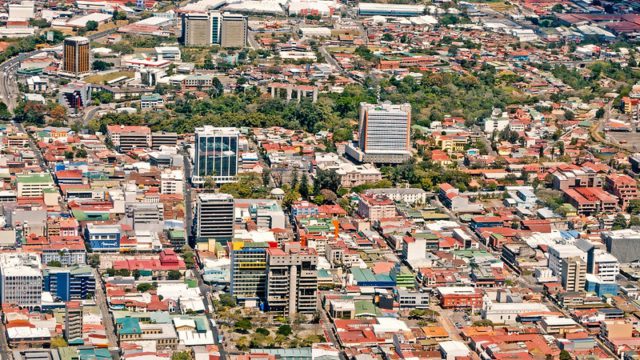
How Costa Rica’s New Infrastructure Will Help Reduce PovertyOn May 4, 2021, President Carlos Alvarado addressed Costa Rica with the State of the Republic, a yearly analysis of the country’s accounts, progress and goals for the future. In his speech, he discussed the various infrastructure projects set to begin in Costa Rica. The projects will create opportunities for employment and reduce poverty across the country. President Alvarado’s plan for Costa Rica’s new infrastructure projects responds to the current economic crisis in the country. Due to the COVID-19 pandemic, poverty in Costa Rica has hit an all-time high since 1992, with 26.2% of families in the country experiencing household poverty.

New Infrastructure to Reduce Poverty in Costa Rica

Costa Rica’s economy is sustained by tourism, a sector that hit a sharp decline as a result of the COVID-19 pandemic. In 2020, Costa Rica’s “economy shrank by 4.5%” while unemployment rose by 6%. The various infrastructure projects which President Alvarado discussed aim to decrease poverty in the country and help bring Costa Rica out of its economic slump.

  1. Road Infrastructure. In his address, President Alvarado emphasized the need for improving roads and bridges across Costa Rica. He remarked that the Government intends on accessing a loan in order to treat all roads in the country with an asphalt seal and improve bridges across Costa Rica. The transformation of Costa Rica’s road infrastructure is a considerable undertaking that would provide thousands of people with jobs. Improving roads will lead to decreased congestion and facilitate transportation throughout the country. This directly benefits Costa Ricans and increases their access to jobs, which would greatly decrease the country’s record-high levels of poverty.
  2. Educational Infrastructure. Another key subject that Alvarado touched upon is the need for equal education opportunities for Costa Ricans. Investing in education infrastructure will help achieve this goal. Education for all Costa Ricans is important because education breaks cycles of poverty. Educating impoverished people on nutrition, health and safety can help them improve their living conditions. Additionally, educating children will provide them with the knowledge and skills to secure future employment and lift their families out of poverty.
  3. Land for Indigenous Groups. President Alvarado has a special recovery plan for indigenous territories. In the State of the Republic, he pledged monetary funding to address the inequities indigenous Costa Ricans experience due to existing legislation. The indigenous groups in Costa Rica have historically been subjected to slavery, displacement and exclusion and are disproportionately affected by poverty. Ensuring indigenous land rights are protected and prioritizing aid for indigenous people’s development would help reduce poverty across Costa Rica.
  4. Public Transportation. President Alvarado discussed an initiative to transition to electric mobility. The President “requested the support of Congress to approve a project to modernize public bus transport.” Additionally, the Costa Rican President introduced the Greater Metropolitan Area Electric Passenger Train, which is expected to generate almost 2,670 jobs, ignite economic growth and attract investors to the country. Another railway project that the President presented to Costa Rica is the Limon Electric Freight Train (TELCA). The construction of public transportation projects will provide Costa Ricans throughout the country with jobs and facilitate transportation between communities in order to spur economic growth.

Costa Rica’s commitments directly benefit citizens and the economy. Costa Rica’s new infrastructure projects show the country’s commitment to developing Costa Rica and reducing poverty.

– Eliza Kirk
Photo: Flickr

June 23, 2021
https://borgenproject.org/wp-content/uploads/borgen-project-logo.svg 0 0 Lynsey Alexander https://borgenproject.org/wp-content/uploads/borgen-project-logo.svg Lynsey Alexander2021-06-23 01:31:042021-06-21 11:07:02Costa Rica’s New Infrastructure Projects
Economy, Global Poverty

Reducing Poverty Through Social Ecology in Rojava

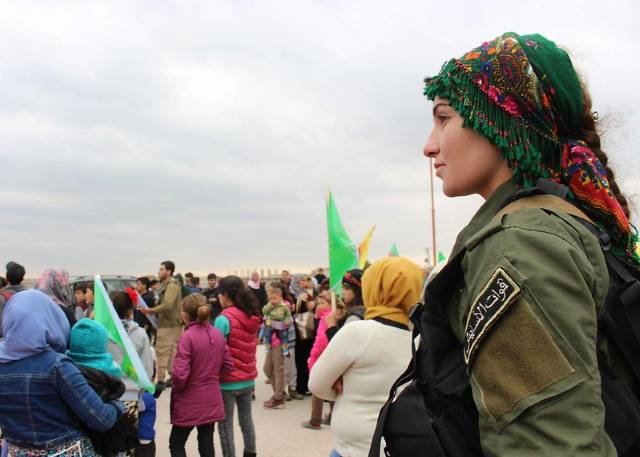
Social Ecology in RojavaRojava, also known as the Autonomous Administration of North and East Syria, is a region in Northeastern Syria. It was born out of the political instability that started at the beginning of the civil war in 2011. Surrounded by conflict, Rojava represents a rare success story of a war-torn region determined to help its local communities by reducing poverty through social ecology.
Rojava in Action

Rojava functions as a confederated system of local communities. Political decisions are implemented by democratic means and policy is decided from the ground up. Members of the immediate community have the first and final say on policies and practices that affect their communities directly. This political method of local autonomy relies on a specific degree of local sustainability and social responsibility. Communities take an active role in ensuring each member can access essential resources such as food and clean water.

Ecological sustainability is strong at play. Communities in Rojava aim to transform the landscape back into a more ecologically diverse and fertile area. This will mean reversing land practices inherited from the Assad regime. Groups such as the Internationalist Commune of Rojava, and its project, Make Rojava Green Again, focus efforts on this transformation. This is the crux of how Rojava hopes to reduce poverty through social ecology.

The Problem

Under the Assad regime, Northern Syria became deforested and transformed into monoculture croplands. One example of the practice is the deforestation of Afrin in favor of planting olive trees. This practice, along with the use of chemical fertilizers and unnatural water sources, destroyed the quality of topsoil and degraded the overall fertility of the land. Such practices also forced the population to rely on supermarket-based systems of distribution to purchase food and other essentials, decreasing local access to resources in favor of international markets. This form of politically-induced scarcity increased poverty rates in the Kurdish regions of Northeastern Syria.

Making a Change

After the withdrawal of the Syrian Government in 2011, lands once used for monoculture cultivation were expropriated by local farming cooperatives. These cooperatives form the basis of the economic system that now functions in Rojava. Each cooperative includes roughly 25 to 35 people. The priority of each cooperative is to provide for the basic needs of the region’s most impoverished citizens. The reallocation of resources and land back to local communities has seen success.

The localization of food production has notable environmental and social benefits. According to a study conducted in 2019, eggs supplied by local cooperatives required less than 2% of the monetary cost and energy needed for eggs supplied by modern supermarket supply chains. This means the people in Rojava have improved access to food, and, at a substantially reduced cost.

The Make Rojava Green Again project has spearheaded multiple ecological initiatives throughout Northeastern Syria aimed at reducing poverty by encouraging practices of ecological sustainability at the local level. Examples of such initiatives include efforts to rebuff rivers with the reforestation of native plant species. This will create wider access to clean water for communities that rely on such rivers. Other examples include reusing water for irrigation and planting urban gardens in order to grow food for impoverished members of the community who cannot grow their own. This will increase food security for otherwise vulnerable areas.

Continuing Forward

Despite the threat of military annihilation, Rojava continues to implement a green future for its citizens. Ecological initiatives have increased access to natural resources for populations in both urban and rural environments. The effort to reduce poverty through social ecology in Rojava is an ongoing initiative that requires international support if it is to survive. Nevertheless, Rojava has already demonstrated the effectiveness of such measures, and in doing so, has provided the rest of the world with a model for a green future.

– Jack Thayer
Photo: Flickr

June 13, 2021
https://borgenproject.org/wp-content/uploads/borgen-project-logo.svg 0 0 Jennifer Philipp https://borgenproject.org/wp-content/uploads/borgen-project-logo.svg Jennifer Philipp2021-06-13 01:30:192021-06-18 07:46:27Reducing Poverty Through Social Ecology in Rojava
Economy, Global Poverty

Oil and Poverty in Kazakhstan

Oil and Poverty in Kazakhstan
Oil and poverty in Kazakhstan have an inextricable link. Kazakhstan is located in Central Asia with a population of over 19 million people. The last country to declare independence from the Soviet Union, Kazakhstan spent its first years as an independent nation focused on nation-building rather than economic policy. However, thanks to the development of the country’s oil and gas resources and a focus on exports at the turn of the century, the country became one of the top 10 fastest-growing economies in the world as recently as 2015.

This dependence on oil exports has created challenges for the country. In 2014 and 2015, large drops in oil prices cut export revenues in Kazakhstan by almost half. The deficit that followed caused the government to take quick action. It reduced or delayed previously planned spending on infrastructure and tightened exchange rate policies.

Poverty in Kazakhstan

The statistics on poverty in Kazakhstan are hopeful. In 2018, only about 4.3% of the population lived below the poverty line and the unemployment rate was only 4.8%. This is an impressive improvement from the 48.9% poverty rate in 2005. The improvement is largely due to new employment opportunities from the oil industry that have allowed more people to have a steady income.

While this decrease in poverty has been inarguably a good development, the rate at which the increase has happened has led many to worry that the country could just as quickly fall back into decline. With so much of the economy dependent on oil prices, a very volatile industry, the impact of oil and poverty in Kazakhstan is something that experts are very concerned with.

On top of the regular fluctuations in oil prices, the COVID-19 pandemic had a huge impact on the economy of Kazakhstan. The pandemic brought activity across the globe to a halt. As stay-at-home orders went into place, the demand for oil dropped significantly, which caused oil prices to drop. 

The Good News

Despite the link between oil and poverty in Kazakhstan, there is good news. According to the World Bank, the life expectancy in Kazakhstan is 73 years. This has been steadily rising since the country became independent in 1991. Infant and maternal mortality rates have also been in decline in recent years. 

Kazakhstan has also improved the basic necessities of its citizens. About 97.4% of the population now has access to clean drinking water and 99.9% have access to sanitation facilities. Meanwhile, 100% of citizens have access to electricity. Education, which has a direct link to economic growth, is doing well with 99.8% of people over 15 being able to read and write. 

Looking to the Future

Looking forward, there are ways for Kazakhstan to mitigate the damage fluctuations in oil prices can cause to its citizens. Oil and poverty in Kazakhstan will always have a link. However, diversifying the economy is a major step to reducing the impact of changing oil prices on the country. The country must focus on the non-oil economy by implementing new policies that will focus on investing in infrastructure and human capital. By focusing on expanding the economy, decreases in oil prices will not result in such massive deficits in the future.

– Taryn Steckler-Houle
Photo: Flickr

June 12, 2021
https://borgenproject.org/wp-content/uploads/borgen-project-logo.svg 0 0 Kim Thelwell https://borgenproject.org/wp-content/uploads/borgen-project-logo.svg Kim Thelwell2021-06-12 07:31:212021-06-08 14:49:13Oil and Poverty in Kazakhstan
COVID-19, Economy, Global Poverty

The Impact of COVID-19 on Poverty in Jamaica

Impact of COVID-19 on Poverty in Jamaica
The impact of COVID-19 on poverty in Jamaica has been immense since the pandemic began in 2020. Jamaica has always been a popular vacation destination for people to enjoy the sun, beaches and culture. In fact, according to the World Bank, the country’s yearly tourism numbers reached 4.2 million in 2019, twice the numbers from two decades before. However, since COVID-19 struck the world, the country’s tourism industry fell downward as fewer persons could travel to Jamaica.

Businesses, such as eateries and resorts, have experienced a significant decline in business. As a result, 50,000 Jamaicans working in tourism lost their jobs, illustrating the substantial impact of COVID-19 on poverty in Jamaica. Thus, many persons that finally overcame poverty will most likely face this reality again. Before COVID-19, the World Bank’s graph depicted Jamaica’s poverty rate at around 19% in 2018 and 2019; however, it increased to about 23% in 2020.

COVID-19 Effects on Working Women

According to the World Bank, like other nations, the impact of COVID-19 on poverty in Jamaica has had a tremendous effect on working women. About 78% of healthcare and humanitarian employees and 55% of staff in industries highly susceptible to COVID-19, such as commerce, resorts, restaurants and schooling, are women.

The Inter-American Development Bank stated that women have always had lower-income and less stable employment than men in Jamaica. Now, females are suffering more than males once again, because of higher unemployment rates and business closures. Also, the need for free healthcare has risen due to school closures and households staying indoors. In addition, with less money, more single mothers are unable to purchase sufficient meals compared to males.

How COVID-19 has Impacted Jamaica’s Economy

The Inter-American Development Bank stated that before the pandemic, it expected GDP for FY2020/21 to increase by 1.1% due to more tourist visits and sales of products like bauxite. However, the impact of COVID-19 on poverty has changed this scenario.

Also, the International Monetary Fund projected Jamaica’s economy to decline by more than 5% in 2020. It also forecasts government income to continue to fall twice as much as medical, societal and commercial costs increase. According to the World Bank, GDP declined from around 310,000 in 2019 to 280,000 in 2020, showing an actual reduction of 9.67%.

Recovery Strategies

The Jamaican public system has implemented various strategies to combat the impact of COVID-19 on poverty. The World Bank states that the country has reduced taxes to around 0.6% of GDP and has limited expenditures to 0.5%. Also, the government has diminished General Consumption Taxes for smaller-scaled businesses along with mandatory costs for farming products. Jamaica also relinquished some expenses for tactical gear and cleaning supplies.

CARE Programme

Jamaica has implemented its CARE Programme, which provides monetary compensation for the country’s neediest citizens. The Jamaican government implemented this program on March 24, 2020. So far, approximately 500,000 Jamaican citizens have benefited from this initiative, especially individuals who became jobless due to the COVID-19 pandemic. Jamaica Information Service reported that these qualified persons received $9,000 bi-weekly every month.

According to the IMF, this strategy also includes:

  • Considerate contributions to persons without work or with casual employment before COVID-19.
  • Provisional allowances to persons who were working but lost their jobs due to COVID-19.
  • Funding to freelance workers whose income reduced due to the pandemic, as well as small-scale companies.

The program also assists senior citizens and persons who are ill or incapacitated.

Financial Budget Changes

Jamaica is also adjusting its financial plan to fit with reduced income, more medical expenses, changes to initial spending plans and the use of monetary supplies. For instance, the government has suspended import tariffs for essential healthcare materials. In addition, the Central Bank of Jamaica has reduced its required reserves for funds while keeping the rate at 0.5%. Doing so has helped to increase the amount of money in the economy. Also, the country has asked the IMF for $520 million to help them recover from the pandemic.

Strategy Results

These various government initiatives have significantly helped to reduce the impact of COVID-19 on poverty in Jamaica. The CARE Programme donated $25 billion Jamaican dollars to assist the economy, which is the most significant accomplishment the country has achieved thus far in fighting the economic effects of COVID-19.

Nigel Clarke, Jamaica’s Minister of Finance and the Public Service, said that due to these strategies, the country has a lesser deficit than it did a decade ago with the global financial crisis. “In addition, we had accumulated cash resources of over [3%] of GDP through public body reform, inclusive of divestment of state enterprises, and fiscal over-performance,” he stated. Also, by controlling prices, the country now has more than $1 billion in reserve funds that it did not borrow. As a result, Jamaica is now in a better place with more possibilities for recovery.

Loop, a Jamaican News Website, reported that the Minister also said that some persons have returned to work due to various government initiatives. As a result, the rate of unemployed persons dropped from around 12% in July 2020 to 10.7% in October 2020. However, it will take two to four years to get back to the pre-pandemic rate of 7.2%.

According to the Statistical Institute of Jamaica, as of January 2021, the percentage of persons unemployed was 8.9%, which is an improvement from the previous year. However, the Jamaican government must continue developing innovative strategies to economically recover and reduce the impact of COVID-19 on poverty in Jamaica.

– Jannique McDonald
Photo: Flickr

June 5, 2021
https://borgenproject.org/wp-content/uploads/borgen-project-logo.svg 0 0 Jennifer Philipp https://borgenproject.org/wp-content/uploads/borgen-project-logo.svg Jennifer Philipp2021-06-05 01:30:032021-06-02 08:18:14The Impact of COVID-19 on Poverty in Jamaica
Economy, Global Poverty

The Progress of Georgia’s Economic Policies

Georgia's economic policiesGeorgia’s poverty and unemployment rates hit 13.3% and 18.5% respectively in 2020. A vast number of factors have contributed to these statistics. The Borgen Project spoke with Toby Davis, the former division chief for the Caucasus and Central Asia Office for the Analysis for Russia and Eurasia, to explore the economic landscape of Georgia and the factors impacting Georgia’s economic policies.

Unemployment and Poverty in Georgia

Davis explains that 70% of polled citizens will declare unemployment. However, when taking away pensioners, students and people who are not currently looking for work, only about a third of the 70% are actually unemployed. For example, many subsistence farmers register as unemployed because they are not currently working for a recognized business and thus do not consider their trade as a job.

Davis explains that “Unfortunately, this tilts the balance of the statistics, resulting in government decisions that may not always be the best for those who are genuinely unemployed and struggling to find work.” Despite a sometimes inaccurate reflection of statistics, Georgia is nevertheless working to improve the level of poverty and unemployment within the country with solutions that can bring Georgia’s citizens out of their current state of poverty.

Causes of Georgia’s Economic State

Two main factors impact Georgia’s economic state. First, Davis states that Georgia’s economic problems stem from the establishment of the Georgian Dream-Democratic Georgia party in 2012. Billionaire politician, Bidzina Ivanishvili, established Georgia’s previous state of government, changing the motives of politicians within the country.

Teona Zurabashvili, policy analyst at the Georgian Institute of Politics (GIP), explains that when the Georgian Dream came into power, it “squandered the political capital” it accumulated and supporters “never received the social justice they were promised.” She explains that the political climate reflected “an unfocused economic program, clannish rule in the judiciary system, rampant nepotism in the civil service, decreased direct foreign investments, a devaluation of the national currency and clear signs of state capture.”

Due to poor governance, poverty in Georgia has largely gone unaddressed. Davis reaffirms that because of political interests and weak governance, many of Georgia’s economic policies do not help the economy reach its fullest potential.

The second major contributor to Georgia’s economic state is the imbalance between exports and imports. Currently, Georgia spends more than it sells and produces, with export levels barely making one-third of the number of imports. The statistics show that the total exports are around 3.3 million, whereas its imports are at approximately 9.1 million. In 2016, Georgia imported most of its oil and natural gas to satisfy the energy demand in Georgia. With a transition to renewable energy, Georgia may be able to reduce these imports.

Past Plans and Current Projects

The Economic Development and Poverty Reduction Programme was a past proposal to fix Georgia’s poverty. It was approved in 2003 but was never implemented. Although the plan had funding from the World Bank and the IMF, Georgia’s government lacked interest and never followed through with it. Davis seconds this point, stating that, “there are individual party projects trying to fix [poverty rates], but nothing ever reaches the grand government scale. The projects improve it in increments, but there are a lot of questions as to why it isn’t improving faster.”

The Namakhvani HPP project aims to help Georgia gain “energy independence” through hydropower. The project’s goal is to satisfy 20% of the energy demand in Georgia, increasing domestic annual generation by 15%. A large portion of Georgia’s spending goes toward importing oil and fuel for energy demands. Therefore, Namakhvani HPP would reduce these expenditures. Wealth from this project would allow Georgia to gain energy independence and focus on implementing poverty reduction programs.

Reviving the Deep Sea Port Project

Another option regarding Georgia’s economic policies is the revival of the canceled deep sea port construction that would have taken place on the coast of the Black Sea. The project has the potential to generate cargo trade with China and Central Asia, with the potential to bring in significant revenue. The project was canceled due to a lack of funding. Thus, if the project were able to garner the international support and funding it needs, the project could positively impact the import and export sector.

The government of Georgia needs to prioritize developing the economy and reducing poverty, which should be reflected in Georgia’s economic policies. With politics aside, Georgia has the potential to thrive.

– Seren Dere
Photo: Flickr

May 29, 2021
https://borgenproject.org/wp-content/uploads/borgen-project-logo.svg 0 0 Kim Thelwell https://borgenproject.org/wp-content/uploads/borgen-project-logo.svg Kim Thelwell2021-05-29 01:30:542024-05-30 22:23:31The Progress of Georgia’s Economic Policies
Economy, Foreign Aid, Global Poverty, Women's Rights

Finland’s Foreign Aid is Small but Potent

Finland's Foreign Aid
Rankings and dollar signs are typically what one can use to compare a country’s contributions to foreign aid against the next. However, what is not present in those comparisons and dollar signs is the context and structure behind the contributions of these countries. The Development Assistance Committee (DAC) ranked Finland number 19 out of 30 countries because it provides only $1.08 billion in aid. This ranking is consistent across the board showing Finland as one of the lowest contributors of foreign aid, however, Finland’s foreign aid contributions include quality standards that every country should mimic to get the most out of their contributions.

Finland’s Goal Regarding Foreign Aid

Finland’s long-term overarching goal is not simply to help countries in need but also to free those countries from their dependency on aid and provide each country it contributes to with the ability to flourish. This goal puts Finland in a position to use the idea of quality over quantity when it decides its foreign aid budget and what country will benefit the most from Finland’s foreign aid contributions. Finland’s foreign aid policies follow a strict set of criteria that helps to guide and direct small but potent decisions. The Ministry of the Foreign Affairs of Finland has spelled out the four driving components to criteria for foreign aid contributions within Finland’s Development policy.

4 Driving Forces Behind Finland’s Foreign Aid

  1. Strengthening the Status and Rights of Women and Girls: Finland intends to improve the rights of women and girls across the globe and promote gender equality. In fact, Finland is one of the largest contributors to UN Women, after giving the organization 10 million euros in 2016.
  2. Strengthening the Economic Base in Developing Countries and Creating Jobs: Without a strong economy, a country may have limited jobs, so it is crucial for Finland to actively participate in the rebuilding or strengthening of that economy. Finland seeks out partnerships and opportunities to promote the creation of jobs and strengthen the countries’ trade environments. In a three-year span of time, between 2016 and 2019, Finland contributed over $500 million in investments and loans to support sustainable development. Finland’s investment in Somalia went solely toward economic infrastructure and electricity distribution as well as the private sector. This contribution should provide valuable stepping stones to help Somalia rebuild and sustain the resources available to it.
  3. Education, Well-Functioning Societies and Democracy: Finland stands by its rule of law to provide a safe and peaceful environment, sustainable resources and public services to its population. Moreover, it extends those values to other countries. In fact, 57% of Finland’s foreign aid goes to fragile states in order to promote stability and security.
  4. Environmental Challenges and Natural Resources: Finland also aims to offer reliable access to safe and clean water and better water and land resources. It also intends to promote better farming conditions, forest management and decreased risk of hygiene-related diseases. It has implemented sanitation projects in Nepal, Vietnam, Ethiopia, Kenya and more.

Examples of Finland’s Foreign Aid Projects

Finland’s foreign aid contributions have centered around rural development, food security and land tenure in Africa and Asia. Again, while Finland’s contributions may not evenly compare to other countries’ contributions, they directly align with its overarching goal of creating opportunities for countries to build and sustain their own resources. As a result, those countries might be able to enter a position to sustain themselves.

Another great example of Finland’s contributions is its investment in water supply and sanitation programs. Access to clean water and food is a worldwide issue and Finland is aiming to alleviate those issues in Ethiopia, Kenya and Nepal. Ethiopia and Nepal were among the top five recipients of Finland’s foreign aid in 2015. Finland has dedicated itself to providing support to countries that have the highest need for funds. In Vietnam, Finland contributed to the urban water supply and sewage system, helping those countries achieve self-sufficiency and providing them with consistent access to the sources they need.

These programs and resources are only effective if they can occur over the long term. This is why Finland’s foreign aid contributions focus on programs that support rule of law and political systems. For example, Finland gave Afghanistan $3.2 million between 2016 and 2019 to broaden “civic engagement” and help foster an environment where the people participate more closely with the decision-making process of Afghanistan’s government.

Concluding Thoughts

Individually, each criterion above may seem like an impossible mountain to climb, but for Finland, these are simply the small but potent foundational steps necessary to create and sustain an efficient, profitable and sustainable economy. Finland’s foreign aid contributions may seem like only a small blip on the radar compared to the contributions that the United States and other larger countries are making, but it is blazing a trail to ensure that the funds, no matter how big or small they are, can make a powerful contribution to countries in need.

– Janell Besa
Photo: Flickr

May 4, 2021
https://borgenproject.org/wp-content/uploads/borgen-project-logo.svg 0 0 Jennifer Philipp https://borgenproject.org/wp-content/uploads/borgen-project-logo.svg Jennifer Philipp2021-05-04 07:30:412021-04-30 09:42:46Finland’s Foreign Aid is Small but Potent
Economy, Global Poverty

How Tech Startups Help Pakistan and its Economy

Tech Startups Help PakistanPakistani tech startups are growing at an unprecedented rate. Every year, the country has an output of more than 20,000 graduates who are trained in the field of information technology (IT). Since 2010, there have been 700 tech startups and around 70% of the startups are still operational as of 2020. The Pakistani economy reaps the benefits of the booming industry. One example that shows the importance this sector can have for the Pakistani economy is WhatsApp. WhatsApp founders Jan Koum and Brian Acton developed WhatsApp and Facebook bought it for $19 billion. The price of the acquisition exceeds the defense budget of Pakistan almost three times over. Tech startups help Pakistan by encouraging economic growth.

The Success of Tech Startups

Many successful tech startups are helping Pakistan because the startups have developed useful apps. For example, the Patari app is a streaming provider for music lovers and was able to obtain $200,000 worth of seed funding in 2017. Eatoye is another app that has had much success in Pakistan. Eatoye provides food delivery, catching the interest of the food portal FoodPanda, which acquired the app. Similar apps have been particularly successful in Pakistan’s domestic market. However, tech startups have found success in the international market as well. Tech startups that focus on IT have succeeded in exporting software. These software exports have made a total of $700 million, but Pakistani IT experts believe that the number is much higher. When taking into account the amount of freelance work, software exports could bring in as much as $2.5 billion.

Tech Startups in Pakistan

Pakistan has several tech startups that currently provide valuable services to its people. Zameen.com was founded in 2006 and is extremely well-funded and informative. Zameen.com allows people to make financial decisions regarding properties in major Pakistani cities. This includes investing, buying, selling or renting. The valuation of the startup is around $80 million, showcasing its popularity. Another startup called Airlift has been extremely useful for commuters. Airlift allows commuters to book luxurious buses to get to their destinations, which is extremely useful for many middle-class Pakistani workers. These examples are just two of many tech startups that are helping Pakistan.

Pakistan Reaps the Rewards

Tech startups can be beneficial to the economy of a nation for many reasons. One way is through the creation of goods and services at a high growth output rate, which older companies usually cannot match. Additionally, tech startups often tap into new markets or can reform old ones. However, startups are most beneficial to the economy because they contribute to the creation of jobs in a country. Startups create more opportunities for employment since they can add to job creation at a rate of 25% or more.

Pakistan’s unemployment rate was expected to rise to 6.65 million Pakistani people between 2020 and 2021. Tech startups help Pakistan by improving the economy of the nation and by aiding in job creation to accommodate a growing number of people without jobs. The beneficiaries of an improved economy will be the people of Pakistan.

– Jacob E. Lee
Photo: Flickr

April 30, 2021
https://borgenproject.org/wp-content/uploads/borgen-project-logo.svg 0 0 Kim Thelwell https://borgenproject.org/wp-content/uploads/borgen-project-logo.svg Kim Thelwell2021-04-30 08:29:092024-05-30 22:23:28How Tech Startups Help Pakistan and its Economy
Economy, Global Poverty

The Opening of Cuba’s Private Sector

Cuba's Private Sector
A couple of days after the closing of the Cuban border, 16,000 private workers, upon sensing danger, requested the labor ministry suspend their licenses so they could avoid paying taxes. That number rose to 119,000, 19% of the private workforce, in a few more days and threatened to annihilate the Cuban economy. The implementation of the global travel restrictions had a devasting impact on the country’s tourism sector, which is the second-largest revenue generator for the island nation. As a result, selective private businesses took a massive hit and the government lost a crucial foundation for foreign exchange. By December 2020, Cuban tourism had fallen by 16.5%, followed by an 11% drop in the country’s GDP. Worried by the lingering economic collapse, the government began opening Cuba’s private sector, providing Cubans with self-employment opportunities and allowing them to operate businesses in added sectors.

What Did the Government Do?

Previously, the communist-led government allowed Cubans to participate in merely 127 officially approved private sector activities. Some of the legalized activities included working as a barber, working in gastronomy or transportation or renting rooms to tourists. To expand the private sector, the government eliminated the previous list of 127 activities. Instead, it created a new list of 124 jobs prohibited in the private sector. The rest of the 2,000 legal activities, which the government recognized, will be open to Cubans. In the past, state-owned businesses have always dominated the Cuban economy. However, the private sector has managed to make a mark over recent years. Presently, 635,000 people occupy the private sector, which is roughly 14% of the Cuban workforce. The introduction of the long-awaited economic reform might increase diversification in the private sector and could spur economic growth for Cuba.

The Effects on Cuba and its People

The economic reform will allow Cubans to partake in additional economic activities. It will help eradicate bureaucracy in the governmental arrangements, as the Cubans will no longer have to manipulate their business documentations to fall under the list of legalized activities. Now, they only have to confirm that they are not running any business from the list of prohibited activities.

Further, the liberalization of the private sector will bring about a change in the career patterns of Cubans. Previously, apart from the underpaid state-run jobs, the only other viable option for Cubans were low-skilled jobs. Now, Cubans will have countless other opportunities in technical fields like engineering and economics. Still, professional fields like medicine, law and teaching could open to state employees only. Additionally, the opening of the private sector will increase employment opportunities, which will rapidly develop the private sector. Private business owners currently make up 13% of Cuba’s workforce. This number will spike due to the relaxation of the private sector.

The Future of Cuba’s Economy

Ricardo Torres, a pro-reform economist at the University of Havana’s Center for the Study of the Cuban Economy, stated that the opening up of Cuba’s private sector will diversify jobs and boost the GDP. This, in turn, triggered a shift in economic arrangements in Cuba. But the chances of the private sector dominating the economy soon are bleak, mainly due to the political settings of Cuba. Therefore, expectations have determined that state-owned businesses will direct the economy. Rather than rushing into free-market forces, the Cuban government must seek inspiration from other countries and establish a solid institutional framework. Several European states, the U.S., Japan and other East Asian countries have proved that by focusing on macro and microeconomic policies and planning and investing in citizens, an economic upliftment should be possible.

Cuba’s Relationship with the US

The economy was booming under the Barack Obama Administration. Things, however, took a turn when former President Donald Trump overturned Obama’s agreement to ease travel restrictions on Cuba. Donald Trump also ended the U.S. cruise travel to Cuba, disallowed many Cuban Americans to send remittances back home, pressured a U.S.-run hotel out of Cuba, forced countries not to hire Cuban doctors and nurses during the pandemic and re-enlisted Cuba on the list of countries that sponsor state terrorism. Cuban businesses suffered a great deal due to this. The labor reform could not have been timelier for the Cuban government as it could present a sturdy case for amendments in the U.S. policy.

One of Obama’s main objectives was to expand the private sector in Cuba. Therefore, on the back of the opening of the private sector and the appointment of Joe Biden as President, the Cuban government can look to persuade the U.S. to consider a policy reform. Although Cuban had to wait a long time for labor reform, it is crucial to mend unemployment rates, boost the GDP and restore Cuba’s unsteady economy through Cuba’s private sector.

– Prathamesh Mantri
Photo: Flickr

April 27, 2021
https://borgenproject.org/wp-content/uploads/borgen-project-logo.svg 0 0 Yuki https://borgenproject.org/wp-content/uploads/borgen-project-logo.svg Yuki2021-04-27 01:31:232024-05-30 22:22:59The Opening of Cuba’s Private Sector
Economy, Global Poverty

The Benefits of Mobile Government

Mobile Government
Worldwide, more people have access to mobile phones than to proper sanitation. As crazy as it sounds, mobile phone access can be advantageous. The International Telecommunication Union estimates that out of the 7 billion people on earth, around 6.5 billion have access to a mobile phone. As of 2018, 100% of the population in low- and middle-income countries had access to mobile phones, whereas 55% of the population in low-income countries owned a mobile phone. The pervasiveness of mobile technology can help build expansive government networks. Mobile Government (mGov) could provide citizens and businesses with extended benefits and stir up overall economic growth.

Since the COVID-19 pandemic began, several countries with pre-established digital governments have launched public services that people can access via mobile phones. The introduction of these online services could be a blessing for developing countries, where the communication between the government and the residents is almost nonexistent.

What is a Mobile Government (mGov)?

Mobile Government is a government-led platform that uses mobile technology to increase active participation in government operations while offering several government services and applications that individuals can access electronically. It provides quick and easy access to integrated data and location-based services and helps to empower citizens. Here are different ways Mobile Government can make a positive impact.

Increased Financial Inclusion

As per World Bank reports, by 2018, the number of people holding bank accounts shrank from 2.5 billion to 1.2 billion in just seven years. As a result, less than 50% of the adult population did not have a link to traditional banking systems. Therefore, to increase the financial inclusion of the citizens, governments all across the globe are undertaking initiatives to encourage and support the development of financial technologies.

In India, Jio, an Indian telecommunications company, in collaboration with the government, stirred a socio-economic revolution by providing subsidized 4G service to more than 200 million subscribers in under two years. Likewise, the mobile currency has transformed the Kenyan economy. More than three-fourths of the population have gained access to mobile wallets (M-Pesa) and can participate in financial transactions.

Similarly, online services can be useful in distributing money among the poor since only a small fraction have operational bank accounts. About 1.2 billion users across 95 countries use mobile money. Many countries use mobile payment services to provide monetary assistance through Government-to-person (G2P) payment systems.

In Bangladesh, the government is providing 5 million families with economic support by transferring money online, ensuring that families have a stable recovery from the COVID-19 pandemic. The usage of mobile has helped reduce corruption dramatically, improve access to financial services and boost participation in economic activities.

Better Access to Essential Services

Mobiles have made access to health, education, agriculture and other services trouble-free for the general public. In the same way, mobile phones are going toward addressing serious health problems. Increased communication can bring awareness about safe drinking water, birth control, maternal health and malnutrition amongst many others.

Globally, 774 million people are unable to read or write. Out of that group, 123 million are youth. One can frequently trace illiteracy to a lack of books. Studies have revealed a positive correlation between high illiteracy rates and a shortage of books. The majority of people in sub-Saharan African do not have access to books and the schools in the region rarely do anything about it. As a solution, several developing countries have replaced physical texts with online books, allowing a larger proportion to access books. For instance, educators in schools in countries like Zimbabwe, Uganda, Nigeria and Pakistan read stories to the children from mobile phones.

Mobile phones can also combat dengue fever in Pakistan. Sanitary workers use smartphones to send geo-tagged images of swamps to the central health experts. Afterward, health experts monitor the images.

The agriculture sector in Ethiopia and Uganda also utilizes mobile phones in a significant way. It employs mobile phones to deliver early alerts on droughts, food shortages, pests and weather-related calamities.

Enables Social Accountability

The governments in developing countries are using mobile technology to promote the use of SMS texts to enhance social accountability among the citizens. A study that took place in 46 African countries unearthed a correlation between high mobile penetration and low corruption rates.

In several developing countries, citizens receive encouragement to notify their governments of any matters that require addressing. In Pakistan, the Director-General of the Passport Office sends a message to the visitors inquiring about any bribery encounters or any other issues.

Mobile Government can be a powerful tool, useful in extending access to existing services, developing further innovative, inclusive services and increasing citizen participation in all realms of the public sector. Mobiles can dynamically foster civic engagement, facilitate transparent democracy, reform the outdated educational systems and create advanced healthcare infrastructure in developing countries. The use of mobile technology can tackle the growing digital divide between low-income and high-income countries. Hopefully, this will uplift the economies and literacy rates in developing countries.

– Prathamesh Mantri
Photo: Flickr

April 26, 2021
https://borgenproject.org/wp-content/uploads/borgen-project-logo.svg 0 0 Yuki https://borgenproject.org/wp-content/uploads/borgen-project-logo.svg Yuki2021-04-26 07:31:172021-04-24 19:53:58The Benefits of Mobile Government
Development, Economy, Global Poverty, Government

What Exactly Is Happening in the Northern Triangle? 

The Northern Triangle
Latin America is in a vicious circle of crime, poverty and corruption. High crime rates thwart economic opportunities and crime rates push people into poverty, all cumulating into corrupt leaders who use the pain for their power and self-interest. Nevertheless, nowhere is crime more prevalent than in the Northern Triangle.

The Northern Triangle is region in Central America that includes Guatemala, Honduras and El Salvador. It has experienced the worst problems such as poor economic growth, rampant gang violence and political corruption. This three-prong nightmare has fueled an estimated 265,000 people toward the Southern U.S. Border and will continue to grow into the foreseeable future. While some do attempt to find safety in Europe and elsewhere in South America, others take the risk and traverse their way to the U.S-Mexico border, where they risk entering the country illegally. Others surrender to U.S. border patrol and seek asylum. However, it is unlikely that they will receive asylum. On average, only 13% of individuals receive asylum and experience integration into the United States.

Gang Corruption

In 2017, a survey asked the people in El Salvador, “who runs the country?” About 42% of respondents said “Delincuencia/Maras.” For non-Spanish speakers, this translates to gangs, like MS-13.

These answers have visible ramifications that strike at the core of the government. Governments in the Northern Triangle are weak, and the people know this; the gangs know this. People understand the country’s power lies in gangs’ hands, not in the government’s.

For example, in 2012, the Salvadorian government agreed to sign a truce with the criminal organizations to address skyrocketing homicide rates. The profoundly unpopular legislation did lower the homicide rate but the people still had to continue to pay gangs. Tactics like homicide and racketeering are not the only ways these organizations flex their might.

Throughout the Northern Triangle, gangs rely on drug and human trafficking, money laundering, kidnapping and theft to export their criminal enterprise well beyond the Northern Triangle. Issues in the Northern Triangle are not just an inter-state problem but also a problem for the entire Western Hemisphere.

Governance Problem

Northern Triangle nations have made some progress when it comes to corruption. But the total damage that such corruption caused is still in the billions: $13 billion to be precise.

In 2006, Guatemala successfully combated corruption when it appealed to the U.N., which established the International Commission Against Impunity in Guatemala (CICIG). This independent body investigates the infiltration of criminal groups within state institutions. Such an organization resulted in the conviction of hundreds of officials and reduced the homicide rate.

In El Salvador, in 2019, the country created its own independent body called Commission against Corruption and Impunity in El Salvador (CITIES), which could yield the same results as CICIG. Over in Honduras, the hopes of establishing such independent oversight do not seem to be gaining the same traction. After the resignation of President Lobo Sosa in 2013, an investigation into the Honduran Institute of Social Security revealed a scandal that cost the people over $200 million. It also implicated President Orlando Hernández, who admitted to unknowingly using some of the money to fund his presidential campaign.

Unlike Guatemala and El Salvador, the Honduras legislature rejected a proposal to create its own CICI. Instead, it created Support the Fight against Corruption and Impunity in Honduras (MACCIH). Although intended to fight corruption, it does not have the same autonomy as CICIG and CITIES. MACCIH is not autonomous and cannot investigate Honduran Public Ministry. Instead, it relies heavily on its relationship with the Attorney General and Congress, which could shield the people committing corruption. This inability to pass support for CICIH instead of settling for MACCIH might be signaling that the $200 million white-collar crime is the beginning of a giant iceberg.

A Path Forward

In Washington DC, support exists for CICIH and CITIES. Congresswoman Norma Torres and others released a statement in 2019 supporting these institutions. Reinstating the CICIG and implementing the same structure in CICIH and CITIES would stop corruption. This would allow the state to use its monopoly on violence to fight crime and allow positive economic growth. In April 2021, the State Department announced $740,740 in available funding for “competition for organizations interested in submitting applications for projects that empower civil society to combat corruption and protect human rights.”

– Diego Romero
Photo: Flickr

April 23, 2021
https://borgenproject.org/wp-content/uploads/borgen-project-logo.svg 0 0 Lynsey Alexander https://borgenproject.org/wp-content/uploads/borgen-project-logo.svg Lynsey Alexander2021-04-23 07:59:412021-04-25 07:59:54What Exactly Is Happening in the Northern Triangle? 
Page 26 of 66«‹2425262728›»

Get Smarter

  • Global Poverty 101
  • Global Poverty… The Good News
  • Global Poverty & U.S. Jobs
  • Global Poverty and National Security
  • Innovative Solutions to Poverty
  • Global Poverty & Aid FAQ’s
Search Search

Take Action

  • Call Congress
  • Email Congress
  • Donate
  • 30 Ways to Help
  • Volunteer Ops
  • Internships
  • Courses & Certificates
  • The Podcast
Borgen Project

“The Borgen Project is an incredible nonprofit organization that is addressing poverty and hunger and working towards ending them.”

-The Huffington Post

Inside The Borgen Project

  • Contact
  • About
  • Financials
  • President
  • Board of Directors
  • Board of Advisors

International Links

  • UK Email Parliament
  • UK Donate
  • Canada Email Parliament

Get Smarter

  • Global Poverty 101
  • Global Poverty… The Good News
  • Global Poverty & U.S. Jobs
  • Global Poverty and National Security
  • Innovative Solutions to Poverty
  • Global Poverty & Aid FAQ’s

Ways to Help

  • Call Congress
  • Email Congress
  • Donate
  • 30 Ways to Help
  • Volunteer Ops
  • Internships
  • Courses & Certificates
  • The Podcast
Scroll to top Scroll to top Scroll to top