• Link to X
  • Link to Facebook
  • Link to Instagram
  • Link to TikTok
  • Link to Youtube
  • About
    • About Us
      • President
      • Board of Directors
      • Board of Advisors
      • Financials
      • Our Methodology
      • Success Tracker
      • Contact
  • Act Now
    • 30 Ways to Help
      • Email Congress
      • Call Congress
      • Volunteer
      • Courses & Certificates
      • Be a Donor
    • Internships
      • In-Office Internships
      • Remote Internships
    • Legislation
      • Politics 101
  • The Blog
  • The Podcast
  • Magazine
  • Donate
  • Click to open the search input field Click to open the search input field Search
  • Menu Menu

Archive for category: Economy

Information and stories about economy.

Aid, Aid Effectiveness & Reform, Development, Economy, Global Poverty

India’s Foreign Aid Explained

India's Foreign Aid
The Republic of India receives millions of dollars each year in foreign aid. This money goes toward ending poverty and improving living standards. However, as India develops and modernizes, the government has started to lend a helping hand to poorer nations across the world. Many see India’s foreign aid as both a tool for diplomacy and an act of good faith. As in the words of India’s Development Partnership, its approach to foreign aid is, “shaped by India’s struggle for independence and solidarity with other colonized and developing countries and the inspiring leadership of Mahatma Gandhi…” The nation is transitioning from a recipient to a donor, as the nation often gives more in foreign aid than it receives.

By The Numbers

The Indian Government allocated $1.32 billion for foreign aid in its 2019-2020 budget year (around 0.3% of the budget). This amount follows a trend of India drastically stepping up its foreign aid over the past decade. The budget went from around $500 million in 2010 to a peak of $1.5 billion in 2015. Despite a three-year slump in funding, the central government is now stepping back up to the plate. The main focus of India’s foreign aid centers around the development and modernization of its recipients.

Most of India’s foreign aid goes to countries in Asia and Africa, as it seeks to improve relations with its neighbors and assert its global presence. The nations India is providing aid to include Myanmar ($56 million), Bangladesh ($24.5 million) and Bhutan ($392.7 million). Aid that these nations receive has the goal of promoting regional stability and creating higher living standards. The Indian Government has also taken more interest in Indian Ocean countries such as Mauritius ($161 million), Sri Lanka ($35 million) and The Maldives (~$81 million) to increase Indian presence in the Indian Ocean.

How India’s Foreign Aid Helps

India’s foreign aid goes to a variety of projects such as infrastructure, agriculture and energy. The nation has invested billions in infrastructure projects in nations like Nepal and Afghanistan, such as hydroelectric plants, dams and schools. Famously, India and Afghanistan finished the Salma Dam, renamed the Afghan-India Friendship Dam. The Dam cost India around $300 million and provides hydroelectric power and irrigated farmland to the surrounding area. Additionally, India gave millions in foreign aid to Caribbean nations to improve their renewable/clean energy sectors that combat pollution and environmental challenges.

India is also heavily active in humanitarian efforts and disaster relief, frequently giving out loans, medical supplies and other types of assistance. The Brookings Institute has even called the nation “The Neighborhood First Responder,” helping with disaster relief in Sri Lanka, Afghanistan and Myanmar. Humanitarian aid has gone to nations like Fiji after Cyclone Winston hit the nation in 2016. Recently, India has helped combat the COVID-19 pandemic through monetary aid, donating food and distributing vaccines. Brazil, which faces a vaccine shortage, received 2 million doses from the Indian government.

Indian-US Relations

India is a prime example of how U.S. Foreign Aid benefits all sides. Nations like the United States have invested heavily in India and continue to help the government combat problems that plague the nation. As a result, India and the U.S. are now close allies and often cooperate on shared goals such as combating environmental challenges and ending extreme poverty. The two nations also cooperate with each other in international organizations like the U.N. and IMF. Both nation’s economies benefit from a strong India, with bilateral trade totaling around $149 billion. A diverse array of U.S. businesses operate in India, from energy and infrastructure business to ones involving technology and entertainment.

– Malcolm Schulz
Photo: Flickr

April 8, 2021
https://borgenproject.org/wp-content/uploads/borgen-project-logo.svg 0 0 Kim Thelwell https://borgenproject.org/wp-content/uploads/borgen-project-logo.svg Kim Thelwell2021-04-08 15:54:062024-05-30 07:56:49India’s Foreign Aid Explained
Economy, Global Poverty

The Philippines’ Improved Economy


The Philippines' Improved Economy
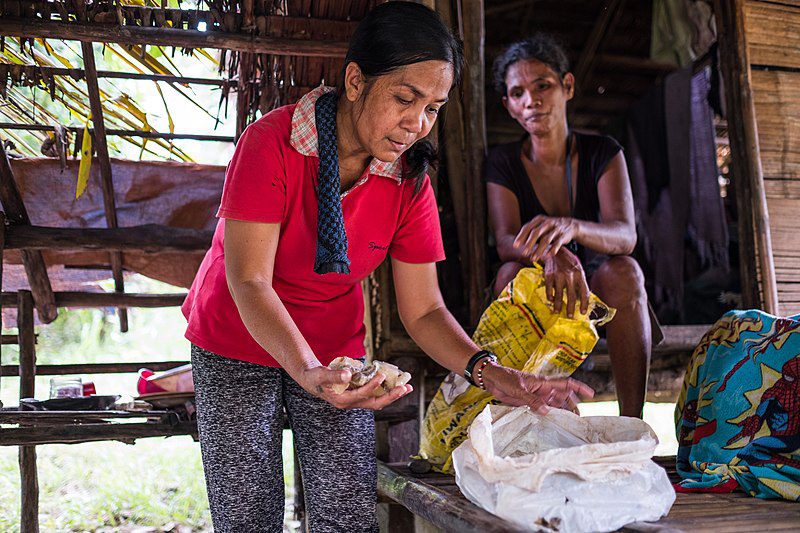
The Philippines is a developing nation located in the East Asian Pacific region. Although the nation is still developing, the Philippines economy is improving exponentially. According to the World Bank Group, the country is experiencing increased urbanization and the middle class of the country is growing. Businesses have experienced notably positive performance in the past few years. Real estate, finance and the insurance industry are all areas where the economy is having exceptional growth. However, the COVID-19 pandemic has slowed the economic growth of the Philippines. If the Philippines contains the virus on both a domestic and global level then the economy of the Philippines will rebound in late 2021 or 2022. The Philippines’ improved economy occurred in several ways.

Investing in Agriculture

Agriculture accounted for about 25% of the Philippines’ GDP in the 1980s. However, only 9.3% of the agriculture industry contributed to the economy in 2018. Yet, the agriculture sector employs about 25% of the Philippines’s workforce. Some important agricultural goods from the Philippines include coconuts, rice, corn and pineapples. In recent years, the agricultural sector’s low rate of growth has contributed to poverty and unemployment.

As a result, the government has begun supporting the Philippine Department of Agriculture’s programs. Some of its programs include improving food security within the nation. The World Bank’s Philippine Rural Development Project is providing external support to the agricultural sector. This project aims to improve infrastructure that is vital to agricultural production. Furthermore, improving agriculture is vital to the economy.

Improving Industry

The industry sector has been another contributing piece to the Philippines’s improved economy. Currently, this sector has currently been able to employ 18.4% of Philippine workers. Additionally, the Filipino government is attempting to increase the amount of foreign direct investment. It also plans on achieving this goal by working to improve the infrastructure of the nation. This will then attract the attention of possible investors. Manufacturing is another important industry in the Philippines. The Philippines is home to a variety of metallic resources. The mining industry itself has already brought different mining companies to the Philippines to conduct business. Mining businesses working in the Philippines include BHP and Sutimo Metal Mining Co LTD.

The Growing Service Sector

The growth of the service sector is another contributor to the Philippines’ improved economy. Around 60% of the Philippines’ GDP comes from this sector. In addition, the service sector also employs about 56.7% of people in the Philippines’ workforce. One vital part of the service sector includes business process outsourcing (BPO). The Philippines has an extremely large BPO market due to the United States aid.

The Philippines’ improved economy is noticeable in several ways. First, the income-per-capita saw an increase of 17% from 2016-2018. Additionally, the unemployment rate has decreased as a result of foreign direct investment into the country. The Philippines has become the 13th largest economy in Asia. Despite the challenges, organizations like EY and the World Bank note that the Philippines has the potential to have a flourishing economy.

– Jacob E. Lee
Photo: Wikipedia Commons

April 5, 2021
https://borgenproject.org/wp-content/uploads/borgen-project-logo.svg 0 0 Yuki https://borgenproject.org/wp-content/uploads/borgen-project-logo.svg Yuki2021-04-05 07:31:442024-05-30 07:56:52The Philippines’ Improved Economy
COVID-19, Economy, Education, Global Poverty

5 Ways COVID-19 is Affecting Education Inequality in Japan

Education Inequality in Japan
The COVID-19 pandemic is wreaking havoc on the lives of students all over the globe, and the disruption of daily routines and local economies is aggravating the global education crisis that already threatens many countries. COVID-19 is impacting education inequality in Japan in unprecedented ways.

5 Effects of COVID-19 on Education Inequality in Japan

  1. Disadvantaged Students: When schools locked down in Japan during the pandemic, disadvantaged students struggled to acquire food and the various social services that their schools normally provided. Schools assist young children with everything from nutrition and health to socialization and stimulation. While COVID-19 has placed a burden on all students, it has disproportionately affected those who rely on schools for meals and in-person learning. To help support Japanese students’ learning at home, the Ministry of Education, Culture, Sports, Science and Technology, also known as MEXT, has set up a learning support portal, which offers various tips for learning each subject at home, new learning materials and videos, all for free.
  2. Higher Education: Due to the exorbitant costs of higher education in Japan, less than one-fifth of low-income students can afford university studies, and this situation has only worsened with COVID-19. Therefore, MEXT is providing university students with emergency economic support during the pandemic. The program provides Japanese students with cash handouts worth 200,000 yen, so that those who are facing difficulties, like reductions in their household incomes or part-time work opportunities, can still continue their schooling. The program covers anyone attending a university or other educational institution in Japan.
  3. Online Learning Challenges: One in 20 Japanese children lack the amenities necessary for sufficient online learning, such as a quiet workspace, computer access or new textbooks. Japan is significantly behind other Organization for Economic Cooperation and Development (OECD) countries in its ability to incorporate information communication technology into school curriculums. Despite being such a technologically advanced country, only 40% of 15-year-old Japanese students are enrolled in schools where their principals report sufficient availability of adequate computer software.
  4. The Digital Divide: A MEXT survey from April 2020 showcased how difficult it has been for Japanese public schools to adapt to the new normal. The digital divide between Japan’s urban and rural areas and across socioeconomic lines has complicated this transition to online learning. One step that has emerged to address these challenges involves a partnership with Japan’s top three mobile phone companies which have eliminated some additional charges for their users aged 25 and under.
  5. Child Poverty and Education: Prior to the pandemic, Japan already had issues with child poverty and education inequality. The Nippon Foundation estimated the economic impact of leaving this poverty unaddressed, even before the pandemic exacerbated the issue. Its survey began with the assumption that economic gaps cause children to have disparities in education, resulting in vast differences in future income. Two scenarios compared what would happen if Japan left the situation unaddressed as opposed to what would happen after implementing new measures to reduce disparities in education. If Japan were to take measures to correct the situation, the number of college graduates would increase, resulting in more people growing their lifetime earnings. However, if it does not address economic gaps among children, the situation will not change. Taking measures towards addressing economic gaps and education among Japanese children would also cause Japanese citizens to eventually pay more taxes and social security premiums, which would reduce the government’s fiscal burden after the pandemic.

Looking Ahead

It is possible for Japan to take a leadership role in coordinating strategies to reduce educational inequality. With proper assistance and studies from organizations like The Nippon Foundation, Japan’s mission toward education equality may end up back on track.

– Elisabeth Petry
Photo: Flickr

April 1, 2021
https://borgenproject.org/wp-content/uploads/borgen-project-logo.svg 0 0 Kim Thelwell https://borgenproject.org/wp-content/uploads/borgen-project-logo.svg Kim Thelwell2021-04-01 07:55:122024-05-30 22:23:325 Ways COVID-19 is Affecting Education Inequality in Japan
COVID-19, Economy, Global Poverty

The Success of Hungary’s Improving Economy

Hungary’s Improving EconomyThe Central European country of Hungary is a fairly small nation that has had high rates of poverty in the past. In 2007, 29.4% of Hungarians were at risk of poverty and that number rose to 34.8% in 2013. Despite these high poverty risk rates, the country has had success in reduction. The poverty risk rate reduced down to 18.9% in 2019. Hungary’s improving economy is fueled by new policies and support from other nations.

Increasing Consumer Spending

Part of the reason Hungary has struggled to develop a productive economy dates back to the 1990s after the fall of the Soviet Union. Hungary implemented many reforms such as the privatization of businesses that were once state-owned. Hungary began to cut funding to social programs as well. Despite living conditions deteriorating, Hungary was able to improve these conditions with its policy implementations and growing exports. Since then, Hungary has adopted a multitude of policies to help improve its economy.

Before the 2018 election, the country tried to increase its amount of consumer spending by implementing an increase in the minimum wage. Hungary’s government also reduced income tax by 1%. The Hungarian government implemented these strategies to encourage Hungarian citizens to put money back into the economy and keep Hungarian businesses operating.

European Commission Support

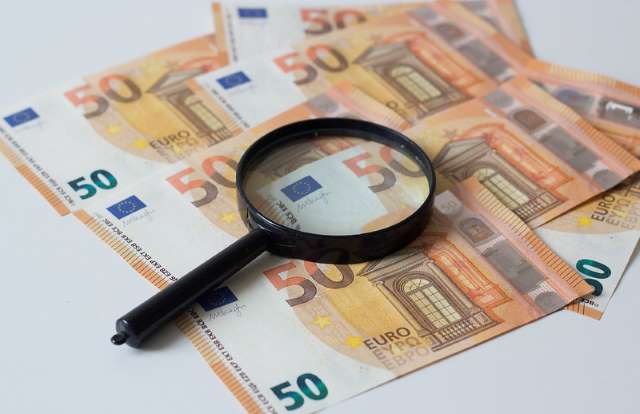
When COVID-19 swept the globe, many nations had to implement lockdown measures to protect their citizens and stop the spread of the virus. Because of Hungary’s struggling economy, the nation required financial assistance from the European Commission. In 2020, support came in the form of €1 billion. The monetary assistance aimed to provide Hungarian companies the help they needed to survive during COVID-19.  The assistance applied to all companies —  micro, small, medium and large. Certain businesses have a cap on how much of this aid they can access. Monetary support of up to €100,000 is available to businesses working in the agricultural production sector whereas up to €120,000 is available to businesses working in the fishery and aquaculture sector. The assistance excludes companies that were already in economic hardship on December 31, 2019. The monetary assistance ensures that Hungary’s improving economy does not lose progress due to COVID-19.

The Future

Due to policies that were implemented by Hungary’s government and support from the European Commission, Hungary’s improving economy has not been as harshly damaged. However, despite this assistance, the GDP of Hungary has still suffered just as other global GDPs have suffered. But, the future of Hungary’s economy is not as bleak as it may seem. It is expected that the GDP of the nation will grow by 3.5% in 2021, and by 2022, the economy is expected to return to the level it was at prior to COVID-19. While Hungary’s economy is far from perfect, it has no doubt made substantial improvements in recent years.

– Jacob E. Lee
Photo: Flickr

March 29, 2021
https://borgenproject.org/wp-content/uploads/borgen-project-logo.svg 0 0 Yuki https://borgenproject.org/wp-content/uploads/borgen-project-logo.svg Yuki2021-03-29 07:30:262024-05-30 22:23:04The Success of Hungary’s Improving Economy
COVID-19, Economy, Global Poverty

Economic Growth in Nigeria

Economic Growth in NigeriaNigeria boasts a population of more than 200 million people who are religiously diverse and rapidly growing. The country houses the largest economy on the African continent. It depends heavily on oil production and oil exports, which comprise 80% of its national revenue. In 2015, the Nigerian economy grew at half the rate of the previous decade due to the global oil price recession. The government acknowledges the necessity of a comprehensive plan for sustainable economic growth in Nigeria.

President Buhari

Despite the Human Rights Watch’s claims of human rights abuses, fighting between the government and terrorist group, Boko Haram, as well corruption both within the government and the oil industry, Nigeria is a rapidly growing and dynamic nation. In 2015, a peaceful transfer of power from incumbent Goodluck Jonathan to Muhammadu Buhari took place after a competitive election. President Buhari is a former military head of state and has made vows to improve the living standards of Nigerians. Furthermore, he wants to fight corruption and boost the economy both through the oil industry and outside of it.

Diversifying and Boosting Nigeria’s Economy

A report put out by the International Finance Corporation and the World Bank found that private sector growth strategies could help Nigeria by attracting outside investment and creating more quality jobs for millions of its citizens. The report states that this strategy will require better policy frameworks and reforms to support sectors outside of the oil industry. Nigeria has pledged to lift 100 million Nigerians out of poverty by 2030, which is becoming increasingly challenging with the impacts of the COVID-19 pandemic. This report highlights a hopeful investment strategy that can help foster economic growth in Nigeria.

Nigeria experienced 11 straight quarters of GDP growth since its recession ended, but growth has stalled given the COVID-19 pandemic. President Buhari has set out to diversify the nation’s economic strategy and has focused on agriculture to achieve the poverty reduction goal. In addition to the agricultural industry, President Buhari has sought to revamp the cotton, tactile and garment industry. Furthermore, the nation has focused its efforts on increasing non-oil exports such as cocoa and sesame seeds. Revenue from these exports grew by $79.4 million and $153 million respectively. These examples serve to show the promise of diversifying and strengthening the Nigerian economy amid unstable times.

The Potential of Agriculture

President Buhari met with the Presidential Economic Advisory Council (PEAC) and stated that his administration is committed to implementing “rapid, sustained, sustainable and inclusive economic growth.” President Buhari focused again on agriculture-based strategies and the utilization of more land throughout the country. Nigeria currently only irrigates about 2% of its land, indicating significant room for agricultural development. Buhari says that raising agricultural productivity is vital to address the disparities between regions and “ensure macro-economic stability.”

The PEAC has pledged to help Nigeria with an approach to eradicating poverty that will be multi-dimensional, focusing on aspects such as access to housing, health, education and employment. President Buhari vowed his commitment to reducing poverty in Nigeria but collaboration from all levels will ensure a comprehensive and effective national response.

– Tatiana Nelson
Photo: Flickr

March 5, 2021
https://borgenproject.org/wp-content/uploads/borgen-project-logo.svg 0 0 Kim Thelwell https://borgenproject.org/wp-content/uploads/borgen-project-logo.svg Kim Thelwell2021-03-05 07:30:382024-05-30 22:23:27Economic Growth in Nigeria
Developing Countries, Development, Economy, Global Poverty

The Benefits of the AfCFTA for the African Economy

the AfCFTATrading within the African Continental Free Trade Area (AfCFTA) finally took effect on January 1, 2021. The AfCFTA is the world’s largest trading area since the establishment of the World Trade Organization with 54 of the 55 countries of the African Union (AU). The AfCFTA was established by the African Continental Free Trade Agreement signed in March 2018 by 44 AU countries. Over time, other AU countries signed on as the official start of trading under the provisions of the agreement approached. The AfCTFA is projected to create opportunities and boost the African economy. By facilitating this intra-African trade area, the international community expects sustainable growth and increased economic development.

The Implementation and Benefits of the AfCFTA

  1. Creating a Single Market. The main objective is to create a single market for goods and services to increase trading among African nations. The AfCFTA is tasked to implement protocols to eliminate trade barriers and cooperate with member states on investment and competition policies, intellectual property rights, settlement of disputes and other trade-liberating strategies.
  1. Expected Economic Boost and Trade Diversity. UNECA estimates that AfCFTA will boost intra-African trade by 52.3% once import duties and non-tariff barriers are eliminated. The AfCFTA will cover a GDP of $2.5 trillion of the market. The trade initiative will also diversify intra-African trade as it would encourage more industrial goods as opposed to extractive goods and natural resources. Historically, more than 75% of African exports outside of the continent consisted of extractive commodities whereas only 40% of intra-African trade were extractive.
  1. Collaborative Structure and Enforcement. All decisions of the AfCFTA institutions are reached by a simple majority vote. There are several key AfCFTA institutions. The AU Assembly provides oversight, guidance and interpretations of the Agreement. The Council of Ministers is designated by state parties and report to the Assembly. The Council makes the decisions that pertain to the Agreement. The Committee of Senior Trade Officials implements the decisions of the Council and monitors the development of the provisions of the AfCFTA. The Secretariat is established as an autonomous institution whose roles and responsibilities are determined by the Council.
  1. Eliminating Tariffs. State parties will progressively eliminate import duties and apply preferential tariffs to imports from other state parties. If state parties are a part of regional trade arrangements that have preferential tariffs already in place, state parties must maintain and improve on them.
  1. Settling Trade Disputes. Multilateral trading systems can bring about disputes when a state party implements a trade policy that another state party considers a breach of the Agreement. The AfCFTA has the Dispute Settlement Mechanism in place for such occasions which offers mediated consultations between disputing parties. The mechanism is only available to state parties, not private enterprises.
  1. Protecting Women Traders. According to UNECA and the African Trade Policy Centre, women are estimated to account for around 70% of informal cross-border traders. Informal trading can make women vulnerable to harassment and violence. With the reduced tariffs, it will be more affordable for women to trade through formal channels where women traders will not have to put themselves in dangerous situations.
  1. Growing Small and Medium-Sized Businesses. The elimination of import duties also opens up trading activities to small businesses in the regional markets. Small and medium-sized businesses make up 80% of the region’s businesses. Increased trading also facilitates small business products to be traded as inputs for larger enterprises in the region.
  1. Encouraging Industrialization. The AfCFTA fosters competitive manufacturing. With a successful implementation of this new trade initiative, there is potential for Africa’s manufacturing sector to double in size from $500 billion in 2015 to $1 trillion in 2025, creating 14 million stable jobs.
  1. Contributing to Sustainable Growth. The United Nations 2030 Agenda for Sustainable Development includes goals that the AfCFTA contributes to. For example, Goal 8 of the Agenda is decent work and economic growth and Goal 9 is the promotion of industry. The AfCFTA initiative also contributes to Goal 17 of the Agenda as it reduces the continent’s reliance on external resources, encouraging independent financing and development.

AfCFTA: A Trade Milestone for Reducing Poverty in Africa

The establishment of the AfCFTA marks a key milestone for Africa’s continental trade system. The size of the trade area presents promising economic development and sustainable growth that reaches all market sectors and participants. Additionally, the timing of the initiative launch is expected to contribute to the alleviation of the pandemic’s economic damages.

– Malala Raharisoa Lin
Photo: Flickr

March 1, 2021
https://borgenproject.org/wp-content/uploads/borgen-project-logo.svg 0 0 Yuki https://borgenproject.org/wp-content/uploads/borgen-project-logo.svg Yuki2021-03-01 01:30:042021-02-25 01:52:02The Benefits of the AfCFTA for the African Economy
Economy, Global Poverty

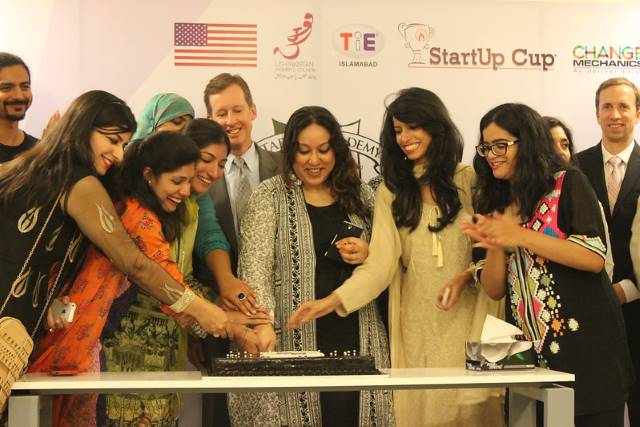
The New Digital Payment System in Pakistan

Digital Payment System in Pakistan
Pakistan has a primarily cash-based economy that thriving illegal markets and low government revenue plagues. A new digital payment system in Pakistan could change this. The State Bank of Pakistan (SBP) and the Pakistani government worked in collaboration with the Bill and Melinda Gates Foundation to launch this brand new digital cash transfer system. Additional support came from the United Nations, the World Bank and the United Kingdom.

This new digital payment system called Raast or “direct way” can instantly transfer money between two entities. Although the idea is not new and there are several other financial transaction systems on the market, Raast is the first one that received sponsorship from the Pakistani government, linking financial institutions and government entities. The government’s main goals are to make money transfers more transparent and thereby reduce corruption, increase government revenue and create a more inclusive economy.

Increased Transparency, Tax Revenue and a Less Corrupt Economy

A payment system such as Raast records every transaction in real-time and establishes a log of payments. This allows users to keep track of their transfers, and since the information is visible to all involved parties, users can report complaints or mistakes much more easily. When the Pakistani government and its citizens use Raast, it makes it possible for citizens to receive their pensions, salaries or other payments from the government much more quickly. The increased efficiency and transparency also supports small businesses and other micro-enterprises. Instead of paying cash or sending checks through the mail, they can instantly pay suppliers and distributors. This makes running a business more efficient, reliable, accessible and less prone to corruption.

The new digital payment system in Pakistan also makes it easier for the government to collect taxes by using the technology to track how much people owe and when they made payments. In 2019, the World Bank reported that Pakistan’s government collected half of what, theoretically, it should have been able to take based on its economy. Tax evasion is widespread, but it is also complicated and timely to file taxes in Pakistan. The World Bank found that there are many individuals and companies that would like to file taxes, but do not because of the time and money the process requires.

A More Inclusive Economy

In 2018, the Global Findex reported that only 7% of women age 15 and older had a bank account, and of the most economically disadvantaged 40% (men and women), 14.2% had an account. Particularly during the pandemic, it has been difficult for these underserved groups to receive government support without a bank account. Raast has the potential to serve vulnerable groups because it does not require people to travel to a physical bank, and is cheaper and easier for individuals to set up than a traditional bank account. In a report about payment systems, the World Bank stated that “secure, affordable, and accessible payment systems and services help expand financial inclusion, foster development and support financial stability.” However, without proper implementation, an endeavor such as this digital payment system in Pakistan could fall short of its goal.

In a statement at the launch, the United Nations Secretary-General’s Special Advocate for Inclusive Finance for Development (UNSGSA) Queen Máxima, discussed how important it is for all banks and service providers to adopt the new technology and to encourage individuals to use it instead of cash. If enough people and institutions use the program, it will reach its accessibility potential and spur economic growth. As Queen Máxima stated in her keynote address, the hope for this new digital payment system in Pakistan is above all to create a more digital and accessible economy.

 – Caitlin Harjes
Photo: Flickr

February 5, 2021
https://borgenproject.org/wp-content/uploads/borgen-project-logo.svg 0 0 Jennifer Philipp https://borgenproject.org/wp-content/uploads/borgen-project-logo.svg Jennifer Philipp2021-02-05 07:30:302024-06-06 00:59:29The New Digital Payment System in Pakistan
Economy, Gender Equality, Global Poverty, Women's Empowerment, Women's Rights

Creating Female Entrepreneurs in Afghanistan

Female entrepreneurs in AfghanistanIt is no secret that women’s rights in Afghanistan have been suffering due to decades of war and Taliban rule in the country. Afghan women have endured the denial of employment, education, health care and basic freedoms for years and faced violent punishment by the Taliban for attempting to find work or go to school. Years after Taliban rule, women are picking up the pieces of a broken society that drove them and many other Afghans into severe poverty. Organizations such as the Women’s Economic Empowerment Rural Development Project (WEERDP) and the Afghanistan Reconstruction Trust Fund (ARTF), both funded and backed by the World Bank, set up savings and loan associations in different communities to allow Afghan women to start their own businesses. Female entrepreneurs in Afghanistan have the potential to help the economy and reduce poverty within the country.

Women’s Empowerment Projects of the World Bank

International aid to Afghanistan is essential for empowering Afghan women and bringing communities out of poverty. The World Bank has a variety of programs dedicated to poverty eradication. It implemented the Afghanistan Rural Enterprise Development Project to support Village Savings and Loan Associations (VSLA). VLSAs operate as a community bank that gives out micro-loans to women to create employment opportunities to sustain economic growth. Examples of businesses started by women are hair salons, tailor shops and bakeries.

While the Afghanistan Rural Enterprise Development Program came to a close in 2018, WEERDP replaced it and continues to receive backing from the World Bank and the International Development Association (IDA) to ensure steady funding.

VSLAs receive funding from the World Bank and the IDA to ensure sustainable financial institutions are available in Afghanistan, with the hope that the VSLAs will partner with larger commercial banks in the future.

Benefits of Female Entrepreneurs in Afghanistan

There are roughly 275,684 Afghan women beneficiaries of the WEERDP. Many of them have had access to financial services for the first time with the program. Many others are taking loans, learning how to repay these loans and beginning to save for the future. These are valuable life skills for women who could not enter the workforce or gain an education in the past.

With the increase of women-run businesses in Afghanistan’s rural communities, VSLAs can begin to partner with larger banks to begin serving bigger loans to women after seeing the success of the businesses that began with micro-loans. The support of financial institutions is important to give women the confidence to become entrepreneurs, especially in a country where the percentage of women in the workforce is statistically low. Skills like leadership, management and problem-solving are derived from starting a business and female entrepreneurs can spread these skills throughout communities to strengthen the role of women in the economy.

These women can even pass down the skills through generations. Building a structure with programs like the WEERDP is vital for long-term economic growth and success because it can open doors for creativity and innovation for an economy that would benefit.

The Future of Female Entrepreneurs in Afghanistan

Increasing the number of women entrepreneurs with savvy financial skills can benefit the communities of Afghanistan in many ways. Successful women can begin to venture out into local politics and health care fields to build on their skills while sharing their talents with the community. Women have important input on what types of businesses their communities need and can reduce poverty in specialized ways.

Afghan women make up roughly half of the nation’s population, so their representation is necessary to drive economic and societal progress. The visibility of women in the business sector can allow for gender equality to improve in Afghanistan over time, improving the development of the nation as a whole.

– Julia Ditmar
Photo: Flickr

February 4, 2021
https://borgenproject.org/wp-content/uploads/borgen-project-logo.svg 0 0 Kim Thelwell https://borgenproject.org/wp-content/uploads/borgen-project-logo.svg Kim Thelwell2021-02-04 07:30:332022-05-11 07:59:51Creating Female Entrepreneurs in Afghanistan
Children, Developing Countries, Economy, Global Poverty, Health, Humanitarian Aid, Refugees, Refugees and Displaced Persons

Reforms for Saving the Venezuelan Economy

Saving the Venezuelan EconomyA combination of poor leadership and crippling sanctions have created a nation-wide economic crisis in Venezuela. The Center for Strategic and International Studies found that even before U.S. sanctions were placed on Venezuela, the country was already enduring hyperinflation, had seen food imports fall by 71% and more than two million Venezuelans had fled the country. Nevertheless, sanctions only exacerbated the crisis as Torino Economics found U.S. sanctions on Venezuela were associated with an annual loss of $16.9 billion in oil revenue. As a result, the Atlantic Council reports that more than 80% of Venezuelan households are food insecure and 3.7 million individuals are malnourished. Consequently, refugees filed more asylum claims globally in 2018 than any other country has. The number of Venezuelan migrants and refugees is expected to reach eight million in 2020, surpassing Syrian migration by more than three million. Reforms in the county are being implemented with the aim of saving the Venezuelan economy.

Saving the Venezuelan Economy

While this economic collapse still ravishes the country, there is certainly hope for the future. Due to both internal and external pressures, the president of Venezuela, Nicolás Maduro, has begun to encourage policies of economic liberalization and privatization that are indicating an economic rebound.

Toward the end of 2019, Argus Media reported the Venezuelan government was beginning to ease economic controls. Specifically, the Maduro government erased most price controls, loosened capital controls, tightened controls on commercial bank loan operations, and most importantly, began to accept informal dollarization. Immediately these policies curbed the levels of hyperinflation that had caused the food crisis across the country. Advisers estimate inflation to be at only 5,500%, a significant improvement compared to the International Monetary Fund forecasts that predicted inflation levels of more than 10 million percent. This is largely in part to the importation of dollars into the Venezuelan economy, pushing out the uselessly-inflated Bolivars. Indeed, a Bloomberg study found Venezuela’s economy is increasingly dollarized, as 54% of all sales in Venezuela by the end of last year were in dollars. Most importantly, food and medicine imports have rebounded, now reaching 15% of the population.

Privatization of the Oil Industry

In addition to the Maduro government relaxing economic controls, the economic rebound in Venezuela has occurred due to increased privatization of the oil industry. Despite being under the control of the military for years, Venezuela’s state-owned oil company has trended toward letting private firms handle operations, aiding in fixing the mismanagement perpetrated by the military’s control of the industry. For the first time in decades, the private sector accounted for more than 25% of GDP in 2019 and likely more by the end of 2020. Consequently, the Panam Post reported that oil production increased by more than 200,000 barrels, a 20% increase following privatization.

Initiatives to Help Venezuelans in Poverty

The South American Initiative, through its medical clinic, provides medical care and medicine to Venezuelans in need, with a special focus on mothers and children. To provide these essential services, it relies on donations that people provide on the GlobalGiving platform.

Fundacion Oportunidad y Futuro addresses hunger and malnutrition with regards to children in Venezuela. It is running in an initiative to provide meals to 800 school-aged children in Venezuela. It also operates through donations via the GlobalGiving platform.

The Future of Venezuela

While there is hope to be found in these reforms, Venezuela has far from recovered. The National Survey of Living Conditions indicates that more Venezuelans are in poverty in 2020 than in 2018, with food security decreasing another 7% over the past two years. The average income of Venezuela remains low at just over 70 U.S. cents a day. These reforms are the foundational steps needed to begin to reverse the economic trend that has relegated millions of Venezuelans to extreme poverty. If the economy is ever to correct itself, liberalization and privatization will be the jumping-off point for an economically thriving Venezuela in the future.

– Kendall Carll
Photo: Flickr

February 2, 2021
https://borgenproject.org/wp-content/uploads/borgen-project-logo.svg 0 0 Kim Thelwell https://borgenproject.org/wp-content/uploads/borgen-project-logo.svg Kim Thelwell2021-02-02 01:30:152024-05-30 07:56:08Reforms for Saving the Venezuelan Economy
Economy, Global Poverty, Health, Poverty

Clean Waters: The Ocean Cleanup Organization

The Ocean Cleanup OrganizationSeven years ago, The Ocean Cleanup organization launched as a Dutch nonprofit dedicated to eliminating the Great Pacific Garbage Patch using autonomous, solar-powered cleaning systems. Now, as part of a new initiative, the organization is rolling out barges in major rivers as an upstream solution to global, prolific marine debris.

Marine Plastic Pollution

At least eight tons of marine plastic enter the oceans each year, where a majority floats on the surface before breaking down into non-biodegradable microplastics. Around 80% of marine debris flows through rivers before reaching the ocean. Because a handful of countries are responsible for a majority of marine debris, cleaning just 10 major polluting rivers of waste would stop a significant amount of debris from ever reaching the ocean.

The Ocean Cleanup Organization

Based in the Netherlands and led by a 26-year-old entrepreneur, Boyan Slat, The Ocean Cleanup organization has plans that include fitting the world’s 1,000 most polluting rivers with waste removal systems over the next five years. The organization’s research indicates that 1,000 specific rivers are responsible for 80% of the pollution.

The Interceptor Concept

Solar powers the waste removal systems, and they are scalable and largely autonomous. Each one uses barriers to direct waste along the river to a floating “interceptor” barge, which loads waste with a conveyor belt into containers that local municipalities can then dispose of. Individual interceptors can collect 50,000 kilograms of waste each day, though “in optimal conditions up to double this amount can be achieved.”

The interceptor concept, designed in 2015, was first utilized in the Cengkareng Drain, Indonesia, where it has remained. The Ocean Cleanup has since partnered with local governments to deploy three more interceptors in Malaysia, Jamaica and the Dominican Republic. By placing each one downstream from the last major source point in a river, they manage to fill all containers every few days, though they sometimes fill up in only a few hours.

Impact of Microplastics

Marine plastics’ widespread and harmful effects on marine life are well-documented, with hundreds of species ingesting, suffocating and entangling themselves in plastics. The global impact of aquatic microplastics, by contrast, is an emerging field of study. Appearing in tap water, beer and salt, they have appeared in water samples taken from every ocean. In 2019, the World Health Organization called for more research into microplastics and a drastic reduction in plastic pollution.

An environmental health report published in 2018 stressed the risk of consuming microplastics in seafood. “Because microplastics are associated with chemicals from manufacturing that sorb from the surrounding environment,” the report finds, “there is concern regarding physical and chemical toxicity.”

Consequences of Marine Plastic Pollution

While microplastics are under-researched, larger marine waste has concrete impacts on water-adjacent communities because marine plastics kill wildlife and disrupt local ecosystems, harming livelihoods and impeding tourism. More pressing, severely polluted waterways exacerbate poverty and poverty-related issues, especially among young children. According to experts at UNICEF, children living in South Asian slums frequently play in rivers and shores contaminated with waste, excrement and agricultural runoff. Since many lack access to clean water and sanitation facilities, this makes poor water-adjacent communities hotbeds for preventable illnesses.

The Ocean Cleanup found that marine plastic is responsible for between $6 billion and $19 billion of economic costs annually. These costs “stem from its impact on tourism, fisheries and aquaculture, and (governmental) cleanups,” and do not even account for the disability-adjusted life years (DALYs) lost because of its public health impact.

Hopes for the Future

The Ocean Cleanup organization hopes to significantly reduce plastic pollution in oceans. Once fully implemented, the waste removal systems aim to reduce the Great Pacific Garbage Patch by 50% every five years. The organization’s latest endeavor is a line of sunglasses made from plastic removed from the Great Pacific Garbage Patch. With all proceeds going toward expanding cleanup efforts, this is the most stylish way an ordinary person can contribute to a greater cause.

– Skye Jacobs
Photo: Flickr

January 26, 2021
https://borgenproject.org/wp-content/uploads/borgen-project-logo.svg 0 0 Jennifer Philipp https://borgenproject.org/wp-content/uploads/borgen-project-logo.svg Jennifer Philipp2021-01-26 01:30:022021-01-28 13:24:19Clean Waters: The Ocean Cleanup Organization
Page 27 of 66«‹2526272829›»

Get Smarter

  • Global Poverty 101
  • Global Poverty… The Good News
  • Global Poverty & U.S. Jobs
  • Global Poverty and National Security
  • Innovative Solutions to Poverty
  • Global Poverty & Aid FAQ’s
Search Search

Take Action

  • Call Congress
  • Email Congress
  • Donate
  • 30 Ways to Help
  • Volunteer Ops
  • Internships
  • Courses & Certificates
  • The Podcast
Borgen Project

“The Borgen Project is an incredible nonprofit organization that is addressing poverty and hunger and working towards ending them.”

-The Huffington Post

Inside The Borgen Project

  • Contact
  • About
  • Financials
  • President
  • Board of Directors
  • Board of Advisors

International Links

  • UK Email Parliament
  • UK Donate
  • Canada Email Parliament

Get Smarter

  • Global Poverty 101
  • Global Poverty… The Good News
  • Global Poverty & U.S. Jobs
  • Global Poverty and National Security
  • Innovative Solutions to Poverty
  • Global Poverty & Aid FAQ’s

Ways to Help

  • Call Congress
  • Email Congress
  • Donate
  • 30 Ways to Help
  • Volunteer Ops
  • Internships
  • Courses & Certificates
  • The Podcast
Scroll to top Scroll to top Scroll to top