• Link to X
  • Link to Facebook
  • Link to Instagram
  • Link to TikTok
  • Link to Youtube
  • About
    • About Us
      • President
      • Board of Directors
      • Board of Advisors
      • Financials
      • Our Methodology
      • Success Tracker
      • Contact
  • Act Now
    • 30 Ways to Help
      • Email Congress
      • Call Congress
      • Volunteer
      • Courses & Certificates
      • Be a Donor
    • Internships
      • In-Office Internships
      • Remote Internships
    • Legislation
      • Politics 101
  • The Blog
  • The Podcast
  • Magazine
  • Donate
  • Click to open the search input field Click to open the search input field Search
  • Menu Menu

Archive for category: Development

Information and stories on development news.

Child Poverty, Children, Developing Countries, Development, Education, Global Poverty

Organizations Ensuring Toys for Children in Poverty

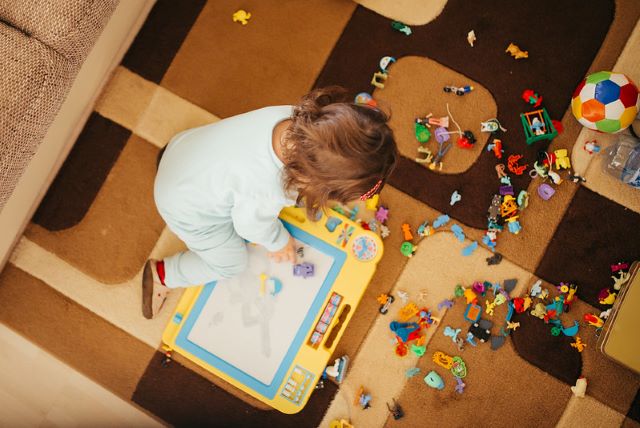
Toys for ChildrenFor kids of all ages, making a list of toy requests for Santa is one of the most exciting times of the year. Yet for children living in the world’s poorest regions, there is no Santa, presents or toys. UNICEF estimates that across the world, nearly one billion children live in multidimensional poverty. That equates to 13% of the global population. During the holiday season, three organizations are working to make sure that impoverished children have toys to call their own.

Samaritan’s Purse

For more than 25 years now, the Samaritan’s Purse annual “Operation Christmas Child” has provided toys for children living in poverty. Franklin Graham, the president of this organization, began the tradition in 1993 by sending gifts to young kids experiencing the violence of war in Bosnia. Since then, the project has grown to spread gifts all across the world to more than 150 countries, including some of the poorest areas. Samaritan’s Purse asks donors to fill a shoebox with various gifts for either a boy or girl which then gets distributed to congregations located in these impoverished nations.The initiative has brought more than 178 million children toys throughout the years. In many cases, the gifts provided by Samaritan’s Purse will be the only toys these children receive in their childhoods. The work done by this organization embodies the true meaning of the holidays and acts as a Santa for the poor.

Play Well Africa

One of the most successful companies in the toy industry is Lego. Lego’s plastic colored bricks are educational and creative opportunities for children. Play Well Africa is dedicated to bringing these Lego pieces to the less fortunate living in Africa. Unlike other toys, which can break, stop working or require electricity, Lego’s offer a unique ability to allow children to play in any circumstances. Young Micah Slentz, a child himself, started Play Well Africa when he asked his father to buy his favorite toy, Lego bricks, and donate it to children in Africa. A simple kind gesture has grown into a massive project that receives both new and used Lego bricks and sends them to impoverished children in developing countries. With offices in both the United States and Australia, Play Well Africa is a multinational organization. Thousands of children in countries such as Uganda will build, create and have fun with Lego bricks, all thanks to a boy who wanted to share his favorite toy with the world.

The Toy Foundation

For decades now, the Toy Foundation has strived to create avenues to bring children of the world toys to play with. One of its most successful campaigns has been the “Toy Bank” which started back in 2003. The foundation relies on donations from top toy companies and in turn spreads these gifts to existing agencies located in impoverished countries. Donations come from all sorts of brands, including Hasbro, Lego and Mattel. Children surviving some of the worst living conditions receive brand new toys, an opportunity made possible by the Toy Foundation. Children with diseases, orphans and those in war-torn nations are the top priority for the Toy Bank, making the organization’s work imperative. Ensuring toys for children in the most vulnerable situations is the organization’s focus.

Toys for the Most Vulnerable Children

Toys can be a healthy outlet for children who live in some of the world’s poorest regions. Toys can provide both emotional support and stress relief. Whether it be a teddy bear to hug, a doll to dress up or Legos to build, the psychological benefits of playing with toys are something all children need. These organizations all help to make dreams come true for the young children who need toys the most.

– Zachary Hardenstine
Photo: Flickr

February 9, 2021
https://borgenproject.org/wp-content/uploads/borgen-project-logo.svg 0 0 Lynsey Alexander https://borgenproject.org/wp-content/uploads/borgen-project-logo.svg Lynsey Alexander2021-02-09 03:16:032024-05-30 07:56:19Organizations Ensuring Toys for Children in Poverty
Developing Countries, Development, Education, Gender Equality, Global Poverty, Women's Empowerment

3 Organizations Working to Improve Girls’ Education

improve girls' educationAll around the globe, young girls are forced to end their educational careers early as gender inequality is still quite common. Lack of schooling for young girls limits female participation in the workplace and reinforces patriarchal societies. As of 2018, worldwide totals of illiterate girls from the ages of 5 to 25 outnumbered illiterate boys in the same age group by 12 million. Yet,  global female participation in schooling has grown by 16% since 1995. The momentum gained in the past 25 years looks to continue as three important organizations have released plans to improve girls’ education in 2020 and beyond.
3 Organizations Working to Improve Girls’ Education

  1. The World Bank. As a global economic institution, the World Bank joined the fight to preserve girls’ education years ago. In fact, the bank launched a seven-year plan in 2016 that focuses on improving all women’s rights, going beyond just education. However, the World Bank identified educational opportunities as a key way to break the cycle of injustice and has subsequently created separate funding solely to advance female schooling. In May 2020, the World Bank has already allocated a total of $1.49 billion to improving education for women of all ages, both primary and secondary. This will not only help girls learn to read and write but will also lead to women entering the workplace in countries where men are the ones who hold jobs.
  2. The United Nations. Many know the U.N. as the global agency where countries discuss peace deals and trade contracts. While this is true, the U.N. also has sectors dedicated to human rights advocacy. An entire branch, known as the United Nations Girls Education Initiative (UNGEI), works with developing countries to devise plans that enhance educational opportunities for girls. Being under the umbrella of the United Nations adds a level of legitimacy that some nonprofits seeking to improve girls’ education are unable to achieve. The UNGEI has a wide range of contributors and currently consists of 24 global and regional partners, four regional partnerships and nearly 50 associated country partnerships. Recently, the U.N. released the 2030 Sustainable Development Goals and worked with the UNGEI to add equal educational opportunity for girls as a part of this vision. Girls around the world, especially those living in developing countries, are at the center of this vision, which can lead to powerful global change.
  3. Girls Education Challenge (GEC). Back in 2012, the government of the United Kingdom made global equal education a primary focus. The government joined forces with U.K. Aid to tackle this issue. Together, the two created a groundbreaking 12-year commitment called the Girls Education Challenge (GEC). The first phase of the GEC, which was a huge success, ended in 2017. For the second phase, which will continue until 2024, the U.K. is looking to expand its impact to encompass more than 40 projects in nearly 20 nations. With hundreds of millions of dollars now raised for the GEC, its own research suggests that more than 800,000 young girls are learning in schools and are on the path to finishing their education. With four years remaining in the GEC, the United Kingdom’s impact on girls’ education will continue to bring equal opportunities well into the 2020s.

Education, Gender Equality and Poverty Reduction

The World Bank, the U.N. and the U.K. are trying to create fair schooling policies but are also breaking down social barriers in the developing world. Global society is trending in the right direction for gender equality but the international community still has much work to do. All efforts to improve girls’ education can and will be a catalyst for change.

– Zachary Hardenstine
Photo: Flickr

February 2, 2021
https://borgenproject.org/wp-content/uploads/borgen-project-logo.svg 0 0 Lynsey Alexander https://borgenproject.org/wp-content/uploads/borgen-project-logo.svg Lynsey Alexander2021-02-02 01:31:282024-05-30 07:56:073 Organizations Working to Improve Girls’ Education
Developing Countries, Development, Global Poverty, Health

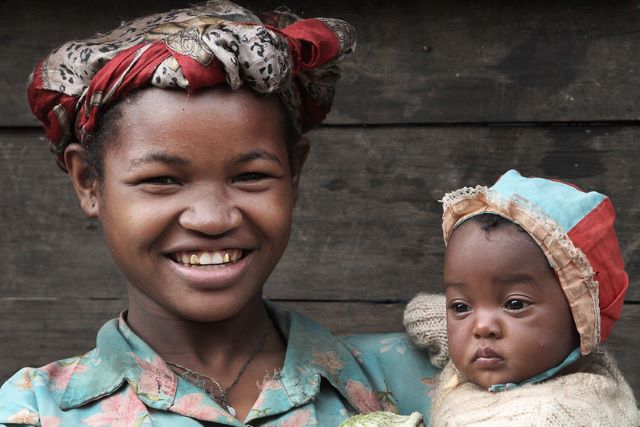
Doctors for Madagascar: Improving Medical Care

Doctors for MadagascarMore than 75% of people living in Madagascar are living under conditions of extreme poverty. Disease and natural disasters consistently fall upon the country. Madagascar faces a dangerous lack of proper healthcare provisions and a low number of medical professionals to meet the needs of all its inhabitants. The country does not lack hope of improvement though. Doctors for Madagascar carries out projects to help address the issues that Madagascar faces with appropriate medical care.

Doctors for Madagascar

Doctors for Madagascar (DfM) was founded by German doctors in 2011 after they observed the meager amount of healthcare provisions and trained professionals that were available. Its work is concentrated on providing for one of the country’s most poverty-stricken regions, being the remote south of the island.

This organization allocates immediate aid but it also wants to have a lasting impact and work toward sustainable solutions. Therefore, Doctors for Madagascar monitors its projects in the long-term to be sure that each one is reaching its maximum potential in both service and longevity. In keeping with this idea, the organization creates partnerships with doctors that are local to the south of Madagascar to base its aid on what experts in the community believe to be most necessary.

The Obstacles Madagascar Faces

  • Environmental challenges negatively affect the farming fields and threaten agricultural outputs.
  • Tropical storms have forced tens of thousands of people to evacuate their homes.
  • Hunger affects millions. In 2018, Madagascar ranked number six of nations around the world with the highest rate of malnutrition.
  • Diseases such as measles and plague affect thousands, especially due to low vaccination rates.
  • There is no universal health insurance.
  • Lack of consistent electricity.
  • Maternal health is inadequately meeting the needs of poor mothers and is especially complex during a complicated birth where proper facilities could be hours away from the mother’s village. Those who end up delivering without the assistance of medical professionals depend on the oldest women in the village.
  • Insufficient medical supplies along with difficult working conditions are some of the difficulties being faced within Centres de Santé de Base, which are facilities made of stone that provide healthcare in the countryside of Madagascar. Each one generally contains a nurse, midwife and sometimes a doctor.
  • A lack of trained medical professionals, especially in the south of the island.

 How Doctors for Madagascar Offers a Solution

Doctors for Madagascar does not discriminate against the members of the communities it helps, therefore, the organization takes care of the medical costs for those who cannot afford the treatment they need. Along with covering costs, the organization also provides cost-free maternal healthcare to women. As many women are unlikely to see a doctor throughout their entire pregnancy, DfM provides access to check-ups for women.

Transportation for pregnant women has improved as ambulances are provided and free hotlines have been made accessible for communication between ambulances and Centres de Santé de Base.

DfM builds health facilities and provides construction expertise to help carry out each project. The organization also renovates medical facilities that are necessary to the community’s health, providing medical equipment that is needed in the healthcare facilities and issuing training for its maintenance. Volunteering consists of doctors joining on aid missions. Each doctor that works with the organization must have sufficient experience and have a strong background in the french language to effectively communicate and treat Madagascans as needed. The organization also offers training to local medical professionals by experienced medical professionals that work or volunteer with DfM.

The Onset of COVID-19

As each nation confronts the global COVID-19 pandemic, Madagascar is not facing its first or only crisis. Dengue fever and malaria are killing more people in Madagascar than COVID-19, yet the pandemic is still emphasizing the urgency of improvement needed in medical care and the importance of access to healthcare. In fact, it is even shaping how some of the highest authorities in Madagascar influence this important matter through their advocacy. The Bishops’ Conference of Madagascar (CEM) stated that “The health crisis reveals the importance of an efficient health structure… we believe the time has come to look for ways to improve public health as a whole.”

The Future of Madagascar

The need for medical aid in Madagascar is a pressing issue. Doctors for Madagascar has proven that through awareness, action and understanding, impoverished communities can be helped in both the short and the long term. It is true that the country faces many recurring threats but that does not mean there has been no positive change. These changes can be seen in Madagascar today, which can provide an optimistic outlook on working to reduce poverty in other countries as well.

– Amy Schlagel
Photo: Flickr

January 29, 2021
https://borgenproject.org/wp-content/uploads/borgen-project-logo.svg 0 0 Jennifer Philipp https://borgenproject.org/wp-content/uploads/borgen-project-logo.svg Jennifer Philipp2021-01-29 01:30:212021-01-29 04:04:54Doctors for Madagascar: Improving Medical Care
Children, Developing Countries, Development, Education, Global Poverty, Poverty Reduction

A Seat at the Table of Education: Tutudesk Campaign

tutudesk campaignA healthy learning environment means adequate school supplies and sufficient and quality learning materials. School desks are often less thought of but are also essential resources that impact a child’s learning. UNESCO conducted a study examining the impact of school desks on children in the learning environment and found that a proper school desk is a determining factor in how a child processes information. In another study, it was found that sufficiently designed furniture is an essential factor in the development of the capabilities of school children. The quality of the learning environment influences the quality of education that a child receives. The Tutudesk campaign has found that more than 95 million children throughout sub-Saharan Africa lack school desks for classroom learning.

Education for Poverty Reduction

An adequate education can be the deciding factor in whether an impoverished child is able to progress out of poverty in adulthood. UNESCO’s Global Education Monitoring (GEM) team conducted an analysis of the influence of education on poverty in 2017. It was found that an estimated 420 million people could be alleviated from poverty with the completion of secondary education, reducing the number of global poor by half and reducing the number of poor people in sub-Saharan Africa and South Asia by two-thirds. Since school desks are essential for education, organizations are putting desks at the forefront of their initiatives.

The Tutudesk Campaign

South African human rights activist, Desmond Tutu, founded the Tutdesk campaign in 2012 in partnership with the United Nations Special Envoy for Education. The Tutudesk campaign recognized the dire need for school desks and workstations for students throughout sub-Saharan Africa. The campaign aims to supply portable and sustainable workstations for children in need of desks both in school and at home. Made from a robust, child-friendly blend of polymers, the Tutudesk workstation can last the duration of a learner’s school career. Since its launch, the nonprofit organization has provided more than 1.5 million desks to disadvantaged children. The Tutudesk campaign believes that the Tutudesk provides a viable solution to literacy development and the general infrastructure crisis. The organization’s current goal is to combat the severe desk scarcity throughout sub-Saharan Africa by delivering 20 million desks to children in need by 2025.

The K.I.N.D. Campaign

Lawrence O’Donnell in collaboration with UNICEF launched the K.I.N.D. (Kids in Need of Desks) campaign in 2010. When visiting  Malawi school teachers expressed the dire need for school desks to O’Donnell. O’Donnell collaborated with UNICEF and a local woodworking shop to fund the production of 30 school desks. This small initiative developed into the K.I.N.D. campaign. The organization seeks to provide desks for schools in Malawi as well as secondary school scholarships for Malawian girls. The K.I.N.D. campaign has brought desks to more than 938,000 Malawian children. The K.I.N.D. campaign hopes to enhance education for children in need through its efforts.

Desks, Education and Poverty Reduction

Education is the gateway to economic progression and thus the answer to solving global poverty. School desks play a prominent role in this. Quality education can provide a way out of poverty for poverty-stricken children around the world.  By providing desks to the impoverished, the K.I.N.D. campaign and the Tutudesk campaign address both education and poverty simultaneously.

– Imani Smikle
Photo: Flickr

January 27, 2021
https://borgenproject.org/wp-content/uploads/borgen-project-logo.svg 0 0 Jennifer Philipp https://borgenproject.org/wp-content/uploads/borgen-project-logo.svg Jennifer Philipp2021-01-27 05:17:302024-05-30 07:56:27A Seat at the Table of Education: Tutudesk Campaign
Developing Countries, Development, Education, Foreign Aid, Global Poverty, Health, USAID

How Foreign Aid in Mozambique is Put to Work

Foreign Aid in MozambiqueThe provision of foreign aid from the United States serves as a multifaceted solution and preventative measure to many issues that ultimately impact the United States. In assisting with the development of under-resourced countries and those afflicted by natural disasters and conflict, the country’s interest in strengthening U.S. eminence in the global political ecosystem is served, as is the initiative to foster and stabilize democracies that are essential in maintaining global peace. Mozambique is one such country that receives aid from the United States. Nearly half of the population lives in poverty and while having managed to combat that statistic with an annual decrease of 1%, the country continues to see rising levels of inequality. USAID’s 2019 assistance investment in Mozambique totaled $288 million. Foreign aid in Mozambique is being used in several key developmental areas.

Developing Education

A significant portion of U.S. foreign aid has been invested in providing basic education. This foreign aid in Mozambique has been applied in conjunction with the country’s national budgetary allocation of 15% for basic education. This initiative has led to improved access to education with the abolishment of enrollment fees, an investment in free textbooks, direct funding to schools and the construction of classrooms. With access to education improving, Mozambique now moves to focus on developing the quality of education it provides and extending the initiative of improving access to those who are in the early learning stage. Only 5% of children between the ages of 3 and 5 have access to such services. Moving forward, educational initiatives aim to focus on the improvement of teacher training, the retention of students (as only 8% continue onto secondary level) and optimizing the management and monitoring of education nationally.

Addressing Humanitarian Needs

A large part of foreign aid in Mozambique has been committed to battling humanitarian crises. Cabo Delgado is the northernmost province of the country and is experiencing an insurgency that is decimating its infrastructure and food security. As a result, there is an ongoing displacement of the population. In November 2020 alone, more than 14,300 displaced people arrived in the provincial capital Pemba. The World Food Programme estimates the cost of feeding internally displaced people in northern Mozambique to be at approximately $4.7 million per month, aside from the housing costs and the complexity of managing the crisis amid a global pandemic. This allocation of the country’s foreign aid will be vital in maintaining the wellbeing of people during the conflict and restoring the country’s infrastructure once the insurgency has subdued.

Improving the Health Sector

The bulk of foreign aid in Mozambique goes toward the many challenges the country faces with regard to health issues such as funding family planning, battling tuberculosis, maternal and child health as well as water and sanitation. More than $120 million goes toward this initiative but the most pressing of the issues is mitigating the HIV/AIDS epidemic. In 2014, Mozambique ranked eighth globally for HIV cases. With the support, antiretroviral therapy and testing has expanded, which is evidenced by more than a 40% drop in new cases since 2004. Additionally, with a sharp increase in the treatment of pregnant women who carry the virus, one study recorded a 73% drop in cases among newborns between 2011 and 2014. The executive director of UNAIDS, Michel Sidibe, has claimed that the epidemic could be completely eradicated by 2030 if such a rate of progress continues.

The developmental progress in Mozambique is reflective of the substantial impact that foreign aid has on developing countries. As U.S. foreign aid to developing countries continues, the hope is for other well-positioned countries to follow suit.

– Christian Montemayor
Photo: Flickr

January 25, 2021
https://borgenproject.org/wp-content/uploads/borgen-project-logo.svg 0 0 Yuki https://borgenproject.org/wp-content/uploads/borgen-project-logo.svg Yuki2021-01-25 01:30:242024-05-29 23:23:35How Foreign Aid in Mozambique is Put to Work
Development, Global Poverty, Politics

Togo’s Evolving Government and Future Optimism

Togo’s Evolving GovernmentThe year 2020 brought many different changes to the country of Togo. Because Togo is located in West Africa, its economic sector heavily relies on agriculture. However, drought and wildfires have unfortunately made a grave impact on this sector. Due to a disputed presidential election, Togo has received a substantial amount of refugees from the Ivory Coast seeking safety from political backlash and violence. With the addition of the COVID-19 outbreak, the country now finds itself in a very tight position. On the brighter side, the country recently elected its first female prime minister, who aims to take immediate economic action. This historic event occurred at a crucial time as Togo’s evolving government recently made a substantial investment in crop refining and mineral excavation.
Political Violence in the Ivory Coast

Political violence has plagued many different regions throughout recent history and Southern Africa is no exception. On November 9, 2020, Côte d’Ivoire held its presidential election and Alassane Ouattara won for a third term in a row.

However, the public rejected the results. Before the election, President Ouattara publicly stated that he would not seek reelection after previously serving two consecutive terms. In response, social pressure quickly mounted and heavy acts of violence began to spark.

This led to the deaths of more than a dozen citizens and several civilians faced injuries. Out of concern for their safety, thousands of Ivorian citizens made a mass exodus into nearby countries by seeking asylum. One of these nations is Togo. Of the hundreds of refugees who have come to Togo, most are women and children. With added strife from the pandemic, neighboring countries have been gracious in allowing their borders to remain unclosed. Additionally, there is an expected food shortage looming due to COVID-19, making the situation even more dire. With more citizens expected to arrive daily, authorities are trying to establish and put into place imperative emergency plans.

Togo’s First Female Prime Minister

As the Ivory Coast held its annual presidential election, Togo held its election 711 kilometers to the east. The political outcomes of each of these elections had polarizing results. The 60-year-old country of Togo made history as Togo appointed Victoire Tomegah Dogbé as the first female prime minister. Dogbé is not new to the world of politics and has built an admirable reputation in the Togolese government. She has a strong track record of working in numerous areas for the current President of Togo.

Perhaps one of Dogbé’s most important characteristics is that she understands the struggles of those in poverty. She has put in time with the United Nations Development Programme (UNDP) and has strong ties with youth employment creation and poverty reduction efforts. Dogbé’s landmark victory has been long overdue since social resentment has been building toward Togo’s re-elected President Faure Gnassingbé. Gnassingbé held the presidential title since 2005 and has faced severe criticism for his failure to repair the country’s damaged economy. He faces backlash for alleged acts of political corruption and social brutality. Many are eager to see the positive difference that Dogbé’s reform policies will ideally bring to the country. Citizens expect her to use hands-on strategies to help combat the country’s severe lack of equal opportunity.

Possibility for Economic Development with Togo’s Evolving Government

There is now a possibility for real substantial economic development. This possibility emerges from the formation of a new investment deal for the agriculture and mineral utilization industry. Togo is currently executing a planned strategy for natural resource development (PND), which began in 2018 and is scheduled to last until 2022.

PND is poised to use the strengths and resources of what comes naturally to the people of Togo: agriculture. Landmass for agriculture and farming accounts for almost three-quarters of Togo’s area and more than half of the people rely on it for sustainable jobs. In April 2020, fDi Intelligence sat down with Togo’s agricultural minister, Noël Koutera Bataka, to discuss further details of the project. Bataka optimistically stated, “the agricultural sector represents the greatest potential in terms of business opportunities and rapid job and wealth creation, particularly for young people and women.” Local farmers will greatly benefit from this economic investment. Evidently, farmers will have many new opportunities to become involved in the agricultural production process.

In the area of mineral excavation, Togo owns slightly less than 60 tons of raw phosphate, a key ingredient for crop nutrition and various electronics. In late 2019, Dangote Group, a company from Nigeria, decided to move forward with putting $2 billion in capital toward the construction of a phosphate refining facility. Other foreign investors have also come on board for new business ventures in the form of a planned cement refinery and organic fabric creation.

Optimism for a Better Future

The new agricultural industry business venture is an ascending step toward equal prosperity for the people of Togo. While there is much still to be reconciled in the social and political areas of Southern Africa, Dogbé’s victory is sure to set a new precedent for gender equality in African politics. As the first female prime minister in Togo’s evolving government, Dogbé has a unique opportunity to demonstrate her humanitarianism by providing assistance and aid to political refugees. This landmark of history will hopefully encourage future girls and women to follow their ambitions.

– Minh-Ha La
Photo: Flickr 

January 24, 2021
https://borgenproject.org/wp-content/uploads/borgen-project-logo.svg 0 0 Kim Thelwell https://borgenproject.org/wp-content/uploads/borgen-project-logo.svg Kim Thelwell2021-01-24 01:30:442022-04-29 05:07:08Togo’s Evolving Government and Future Optimism
Development, Global Poverty, Health, Life Expectancy

Top 10 Facts About Life Expectancy in Japan

Life Expectancy in JapanYear after year, Japan consistently ranks as one of the top countries for life expectancy. These top 10 facts about life expectancy in Japan is a reflection of economic developments that occurred since World War II.
Top 10 Facts About Life Expectancy in Japan

  1. Japan ranks second in the world for life expectancy, with the average Japanese citizen living to 85.0 years. The life expectancy for the average female in Japan is 88.1 years and 81.9 years for males. There has been a fairly consistent difference in the life expectancy between women and men in Japan. Currently, women are expected to live around 6.2 years longer than men. Prior to 1990, the country had not even made the list of the top 100 countries with the highest life expectancies.
  2. The fertility rate in 1955 for Japan was 3.0 live births per women, which has decreased to 1.4 in 2020. A decrease may appear worrisome but there is a clear correlation between fertility rates and wealth. Poorer nations tend to have high fertility rates which continues a cycle of poverty but intermediate levels of fertility tend to represent an economically stable, wealthy country.
  3. Infant mortality and overall child mortality rates have greatly decreased since the 1950s. In 1950, the infant mortality rate was roughly 47 deaths per 1,000 births and the number of deaths for children under 5 was 72 per 1,000 births. As of 2020, the infant mortality rate and deaths for children under the age 5 is 1.6 and 2.2 per 1,000 births, respectively. These statistics display growth that has contributed to a higher life expectancy in Japan.
  4. Diet and lifestyle are major contributors as well. Japanese people tend to enjoy well-balanced, nutritious meals that consist of vegetables, fruits, fish and high-grain based foods. This diet is low in saturated fats and includes mainly natural, unprocessed foods. In addition, the country has succeeded in promoting a healthy and active lifestyle. Even in their old age, many Japanese seniors continue to exercise regularly.
  5. Rapid economic growth was seen in the country in the 1960s and the Japanese Government made great efforts to invest in the country’s healthcare system. In 1961 the country adopted universal health insurance for their citizens which included vaccination programs and medical treatments that greatly decreased both adult and child mortality rates.
  6. Increased economic prosperity is a contributing factor. After World War II, Japan experienced an extremely rapid growth in its economy. Increased economic prosperity led to medical technology advancements, universal healthcare access, improved diets and lifestyles, decrease in disease and deaths, improvements in education and lower mortality rates. Economic prosperity and life expectancy rates are related, as seen in Japan.
  7. A smaller poverty gap can also account for life expectancy in Japan. In the 1970s, Japan had a smaller income and wealth gap in the population compared to many other developed countries and it has been proven that a higher inequality in wealth correlates to higher mortality rates.
  8. Successful health education and a well-established health culture is what Japan is known for. Majority of citizens engage in regular physician check-ups and receive vaccinations and immunizations. Furthermore, Japanese people are encouraged to reduce their salt intake and red meat consumption, advice the people take seriously.
  9. Practice of good hygiene is another factor in explaining the high life expectancy in Japan. Common practices such as handwashing and cleanliness is normal in Japan but the country also has sufficient access to clean, safe water and sewage systems as well.
  10. Decreased cerebrovascular diseases. Historically, Japan has always had low rates of ischemic heart disease and cancer compared to other developed, high GDP countries. However, Japan had one of the highest rates for cerebrovascular disease from the 1970s-1980s. Thanks to health developments, Japan has greatly decreased their rates of cerebrovascular diseases within the past 20 years.

– Bolorzul Dorjsuren
Photo: Flickr

January 14, 2021
https://borgenproject.org/wp-content/uploads/borgen-project-logo.svg 0 0 Yuki https://borgenproject.org/wp-content/uploads/borgen-project-logo.svg Yuki2021-01-14 07:30:102021-01-14 23:09:37Top 10 Facts About Life Expectancy in Japan
Developing Countries, Development, Global Poverty

Cash for Cows: Livestock Wealth in South Africa

Livestock WealthPoverty in South Africa has historically been linked with the institution of the racial apartheid regime. The national government began to pass segregationist policies in 1948, with racial discrimination policies only officially dismantling in 1994 when South Africa became a democracy and Nelson Mandela stepped into power. Livestock Wealth is a company that introduced South Africa to “crowdfarming” as a means of supporting farmers and alleviating poverty in the country.

Apartheid and Poverty

Under the apartheid regime, the minority-white government passed policies aimed at keeping black South Africans, who made up a majority of the population, from having any meaningful participation in the economy. This left millions trapped in cycles of poverty and the residual effects of such discriminatory policies are still being contended with, in the effort to reduce poverty today.

Apartheid laws confined poor South Africans to rural regions and made the migration to urban areas difficult. The lack of opportunities and social mobility in rural areas made overcoming poverty a challenging task. The legacy of this limited mobility is still present today. South African provinces in rural areas have more households in chronic poverty compared to urban provinces. As of 2015, 25.2% of the population of urban areas lived below the upper-bound poverty line (UPBL), whereas 65.4% fell below the UBPL in rural areas. In order to reduce poverty, it is most important that rural communities receive support and investment.

Livestock Wealth

Livestock Wealth is a startup founded in 2015 by Ntuthuko Shezi which aims to provide investment for farmers in South Africa’s rural areas. Livestock Wealth allows investors from anywhere in the world to effectively purchase from South African farmers four different livestock and crop options: a free-range ox, a pregnant cow, a connected garden or a macadamia-nut tree. When the cows or the crops are sold, both the farmer and the investor receive a share of the profit.

The investment provides liquidity to farmers for whom there is limited availability of short-term funds. Livestock Wealth is currently a credit provider with South Africa’s National Credit Regulator and is registered with the Agricultural Produce Agents Council.

Livestock Wealth currently has 58 partner farmers all across the country and all cows are hormone-free and grass-fed. In recent years, its business has expanded to also provide meat for investors who join the “Farmers Club.” There are currently more than 2,800 investors with Livestock Wealth and more than $4 million has been invested.

Alleviating Poverty in South Africa

Livestock Wealth is a representation of an initiative that has great potential to alleviate poverty in South Africa. South Africa’s rural populations have a long history of exclusion from the economy and have struggled to reduce poverty for decades. Livestock Wealth provides cash investments for farmers and creates a market in which they can reliably trade. By doing so, the firm exemplifies an innovation within the South African economy, one which is helping to alleviate poverty and can inspire others to do the same.

– Haroun Siddiqui
Photo: Flickr

January 13, 2021
https://borgenproject.org/wp-content/uploads/borgen-project-logo.svg 0 0 Kim Thelwell https://borgenproject.org/wp-content/uploads/borgen-project-logo.svg Kim Thelwell2021-01-13 01:30:192024-05-30 07:52:53Cash for Cows: Livestock Wealth in South Africa
Developing Countries, Development, Global Poverty

Investing in Africa’s Music Industry

Africa’s Music IndustryIn April of 2020, the world’s most popular music streaming platform and one of the world’s biggest independent recording companies inked a new global licensing deal that will allocate more resources to new and existing entertainment markets in Africa. Spotify Music and Warner Music Group are working together to create new opportunities for artists to achieve international success in various countries, but Warner Music group is focusing on elevating the music streaming sector in Africa by investing in Africori, “a leading digital music platform for African artists and record labels.” Investing in Africa’s music industry could potentially contribute to lifting the continent out of poverty.

Warner Music Group Elevates Africa

Spotify has been available in Africa since 2018 in countries like Algeria, Egypt, Morocco, South Africa and Tunisia. While the company has hinted at future expansion in more African countries, its current licensing deal with Warner Music Group is working to elevate its global initiatives for Warner Group artists to grow the music industry worldwide.

Warner Music Group’s investment in Africori will make this possible by promoting existing African artists abroad, being able to sign global licensing deals with new artists and tap into a market that can provide opportunities for rising African stars. The main reason for investment will be to make African artists global by marketing their music to a global audience and giving newly signed artists the resources they need to grow their brand over time.

What is Africori?

Africori is an African digital music platform that is involved in almost every method of artist promotion. Its services include marketing, publishing, artist development, video distribution and booking artists around the globe. It was launched in 2009 “in response to the lack of opportunities available for African artists,” who now aim to make Africa a global source of inspiration. Africori already distributes to more than 200 domestic and international platforms because of their unique understanding of the African market.

This investment will transform Africa’s music industry by filling hundreds of job opportunities that are needed to manage global artists.

Investing in Africa’s creative minds has the potential for a big return for Warner Music Group as Africa’s music and entertainment sector is on course to reach 177.2 billion African rands of revenue in 2022, which equals $11.5 billion.

5 Reasons to Invest in Africa’s Creative Minds

With the investment deal being highly publicized, this move can inspire other U.S. or international entertainment groups to invest more in Africa’s music industry and entertainment sector.

  1. Music is a driving factor to economic success. Besides the artists themselves bringing in a high amount of revenue, a booming entertainment sector can create a multitude of jobs from publicists, directors, dancers, managers, set designers and more. Africa’s music sector is currently on the rise compared to many countries that already have established major entertainment deals.

  2.  Artist success leads to other business ventures. This could mean brand deals and sponsoring artists with products. Artists can partner up with African product companies, clothing companies, social media and more, to simultaneously promote themselves and other businesses.

  3. African artists are cultural magnets and trendsetters. Brian Nadra, an African musician labeled “an artist to watch in 2020” was called “an ambassador of East-African pop culture” in a region where there have not been many successful male singers. African artists are already being noticed globally which opens the door for new artists to achieve that same title.

  4. Africa’s music streaming platforms are on the rise. Currently, smartphone usage in Africa is estimated to grow exponentially in the next few years. Widespread smartphone usage will increase revenue per stream, platform subscriptions and music video views.

  5. Alleviating poverty in Africa. Growing the music scene in underdeveloped African countries can give people hope and an opportunity to pull them out of poverty. Many artists do not reach their goals because they lack the proper team or funding to continue to do so. Receiving funding to improve development gives communities a chance to prosper.

Africa’s creative minds have proven to be an untapped source of talent and inspiration. Africa’s music industry has the potential to grow itself and many other areas of the business to support artists for years to come. Warner Music Group’s decision to invest in Africori is just the beginning of supporting Africa’s ability to prosper.

– Julia Ditmar
Photo: Flickr

January 12, 2021
https://borgenproject.org/wp-content/uploads/borgen-project-logo.svg 0 0 Yuki https://borgenproject.org/wp-content/uploads/borgen-project-logo.svg Yuki2021-01-12 06:00:302021-01-12 06:00:30Investing in Africa’s Music Industry
Development, Global Poverty

Microsoft’s GR for GRowth Initiative in Greece

GR for GRowth initiative in GreeceUnemployment in Greece has remained a concern among Greeks since the financial crisis that devastated the economy. During the financial crisis, the Greek economy experienced a 25% decline. While the economy has attempted to recover, the economy continues to experience the impact of the financial crisis, and now the COVID-19 pandemic, which is expected to reduce the economy by another 8.2%. In July 2020, the unemployment rate in Greece reached 16.8%. While many Greeks fight to withstand the struggling economy, Microsoft is creating solutions through its GR for GRowth initiative in Greece. The Greek government anticipates that this initiative will rebalance the economy during the pandemic, shifting its heavy reliance from tourism to further developments in energy, tech and defense sectors.

GR for GRowth Initiative and the Economy

In October 2020, Microsoft announced an initiative in Greece that will create opportunities in technology. Microsoft’s ongoing investment is expected to reach approximately $1.17 billion. This will be the largest investment Microsoft has made over 28 years when it first began operations in Greece. The GR for GRowth initiative in Greece will build data centers in the country and develop resources in the economy that will promote growth opportunities that support the people of Greece, government and businesses. The leverage Greece will acquire through this initiative will attract other large corporations that will promote future investments in the Greek economy.

Currently, Microsoft operates data centers in 26 countries, including seven in the European Union. With this initiative, Microsoft will build new data centers that will create a Microsoft Cloud within the country that will provide Greece with a competitive edge as one of the world’s largest cloud infrastructures with access to effective and efficient cloud services. It is anticipated that by 2025, Microsoft will run all data centers on renewable energy sources.

Potential Impact of GR for GRowth

The GR for GRowth initiative in Greece will enhance cloud computing for local companies, startups and institutions. The services delivered through Microsoft Cloud will allow for more efficient networking, computing, intelligent business applications, cybersecurity, data residency and compliance standards. Microsoft has already implemented processes to increase user satisfaction and has collaborated with businesses in Greece for the development of cloud services. Alpha Bank, Eurobank, National Bank of Greece, OTE Group, Piraeus Bank and Public Power Corporation are anticipating the expansion of cloud services in Greece.

While the data center is Microsoft’s largest investment in Greece in 28 years, Microsoft has been paramount in building partnerships with over 3,000 businesses and customers throughout the years. The GR for GRowth initiative will stimulate innovation and growth within the Greek economy. Microsoft President, Brad Smith, believes this investment will positively influence the optimism about the future of Greece, government decisionmaking and economic recovery.

GR for GRowth and the Workforce

While unemployment has plagued the Greek economy, through this initiative, Microsoft will offer training opportunities that will equip more than 100,0000 people with skills in digital technologies by 2025. Over the next five years, Microsoft plans to invest in enhancing digital competencies across the public sector, among business and IT professionals, educators and students. The program will consist of online and in-person courses and workshops. Microsoft’s program objectives will focus on upskilling customers and partners, collaborating with public sector government entities and the expansion of the ReGeneration program that provides services to youth, unemployed and underserved communities.

According to the prime minister of Greece, Kyriakos Mitsotakis, the GR for GRowth initiative in Greece gives hope to the people of Greece for rebuilding its workforce. While the economy in Greece continues to struggle, this initiative hopes to solve economic battles and create a sustainable and prosperous economy.

– Brandi Hale
Photo: Flickr

January 6, 2021
https://borgenproject.org/wp-content/uploads/borgen-project-logo.svg 0 0 Yuki https://borgenproject.org/wp-content/uploads/borgen-project-logo.svg Yuki2021-01-06 02:56:422024-05-30 07:55:53Microsoft’s GR for GRowth Initiative in Greece
Page 55 of 163«‹5354555657›»

Get Smarter

  • Global Poverty 101
  • Global Poverty… The Good News
  • Global Poverty & U.S. Jobs
  • Global Poverty and National Security
  • Innovative Solutions to Poverty
  • Global Poverty & Aid FAQ’s
Search Search

Take Action

  • Call Congress
  • Email Congress
  • Donate
  • 30 Ways to Help
  • Volunteer Ops
  • Internships
  • Courses & Certificates
  • The Podcast
Borgen Project

“The Borgen Project is an incredible nonprofit organization that is addressing poverty and hunger and working towards ending them.”

-The Huffington Post

Inside The Borgen Project

  • Contact
  • About
  • Financials
  • President
  • Board of Directors
  • Board of Advisors

International Links

  • UK Email Parliament
  • UK Donate
  • Canada Email Parliament

Get Smarter

  • Global Poverty 101
  • Global Poverty… The Good News
  • Global Poverty & U.S. Jobs
  • Global Poverty and National Security
  • Innovative Solutions to Poverty
  • Global Poverty & Aid FAQ’s

Ways to Help

  • Call Congress
  • Email Congress
  • Donate
  • 30 Ways to Help
  • Volunteer Ops
  • Internships
  • Courses & Certificates
  • The Podcast
Scroll to top Scroll to top Scroll to top