• Link to X
  • Link to Facebook
  • Link to Instagram
  • Link to TikTok
  • Link to Youtube
  • About
    • About Us
      • President
      • Board of Directors
      • Board of Advisors
      • Financials
      • Our Methodology
      • Success Tracker
      • Contact
  • Act Now
    • 30 Ways to Help
      • Email Congress
      • Call Congress
      • Volunteer
      • Courses & Certificates
      • Be a Donor
    • Internships
      • In-Office Internships
      • Remote Internships
    • Legislation
      • Politics 101
  • The Blog
  • The Podcast
  • Magazine
  • Donate
  • Click to open the search input field Click to open the search input field Search
  • Menu Menu

Archive for category: Development

Information and stories on development news.

Development, Global Poverty, Technology

How Ride-Sharing Apps Can Aid the Poor

Ride-Sharing Apps
The inability to access or drive a car can be a critical reason why many individuals remain in poverty. The costs of gas, insurance, monthly installments and upkeep can be too high even for individuals who live in rural areas, where cars are a necessity. Lacking a reliable means of independent transportation can prove to be a barrier to potential employment. Many tout transit systems as a significant source of assistance for low-income individuals; however, this system is not accessible for those in rural areas. Ride-sharing apps provide considerable potential for resolving this issue and ultimately improving the lives of thousands.

Saving Gas Money

The costs of commuting can make specific job opportunities prohibitive for low-income people. However, with the global rise of carpool services like UberPOOL and LyftLine, individuals who usually would not be able to afford a long commute may be able to do so. A ride shared with four people can prove significantly cheaper than a tank of gas.

Reducing Pollution and Natural Disasters

Car emissions are not the most significant contributor to pollution. However, carbon dioxide and other noxious chemical emissions created by cars still produce a considerable dent. A study by MIT concluded that ride-sharing could reduce the number of vehicles on the road by at least 33%.

In addition to reducing greenhouse gas emissions, ride-sharing apps could also help reduce the severity of impacts following weather-related disasters. Bangladesh and Pakistan, for instance, are currently dealing with unprecedented flooding. Many low-income individuals in these countries do not have the funds to relocate or repair their homes. Ride-sharing could have the ripple effect of mitigating natural disasters by aiding in this process, which could ultimately become pivotal for communities living in poverty.

Commuting Without Car Payments

Based on global averages, car payments cost the equivalent of $300-$500, except for in countries where luxury cars are standard. Additionally, factors like loan size and credit requirements can make car investments unattainable for many individuals. However, one ride using a ride-sharing app costs less than a gas tank. The amount of money saved by avoiding individual car payments can be incredibly beneficial by enabling individuals to allocate more funds to their family’s needs including food, housing and education.

Providing Opportunities for Employment

For car owners, providing shared rides can function as a source of income. While Uber and Lyft have several limiting requirements, many other popular ride-sharing apps worldwide have less restrictive rules. Such services include Gett, Bolt, Cabify and Didi. The ability to attain full-time work with only a small initial cost may be inaccessible for people living in severe poverty. Still, it could become a useful means of bridging the income gap for individuals who can afford a car payment.

A Work in Progress

Ride-sharing apps must apply to users requesting similar routes to function correctly. Apps are regularly updated to allow inquiries to reach specific vehicles, ultimately facilitating an efficient process. Continuous algorithm improvement means that there is potential for ride-sharing apps to extend their influence outside of major cities and into the rural areas where low-income individuals need them the most. Additionally, ride-sharing apps currently depend on driver input; with self-driving cars on the horizon, it may soon become possible for the impoverished in rural areas to have greater access to transportation through ride-sharing apps.

Ride-sharing apps are also struggling with a lack of regulations and safety measures for drivers and passengers. However, further rules and restrictions are gradually being implemented to handle these issues.

Ride-sharing has the fantastic potential to provide people across the globe with the myriad benefits of transportation. For low-income individuals struggling to reach their destinations through predetermined public transit routes, ride-sharing offers a feasible and relatively affordable alternative. Additionally, the implementation of vetting processes will mitigate many safety issues currently present in the industry. Ride-sharing has already proven to improve the convenience of life for many, but this system has the power to leave an incredibly positive impact on low-income individuals.

– Hannah Bratton
Photo: Flickr

October 23, 2020
https://borgenproject.org/wp-content/uploads/borgen-project-logo.svg 0 0 Kim Thelwell https://borgenproject.org/wp-content/uploads/borgen-project-logo.svg Kim Thelwell2020-10-23 01:30:462020-10-22 08:52:48How Ride-Sharing Apps Can Aid the Poor
Development, Global Poverty

How the Bread Shortage in Syria Deepened Poverty

Bread Shortage in SyriaMore than half of Syria’s population is labeled as food insecure: about 8 million people do not have access to a reliable food source. Syria is facing a major bread shortage, the first since the country’s civil war. During that time, citizens had to cut back their meals drastically due to the minimal harvest. Now, without reliable access to food, projections show that more than 500,000 children could become chronically malnourished. The shortage adds to the many other issues the country currently faces, including the civil war and the COVID-19 pandemic. This problem has a variety of implications. However, one stands out as essentially alarming: the bread shortage in Syria is deepening poverty.

The Importance of Wheat

In Syria, people consider wheat the staple ‘staff of life.’ As a sustainable agricultural product, farmers sow more than a quarter of land in Syria with wheat. The people depend on this crop as a steady food source, as it can serve poor communities in a harsh economic environment. Bread derives from wheat and is popular in the Syrian diet. If there is a disruption in government assistance to bread productivity, the entire Syrian population could be at risk of food shortages.

Bread Shortage Politics

The United States enforced the Caesar Act on Syria. This restricts humanitarian aid t0 hold President Bashar al-Assad’s government accountable for war crimes. Many Syrians dislike the Western sanctions, believing they have created overall hardships for the country: for example, the value of Syrian currency has dropped immensely due to the sanction and other contributing factors. President Assad was not able to financially compensate for the shortcomings in imports.

The Syrian President wanted to implement a rationing system in response. During the bread shortage, Syrians would be able to purchase government-rationed goods through authorized retailers. A smart card system facilitated the distribution, but only in the capital of Damascus and in Rif-Dimashq. As a result, the smart card system—and, thus, bread rations—was not accessible to all.

Western sanctions did not restrict food but implemented banking restrictions that froze assets. This action led to a trade difficulty for Syrian businesses. Grain traders were unable to conduct business as normal, and the government had to rely on businessmen to conduct bread transactions.

Living During a Bread Shortage

Overall price increases have made it difficult for Syrians to survive amidst these turbulent times: one Syrian’s monthly salary of 50,000 pounds ($21), for instance, is not enough to live on. Living on less than $1 per day makes it difficult for Syrians to eat, afford living expenses and obtain other necessities. Many citizens live in debt, and some even sell their furniture to pay their cost of living.

Food prices have also drastically increased, making it even more challenging for Syrians to eat a simple meal. Through the ration card, one family can get two kilograms of sugar, one kilogram of rice and 200 grams of tea. This amount of food should supposedly feed an entire family. However, the low quality of these products motivated many Syrians to wait in long lines for bread.

Improving the Bread Shortage

To alleviate poverty resulting from the bread shortage in Syria, the World Food Programme (WFP) provides assistance to more than 4.5 million food-insecure Syrians each month. WFP improves nutrition for malnourished families by providing emergency food during times of national hardship. Syrian mothers and children are at the greatest risk of malnutrition. WFP accordingly provides those in need with food vouchers to promote a healthy diet. Although the wheat shortage caused Syrians to cut their three meals a day to two, WFP continues to help alleviate this disparity by donating meals to families and lunches to children during school.

Wheat is a major component of the Syrian diet. The bread shortage in Syria has disrupted many lives by leaving individuals and families without sustainable amounts of food. The government introduced bread rations, yet families still go hungry with minute portions. Although Syria requires more progress, assistance from programs like WFP provides hope to those in need.

– Ann Ciancia
Photo: Flickr

October 22, 2020
https://borgenproject.org/wp-content/uploads/borgen-project-logo.svg 0 0 Kim Thelwell https://borgenproject.org/wp-content/uploads/borgen-project-logo.svg Kim Thelwell2020-10-22 10:00:142020-10-22 08:02:42How the Bread Shortage in Syria Deepened Poverty
Child Marriage, Development, Gender Equality, Global Poverty, Women's Rights

Women’s Rights in Zimbabwe: On the Road to Progress

Women's Rights in ZimbabweZimbabwe is a country in Southern Africa with more than 6.6 million people living in extreme poverty. Despite its struggles with issues such as economic trouble and food insecurity, there have been significant improvements in women’s rights in Zimbabwe over the past few decades.

Legal Rights

Concerning the official laws, the national government has made some progressive changes to its constitution and policies to improve women’s rights in Zimbabwe. The official Constitution of Zimbabwe promotes gender equality by stating that men and women are equal, as well as outlawing sex or gender-based discrimination and behavior.

Throughout the 2000s, lawmakers passed numerous pieces of legislation to protect women and girls. This legislation banned marital rape in 2006 and further, legislators passed another domestic violence act in 2007. The 2007 act outlawed many traditions considered harmful to women.

However, many of these laws remain disregarded in practice due to the format of Zimbabwe’s government. Most of the laws passed are statutory, but there are also customary laws that function on a smaller scale. It is common for obedience to customary laws to occur. Yet, often, citizens disregard statutory laws or there is little to no enforcement in the first place.

Child Marriage

One of the most concerning issues in women’s rights is the high rate of child marriage. Unfortunately, many under-aged girls find themselves in early marriages, typically by force. It is estimated that “one in four girls aged 15–19 are married.”

Most of these marriages occur because of the divide between statutory and customary law. Other than civil marriage, an additional two types of customary marriage exist: registered and unregistered. These latter two types often disregard child marriage laws and force young girls into marriage.

On a positive note, Zimbabwe’s government strives to end child marriage by 2030. Additionally, various organizations such as Girl Child Network and UNICEF have provided resources to help combat these forced marriages with successful outcomes.

Women in Politics

Zimbabwe has a patriarchal, societal system that often oppresses women in both the home and the workplace. Society expects these women to follow traditional, gender roles. Thus, encouragement for women to pursue careers in politics or other influential positions is scarce.

Zimbabwe formerly had a goal of “50% representation of women in all decision making bodies by 2015,” as women are greatly underrepresented in government. However, the country has not met these quotas. Women who announce a political campaign are often met with harassment, threats and other acts of violence. These pressures discourage women from running and even force some to end their campaigns, altogether.

One organization that strives to fight this issue is the Women in Politics Support Unit (WiPSU). Its main goal is to train and empower women in Zimbabwe to successfully run for office. To do so, WiPSU provides leadership-development workshops and other resources, as well as a group of supportive women to stand beside one another. This initiative has helped create successful campaigns and increased opportunities for women.

Looking Forward

While there is still an urgent need to improve women’s rights in Zimbabwe, it is also important to recognize the progress that has been made thus far. The women’s movement in Zimbabwe is strong and shows no sign of wavering as parties nationwide work to gain the gender equality promised by their constitution.

– Hannah Allbery
Photo: Flickr

October 21, 2020
https://borgenproject.org/wp-content/uploads/borgen-project-logo.svg 0 0 Kim Thelwell https://borgenproject.org/wp-content/uploads/borgen-project-logo.svg Kim Thelwell2020-10-21 04:36:202024-06-04 01:08:47Women’s Rights in Zimbabwe: On the Road to Progress
Advocacy, Development, Global Poverty, Homelessness

Homelessness During India’s Rainy Season


When most Indians think about the rainy season, they think about the viable crops that will grow and the economic prosperity that will ensue. The rainy season takes on a completely different meaning, however, for one of India’s most overlooked groups: the homeless. Homelessness in India is a significant problem on its own, with an estimated 1.8 million homeless people living on the streets. When this large homeless population endures months of exposure to rain and winds, health complications and even deaths can occur. Due to its detrimental effects on health, homelessness during India’s rainy season is a significant issue to address.

Housing Shortages

In addition to India’s homeless population, another 73 million families lack access to sufficient housing. Many families have recently lost their homes as a result of forced evictions. In 2017, the national government tore down more than 53,700 homes. Approximately 260,000 people were forcefully evicted due to motives like city beautification projects and infrastructure development. Many of the evicted will now have no choice but to endure the hardships accompanying the rainy season.

India’s Rainy Season

India’s rainy season lasts from June to September. Rain and wind are very frequent, with some areas in central or western India receiving approximately 90% of their total annual precipitation during this time period. Southern and northwestern India tend to receive between 50-75% of their annual precipitation during these months. In 2005, the monsoons were intense enough to trigger floods throughout the country. These floods marooned villages and affected more than 800,000 people.

Homelessness During the Rainy Season

Homelessness in India actually increases during the rainy season. In August 2018, the Times of India reported floods left 54,000 homeless. As more people suffer these poor weather conditions, the homeless population increases.

During monsoon season, the homeless face increased difficulties. Homeless shelters often close during the summer months, leaving many to endure the hazardous weather conditions. Even if homeless people were able to find shelter during this season, they would still be forced to spend a significant amount of time on the streets in order to feed and maintain themselves financially.

Julia Wardhaugh, a senior lecturer in criminology and criminal justice at Bangor University, who has researched homelessness in India, stated, “Even if some shelter is found, then subsistence has to be on the streets, finding casual work (e.g. recycling materials) or begging for alms.” She also went on to note that “the health consequences could be severe, especially for vulnerable adults and for children.”

Unfortunately, data on this topic is limited, largely because it is difficult for the government to keep record of the homeless. As a result, their deaths are hard to track. One study, however, examined the deaths of homeless and unclaimed people in North India between 2008 and 2012. The study ultimately found that the majority of reported deaths occurred during the rainy season.

Finding Solutions

In response to persistent homelessness in India that is often worsened by the rainy season, several organizations are working to provide aid. Aashray Adhikar Abhiyan (AAA) is an organization working in Dehli to advocate homeless people’s rights and provide basic necessities such as food, clothes and shelter. AAA has provided more than 12 million beds, as well as health care to one million homeless Indians.

URJA Trust is an organization seeking to protect the rights of homeless women in India. The group has brought more than 400 women out of homelessness and into safe spaces, offered mental health support to more than 300 women and raised awareness of female homelessness in civil society.

Salaam Baalak Trust is an NGO that works to support homeless children. The organization conducts a variety of initiatives aimed at improving the lives of homeless children, including educational activities, outreach events and mental health programs. So far, they’ve supported 108,014 children.


Although homelessness during India’s rainy season is a significant contributor to the struggles faced by thousands, it is often overlooked. The lack of research on the effects of prolonged exposure to dangerous weather suggests the country has yet to fully acknowledged the gravity of this issue. However, once this aspect is further studied and understood as well, there is hope for alleviating poverty in India and improving life for millions.

– Sophia Gardner
Photo: Flickr

October 20, 2020
https://borgenproject.org/wp-content/uploads/borgen-project-logo.svg 0 0 Kim Thelwell https://borgenproject.org/wp-content/uploads/borgen-project-logo.svg Kim Thelwell2020-10-20 12:59:362020-10-20 12:59:35Homelessness During India’s Rainy Season
Development, Global Poverty, Health

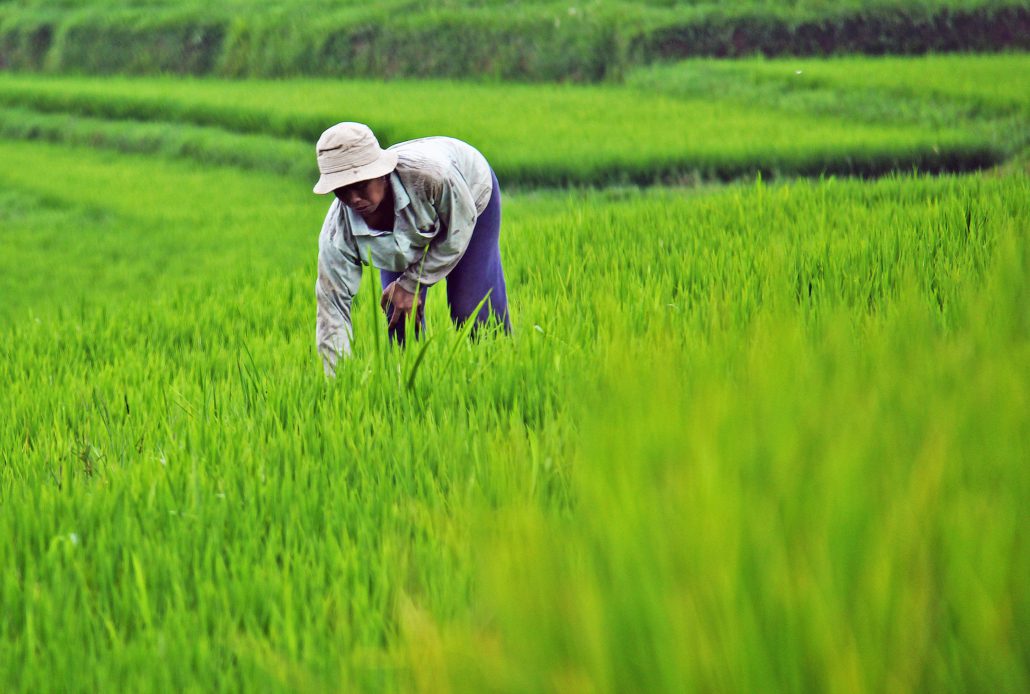
How Technology Improves Rice Production Worldwide


Rice is one of the world’s most popular foods. It is a culturally significant staple in cuisines across the world, from Asia to Africa to the Americas. In fact, rice comprises at least 20% of daily calorie intake for more than 3.5 billion people. Rice is also enticing, especially for the impoverished, for its versatility, nutritional value and affordability to produce and buy. To continue supplying this necessary meal staple for millions of people worldwide, it is imperative that rice farming is efficient and high-yielding. Here are several efforts demonstrating how technology improves rice production.

Crop Manager

The International Rice Research Institute (IRRI) is a global research organization that discovers and implements solutions for rice farming and production to help end world hunger. One such initiative is the development of a useful rice production product called Crop Manager. Crop Manager is a computer program designed to assist rice farmers in tasks like nutrient management and fertilizer selection.

Crop Manager is especially useful for impoverished farmers due to its simple information delivery method. The program conveys information to farmers quickly and concisely via computer printouts and SMS text messages. Thus, even farmers with only basic technologies like cell phones or computers can access this advanced data and improve their crop yields. Crop Manager is currently active in Bangladesh, India, Indonesia and the Philippines.

Biofortification

The IRRI has also committed to improving rice itself. To do this, the organization has begun researching and implementing biofortification: genetic modification of a crop to improve its nutritional value. With this method, grains have been genetically modified to provide greater amounts of nutrients like zinc and iron. This innovation is incredibly helpful for those consuming rice as a major component of their diet. More nutrient-dense rice can help poor families prevent diet-induced diseases like iron deficiency anemia, an illness that causing extreme weakness due to low red blood cell counts.

Hybrid Gains

Another organization demonstrating how technology improves rice production is RiceTec. RiceTec is an American company committed to modernizing rice production worldwide. One specific effort RiceTec has organized is modified disease-resistant rice grains. These hybrid grains are more formidable against diseases that typically kill rice crops, ensuring crop yields remain high.

Other hybrid grains developed by RiceTec allow farmers to increase the quantity of rice in their fields, as well as provide grains with stronger straws and improved grain retention. The implications of these innovations are massive; by introducing these hybrid grains into rice fields worldwide, people relying on rice as a primary component of their diets will become more able to feed themselves and their families. For farmers, selling more of the crop will provide greater income and improve their quality of life.

Furthermore, some hybrid rice grains have the added benefit of using less arable land to provide comparable—if not more—crop yield. In 2009, for example, China reduced its rice-growing land use by 14% while increasing production by 44.1%. With the increased use of hybrid grains worldwide, the sustainability of rice production will continue to improve. Additionally, reducing arable land use will feed more with minimal strain on the environment.

Moving Forward

Modern farming and wealthy countries have long used technology to improve their crops. Developments ranging from crop management software to higher nutrition in crops themselves to hybrid grains have forever changed the practice of farming. By delivering this technology to the world’s poor, people relying on rice as a staple will have the opportunity to succeed both in terms of crop viability and overall quality of life. As technology continues improving rice production, the world comes one step closer to eradicating food insecurity.

– Domenic Scalora
Photo: Flickr

October 20, 2020
https://borgenproject.org/wp-content/uploads/borgen-project-logo.svg 0 0 Jennifer Philipp https://borgenproject.org/wp-content/uploads/borgen-project-logo.svg Jennifer Philipp2020-10-20 11:47:442020-10-20 11:47:44How Technology Improves Rice Production Worldwide
Development, Global Poverty, Health

Air Pollution in Nepal’s Kathmandu Valley

Air Pollution in Nepal's Kathmandu ValleyLocated in a bowl-shaped region enclosed by four mountain ranges, the Kathmandu Valley is Nepal’s most populous and developed metropolitan area. However, with the valley’s population density, level of industrialization and geographic location, a host of problems afflicts the region. In recent years, the international and domestic communities have paid increasing attention to the worsening issue of air pollution in Nepal’s Kathmandu Valley. In Nepal, air contains five times more pollutants than the amount considered safe by the World Health Organization (WHO); the air in the Kathmandu Valley contains ten times the pollutant concentration set forth by WHO guidelines.
Causes of Air Pollution

The Urban Health Initiative (UHI), an on-the-ground pilot program initiated by the WHO, has identified four primary sources of air pollution worldwide:

  • Solid waste
  • Transport
  • Industry/brick kilns
  • Household energy sectors

The geographical location of the Kathmandu Valley exacerbates all four sources of pollution. Since tall mountain ranges enclose the region, the valley does not get enough wind to disperse air pollutants. Furthermore, Nepal’s location between China and India means that the contaminants from both countries flood into Nepal and vice versa.

Effects of Air Pollution in Nepal’s Kathmandu Valley

Air pollution has had a massive impact on Nepalese people. Every year, 35,000 people in Nepal die from illnesses related to air contaminants. Air pollution frequently causes osteoporosis, heart attacks, dementia and kidney diseases. Furthermore, the life expectancy in the Kathmandu Valley is four years less than that of other Nepalese regions.

While the government has taken little action to reduce the region’s concentration of air pollutants, the Nepalese people have taken matters into their own hands. People have started to wear face masks day-to-day, cancel outdoor activities and frequently monitor air pollution levels. Although individuals have shown an admirable degree of agency in protecting themselves, the Nepalese government must take greater action to reduce the risk of air contaminants for its people.

Action Items So Far

To address air pollution in Nepal’s Kathmandu Valley, the Nepalese government has released a National Plan for Electric Mobility (NPEM) that contains several time-oriented goals. The NPEM includes several objectives: increasing the share of electric vehicles to 20% by the end of 2020, cutting fossil fuel use in the transport sector 50% by 2050 and developing a hydroelectric powered rail network by 2040. The NPEM focuses on pollution caused by transportation, and this emphasis has shown promising results.

Due to the COVID-19 pandemic, automobile use has decreased significantly in Nepal. The air quality index in April 2020 showed a noteworthy improvement compared to April 2019: the air on April 30, 2020, contained about 50% fewer contaminants than the air the year prior. Therefore, the government should be able to achieve significant improvements in air quality by targeting automobile emissions.

Efforts by USAID

In 2015, USAID launched the five-year, nearly $10 billion Nepal Hydropower Development Project (NHDP). With this project, USAID aimed to assist in the development of hydroelectric power services. Nepal has impressive hydroelectric capabilities and, if the country harnesses its full hydroelectric potential, it could even have an energy surplus to export to neighboring countries and gain additional revenue.

Working in tandem with various Nepalese governmental organizations, the NHDP focuses on private sector development and investment in hydroelectricity. By creating viable power services, the NHDP hopes to permanently transform Nepal’s energy sector to include more sustainable sources.

Moving Forward

As Nepal and international organizations improve the country’s air quality, a successful continued response will require cooperation. Given Nepal’s landlocked location, collaboration with other countries such as India and China is also necessary. However, in light of the efforts of the Nepalese government and USAID, Nepal is taking steps in the right direction to improve its air quality for the benefit of everyone in the region—especially those in the vulnerable area of Kathmandu Valley. Ultimately, there is hope to combat air pollution in Nepal’s Kathmandu Valley and protect the health and safety of thousands. 

– Alanna Jaffee
Photo: Wikimedia

October 20, 2020
https://borgenproject.org/wp-content/uploads/borgen-project-logo.svg 0 0 Kim Thelwell https://borgenproject.org/wp-content/uploads/borgen-project-logo.svg Kim Thelwell2020-10-20 10:00:082024-05-30 07:52:38Air Pollution in Nepal’s Kathmandu Valley
Development, Education, Global Poverty

Microsoft’s Global Skills Initiative

Microsoft's Global Skills InitiativeIn the wake of COVID-19, economies across the world have been hit hard. Countries alike have seen decreases across all economic sectors as quarantine and stay-at-home orders were mandated in an effort to slow the spread of the virus. People transitioned to working remotely, while millions of others lost their jobs entirely due to market crashes. In an effort to cushion the economic travesty that the pandemic has bought, Microsoft is launching a global initiative, partnering with LinkedIn and Github, to teach 25 million people across the world new digital skills. Microsoft’s global skills initiative aims to remedy the global economic impact that has come with COVID-19.

Digital Skills

Microsoft believes these newfound digital skills will give people the ability to take on jobs where digital skills are necessary in order to be successful. The initiative targets those who have lost jobs due to the pandemic, as well as minorities, women and others affected by poverty.

Recent statistics predict that over 250 million people globally may be unemployed by the end of 2020 due to COVID-19. Microsoft found that in the U.S. alone, in May 2020, women had an unemployment rate of 14.4% compared to men who were at 12%. Additionally, Latinx populations had unemployment rates of 16.7%, which is much higher than other groups. These statistics indicate why the initiative particularly targets populations such as women and minorities.

By learning digital skills, those who are at an economic disadvantage will be able to take on jobs in the digital age and improve their economic status. Those who attain these newfound skills might even be able to teach others and distribute their knowledge to uplift an entire community.

Three-step Process

The three partnered companies have come up with a three-step process that they hope will encourage economic growth in communities across the globe. The first part relates to the Linkedin Economic Graph. The Economic Graph is a digital representation of the global economy based on more than 690 million professionals, 50 million companies, 11 million job listings, 36,000 defined skills and 90,000 schools. In short, it is data that shows available jobs and their required skills as well as global hiring rates. These insights will help create economic opportunities for the global workforce.

The second part consists of free tools, programs and content that people will be provided with, in order to learn the skills necessary for job applications. This initiative will give people free access to content from LinkedIn Learning, Microsoft Learn and the GitHub Learning Lab.

Thirdly, low-cost certifications and other cost-free job-seeking tools will be available to help people pursue new jobs with their newly developed skills.

Along with this digital skills initiative, Microsoft will be backing $20 million worth of cash grants that will be distributed across the globe to different nonprofit organizations. These grants will help nonprofits to combat the effects of the pandemic and allow the nonprofits to further extend reach in order to help more people.

Microsoft believes that global shutdowns and social distancing have accelerated the path to digitalization in all fields and economies. The company knows that digital tools are now necessary regardless of the field of work and will continue to be relevant far after the pandemic has passed. Microsoft’s global skills initiative may help the world’s economic recovery and may possibly uplift the entire globe during the COVID-19 pandemic.

– George Hashemi
Photo: Flickr

October 19, 2020
https://borgenproject.org/wp-content/uploads/borgen-project-logo.svg 0 0 Kim Thelwell https://borgenproject.org/wp-content/uploads/borgen-project-logo.svg Kim Thelwell2020-10-19 04:59:102020-10-19 07:15:46Microsoft’s Global Skills Initiative
Children, Development, Global Poverty, Health

Finding Hope for Women with Fistula

Finding Hope for Women with FistulaFistula is a medical condition faced by women of every nationality, background and income level. However, these factors affect the rate at which women encounter fistula. Although income level is the largest determinant, nationality is also highly influential in countries where women have limited economic opportunities. However, recent developments are providing hope for women with fistula.

What is Fistula?

Fistula is an abnormal connection between the organs that often occurs when women have troubles with pregnancy and labor—specifically when labor is prolonged. When fistula occurs, especially in places where women have financial and geographic access to medical care, medical experts can normally address the problem with procedures such as C-sections. However, for women who lack access to these services, the issue worsens.

The labor period can last for days, which causes extreme pain and usually causes the baby to die in the process. During labor, the baby’s head presses against the mother’s pelvis and disrupts blood flow. This disruption creates holes, or fistulae, between the vagina and bladder or rectum. Permanent leakage of waste occurs in the mother if the condition goes untreated. Thus, women’s health and well-being directly impact access to emergency medical treatment.

Women with fistula usually live in underprivileged parts of Africa and Asia. To make matters worse, these countries largely lack access to sanitation services or goods like running water and incontinence pads. Fistula causes severe physical and psychological pain in affected women: in addition to uncontrollable leakage of urine and stool, women with fistula also face social issues. For example, this condition causes an unpleasant scent that repels family and friends. This condition can also cause a plethora of infections with the potential to impact others.

One Woman’s Story

Edis, a Ugandan woman suffering from fistula, provides a powerful example of the struggle to receive adequate urgent care. With a recently deceased husband, Edisa gave prolonged birth at home because she could not access a nearby hospital to go through labor. As a result, she contracted a fistula with all of its negative side-effects. Fortunately for Edisa, she was eventually able to receive a treatment procedure. Despite accessing care from a USAID-funded hospital, however, Elisa was forced to travel 11 hours away and incur significant transportation costs as a result. For financially struggling women like Elisa, these expenses can become highly burdensome.

Many other women also face hidden costs when seeking fistula repair surgeries, even if the surgery itself is free. These expenses can include loss of income, child care during recovery and food. USAID is using this information to improve conditions for these women by drafting actions like providing financial support for these hidden costs.

Hope for the Future of Fistula

While women with fistula are still suffering across the globe, especially in impoverished areas, this condition is now much less common than in the past. Additionally, many efforts are being initiated to provide funding and support to women in need of care.

– Fahad Saad
Photo: Flickr

October 17, 2020
https://borgenproject.org/wp-content/uploads/borgen-project-logo.svg 0 0 Kim Thelwell https://borgenproject.org/wp-content/uploads/borgen-project-logo.svg Kim Thelwell2020-10-17 07:32:032024-05-30 07:52:21Finding Hope for Women with Fistula
Children, Development, Education, Global Poverty, Health

5 Facts about Poverty in Guinea-Bissau

Poverty in Guinea-Bissau
Guinea-Bissau is a small West African country with a population of fewer than 2 million, bordered by Senegal, Guinea and the Atlantic Ocean. Although the country gained its independence from Portugal in 1974, its subsequent history has been marked by continuous instability and frequent coup d’états. Moreover, Guinea-Bissau suffers from high levels of poverty, economic fragility and a dire lack of medical and nutritional resources, ranking it among the poorest nations in the world. Below are five key facts necessary to understand poverty in Guinea-Bissau.

5 Facts about Poverty in Guinea-Bissau

  1. Poverty in Guinea-Bissau is a widespread issue. Nearly 65% of the population lives below the poverty line. Many families rely on unstable employment in the informal economy or remittances from migrant workers abroad, but cannot generate enough income to support themselves long-term. Other factors such as corruption and organized criminal activity have also hindered residents from achieving financial stability. Additionally, poverty in Guinea-Bissau disproportionately impacts women and children, who face restrictions in owning or inheriting property and are subject to constraints on social freedoms such as early and forced marriage.
  2. The country faces a high risk of infant mortality. Guinea-Bisseau’s high infant and maternal mortality rates offset a large reproductive-age population that ranks 13 in the world in terms of total fertility rate. Early childbearing and a lack of access to vital health care resources are among several factors that greatly contribute to high mortality rates. Maternal and newborn health coverage is primarily limited to urban areas, with only 40% of women making at least 4 antenatal care visits in comparison to 71% in urban regions.
  3. Agriculture is a primary yet relatively unprofitable industry. Guinea-Bissau’s economy heavily depends on agriculture, yet lacks other critical infrastructure. Though the country is rich in unexploited mineral deposits and offshore oil, it remains focused on cashew production, which constitutes 95% of its exports. Additionally, approximately 85% of the population is dependent on cashew farming, which puts most of the country at risk of food insecurity when subject to cashew price fluctuations. Low prices offered by major commercial purchasers for the crop in 2021 and 2022 forced rural farmers to resort to local bartering, cutting their flow to regular income, food and medicine, and instead fueling cartel activity.
  4. An alarming number of children suffer from malnutrition. Approximately 28% of the children in Guinea-Bissau under the age of five suffer from stunted growth. Poverty is directly correlated to malnutrition, as stunting rates in poor households are more than twice those in wealthy households. Malnutrition in children can also be attributed to a lack of knowledge regarding child feeding practices, poor access to nutritious foods, inadequate prevention and treatment of common illnesses and inadequate nutrition screening and care.
  5. Education is often inaccessible and undervalued. Only 12% of children aged 7-14 have basic reading skills and only 7% can demonstrate numeracy skills. Most schools lack conducive learning conditions, such as qualified teachers and adequate water and sanitation facilities. Due to the cost of sending a child through the education system, especially for those located outside of urban areas, nearly one-third of children in Guinea-Bissau are out of school. Those who attend are discouraged from continuing past primary education as a result of frequent teacher strikes, sexual harassment and early marriage. Among the most disadvantaged are young girls and children with disabilities, who are also more likely to be multi-dimensionally poor than their other peers.

Changing the Future: UNICEF

Today, organizations such as UNICEF continue to work to improve living conditions in many areas of Guinea-Bissau. UNICEF is currently partnered with the country’s Ministry of Health and helps support the distribution of  Vitamin A and deworming supplements for children under 5. UNICEF has also played a key role in establishing inpatient and outpatient treatment for severe acute malnutrition in 78 health care centers throughout Guinea-Bissau. Lastly, the organization has partnered with the Ministry of National Education and Higher Education (MENES) to provide training to schoolteachers and decrease teacher absenteeism, ultimately targeting education quality and student retention rates.

Conclusion

Despite improvements in the past decade, Guinea-Bissau still suffers from multidimensional poverty and remains far below its socioeconomic potential. Political conflicts and strong wealth disparities in the West African nation have constrained its ability to make tangible progress in several developmental indicators such as food security and better wages. Looking forward, poverty in Guinea-Bissau must remain the focus of international aid and development initiatives to ensure growth and security for children and adults alike.

– Oumaima Jaayfer, Moon Jung Kim
Photo: Flickr
Updated: June 10, 2024

October 17, 2020
https://borgenproject.org/wp-content/uploads/borgen-project-logo.svg 0 0 Kim Thelwell https://borgenproject.org/wp-content/uploads/borgen-project-logo.svg Kim Thelwell2020-10-17 07:30:072024-06-19 10:48:105 Facts about Poverty in Guinea-Bissau
Development, Global Poverty, Technology

Innovations Transforming Dairy Farming in Kenya

Dairy Farming in KenyaDairy farming is a competitive business worldwide. Small and large scale dairy farmers alike face similar obstacles—slim margins, a fragile product and a decreasing market. Kenya produces 5 billion liters of milk every year and the dairy industry accounts for 5%-8% of the country’s total GDP. This large proportion of GDP means that innovations in dairy farming offer significant potential to improve the livelihoods of thousands. In light of this economic fact, new industry actors are emerging to transform dairy farming in Kenya.

EASYMA 6.0

Finding reliable buyers is a difficult task. In many cases, Kenyan dairy farmers are forced to sell to local traders that pay unfair prices. When the digital scale and supply chain system EASYMA 6.0 was introduced in 2014, however, conditions for dairy producers improved. In collaboration with USAID-funded programs, Kenyan tech agencies developed and deployed EASYMA 6.0 into local communities.

The process of EASYMA 6.0 starts with farmers weighing their milk at designated buyer collection centers. Producers then get an automated receipt as well as an immediate advance. This system ensures that farmers receive fair compensation for the quantity of product they supply. Ultimately, this innovation makes it easier for farmers to earn a fair living wage.

In addition to providing security in payments, EASYMA 6.0 also enhances transparency and record-keeping within the dairy industry. As a result, more than 22,000 Kenyan dairy farmers now have access to farm extension services, financial products and even livestock insurance through EASYMA 6.0.

Mazzi Milk Jug

Although a seemingly small and simple issue, spoiling milk can lead to large losses for dairy farmers in Kenya. Spoiled milk can lead to huge losses, negating much of the hard work performed by farmers. Without viable ways to fix the issue, farmers will continue to lose a valuable part of their product—and, thus, their incomes—every year.

In developing countries, safely delivering milk and dairy products is the hardest challenge farmers face. Small-scale farmers produce 80% of the milk in Kenya. Due to small-scale farmers’ insufficient access to quality storage and refrigeration, a significant amount of milk is spoiled during delivery. This struggle prompted the development of Mazzi, a durable and inexpensive jug that prevents spills and slows curdling.

Traditional jugs, or jerry cans, leave dairy products vulnerable to contaminants that cause spoilage. Additionally, traditional jugs are also fragile and very hard to clean. The Bill and Melinda Gates Foundation worked with Global Good and Heifer International to find one key solution to this issue: Mazzi.

Mazzi is a 10-liter reusable plastic container that prevents spills, limits contamination and is easy to clean. Mazzi has a wide mouth that allows farmers to use two hands during the milking process, ultimately increasing productivity. The invention also has a detachable black funnel that enables farmers to determine whether cows have udder infections, as well as a stackable lid that helps with transport and makes the product easy to clean.

The Mazzi jug will only cost $5, compared to competitors priced around $30. By increasing incomes through improved yields, this inexpensive innovation is transforming dairy farming in Kenya and improving the lives of farmers in the process.

MyFugo

Many farmers rely on the dairy industry to make a living, yet Kenya has not adopted technology to improve yield. MyFugo is a software application that is projected to increase milk production in Kenya by helping farmers monitor their cows in real-time. Allan Tollo, the app’s founder, explains that “the app helps the farmer monitor his cows throughout the day enabling them to tell what time their cow will be on heat for it to be served at the right time.”

The MyFugo technology operates by using a Smart Cow Collar. Farmers place the device on their cows and receive notifications on their smart devices of the exact time their cow is in heat. Farmers can increase milk production by reducing the calving period by more than six months. This innovation eliminates prevents farmers from missing cow fertility dates, decreases calving intervals and lowers feeding and treatment costs.

The app is free to use, but the collar costs $150. Although expensive upfront, animals will produce more calves in their lifetime leading to higher milk production, increased revenues and greater economic stability for dairy farmers in the long-term.

MyFugo has registered 8,000 farmers already and is constantly working to grow its user base. The app can track animals at any location, as well as identify their risk of disease. Farmers also gain easier access to veterinary doctors and loans. With many small farms traditionally lacking access to veterinary care and financial loans, this innovation offers the potential to transform dairy farming in Kenya.

Broad Impact

Many farmers are reluctant to embrace new technologies that challenge traditional farming techniques. However, these innovations are steadily transforming dairy farming in Kenya and creating unparalleled opportunities for farmers to earn a successful living. With new technology and easy access to records, dairy farming in Kenya is traveling a new road toward lasting progress. The successful integration of technology in Kenya’s dairy farming industry demonstrates the potential of future innovation in the agricultural industry at large.

– Sienna Bahr
Photo: Flickr

October 10, 2020
https://borgenproject.org/wp-content/uploads/borgen-project-logo.svg 0 0 Kim Thelwell https://borgenproject.org/wp-content/uploads/borgen-project-logo.svg Kim Thelwell2020-10-10 01:30:332020-10-06 14:09:39Innovations Transforming Dairy Farming in Kenya
Page 57 of 163«‹5556575859›»

Get Smarter

  • Global Poverty 101
  • Global Poverty… The Good News
  • Global Poverty & U.S. Jobs
  • Global Poverty and National Security
  • Innovative Solutions to Poverty
  • Global Poverty & Aid FAQ’s
Search Search

Take Action

  • Call Congress
  • Email Congress
  • Donate
  • 30 Ways to Help
  • Volunteer Ops
  • Internships
  • Courses & Certificates
  • The Podcast
Borgen Project

“The Borgen Project is an incredible nonprofit organization that is addressing poverty and hunger and working towards ending them.”

-The Huffington Post

Inside The Borgen Project

  • Contact
  • About
  • Financials
  • President
  • Board of Directors
  • Board of Advisors

International Links

  • UK Email Parliament
  • UK Donate
  • Canada Email Parliament

Get Smarter

  • Global Poverty 101
  • Global Poverty… The Good News
  • Global Poverty & U.S. Jobs
  • Global Poverty and National Security
  • Innovative Solutions to Poverty
  • Global Poverty & Aid FAQ’s

Ways to Help

  • Call Congress
  • Email Congress
  • Donate
  • 30 Ways to Help
  • Volunteer Ops
  • Internships
  • Courses & Certificates
  • The Podcast
Scroll to top Scroll to top Scroll to top