• Link to X
  • Link to Facebook
  • Link to Instagram
  • Link to TikTok
  • Link to Youtube
  • About
    • About Us
      • President
      • Board of Directors
      • Board of Advisors
      • Financials
      • Our Methodology
      • Success Tracker
      • Contact
  • Act Now
    • 30 Ways to Help
      • Email Congress
      • Call Congress
      • Volunteer
      • Courses & Certificates
      • Be a Donor
    • Internships
      • In-Office Internships
      • Remote Internships
    • Legislation
      • Politics 101
  • The Blog
  • The Podcast
  • Magazine
  • Donate
  • Click to open the search input field Click to open the search input field Search
  • Menu Menu

Archive for category: Development

Information and stories on development news.

Developing Countries, Development, Education, Health, Refugees

Aiding Over 2 Million Syrian Refugees

2 Million Syrian Refugees
Syria has been at the center of an ongoing civil war since 2011. The civil war displaced over 6.1 million people and over 5.6 million became refugees. With over 13 million people requiring humanitarian aid, Syria is in dire need of assistance. The COVID-19 pandemic affected over 1.1 million refugees and magnified the levels of food insecurity, joblessness and poverty. Children make up half of those suffering from the effects of the civil war. Luckily, since the beginning of the humanitarian crisis, the Maram Foundation has been aiding over 2 million Syrian refugees access the necessities they require.

The Maram Foundation’s Background

The Maram Foundation is a nonprofit organization that focuses on development projects in Syria. The nonprofit started by helping to establish the Olive Tree Atmeh camp for internally displaced persons (IDP). The Atmeh camp was home to over 28,000 people in northern Syria. A child in the Atmeh camp influenced the naming of the Maram Foundation. They suffered from paralysis as a result of shrapnel damage. The nonprofit currently works in refugee camps across Syria and in parts of Turkey and Jordan. Through the use of a series of development programs, the Maram Foundation has aided over 2 million Syrian refugees.

Development Programs

With 80% of Syrian refugees living below the poverty line, the Maram Foundation is providing direct support to the people through camp management, development and livelihood programs. The Camp Coordination and Camp Management program works to promote human rights within the Syrian refugee camps. These camps are temporary solutions to the ongoing crisis. The programs plan to improve the refugee camps to promote the living standards, safety and comfort of refugees.

The Maram Foundation uses early recovery strategies to ensure refugee camps are able to use humanitarian aid. It will foster sustainable development rather than create dependency. The Maram Foundation also works to ensure the refugee camps are free of abuse, violence and fear through community empowerment of women and children. Additionally, education programs are also working to ensure that children in refugee camps are able to receive the education they need. This will help them grow and develop professional skills.

Benefits of the Maram Foundation

As more than 9 million Syrians suffer from food insecurity, the Maram Foundation is also working to strengthen refugee camps. This will result in providing shelter and non-food items such as clothing. It will improve food, water and hygiene systems in Syria. The Maram Foundation seeks to ensure Syrian refugees have these resources.

The Food Security and Livelihood program works to build the resilience of refugees by providing them with the ability to grow their own food and combat malnutrition. The program has built resilience towards food scarcity across the refugee camps in Syria. The nonprofit provides a water, sanitation and hygiene program called WASH. This program provides refugees with access to clean water and waste disposal. The program takes action against the spread of contamination and disease. This protects the health and living standards of the refugee communities.

Looking Forward

The Maram Foundation has been aiding over 2 million Syrian refugees since the start of the crisis in 2011. The Maram Foundation has partnered with non-governmental organizations to get the funding it requires to carry out its work. With the ongoing pandemic, the Maram Foundation has continued to work in Syrian refugee communities to build pandemic resilient housing. Millions of people are suffering from the ongoing humanitarian crisis in Syria. The Maram Foundation for Relief and Development is working to promote the safety and dignity of the Syrian people.

– Gerardo Valladares
Photo: Flickr

April 20, 2021
https://borgenproject.org/wp-content/uploads/borgen-project-logo.svg 0 0 Kim Thelwell https://borgenproject.org/wp-content/uploads/borgen-project-logo.svg Kim Thelwell2021-04-20 20:19:092024-05-30 22:23:12Aiding Over 2 Million Syrian Refugees
Developing Countries, Development, Global Poverty, Humanitarian Aid, NGOs

Community-Based Safeguarding Toolkit for Aid Efforts

Safeguarding ToolkitThe Organization for Economic Co-operation and Development (OECD) created a report to address why aid effectiveness and quality are so important to development goals. Increasing effectiveness is defined as ensuring that the most impoverished populations are receiving quality aid to improve their quality of life. In order to achieve this, donors and developing countries must be mutually respectful of one another in order to achieve the desired development goals. This means countries providing aid and on-the-ground development need to be mindful of and respectful to the communities they are aiming to lift out of poverty. A community-based safeguarding toolkit was launched to ensure that people are aware of their rights and protections when it comes to developmental aid efforts.
Dignity at the Center of Aid

Jonathan Glennie of Open Democracy presents the question, “What if dignity was placed at the heart of all development work, from planning, through implementation, to evaluation of its impact?” Glennie explains the importance of a dignity-centered approach when lifting individuals and communities out of poverty and how such an approach is a more effective way of alleviating poverty. Engaging in foreign aid with dignity for communities experiencing extreme poverty leads to the empowerment of these populations. According to Glennie, when communities are empowered they can reach their real goals, resulting in concrete benefits such as improved health and food security, quality education and higher incomes.

Safeguarding Toolkit

The concept of mutual respect and dignity is now generally accepted as a norm in the development world. However, communities are not always aware of their rights. Given this, Habitat for Humanity, Oxfam International and WaterAid collaborated to launch a “community-based safeguarding visual toolkit” in February 2021, with plans to review and update the toolkit in 2022, resources allowing. The toolkit was created to allow humanitarian and development organizations to give visual information regarding the Six Core Principles Relating to Sexual Exploitation and Abuse to the community members these organizations are working with.

NGOs are continuously evolving and many have recognized that safeguarding measures will be most effective with intentional and focused community engagement. This toolkit was designed to protect and embolden communities in which development is taking place to understand their rights, prevent exploitation and abuse and promote a speak-up culture in the world of development globally. The toolkit has been released in 24 languages so far and can be downloaded for free, making it widely and equitably accessible.

Encouraging Ethical Development

The toolkit contains 11 key messages with 29 corresponding visuals. Some examples of these messages are “aid workers are not allowed to ask for or accept bribes for aid” and “aid organizations encourage complaints — there are safe ways to complain.” Other visuals explicitly state community members’ rights against sexual abuse and/or exploitation by aid workers. These visuals are not intended to be a stand-alone effort in creating respectful and ethical development efforts but are to be utilized in conjunction with wider training and conversations.

Strategic and ethical aid promotes the economic prosperity of developing communities while creating self-reliance. It is important that such communities are aware of their rights and are engaged in the development process. This community-based safeguarding toolkit is working to ensure that efforts to lift people out of poverty respect the basic rights of the communities humanitarian organizations serve.

– Tatiana Nelson
Photo: Flickr

April 19, 2021
https://borgenproject.org/wp-content/uploads/borgen-project-logo.svg 0 0 Kim Thelwell https://borgenproject.org/wp-content/uploads/borgen-project-logo.svg Kim Thelwell2021-04-19 02:31:352021-05-19 02:31:55Community-Based Safeguarding Toolkit for Aid Efforts
Developing Countries, Development, Global Poverty, Poverty Eradication

The Possibility of Exporting Clean Energy

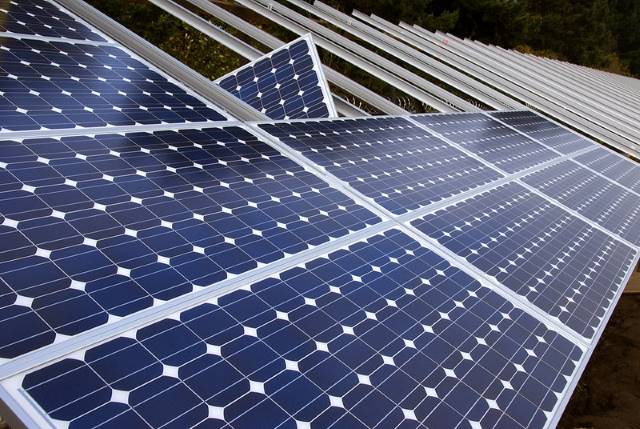
Exporting Clean EnergyCongressman Mike Thompson introduced H.R. 848: GREEN Act of 2021 on February 4, 2021. It is an amendment to the Internal Revenue Code of 1986, serving to provide incentives for renewable energy and energy efficiency. Renewable energy can serve as a means of ending poverty as access to energy can improve healthcare, education and economic opportunity. There also lies an opportunity of possibly exporting clean energy.
The GREEN Act of 2021

Congressman Thompson’s GREEN Act of 2021 seeks to increase the incentives for U.S. citizens to use renewable energy. Congressman Thompson is a vocal advocate for clean energy, believing this change will help not only the United States but also the world at large. Thompson’s vigor in promoting clean energy comes from a desire to cut reduce emissions and create millions of jobs worldwide. Congressman Thompson has voiced renewable energy as priority in Congress by cosponsoring the Green New Deal in February 2019 and sponsoring legislation to provide tax incentives for those using clean energy. Congressman Thompson acknowledges the U.S.’s responsibility to aid other countries. One sees this through his commitments to improve education globally. In combining these two efforts, the U.S. could tackle two of the world’s most important issues.

Clean Energy at Work

In the United Nations Sustainable Development Goals, the elimination of poverty is as imperative as clean, renewable energy. Robert Freling, executive director of the Solar Electric Light Fund, believes energy is a key weapon in fighting against global poverty. To Freling, access to electricity is a basic human right that is not available to many impoverished nations. Without access to energy, developing countries’ attempts to improve people’s lives comes to a standstill.

The World Bank reports that 840 million people do not have access to electricity and 650 million people will still not have electricity in 2030. According to the World Bank, those lower-income families living in rural areas will need to use solar home systems, mini-grids and solar lighting to combat poverty.

Various countries have proven the effectiveness of renewable energy in fighting poverty. For example, in China introducing solar energy led to more than 800,000 families in poverty having access to power. In some areas, solar installations provided families with an additional yearly income of more than $400.

Exporting Clean Energy

This emphasis on the Unites States promoting clean energy across the world has been noticed by other members of Congress as well. Rep. John Curtis believes the U.S. should set an example by exporting renewable energy to foreign countries. Rep. Curtis introduced multiple bills with the main goal of exporting clean energy. One piece of legislation Rep. Curtis introduced is the Worldwide Wind Turbine Act, which would give the U.S. Agency for International Development (USAID) the power to accept old wind turbines as donations and share these turbines with developing nations who could benefit from wind energy.

By exporting clean energy, the U.S. can lead the way to transition to renewable energy while improving the global economy. Renewable and clean energy efforts are vital because global poverty cannot truly be resolved unless energy poverty is addressed.

– Solomon Simpson
Photo: Flickr

April 18, 2021
https://borgenproject.org/wp-content/uploads/borgen-project-logo.svg 0 0 Lynsey Alexander https://borgenproject.org/wp-content/uploads/borgen-project-logo.svg Lynsey Alexander2021-04-18 05:41:142021-05-18 05:41:34The Possibility of Exporting Clean Energy
Developing Countries, Development, Global Poverty

Top 3 Countries: Commitment to Development Index

Commitment to Development IndexThe Center for Global Development (CGD) releases the Commitment to Development Index (CDI) annually. The CGD analyzes the policies of the 40 most powerful countries in the world on their dedication to contributing to the development of low-income nations. It rates the countries based on performance in three overall categories and seven subcategories: development finance, exchange (including investment, migration and trade) and global public goods (including environment, security and technology). After scoring these sections individually for each country, the CGD then assigns each country an overall grade. The organization ranks the countries on the CDI based on these overall scores. In 2020, the top three countries were Sweden, France and Norway.

Sweden

Sweden ranks first on the Commitment to Development Index, with an overall score of 100%. Sweden received more than a 90% rating on development finance, migration, environment and security. The country scores well on all categories except technology, where it ranks 20th.

  • Development Finance. Sweden received a score of 93% because it spends 0.83% of its gross national income (GNI) on development finance. This is more than twice the average. Sweden also has proper transparency when it comes to spending. The country even has its own development finance institution called Swedfund. The institution’s goal is to alleviate poverty by investing in and helping to develop sustainable businesses in struggling and formidable markets.
  • Migration. Sweden received a score of 100% in this category because it has the most inclusive migrant policies compared to all the other countries on the CDI. Sweden has tightened its legislation since 2015 when it received 160,000 asylum seekers. The aim is to ensure that it can sufficiently take care of the people already in the country without being overburdened. Nevertheless, the country still welcomes more migrants than any other country on the CDI.
  • Security. Sweden received a 93% in security because it “contributes an above-average level of troops and finance to global peacekeeping missions.” Sweden also helps contribute to global health initiatives. Sweden has worked with the U.N. peacekeeping missions since 1948 and has sent more than 80,000 Swedish people to help.

France

France came second on the Commitment to Development Index with an overall score of 81%. France received more than a 90% score on investment, environment and security. France also scored well on trade.

  • Investment. France received a 91% in this category because it performs well with regard to business and human rights criteria. France created “The National Plan for the Implementation of the United Nations Guiding Principles on Business and Human Rights.” The plan “is a universal road map for implementing the standards aimed at holding businesses accountable with regard to human rights.”
  • Environment. France received a 97% in the environment category because it signed every necessary environmental treaty and produces few fossil fuels.
  • Security. France has a 93% in this category because of its peacekeeping commitments. It provides 0.066% of its GNI to peacekeeping, which is twice the average. For 2020-2021, France budgeted $6.58 billion for peacekeeping efforts.

Norway

Norway ranks third on the Commitment to Development Index, with an overall score of 78%, mostly because of its high rating on development finance. It ranks well on investment and security too.

  • Development Finance. Norway received a 96% in this category because it provides 0.89% of its GNI to development finance. It is also first in transparency for development financing reporting. The country is well known for its commitment to “development co-operation” because it “has a primary focus on promoting equality for all, especially for the most vulnerable, marginalized and less privileged ones in least developed countries (LDCs) and sub-Saharan Africa.”
  • Investment. Norway has an 81% in investment. This is because Norway implements the OECD’s Anti-bribery Convention and has a strong history of upholding human and business rights. Norway works closely with the Human Rights Watch, an organization working to expose abuse and improve human rights throughout the world.
  • Security. Norway received an 88% on security partly because it ranks well in health security. The country utilizes significant monitoring and surveillance methods for antimicrobial resistance. This work is important because it can help lower global health hazards.

Reducing Global Poverty

For 2020, the Commitment to Development Index ranked Sweden, France and Norway as the top three countries. These countries are significantly contributing to global development, and in turn, are contributing to global poverty reduction.

– Sophie Shippe
Photo: Flickr

April 16, 2021
https://borgenproject.org/wp-content/uploads/borgen-project-logo.svg 0 0 Kim Thelwell https://borgenproject.org/wp-content/uploads/borgen-project-logo.svg Kim Thelwell2021-04-16 01:31:092021-04-13 10:02:15Top 3 Countries: Commitment to Development Index
Charity, Developing Countries, Development, Global Poverty, Poverty, Poverty Reduction

Fighting Poverty in South America

Fighting Poverty in South America
A long history of imperialism, turmoil and instability has manifested itself into modern issues of poverty in South America. Countless grassroots and nongovernmental movements are providing help to the poor in this region. Many funds often drown in the complexities of bureaucratic and organizational structures, unfortunately. One individual is repurposing the term “influencer culture.” This refers to the social leverage that internet users with clout have. Aaron Murphy is creating mini-docuseries for awareness and sharing his personal payment service usernames. He is raising funds at a global scale that he directly pumps into the community. He is fighting poverty in South America through social media and videos.

Aaron Murphy

Aaron Murphy traveled to South America on a backpacking trip to learn Spanish. He now wanders across states in the region — mainly Ecuador, Peru, Colombia and Venezuela — to empower families and communities. His entire journey is available for public access on his social media, specifically his YouTube and Tik Tok accounts. His posts and videos often include an effort to promote awareness along with a call to action. Notably, the content available on these platforms provides a candid view into the everyday life of people living in poverty in South America.

The intent is not to romanticize a serious issue. Instead, he aims to connect with his viewers, sharing the very human reality beyond the understanding of people who live with less. He includes mini-documentaries and conducts interviews with residents. Murphy willfully makes an effort to understand the communities he is in. Murphy has also vocalized part of his videos’ purpose is to remind viewers of the privileges and blessings they experience daily.

Vlogs and Awareness

Murphy’s posts calling people to action have gained large traction recently, especially on Tik Tok. The app’s algorithm works to boost trending videos and topics. His audience is growing along with efforts to support his organization. Murphy provides continuous updates on different projects, giving followers a transparent view of where their proceeds go. His videos also focus on documenting dialogue between individuals and families. He also translates what they say into English subtitles.

Murphy films his videos into vlogs. They cater to a younger audience and have a natural look. One series of videos prompted a wave of global action at the beginning of March 2021. Murphy was following a Venezuelan native community without quality access to housing and food. In the first video and caption, he showed the livelihood of the struggling community. He then urged followers to donate through Paypal and Venmo. Followers raised $12,000 after Murphy posted the video. This gave the Murphslife team the ability to provide the community beds for 112 huts.

The Murphslife Foundation

The Murphslife Foundation accepts funds through Patreon, Venmo, Paypal and Cash App to go towards its efforts fighting poverty in South America. It is a largely unique approach to tackling poverty in South America, though an effective one for convenient participation among younger activist communities. The organization has no connection to any tax-exempt status. Perhaps a testament to its efficacy, the organization is a young and rapidly growing one.

Oftentimes, there is little opportunity to provide direct help for international causes. Initiatives to eradicate poverty in South America have become saturated and commodified in ways similar to that of an enterprise. The nonprofit and not-for-profit organizations affect the people negatively. This takes place, though the organizations are important within the larger picture of a long-term solution to poverty.

It has an association with nationalities and governances, forced through sanctions and other diplomatic complications. Potential donors dull the impact of a donation when dissuaded from giving to charities for these political complications. Murphslife shows how short-term results are also incredibly effective solutions to help those in need. Going forward, hopefully, other organizations and influencers will follow Murphy’s model of fighting poverty in South America. This will help them anchor their support in the fight to end poverty as a whole.

– Danielle Han
Photo: Flickr

April 15, 2021
https://borgenproject.org/wp-content/uploads/borgen-project-logo.svg 0 0 Kim Thelwell https://borgenproject.org/wp-content/uploads/borgen-project-logo.svg Kim Thelwell2021-04-15 20:18:552024-12-13 18:02:27Fighting Poverty in South America
Developing Countries, Development, Gender Equality, Global Poverty, Women's Empowerment

Gender and the African Continental Free Trade Area Agreement

African Continental Free TradeGender inequality in the workforce is an issue that affects women globally. Women account for 60% of all jobs globally but earn only 10% of all income. In addition, 70% of women experience financial exclusion, which contributes to gender inequality in Africa. Barriers to educational opportunities are also factors of gender inequality with up to 4 million girls that have not enrolled in the educational system. Advancing women’s involvement and opportunity in the African economy will aid in closing the gender gap. The African Continental Free Trade Area (AfCFTA) agreement aims to economically transform Africa and women are an important part of this process.

The African Continental Free Trade Area Agreement

The AfCFTA agreement came into effect on January 1, 2021, and created one of the largest free trade areas in the world. AfCFTA created a new market of 1.3 billion people across Africa. This accounts for a combined gross domestic product (GDP) of $3.4 trillion. According to the World Bank, AfCFTA has the potential to take up to 30 million Africans out of extreme poverty and increase the incomes of 68 million Africans who live on less than $5.50 a day.

The provisions of the agreement include lowering trade tariffs between participating countries and other beneficial regulatory measures. Overall, AfCFTA aims to completely reshape African markets and boost the economy with the creation of new jobs, increased industrialization and increased trade within Africa. In addition, women will benefit from the agreement by improving their access to trade opportunities and stimulating wage gains by up about 10.5%.

Boosting Women-Owned Businesses

The AfCFTA can boost women’s roles in jobs across different sectors like the agricultural sector. In agricultural jobs, AfCFTA can expand markets for exports and widen opportunities available to women. With increased industrialization and diversification, the AfCFTA can benefit women’s manufacturing and wage employment in manufacturing industries. Higher-skilled jobs will also become more available and accessible to women. In addition, significant benefits are present for women entrepreneurs. Regional value chains support smaller women-owned businesses. The chains allow larger firms to use smaller women-owned businesses as suppliers.

The SheTrades Project

Empowering Women in the AfCFTA project also addresses the gender gap. The purpose of the SheTrades project is to support women-owned businesses so that they can experience the free trade benefits under AfCFtA. The project focuses on capacity building, networking and advocacy as a means to achieve this. The project works with more than 50 women’s business associations to raise awareness of prioritizing women in terms of AfCFTA and discuss recommendations for prioritizing women as well as policy advocacy strategies. It also works to provide a platform for women’s business associations to work with each other as well as policymakers.

Addressing Gender Inequality

Women are key stakeholders in the development of the African economy under AfCTA, consisting of 70% of informal traders.

AfCFTA also recognizes the importance of gender in trade relations in Africa by stating the importance of incorporating gender inequality in the context of trade and the economy. A method of fighting gender inequality in Africa is through gender mainstreaming. Gender mainstreaming is defined as, “a process of assessing the implications for women and men of any planned actions, including legislation, policies or programs in all areas and at all levels.” Strategies like gender mainstreaming are addressed and applied in several countries’ AfCTA National Implementation Strategies.

Implementation of further gender gap-related policies can strengthen the impact that the African Continental Free Trade Area agreement has on Africans and help to eradicate gender inequality in Africa.

– Simone Riggins
Photo: Flickr

April 13, 2021
https://borgenproject.org/wp-content/uploads/borgen-project-logo.svg 0 0 Kim Thelwell https://borgenproject.org/wp-content/uploads/borgen-project-logo.svg Kim Thelwell2021-04-13 01:31:412024-05-30 22:23:10Gender and the African Continental Free Trade Area Agreement
COVID-19, Developing Countries, Development, Global Poverty, Health, Refugees

A Pandemic in a Refugee Camp

A Pandemic in a Refugee Camp
Since the Venezuelan refugee crisis began in 2015, over 360,000 Venezuelans have fled to Ecuador where they have sought political and economic asylum away from the tumultuous governing in Venezuela. In Ecuador, Venezuelan refugees have created camps and have attempted to rebuild their lives to little avail due to xenophobia, limited job opportunities and harsh living environments. While these harsh living conditions have continued for the Venezuelan refugees for years, the beginning of the COVID-19 pandemic has intensified hardships. Spending the pandemic in a refugee camp involving cramped and overflowing shelters has caused refugees to become extremely vulnerable to contracting and dying from COVID-19.

No Access

For the hundreds of thousands of impoverished and unemployed Venezuelan refugees living in cramped refugee camps, it is challenging to social distance or to retrieve information on COVID-19. Moreover, with limited money focused on food, shelter and provisions, refugees have little left to spend on personal hygiene or personal protective equipment. As a result, refugees do not have access to much-needed medical supplies to keep safe from virus transmissions such as masks, sanitizers, gloves or vitamins. Consequently, transmission rates in refugee camps are disproportionately higher than their urban Ecuadorian city counterparts, yet the medical care is disproportionately lower.

As hospitals in Ecuador have become overrun by sick patients and Ecuadorian first responders have become absorbed with endless virus-related emergencies, Ecuadorian healthcare workers have had to choose which patients they will actually provide medical care to. This decision oftentimes coincides with heavy racism against Venezuelan refugees. Consequently, first responders have often chosen to respond to the rich Ecuadorian citizens living in urbanized areas over the far away, impoverished Venezuelan refugee camps. Similarly, Ecuadoran doctors prefer to provide medical care to the more affluent Ecuadorian citizens who can surely pay their hospital bills rather than the refugees. In turn, Venezuelan refugees are not always able to use Ecuadorian healthcare and instead have to fend for themselves without medical supplies, information about the virus or the ability to social distance.

A Solution for Refugees Surviving a Pandemic in a Refugee Camp

Because solving xenophobia in Ecuador or empowering and enriching refugees could not rapidly happen in time so that they could receive proper treatment during the pandemic, refugees had to take matters into their own hands by looking to new initiatives to prevent the spread of COVID-19. Alongside the United Nations High Commissioner for Refugees (UNHCR), Venezuelan refugee communities in Ecuador developed the Community Epidemiological Surveillance System in an attempt to rapidly discover COVID-19 cases in refugee camps. The system can detect individuals with COVID-19 for quarantine purposes and consequently reduce the risk of COVID-19 transmission amongst refugee communities.

Once the system detects them, patients receive information about their diagnosis along with referrals for proper treatment. The system reports all cases to the national health authorities so that Venezuelan refugees can identify who they were in contact with so that all parties can undergo quarantine and testing for the virus.

How it Works

Since launching in July 2020, the Community Epidemiological Surveillance System has detected hundreds of cases and has prevented the further spread of the virus for thousands of refugees. By identifying a suspect COVID-19 case, the system is able to assess a localized community point of potential exposure for other refugees. Once discovered, the system registers all information upon a public health database that records exposed individuals and provides them with information and medical treatment for the virus. Furthermore, the Community Epidemiological Surveillance System records if a COVID-19 patient or exposed individual has access to personal protective equipment, has preexisting conditions or lives in overcrowded environments that would make them and their neighbors more susceptible to the virus.

UNHCR taught six refugee camps across Ecuador the process of contact tracing. Trained refugees can utilize the Community Epidemiological Surveillance System. This results in using telephone hotlines, community visits by healthcare workers and providing medical provisions. The system is curbing COVID-19 spread in a pandemic in a refugee camp for vulnerable Venezuelans who would have very few medical opportunities otherwise.

– Caroline Largoza
Photo: Flickr

April 10, 2021
https://borgenproject.org/wp-content/uploads/borgen-project-logo.svg 0 0 Kim Thelwell https://borgenproject.org/wp-content/uploads/borgen-project-logo.svg Kim Thelwell2021-04-10 13:36:262021-06-10 13:36:41A Pandemic in a Refugee Camp
Development, Education, Global Poverty

A Boost in International Affairs Budget

International Affairs Budget
A new proposal emanating from the United States Congress titled “Investing in 21st Century Diplomacy” aims to increase the International Affairs Budget by $12 billion in 2022. The proposal, which Sens. Chris Van Hollen and Chris Murphy recently created along with Reps. Ami Bera and David Cicilline, primarily targets a trio of crucial issues that the congressional leaders have singled out for funding.

Pandemic Preparedness and Global Health

One of those issues stems from the global response to the COVID-19 pandemic. Near the onset of the pandemic in March 2020, a study found that over two-thirds of health centers and clinics in Nepal and Bangladesh did not have any face masks. Additionally, countries like the Democratic Republic of Congo (DRC) scored poorly on reviews of preparedness to protect healthcare workers with a noted lack of sustainable response plans cited among other factors in the results.

The effects of the COVID-19 pandemic hit the economies of developing countries particularly hard. In fact, a United Nations Development Programme study found that over a billion people may end up in extreme poverty by 2030 due to the effects of the pandemic. The United Nations did a study to determine the estimate, indicating that the economy lost $100 billion in investments in March and April 2020. This was due to a substantial flood of money pouring out of developing countries.

In light of the lessons learned from the ongoing fight against COVID-19 and its toll on developing nations, the aforementioned congressional leaders have crafted a portion of their proposal to address that lack of worldwide resources dedicated to fighting future pandemics. This takes the form of an over $6 billion increase in global health programs and an over $2 billion increase in funds reserved for global health security among other measures. Furthermore, the proposal lists $500 million of funding for the Coalition for Epidemic Preparedness Innovations, a partnership designed to develop vaccines to prevent future pandemics that the United States did not invest in during the 2019 fiscal year.

Competing with China’s Global Influence

While global assistance like this has undergone debate in the United States, China has become a world leader in foreign aid. China’s lending of $104 billion to developing countries rivals that of the World Bank that is lending $106 billion. The implementation of those funds has led to concerns that China is creating, “unsustainable debt burdens” for some low-income countries. Other countries are criticizing China’s growing influence as an attempt to strengthen the nation’s control over the ideologies within developing countries that have accepting significant aid. This has prompted concerns about the promotion of authoritarian governmental models and the censorship of opposing ideologies there.

The Investing in the 21st Century Diplomacy proposal will increase funding to the Global Engagement Center by $85 million. The Global Engagement Center addresses propaganda-related issues. Likewise, the proposed increase to the International Affairs Budget includes funding aimed at combating corruption in developing nations as well. Furthermore, the proposal of creating a boost in the International Affairs Budget includes a doubling of the investment cap set on the Development Finance Corporation, a government organization mainly dedicated to assisting low-and-middle-income countries with development projects. The proposal details this as a step to provide different sources for foreign nations to receive investments. This is in response to the significantly larger size of the Chinese equivalent to the DFC, the China Development Bank.

Green Investments

The proposal also includes funding earmarked for other organizations committed to helping developing countries, specifically in regard to green initiatives. One of the foremost components of that funding is a recommitment to the Green Climate Fund. This will be in the form of $3 billion. The fund will help find and implement green solutions in developing countries.

The United States Congress has not prioritized green solutions and recovery efforts related to COVID-19. In a report, the U.N. Environment Programme and Oxford’s Economic Recovery Project expressed that “only 18% of announced recovery spending can be considered green.”

The proposed increase in funds to the International Affairs Budget addresses a number of important, pressing issues facing the world today. Hopefully, through the International Affairs Budget, these issues will reduce.

– Brett Grega
Photo: Wikimedia Commons

April 10, 2021
https://borgenproject.org/wp-content/uploads/borgen-project-logo.svg 0 0 Kim Thelwell https://borgenproject.org/wp-content/uploads/borgen-project-logo.svg Kim Thelwell2021-04-10 07:15:292021-08-18 10:45:25A Boost in International Affairs Budget
Aid, Aid Effectiveness & Reform, Development, Economy, Global Poverty

India’s Foreign Aid Explained

India's Foreign Aid
The Republic of India receives millions of dollars each year in foreign aid. This money goes toward ending poverty and improving living standards. However, as India develops and modernizes, the government has started to lend a helping hand to poorer nations across the world. Many see India’s foreign aid as both a tool for diplomacy and an act of good faith. As in the words of India’s Development Partnership, its approach to foreign aid is, “shaped by India’s struggle for independence and solidarity with other colonized and developing countries and the inspiring leadership of Mahatma Gandhi…” The nation is transitioning from a recipient to a donor, as the nation often gives more in foreign aid than it receives.

By The Numbers

The Indian Government allocated $1.32 billion for foreign aid in its 2019-2020 budget year (around 0.3% of the budget). This amount follows a trend of India drastically stepping up its foreign aid over the past decade. The budget went from around $500 million in 2010 to a peak of $1.5 billion in 2015. Despite a three-year slump in funding, the central government is now stepping back up to the plate. The main focus of India’s foreign aid centers around the development and modernization of its recipients.

Most of India’s foreign aid goes to countries in Asia and Africa, as it seeks to improve relations with its neighbors and assert its global presence. The nations India is providing aid to include Myanmar ($56 million), Bangladesh ($24.5 million) and Bhutan ($392.7 million). Aid that these nations receive has the goal of promoting regional stability and creating higher living standards. The Indian Government has also taken more interest in Indian Ocean countries such as Mauritius ($161 million), Sri Lanka ($35 million) and The Maldives (~$81 million) to increase Indian presence in the Indian Ocean.

How India’s Foreign Aid Helps

India’s foreign aid goes to a variety of projects such as infrastructure, agriculture and energy. The nation has invested billions in infrastructure projects in nations like Nepal and Afghanistan, such as hydroelectric plants, dams and schools. Famously, India and Afghanistan finished the Salma Dam, renamed the Afghan-India Friendship Dam. The Dam cost India around $300 million and provides hydroelectric power and irrigated farmland to the surrounding area. Additionally, India gave millions in foreign aid to Caribbean nations to improve their renewable/clean energy sectors that combat pollution and environmental challenges.

India is also heavily active in humanitarian efforts and disaster relief, frequently giving out loans, medical supplies and other types of assistance. The Brookings Institute has even called the nation “The Neighborhood First Responder,” helping with disaster relief in Sri Lanka, Afghanistan and Myanmar. Humanitarian aid has gone to nations like Fiji after Cyclone Winston hit the nation in 2016. Recently, India has helped combat the COVID-19 pandemic through monetary aid, donating food and distributing vaccines. Brazil, which faces a vaccine shortage, received 2 million doses from the Indian government.

Indian-US Relations

India is a prime example of how U.S. Foreign Aid benefits all sides. Nations like the United States have invested heavily in India and continue to help the government combat problems that plague the nation. As a result, India and the U.S. are now close allies and often cooperate on shared goals such as combating environmental challenges and ending extreme poverty. The two nations also cooperate with each other in international organizations like the U.N. and IMF. Both nation’s economies benefit from a strong India, with bilateral trade totaling around $149 billion. A diverse array of U.S. businesses operate in India, from energy and infrastructure business to ones involving technology and entertainment.

– Malcolm Schulz
Photo: Flickr

April 8, 2021
https://borgenproject.org/wp-content/uploads/borgen-project-logo.svg 0 0 Kim Thelwell https://borgenproject.org/wp-content/uploads/borgen-project-logo.svg Kim Thelwell2021-04-08 15:54:062024-05-30 07:56:49India’s Foreign Aid Explained
Developing Countries, Development, Education, Global Poverty, Health

Tackling The Taboo of Menstrual Hygiene

Taboo of Menstrual Hygiene
The American Medical Women’s Association defines period poverty as “the inadequate access to menstrual hygiene tools and education.” This includes limited accessibility to menstrual products like tampons, pads, washing stations and the ability to properly dispose of used products. The World Bank reports that “at least 500 million women and girls globally” lack the basic necessities for healthy menstrual management, making it difficult to combat the taboo of menstrual hygiene.

The inaccessibility of hygienic resources causes several problems for menstruating women and girls around the world. The U.N. states that in sub-Saharan Africa, 10% of school-aged girls will miss days for 20% of the school year due to menstruation. Their cycles, unfortunately, isolate them from their families and loved ones. These girls have to eat alone,  sleep outside and wear the same clothes daily. Society claims they are “unclean” because of their cycles. Studies in Kenya found that it is not uncommon for girls to trade sex to pay for period supplies. Period poverty is a widespread issue. Countries frequently do not address it because of stigmas surrounding menstruation.

Entrepreneurs in the Making

In 2016, South Australian high school students Eloise Hall and Isobel Marshall attended a leadership conference that would start them on a journey of empowering women all over the world. The two young women left the conference with the motivation to do something impactful.

Eloise and Isobel decided that creating a social enterprise would be the most impactful. This is a result of making menstrual hygiene their target objective. They catered to a market that spent $300 million on period supplies annually.

As Isobel and Eloise researched menstrual hygiene, “they were shocked to learn that 30% of girls in developing countries will drop out of school once they start having periods.” They also researched “that far too many reproductive complications stem from the lack of appropriate menstrual health care and education.” They felt a responsibility to contribute to reducing period poverty. Isobel and Eloise launched their company, Taboo, over the next few years with an immense amount of effort, fundraising, persistence and heart.

Team Taboo

Taboo makes organic cotton period products, pads and tampons. Taboo sells them online and in stores throughout Australia. The Taboo team consists only of volunteers. Taboo has a commitment to using ethically sourced materials in its products. It also donates 100% of its profits. The money goes straight to One Girl, a nonprofit organization that “…break[s] down the barriers that girls face in accessing an education. [They] do this by running girl-led programs in Sierra Leone and Uganda to drive positive change for girls and their communities.” One Girl teaches on menstrual hygiene, which is a frequent topic. Taboo also donates menstrual products, thus,  assisting the program with spreading awareness. One Girl distributes its products to its program members. It also combats the taboo of menstrual hygiene.

Eloise and Isobel sought to help their local community. In addition to their support of One Girl, they offer their consumers an option to subscribe to Taboo’s menstrual hygiene products on behalf of “disadvantaged” women in South Australia. They make a monthly trip to a women’s crisis center called Vinnie’s to hand deliver all donated supplies.

Taboo’s first products released in 2019. This company has made a huge impact in this short time. This contributes to Australia’s desire to combat the taboo of menstrual hygiene. In January 2021, co-founder Isobel Marshall became the recipient of the Young Australian of the Year award. The Taboo team is hopeful this recognition will spread awareness of the period poverty crisis.

– Rachel Proctor
Photo: Flickr

March 31, 2021
https://borgenproject.org/wp-content/uploads/borgen-project-logo.svg 0 0 Yuki https://borgenproject.org/wp-content/uploads/borgen-project-logo.svg Yuki2021-03-31 11:07:462024-05-30 22:23:07Tackling The Taboo of Menstrual Hygiene
Page 53 of 163«‹5152535455›»

Get Smarter

  • Global Poverty 101
  • Global Poverty… The Good News
  • Global Poverty & U.S. Jobs
  • Global Poverty and National Security
  • Innovative Solutions to Poverty
  • Global Poverty & Aid FAQ’s
Search Search

Take Action

  • Call Congress
  • Email Congress
  • Donate
  • 30 Ways to Help
  • Volunteer Ops
  • Internships
  • Courses & Certificates
  • The Podcast
Borgen Project

“The Borgen Project is an incredible nonprofit organization that is addressing poverty and hunger and working towards ending them.”

-The Huffington Post

Inside The Borgen Project

  • Contact
  • About
  • Financials
  • President
  • Board of Directors
  • Board of Advisors

International Links

  • UK Email Parliament
  • UK Donate
  • Canada Email Parliament

Get Smarter

  • Global Poverty 101
  • Global Poverty… The Good News
  • Global Poverty & U.S. Jobs
  • Global Poverty and National Security
  • Innovative Solutions to Poverty
  • Global Poverty & Aid FAQ’s

Ways to Help

  • Call Congress
  • Email Congress
  • Donate
  • 30 Ways to Help
  • Volunteer Ops
  • Internships
  • Courses & Certificates
  • The Podcast
Scroll to top Scroll to top Scroll to top