• Link to X
  • Link to Facebook
  • Link to Instagram
  • Link to TikTok
  • Link to Youtube
  • About
    • About Us
      • President
      • Board of Directors
      • Board of Advisors
      • Financials
      • Our Methodology
      • Success Tracker
      • Contact
  • Act Now
    • 30 Ways to Help
      • Email Congress
      • Call Congress
      • Volunteer
      • Courses & Certificates
      • Be a Donor
    • Internships
      • In-Office Internships
      • Remote Internships
    • Legislation
      • Politics 101
  • The Blog
  • The Podcast
  • Magazine
  • Donate
  • Click to open the search input field Click to open the search input field Search
  • Menu Menu

Archive for category: Developing Countries

Information and stories about developing countries.

Developing Countries, Development, Education, Global Poverty, Women and Female Empowerment

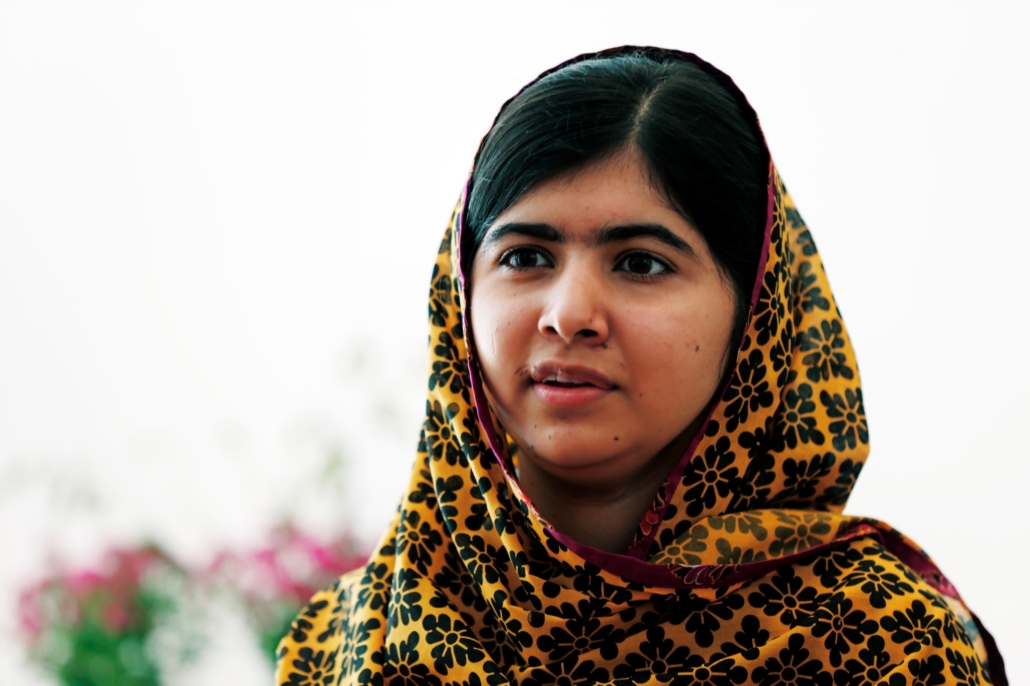
Malala Yousafzai Scholarship Act

Malala Yousafzai Scholarship Act
Malala Yousafzai is a Noble Peace Prize laureate. After surviving a Taliban encounter, she wrote the memoir, “I Am Malala.” She advocates for education and against discrimination.

On September 26, 2019, Hakeem Jeffries introduced the Malala Yousafzai Scholarship Act. Communities of Pakistan and the United States have aligned with Malala’s text, principles and initiatives while many support her opinions on terrorism and poverty. The Malala Yousafzai Scholarship Act intends to ensure that young adults and Pakistani students live without fear of discrimination, and can successfully garner an education.

The Malala Yousafzai Act

There are government programs that guide access to education throughout the diaspora communities of Pakistan. The Malala Yousafzai Scholarship Act is pushing for the United States Agency for International Development (USAID) to support education initiatives for all in Pakistan, but in particular, for women and children. In Pakistan, approximately 22.8 million children under 16 are not enrolled in school. There is a significant gender disparity too as boys tend to outnumber girls.

This is the main reason for the Malala Yousafzai Act and Congress intends to uphold the very nature of equality. The purpose of the bill is to enhance opportunities for women to obtain a scholarship. If the bill passes, USAID will leverage the number of scholarships available to women in Pakistan.

Rurally, Pakistani women face many obstacles. The development of health, nutrition and the overall labor force is a determinant in the education of women. Issues such as early marriage, transportation and societal pressures as housewives prevent women from enrolling in higher education. The World Bank states, “The benefits of education go beyond higher productivity for 50 percent of the population. More educated women also tend to be healthier, participate more in the formal labor market, earn more income, have fewer children, and provide better health care and education to their children, all of which eventually improve the well-being of all individuals and lift households out of poverty.”

The Malala Yousafzai Act continues to mitigate discrimination and gender inequality. Malala Yousafzai frequently discusses the war on terrorism and how violence is a harsh reality for the vast majority of Pakistani women. These women continue to face seclusion and exclusion on the basis of patriarchy. Terrorists actively threaten girls and women to remove them from advancement opportunities in higher education and the public sphere.

Conclusion

For her 16th birthday, at the United General Assembly, Malala said, “So let us wage a glorious struggle against illiteracy, poverty, and terrorism. Let us pick up our books and our pens. They are the most powerful weapons. One child, one teacher, one book, and one pen can change the world. Education is the only solution.”

Currently, Malala is a student at the University of Oxford. She is studying politics, economics and philosophy. She continues to engage with women from across the globe, inspiring emerging adults to voice opinions. Anyone can make a direct impact by sending an email to Congress via The Borgen Project. For more information on how to advocate for the bill, visit here.

– Zach Erlanger
Photo: Flickr

December 3, 2019
https://borgenproject.org/wp-content/uploads/borgen-project-logo.svg 0 0 Lynsey Alexander https://borgenproject.org/wp-content/uploads/borgen-project-logo.svg Lynsey Alexander2019-12-03 07:30:012019-11-29 14:39:21Malala Yousafzai Scholarship Act
Developing Countries, Development, Global Poverty, Health

Examining the Health Care System in Zambia

Health care system in Zambia
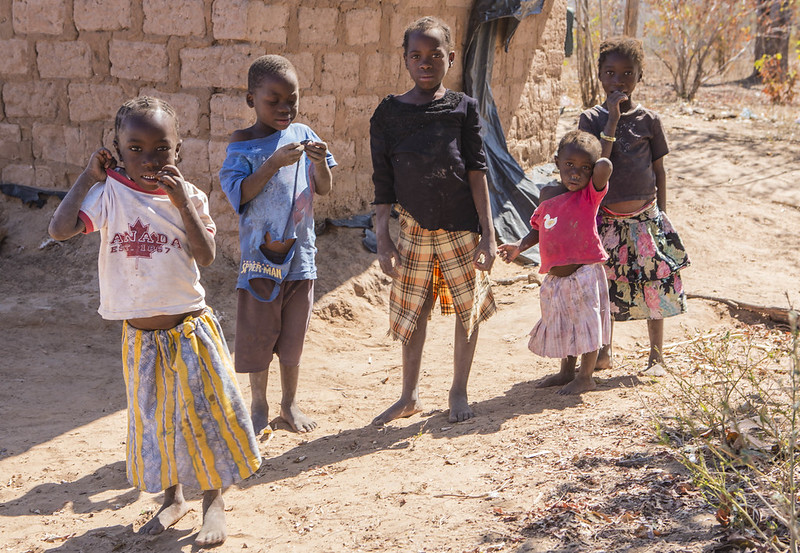
Zambia’s healthcare system is decentralized, therefore it is broken up into three different levels: hospitals, health centers and health posts. Hospitals are separated into primary (district), secondary (provincial) and tertiary (central). It offers universal healthcare for its citizens, yet the health care system in Zambia remains one of the most inadequate in the world.

Universal Health Care

Zambia is working on implementing universal health care coverage for its citizens to diminish the burden of accessing life-saving treatments. At the moment, Zambia’s government-run health facilities offer basic healthcare packages at the primary (district)level free-of-charge. Their services are under the National Health Care Package (NHCP). With this being said, due to “capacity constraints” and limited funding, the services sometimes do not reach those who need it most. Luckily, the Ministry of Health (MoH) of Zambia and Japan International Cooperation Agency (JICA) have come together in order to help restore the health care system in Zambia. They are investigating ways to effectively set priorities so that processes in health facilities can run faster and smoother.

Private vs Public Healthcare

Even though there are a good number of public and private health facilities, a lot of the public hospitals are chronically underfunded. Another major problem in the public healthcare sector is that there is inequality in the order that doctors meet with patients. As mentioned above, the public sector is divided into three divisions, level one hospitals are in charge of provision of services and level two and three hospitals are referral or specialized hospitals.

District Health Offices (DHOs) are staffed by community health assistants (CHAs). Over the course of their one-year training, they are prepared to improve the management of malaria, child and maternal health and common preventable health conditions. DHOs spend 80 percent of their time on disease prevention and health promotion and another 20 percent “at the health post.”

There are good private hospitals in Zambia’s big cities, for example, Lusaka. They offer their services to everyone with the majority of people that participate in the private sector being foreigners or affluent Zambians. Over 50 percent of formal health services in rural Zambia are private clinics or hospitals. They also account for 30 percent of all health care in the nation. Even though they offer higher quality services at a faster rate, when a serious medical emergency presents itself, the majority of the time people will be evacuated to South Africa since they are able to provide better medical services.

Pharmacies

Pharmacies are not always stocked with the medications or drugs that most people need when they are sick. Even though they are available in most major cities and towns in Zambia, they do not operate on a 24/7 schedule. Their typical work week is Monday to Saturday. When people are in need of a pharmacy, it is recommended to go to one that is attached to a hospital or a clinic for immediate assistance.

Diseases

Zambia’s top five killer diseases are HIV/AIDS, neonatal disorders, lower respiratory infections, tuberculosis and diarrheal diseases. Zambia also sits in the malaria belt, so it is recommended to have a mosquito net to prevent mosquito bites. Other diseases like cholera and dysentery are common during rainy seasons. The Centers for Disease Control and Prevention (CDC) has been helping Zambia since 2000 after establishing an office in the nation. The CDC “funds and assists international and local organizations” like the Ministry of Health to “provide health services at the national and community level.” In addition, the CDC has performed more than 173,000 medical male circumcisions and has prevented 98 percent of HIV exposed infants from getting HIV in 2018.

– Isabella Gonzalez
Photo: Flickr

November 30, 2019
https://borgenproject.org/wp-content/uploads/borgen-project-logo.svg 0 0 Lynsey Alexander https://borgenproject.org/wp-content/uploads/borgen-project-logo.svg Lynsey Alexander2019-11-30 07:30:362024-05-29 23:13:26Examining the Health Care System in Zambia
Developing Countries, Global Poverty, Health, War and Violence, Water

A Look at The Water Crisis in Kashmir Region

Water Crisis in Kashmir
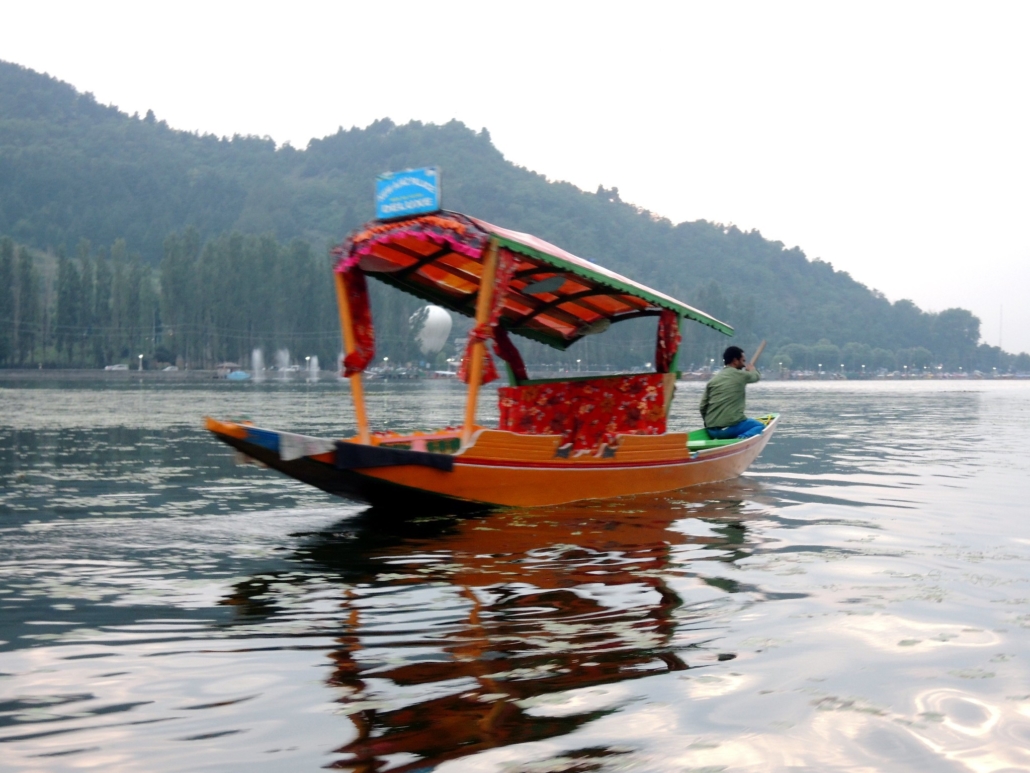
Many countries around the world do not have sufficient access to clean water and two of the most deprived counties are India and Pakistan. Both countries are seeing rapid population growth, but they also lack the proper infrastructure to provide their citizens with water. There is a long history of conflict between the two neighbors, and the heavily disputed Kashmir region has added to the conflict. The water crisis in Kashmir should be the focus, however.

Background on Pakistan

Pakistan is in eastern Asia, bordering Iran, Afghanistan and India, as well as sharing a small border with China. It is the sixth most populated country with around 207 million people. The country also borders the Arabian Sea to the south. It recently ranked 140 out of 180 countries in the quality of water and sanitation on the Environmental Performance Index. Regional conflict, arid land, inefficient sanitation and water conservation resources have contributed to Pakistan’s lack of clean water. In Pakistan, about 21 million people are without clean water.

Background on India

India has the second-largest population in the world at 1.3 billion people and it lives within an area smaller than the United States. Despite many improvements to water facility access, India still lacks the adequate resources necessary to provide its large citizenry with clean water. Rapid urbanization has caused sprawling urban areas, where the people who live on the outskirts have no access to water unless they build wells.

Close to 600 million people are facing acute water shortages, and 21 cities might run out of groundwater by 2020. Both India and Pakistan commit much of their water to agriculture. India is a grain-producing country, which requires large amounts of water. India and Pakistan both have very low groundwater levels due to using it for farming.

The Indus Treaty

In the 1960s, the two neighbors agreed on a treaty to allocate the water that flows through the Kashmir region. The World Bank brokered the treaty, called the Indus Treaty, in an attempt to properly divert the water that flows into India and Pakistan throughout the disputed area.

Both sides have threatened to leave the treaty. Indus is the name of one of the longest rivers in Asia and its tributaries provide many countries with water. As the conflict over the Kashmir region has risen, the Indian government has threatened to divert one of the rivers by building dams and ultimately reducing the amount of water that flows to Pakistan.

India is also looking to build a dam in the Rari River. Since the creation of the treaty, the Rari River has been one of the main sources of water for Pakistan coming from the Kashmir region.

The Feud Over Kashmir

In 1834, the Sikh Empire annexed Kashmir, but after the war with Britain, the British gained control in 1846. Kashmir ultimately became part of Britain’s Indian colony, with the name Jammu and Kashmir.

Britain relinquished control of India in 1947, after which the Pakistani and Indian nations emerged. Pakistan controls the northern part of Kashmir, while the more southern Jammu and Kashmir are under Indian control. At the time of the British withdrawal, the ruler of Kashmir wished to stay neutral and maintain control over the region.

Kashmir has undergone long disputes. It stands at the northernmost point in India, and to this day, looks to obtain as much autonomy as it can from the Indian government. Both Indian and Pakistan lay claim to the Kashmir region and the region has been the basis of two of the wars between the neighboring countries. In fact, one of the wars was the first war between the two nuclear-armed nations.

As a way to maintain control over the region, the Indian government recently revoked the special rights afforded to the Muslim population in the Kashmir region and took many steps to diminish dissent. These steps included sending troops, enforcing a curfew, shutting down telecommunications like text messaging and internet services and arresting people the government deemed political prisoners.

Many in the region look to obtain independence or even to succeed in Pakistan since their Muslim majority sees Pakistan as a more welcome nation to be a part of. Pakistan and India have fought over the divided region to maintain control, but just recently, India looked to use the region as a weapon against its neighbor. After a suicide attack in February 2019 on Indian soldiers, which the Indian government blamed on Pakistani backed militants, relations between the countries have worsened with both sides threatening the other, and the conducting of airstrikes against Pakistan.

The Conclusion

The disputed Kashmir region will only increase in importance as both India and Pakistan face growing populations and decreasing groundwater levels. India and Pakistan are two of the most water-scarce countries in the world, so the water coming from the Indus River system is essential. The water crisis in Kashmir is affecting both countries, and both countries are working to improve access to clean water. There are also many organizations making it their mission to provide people with clean water.

UNICEF has promoted WASH programs to provide communities with education and resources on the importance of hygiene. Groups like charity: water has dedicated itself to providing clean water to countries in need, including Pakistan and India. It does this by building wells, improving sanitation to ensure clean water remains clean and other techniques to obtain and maintain clean water. With better techniques, the water crisis in Kashmir should diminish significantly. Also, the use of water as a political tool would no longer be a viable option.

– Jared Hynes
Photo: Flickr

November 28, 2019
https://borgenproject.org/wp-content/uploads/borgen-project-logo.svg 0 0 Lynsey Alexander https://borgenproject.org/wp-content/uploads/borgen-project-logo.svg Lynsey Alexander2019-11-28 07:30:002024-06-05 01:28:30A Look at The Water Crisis in Kashmir Region
Developing Countries, Development, Global Poverty

The Solomon Islands Develop Telecommunication Technology

Develop telecommunication technology
The Solomon Islands has reached a deal with Australia to help develop telecommunication technology in the country. Only about one-sixth of the country’s 660,000 people are currently connected to the Internet, with most of that population concentrated in the Solomon Islands’ urban areas and relying on satellite connections to use it. The Solomon Islands tech deal with Australia will allow the country to connect to outside servers and develop telecommunication connections within. Australia had also previously helped the Solomon Islands quell civil unrest between various indigenous militias between 2003 to 2017.

The Giant Undersea Cable Project

The Australian communications company Vocus is in charge of the construction of a major underwater cable known as the Coral Sea Cable System. Australia granted it in 2017 with a grant of $137 million, and Australia, the Solomon Islands and Papua New Guinea agreed to the deal to build the cable in 2018. The Coral Sea Cable System is a 4,700 km (2920 mi) underwater cable that will link Sydney to Port Moresby and Honiara, with the latter also connecting to Solomon Islands Domestic Network linking the archipelago. The cable will transfer over 40 TB of data to all three ports in the network, which would allow for 300,000 new jobs and growth of $5 billion in GDP for Pacific countries such as the Solomon Islands by 2040. As noted previously, only a small percentage of the population that uses the Internet use satellite to connect to it. As such, the underwater cable should grant the island nation more reliable and stable connections in part for the Solomon Islands tech deal which has helped to develop telecommunication technology significantly.

Since making the deal official, the project has made much progress in building its undersea cable network. The project installed landing sites at Port Moresby and Honiara in July 2019, symbolized by a golden buoy marking the occasion. In August 2019, it installed the landing site in Sydney and the final splice in September 2019. The Solomon Islands Domestic Network planned to finish in time for the December 2019 activation. Once complete, the Solomon Islands, alongside neighboring Papua New Guinea, can connect to a more reliable broadband connection and reliable Internet access.

Other Developments

Before the Solomon Islands tech deal with Australia, the Solomon Islands’ fisheries brokered a deal with the World Wide Fund for Nature (WWF) for training tech. Beginning in May 2018, the WWF provided funds for new tech such as tablets that allow for training of observers to monitor and observe fishing levels in the Solomon Islands and currently has 85 percent of electronic reporting by satellite commutation with the Ministry of Fisheries and Marine Resources (MFMR). This efficient approach also lets observers electronically report between fishing boats out at sea and stations back on land. While the deal occurred before the Coral Sea Cable system deal, the e-reporting will benefit greatly from the system implementation upon its completion in 2019.

The Solomon Islands tech deal with Australia will build the internal infrastructure and bolster the Internet connection in the country by connecting the Solomon Islands with not only neighboring Papua New Guinea and Australia but the archipelago as well. The project also will bolster existing tech programs with improved infrastructure once completed. The project should complete by the end of 2019. Continuing to develop telecommunication technology is important for the global population.

–  Henry Elliott
Photo: Pixabay

November 27, 2019
https://borgenproject.org/wp-content/uploads/borgen-project-logo.svg 0 0 Lynsey Alexander https://borgenproject.org/wp-content/uploads/borgen-project-logo.svg Lynsey Alexander2019-11-27 11:30:182024-06-11 23:17:17The Solomon Islands Develop Telecommunication Technology
Activism, Developing Countries, Global Poverty, Hunger

Kelvin Beachum Fighting to End World Hunger

Kelvin Beachum

As an offensive tackle in American Football, Kelvin Beachum is accustomed to being in tough circumstances. But as a child, he remained unaware of the harsh reality of food insecurity that his hardworking parents struggled with. His family grew up poor but his parents always found a way to provide, sometimes having to rely on government programs like food stamps or WIC (Women, Infants and Children) to put food on the table. Now, the football player does his part by giving back to ensure that fewer families have to worry about where their next meal will come from.

Beachum and World Vision

There are 795 million hungry people throughout the world, and malnutrition is the cause of almost half of all deaths of children under the age of 5. These sobering facts have inspired Beachum to take his cause for food security international. In the summer of 2016, he traveled to Honduras with World Vision, a global Christian humanitarian organization, to witness how another country deals with the issue of childhood hunger. He was surprised to discover that finding a source of clean water is just as difficult as finding food within the country.

During his travels, he visited a rural school where he witnessed a water tank system that is part of a World Vision water project and will eventually provide access to clean water for more than 200,000 people. In another community he visited, World Vision facilitated the growth of an economic empowerment project, which provides clean drinking water for the entire community as well as water for agricultural irrigation.

Beachum and World Food Day

Beachum also advocates for World Food Day, which is celebrated every year on October 16th to honor the founding of the U.N.’s Food and Agriculture Organization in 1945. For World Food Day 2018, he created a match challenge for five food banks throughout the U.S. His plan entailed donating $5,000 to each food bank and doubling his donation if members of the community matched his contribution.  Eventually, he reached his goal of $70,000, which provided 327,000 meals for hungry individuals throughout the U.S.

“It allows me to keep things in perspective,” Beachum states. “I was…on food stamps growing up…We had people who helped us out. So, for me, that keeps me grounded, honestly, because I was there.”

Kelvin Beachum and Feed the Future

His advocacy extends Feed the Future (FTF), the U.S. government’s global hunger and food security initiative. FTF works with partner countries to break the vicious cycle of poverty and hunger by developing their agricultural sectors and working to sustainably grow enough food to feed their people. They are also leading the implementation of the Global Food Security Act of 2016, which promotes global food security, resilience and nutrition. FTF draws on resources and expertise from multiple U.S. federal departments and agencies, such as the U.S. Department of Agriculture (USDA) and the U.S. Agency for International Development (USAID).

The progress speaks for itself; it is projected that 23.4 million more people are living above the poverty line, 3.4 million more children are living free of stunting, and 5.2 million more families do not go hungry within the countries that FTF partners with. The Global Food Reauthorization Act, signed by President Donald J. Trump in 2018, ensures that funding continues for FTF so the assistance they provide for hungry individuals around the world will persist.

Conclusion

Through his advocacy and partnership with organizations such as FTF, Kelvin Beachum is breaking the mold of the stereotypical football player. His interest in humanitarian issues all started with a canned food drive in college and has blossomed into global efforts that are making real change. His hope is to inspire others to take action through advocacy, donations, and volunteering. “The world is going through a lot right now,” Beachum writes. “Anything [one] can do to bring light to it—that’s impactful.”

– Rachel Baum
Photo: Flickr

November 25, 2019
https://borgenproject.org/wp-content/uploads/borgen-project-logo.svg 0 0 Kim Thelwell https://borgenproject.org/wp-content/uploads/borgen-project-logo.svg Kim Thelwell2019-11-25 07:30:012024-05-29 23:13:42Kelvin Beachum Fighting to End World Hunger
Children, Developing Countries, Development, Education, Global Poverty

In CodersTrust We Trust: Providing an Education and Life for Those in Need

CodersTrustThe only things a person needs to survive is food, water and shelter, but they won’t thrive. To provide them with an opportunity to thrive starts by giving them access to education. While this seems relatively easy for some, others are not as lucky to have this opportunity. For those who are not as fortunate or not able to access education, putting forth legislation and supporting non-profits and other NGOs that give people this opportunity allow citizens who once had nothing to thrive and become productive members of society able to give back to the community. Organizations such as CodersTrust give people the opportunity for an education they most likely would not receive.

CodersTrust

CodersTrust was founded in 2014 in Denmark with the hope of providing access and marketable skills to children and young people around the world who are considered “underprivileged, disadvantaged and marginalized,” people who do not have access to education or opportunities to thrive in a professional setting. They welcome children and young people from all walks of life including women, those who are disabled or refugees, teaching them both digital skills and soft skills which give them the best chance at finding a job or internship opportunity; for one of the goals of the organization is to train as many people as well as possible. These are the people who have very few options in life, CodersTrust gives them an opportunity they might not have to get an education and be independent. 

Mads Galsgaard, the current CEO of CodersTrust, spoke more candidly about the reason behind the formation of CodersTrust saying, “CodersTrust was founded on the vision to create affordable education and job access to people in developing countries. The founders deeply believe in outsourcing work to talented people abroad and through their past projects, they came across several talented people in Bangladesh, helping them with accounting, etc.”

As of now the organization itself is rather small but is looking to expand. According to Galsgaard, there are three people stationed in Denmark, three people in Kosovo and two people in Kenya. The largest headquarters in Bangladesh with over 50 staffers there. Regarding the future plans for the company, Galsgaard states, “We are scaling up the business and will onboard new staff members in the coming months, to ensure that our online and franchise partners are given the full human interaction that is key for a successful education and job creation.”

CodersTrust was founded with the UN’s Sustainable Development Goals in mind. The Sustainable Development Goals, SDGs, were created in 2016 with the idea that they were created to ensure that all countries will fight to end poverty, fight inequality and address climate change, all while ensuring all people are apart of the conversation and that people globally will benefit from these goals. The SDGs are based on the success of the Millennium Development Goals and address all countries to do their part, not just the wealthier countries. The goals combine the importance of ending poverty and social justice while trying to protect the plant and stop the adverse effects of climate change. There were seventeen rules implemented when the UN created this plan. CodersTrust works to follow rules 1, 4, 5, 8 and 10. These rules are no poverty (1), quality education (4), gender equality (5), decent work and economic growth (8) and reduced inequalities (10). CodersTrust’s dedication to these rules is something Galsgaard is extremely proud of with the organization. 

Opportunities for Women and Young Girls

Coderstrust has also done many projects to assist women and girls in obtaining an education and having a fair shot as well, for one of their main focus groups is women and young girls. They have partnered with other organizations, that too help with offering those in areas where education is not possible, an opportunity for education. When speaking of the impact CodersTrust has had on the battle for gender equity, Galsgaard says, “We have done several projects to focus on young women, in Kosovo with Women in Online Work (WoW) and recently in Bangladesh, where are training 1000 women to become digital freelancers.”

The interesting part of CodersTrust does that differs them from other organizations is that it works to combine education with job experience and job hunting, so people working with CodersTrust are doing both at the same time. They also encourage globalization through the internet by allowing their students and clients to branch out to businesses worldwide. The example they use on their website is “Companies in Bratislava can have their website built in Kenya and students in the Philippines can bid on managing the Social Media Portfolio for the Mountain Bike Shop in White Horse, Canada.” Since the foundation of CodersTrust, 11,525 people have received an education and graduated, 11 countries have been introduced to CodersTrust and 18 different courses have been offered to students. CodersTrust has mainly reached students in the Global South, as well as post-war zones, for education and job opportunities are the worst there. 

With the development of this organization, their goal and plans for the future involve globalization for their education plans, and job searching in order to improve themselves and help more people. With this vision, students will be able to take everything they have learned from their time at this organization and apply it to the job market. When asked if CodersTrust intended on expanding outside of technology and freelancing, Galsgaard said, “Our primary focus is training people in digital skills, but our marketplace could over time also provide a job market for tradespeople, such as carpenters, plumbers, etc. We focus on providing a transparent platform where companies can easily find workers and have a secure payment flow, where both parties can review validated reviews, certificates and other elements to build trust and easy operation.”

Plans For The Future

With the success and the growth of CodersTrust in mind, Galsgaard talks about plans for the organization five years from now and ten years from now and what he would like the see the organization accomplish from there. Galsgaard says, “We wish to have 1 million users by the end of 2020 and 5 million by 2025. If our scale-up goes as we hope and expect, our touchpoints will be both online and offline, to ensure that people all over the world can access our offerings, as long as the student has a laptop/mobile device and a stable internet connection. We also wish to provide certain entry-level education programs for free, to ensure that we also attract people with no or little IT skills and lift them out of poverty.”

Regarding the expansion of the organization and CodersTrust’s vision for the future, Galsgaard states, “Our expansion strategy is based on providing a global footprint reaching even more people, whilst still maintaining the human interaction so each student has direct access to support anytime and anywhere.”

– Sydney Toy
Photo: Flickr

November 24, 2019
https://borgenproject.org/wp-content/uploads/borgen-project-logo.svg 0 0 Lynsey Alexander https://borgenproject.org/wp-content/uploads/borgen-project-logo.svg Lynsey Alexander2019-11-24 07:30:012019-11-29 07:48:00In CodersTrust We Trust: Providing an Education and Life for Those in Need
Developing Countries, Development, Education, Global Poverty, Technology

Bringing African Farmers into the Digital Revolution

digital inclusion for African farmersThe spread of mobile technology has granted developing nations access to the digital revolution. This is called digital inclusion. From the digital revolution, we have experienced one of the most innovative new business models, networking. Companies like Facebook and Instagram are involved in social networking. Uber and Lyft specialize in transportation networking. Go-puff, Grubhub, and Door Dash all focus on food delivery networking.

What makes these business models unique to networking is that their products are simply information. Food, cars and people’s personal information, provided by the users themselves, is the secret. Networking companies need only to provide intuitive transfer of this information over the internet.

New companies across Africa are taking advantage of the networking business model. With increased digital inclusion for African farmers, there are new ways for transactions to be streamlined.

Hello Tractor!

The mechanization of agriculture is an important innovation to spread into developing countries. Unfortunately, many farmers in these countries cannot afford to outright buy a tractor and maintain it. Hello Tractor! creates a network between tractor dealers, contractors and farmers that makes mechanization a reliable and affordable investment for all.

Based in Nigeria, Hello Tractor! targets the 36 percent of the Nigerian population that is employed in agriculture. The physical product of Hello Tractor! is a device that attaches to tractors and monitors them, sending GPS and maintenance data to the Hello Tractor! software.

Farmers use the software by downloading a mobile application, to book the dates in which they need tractors. Once contractors send out their tractors, they can use the app to see if the tractors are being used properly. Tractor dealers also have access to the information so that they may perform maintenance when required.

John Deere supplied 10,000 tractors to Nigeria’s Ministry of Agriculture in 2018 and they are all managed by the Hello Tractor! systems. Ultimately, digital inclusion for African farmers can build trust between stakeholders.

Agri-wallet

Selling produce is a more arduous task than many may think. As the market expands, this risky and tedious process only puts more pressure on farmers. Digital inclusion for African farmers can settle this issue.

Between the farmer and the consumer, there exists a distributor. However, unlike how we think of big business deals in America, these distributors can not put down payments on produce. They must take weeks to sell the products to consumers and bring back the returns to the farmers after.

A solution to this problem is in high demand as 70 percent of workers in Kenya are employed in agriculture.

Agri-wallet fits nicely into a niche area between the Kenyan farmers and the market distributers. When farmers sell to their distributors, Agri-wallet pays up-front into the farmers’ banking app. Now, farmers can restock during this intermittent period of sales.

Convenient transactions and loans such as these would not be possible without the growing interconnectivity of mobile technology spreading into Africa.

Now, 4,000 farmers in Africa are benefitting from the services of Agri-wallet.

Farmer’s Pride

According to the Kenya Agricultural Research Institute, 3 quarters of Kenyan farmers have planted fake seeds at least once. Farmer’s Pride is a Kenyan company that will provide infrastructure and safe avenues for e-commerce among farmers and distributors.

A primary focus of Farmer’s Pride is “putting the area on the map” so that village-level farmers are more attached to society as a whole. Extra care for farmers, from digital access to insurance to local access to veterinary care for livestock, is what makes Farmer’s Pride such a promising franchise.

10,000 farmers have been connected through Farmer’s Pride, making an extra $2m income through their intervention.

These secure smartphone apps are promoting e-commerce, intelligent planning and proper resource management. When African farmers are given the opportunity to be included in the digital world, the entrepreneurial and economic prosperity we have enjoyed in America will become open to them.

– Nicholas Pihralla
Photo: Flickr

November 23, 2019
https://borgenproject.org/wp-content/uploads/borgen-project-logo.svg 0 0 Jennifer Philipp https://borgenproject.org/wp-content/uploads/borgen-project-logo.svg Jennifer Philipp2019-11-23 07:30:172019-11-29 08:44:07Bringing African Farmers into the Digital Revolution
Children, Developing Countries, Development, Global Poverty, Health

5 Facts About Nauru’s Overweight Health Issue

5 Facts About Nauru’s Overweight Health Issue
Nauru is a small island country located in the Pacific Ocean near Papa New Guinea and is home to around 10,000 people. More than 70 percent of the population in this country is categorized as obese and overweight. According to the World Health Organization, Nauru has the highest percentage of overweight and obese people in the world. Its ongoing health issue has gained much attention from health organizations. Many organizations, like the World Diabetes Foundation, have reached out and offered financial help to establish health care programs in the hopes that the people of Nauru will take on a healthier lifestyle but have found little success. Here are 5 facts about Nauru’s overweight health issue.

5 Facts About Nauru’s Overweight Health Issue

  1. Causes of Death: Nauru has the highest rates of type 2 diabetes in the world with 40 percent of its inhabitants affected by the condition. This condition puts many people at risk for heart and kidney disease on the small island and many suffer from high blood pressure. Very few people live past the age of 60 on the island.
  2. The Nauruan Diet: The obesity and overweight problem found in Nauru may be because of the lack of proper nutrition in Nauruan’s diets. Many of their diets consist of white rice, instant noodles, imported Westernized foods and soda with very little fruits and vegetables. A Global Nutrition Report suggests that once Nauru makes improvements to the quality of foods available, it could start to see some success in reducing the number of people being that obesity affects. Some ways it can start working towards a healthier lifestyle is by creating easy-to-understand food labels, limiting the marketing of junk food to children and increasing taxes on sodas.
  3. Child Obesity: According to a 2017 UNICEF report, 44 percent of children ages 13 to 15 are overweight while 17 percent are obese. Many children on the island are not getting enough physical activity. Only 15 percent of children reported being physically active for at least an hour a day. On the other hand, 33 percent of children reported that they spend at least three hours per day doing sitting activities. Obesity has become a social norm that many children have accepted and do not see anything wrong with.
  4. Lack of Traditional Practices: The World Health Organization has suggested that Nauru’s obesity problem started with the decline of traditional practices such as fishing and gardening. Before the country gained independence, many Nauruan’s diets consisted of fresh fish, fruits and vegetables grown on their own land. Because of the easy money the country was able to gain from phosphate mining, people stopped farming and fishing and found it easier to import canned and frozen foods.
  5. Solutions: Obesity rates have not dropped on the island, but some have made efforts to help people get some physical activity. Events such as Walk against Cancer were prevalent in Nauru. In 2010, locals received encouragement to walk around the three-mile airport perimeter every Wednesday. The country eventually stopped the three-mile walks due to security reasons but people on the island still provide regular exercise classes.

These 5 facts about Nauru’s overweight health issue have shown that the island country of Nauru is suffering from a huge obesity problem and exercise is not the only solution to this issue. Good nutrition is an extremely important aspect of preventing diabetes, heart disease and kidney disease and something that Nauru has to prioritize to see any changes in the lifestyles of its citizens. Providing children and adults with fresh vegetables and fruits instead of imported junk foods will make a huge impact on the health of this country. The people of Nauru are capable of changing their lifestyles if provided with the right tools.

– Jannette Aguirre
Photo: Flickr
November 22, 2019
https://borgenproject.org/wp-content/uploads/borgen-project-logo.svg 0 0 Jennifer Philipp https://borgenproject.org/wp-content/uploads/borgen-project-logo.svg Jennifer Philipp2019-11-22 07:30:072024-05-29 23:13:435 Facts About Nauru’s Overweight Health Issue
Developing Countries, Development, Global Poverty

Table Banking Empowers Women in Kenya

table banking in Kenya
Table banking is a group-based funding strategy in which members form groups where they can save and borrow money immediately during meeting times. The objective of the strategy is to help the poor, particularly women, fight poverty and stay financially sound. About 97 percent of table banking members in Kenya are women.

Members of a table banking group save money each time they meet from which they can take either short or long term loans. The repayment of these loans is what helps to grow the group’s revolving fund. Different groups have varying methods of how they can raise additional funds. Some tactics include investing in land, applying for grants from county governments or fining members for lateness and absenteeism.

How Table Banking is Different From Conventional Banking

Table banking in Kenya became popular among women because it made it easy for them to access loans without land. Additionally, it means that they no longer have to go through microfinance institutions to get loans. While table banking groups have similar principles as a guide, each group creates and agrees on their own rules such as which members can receive loans and what the terms of repayment are. This means that interest rates can be as low as 1 percent, compared to an interest rate of 12.39 percent in banks.

Another key difference between conventional banking and table banking is that when a member of a table banking group gets into difficulty in terms of repaying their loan, their group members assist them to overcome those difficulties. As the group members are dependent on and accountable to one another, the loan repayment rates tend to be high.

Benefits of Table Banking

Table banking has given women, who were once totally dependent on their husbands for everything, the ability to support their families as well. Women have been able to help out when it comes to paying school fees and rent as well as purchasing groceries and other household goods. The Joyful Women Organization (JOYWO) reports that as women increasingly become part of the source of income for their families, people no longer view them as liabilities. This has strengthened family bonds.

In addition to financing household activities, table banking in Kenya has enabled women to create small businesses or to expand their already existing ones. JOYWO, which is one of the most visible table banking movements in Kenya, has documented success stories of women who have put up rental houses and started small shops where they sell various items.

Table banking in Kenya has also given women the ability to buy and own land. Reports show that while women can constitutionally buy and own land, less than 7 percent of women have title deeds.

Women in Africa contribute between 60 percent to 80 percent of food, but they only have an estimated 5 percent access to agricultural extension services. The Global Report on Food Crises 2018 estimates that at least 25 percent of Kenya’s population is food insecure as a result of dry weather. As more women take ownership of land, they will be able to use their harvest as food to feed their families or as a means of income which will enable them to buy what they do not have at home, making their families food secure.

Conventional Banks are Taking Notice

The Central Bank of Kenya shows that women currently account for at least 82 percent of total savings in Kenya. Leading banks in the country are taking notice of the effects of table banking in Kenya and most of them now have group accounts to entice the various groups. Additionally, the banks are now reaching out to the various groups and offering them loans on friendly terms.

Table banking in Kenya has been a game-changer for women as individuals as well as for their families and it is going a long way in helping lift people out of poverty.

– Sophia Wanyonyi
Photo: Flickr

November 21, 2019
https://borgenproject.org/wp-content/uploads/borgen-project-logo.svg 0 0 Lynsey Alexander https://borgenproject.org/wp-content/uploads/borgen-project-logo.svg Lynsey Alexander2019-11-21 07:30:532024-06-05 02:12:18Table Banking Empowers Women in Kenya
Children, Developing Countries, Development, Global Poverty

Breaking the Cycle: Investing in Early Childhood Development

Breaking the Poverty Cycle by Early Childhood Development

Insufficient early childhood development is an epidemic in the developing world. It is the engine that propels the cycle of poverty. According to the World Bank, 250 million children around the globe are at risk of not reaching their full potential due to poverty as well as physical and cognitive stunting. Of note, only half of all 3-to-6-year-olds around the world have access to primary school. The Global Partnership for Education reports that there are over 175 million children not enrolled in pre-primary education worldwide. When it comes to breaking the poverty cycle, early childhood development cannot be ignored.

According to a Wyoming Scholars Repository report, childhood poverty can change the structure of a developing brain, potentially impacting the frontal lobe, the temporal lobe, the prefrontal cortex, the amygdala, the hippocampus and neurotransmitter. This means that a child’s attention, inhibition, emotional regulation, motivation, planning and decision-making skills are all at risk of not reaching their full potential. The same report found that low socioeconomic status is responsible for around 20 percent of the variance in childhood IQ.

Furthermore, according to the Childhood Poverty Policy and Research Centre, approximately 1 billion children will be growing up with stunted mental development by 2020. This is why early childhood development is the key to breaking the poverty cycle.

Two Components of Early Childhood Development

There are two main components of early childhood development that many impoverished children lack which are essential to brain development. The first is education and stimulation. According to UNICEF, early childhood education builds cognitive and language skills, increases social competence and supports emotional development. Early childhood stimulation and care boost the brain’s capacity to function by sparking neural connections across multiple regions of the brain. According to the World Bank, a 20-year study of children in Jamaica showed that early stimulation interventions for infants and toddlers increased their future earnings by 25 percent. In addition, a World Bank Group analysis in 12 countries found that children involved in early education are more likely to be employed in high-skill jobs as adults.

The second component is health and nutrition. Sufficient early childhood health begins with prenatal care. The Wyoming Scholars Repository reports that deficiencies in nutrients such as folate, choline, B12, zinc, omega-3 fatty acids, iodine and iron are commonly noted in pregnant women living in poverty. These deficiencies can increase the risk of defects such as oral-facial clefts, spina bifida and stunting in eye and brain development.

According to the Childhood Poverty Policy and Research Centre, childhood malnutrition and nutrient deficiencies also increase a child’s vulnerability to diseases both in childhood and adulthood, which greatly decreases the likelihood of breaking the poverty cycle. Some gains can be made in adulthood to combat the consequences of insufficient early childhood development, but many effects, especially those related to cognitive development, are irreversible. Mitigating the stunting of children in poverty is crucial to reducing global poverty. According to the World Bank, children in a long-term study in Guatemala who suffered from stunting were much more likely to break the poverty cycle and earned up to 50 percent higher wages in adulthood.

Economic Benefits of Early Childhood Development

Research shows that investing in early childhood development has economic benefits at an individual and societal level. A RAND Corporation analysis found that targeted early interventions like education, health services, parent skill training and child abuse recognition create positive economic and societal outcomes such as:

  • Improvements in educational process and outcomes for the child
  • Increased economic self-sufficiency, initially for the parent and later for the child, through greater labor force participation, higher income and lower welfare usage
  • Reduced criminal activity
  • Improvements in health-related indicators, such as child abuse, maternal reproductive health and maternal substance abuse

Early childhood development proves to be a cost-efficient investment. According to the World Bank, for every $1 invested, there is a return of between $6 and $17. A report conducted by the Copenhagen Consensus and the Indian Consensus Prioritization Project found that implementing cash incentives to increase enrollment in pre-school education and passing policies to improve the quality of pre-school both show positive benefit-to-cost ratios.

Liberia is a good example of a country that has taken notice of the value of the investment in early childhood development.

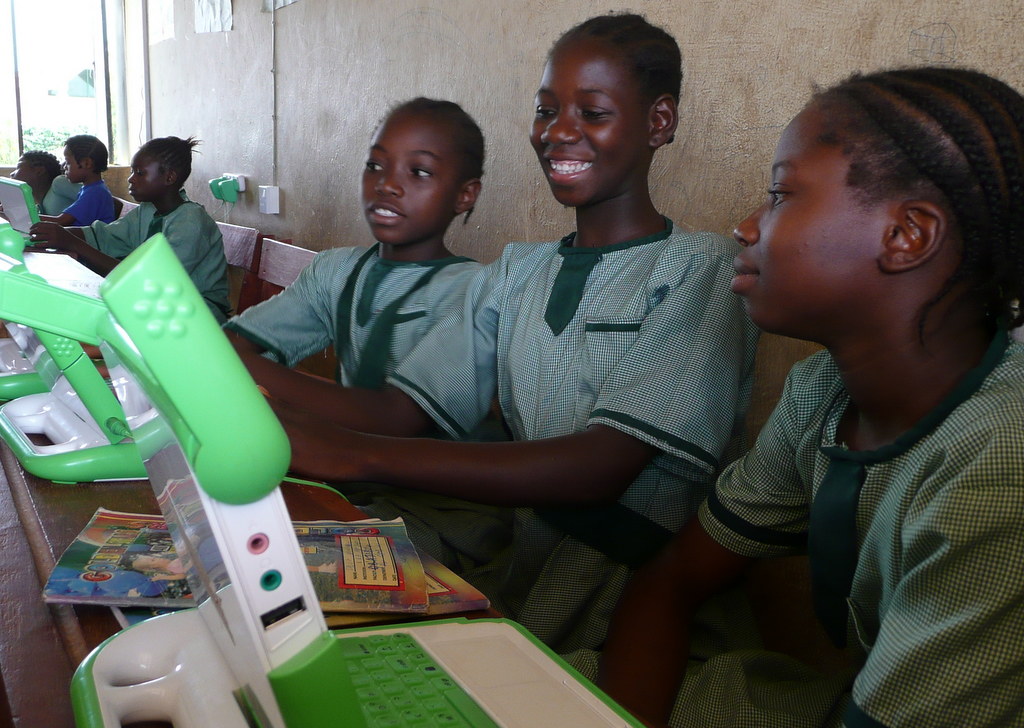
In 2010, Liberia’s Ministry of Education implemented the Education Sector Plan for 2010-2020 with a grant from the Global Partnership for Education. The plan committed to cross-sectoral efforts around early childhood development and the expansion of access to pre-primary education. In 2011 the government established the Bureau for Early Childhood Education and approved its National Inter-Sectoral Policy on Early Childhood Development.

However, according to the Bernard van Leer Foundation, the Early Childhood Development Community Education and Awareness Programme (ECDCEAP) passed in 2012 has been the most effective in raising awareness about the importance of early childhood development. The program trains mental health professionals, pre-school teachers on childhood development knowledge and health workers and midwives to provide proper support to pregnant women and new mothers. There has yet to be a formal analysis of the ECDCEAP. However, the Bernard van Leer Foundation states that anecdotal evidence suggests an improvement in the comprehension and action surrounding early childhood development.

The Global Partnership for Education (GPE) is a non-governmental organization that focuses on bringing education and early childhood development to the developing world. The organization has invested $270 million in early childhood education in 35 countries and two-thirds of the organization’s grants in 2018 included support for early childhood care and education. According to a GPE report, enrollment in pre-primary education doubled from 2002 to 2016 in the countries partnering with the organization.

Early childhood development is the key to breaking the poverty cycle. It gets the root cause of poverty’s cyclical behavior. Although organizations like The Global Partnership for Education are making large strides, early childhood development is not as recognized as it should be for reducing poverty. According to the same GPE report, 40 percent of countries with data allocate less than 2 percent of their education budget to early childhood education and less than one percent of global aid is invested in pre-primary education. To end the cycle of poverty, early childhood development needs to move up the hierarchy of foreign aid, government expenditure and international focus.

– Zach Brown
Photo: Flickr
 

November 21, 2019
https://borgenproject.org/wp-content/uploads/borgen-project-logo.svg 0 0 Kim Thelwell https://borgenproject.org/wp-content/uploads/borgen-project-logo.svg Kim Thelwell2019-11-21 07:30:382024-05-29 23:13:15Breaking the Cycle: Investing in Early Childhood Development
Page 90 of 158«‹8889909192›»

Get Smarter

  • Global Poverty 101
  • Global Poverty… The Good News
  • Global Poverty & U.S. Jobs
  • Global Poverty and National Security
  • Innovative Solutions to Poverty
  • Global Poverty & Aid FAQ’s
Search Search

Take Action

  • Call Congress
  • Email Congress
  • Donate
  • 30 Ways to Help
  • Volunteer Ops
  • Internships
  • Courses & Certificates
  • The Podcast
Borgen Project

“The Borgen Project is an incredible nonprofit organization that is addressing poverty and hunger and working towards ending them.”

-The Huffington Post

Inside The Borgen Project

  • Contact
  • About
  • Financials
  • President
  • Board of Directors
  • Board of Advisors

International Links

  • UK Email Parliament
  • UK Donate
  • Canada Email Parliament

Get Smarter

  • Global Poverty 101
  • Global Poverty… The Good News
  • Global Poverty & U.S. Jobs
  • Global Poverty and National Security
  • Innovative Solutions to Poverty
  • Global Poverty & Aid FAQ’s

Ways to Help

  • Call Congress
  • Email Congress
  • Donate
  • 30 Ways to Help
  • Volunteer Ops
  • Internships
  • Courses & Certificates
  • The Podcast
Scroll to top Scroll to top Scroll to top