• Link to X
  • Link to Facebook
  • Link to Instagram
  • Link to TikTok
  • Link to Youtube
  • About
    • About Us
      • President
      • Board of Directors
      • Board of Advisors
      • Financials
      • Our Methodology
      • Success Tracker
      • Contact
  • Act Now
    • 30 Ways to Help
      • Email Congress
      • Call Congress
      • Volunteer
      • Courses & Certificates
      • Be a Donor
    • Internships
      • In-Office Internships
      • Remote Internships
    • Legislation
      • Politics 101
  • The Blog
  • The Podcast
  • Magazine
  • Donate
  • Click to open the search input field Click to open the search input field Search
  • Menu Menu

Archive for category: Developing Countries

Information and stories about developing countries.

Developing Countries, Economy, Education, Global Poverty, Health

Top 10 Facts About Living Conditions in Nauru

Facts About Living Conditions in Nauru
Situated in the Pacific Ocean to the northeast of Australia, the Republic of Nauru is the smallest island nation in the world. Phosphate mining has rendered 80 percent of the island unhabitable and devoid of arable land. Phosphate deposits depleted in the 1980s and Nauru’s economy stagnated, transitioning the country from fiscally self-sustaining to externally dependent. The country’s history, economy and foreign relationships interlace with—and have shaped many aspects of—Nauruan life, as evidenced by the top 10 facts about living conditions in Nauru.

Top 10 Facts About Living Conditions in Nauru

  1. Population: Nauru’s population is approximately 11,000. Ninety percent are indigenous to the island, almost half of the population are under the age of 24 and 3.5  percent are 65 and older. Although the country’s landmass is only eight square miles, Nauru is one of the world’s most densely populated countries.
  2. Colonialism: Nauru remained under colonial authority until gaining independence in 1968. For example, Germany annexed it in 1888, Japan occupied it in WWII and the United Nations (U.N.) subsequently placed Nauru under Australian administration. The nation only became of economic interest to colonial powers after the discovery of phosphate deposits in the late 19th century.
  3. Australian-Nauru Relations: Nauru sought damages from Australia in 1989 for “rehabilitation of the phosphate lands.” Before WWII, Germany and the United Kingdom split mining profits, and following the war, Australia and the United Kingdom divided revenues. The Hague sided with Nauru and the two countries settled in 1993 with Australia agreeing to pay $56 million AUD that year and another $50 million AUD over the next two decades. Australia continues to be Nauru’s greatest source of economic stimulus, its contributions making up 20 percent of the national GDP.
  4. Economy: Phosphate mining and production is integral to Nauru’s economy and continues to be the country’s most valuable resource. Phosphate is one of the key plant nutrients to make food crop fertilizer. Additionally, phosphate mines are an essential source of employment. A national economic crisis occurred in the 80s when Nauru exhausted existing deposits. Secondary mining did resume in 2005, but Nauru’s government estimates that reservoirs will be barren by 2030. Other niche industries have recently emerged, including immigration taxation and licensing commercial fishing. The Republic of China (ROC) and Nauru signed a fishing cooperation accord in 2004 to strengthen trade relations between the two countries. Renewed in 2016, the cooperation accord provides funds to improve Nauru’s fishing industry and promotes sustainable fishing practices.
  5. The Pacific Solution Policy: In 2001, Nauru became one of two Australian off-shore regional processing centers for refugees and asylum-seekers in an arrangement called the Pacific Solution policy. In exchange, the Australian Government would provide $1 million AUD annually for its operation, immediately pay $16.5 million AUD for infrastructure and provide increased access to Australian education and additional maritime security. Facilities closed from 2007 to 2012 due to international objections, including indefinite detention times and evidence of abuse; however, despite criticism, operations have since recommenced.
  6. Employment: Following the economic downturn in the 1980s, Nauru did not significantly diversify its industries, unemployment levels increased and the country became heavily dependent on external economic stimulus. For example, the uptick in employment levels in 2012 was the result of regional processing centers reopening. Facilities directly provided 500 jobs, and indirectly generated substantial ancillary employment opportunities; next to Nauru’s government, Australia is the country’s second-largest source of employment.
  7. Health Care: Nauru was one of seventeen countries in 2016 that, proportionate to its economy, spent over 10 percent of its GDP on health care. The Marshall Islands spent the most at 23.3 percent and Monaco spent the least at 1.7 percent. Despite this, many Nauruan’s develop noncommunicable diseases, specifically, obesity, diabetes and cardiovascular disease. Although obesity remains an issue in Nauru, it has made progress as male diabetes rates have declined 1 percent over the past decade and high blood pressure levels have decreased for both genders by 6 percent.
  8. Poverty: Nauru is officially a middle-upper-income nation, and previously, it was the wealthiest country per capita. However, a 2018 U.N. report showed that a quarter of Nauruans live in “basic need” poverty, too poor for the cost of food and access to necessities such as clean water, health care and education. The same 2018 report noted that Nauru had no instances of food insecurity, however.
  9. Education: Education in Nauru is free and mandatory until the age of 18. Eighty percent of Nauruan children enrolled in early and primary education in 2015, but only half that number attended secondary school. The Government addressed truancy in 2016, an ongoing concern for students in Nauru, by enacting the Nauru Education Assistance Trust Scheme (NEATS). NEATS incentivizes students to attend school by providing them with $5 a day to set aside for adulthood and help them establish businesses or purchase homes when they graduate. Following NEAT, school attendance increased by 11 percent from 2016 to 2018.
  10. National Sustainability: Nauru is confronting the significant damage that phosphate mining caused. The government acknowledges that it is an economically volatile and diminishing commodity. For example, the ROC and Nauru’s 360 Project is an initiative that encourages national self-sufficiency in areas such as vocational training, transitioning to solar energy and specialized forms of agriculture; the latter is to mitigate reliance on imported goods. The United Arab Emirates has aligned with Nauru to achieve similar efforts, providing financial aid for Nauru to establish its first solar energy plant, which opened in 2016.

These top 10 facts about living conditions in Nauru reveal that its history is complex. The country’s remote location, limited economic opportunities and increasing dependence on foreign investment—usually politically contingent for all countries—continue to impact the Nauruan population. However, ongoing U.N. involvement and foreign relationships with countries like Australia and the ROC, are working to address Nauru’s long-term social issues.

– Annabel Fay
Photo: Wikipedia Commons
February 25, 2020
https://borgenproject.org/wp-content/uploads/borgen-project-logo.svg 0 0 Lynsey Alexander https://borgenproject.org/wp-content/uploads/borgen-project-logo.svg Lynsey Alexander2020-02-25 07:30:262024-06-05 02:36:46Top 10 Facts About Living Conditions in Nauru
Developing Countries, Extreme Poverty, Global Poverty

5 Mental Health Effects of the Yazidi Genocide

5 Mental Health Effects of the Yazidi Genocide
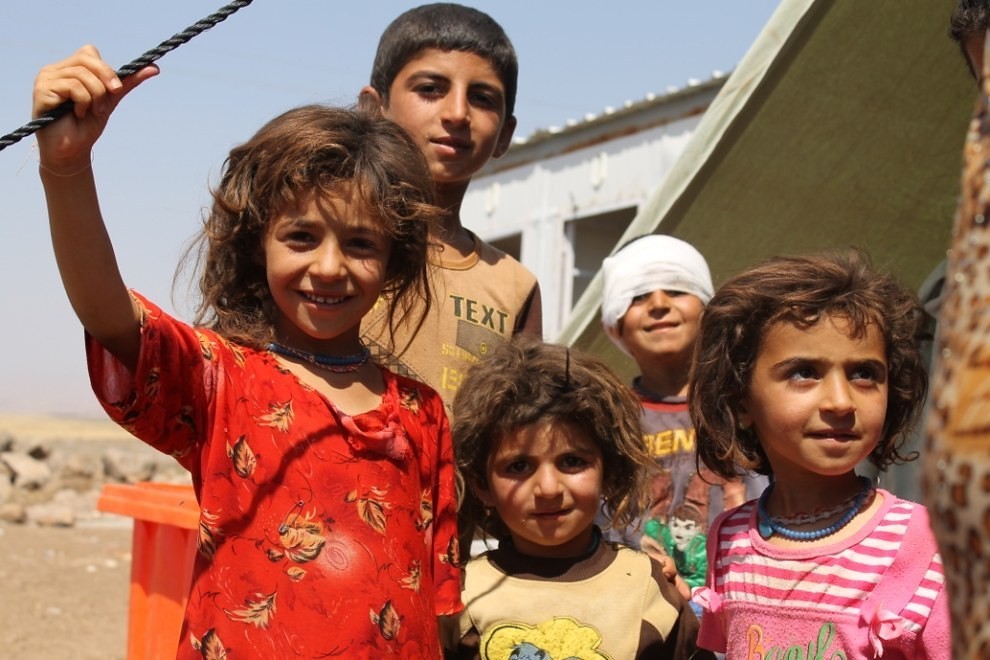
In the past few years, the Yazidi populations of northern Iraq and northern Syria have faced forced migration, war, the enslavement of women and girls and genocide. These traumatic events have resulted in several, severe psychological problems among Yazidis. A lack of adequate treatment and a prolonged sense of threat compounds the five mental health effects of the Yazidi genocide.

The Yazidis, a Kurdish religious minority, practice a non-Abrahamic, monotheistic religion called Yazidism. When the so-called Islamic State declared a caliphate in Iraq and Syria, it specifically targeted the Yazidis as non-Arab, non-Sunni Muslims. ISIS has committed atrocities against the Yazidis to the level of genocide, according to the United Nations Human Rights Council (UNHRC); these crimes included the enslavement of women and girls, torture and mass killings. This violence caused many Yazidis to suffer from severe mental health disorders.

5 Mental Health Effects of the Yazidi Genocide

  1. Disturbed Sleep: According to a study by Neuropsychiatrie, 71.1 percent of Yazidi refugee children and adolescents have reported difficulty sleeping due to the trauma they have experienced. These sleeping problems include trouble falling asleep, trouble staying asleep and nightmares. Children are afraid that if they fall asleep they will not wake up again. Importantly, disturbed sleep will worsen other problems, such as anxiety.
  2. Post Traumatic Stress Disorder: PTSD is one common mental illness that the Yazidi genocide caused. According to the European Journal of Psychotraumatology, 42.9 percent of those studied met the criteria for a PTSD diagnosis. Women and men experienced traumatic stress differently. Women with PTSD were more likely to show symptoms such as “flashbacks, hypervigilance, and intense psychological distress.” Men with PTSD more frequently expressed “feelings of detachment or estrangement from others.” Additionally, more women than men reported having PTSD. According to a study that BMC Medicine conducted, 80 percent of Yazidi women and girls who ISIS forced into sex slavery had PTSD.
  3. (Perceived) Social Rejection: Perpetrators of genocide have often employed systematic sexual violence against women to traumatize the persecuted population. In addition to the devastating injuries women experience, they also suffer from several psychological disorders, including PTSD, anxiety, depression and social rejection. Families and communities frequently reject survivors; Yazidi women who suffered enslavement perceive social rejection and exclusion from their communities at high rates. For instance, 40 percent of Yazidi women that BMC interviewed avoid social situations for fear of stigmatization, and 44.6 percent of women feel “extremely excluded” by their community. Social support is a crucial way to alleviate some of the pain from sexual violence and enslavement since rejection from their community magnifies the likelihood that girls will experience depression. Thus, social support, such as community activities organized by schools, can help by decreasing the factors that worsen psychological disorders like depression and by increasing the rate at which girls report instances of sexual violence.
  4. Depression: The Neuropsychiatrie researchers also found that one-third of the children they studied had a depressive disorder. In another study by Tekin et al., researchers found that 40 percent of Yazidi refugees in Turkey suffered from severe depression. Similarly, a 2018 Médecins Sans Frontières (MSF/Doctors without Borders) study in Sinuni found that every family surveyed had at least one member who suffered from a mental illness. The most common problem was depression. As a response to the growing mental health problems among Yazidis, MSF has been providing emergency and maternity services to people at the Sinuni General Hospital since December 2018. MSF has set up mobile mental health clinics for those displaced on Sinjar mountain and provides services such as group sessions for patients. In 2019, MSF health care officials conducted 9,770 emergency room consultations, declared 6,390 people in need of further treatment in the inpatient wards and have helped 475 pregnant women give birth safely. While MSF has increased its health care activities in the region, there are still people on the waiting list to receive treatment.
  5. Suicide: Since the ISIS takeover of the Sinjar region of Northern Iraq, the Yazidis’ historical homeland, the incidents of suicide and suicide attempts among Yazidis have increased substantially according to Médecins Sans Frontières. The methods of suicide or attempted suicide include drinking poison, hanging oneself and drug overdose. Many Yazidis, particularly women, have set themselves on fire. To alleviate this uptick in suicide and other negative mental health effects, MSF increased its presence in the area and offered psychiatric and psychological health care. Since the start of this initiative in late 2018, MSF has treated 286 people, 200 of whom still receive treatment today.

In the aftermath of ISIS’ genocide against the Yazidis of northern Iraq and northern Syria, many survivors have experienced mental health problems stemming from the trauma. These genocidal atrocities will have long-term psychological effects on the Yazidis, but such issues can be mitigated by psychological care. The five mental health effects of the Yazidi genocide outlined above prove the necessity of such health care for populations that have endured genocide and extreme violence.

– Sarah Frazer
Photo: Flickr


February 18, 2020
https://borgenproject.org/wp-content/uploads/borgen-project-logo.svg 0 0 Lynsey Alexander https://borgenproject.org/wp-content/uploads/borgen-project-logo.svg Lynsey Alexander2020-02-18 01:30:202020-02-14 09:05:155 Mental Health Effects of the Yazidi Genocide
Developing Countries, Global Poverty

Vision Care in Developing Countries

vision care in developing countries
DIFF is a sunglass company in Southern California that emerged in 2014. DIFF began with the intention of challenging the norm and doing good in the world. It has partnered with many charities over the years to help supply vision care in developing countries.

The Need for Vision Care in Developing Countries

Over one billion people in developing countries suffer from presbyopia. Presbyopia typically starts around the age of 40 and causes a gradual loss of close-up vision. For people in developing or impoverished countries, having clear vision is incredibly important in the workforce, especially if the jobs include skills like sewing, weaving and carving. About 2.5 billion people worldwide need eyeglasses to see clearly but are unable to access them. As many as 239 million children live with uncorrected vision. A lack of access to vision care puts another obstacle in the way of children in school without the ability to read easily and inhibits the ability of those in the workforce to do their jobs.

Eyeglasses for Everyone

For every pair of glasses that DIFF sells, it donates a pair of reading glasses to someone in need. DIFF partnered with many charities over the years to achieve this, including its original partner, Eyes on Africa. Eyes on Africa is a nonprofit organization that emerged in 2005 that provides eyeglasses to those in Africa who lack access to vision care. Through this partnership alone, DIFF has provided glasses to over 20,000 people in need. Restoring Vision is another organization DIFF has partnered with. Restoring Vision is the largest nonprofit provider of reading glasses to people living in poverty. Through DIFF’s partnership with Restoring Vision, it has helped over 150,000 people improve their vision.

Vision Care for All

DIFF has also partnered with an organization called SVOSH. SVOSH is a student chapter of the larger Volunteer Optometric Services to Humanity (VOSH). Under this organization, groups of optometry students provide eye exams to impoverished communities in developing countries. It also provides visual assistance and treatments for visual ailments with the help of DIFF’s funding. Projections determined that this partnership would provide vision aid to over 10,000 people around the world in 2017.

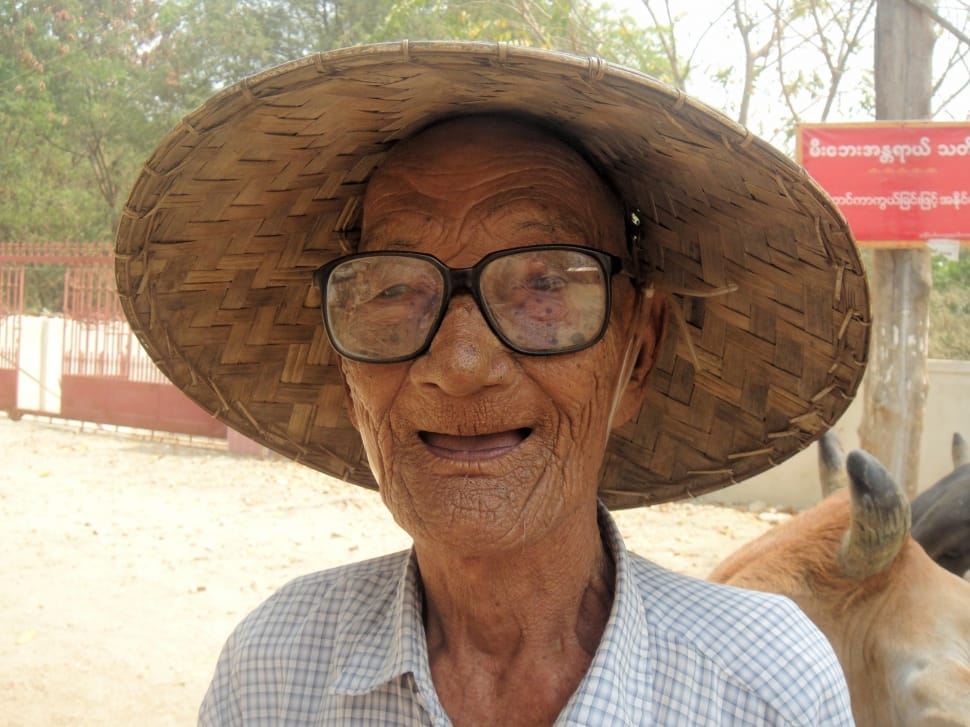
The necessity for vision aid is a facet of poverty that people often overlook, but should not neglect. Providing vision care to people in developing countries, whether that be optometry visits or providing a pair of reading glasses, can change the lives of those 2.5 billion people in need of vision aid. Accessible vision care will help millions of children struggling in school in developing countries. According to research, giving a child the appropriate vision aid is beneficial to the equivalent of an extra six months of schooling. Giving people in poverty the gift of sight makes work easier to find and to keep.

– Amanda Gibson
Photo: PeakPx

February 9, 2020
https://borgenproject.org/wp-content/uploads/borgen-project-logo.svg 0 0 Lynsey Alexander https://borgenproject.org/wp-content/uploads/borgen-project-logo.svg Lynsey Alexander2020-02-09 01:30:452020-02-05 06:16:49Vision Care in Developing Countries
Developing Countries, Disease, Global Poverty, Health

Addressing the Top 3 Diseases in Uganda

diseases in UgandaAs a developing country, Uganda struggles with multiple intractable diseases that kill millions of Ugandans every year. HIV/AIDS, malaria and tuberculosis are among the top five causes of death in Uganda. But, medical research is providing innovations that give hope to relieve suffering and prevent death in Uganda. Here are three diseases in Uganda that can be tackled with treatments that seem like science fiction.

Tuberculosis and Bedaquiline

Science fiction often explores the possibilities of DNA manipulation. Now, this sci-fi premise is becoming a reality through a new tuberculosis drug called bedaquiline. Bedaquiline is a new drug that blocks energy transfer enzymes that a tuberculosis bacteria cell needs to survive. Without this essential energy, the cell dies. A June 2019 study discovered that bedaquiline has long-term treatment potential. The drug forms small reservoirs in the body, allowing it to naturally release throughout the body and continually kill tuberculosis cells over time. This is a major breakthrough for Ugandan citizens since this is the first tuberculosis treatment to come out in 50 years. 

Malaria and Genetic Mutation

Popular science fiction games outline the use of biological weapons, such as Mass Effect’s fictional “genophage” which causes a female host to produce sterile offspring. Experimental genetic engineering technology is now taking on a highly deadly disease in Uganda. Scientists have developed an engineered genetic mutation that deforms mosquito reproductive organs and passes from female mosquitos to daughter eggs, meaning that the hatched females are unable to breed. In other words, the mutation makes the next generation of mosquitos sterile, reducing the population and thus reducing the risk of malaria.

Further, the mutation changes females mosquitos’ mouths to resemble male counterparts’. Male mosquitos cannot bite humans, thus the mutation “de-fangs” female mosquitoes, making it impossible for them to transmit malaria. Releasing genetically modified mosquitoes has been controversial and research continues. According to Uganda’s Ministry of Health, malaria is endemic in 95 percent of Uganda. If it is found that modifying mosquitoes is safe and successful, this development could be a critical contribution to treating malaria and other mosquito transmitted diseases in Uganda.

HIV/AIDS and the Immune System

Science fiction extensively narrates the use of genetic properties to repair and fix humans. Dual studies from 2007 and 2019 used similar methods to combat the insidious syndrome of HIV/AIDS that plagues Uganda. A bone marrow transplant replaces the patient’s immune system with mutated systems via lymphatic pathways. It essentially replaces the patient’s immune system with a new, mutated version that combats the disease.

Using this technique, a 2007 patient has been off anti-retroviral medicines for 12 years. The most recent patient, cured in 2019, has been HIV-free for more than 18 months. With difficulties in bringing patients back for consistent treatments, a possible long-term solution for HIV/AIDS is an extremely important advance for the 1.3 million Ugandans infected with HIV.

Conclusion

Famous Star Trek character Captain Jean-Luc Picard stated, “Things are only impossible until they’re not.” Relieving Uganda’s suffering seemed impossible – the stuff of science fiction – as if they would never be free of disease. But, the above treatments provide hope for the people of Uganda. Through rigorous research and innovation, doctors are developing treatments for diseases in Uganda and other countries.

– Melanie Rasmussen
Photo: Flickr

February 3, 2020
https://borgenproject.org/wp-content/uploads/borgen-project-logo.svg 0 0 Jennifer Philipp https://borgenproject.org/wp-content/uploads/borgen-project-logo.svg Jennifer Philipp2020-02-03 01:30:172024-05-29 23:13:40Addressing the Top 3 Diseases in Uganda
Children, Developing Countries, Education, Global Poverty, Health, Poverty Eradication, Poverty Reduction

How Former President Morales Transformed Bolivia 

Morales Transformed Bolivia The year 2006 marked the beginning of a new era for Bolivia. For decades before, Bolivia had been run by presidents that continuously marginalized the indigenous population and favored wealthy foreign corporations, making Bolivia one of the poorest countries in South America. By 2002, the percentage of Bolivians that were living in extreme poverty spiked to 38% and remained stagnant until 2006. When Evo Morales became president, through programs and initiatives, Morales transformed Bolivia in several ways.

The Reign of Evo Morales in Bolivia

Evo Morales’ election sparked what his government referred to as the “Process of Change”, a presidency that would bring the spotlight to the marginalized workers and away from Bolivia’s elites that have ruled the country for years. The campaign specifically focused on restoring the rights of the indigenous population. And after just one year of the election, Bolivia began to see huge improvements. Since 2006, the Bolivian economy has grown, on average, 5% yearly compared to the 2.8% before. Most notable, Morales was able to cut the extreme poverty rate in half, bringing it down to 17%. He also obliterated the illiteracy rate to zero. So, how was Morales able to push real progress?

Bolivia’s Natural Resources

Morales set a path that focused on putting government investments in social spending. He began this project by regaining national sovereignty over Bolivia’s natural resources: Lithium. For years prior, foreign corporations had been profiting from Bolivia’s natural resources, raking in 85% of the profits generated by its natural gas production. After being sworn into office, Morales was able to regain nearly 80-90% of its shares. Now, the state is in full control of the sales and distribution of its raw resources. Since 2006, Bolivia has amassed $31.5 billion, which Morales allocated toward schools, hospitals and infrastructure, building about 4,500 educational facilities.

Anti-Poverty Initiatives in Bolivia

When it came to combating poverty, Morales had made many positive changes to improve Bolivia’s crisis during his 14 years in office and worked to raise the standard of living for the most desperate people in the country. Under Morales’ rule, the monthly minimum wage rose from 440 Bolivars to nearly 2,000, and unemployment rates dropped to under 4% from their original height of 8.5% back in 2005. There was also a sharp decline in those living in extreme poverty, shifting from 38% to just 16.8%. Overall, poverty dropped to 38.6% from the original 60.6% in 2005. Further, Morales worked to build nearly 127,000 new homes for financially insecure Bolivians without housing.

Focusing on Children and Education

Morales transformed Bolivia further by putting forth specific programs that would benefit and prevent poverty in vulnerable groups: children, mothers and the elderly. To combat low school attendance and restrict child labor, Morales put forth the Juancito Pinto program, which aimed at reaching nearly two million children. This program awards children $28 for every year of schooling they complete, encouraging them to remain engaged in their education. Before Morales taking office, the country had an illiteracy rate of 13%. However, through the use of the Juancito Pinto and the YES I CAN program, 850 thousand children became educated and Bolivia became illiteracy free in 2008.

Addressing Maternal and Infant Health

For Bolivian mothers, Morales put forth the Juana Azurduy program to end maternal and infant mortality and to reduce food shortages for children. Under the program, Bolivian mothers would receive up to $266 to go toward food, care and shelter while they raise their families, an effort that UNICEF has praised. When the program began in 2009, child malnourishment was at nearly 27% and has declined to just 16%. Child mortality has also decreased by nearly half. This program also helped to encourage women to visit medical facilities while they are pregnant and for a period after they give birth by offering cash grants to those who follow the program.

Focusing on the Elderly and Disabled

For senior citizens, Morales introduced the Renta De La Dignidad program, which focused on Bolivian citizens over the age of 60 who were not previously receiving any social assistance. This bill also gave $36 a month to disabled Bolivians as well as pregnant women and assisted them in finding jobs in the government and private sectors. The goal of this bill was ultimately to grow the income of those who were less capable of finding work and it has resulted in many Bolivian citizens who were victims of poverty increasing their yearly income to nearly $342.

The Future of Bolivia

It is evident that Morales transformed Bolivia in several positive ways. While Morales’ successful 14 years have come to end, Bolivia has rebirthed Morales’ principles with the recent election of Luis Arce.  Similar to Morales, Arce promises to bring justice to groups that continue to be marginalized.

– Maya Falach
Photo: Flickr
February 1, 2020
https://borgenproject.org/wp-content/uploads/borgen-project-logo.svg 0 0 Jennifer Philipp https://borgenproject.org/wp-content/uploads/borgen-project-logo.svg Jennifer Philipp2020-02-01 01:30:492021-02-01 03:29:43How Former President Morales Transformed Bolivia 
Charity, Developing Countries, Global Poverty

5 Billionaires’ Projects that Have Changed the World

Five Billionaires' Projects
Nearly every person within the first 10 of the world’s highest net-worth individuals has a foundation in their name. These examples of philanthropy are often staples to a financier’s portfolio as reinvestment of wealth back into the nation or communities that helped fund his or her growth. In that sense, philanthropy is also a way to promote one’s image and associate one’s brand with a cause. Many investors have chosen to reinvest their wealth into the countries which groomed them such as Carlos Slim Helú and Françoise Bettencourt-Meyers, but there are many people who have started foundations that reach beyond borders to better those who are worse off. Several billionaires’ projects are actively changing downtrodden communities by eliminating hunger, eradicating malaria and bringing access to education and sanitation in otherwise distraught regions. Here are five billionaires’ projects that have changed the world.

5 Billionaires’ Projects that Have Changed the World

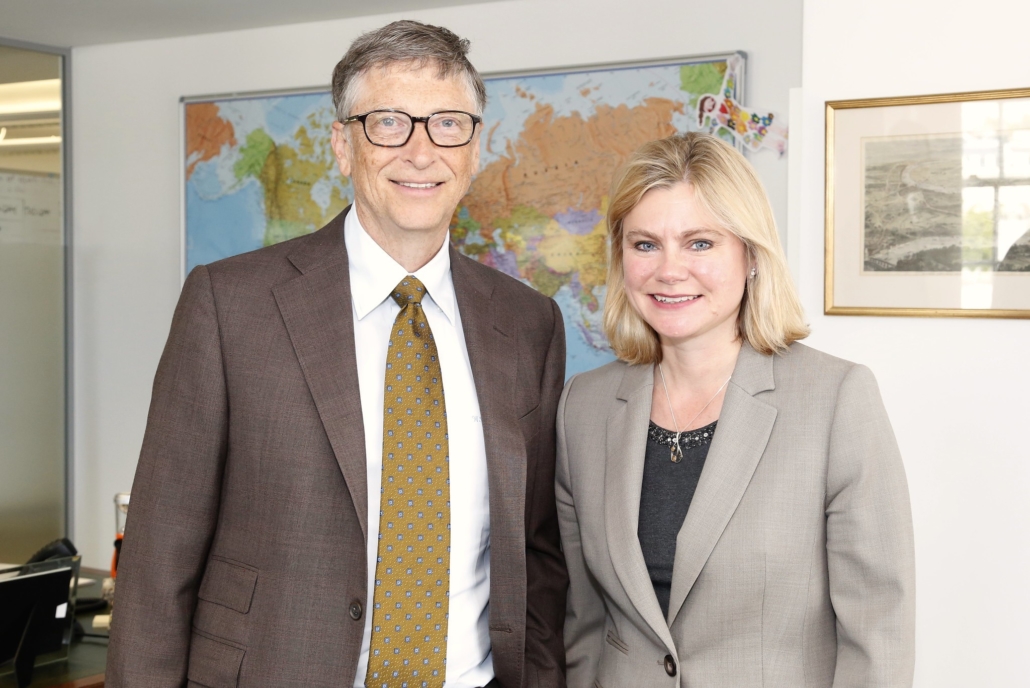
  1. Bill and Melinda Gates Foundation: Former CEO of Microsoft and his wife, Bill and Melinda Gates, started The Bill and Melinda Gates Foundation in 1997. The goal of the organization is to make the world a better place by investing in research and actions that negate issues plaguing impoverished countries. Best known for its efforts to annihilate polio in India and malaria globally, other fiscal investments include refugee care, female education and economic invigoration (mobile money accounts). The foundation has a focus on sustainable change which in turn builds on itself to make a brighter future for the globe with a total investment of $3.9 million in global programs in 2018.
  2. Students Rebuild (Bezos Family Foundation): Jeff Bezos­—the well-known Amazon CEO—had the greatest global net worth for 2018 and 2019, surpassing Bill Gates. Although the Bezos Family Foundation primarily caters to local U.S. concerns relating to education, its Students Rebuild program takes a more global focus, involving students from all over the world to help solve planet-wide problems. Each year, the Bezos Family Foundation pledges a gift to a particular charity in response to a form of art shared by participants, usually K-12 students. In 2019, it raised money and awareness for world hunger by asking kids to submit creatively presented recipes. Students Rebuild is an organization that brings kids into today’s problems while helping fund the action-makers who are bringing about change.
  3. Bloomberg Philanthropies: Michael Bloomberg is the current Mayor of New York City and a democratic presidential nominee, but he did not earn his billions through public service. As a founder and primary funder of Bloomberg LP in 1981, he earned billions of dollars through his financial data-services firm. The Bloomberg family started Bloomberg Philanthropies, which has a diverse profile of charitable investments, ranging from environmental overhauls to global health. Bloomberg’s global impact focuses on data collection and management. Its investments primarily go into the education and growth of a field, working in over 480 cities in 120 countries. Previously, Bloomberg partnered with the King Baudouin Foundation to create Equal Footing, an online portal that tracks philanthropy efforts in Africa. Currently, it is reinvesting $120 million over the next four years to expand and intensify its data for health initiative.
  4. Larry Ellison Foundation: Larry Ellison is a technology entrepreneur who co-founded the software firm Oracle in 1977. The Larry Ellison Foundation manages financials regarding education, agriculture and global conservation efforts. Previous investments were targeted towards polio eradication and currently center around wildlife conservation and agricultural sustainability. For example, the Larry Ellison Foundation financed the Global Polio Eradication Initiative, which reaches over 100 million children in 72 countries per year after beginning in 2013. Larry Ellison is currently supporting the Tony Blair Institute for Global Change in Africa and has been since 2012. This institute works with governing bodies and leading reformers in several African countries to create sustainable change across Africa.
  5. Howard G. Buffet Foundation: Howard G. Buffet is the son of Warren Buffet, the CEO of Berkshire Hathaway. Beginning in 1999, the Howard G. Buffet Foundation hopes to help jump-start change locally and globally in three focus areas: food security, conflict mitigation and public safety. Although these issues all overlap depending on the region of focus, by investing in research and implementation, this billionaire project incentivizes a strong basis for growth to develop from. Unlike the Bill and Melinda Gates Foundation, The Howard G. Buffet foundation’s foreign focus lie in the western hemisphere, primarily in Columbia and Mexico. Focusing on these areas in part aims to reduce mass migration from these southern countries to the U.S. The Buffet foundation relies on the values of individual rights, community ties and equality which leads to government-aided investment in small-holder farms and sustainable practices developed on American soil. In 2018, the Howard F Buffet Foundation invested a total of $11 million in all program sectors.

There are several billionaires’ projects that have changed the world up to this point as they have aided in the near eradication of polio, rigorously kicked malaria into surrender and implemented millions of research projects to bring the world closer to eliminating global strife. As these groups continue to grow and invest, one can expect that great positive change can occur.

 – Kayla Brown
Photo: Flickr

January 30, 2020
https://borgenproject.org/wp-content/uploads/borgen-project-logo.svg 0 0 Jennifer Philipp https://borgenproject.org/wp-content/uploads/borgen-project-logo.svg Jennifer Philipp2020-01-30 07:30:582020-01-27 09:44:515 Billionaires’ Projects that Have Changed the World
Developing Countries, Global Poverty

3 Sustainable Solutions for Developing Countries

Sustainable Solutions for Developing Countries
When discussing issues such as sustainability, one should keep in mind that everyone has a different experience. Throughout the world, all people count on various resources, environments and cultures, amongst other things, that make it impossible to find a one-size-fits-all solution.

In today’s world, it is essential to look at the common denominators when trying to find environmental solutions. Doing so provides a guide to finding solutions that are sustainable in diverse circumstances. This mindset becomes particularly relevant when referring to developing countries because solutions accessible to people in developed countries might not be an option for those in nations that are not. To find truly sustainable solutions, it is important to take into account the planet, as well as how these solutions would impact the people. This piece will discuss three sustainable solutions that developing countries have implemented and why these have been successful.

WeCyclers

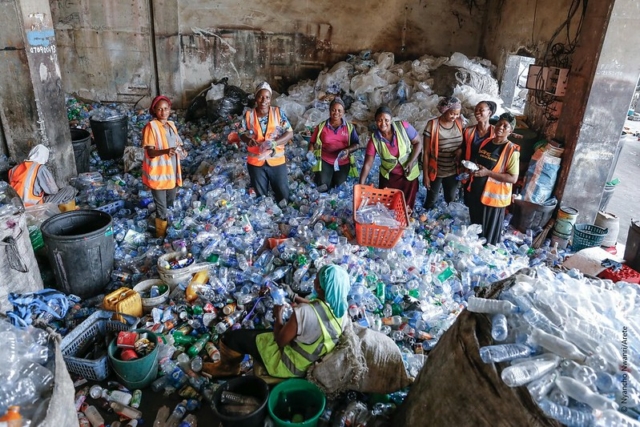
WeCyclers is a for-profit company in Lagos, Nigeria. Lagos is on track to become the third-largest economy in Africa. However, 8.5 percent of the population is still poor and 20 percent is vulnerable to poverty. WeCyclers offers a recycling service using low-cost bikes. The organization allows homes to generate value from the waste they produce. WeCyclers began in 2012 when the city collected only 40 percent of its waste and recycled only 13 percent.

Recycling firms in Lagos face many supply constraints, so the WeCyclers solution is vital for both the environment and the people. When people live in conditions that do not involve a formal system of waste collection, they are at risk of diseases such as malaria and cholera. Trash can create water pools that are optimal conditions for disease vectors to breed. In addition to this, they are also at risk of property damage and psychological stress. Waste that places do not deal with forces residents to walk through obstructed roads and come across frequent trash fires.

WeCyclers built its platform on a fleet of cargo bikes called wecycles. Today, it also includes tricycles, vans and trucks and its collectors use them to pick up waste from people’s homes. As people give material, the service rewards them with points per kilogram of recycled waste. People can exchange these points for things such as food and household items.

Netafim

Netafim, the second of the sustainable solutions for developing countries, is a precision irrigation solution in Israel. It increases yields while saving water and cutting costs. The system consists of dripping precise amounts of water right at the root of the crops through a tank that uses gravity. Therefore, it minimizes not only water waste but electricity use as well. It is also commercially viable considering that it has a payback time of about a year.

The company is facing three challenges that are essential to the future of the planet. These include water scarcity and contamination, growing demand for food and the need for arable land. Netafim has spread across 110 countries and has 17 manufacturing plants worldwide. It has irrigated over 10 million hectares of land, as well as produced over 150 billion drippers.

Shidhulai Swanirvar Sangstha

Shidhulai Swanirvar Sangstha implements school boats in Bangladesh. This initiative grew from the recognized need to take action against worsening floods around the world. This particularly relates to the prediction that rising sea levels could displace over a million Bangladeshis by 2050.

One of the flooding consequences is children not being able to attend school for long periods. This challenge, in turn, makes it difficult for them to escape poverty, as they are not receiving a quality education. Therefore, by building these solar-powered school boats, the initiative secures learning even in flood-prone regions. Nigeria, Cambodia, the Philippines, Vietnam and Zambia have all replicated this model. The organization “teaches women and girls on new skills, sustainable agriculture, climate change adaptation and women’s rights.” A doctor and a farmer are also on board, which allows them to grow vegetables and raise fish and ducks.

Solutions such as WeCyclers, Netafim and Shidhulai Swanirvar Sangstha not only help the environment but people too. The common denominator that results in their success is seeing them as mutually exclusive: there is no sustainable way to help the environment without helping society as well.

– Johanna Leo
Photo: Flickr

January 23, 2020
https://borgenproject.org/wp-content/uploads/borgen-project-logo.svg 0 0 Lynsey Alexander https://borgenproject.org/wp-content/uploads/borgen-project-logo.svg Lynsey Alexander2020-01-23 14:30:422020-02-05 14:38:353 Sustainable Solutions for Developing Countries
Developing Countries, Development, Global Poverty

Improving Roads in Tajikistan

Improving Roads in TajikistanAlthough officially established in 1924, Tajikistan is host to one of the richest and most diverse cultures in the world given its unique geographic location and history. Trade and travel were historically central to Tajikistan’s culture and development, but many roads have been neglected.

Located in Central Asia, the country is neighbored by China to the east, Afghanistan to the south, Uzbekistan to the west and Kyrgyzstan to the north. Tajikistan has evolved immensely from ancient times when nomadic tribes roamed the country, becoming a major center of commerce and trade in the Central Asian region.

The Silk Road was an abstract trade route traveled frequently by merchants from Europe, Northern Africa, the Middle East, India and the Far East throughout the Middle Ages and the European Renaissance. It passed directly through many Central Asian countries. Tajikistan was no exception. One of the Silk Road’s most northern routes passed through the Pamir Mountains in what is now modern-day Tajikistan, offering travelers the safest possible route through the “Roof of the World.”

Neglect, Gangs and Corruption

But decades of neglect have led to dilapidated and very dangerous roads in Tajikistan, while governmental abuses and gangs add additional strain on these important transportation routes. In rural areas, hazardous dirt or gravel roads stretch on for many miles before connecting with the nearest paved highways. Rural mountain passes – of which there are many due to the country’s rugged terrain – are also closed for roughly six months during the winter and early spring due to a number of dangerous conditions, including frequent avalanches, mudslides and large rocks falling on the road. Gangs are also known to lie in wait to prey on travelers while corrupt traffic police also inhibit efficient and unimpeded travel along highways and rural roads. The so-called traffic police regularly allow government vehicles by yet pull over others arbitrarily under the pretense of inspecting registration. They often wrongfully deem these cars unfit to drive or claim they are unregistered, forcing travelers to pay a bribe in order to continue on their route.

The Pamir Highway

The Pamir Highway is one example of a Tajikistan highway that has been consistently neglected. While much of the road is paved, most of the mountainous passes it stretches through are unpaved and untended. The passes are closed in the winter months because of the avalanches and other prohibitive driving conditions, and the minimal oversight allows the gangs to inhabit these areas.

The highway becomes especially dangerous as it approaches the Afghanistan-Tajikistan border, where the road elevates to as much as 2,800 feet above sea level. Due to a lack of oxygen at these altitudes, many travelers report altitude sickness and lightheadedness, a particularly precarious situation given that there are no guardrails along cliff-drops. Road maintenance teams are also slow to respond to any widespread damages, which are often left in disrepair for indefinite periods of time.

Effects on Rural Populations

As of 2016, 73 percent of Tajikistan’s population lived in rural areas. These people depend on the dilapidated rural roads to access education, health care, food and other tools/supplies, meaning that their lives are put at risk on a regular basis. More broadly, this stifles Tajikistan’s economic development and discourages investment in the country. Economic issues hurt the poorest people most of all, and Tajikistan’s continued infrastructure underdevelopment makes it extremely difficult for rural populations to earn a living and access the necessities of life – as is the case in many developing countries.

Efforts to Improve Roads and Infrastructure

However, outside influencers are trying to improve the poor condition of roads in Tajikistan. Neighboring China has begun investing in updating the country’s poor infrastructure to improve trade inter-connectivity across Central Asia. Within the past decade, the China Road and Bridge Corporation (CRBC) financed and constructed the Dushanbe-Chanak Highway.

The highway spans the length of the country from north-to-south and has given many rural areas the means to access other parts of the country in a safe manner. The road is entirely paved and stretches from Dushanbe, Tajikistan’s capital, to Uzbekistan’s southern border. It has provided the country with stable bridges that span previously dangerous crossings and cuts through mountains, meaning that travelers no longer need to risk their lives driving around them on dangerous dirt roads.

The project is part of China’s Belt and Road Initiative to better connect Asia and spur further development and growth of Central Asia. As of June 2017, China has invested $2 billion into Tajikistan, according to the China Global Television Network.

The Future

Foreign investment initiatives such as China’s are part of the solution to improve infrastructure and roads in Tajikistan, which will spur additional economic development and provide more opportunities for rural populations. Newly paved highways that now connect the outer reaches of the country to urban centers will increase commerce both within the country and with neighboring nations. Safer infrastructure will also spur foreign investment from multinational corporations that can bring jobs and technological advances. With further improvement to infrastructure and roads in Tajikistan, the country may well see itself become a center of commerce once again.

– Graham Gordon
Photo: Wikimedia

January 18, 2020
https://borgenproject.org/wp-content/uploads/borgen-project-logo.svg 0 0 Kim Thelwell https://borgenproject.org/wp-content/uploads/borgen-project-logo.svg Kim Thelwell2020-01-18 01:52:172020-01-18 12:05:37Improving Roads in Tajikistan
Aid, Aid Effectiveness & Reform, Developing Countries, Global Poverty

3 Ways Technology Helps Disaster Response in the Philippines

Disaster Response in the PhilippinesAnnually, about 10 tropical storms develop in the Philippines, with averages of eight to nine reaching land. These numbers do not include other disasters the country faces such as typhoons, earthquakes, monsoons and so on. Despite being one of the most disaster-prone countries in the world, efficient communication with technology in the Philippines allows social media, Google Person Finder and satellites, to provide the best relief efforts. Keep reading to learn more about the top three ways technology helps disaster response in the Philippines.

3 Ways Technology Helps Disaster Response in the Philippines 

  1. Social Media: Social media is indeed a connecting source and finds its strength in aiding the response to disasters with quickly spreading information that is, in turn, easily accessed. Popular media sites such as Facebook, WhatsApp and Twitter updated by disaster area residents offer real-time updates about the current on-ground situation.

    Thanks to organizations such as the Standby Task Force, established in 2012 by Andrej Verity, these social media updates become pillars for relief and rescue. For example, in its use for supertyphoon Haiyan in 2013. These updates transform traditional on-ground humanitarian efforts into digital humanitarian efforts with online volunteers.

    Through a streamlined process, volunteers tagged Haiyan-related social media posts. Then, sifting through them for relevancy, otherwise known as digital micro-tasking. Finally, submitting them to the U.N.’s Office for the Coordination of Humanitarian Affairs to compile a crisis map. With the widespread information thanks to social media, digital humanitarians take a hands-on approach to affecting the on the ground situation. Given that the combined concentration of thousands of volunteers provide time efficiency, a necessity when it comes to saving lives quicker.

  2. Communication Technology: Other communication technology such as Google Person Finder assists in finding missing persons in the Philippines. For instance, in 2012, monsoon floods from Typhoon Saola caused increased landslides and flash floods; flooding at least 50 percent of the country and creating severe rescue conditions with strong currents. There were at least 900,000 affected families and 11 individuals missing.

    For those looking for the missing or stranded, Google’s free Person Finder tool comes in extremely handy as all one needs to do is input the individual’s name. At the same time, Google cross-references entries from other websites with information about missing persons to ping and locate leads.

  3. Satellite Technology: After Haiyan, most of the traditional methods of mobile communication infrastructure diminished, thus requiring the need for something more reliable, such as satellites. Learning from the Haiyan damage, the nation’s most high-risk disaster areas now have mobile satellite equipment for easy deployment. This new tech brought forth by Inmarsat and the United Kingdom Space Agency, provides a reliable and sustainable communication method for the worst disaster days expected.

    Another example is the Tacloban Health Cluster which utilizes satellites to canvas and coordinates public health response in the worst disaster-stricken areas, allowing better tracking of diseases and medical conditions throughout disaster times in hospitals and clinics. This data collection does not only help respond in real-time. Additionally, it is beneficial for understanding health trends after a storm to allow for a more proactive approach following the next impending storm the islands are known to face.

– Elizabeth Yusuff
Photo: Flickr

January 16, 2020
https://borgenproject.org/wp-content/uploads/borgen-project-logo.svg 0 0 Lynsey Alexander https://borgenproject.org/wp-content/uploads/borgen-project-logo.svg Lynsey Alexander2020-01-16 08:04:322024-05-29 23:14:293 Ways Technology Helps Disaster Response in the Philippines
Developing Countries, Global Poverty, Health

A Look at Health Initiatives in Haiti

Haiti’s health care infrastructure has suffered drastically since the last massive earthquake in 2010. The earthquake further destroyed access to the delivery of health care and destroyed the country’s health care system as a whole. As a result, Haiti’s medical facilities now lack basic but critical services such as water and sanitation systems, state-of-the-art hospitals and clinics, modern medical resources and a sufficient number of trained medical professionals. There have since been health initiatives to aid Haiti in rectifying its health care and health care system.

Health Initiatives in Haiti

  1. Community Health Initiative: Emergency medical physicians Chris Buresh and Joshua White, who combined have more than 14 years of experience in Haiti, founded the Community Health Initiative (CHI) in Haiti in January 2012. CHI was founded to address the health needs of the Haitian community that would otherwise lack access to care by providing continuous primary health care. The program works with long-standing partnerships and local talent in the central region of Haiti to combat malnutrition, provide clean water and deliver health care to Haitians by returning to the same villages every three months. Because Haitians lack affordable primary health care in the area, most patients walk eight hours or more to arrive at CHI’s clinics for treatment. The Community Health Initiative provides clinics in the rural areas of Haiti. Since its founding in 2012, CHI has delivered 1,100 water treatment systems in which have reduced the diarrhea rate among users to 1.8 percent. Community Health Workers have trained 81 women in their Helping Babies Breathe program which has allowed a 71 percent reduction in neonatal mortality.
  2. Partners In Health: Partners in Health (PIH) is Haiti’s largest health care provider. PIH has been providing medical services to Haitians for more than 20 years. PIH helps deliver high-quality health care to some of Haiti’s poorest regions, serving an estimated 4.5 million people with the help of the national Ministry of Health. PIH’s community health workers have helped 15,000 HIV-positive patients begin and remain on treatment and have allowed 1,500 TB patients to start treatment on the path to a cure each year since initiation. Since PIH’s founding, the mortality rate for children under the age of 5 has been reduced to 71 per 1,000 where Haiti had the highest rates of infant and child mortality; the rate of incidents surrounding TB has also been reduced to 181 per 100,000, and the adult prevalence of HIV is now 1.9 percent.
  3. Hope For Haiti: Haiti reports some of the world’s worst health indicators that continue to inhibit Haiti’s development. Hope for Haiti is a health initiative that operates an infirmary in southern Haiti and partners with 24 rural communities to improve the health care system and its individual health indicators. Hope for Haiti provides primary care services, public health education and nutrition education, and it organizes mobile clinics. Since Hope for Haiti was founded, 6,727 lab tests were performed for a record of 3,090 patients. Around 2,700 Sawyer Water Filtration Systems were distributed in Haiti, impacting over 13,500 people, 2,800 students were provided with public health education and 100 diabetes club meetings were held for the Haitian community.

Haiti is in need of a permanent and modern health care infrastructure so that it can respond promptly and effectively to the medical needs of its community. With health initiatives such as Partners in Health, Hope for Haiti and the Community Health Initiative, Haiti will be well on its way to better health care and an improved health care system.

– Na’Keevia Brown
Photo: Flickr

January 11, 2020
https://borgenproject.org/wp-content/uploads/borgen-project-logo.svg 0 0 Lynsey Alexander https://borgenproject.org/wp-content/uploads/borgen-project-logo.svg Lynsey Alexander2020-01-11 13:38:592024-05-29 23:14:29A Look at Health Initiatives in Haiti
Page 88 of 157«‹8687888990›»

Get Smarter

  • Global Poverty 101
  • Global Poverty… The Good News
  • Global Poverty & U.S. Jobs
  • Global Poverty and National Security
  • Innovative Solutions to Poverty
  • Global Poverty & Aid FAQ’s
Search Search

Take Action

  • Call Congress
  • Email Congress
  • Donate
  • 30 Ways to Help
  • Volunteer Ops
  • Internships
  • Courses & Certificates
  • The Podcast
Borgen Project

“The Borgen Project is an incredible nonprofit organization that is addressing poverty and hunger and working towards ending them.”

-The Huffington Post

Inside The Borgen Project

  • Contact
  • About
  • Financials
  • President
  • Board of Directors
  • Board of Advisors

International Links

  • UK Email Parliament
  • UK Donate
  • Canada Email Parliament

Get Smarter

  • Global Poverty 101
  • Global Poverty… The Good News
  • Global Poverty & U.S. Jobs
  • Global Poverty and National Security
  • Innovative Solutions to Poverty
  • Global Poverty & Aid FAQ’s

Ways to Help

  • Call Congress
  • Email Congress
  • Donate
  • 30 Ways to Help
  • Volunteer Ops
  • Internships
  • Courses & Certificates
  • The Podcast
Scroll to top Scroll to top Scroll to top