• Link to X
  • Link to Facebook
  • Link to Instagram
  • Link to TikTok
  • Link to Youtube
  • About
    • About Us
      • President
      • Board of Directors
      • Board of Advisors
      • Financials
      • Our Methodology
      • Success Tracker
      • Contact
  • Act Now
    • 30 Ways to Help
      • Email Congress
      • Call Congress
      • Volunteer
      • Courses & Certificates
      • Be a Donor
    • Internships
      • In-Office Internships
      • Remote Internships
    • Legislation
      • Politics 101
  • The Blog
  • The Podcast
  • Magazine
  • Donate
  • Click to open the search input field Click to open the search input field Search
  • Menu Menu

Archive for category: Developing Countries

Information and stories about developing countries.

Children, Developing Countries, Education, Global Poverty, Hunger

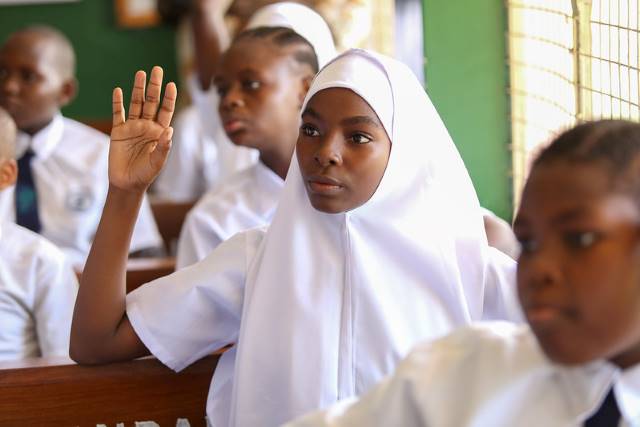
3 NGOs Feeding School Children in East Africa

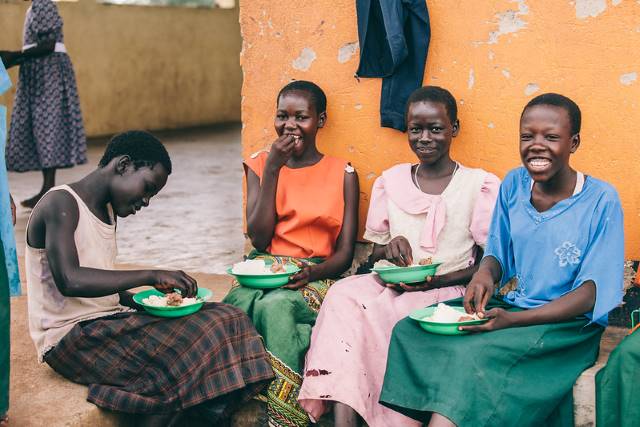
Feeding School Children in East AfricaDespite leading the continent in incorporating students into primary and secondary systems of education, East Africa retains acute socio-economic problems. More than 55 million extremely poor people inhabit just the three nations of Uganda, Kenya and Tanzania. This situation cannot improve without addressing poor school attendance by children whose family circumstances customarily pressure them into prioritizing work over education and not obtaining the valuable knowledge and skills that could help them secure higher-paying jobs and bid farewell to poverty. NGOs are working on feeding school children in East Africa to improve attendance rates and simultaneously target issues like hunger and malnutrition.
School Attendance Rates in East Africa

In Kenya, 92% of those aged between 7 and 14 were receiving education in 2008. A decade later, UNICEF continued to record 1.5 million prospective primary schoolers missing out on learning. In other East African countries, the issue is direr. In Tanzania, from ages 5 to 6, the school attendance rates already drop by nearly 10%.

Feeding School Children in East Africa

Nonprofit organizations are actively altering this dynamic. By routinely feeding school pupils, the organizations demonstrate that enrolment in school can also involve getting adequate nutrition. It is a win-win situation as students simultaneously gain important academic and professional insights and receive a much-needed meal. Moreover, this work shows that education may improve one’s living standards not only in the long run but in the short run as well.

Food4Education

This Kenyan organization feeds young students locally sourced meals in the nation’s Kiambu and Nairobi counties at a subsidized rate of $0.15. Having started with only 25 food recipients, it has already served around one million meals, helping children enhance their school attendance and performance in class and in examinations. It hopes to reach out to all the primary school children in Kenya in the future.

In addition to attracting donations and using a mobile app, Tap2Eat, for parents to pay to subsidize their children’s low lunch fee, Food4Education also manages a restaurant in the country’s capital. Some of its revenue is used to fund school lunches and increase the NGO’s output.

The group’s impact remains localized but its recognition suggests that its efforts are sizeable. In June 2020, Wawira Nijru, the Food4Education’s founder, joined the prestigious Ford Global Fellowship Program. As part of this scheme, the United States-based Ford Foundation will invest in the NGO and offer advice to amplify its contribution in Kenya.

East African Children’s Fund

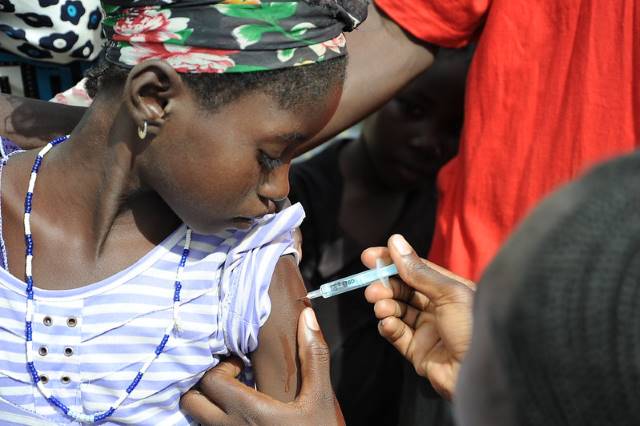
Operating in Kenya with a reported budget of $170,000, the organization supplies more than 1,000 schoolchildren in impoverished areas with a mixture of fruits, vegetables, meat and fish. By procuring these products from the local communities, this organization likewise guarantees that the funding utilized in the process stays with the people needing it the most. The organization also distributes clothes and mosquito nets among schoolchildren and helps ensure that they are vaccinated. After all, missing school due to illness is equally a problem in a country, where more than three million people contract malaria each year.

The East African Children’s Fund’s purview extends into supporting sustainable farming techniques and projects in Kenya by, inter alia, promoting beekeeping and teaching young villagers to harvest rainwater and prevent water loss during field irrigation.

In 2019, it served close to 570,000 school meals, thereby causing an 80% reduction in local infirmary visits by schoolchildren. Between 2017 and 2019, more than 10,000 rural Kenyans received training in nutrition techniques from the group as well.

Mary’s Meals

This Scottish-registered charity is alleviating hunger in Malawi, Uganda and Kenya. In the former, it boasts a network of 80,000 volunteers who serve low-cost meals to as many as 30% of the nation’s primary school students in 20 different districts. In the other two nations combined, as many as 80,000 students are benefitting from school meals. A large proportion of them inhabit areas, such as the Kenyan town of Eldoret, where every second household falls below the poverty line.

Besides relying on volunteers, the group has full-time employees based in the target countries. Their task is to ensure compliance with hygiene standards and food quality by conducting regular school visits and compiling data on pupil and teacher satisfaction.

Based on approximately 4,000 responses collected in 2016, the number of Malawi pupils experiencing hunger during the school day decreased sixfold within fewer than 12 months. A comparable household survey registered a similarly impressive 64% decline in the number of adult respondents believing that their children were hungry at school. Most importantly, many more teachers have stopped describing classroom hunger levels as worrying. Considering that all the relevant parties are recognizing a difference, the NGO’s contribution is certainly worth mentioning.

Feeding school children in East Africa also mitigates malnourishment among the locals and facilitates the process of climbing out of poverty, since, through education, children could acquire the skills to qualify for better-paid jobs and escape reliance on subsistence farming.

– Dan Mikhaylov
Photo: Flickr

December 8, 2020
https://borgenproject.org/wp-content/uploads/borgen-project-logo.svg 0 0 Kim Thelwell https://borgenproject.org/wp-content/uploads/borgen-project-logo.svg Kim Thelwell2020-12-08 02:18:212024-05-30 07:52:593 NGOs Feeding School Children in East Africa
Developing Countries, Gender Equality, Global Poverty, Women's Rights

Progressing Women’s Rights in Uganda

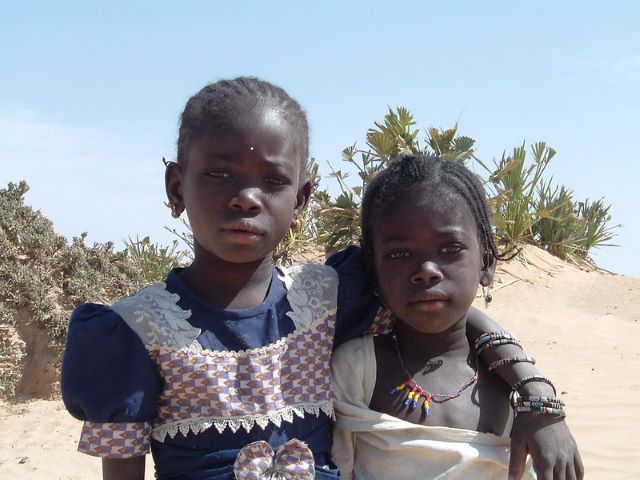
Women's Rights in UgandaWomen’s rights in Uganda are notoriously spotty. Ugandan women experience high rates of physical and sexual abuse, at 56% and 22% respectively. Additionally, child marriage is common and 40% of Ugandan girls marry before they turn 18. As a result, many girls never complete their education or gain the necessary job skills to help them provide for themselves and their families. The lack of opportunities for women to thrive economically only perpetuates poverty in the region.
The Gender Gap and Poverty

Uganda currently ranks 65th out of 153 countries on the Global Gender Gap Index for equal “economic participation and opportunity” among men and women. With 19.7% of Ugandans still living below the poverty line in 2013 and two in three households that escape poverty and then fall below the poverty line all over again, striving for women’s rights in Uganda is one essential step needed to combat the region’s prevalent poverty. Over the last few years, the Ugandan Government and nonprofit groups have made great strides to advance women’s rights in Uganda.

Legislation for Women’s Rights in Uganda

Over the last 15 years, Uganda has passed a volley of legislation designed to protect women’s rights. These laws make it more likely for women to have the physical health and wellbeing to hold jobs and begin to address the social barriers to women’s economic participation.

  • Laws prohibiting violence against women: The 2009 Persons Act (anti-trafficking), 2010 Anti-Female Genital Mutilation Act, 2010 Domestic Violence Act and additional 2011 domestic violence regulations.
  • The Equal Opportunities Commission Act of 2007: This law gives the Ugandan state power to punish discrimination against sex, while also permitting the state to implement “affirmative action in favor of groups marginalized on the basis of gender… for the purpose of redressing imbalances which exist.”

Governmental Plans for Women’s Rights

Addressing women’s rights in Uganda is a key part of Uganda’s Second National Development Plan 2015/16 – 2019/20. The Plan explains attaining women’s rights as a prerequisite to desired economic growth and proposes several key initiatives to increase women’s access to business ownership and resources. The initiatives include using technology to promote women’s issues, advancing economic reforms to allow women equal access to inheritance, property and public financial resources as well as addressing widespread gender discrimination. An additional public policy plan, The National Strategy to End Child Marriage, seeks to enhance women’s autonomy and economic opportunity by curtailing child marriage, which stunts teenagers’ abilities to seek education and exposes them to marital violence. Due to child marriage, currently up to 35% of girls drop out of school before age 18.

Organizations for Women’s Rights in Uganda

Nonprofit advocacy groups are playing a part to advance and raise awareness for women’s rights too. Girl Up Initiative Uganda provides programs tailored to educate adolescent girls, teaching job skills and economic empowerment. Additionally, Action for Rural Women’s Empowerment (ARUWE Uganda) focuses on teaching agricultural job skills to women in rural areas.

The National Union of Women with Disabilities in Uganda (NUWODU) seeks to expand ongoing women’s rights work to women with disabilities. In particular, NUWODU aims to end discrimination against disabled women workers in the job market and to increase their wages and access to services.

While there is still plenty of work to do, the progress being made by nonprofits and governmental action taken on behalf of Ugandan women enables them to attain long-term economic equality and prosperity that will help the region as a whole to fight poverty.

– Elizabeth Broderick
Photo: Flickr

December 7, 2020
https://borgenproject.org/wp-content/uploads/borgen-project-logo.svg 0 0 Kim Thelwell https://borgenproject.org/wp-content/uploads/borgen-project-logo.svg Kim Thelwell2020-12-07 08:46:052024-05-30 07:53:00Progressing Women’s Rights in Uganda
Developing Countries, Food & Hunger, Foreign Aid, Global Poverty

Poverty in Mali: Causes, Solutions and Further Action

poverty in Mali
A land-locked, predominantly rural society with limited women’s rights, a poor health care system and constant conflict due to recent terrorism and political instability, Mali and its population are extremely vulnerable to poverty. In fact, 49% of Malians live below the poverty line.

Poverty in Numbers

The astronomically high rate of poverty in Mali affects various parts of its society, namely food security, education and women’s rights. More than 70% of families in Mali are four individuals or larger given that the average Malian woman gives birth to six children. Big families, combined with the rising number of droughts, food shocks and unsustainable agriculture practices, have adversely impacted food security and the cost of living in Mali. This leads to many children dropping out of school to support their family by working, a problem that the increased poverty due to COVID-19 will likely exacerbate. As a result, the total adult literacy rate is just 33% while only reaching 22% for women, thus hurting the future prospects and opportunities for Mali’s population.

Furthermore, many treat Malian women as property to buy and sell. This oppressive culture along with widespread poverty in Mali has greatly contributed to about 49% of Malian girls having to marry before they turn 18 against their will, as husbands will pay more money for younger brides.

The government of Mali has consistently viewed international cooperation and collaboration as the most effective way for it to reduce domestic poverty. Traditionally, however, Mali’s largest obstacle to overcome has been the constant threat of terrorism in its north, which has displaced hundreds of thousands of people in addition to reducing the government and NGOs’ ability to provide basic services to those who fled.

Programs to Help Mali

Governments across the world have provided aid for Mali’s people through a variety of programs. Notably, the United State’s Feed the Future initiative not only gives nutritional help to millions of Malian children per year but it advances long-term food solutions to food security in Mali by providing sustainable farming technologies for thousands of Malian farmers.

Canada has pursued a similar mission by funding hydro-agricultural infrastructure to help 7,500 women gain access to high-quality, irrigated land as well as helping about 470,000 women obtain crop insurance or agricultural credit from 2014 to 2017. This further bolstered food security for at-risk families, thereby building resilience to possible environmental events.

Finally, the World Bank has allocated $1.5 billion to 30 programs directly improving Mali’s infrastructure, financial sector and agricultural sector. The results of such ventures have been overwhelmingly positive for eliminating poverty in Mali. Almost 80,000 Malians have received cash transfers four times a year, more than 100,000 women and children received nutritional supplements and new water sanitation facilities underwent establishment in communities experiencing the threat of water scarcity.

The Road Ahead

The efforts of Mali and its partners cannot stop now. COVID-19 will inevitably create even more poverty throughout Mali with numerous economic and health factors on top of a possible increase in terrorist activities. For many reasons, stepping up efforts to help Mali’s government is the only option. Failing to prevent Mali’s condition from further deteriorating could have dire humanitarian repercussions. On the other hand, acting now and collectively is essential to ensuring regional peace and prosperity for the future. Helping Mali is no longer a choice for the world; rather, it is fundamental to eliminating poverty by the United Nations’ 2030 target date.

– Alex Berman
Photo: Flickr

December 7, 2020
https://borgenproject.org/wp-content/uploads/borgen-project-logo.svg 0 0 Kim Thelwell https://borgenproject.org/wp-content/uploads/borgen-project-logo.svg Kim Thelwell2020-12-07 03:07:002024-05-30 07:52:56Poverty in Mali: Causes, Solutions and Further Action
Developing Countries, Food Security, Global Poverty

3 Places Where Gardening is Helping People Survive

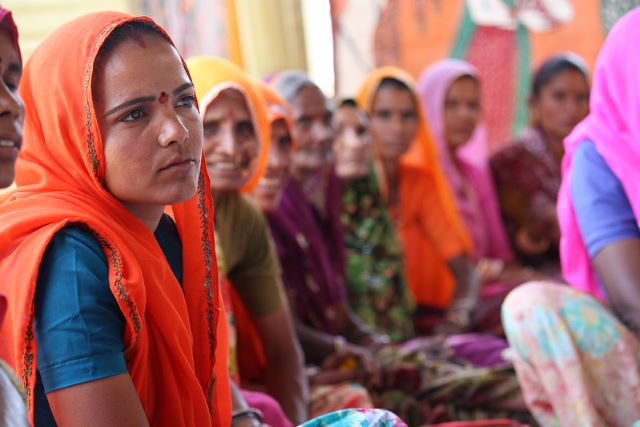
With the COVID-19 pandemic causing global economic downturns, food insecurity and unemployment, many communities in developing countries have turned to small-scale farming and home gardening as a solution. When the pandemic took full effect in March 2020, an upward trend in gardening around the world followed. In developing countries where access to food was dangerously inhibited by the pandemic’s economic effects, embracing small-scale gardening became crucial. To navigate a food crisis, residents of various developing countries embraced gardening and its many benefits, plotting gardens wherever they could find land. In addition to helping communities survive a food crisis by staving off hunger and providing necessary nutrients, gardening also supports struggling local economies and improves mental health. Gardening is helping people survive a pandemic and has taken root to assist communities to cope with the crisis.
3 Places Where Gardening is Helping People

    1. Palestine: In Palestine, the recent farming initiative began when a municipality near Bethlehem reacted to surging unemployment and poverty rates by distributing various herb and vegetable seedlings for residents to plant in their yards. By June 2020, some produce was already ripe for picking. Noting the success of this effort, the Palestinian Agriculture Ministry distributed over one million seedlings and the Applied Research Institute in Bethlehem (ARIJ) contributed 40,000 seedlings. Residents that lack land are encouraged to move their gardening efforts to the roof and the ARIJ is instructing them on how to construct gardens with easily attainable equipment like water pipes. The ARIJ has also brought these gardening initiatives to refugee camps, helping them build planting boxes and even greenhouses so crops can be grown all year. By increasing home gardens, residents have been able to better sustain themselves and benefit from the satisfaction of harvesting from their own gardens.
    2. Lebanon: Prior to the pandemic, the Lebanese economy was already struggling and the added hardship of COVID-19 led to empty supermarket shelves. Since 2019, Lebanon’s currency has decreased in value by 80% and poverty has risen to over 50%. Following a massive explosion in Beirut on August 4, 2020, that destroyed Lebanon’s largest port, imports, which make up the majority of Lebanon’s food supply, are even harder to come by. However, similar to Palestine, officials have urged residents to take up gardening as a means to survive. Residents are utilizing plentiful family land or backyard spaces to plant vegetables and raise chicken and sheep and many are freezing food to prepare for a tough winter. In March 2020, the Ghaletna initiative was created to connect people to their land by teaching farming techniques and helping disperse surplus yield to families most in need. Beyond supplementing Lebanon’s food stocks, these gardens provide residents with a sense of comfort knowing that they no longer have to rely solely on imports. Likewise, this transition is prompting Lebanese people to embrace traditional, local foods.
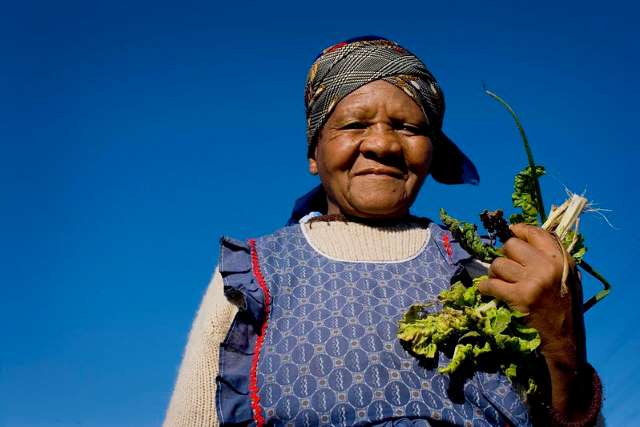
    3. South Africa: In South Africa, gardening is helping people as well. A local farming initiative is not only helping its community by providing produce but is also helping the area’s economic recovery.  In the Uitenhage region, a small-scale farming effort called the Lima Gardening Initiative began when three men with no gardening or farming experience bought a plot of land just as lockdown took effect. Gardening efforts began with spinach, cabbage and beetroot but has expanded since March and locals are now able to purchase produce at affordable prices. In addition to supplying the community with easily accessible food, a primary goal of the Initiative is to encourage youth participation and change the idea that gardening is for the elderly. Once the produce is harvestable, the Initiative plans to employ the youth and help correct rising unemployment. Additionally, the group hopes to use the profit they attain from selling produce at affordable prices to open a soup kitchen and further give back to the community. Through these efforts, the Lima Gardening Initiative is helping a South African community adjust to the economic effects of the pandemic.

    Although these farming initiatives began out of necessity, people in Palestine, Lebanon, South Africa and other countries around the world are learning the benefits of gardening. Beyond coming into use in a time of economic crisis and food shortage, residential and small-scale gardening is helping to support local economies, employing those in need and providing gardeners with a sense of satisfaction and a safe haven.

    –  Angelica Smyrnios
    Photo: Flickr

December 7, 2020
https://borgenproject.org/wp-content/uploads/borgen-project-logo.svg 0 0 Kim Thelwell https://borgenproject.org/wp-content/uploads/borgen-project-logo.svg Kim Thelwell2020-12-07 02:10:312024-05-30 07:52:533 Places Where Gardening is Helping People Survive
Developing Countries, Global Poverty, Health, Water

The Adventure Project’s Initiatives in India

The Adventure Project's Initiatives in IndiaThe Adventure Project (TAP) is a nonprofit that addresses global issues affecting people living in poverty. With innovative entrepreneurial solutions, the organization improves the lives of millions of people in developing countries by addressing issues relating to health, hunger, clean water and environmental safety. The Adventure Project’s initiatives in India involve clean cookstoves and water handpumps.

Clean Cookstoves in India

A particular area of concern for the organization was open fire cooking in India, Many people in India cook over open fires, which leads to about 4 million people dying each year from breathing in toxic cooking smoke. As toxic as the smoke is to people in India, it is just as detrimental to the environment as the percentage of carbon gases in the environment rises. The Adventure Project’s solution to this is clean cookstoves. These environment-friendly stoves save a family 20% of their daily expenses because of the 50% decrease in charcoal use per day. Furthermore, the use of one stove saves six trees from being cut down and also reduces carbon emissions by 1.5 tons.

Handpumps for Water Access

The Adventure Project wanted to create a solution to help with access to clean water in India. Wells provides a source of water and the people in India use handpumps to collect and carry clean water from the wells. The issue is that handpumps often break, and as long as a handpump is broken, people cannot access water. WaterAid partnered with The Adventure Project to run a handpump mechanic business in northern India. The two-year-old business, which trains both males and females, teaches budding mechanics how to fix well handpumps. When a handpump breaks down, villagers call the mechanic shop and someone bikes over to fix it. This means that people are able to fix their own handpumps and assist other villagers with theirs. The business also provides an income for the locals employed there.

Breaking Gender Barriers

Many women are breaking gender barriers by working alongside men in the handpump mechanic business. As the first female well mechanic in Mahoba, India, Ram Rati is inspiring women to follow their dreams. Rati grew sick of the broken handpumps in the village and decided to become a handpump mechanic herself. In her village, traditionally only men ride bikes. At 40 years old, she broke this gender barrier as well by learning how to ride a bike in order to travel around the village and fix handpumps.

By implementing clean cookstoves and creating a handpump mechanic business, The Adventure Project’s initiatives in India contribute to alleviating global poverty.

– Isha Bedi
Photo: Flickr

December 6, 2020
https://borgenproject.org/wp-content/uploads/borgen-project-logo.svg 0 0 Yuki https://borgenproject.org/wp-content/uploads/borgen-project-logo.svg Yuki2020-12-06 01:30:202021-01-29 13:32:56The Adventure Project’s Initiatives in India
Developing Countries, Foreign Aid, Global Poverty

Sweden’s Long-Standing Commitment to End Poverty

Sweden’s Long-standing CommitmentOn September 22, 2020, Peter Eriksson, Sweden’s Minister for International Development Cooperation, took to Twitter to announce that Sweden will continue to commit 1% of the country’s GNI to official developmental assistance during the COVID-19 pandemic, urging the international community to follow in the country’s footsteps. This act is indicative of Sweden’s long-standing commitment to eliminate poverty, which is a promise the country is dedicated to keeping.
A Leader in Foreign Aid

According to the OECD, Sweden dedicates around 1% of its national income to developmental aid, making it the highest developmental assistance donor. The country’s commitment to policy development issues is the strongest in three categories: peace and conflict prevention, gender equality and women’s rights as well as environmental sustainability. Since 2006, the country has committed to regularly donate a portion of its GNI as official developmental assistance (ODA) and has since kept its word, donating at least 1% or more every year.

The Swedish International Development Cooperation Agency (Sida)

Sida is a government agency of the Swedish Ministry for Foreign Affairs. Sida is responsible for Sweden’s official development assistance to developing countries.

Sida is a prominent international actor with an overall mission to make sure people living under poverty and oppression are able to enhance their living conditions. During the COVID-19 pandemic, Sida allocated $149 million to mitigate the pandemic’s effects on vulnerable communities and populations abroad. Sida has collaborated with many different multilateral organizations to uphold Sweden’s promise of helping the international community during the pandemic..

Sida has bilateral development cooperation with 35 different partner countries from four different continents and consistently supports multilateral organizations in their pursuit of increasing human rights and democracy globally.

A Leader for Women’s Empowerment

The country has shown relentless support for gender equality and women’s rights, highlighting Sweden’s long-standing commitment to ending gender discrepancies around the world. Sweden is a pioneer for many new policies regarding women’s rights. For instance, in 2014, Sweden created the world’s very first feminist foreign policy. Sweden has garnered the support of many foreign bodies and their allies by raising awareness through forums. The most notable being the 2018 Stockholm Forum of Gender Equality. The gathering brought 700 members from 100 different countries to discuss the implementation of new policies to protect women in vulnerable communities from oppressive regimes, further elevating their rights and enabling an inclusive society.

A Leader for Environmental Sustainability

Furthermore, Sweden’s clean carbon footprint is impressive, with a large quantity of the country’s waste recycled. The country has committed to net-zero emissions by the year of 2045 and it has dedicated many resources to encourage countries across the globe to implement sustainable environmental practices. The country has shown continued leadership. In 2017, Sweden had co-chaired the U.N. Ocean Conference with Fiji. In 2018, Sweden also hosted GEF-7 Replenishment, a meeting between contributing and potential participants from all around the world with efforts to eliminate non-renewable energy sources in the near future.

Sweden: A Developmental Assistance Model

Sweden’s long-standing commitment to developmental assistance highlights the country’s leadership skills as an exemplary model for other developed nations. Sweden’s relentless efforts in supporting foreign aid, even during a pandemic, is a model that needs to be mimicked by other developed nations that have the same capacity to help, now more than ever.

– Mina Kim
Photo: Flickr

December 6, 2020
https://borgenproject.org/wp-content/uploads/borgen-project-logo.svg 0 0 Yuki https://borgenproject.org/wp-content/uploads/borgen-project-logo.svg Yuki2020-12-06 01:30:152024-06-04 01:17:59Sweden’s Long-Standing Commitment to End Poverty
Developing Countries, Global Poverty, Health, NGOs

9 Facts About NGOs and Healthcare in Dominica

Dominica, a small country in the Caribbean, has a population of about 72,000. Currently, general taxes are what finance healthcare services in Dominica. There are seven healthcare centers and 44 clinics around the country that provide primary healthcare at no cost.

 9 Facts About Healthcare in Dominica

  1. Dominica spends equivalent to $418 per capita on healthcare. As of 2011, healthcare costs were 4.2% of the GDP. Those healthcare services are provided by the Ministry of Health. Also, as of 2017, there were 1.1 doctors per 1000 people in Dominica.
  2. There are five hospitals in Dominica. Four of these hospitals are government-owned, while the other one is privately owned. The Princess Margaret Hospital has one small intensive care unit, meaning it is most equipped to deal with emergency situations. However, the other three, the Marigot hospital, Grand Bay hospital and Portsmouth hospital, are not as prepared.
  3. Dominicans generally have somewhat long lifespans. For men, life expectancy is 74.4 years, and for women, it’s 80.5 years. Therefore, the total average life expectancy is 77.4 years, exceeding the global average of 72 years. However, as of 2019, 30.9 infants died out of 1000 live births, which is a rate of about 3.29%.
  4. There are both primary and secondary healthcare services in Dominica. There are seven health districts in which primary healthcare services are provided by clinics. These clinics serve about 600 people each within a 5-mile radius of the district in which they are located. Princess Margaret Hospital provides secondary healthcare to the people of Dominica.
  5. Some individuals are exempt from charge for medical treatment. Those who are considered poor or needy, pregnant women, children younger than 17 years old  are exempt from the medical care charges. People who may also have an infectious and contagious disease that can spread through multiple ways (such as bodily contact, contact with bodily fluids, or breathing in the virus) are also exempt from the charges that arise from medical care.
  6. The HIV/AIDS prevalence rate is 0.75%. About 506 people out of a population of 72,293 people in the Dominica have HIV/AIDS. Countries that have a prevalence rate of HIV/AIDS that exceed 1% are considered to have Generalized HIV Epidemics, so Dominica is currently below that even though its rate is higher than places like the U.K. 70% of those infected by HIV/AIDS are male. In 2019, only 95 adults and children were receiving antiretroviral therapy in Dominica.
  7. The Citizenship By Investment program in Dominica helps rebuild medical buildings and infrastructure, as well as provide treatment abroad. After Hurricane Maria in 2017, the CBI program helped fund the rebuilding of six hospitals and three healthcare centers in Dominica. Similarly, the program also sponsored 16 children to receive treatment abroad in 2017-2018. The treatment was critical for the of health of the children in Dominica.
  8. The Order of St. John is an NGO project working to improve healthcare in over 40 countries, including Dominica. This international charity has over 300,000 volunteers and staff and provides multiple services such as healthcare, first aid and other methods of support. This organization, registered as an NGO in 1964, had an income of 1.44 million pounds in 2018. Its mission is to help improve the health of people around the world and alleviate worldwide sickness. Additionally, St. John works to provide volunteers with disaster preparedness training in Dominica in the case of tropical storms or other natural disasters. The organization accepts donations, 100% of which go to their programs.
  9. Another NGO, EACH, also works in Dominica to provide healthcare communication. EACH works to promote healthcare communication that is concentrated around patients. EACH also works to provide healthcare communication research, skills and tools. They strive to ensure that patients worldwide receive specialized care with regard to autonomy and safer, efficient healthcare, as well as ensuring that patients are more likely to recover from diseases. EACH became a nonprofit and charity organization in 2014.

Many organizations and hospitals are working to provide effective healthcare in Dominica. The general public can help assist these organizations through donations or volunteering. Learning more about healthcare in Dominica, as well as in different countries around the world, can help one understand both the domestic and global situation of healthcare today.

– Ayesha Asad
Photo: Unsplash

December 4, 2020
https://borgenproject.org/wp-content/uploads/borgen-project-logo.svg 0 0 Kim Thelwell https://borgenproject.org/wp-content/uploads/borgen-project-logo.svg Kim Thelwell2020-12-04 07:30:432024-05-30 07:55:409 Facts About NGOs and Healthcare in Dominica
Developing Countries, Global Poverty

Nespresso AAA Sustainable Quality Program

Nespresso AAAPopular on every continent of the earth, coffee is one of the most traded agricultural commodities in the world. In 2017, more than two-thirds of the global coffee production was exported, creating 125 million jobs and an $83 billion retail market value. The market is also extremely vast. While the largest importing countries are the United States, Germany and France, most coffee beans grow in smallholder farms in developing countries across Africa, Latin America and Southeast Asia, including 22 Low Human Development Countries, according to the U.N.’s Human Development Index. The Nespresso AAA Sustainable Quality Program aims to help coffee farmers in developing countries.

Coffee Farming in Developing Countries

In many of these underdeveloped regions, coffee is a particularly important crop and a significant source of income for farmers to recover from natural disasters, economic volatility or political conflicts. However, many smallholder farmers find it difficult to tap into the global premium market due to their low productivity, outdated processing technics and lack of market access. More than 2.5 million African smallholder coffee farmers are still in extreme poverty today. In other words,  they live on less than $1 a day.

Nespresso AAA Sustainable Quality™ Program

Seeing the difficulties that farmers face and the great potential for future development, Nespresso, a subsidiary of Nestlé, one of the most popular and successful coffee businesses of the 21st century, launched the AAA Sustainable Quality™ Program in 2003. AAA stands for the triple focus on high quality, productivity and social and environmental sustainability, aiming to encourage rural economic development and improve the livelihoods and well-being of coffee farmers while producing high-quality coffee. To enter the program, a farmer has to produce a specific aroma profile and meet the quality and sustainability requirements.

Technical Assistance and Business Support

Once accepted in the Nespresso AAA Sustainable Quality™ Program, farmers receive tools and learn sustainable coffee growing and processing practices from the agronomists that Nespresso sends directly to their communities. Nespresso also helps install small wet mills that allow for greater efficiency and quality control in coffee aggregating and processing. Thanks to the adoption of these new or improved practices, land productivity has increased 40-50% in Kenya and Ethiopia.

Besides, Nespresso trains the farmers for better farm economic management and business practices, easier access to new and differentiated markets and stronger resilience to climate change through climate-smart agricultural practices. Together, this ensures greater profitability and income stability. Farmers have the right to choose the buyers, although many just sell their coffee to Nespresso since it offers a fair price of around one third above the standard market price and up to 70% of the export price can go back to farmers and their local communities.

Wider Systemic Solutions

Beyond the coffee business, the ultimate goal of the Nespresso AAA Sustainable Quality™ Program is to improve farmers’ living conditions. After years of endeavor, the program is evolving into a broader rural development program that encompasses sustainable agriculture, financial literacy, municipalities and social welfares. For example, in 2014, Nespresso and Fairtrade International together launched the Farmer Future Program in Caldas, Colombia, to provide the first pension scheme for coffee farmers. This will also help with the generational transfer of farms from parents to children, ensuring opportunity for young people in coffee-producing regions.

As of 2020, Nespresso has committed an annual investment of CHF 40 million and 400 agronomists have been sent to help farmers. More than 110,000 farmers in 14 developing countries have been participating in the Nespresso AAA Sustainable Quality™ Program.

The program is a veritable triple-win collaboration between coffee farmers, Nespresso and the customers. Nespresso sources approximately 95% of its total coffee supply through the AAA program, which is not far from 100%, its ultimate vision for the end of 2020.

– Jingyan Zhang
Photo: Flickr

December 2, 2020
https://borgenproject.org/wp-content/uploads/borgen-project-logo.svg 0 0 Jennifer Philipp https://borgenproject.org/wp-content/uploads/borgen-project-logo.svg Jennifer Philipp2020-12-02 01:30:202021-02-02 06:57:49Nespresso AAA Sustainable Quality Program
Developing Countries, Global Poverty, Water, Water Crisis

Goliathon: Safe Drinking Water for Those in Need

GoliathonGoliathon is a nonprofit organization located in New Jersey, that uses obstacle courses to raise money for another organization, charity: water, which is based in New York. These two organizations jointly work to bring clean and safe drinking water to people in developing countries.

Water: A Universal Human Right

In 2017, 2.2 billion people worldwide did not have access to clean water, which is roughly one in 10 people. The lack of access to clean water is due to the contamination of water as well as the location of water. With 144 million people sourcing their drinking water from untreated lakes, ponds and streams, disease is a massive concern. Unsafe and untreated water is responsible for the transmission of diseases like cholera and dysentery. Diarrhea alone claims almost 485,000 lives a year. The matter of location is equally vital. Efforts to create safe water sources mean little if they are not easily accessible for those in need. More than 200 million people must walk more than half an hour to reach a safe water source.

The U.N. recognizes access to water as a universal human right. In the effort to solve this crisis, the General Assembly argues that water must be safe, acceptable and affordable and has to be within 1,000 meters of the home. The value of water is a key reason why Goliathon has chosen to work with charity:water.

charity: water

Founded in 2006, charity: water is committed to providing clean drinking water to developing nations. The majority of its work has been centralized in Asia and Sub-Saharan Africa, with a few projects located in Central America. These projects include well construction, water purification systems and rainwater harvesting.

Founder and CEO, Scott Harrison, recognizes the opportunities offered by technological advancements. He sees the solution to the water crisis as a possibility. He believes “It’s just a matter of getting the right resources to the right people.”

Charity: water prides itself on transparency, promising that 100% of proceeds go toward hands-on development of the projects.

Goliathon

Goliathon was founded by a group of friends who value athleticism and altruism. Their mission statement is “It’s not a race. It’s a mission.” This mission statement reflects that the water crisis is not one problem to fix but a collective mission to undertake. Goliathon’s fundraising for charity: water has resulted in several completed water projects in Bangladesh, Nepal, Ethiopia, Cambodia and Malawi. Three more water projects have been funded and are currently under construction.

By signing up to take part in Goliathon obstacle courses, participants raise money for charity: water efforts. The courses are not a competition but a challenge that encourages everyone to be an advocate for global issues like water access.

The obstacle courses are open to all and vary in difficulty to appeal to both beginners and the more experienced. The Goliathon team has created several different obstacles for participants to overcome, each unique in design and requiring equally clever solutions. A particularly notable challenge in the course is the water carry challenge, which has participants cart jerrycans full of water as a way of connecting to those in developing nations who must do the same.

Impact of Goliathon and charity:water

Goliathon’s October 2017 event resulted in $50,000 raised for charity: water efforts in Ethiopia. Completed in September 2019, the project oversaw water spring protection and the creation of safe pipe systems. Over 1,600 people in Ethiopian communities were helped.

The most recent Goliathon event held in October 2019 had $34,000 raised for BioSand Filters in Cambodia. These BioSand Filters offer a simple and low-cost solution as a form of filtration. Their effectiveness is amplified by charity: water committing to educating the families that use them, ensuring a healthy cycle.

COVID-19 has prevented Goliathon from hosting any events in 2020. However, the Goliathon team is optimistic and is planning for a possible event in June 2021, with protocols in place if necessary.

– Kelli Hughes
Photo: Flickr

December 2, 2020
https://borgenproject.org/wp-content/uploads/borgen-project-logo.svg 0 0 Yuki https://borgenproject.org/wp-content/uploads/borgen-project-logo.svg Yuki2020-12-02 01:30:142024-05-29 23:13:56Goliathon: Safe Drinking Water for Those in Need
Developing Countries, Global Poverty, Humanitarian Aid

Ongoing Flooding in Libya Requires Aid

Flooding in LibyaLibya has been a regular victim of severe flooding for many decades and the problem is only becoming more severe. Heavy rains have caused significant problems, with flooding and landslides in urban and rural areas making day-to-day life infeasible for thousands.

Flooding in Al-Bayda, Libya

On November 6 2020, Al-Bayda, Libya, experienced torrential rains and extreme flooding, resulting in the displacement of thousands. High water levels on public roads have made daily commutes impossible for many. Additionally, the floods have left thousands without electricity and have greatly damaged properties.

The flooding of 2020 is reminiscent of the flooding in the Ghat district in 2019, which affected 20,000 people and displaced 4,500. In June of 2019, flooding devastated areas in south Libya and damaged roads and farmland.  Central infrastructure suffered unrecoverable damages, setting the region back. Areas prone to disaster are significantly limited in their progression and development when devastation is so frequent.

Flooding and Poverty

The pattern of flooding in Libya has consistently contributed to problems of economic decline, poor infrastructure and poverty. As one of the most common natural disasters, flooding impacts impoverished areas more severely because their infrastructure is not built to withstand floods or landslides.

Poor countries take a long time to recover from the impact of flooding because they do not have the resources and money to repair property damage and help people to bounce back from the effects. War-affected countries are even more vulnerable and Libya is such a country affected by war and conflict.

Within the country, a two-day holiday was declared on November 9 and 10 of 2020 due to the extreme flooding and $7 million has been allocated to address damages in Al-Bayda municipality.  Since the flooding, there has been little recognition and support from the international community.

Humanitarian Aid

A humanitarian aid team from the European Civil Protection and Humanitarian Aid Operation (ECHO) assembled to provide aid to support the city of Al-Bayda and other cities vulnerable to flooding in Libya. The team worked to gather information and identify what resources are most needed to help families get back on their feet and be better prepared for future severe flooding and weather. Cleanup efforts are ongoing and teams started using satellite imaging and other data-collecting resources to help assess and plan for resource distribution.

The Need for Foreign Aid in Libya

In response to Libya’s chronic vulnerability to severe flooding, in 2019, the U.S. Government provided nearly $31.3 million to address the humanitarian needs of conflict-affected populations throughout Libya. Since the floods are ongoing, ongoing assistance is needed. Proactive and preventative measures need to be implemented in response to the devastating pattern of flooding in Libya. These are expensive investments, however, and Libya cannot implement these preventative measures alone. Help from the international community is crucial in order to create a more resilient country.

– Allyson Reeder
Photo: Flickr

November 30, 2020
https://borgenproject.org/wp-content/uploads/borgen-project-logo.svg 0 0 Lynsey Alexander https://borgenproject.org/wp-content/uploads/borgen-project-logo.svg Lynsey Alexander2020-11-30 01:30:382024-05-30 07:56:05Ongoing Flooding in Libya Requires Aid
Page 74 of 157«‹7273747576›»

Get Smarter

  • Global Poverty 101
  • Global Poverty… The Good News
  • Global Poverty & U.S. Jobs
  • Global Poverty and National Security
  • Innovative Solutions to Poverty
  • Global Poverty & Aid FAQ’s
Search Search

Take Action

  • Call Congress
  • Email Congress
  • Donate
  • 30 Ways to Help
  • Volunteer Ops
  • Internships
  • Courses & Certificates
  • The Podcast
Borgen Project

“The Borgen Project is an incredible nonprofit organization that is addressing poverty and hunger and working towards ending them.”

-The Huffington Post

Inside The Borgen Project

  • Contact
  • About
  • Financials
  • President
  • Board of Directors
  • Board of Advisors

International Links

  • UK Email Parliament
  • UK Donate
  • Canada Email Parliament

Get Smarter

  • Global Poverty 101
  • Global Poverty… The Good News
  • Global Poverty & U.S. Jobs
  • Global Poverty and National Security
  • Innovative Solutions to Poverty
  • Global Poverty & Aid FAQ’s

Ways to Help

  • Call Congress
  • Email Congress
  • Donate
  • 30 Ways to Help
  • Volunteer Ops
  • Internships
  • Courses & Certificates
  • The Podcast
Scroll to top Scroll to top Scroll to top