• Link to X
  • Link to Facebook
  • Link to Instagram
  • Link to TikTok
  • Link to Youtube
  • About
    • About Us
      • President
      • Board of Directors
      • Board of Advisors
      • Financials
      • Our Methodology
      • Success Tracker
      • Contact
  • Act Now
    • 30 Ways to Help
      • Email Congress
      • Call Congress
      • Volunteer
      • Courses & Certificates
      • Be a Donor
    • Internships
      • In-Office Internships
      • Remote Internships
    • Legislation
      • Politics 101
  • The Blog
  • The Podcast
  • Magazine
  • Donate
  • Click to open the search input field Click to open the search input field Search
  • Menu Menu

Archive for category: Developing Countries

Information and stories about developing countries.

Developing Countries, Global Poverty, Nonprofit Organizations and NGOs, Poverty Eradication, Poverty Reduction

5 Poverty Fighting Nongovernmental Organizations Based in India

Nongovernmental Organizations Based in IndiaIndia is currently the fifth-largest economy globally, with a peak gross domestic product (GDP) of 8.4%. Despite this remarkable economic advancement, approximately 3.4 million civilians in India are still living in extreme poverty. Poverty in both rural and urban India has left millions of families without adequate drinking water and has led to persistent food insecurity. The deteriorating socioeconomic opportunities for families living below the poverty line have hindered their ability to achieve a decent standard of living. However, nongovernmental organizations (NGOs) based in India have shown dedication to alleviating the distress of impoverished families through empowerment programs and social support. These five grassroots organizations work to transform the lives of hundreds of communities burdened with socioeconomic disadvantages.

End Poverty

End Poverty (EP) is a civil society organization established in India in 2009. Its main goal is to mobilize rural communities to improve their socioeconomic well-being. Given that India’s rural population accounts for nearly 65% of the total population, EP is dedicated to enhancing rural infrastructures through various social interventions.

For instance, EP has endorsed the Holistic Rural Development Project (HRDP) alongside the HDFC bank to revitalize village area opportunities through educational services and agricultural skills training, such as multi-cropping techniques. The HRDP initiative has reached nearly 17 states across India and has triumphantly assisted more than 1,100.

Aarohan

Since its founding in 2005, Aarohan has been fulfilling its mission of supporting child-focused rights and protection. Through intensive research and surveys, the NGO has prioritized healthy development for impoverished children. The organization compartmentalizes multiple sustainable development goals (SDGs) while enforcing food security, health care access and efficient education in its projects.

In particular, Aaarohan’s “Education Program Approach” promoted academic stability for impoverished children in concurrence with nutritional consistency. It has also endorsed vocational training, such as computer skills and financial literacy. This ensures that all individuals who aspire to, can pursue further employment opportunities. This organization has positively influenced more than 7,000 children and has demonstrated a holistic approach to poverty relief through the integration of SDGs in its work.

Dilasa

This agricultural NGO was established in 1994 and is acknowledged for collaborating with 25 other NGOs based in India, working to alleviate poverty. Dilasa has taken on hands-on projects such as building and distributing temporary shelters, housing sheds and educational resources. These projects have touched the lives of more than 2,334 families across the villages of the Marathwada and Vidarbha regions.

Dilasa is also instrumental in its agency for farmer welfare. This organization has successfully set up a farmer support center in Mumbai that has aided women farmers. It has promoted agricultural techniques such as protective irrigation to store rainwater. By doing so, farmers can acquire a stable income that will maintain an adequate standard of living.

Vimochana

Vimochana is a women’s focused NGO based in India. This organization was established in 1979 and has dedicated its mission to establishing security for women who come from distressing environments for vulnerable women. Vimochana has supported women who have experienced societal injustices such as poverty, domestic violence and sexual exploitation. Through the force of advocacy, Vimochana has empowered more than 30,000 women.

Rainbow Homes Program

Formed in 2002 by the Rainbow Foundation India, the Rainbow Homes Program’s agenda is to protect the homeless children in urban India. With more than 18 million vulnerable children working on the streets of India, the nonprofit primarily focuses on caring for children who have been abandoned or forced to live on the streets in the country’s metropolitan cities.

The Rainbow Homes Program remains focused on creating community centers and children’s homes alongside the help of the public sector. This program has extended to approximately 5,601 children and adolescents across India.

These nongovernmental organizations based in India have demonstrated the resilience and effort needed to fight poverty and associated social injustices in the country.

– Abigail Lobo

Abigail is based in Mississauga, Ontario, Canada and focuses on Good News and Global Health for The Borgen Project.

Photo: Unsplash

June 13, 2024
https://borgenproject.org/wp-content/uploads/borgen-project-logo.svg 0 0 Lynsey 2 https://borgenproject.org/wp-content/uploads/borgen-project-logo.svg Lynsey 22024-06-13 01:30:322024-06-12 09:07:595 Poverty Fighting Nongovernmental Organizations Based in India
Developing Countries, Global Poverty, Health

Tobacco in Vietnam: A Cause and a Symptom of Poverty

Tobacco in VietnamVietnam is considered a developing country with a lower middle-income economy. Historically, the Vietnamese considered tobacco a means to materially signify “social status, convey respect and support social rituals.” Today, Vietnam is considered one of the highest tobacco-consuming nations in the world, with more than 40,000 premature Vietnamese deaths per year attributed to smoking.

Smoking as a Symptom of Poverty

Socioeconomic inequality can be inherently linked to levels of tobacco consumption. A 2012 study by the National Institute of Health found that poorer men in society were 2.5 more likely to smoke than the wealthier male population. The World Health Organization (WHO) Framework Convention on Tobacco Control found that more than “80% of the world’s smokers” reside in “low or middle-income countries.” This is supported by the fact that only 29.1% of Vietnam’s wealthier quintiles smoke daily, compared to 47.9% in the poorer sectors.

The damaging physical and mental impacts of cigarette use further support an argument for tobacco as an indicator of poverty. Nicotine addiction results in Vietnam’s most impoverished citizens consuming tobacco to “reduce the stress of social isolation, economic hardship, prior trauma and the loss of power and status.” Vietnam’s predominantly higher rates of tobacco consumption can be correlated directly with its status as a lower economically developed country.

Smoking as a Cause of Poverty

Cigarettes are not only an indicator of poverty in Vietnam but also a contributing cause of such. A 2018 study found that tobacco-related expenditure increased the number of Vietnamese people considered poor by 305,090 (0.31% of the country’s population). Expenditure on cigarettes exacerbates already stretched budgets in low-income households. A WHO study identified three characteristics of tobacco-related expenses that could amplify the troubles of necessitous households:

  • the reduction of disposable income due to tobacco-related purchases,
  • the loss of household income due to premature mortality and
  • higher expenditure on health care expenses due to the health implications of smoking.

The morbidity and mortality associated with cigarettes aggravates the financial struggles of tobacco-smoking households. Developing countries, like Vietnam, do not have the health care infrastructures in place to support the prevalence of tobacco-induced ailments. Vietnam’s “weak” social insurance system and “expensive” health care means there is a higher risk of smokers and their families falling below the poverty line.

National and International Tobacco Corporations

The tobacco industry employs various tactics to maximize profits, both nationally and internationally. In 2022, a state-owned company, Vietnam National Tobacco Corporation (Vinataba), had the largest share in the national Vietnamese cigarette market, at 58%. This contextualizes the finding that Vietnam has one of the lowest tobacco taxes in Southeast Asia, higher only than Laos, Cambodia and Myanmar.

In 2021, Vietnam imported more than $242 million worth of tobacco from companies such as Philip Morris International (PMI) and Japan Tobacco International (JTI). The multinational tobacco industry recognizes the female population of Vietnam as an untapped industry. As a result, these companies relentlessly target this societal sector through advertising campaigns that associate cigarettes with “fashion, glamor, independence and empowerment.”

However, female tobacco consumption in Vietnam is significantly lower than the male population, at an estimated 4.3% of women compared to a staggering 72.8% of men. While tobacco use is largely gendered, it is recorded that 48% of women are exposed to second-hand tobacco smoke at home and 25% suffer exposure at work. It is also documented that 19,000 Vietnamese citizens have died as a result of passive smoking, with 60% of these being women.

Steps Toward a Smoke-Free Future

The Vietnam National Tobacco Harm Prevention and Control Program aims to reduce tobacco use in Vietnam by raising public awareness of the social, financial, environmental and health consequences of cigarettes. It focuses primarily on younger age groups (between 15 and 24 years old). The program has numerous aims, including a reduction of passive smoking by 30% in the workplace, 75% in restaurants and 80% in cafes and bars between 2026 and 2030.

Through collaborations with international organizations and liaison with local agencies, this initiative has launched media campaigns and school initiatives that promote a smoke-free future for upcoming generations in Vietnam.

Final Remark

Smoking is an epidemic in Vietnam and can be correlated directly with poverty levels. However, the health dangers and economic implications of smoking are being recognized, a recognition that has seen measurable improvements in tobacco-related repercussions. From 2015 to 2022, Vietnam has reduced the number of smokers by 0.85, preventing 280,000 premature deaths and saving 1.277 trillion Vietnamese dongs ($54.4 million). Tackling tobacco abuse has the inherent impact of alleviating poverty in marginalized Vietnamese communities.

– Thea Carter

Thea is based in London, UK and focuses on Global Health for The Borgen Project.

Photo: Flickr

June 12, 2024
https://borgenproject.org/wp-content/uploads/borgen-project-logo.svg 0 0 Lynsey 2 https://borgenproject.org/wp-content/uploads/borgen-project-logo.svg Lynsey 22024-06-12 01:30:062024-06-27 09:59:44Tobacco in Vietnam: A Cause and a Symptom of Poverty
Developing Countries, Global Poverty, Women's Empowerment

Women’s Rights Issues in Tuvalu

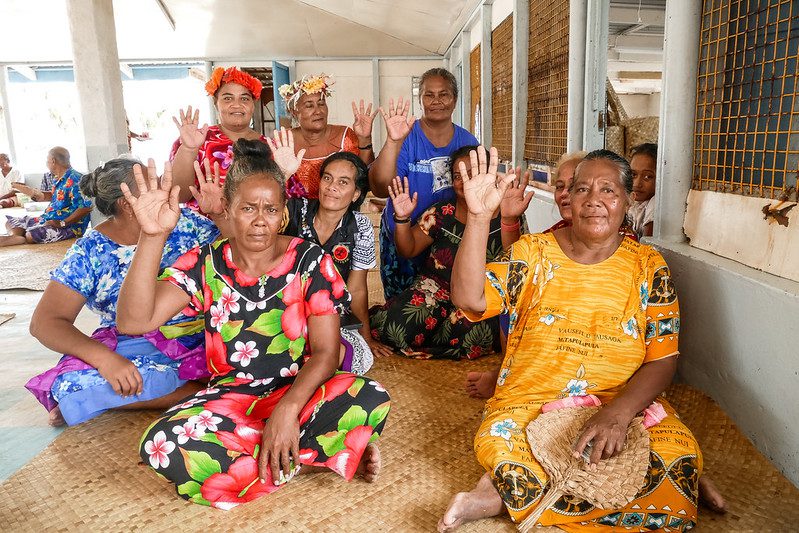
Women's Rights Issues in TuvaluSituated in the vast Pacific Ocean halfway between Hawaii and Australia, Tuvalu is one of the world’s smallest, most remote island nations, made up of slightly more than 11,000 people, all living on a mere 26 square kilometers of land. Women in Tuvalu encounter challenges across various aspects of daily life, including representation in government, participation in the economy and the risk of violence in the household. Here are three big women’s rights issues in Tuvalu:

Underrepresentation in Parliament

Tuvalu gained independence from Britain in 1978 and since then, only three women have been elected as members of the Tuvalu Parliament. Most recently, in the general election of 2019, only 5.4% of candidates were women and only one was successfully elected. Tradition and cultural norms are factors as to why women are not represented in the government as much as men. Traditionally, it is the belief that women should take care of domestic labor while men dominate the workforce. While this belief is not a hard and fast rule, it does bleed into governance as women are excluded and limited from decision-making in local governmental participation.

In addition, family ties and connections play a big role in who gets elected, as there are no formal campaigns or parties. Although progress toward improving equal representation in the government has been made, tangible improvements toward this goal in terms of a permanent legislature have yet to be made. Exclusion from decision-making marginalizes women’s influence on the legislature that addresses issues that directly affect them, such as poverty, poor education and underemployment. By including women in government, these pressing issues like poverty could be directly confronted.

Economic Disparity

In Tuvalu, women’s participation in the workforce remains unequal to that of men. According to the World Bank, in 2023, young women from the ages of 15 to 24 made up only 43% of the workforce, while young men made up 53%. Additionally, the unemployment rate for women was 16.2% and 4.6% for men in 2022. In terms of education, 37.4% of women were not in training, employment or education. The lack of women in the labor force keeps Tuvaluan women in a cycle of economic inequality and poverty. Addressing these issues could lead to a more productive workforce and economic development that not only helps improve the lives of low-income women but also of the community.

Gender-Based Violence

In Tuvaluan society, nearly 36% of women between 15 and 49 reported experiencing physical violence from a partner within their lifetimes, with 24.3% of women stating that they experienced violence within the 12 months before the report. Violence, including physical, sexual and emotional forms, significantly impacts the lives of Tuvalu women. These women might have a harder time accessing money or making any financial decisions, which can contribute to their financial dependency and their exposure to poverty.

Looking into the Future

While these major areas of society need women to be included to improve, one organization is working on building a better future for the island and women’s rights issues in Tuvalu. The Tuvalu Coastal Adaptation Project (TCAP) focuses on building infrastructure to protect and raise the island away from rising sea levels due to climate change. A huge component of this project is advocating for women to speak up in the government and community spaces.

The project focuses on supporting women through education, offering scholarships and helping them obtain governing positions. Two female recipients have already been placed into universities abroad thanks to this program. Additionally, TCAP has created 100 new jobs that not only fight against island erosion but also prioritize female applicants to maintain a 50-50 gender balance. TCAP trains women in the relevant skills to boost their careers and also gives them a platform for their existing streams of income, which typically come from selling handicrafts.

– Rachel Venable

Rachel is based in Berkeley, CA, USA and focuses on Global Health for The Borgen Project.

Photo: Flickr

June 11, 2024
https://borgenproject.org/wp-content/uploads/borgen-project-logo.svg 0 0 Lynsey 2 https://borgenproject.org/wp-content/uploads/borgen-project-logo.svg Lynsey 22024-06-11 01:30:532024-06-10 10:58:39Women’s Rights Issues in Tuvalu
Developing Countries, Global Poverty, Slums

Jaco Swanepoel: A South African Transforming the Slums of India

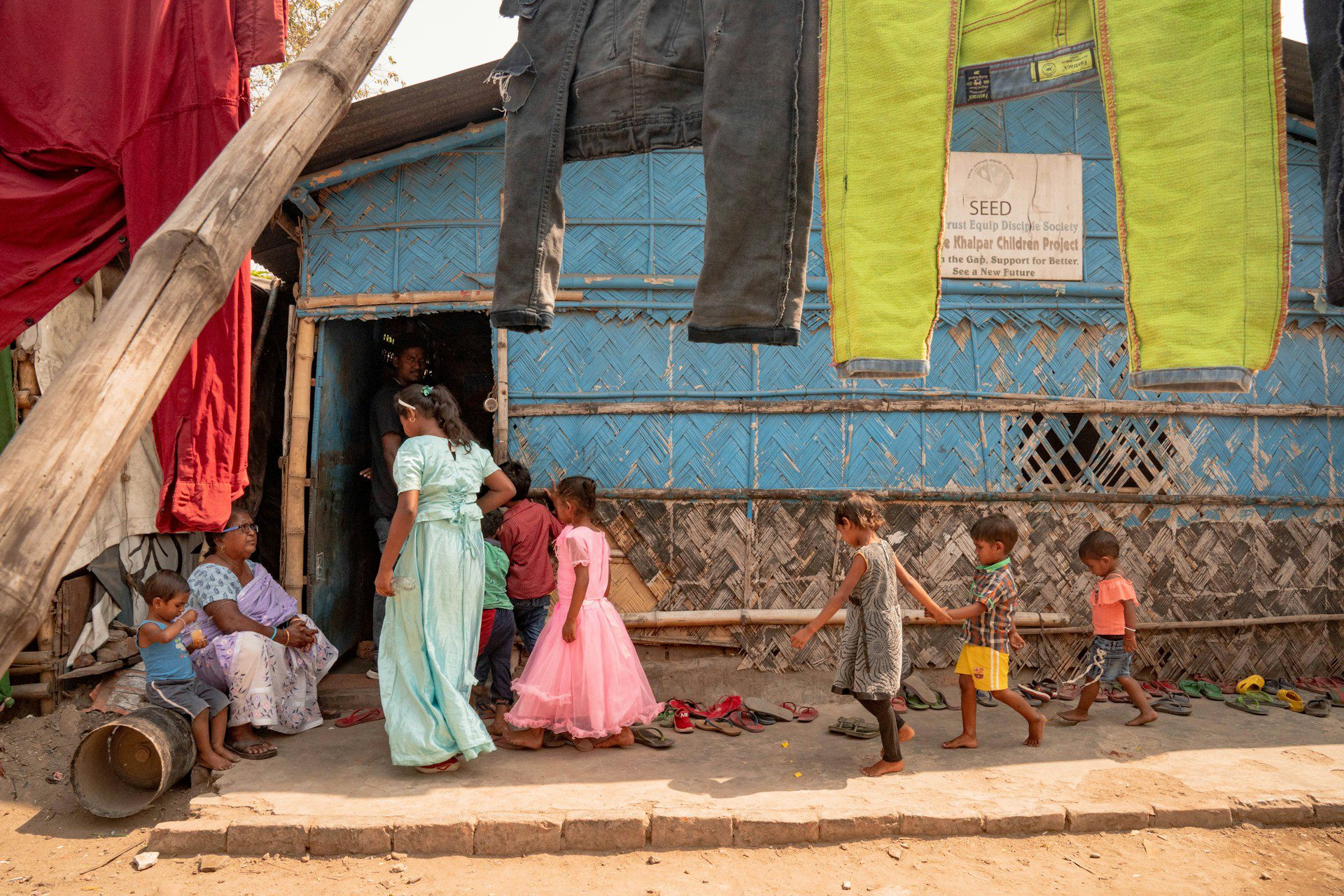
Jaco SwanepoelIndia has a whopping population of nearly 1.5 billion people and this number is continuously on the rise. This has inevitably led to a large section of the population being underemployed and living in unsustainable financial situations. Nearly one in five people in India live in multidimensional poverty, while hundreds of millions lack adequate nutrition, sanitation, housing and good cooking facilities. However, this grim picture has a bright side as well. According to a global Multidimensional Poverty Index (MPI) study at Oxford, 415 million people have left poverty in India in the last 15 years, which paints a very hopeful picture. Such results have been possible because of a number of philanthropists and social workers and one such person is Jaco Swanepoel, a South African who is passionately fighting poverty in India.

The Mission

For more than a year, Jaco Swanepoel has immersed himself in the vibrant yet challenging landscapes of India, dedicated to uplifting the lives of those grappling with poverty. His journey, marked by relentless effort and a compassionate heart, has touched the lives of thousands, particularly among the slum dwellers and the most marginalized communities.

Swanepoel’s mission is not just about providing immediate relief but also about creating lasting change and empowering local populations to sustain themselves. His work exemplifies the profound impact of humanitarian efforts that transcend international borders.

A Year of Transformative Work

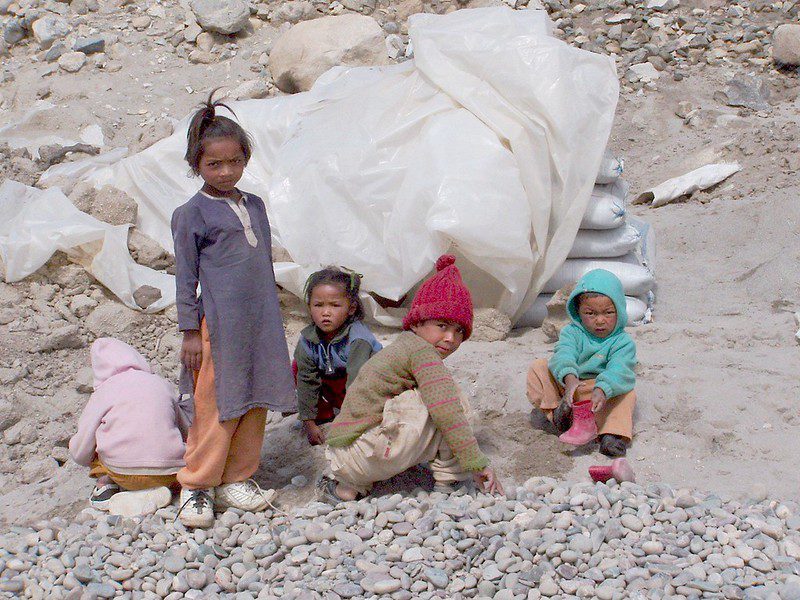
Jaco Swanepoel’s commitment to helping the underprivileged has led him to some of the most deprived areas in India. In the past year, he has provided meals to between 900 and 1,100 children living in garbage dumps and to residents of leprosy colonies. These are places where necessities are scarce and survival is a daily struggle. The sight of children rummaging through heaps of trash for food is a stark reminder of the extreme poverty that exists in these regions.

By offering nutritious meals, Swanepoel not only fills their stomachs but also brings hope and dignity to these young lives. His work in leprosy colonies is equally significant. Though curable, leprosy still carries a severe social stigma in many parts of India. Affected individuals are often ostracized from their communities, leading to a life of isolation and neglect. Swanepoel’s presence and assistance in these colonies help break down these barriers, fostering a sense of inclusion and care.

A Vision for Sustainable Impact

Swanepoel’s mission is far from over. He plans to spend another 9 to 12 months in India, traveling to cities like Varanasi and Delhi, which are hubs of both rich cultural heritage and stark economic disparity. His future endeavors will focus on not just providing immediate aid but also empowering communities through training and education. By equipping people with the tools and knowledge they need to sustain themselves, Swanepoel aims to foster self-sufficiency and resilience.

Education and vocational training are central to his approach. In slum areas, where access to quality education is limited, Swanepoel plans to set up learning centers and workshops. These initiatives will provide children and adults with the skills necessary to improve their socioeconomic status. For instance, teaching basic literacy and numeracy can open up new job opportunities. Similarly, vocational training in areas such as tailoring, carpentry or digital literacy can enable individuals to start their own businesses or find better employment.

The Global Impact of Humanitarian Work

Swanepoel’s work highlights a crucial aspect of humanitarianism: the idea that helping humanity is not restricted by international borders. Poverty, illness and suffering are universal challenges that require a global response. Swanepoel, originally from South Africa, has shown that compassion and solidarity can bridge the distance between continents. His efforts in India have not only benefited local communities but have also inspired people around the world to contribute to global causes.

Furthermore, the ripple effect of Swanepoel’s work extends far beyond the immediate aid he provides. By raising awareness about the issues faced by slum dwellers and impoverished communities, he encourages a broader understanding and response to these challenges. His stories and experiences shared through social media and other platforms can mobilize support from both local and international organizations. Increased awareness often leads to increased funding and resources, which are crucial for sustaining long-term development projects.

Final Remark

As Jaco Swanepoel continues his journey across India, his legacy will undoubtedly leave a lasting impact. The communities he touches will not only remember his kindness but also carry forward the knowledge and skills he imparts. By empowering individuals to sustain themselves, he creates a foundation for ongoing improvement and development. His mission is a testament to the power of one person to drive change and inspire others to do the same.

– Sakshi Bhagat

Sakshi os based in Kolkata, West Bengal, India and focuses on Global Health for The Borgen Project.

Photo: Unsplash
June 11, 2024
https://borgenproject.org/wp-content/uploads/borgen-project-logo.svg 0 0 Lynsey 2 https://borgenproject.org/wp-content/uploads/borgen-project-logo.svg Lynsey 22024-06-11 01:30:282024-06-09 14:03:15Jaco Swanepoel: A South African Transforming the Slums of India
Developing Countries, Education, Global Poverty

Inclusive and Quality Education in Ghana

Quality Education in GhanaThe Sustainable Development Goals (SDGs) represent a global commitment to eradicate poverty and promote peace and prosperity. SDG four focuses on quality education. It aims to ensure inclusive and equitable education for all and to foster lifelong learning opportunities. Ghana has made significant strides in its pursuit of quality education, achieving near-universal access to basic education.

Since 2000, Ghana has had a gross enrollment rate of more than 100%. It has attained gender parity in primary education, with notable, though more modest, gains in secondary education. The country has provided an effective educational environment through several policies and strategies, one of which includes its Inclusive Education (IE) policy framework.

Inclusive Education (IE) Policy Framework

Ghana’s IE policy goes beyond the concept of physical location, embodying core values that promote participation, friendship and interaction. This policy acknowledges Ghanaians’ diverse educational needs and requires all stakeholders in the education sector to address these varied needs. This policy was established to ensure the full inclusion of people with disabilities (PWD).

Ghana’s educational sector was surveyed to gauge public perception of inclusive education to measure the impact of the policy. The survey analysis revealed progress in the enrollment of children with special educational needs (SEN). Additionally, students without disabilities have become more accepting of their special needs classmates. This progress is attributed to ongoing orientation on the IE Policy, capacity-building activities related to IE practices and sensitization on inclusion and diversity at all levels.

The Free Senior High School Program

Fee removal has become a popular policy to improve access to secondary education, with Ghana being among the countries implementing this practice. The Free Senior High School (SHS) program, established in September 2017, provides new opportunities for children who previously were unable to continue their education beyond junior high school. The program is dedicated to removing cost barriers, ensuring equality and equity and expanding school infrastructure.

This initiative resulted in an 11% increase in enrolment. Before the program’s implementation, during the 2016/17 academic year, 11,336 out of 420,135 students could not enroll in senior high school due to financial constraints. After the program’s introduction in the 2017/18 academic year, this number decreased to 62,453 out of 424,224 students, indicating increased access to senior high school education.

The Secondary Education Improvement Project (SEIP)

This project was established by the World Bank in Ghana, with the Ghana Education Sector (GES) as a key development partner. The project is known as the first World Bank education initiative in Ghana and it utilizes a results-based financing strategy. It addresses limitations related to the availability and provision of educational resources and infrastructure. This is achieved by constructing new schools in districts lacking public schools. This project also addresses challenges that prevent individuals and communities from accessing education.  This is achieved through scholarships and bursaries for low-income students, particularly girls; these were adapted into bursaries following the introduction of free secondary education in 2017, covering expenses such as transportation and school supplies.

Additionally, targeted in-service training for teachers enhances the quality of science and mathematics education. At the same time, performance partnerships with schools promote increased accountability. Information and Communications Technology (ICT) solutions support learning, with beneficiary schools selected using specific criteria to ensure pro-poor targeting. This project witnessed the transition rates from lower secondary to higher secondary schools in the poorest districts. Rates rose from 39% in 2014 to 72% in 2019. Also, the construction of 21 new senior secondary schools and the rehabilitation of 125 others has substantially expanded the availability of educational spaces. This has created approximately 43,000 additional seats between 2014 and May 2020. From 2014 to 2019, at least 20,000 low-income students received scholarships/bursaries, alleviating financial barriers to education.

– Teniola Yusuf

Teniola is based in the UK and focuses on World News for The Borgen Project.

Photo: Flickr

June 9, 2024
https://borgenproject.org/wp-content/uploads/borgen-project-logo.svg 0 0 Lynsey 2 https://borgenproject.org/wp-content/uploads/borgen-project-logo.svg Lynsey 22024-06-09 07:30:462024-06-08 13:48:23Inclusive and Quality Education in Ghana
Developing Countries, Global Poverty

Peru’s Inclusive Growth Agenda

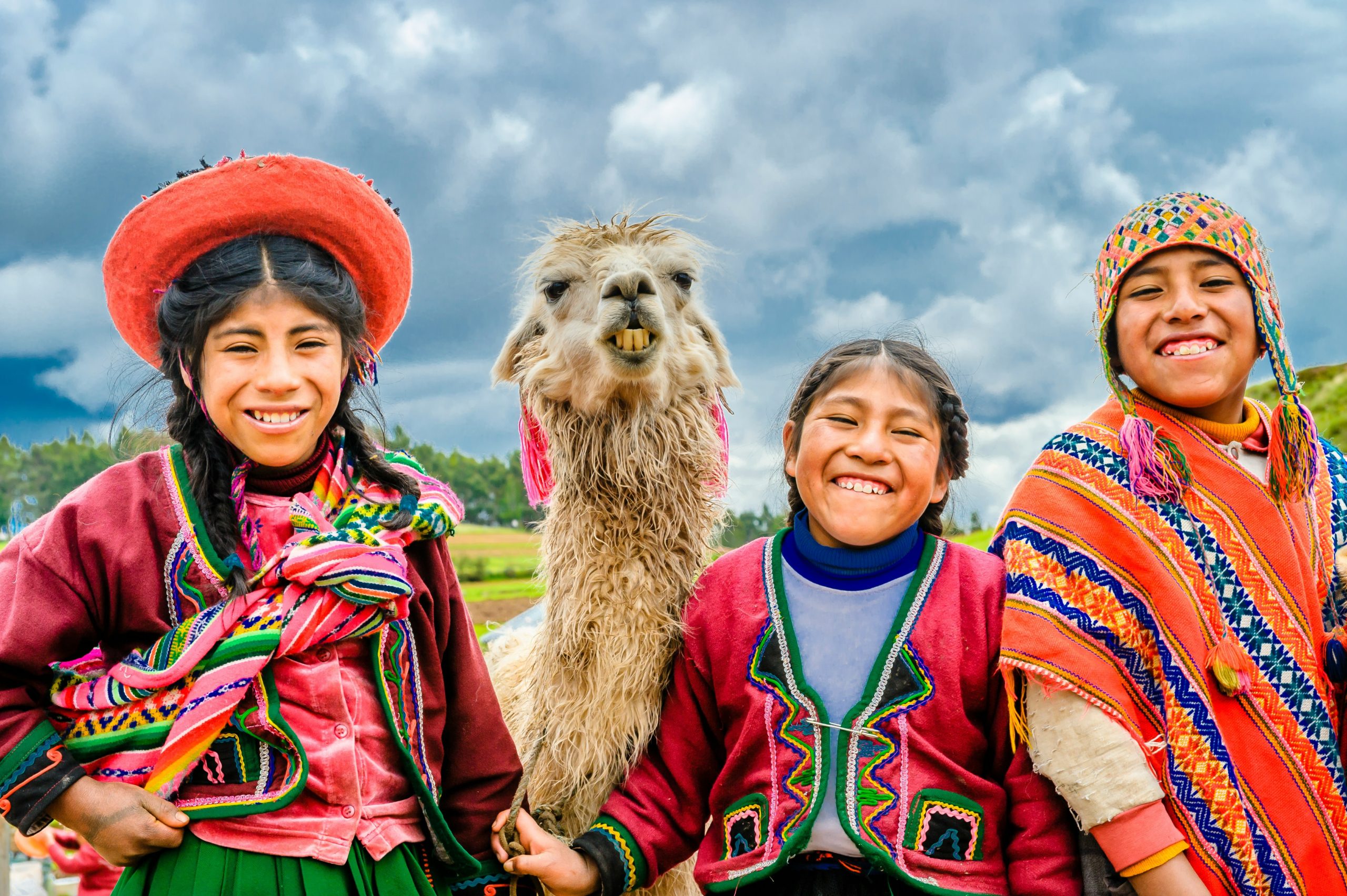
Peru's Inclusive Growth AgendaPeru is a country full of cultural heritage and natural resources. Yet, it has also constantly struggled with issues of poverty and socioeconomic disparities. The Peruvian government responded to this issue and led a serious campaign toward fostering economic growth that includes all people.

Addressing Poverty

One major objective of Peru’s Inclusive Growth Agenda is reducing poverty. The government has issued several policies and programs targeting the most vulnerable. An example is the Juntos program, launched in 2005, which consists of the payment of conditional cash transfers to impoverished households, conditioned by satisfaction of specific stipulations like schooling and health check-ups. This would imply that studies by the Inter-American Development Bank (IDB) have established the effect of Juntos on steeply reducing poverty rates, particularly in rural areas where poverty is more entrenched.

Improving Access to Education and Health Care

Quality education and accessible health services are key factors in poverty reduction. Peru has strived far to improve access to such services through the initiative of Qali Warma, a school food program in the country since 2013 that emphasizes the nourishment of children and their school attendance.

Similarly, Seguro Integral de Salud, which translates to Comprehensive Health Insurance, was launched in 2002 and includes health insurance coverage for low-income families. These two programs have ensured that, as reported by the World Bank, more and more marginal communities are sending their children to schools and, in cases of need, seeking medical treatment.

Creating Employment Opportunities

Unemployment and underemployment continue to be major problems in Peru, particularly among the youth and female population. Therefore, job creation remains at the top of the government’s agenda with large programs such as Proempleo and Construyendo Perú.

Proempleo offers training and support to the most vulnerable to find employment. So far, the initiative has helped more than 100,000 people. At the same time, Construyendo Perú focuses on infrastructure projects to generate employment in underserved areas. The International Labor Organization (ILO) paper demonstrates that the program played a significant role in reducing unemployment and fostering social inclusion.

Enhancing Social Protection Mechanisms

Social protection systems have thus gained importance in shielding vulnerable populations from economic shocks. Peru has increased social protection through programs such as Pension 65 and Life Insurance (Seguro de Vida). The former offers cash transfers for elderly citizens in poverty, while the latter offers life insurance to low-income households.

Even though the Inclusive Growth Agenda in Peru has scored some successes, there are still challenges to be considered. The regional inequalities are still significant; for example, in indicators of development, rural areas trail far behind their urban counterparts. Secondly, the COVID-19 pandemic only stressed the previous weaknesses. It once again urged further initiatives that will assure growth with inclusiveness and resilience.

Conclusion

Peru’s Inclusive Growth Agenda has been the most laudable in seeking to address poverty and ensure sustainable development. Its government has done a lot to achieve better access to education, health, employment opportunities and social protection through well-focused policies and programs.

Further, evaluation on a continuous basis and adaptation to the prevailing circumstances remain to be done in dealing with the challenges that are still current and paving the way for the benefits of development to include all societal strata.

– Honorine Lanka Perera

Honorine is based in Highlands, NJ, USA and focuses on World News and Good News for The Borgen Project.

Photo: Unsplash

June 8, 2024
https://borgenproject.org/wp-content/uploads/borgen-project-logo.svg 0 0 Lynsey 2 https://borgenproject.org/wp-content/uploads/borgen-project-logo.svg Lynsey 22024-06-08 07:30:522024-06-08 01:39:59Peru’s Inclusive Growth Agenda
Developing Countries, Global Poverty, Refugees and Displaced Persons

Refugee Employment Programs in Jordan

Refugee Employment Programs in JordanJordan is home to more than 700,000 refugees of different nationalities, including Syrians and Palestinians. In response to the refugee crisis, Jordan has implemented several programs to address the employment needs of its refugee populations. The Jordanian government has recognized the urgent need to integrate refugees into the labor market. Therefore, in collaboration with international organizations and nongovernmental organizations (NGOs), it has introduced a range of customized refugee employment programs in Jordan.

​​Jordan Compact

This landmark deal, concluded in 2016 between Jordan and the international community, aims to create jobs for Jordanians and Syrian refugees. The Compact aims to spur economic growth that will eventually generate jobs through instruments such as preferential trade access and financial assistance. A World Bank study cited the role of the Compact in economic resilience and improving the livelihood of refugees and the communities hosting them. 

Cash for Work Programs

Cash for Work programs by agencies like the United Nations High Commissioner for Refugees (UNHCR) and Mercy Corps entail the short-term employment of refugees in sectors that include agriculture, construction and infrastructure development. Apart from offering a source of income to the refugees, the programs provide back-to-community development initiatives. The International Labor Organization (ILO) believes that cash-for-work programs have helped and they continue to have a huge impact on poverty alleviation and the promotion of social cohesion. 

Vocational Training and Skill Development

Since skill development is an important factor in refugees’ employability, Jordan has taken steps to increase investments in vocational training programs. Programs such as the Vocational Training and Employment Services for Syrian Refugees within the Jordan Compact help provide refugees with market-relevant skills that will be relevant in their labor markets. According to a UNHCR study, vocational training facilitates integration and self-reliance for refugees. 

Challenges and Opportunities

The challenges persist, even though the programs of Jordanian refugee employment are making some strides. Other main barriers to the integration of refugees relate to limited access to formal employment opportunities, legal restrictions on the employment of refugees and competition with hosts. The economic shock from COVID-19 will exacerbate the existing vulnerabilities, so sustained support and investment in refugee livelihoods will be crucial.

Employment programming for refugees in Jordan has been one of the most crucial steps toward meeting economic and social needs among displaced populations. These programs not only reduce the poverty burden among the refugees by providing access to employment but also socially integrate them into the Jordanian community. Continuous efforts in this regard will help overcome the prevailing challenges and ensure long-term refugee livelihoods.

– Honorine Lanka Perera

Honorine is based in Highland, NY, USA and focuses on Good News and Politics for The Borgen Project.

Photo: Flickr

June 7, 2024
https://borgenproject.org/wp-content/uploads/borgen-project-logo.svg 0 0 Lynsey 2 https://borgenproject.org/wp-content/uploads/borgen-project-logo.svg Lynsey 22024-06-07 07:30:262024-06-06 09:44:56Refugee Employment Programs in Jordan
Developing Countries, Food & Hunger, Global Poverty

Food Systems in Myanmar

Food in MyanmarMyanmar continues to face severe food insecurity exacerbated by the 2021 coup, economic slowdown and natural disasters. Some pre-existing challenges have worsened, and the ongoing conflict and climate-related challenges have intensified the situation. Recent reports highlight soaring food prices and limited supplies. In response, UN agencies and the World Food Programme have provided crucial aid. Despite efforts, the crisis persists, demanding sustained international support for food systems in Myanmar.

Food Scarcity

Food scarcity is not new in Myanmar. Before the 2021 coup, 2.8 million people were considered food insecure in the country. In pre-pandemic Myanmar, the World Food Programme estimated that 4% of the country had poor food consumption, and an additional 21% were on the borderline. By April 2021, on the heels of the coup and economic slowdown, up to 3.4 million extra people were facing food insecurity.

There are several key factors driving food insecurity, as predicted by the World Food Programme in 2021:

  • Job losses: WFP assumes a more considerable loss in sectors worked by those in poverty. It was predicted that stalled foreign investment, protests, and strikes would significantly impact food insecurity for workers and their dependents.
  • Remittance losses: With the halting of services from most banks, remittance also halted. In 2021, remittances made up a significant amount of income.
  • Challenges to agriculture: The rippling effect of agriculture is palpable, with many unable to prepare for the upcoming crop season.
  • Economic concerns: WFP flagged major economic concerns from the downturn in foreign investment and predicted economic recession.

Conflict and Food Systems in Myanmar

Since 2021, Myanmar has endured ongoing conflict, climate-related blows such as Cyclone Mocha, and unprecedented flooding in October 2023, alongside the political crisis, exacerbating pre-existing poverty. The UN Humanitarian Needs Overview in 2022 estimated that “14 out of 15 states and regions [were] within the critical threshold for acute malnutrition.”

In an April 2024 update from OCHA, food insecurity was underlined as a significant concern. Ongoing fighting between the Myanmar Armed Forces and the Arakan Army combined with a deepening humanitarian crisis have caused soaring food prices and “limited market supplies in many locations.”

The UN and WFP have implemented crucial aid amid this increasing food insecurity crisis. The Food and Agriculture Organization of the United Nations provided 4,700 vulnerable farming households with emergency assistance by April 2022. Additionally, The FOA trained 1759 households in Chaungzon township in agriculture practices and provided fertilizer.

Severe floods, economic turmoil and food insecurity impacted U Ohn Myint, a 65-year-old smallholder farmer in Kalawt Kanai village. With the help of the UN FAO, he bought medicine, a rice bag, and cooking oil to address his and his family’s immediate hunger needs. He was also able to restore his livelihood and hope.

Food Assistance

The World Food Programme continues efforts, providing monthly assistance to 360,000 people in border areas who have been displaced. For thousands of people, the WFP has also launched emergency food and nutrition programs in harder-to-reach locations like Kayah State, Shan State and Bago Region. 

Despite the daunting challenges, international efforts offer hope for Myanmar’s food insecurity. Vulnerable communities receive vital aid through emergency assistance, training programs, and ongoing support. As seen through U Ohn Myint, livelihoods and renewed hope exemplify the impact of these efforts. While the road ahead remains challenging, these efforts demonstrate the power of solidarity and the effect of global action on complex humanitarian crises. 

– Lydia Young 

Lydia is based in Glasgow, Scotland and focuses on Global Health and World News for The Borgen Project.

Photo: Flickr

June 6, 2024
https://borgenproject.org/wp-content/uploads/borgen-project-logo.svg 0 0 Jennifer Philipp https://borgenproject.org/wp-content/uploads/borgen-project-logo.svg Jennifer Philipp2024-06-06 01:30:292024-06-05 05:20:08Food Systems in Myanmar
Developing Countries, Global Poverty, Politics

The Impact of Mongolia’s Sovereign Wealth Fund

Mongolia's Sovereign Wealth FundMongolia is among the least densely populated countries in the Eastern world, with approximately 3.5 million people separated across close to 604,000 square miles. Of this population, 27% currently suffer from poverty. Like many nations, those most commonly affected are young and codependent people who struggle to afford a mortgage or bring food to the dinner table. Much of the land is uninhabitable and easy to mine. However, the lack of population concentration makes it difficult to spread resources across the country. Mongolia’s Sovereign Wealth Fund is aimed at improving the quality of life for its citizens.

The Sovereign Wealth Fund

In May 2024, Prime Minister Oyun-Erdene Luvsannamsrai and the Central Bank of Mongolia passed a bill to enter Mongolia’s Sovereign Wealth Fund into legislation. The program allows profits from the mining industry, which accounts for around a third of the national annual budget, to contribute to three separate pots of funds: the future heritage fund, the development fund and the savings fund.

The savings fund is the most important for creating a more sustainable outlook for the economy. This initiative was formed in response to the main directions and aims established by the government in 2021 to combat the impact of the COVID-19 pandemic. The pandemic created a precarious job market and an even more precarious living situation for many residents.

Impact of the Fund

The Mongolian government has always been proactive in its efforts to fight poverty, but only now has its work resulted in problems being solved and, perhaps, eventually, resolved Erdenes Mongol LLC, which oversees government investment in mining enterprises, has taken advantage of its position as a country with one of the highest mineral resources per capita in the world and contributed to a promising program.

The money redistributed to the Mongolian central bank will be used to increase investment in health care, education and housing. The priority involves supporting the 10,000 families currently on the waiting list for the Housing Loan program, paving the way for greater financial equality in line with the United Nations (U.N.) 17 development goals.

The wealth fund is only in its early stages and will have more of a considerable impact with time. However, the Mongolian government could still take other routes to enhance its plans since mining resources are far from the only strength of the Mongolian economy. About 40% of employment comes from nomadic roles such as herding livestock, so using the money earned from exports in agriculture could further the benefits reaped by the wealth fund and lessen the burden on struggling civilian families.

Considering the initiative promises to improve prospects for many, Mongolia’s efforts could potentially lead neighboring countries like India and China to use a Robin Hood strategy. This strategy involves taking money from the most profitable areas of the economy and redistributing it to the most disadvantaged.

Final Remark

Mongolia needs to be prepared to adapt its plan to any future circumstances, as other countries may have different economic demands and leadership styles. Additionally, carbon emissions have a potentially detrimental impact on a large scale. Mongolia could solve one problem by contributing to another. However, its efforts so far have relied solely on using what the country already has and would have produced to address the obstacles to its ability to thrive.

There are debates over whether the fund justifies corruption and conglomeration. However, the long-term benefits of such an initiative could outweigh the short-term setbacks and eventually set Mongolia onto a more sustainable playing field.

– Lewis Eyre

Lewis is based in Bournemouth, UK and focuses on Politics for The Borgen Project.

Photo: Unsplash

June 5, 2024
https://borgenproject.org/wp-content/uploads/borgen-project-logo.svg 0 0 Lynsey 2 https://borgenproject.org/wp-content/uploads/borgen-project-logo.svg Lynsey 22024-06-05 07:30:402024-06-03 14:00:44The Impact of Mongolia’s Sovereign Wealth Fund
Developing Countries, Foreign Aid, Global Poverty

Foreign Aid to Rwanda

Foreign Aid to RwandaRwanda is a small, hilly, landlocked country in sub-Saharan Africa with around 14 million people. The 1994 genocide against the Tutsi destroyed many essential government buildings and services, completely devastating the country. The international community largely regards the Rwandan government as an “effective development partner”. They see the country as one that employs international aid efficiently to implement its rebuilding and development strategies. Rwanda’s reputation stems from the government’s strong capacity to implement policies with minimal corruption. This ensures that no aid or natural resources are misused or wasted. Rwanda has a good history of aid going directly towards policies that benefit the population and foster sustainable development. Foreign aid to Rwanda showcases encouraging results and serves as an example for other countries.

Major Donors to Rwanda

The major foreign country donors to Rwanda are the U.S., Germany, France and Japan. As of 2021, Rwanda’s biggest donor was the U.S., donating $174 million. In total in 2021, Rwanda received $1.3 billion in foreign aid. The country receives some of the largest aid per capita compared to its regional neighbours. In 2021, Rwanda received $98 in aid per capita, greater than $55 for Uganda, $37 for the Democratic Republic of Congo (DRC) and $47 for Burundi during the same year.

Foreign aid to Rwanda has come under more scrutiny lately as international donors have expressed concern over the country’s role in supporting human rights abuses and conflict in the DRC with its reported support of the rebel military group M23. Rwanda’s reported involvement in the current conflict in the DRC. culminated in the U.S. suspending aid in 2012. Currently, Rwanda is still facing international pressure from countries like France to stop its support of M23 and is threatening to reduce foreign aid to Rwanda if it continues to support the conflict.

Health Care Aid

Most foreign aid to Rwanda from the U.S. goes to improving the population’s health by investing in preventative HIV/AIDS measures and basic health, such as malaria prevention. According to BMJ, “Rwanda was among the first African countries to document AIDS cases in 1983, and subsequent HIV/AIDS surveillance has confirmed that Rwanda’s HIV epidemic is longstanding and severe in many settings.”

There has always been a massive divide between the prevalence of HIV/AIDS in rural and urban settings. At its peak in 1986, the urban prevalence of HIV was 17.8%, while the rural prevalence was 1.3%, according to BMJ. The investment into preventative HIV/AIDS measures has resulted in a 56% reduction in new HIV infections over the last 15 years, a dramatic decrease among the population in the country that is on track to remove the HIV epidemic in the country.

U.S. supports Rwanda’s fight against HIV/AIDS through the President’s Emergency Plan for AIDS Relief (PEPFAR). This program is a global initiative that aims to fight the HIV/AIDS epidemic in countries by funding antiretroviral therapy, supporting prevention programs, and investing in health care infrastructure.

Education

Another significant investment Rwanda makes using foreign aid is in primary education for children. The great priority the government has given to education has enabled Rwanda to sustain near-universal access to primary education for over a decade. The focus on education has allowed more children to get an early start to learning through schooling with gender parity. Early education is the first step for Rwanda to develop its economy, reduce poverty and increase its quality of life. Aid from foreign countries has been integral to Rwanda’s impressive economic development since the 1994 genocide. Rwanda has consistently had positive GDP growth, except for the COVID-19 pandemic in 2020. However, Rwanda has seen a recovery in 2022 as the GDP grew by 8.2%.

Rwanda has an ambitious goal of being a middle-income country by 2035 and a high-income country by 2050. Policy decisions in Rwanda consider these goals and are highly influential in how it uses the foreign aid it receives. Foreign aid to Rwanda is necessary for its development to reach these goals, and it can not succeed by its production alone. Rwanda has positively utilized foreign aid to rebuild the country after the devastating 1994 genocide. In many respects, it is quite remarkable how much the country has developed after the genocide and how much it has exceeded people’s expectations for the country. While there are concerns about a decrease in future aid because of human rights concerns, foreign aid remains an essential source of support for Rwanda’s development goals and increasing the quality of life.

– Mathieu Paré

Mathieu is based in Toronto, Canada and focuses on Politics for The Borgen Project.

Photo: Unsplash
June 4, 2024
https://borgenproject.org/wp-content/uploads/borgen-project-logo.svg 0 0 Jennifer Philipp https://borgenproject.org/wp-content/uploads/borgen-project-logo.svg Jennifer Philipp2024-06-04 01:30:352024-06-03 13:38:45Foreign Aid to Rwanda
Page 21 of 157«‹1920212223›»

Get Smarter

  • Global Poverty 101
  • Global Poverty… The Good News
  • Global Poverty & U.S. Jobs
  • Global Poverty and National Security
  • Innovative Solutions to Poverty
  • Global Poverty & Aid FAQ’s
Search Search

Take Action

  • Call Congress
  • Email Congress
  • Donate
  • 30 Ways to Help
  • Volunteer Ops
  • Internships
  • Courses & Certificates
  • The Podcast
Borgen Project

“The Borgen Project is an incredible nonprofit organization that is addressing poverty and hunger and working towards ending them.”

-The Huffington Post

Inside The Borgen Project

  • Contact
  • About
  • Financials
  • President
  • Board of Directors
  • Board of Advisors

International Links

  • UK Email Parliament
  • UK Donate
  • Canada Email Parliament

Get Smarter

  • Global Poverty 101
  • Global Poverty… The Good News
  • Global Poverty & U.S. Jobs
  • Global Poverty and National Security
  • Innovative Solutions to Poverty
  • Global Poverty & Aid FAQ’s

Ways to Help

  • Call Congress
  • Email Congress
  • Donate
  • 30 Ways to Help
  • Volunteer Ops
  • Internships
  • Courses & Certificates
  • The Podcast
Scroll to top Scroll to top Scroll to top