Poverty and Electricity in Indonesia
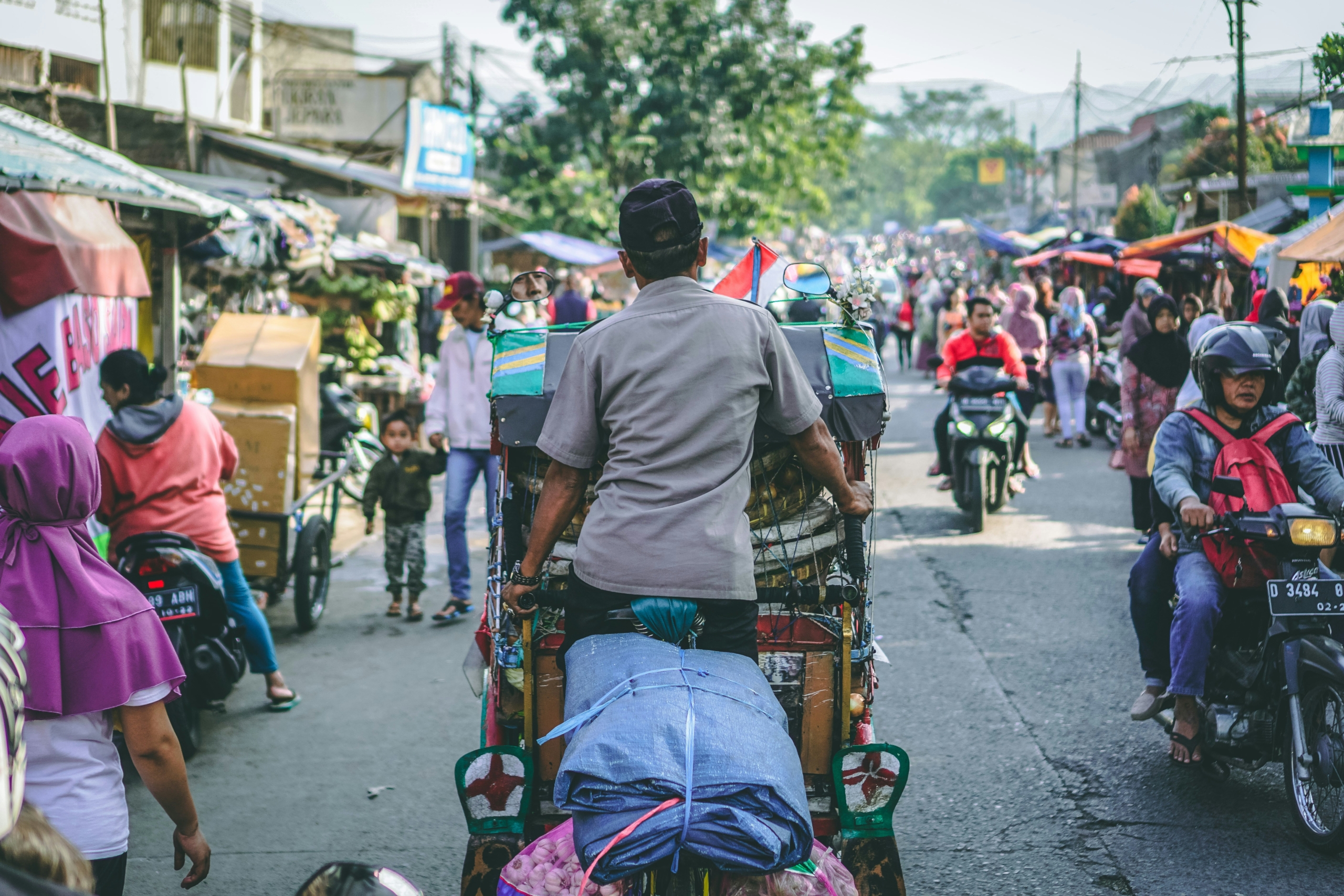 As of March 2023, Indonesia faces significant challenges, with 25.9 million of its populace living in poverty. The country struggles with inadequate housing, insufficient access to clean water and frequent food shortages. Additionally, 30 million people lack reliable electricity in Indonesia, for heating or cooking. The government recognizes the urgency of this issue. It is striving to provide essential electrical services to households in dire need.
Generating Wealth Through Electricity
On March 1, 2024, BPS reported an 8.47% increase in food prices, significantly affecting staples such as rice, peppers and oils. This price hike further exacerbates the challenges faced by Indonesia’s impoverished communities. In response, many are focusing on energy costs to secure adequate heating and cooking resources.
Proper energy access can boost household income by 21% and reduce the yearly poverty rate by 1.5%. The installation, training and maintenance of energy facilities and outreach properties generate jobs. Between 2.1 and 3.7 million jobs are estimated to be created by 2030 in Indonesia’s mission for cleaner and more efficient energy. Significant employment and distribution of energy in Indonesia are under review as it transitions to clean energy compared to its recent 61.5% reliance on coal for energy.
The Renewable Energy Skills Development Project
With clean energy in scope, Indonesia is heavily investing in skills development through the Renewable Energy Skills Development Project. This initiative aims to train and increase the number of qualified staff for the planning, maintenance and design of energy plants. This will ensure that expertise is more accessible. By providing education and higher-paying job opportunities in the energy sector, the project not only improves energy accessibility but also boosts household incomes.
The positive impacts are substantial. Developing a skilled renewable energy workforce positions Indonesia as a global leader in sustainable energy. Additionally, it will enhance energy security and reducing greenhouse gas emissions. Economically, higher household incomes increase consumer spending, stimulate local businesses and foster economic growth. Improved financial stability leads to better access to education and health care, enhancing overall quality of life.
The focus on renewable energy attracts innovation and foreign investment, further driving economic development. This comprehensive investment in skills development and renewable energy ensures sustainable economic growth, better living standards and a healthier environment for future generations, highlighting the extensive benefits of this strategic initiative.
Policies and Electricity in Indonesia
Indonesia’s Electricity Law ensures affordable, high-quality electricity, prioritizing domestic energy for sustainability. Law No. 15 of 1985 allowed limited IPP participation, expanded by Law No. 20 of 2002. However, this was revoked in 2004 to keep control under the government. Law No. 30 of 2009 confirmed PLN (State Electricity Company) as the primary provider, though private businesses can now obtain supply licenses. Regulations from 2006 to 2013 introduced feed-in tariffs for renewable energy, requiring PLN to purchase from small- and medium-scale sources.
The Indonesian government plans to leverage the power sector to achieve emission reductions in line with NDC targets. With a current 5% growth in demand driven by a 5-6% increase in electricity consumption, Indonesia has significant potential for solar energy. The government aims to achieve a primary energy mix of 23% from new and renewable resources by 2025, increasing to 31% by 2050. This is outlined in Presidential Regulation No. 22/2017 on the General Plan for National Energy (RUEN). This transition is supported by the 2022 regulations that endorsed energy transfer policies.
– Demi Olin
Demi is based in Huntington, WV, USA and focuses on Good News for The Borgen Project.
Photo: Unsplash
