• Link to X
  • Link to Facebook
  • Link to Instagram
  • Link to TikTok
  • Link to Youtube
  • About
    • About Us
      • President
      • Board of Directors
      • Board of Advisors
      • Financials
      • Our Methodology
      • Success Tracker
      • Contact
  • Act Now
    • 30 Ways to Help
      • Email Congress
      • Call Congress
      • Volunteer
      • Courses & Certificates
      • Be a Donor
    • Internships
      • In-Office Internships
      • Remote Internships
    • Legislation
      • Politics 101
  • The Blog
  • The Podcast
  • Magazine
  • Donate
  • Click to open the search input field Click to open the search input field Search
  • Menu Menu

Archive for category: Developing Countries

Information and stories about developing countries.

Aid, Developing Countries, Global Poverty

USAID Programs in Guatemala

USAID Programs in GuatemalaDespite being the largest economy in Central America, Guatemala has the highest poverty and inequality rates in Latin America and the Caribbean. As of 2023, an estimated 55.1% of the population is affected by poverty, with a child malnutrition rate of 47%, among the 10th highest in the world. However, the United States Agency for International Development (USAID), a nongovernmental organization (NGO), has been running programs to alleviate poverty in Guatemala since the ’80s. The programs aim “to address the drivers of irregular migration to the United States, including high levels of violence and insecurity, pervasive poverty and chronic malnutrition.”

Factors Affecting Poverty in Guatemala

Hurricanes Eta and Iota in 2020 severely damaged infrastructure, leading to losses of 0.56% of gross domestic product (GDP) and 0.20% GDP of agriculture-related losses. The COVID-19 pandemic further disrupted Guatemala’s economy by straining the health care system, disrupting education due to lockdowns and increasing food insecurity by disrupting food supply chains, leading to greater malnutrition and loss of livelihoods.

On February 2, 2021, President Biden Signed an Executive Order calling for Addressing the Root Causes of Migration in Central America. The order intends to work alongside USAID to implement programs to alleviate poverty in Guatemala, hoping that, as a result, it will also reduce migration to the United States (U.S.).

The Root Cause Strategy in Guatemala

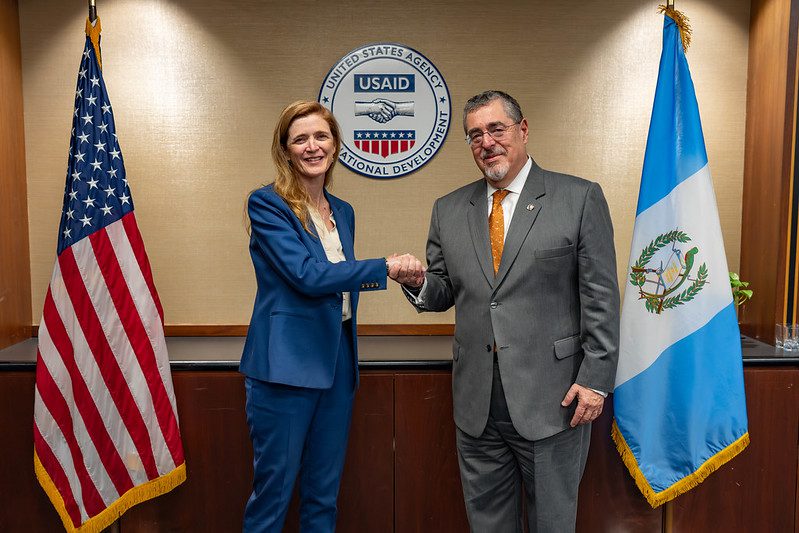
Vice President Kamala Harris met with Guatemalan President Bernardo Arévalo on March 25, 2024, to encourage bilateral relations as part of the Biden Administration’s ongoing commitment. She announced the planned investment of $135 million in USAID alongside $170 million intended to aid development, economic health and security assistance for Guatemala.

USAID Programs Involvement in the Root Cause Strategy

The funding provided by the Biden Administration is planned to implement the following USAID Programs in Guatemala:

  1. Anti-corruption Task Force: Guatemala has long been riddled with corruption among governing and police officials, ranking 13 out of 15 Latin American countries in its ability to detect, punish and prevent corruption. The USAID task force aims to build public trust in democracy as a system that works in its interest by implementing U.S. law enforcement officials and prosecutors to work on and investigate corruption cases.
  2. Central American Service Corps (CASC): The program was announced in 2022 and, after a successful run, is set to expand in May, funded by USAID. In the next five years, it aims to reach 25,000 Guatemalan youth at risk of migrating by engaging them in volunteer work, training and employment opportunities in Guatemala.
  3. Feed the Future Programme: USAID intends to support research capacity, education and advice on “Climate Smart” agriculture and build opportunities to scale agricultural technologies. In turn, it will bolster food security, which affects 4.6 million Guatemalans and aid economic development by fostering rural entrepreneurship.
  4. Guatemala Biodiversity Conservation: USAID will implement this program to strengthen the Guatemalan System of Protected Areas, focusing on the Maya Biosphere Reserve, Sierra de las Minas Biosphere Reserve and areas of ecological importance along the Pacific Coast. Conservation efforts often create opportunities for ecotourism, allowing Guatemala to create job sectors to generate ecotourism activities.
  5. Boosting Education: Due to a lack of funding and inefficient education systems, approximately 3% of Guatemala’s GDP is spent on education. Therefore, USAID intends to support the Government of Guatemala in establishing an educational foundation for children and youth to provide an alternative to migration. It has already reached nearly 69,000 learners in high-out-migration municipalities.

Looking to the Future

The Root Cause Strategy’s efforts to increase USAID funding and implement new programs in Guatemala offer a hopeful future. With consistent support, USAID can continue to alleviate poverty by boosting the agricultural economy, combat malnutrition by enhancing food security and address educational deficits with increased funding.

– Fatima Naqavi

Fatima is based in London, UK and focuses on Good News for The Borgen Project.

Photo: Flickr

May 20, 2024
https://borgenproject.org/wp-content/uploads/borgen-project-logo.svg 0 0 Lynsey 2 https://borgenproject.org/wp-content/uploads/borgen-project-logo.svg Lynsey 22024-05-20 07:30:512024-05-20 00:35:50USAID Programs in Guatemala
Child Poverty, Developing Countries, Global Poverty

Combating Child Marriage in Bhutan

Child Marriage in BhutanChild marriage remains a pressing concern in Bhutan, casting a shadow over the lives of countless girls and perpetuating cycles of poverty and inequality. Despite efforts to address this harmful practice, cultural norms, poverty and gender disparity continue to fuel its prevalence.

Child Marriage Statistics in Bhutan

According to a report from the United Nations Children’s Fund (UNICEF), 26% of women aged 20 to 24 in Bhutan were married before the age of 18, with 6% of them getting married before age 15. These numbers translate to more than 79,000 child brides in the country, with 1 in 4 young women experiencing marriage during childhood. Particularly prevalent in regions like Samdrup Jongkhar, Dagana, Sarpang and Mongar, child marriage persists as a deeply entrenched social issue.

Factors Driving Child Marriage

Poverty emerges as a significant driver of child marriage, as families from less educated and economically disadvantaged backgrounds often resort to marrying off their daughters early. Limited education among teenage girls exacerbates the problem, with more than 70% of child brides having received minimal or no formal education. Although urban areas have seen a decline in child marriage rates, rural regions continue to grapple with the practice, perpetuated by traditional customs like cross-cousin marriages and arranged unions among children.

Consequences of Early Marriage

The consequences of early marriage are dire, particularly concerning girls’ health, education and overall well-being. Shockingly, 90% of women (who were married before age 18) aged 20 to 24 in Bhutan have given birth before the age of 18 or 20, posing significant risks to maternal and neonatal health.

Moreover, early marriage erects formidable barriers to accessing education and socioeconomic opportunities for young women, further entrenching cycles of poverty and inequality. Married girls are also at heightened risk of domestic abuse and pregnancy-related complications and are more prone to dropping out of school, with far-reaching implications for their prospects.

Initiatives to Combat Child Marriage

Bhutan has taken steps to address adolescent health issues and combat child marriage through initiatives like the Youth Friendly Health Services program. The program, active from 2013 to 2018, aimed to improve youth access to health care while discouraging early marriage and increasing community awareness.

Grassroots efforts, supported by the United Nations Population Fund (UNFPA), have also seen 20 communities publicly commit to eradicating harmful practices, including child, early and forced marriage. In alignment with these efforts, Bhutan’s Marriage Act of 2017 establishes the legal marriage age at 18 for both genders, with no exceptions.

Furthermore, the Child Care and Protection Act (CCPA) deems engagement in marriage or sexual activity with a child as statutory rape. However, enforcement of these laws remains lacking, particularly in remote rural areas.

Call for Comprehensive Strategies

However, it is imperative to recognize that lasting change requires sustained commitment and collaboration from all stakeholders involved in addressing this critical issue. To effectively combat child marriage, concerted efforts are needed from governmental, civil society and international entities to enforce existing laws and address underlying factors such as poverty and gender disparity.

By advocating for change at multiple levels, a world where every girl has the opportunity to realize her full potential and lead a life of dignity and empowerment can be created.

– Sandeep Kaur

Sandeep is based in Manchester, UK and focuses on Global Health and Politics for The Borgen Project.

Photo: Wikimedia Commons

May 19, 2024
https://borgenproject.org/wp-content/uploads/borgen-project-logo.svg 0 0 Lynsey 2 https://borgenproject.org/wp-content/uploads/borgen-project-logo.svg Lynsey 22024-05-19 01:30:432024-05-19 01:14:18Combating Child Marriage in Bhutan
Developing Countries, disability and poverty, Global Poverty

3 Organizations Helping People With Disabilities in Burundi

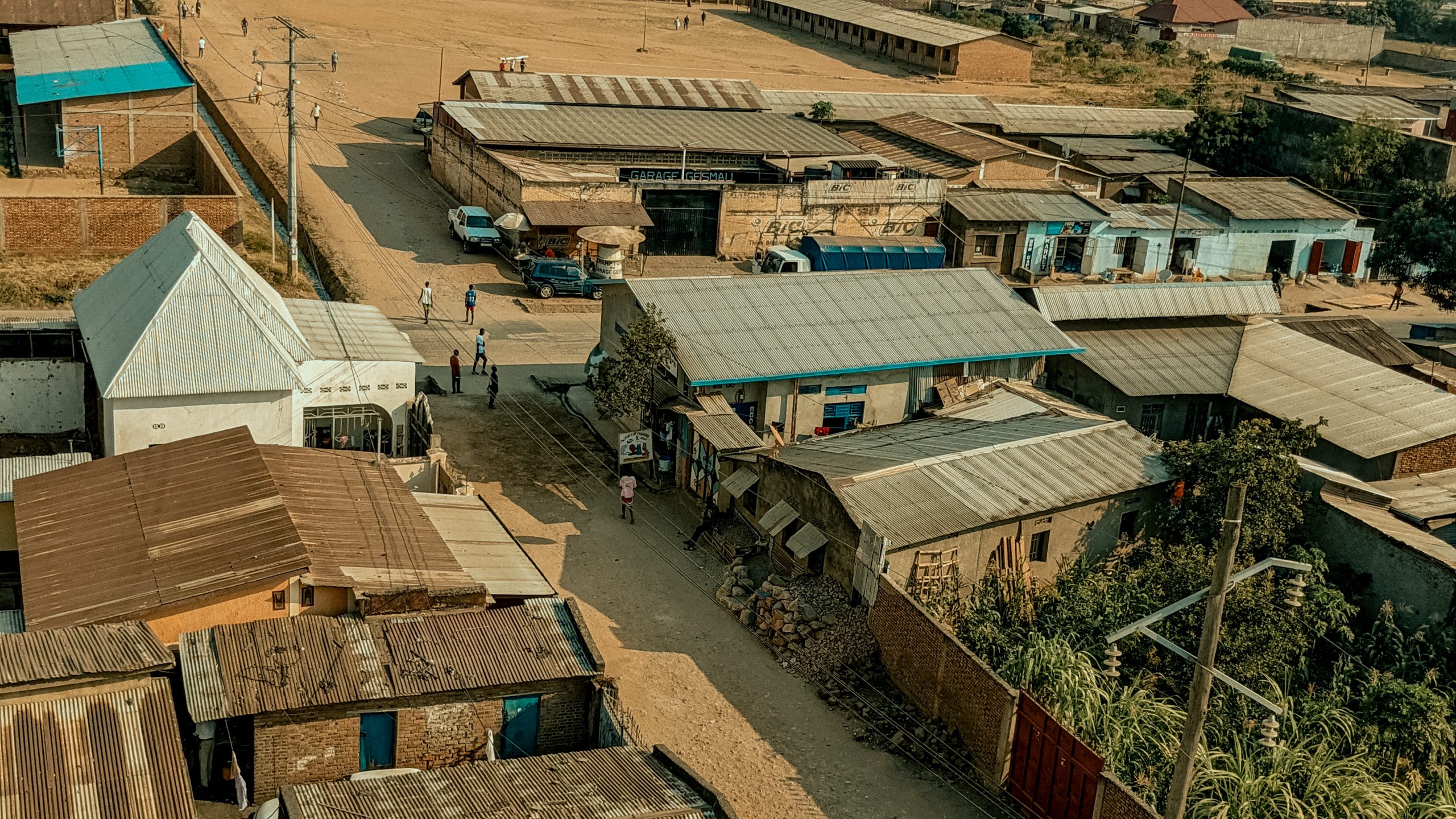
Disabilities in BurundiAccording to the World Health Organization (WHO), around 15% of Burundi’s population has a disability. This group of people endures societal exclusion and a lack of consistent investments, inhibiting their opportunities to succeed and contribute to the economy. However, many organizations are working to help people with disabilities in Burundi work their way up the economic ladder and stay out of poverty.

The United Nations Children’s Fund in Burundi

The United Nations Children’s Fund (UNICEF) in Burundi is assisting individuals with disabilities in the country, specifically regarding the accessibility of essential items, such as toilets, for daily activities. Also, this organization continues to train teachers to use LEGO Braille Bricks to effectively and successfully teach children who are blind or who have low vision through educational games.

UNICEF Burundi is also working on expanding access to resources and services, particularly for people with disabilities. In 2022, the organization planned to guarantee health care access for thousands of women and children, provide clean water access for 150,000 people, offer mental health services to more than 100,000 children and ensure educational resources for nearly 100,000 children.

RCPHB

The Network of Centre for Persons With Disabilities in Burundi (RCPHB) continues to be acknowledged by the African Disability Rights Yearbook for its work in protecting the rights and liberties of people with disabilities in Burundi. The organization does this by defending the right of people with disabilities to access education, health care, job training and the chance to contribute to their neighborhoods and communities. After providing people with disabilities with these programs, RCPHB works to get them acclimated in the real world regarding holding a job and maintaining their residence. Another program that this organization offers is helping both children and adults with orthopedic conditions access rehabilitation programs and treatments.

CARE Burundi

CARE International, established in Burundi in 1994 after the “assassination of Burundi’s first elected President in 1993,” delivers humanitarian aid and anti-poverty resources to people with disabilities in the country. The organization does this by focusing on women and ensuring that they have the resources and tools needed to achieve their own economic independence, including health care services. CARE Burundi also ensures that vulnerable people, especially women and girls, have adequate access to nutritious food. This is because such groups are even more susceptible to the health implications of starvation due to their pre-existing conditions.

Final Remark

Apart from these organizations, the Government of Burundi has also made efforts to strengthen and increase the number of individuals with disabilities participating in the country’s political affairs. One of these is the establishment of a national body, the National Committee of the Rights of People with Disabilities (CNDHP), that addresses the violation of persons with disabilities’ rights.

– Ryan Patrick

Ryan is based in Brooklyn, NY, USA and focuses on Good News for The Borgen Project.

Photo: Wikimedia Commons

May 18, 2024
https://borgenproject.org/wp-content/uploads/borgen-project-logo.svg 0 0 Lynsey 2 https://borgenproject.org/wp-content/uploads/borgen-project-logo.svg Lynsey 22024-05-18 07:30:362024-05-18 02:12:313 Organizations Helping People With Disabilities in Burundi
Child Poverty, Developing Countries, Global Poverty, Technology

Helping Schoolchildren in Uganda Using Simple Technology

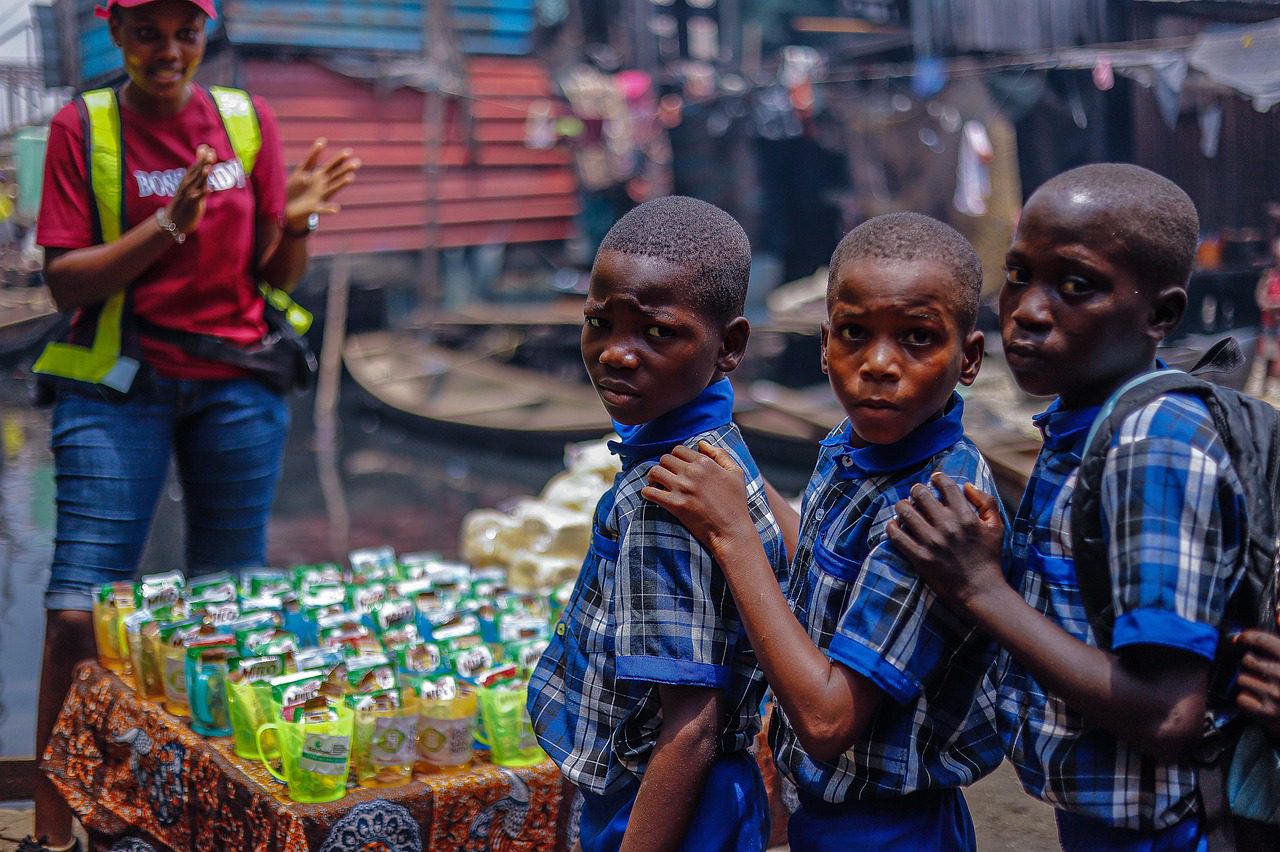
Schoolchildren in UgandaIn 2014, South Korean Park Joong-Ryeol created a small company in Uganda. He aimed to alleviate the problems that schoolchildren in Uganda face while traveling for water. This company is Jerrybag. It makes lightweight but sturdy bags to make transporting water more accessible and safer. Since its inception, the company has donated more than 18,000 Jerrycan bags to 30 schools in Africa.

Water Problems in Uganda

In Uganda, water is a scarce resource. In rural areas, it is difficult for citizens to get any water. Some estimates state that one in four people lack access to clean water. Women and children usually travel long distances to collect water for themselves and their families to survive. On average, they trek six kilometers and spend two hours each day getting water.

This grueling task deprives children of education, as they must prioritize fetching water over schooling and poses serious health risks. Schoolchildren in Uganda burdened with transporting heavy 10-kilogram jerrycans of water unaided suffer from spinal pain, with a study revealing that 62% of them experience such discomfort.

Moreover, the lack of paved sidewalks on rural roads exacerbates the dangers faced by these children. Forced to walk alongside cars, they are constantly at risk, with statistics highlighting the alarming rate of fatalities due to road accidents. In Uganda, for instance, an average of 12 people per day lost their lives in car accidents in 2022, compared to five per day in Britain during the same period. The unsafe conditions of these roads further compound the challenges encountered by children in their daily lives.

Jerrycan Bags

The Jerrycan bag is a waterproof backpack that fits a Jerrycan. It eases the burden for kids while they are transporting water. The bag features a reflective “SLOW DOWN” sign to notify drivers to combat the dangerous roads. Jerrybag adopts a holistic approach by empowering local women in Kampala through employment opportunities. By hiring these women to produce the bags, the company not only improves the lives of children but also contributes to economic empowerment in the community.

In recognition of its impactful work, Jerrybag received the prestigious Seoul Design Award in 2023. The award is given to projects that create sustainable solutions to everyday problems, underscoring the significance of Jerrybag’s work. Funding its operations in Uganda through its South Korea website, Jerrybag sustains its mission by selling merchandise and allocating a portion of the proceeds to its studio in Uganda. As the company’s popularity grows, it can scale up production to provide more bags for children in need. Jerrybag currently produces more than 400 bags monthly, exemplifying its commitment to making a tangible difference in the lives of children and communities in Uganda.

Jerrybag’s impact extends beyond providing water-carrying solutions in Uganda; the company has also played a significant role in supporting the nation during the COVID-19 pandemic. Demonstrating its commitment to community welfare, Jerrybag generously donated 4,870 hygiene kits and 14,160 masks, aiding the country’s efforts to combat the spread of the virus. Furthermore, Jerrybag engages in initiatives to empower disadvantaged children through design workshops, fostering creativity and skill development.

Final Remark

Jerrybag is a simple but creative solution to the struggle schoolchildren in Uganda face. The company’s success shows how basic changes like a new backpack can make a difference.

– Richard Sartor

Richard is based in London, UK and focuses on Technology and Solutions for The Borgen Project.

Photo: Wikimedia Commons
May 16, 2024
https://borgenproject.org/wp-content/uploads/borgen-project-logo.svg 0 0 Lynsey 2 https://borgenproject.org/wp-content/uploads/borgen-project-logo.svg Lynsey 22024-05-16 07:30:482024-05-15 22:40:12Helping Schoolchildren in Uganda Using Simple Technology
Developing Countries, Global Poverty, Women's Rights

Women’s Rights in Timor-Leste

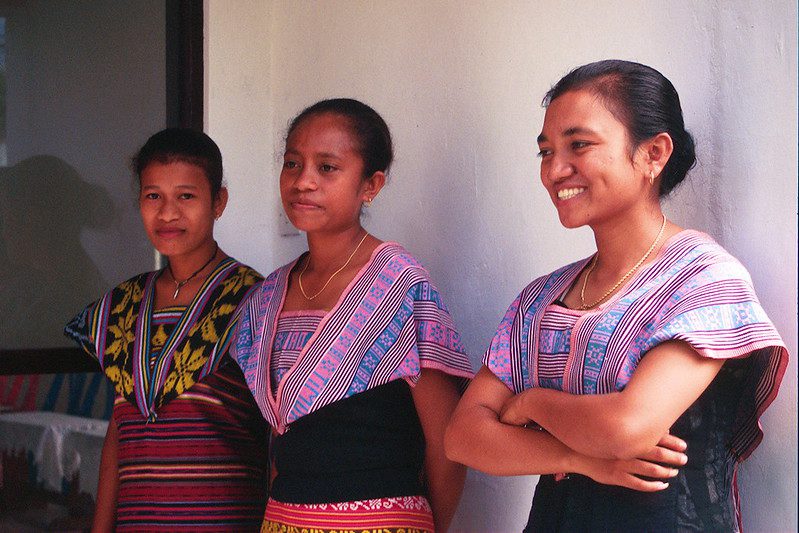
Women's Rights in Timor-LesteWomen in Timor-Leste were pivotal in the war for independence from Indonesia, with many actively involved in “FALINTIL” armed resistance groups from as early as 1974. Despite this, there is a distinct lack of recognition for women’s contributions in political, economic and social spheres in the country, alongside a hierarchical culture of abuse. However, the work of organizations such as the United Nations (U.N.) Women and the International Women’s Development Agency (IWDA) has allowed Timorese women to gain agency. Still, much more progress must come to see a safe and prosperous environment for women’s rights in Timor-Leste to blossom.

The History of Timor-Leste

Under Indonesian Occupation, Timorese people were brutally repressed through “military forces detaining, torturing, executing and forcibly disappearing tens of thousands of people.” Amnesty International estimates that 200,000 out of the then 600,000 population were killed between 1975 and 1999. Human rights groups documented systemic violence throughout the ’80s and ’90s.

The conflicts left 70% of the infrastructure decimated by the time of their independence in 2002 and much of the rural infrastructure that provides people with adequate food, water, health care provisions and more remains unusable. Women had a crucial role during the war for independence, making up 60% of the Clandestinos, a secret support network that smuggled supplies and information to the rebels.

What Problems Are Women Facing?

  1. Deep poverty: Despite a low unemployment rate of 1.5% (2022 estimate), 29.7% of the employed population lives below $2.15 a day and more than 40% of the entire population lives below the national poverty line. This disproportionately affects women, as due to the patriarchal nature of the rural areas, there is widespread inequality and discrimination toward women, resulting in only 20% of Timorese women being a part of the paid workforce.
  2. Domestic violence: In Timor-Leste, sexual and gender-based violence and domestic violence are rife, with the IWDA finding that 59% of women have experienced intimate partner violence. This epidemic of violence is the legacy that the Indonesian occupation left, as tales of sexual violence toward women by Indonesian soldiers are frequent. This continued into modern life, as 40-60% of Timorese women have experienced “some type of violence.”
  3. Lack of recognition of women in social, economic and political spheres: The conflicts in Timor-Leste before its independence left nearly half of Timorese women as the sole providers for their families, as they had become widowed. However, there remains a significant gap in the number of women who get paid for their labor compared to men, with 80% of women working without pay. Politically, women only lead 5% of the country’s village councils despite making up almost half of the country’s population.

Progress for Women in Timor-Leste

In the last two decades, massive progress has been made despite the legacy of violence and injustice toward women. In 2012, in response to the gender disparities prevalent in society, the new government mandated that parties’ lists include at least 33% of women in the new constitution. This demonstrates a growing commitment to women’s rights in Timor-Leste, resulting in a remarkable surge in female representation in politics, with women now occupying 38% of the seats in the National Parliament, the highest proportion in the Asia Pacific region. The Gender and Constitution Working Group, established by U.N. Women, has played a pivotal role in advancing women’s rights by advocating for their inclusion in the new constitution.

The 2010 Law Against Domestic Violence represents a significant step in acknowledging and addressing the issue of domestic violence against women in Timor-Leste. By recognizing domestic violence as a criminal offense, the law grants essential rights to women. Although the full implementation of this law is still underway nationwide, efforts are being made to raise awareness and educate the public. Organizations like the Covalima Community Centre (CCC) are actively involved in these efforts, contributing to progress in informing and empowering communities regarding domestic violence.

This group is dedicated to empowering women in the Covalima district of Timor-Leste by providing education on leadership and enhancing their skills, enabling them to make meaningful contributions to the social, political and economic spheres. Established by IWDA, this organization has played a pivotal role in its work. By 2016, its efforts had a tangible impact, with the number of Village Chiefs elected to Suco or village-level government, nearly doubling. This increase can be attributed, at least in part, to the diligent work of the CCC in providing leadership training to candidates.

The Future of Women’s Rights in Timor Leste

Timorese women have advocated for their own future, through innovative grassroots organizations like East Timor Women Australia (ETWA), which supports women in the handicrafts industry. Additionally, nongovernmental organizations such as U.N. Women have played a crucial role in successfully enshrining women’s rights in the new constitution. While strides have been made, the journey toward achieving equal rights for women in Timor-Leste remains incomplete.

A pervasive culture of domestic violence persists as a significant challenge, demanding ongoing attention and action. Nevertheless, there are signs of progress as the government of Timor-Leste has taken steps to address this issue. The approval of a National Action Plan on Gender-Based Violence in 2017, with another awaiting governmental approval, demonstrates a commitment to combatting gender-based violence. While progress may be slow, it is clear that the hard work and self-advocacy of the Timorese women is working.

– Elizabeth Keith

Elizabeth is based in Lancaster, UK and focuses on World News for The Borgen Project.

Photo: Flickr

May 15, 2024
https://borgenproject.org/wp-content/uploads/borgen-project-logo.svg 0 0 Lynsey 2 https://borgenproject.org/wp-content/uploads/borgen-project-logo.svg Lynsey 22024-05-15 07:30:442024-05-15 01:21:06Women’s Rights in Timor-Leste
Aid, Developing Countries, Global Poverty

Poverty Reduction in Libya

Poverty Reduction in LibyaSince the 2011 Arab Spring and the fall of Muammar Gaddafi, Libya has been tentatively working towards stability for its citizens. In the instability, Libyans have been struggling to gain access to basic needs such as health care and food. Ten years after the liberation, “of the country’s 6.7 million inhabitants, 460,000 people needed protection and 1.1 million people did not have access to health services.” The country has faced natural disasters, wars and continued political instability which means that entire communities find themselves at risk of or in poverty. Of these people, those most at risk include children, women and migrants. However, within recent years, with the hope of calming political hostility and increased interaction with foreign aid, Libya is reporting new wins in the poverty reduction.

Storm Daniel

In September 2023, Storm Daniel hit the eastern part of Libya and wreaked tragedy on the already suffering country. Two major dams failed and millions of cubic meters of water flooded the city of Derna, affecting 1.6 million people. It was hoped that in the wake of this, international aid would be incentivized and poverty reduction in Libya would be catalyzed. In turn, fixing not just the effects of Storm Daniel, but years of poverty due to institutional neglect and division.

The International Federation of Red Cross (IFRC) recognized the urgency of the situation and quickly delegated 1 million CHF to target 253,000 through the Disaster Response Emergency Fund. This allowed Premiere Urgence Internationale to work with the Libyan Red Cross to lead evacuation missions and provide medical care and emergency shelter.

The Need for Long-Term Aid

Whilst short-term aid has helped the most at-risk poverty cases that the destruction of natural disasters created, Storm David has shed light on the need for long-term impactful aid to end years of institutionalized poverty.

The World Food Programme (WFP) has highlighted that there are “many opportunities for national and international stakeholders to work in partnership to overcome the impediments on Libya’s path to inclusive, sustainable and peaceful development.” Libya has a huge potential for economic growth. It has “not only the largest proven oil reserves in Africa” but supreme conditions for renewables and raw materials also in plentiful supply.

To guarantee a reduction in corruption and successful delivery of funds to poverty reduction schemes in Libya, the international community needs to help promote sustained political security. In 2024, a coalition with Tunisia and Algeria has done just this as it is aimed at furthering “security, stability and development throughout the region.” Post Storm Daniel, this reflects attempts from Libya to secure stability both internationally and regionally.

International Aid for Long-Term Poverty Relief

In 2022, the EU committed funds with the overarching aim of improving and creating resilient health outcomes in the Libyan population, particularly among those most at risk or vulnerable. The action takes into account the sensitive context in which Libya’s citizens are suffering within the health care sector through a twin-track approach. At a local level, interventions will cater to marginalized populations that require primary healthcare services. At a national level, the second of the twin-track approaches will strengthen national-level institutions to enable better governance and stewardship. Therefore, the EU has highlighted a need to focus on structural support as well as initiatives that directly affect health within Libyan communities.

In the long term, Libya joined Universal Health Coverage 2030 (UHC2030) in 2018. The UHC aims to build stronger health systems and allows international collaboration to create this. Libya’s commitment to the organization reflects the country’s ongoing attempt to improve the living standard of its citizens by making international-level commitments.

School Meals

The government has been collaborating with other organizations as it recognizes the requirement of external aid to carry out poverty reduction in Libya. In 2022, the Libyan Ministry for Education worked with the WFP and the Central Kitchen to help secure breakfast and lunch options for 7,000 students. Most excitingly, the government stated that they “hope to implement this project in other parts of the country so that more children have access to education and nutritious food.”

Since this point, the Minister for Education states it has elevated the number of students receiving school meals to 50,000 with the hope of aiding 2.1 million by 2026, with an aspiration to expand this program to all Libyan schools across all cities by 2030. Moreover, to strengthen national food systems, in March, WFP launched the new Country Strategic Plan for March 2023 – December 2025. The plans are to provide general food assistance, livelihood support, capacity strengthening, school feeding and on-demand services across all of Libya.

The Future

It is undeniable that a history of political insecurity and war met with natural disasters, has created systemic inequality and poverty in Libya. But these challenges have been met with domestic and international efforts, especially since Storm David. The World Bank has highlighted that Libya’s rich capacity of resources should not be overlooked as a source of recovery and financial leverage in the future. Poverty reduction in Libya is occurring through increased international engagement, recognizing the importance of allegiances and funding, and a rejuvenated recognition of its civilian needs.

– Kathryn Dodd

Kathryn is based in Toulouse, France and focuses on Technology for The Borgen Project.

Photo: Pixabay

May 15, 2024
https://borgenproject.org/wp-content/uploads/borgen-project-logo.svg 0 0 Jennifer Philipp https://borgenproject.org/wp-content/uploads/borgen-project-logo.svg Jennifer Philipp2024-05-15 01:30:222024-06-04 01:03:21Poverty Reduction in Libya
Africa, Developing Countries, Global Poverty

Urbanization in Lagos: Impacting Poverty in Nigeria

Urbanization and Its Impact on Poverty in Lagos Nigeria In 2024, the population of Lagos state, Nigeria, reached 16,536,018, marking an increase of 590,106 people over the previous year. This number reflects a 3.7% annual growth rate. The process of urbanization in Lagos, significantly increases the disparity between the wealthy and impoverished residents. While some individuals have benefitted from Lagos’ booming economy and accumulated considerable wealth, a large portion of the population live in inadequate conditions in squatter settlements like Makoko. Unfortunately, issues such as overcrowding, lack of basic amenities and poor living conditions affect these slums.

The Struggles of Slum Dwellers in Makoko

Makoko, a prominent slum in Lagos, stands on stilts above the Lagos lagoon, highlighting its residents’ precarious living situation. Most individuals living in Makoko are employed in the informal economy, earning as little as $1.25 per day, insufficient to cover their basic needs. This extreme poverty perpetuates a cycle of disadvantage and limits opportunities for economic mobility among the residents of Makoko and other similar slums in Lagos.

The Borgen Project spoke with an individual who wishes to remain anonymous for privacy reasons. The young lady, living in one of the slums in Lagos with her three children, stated, “I make nothing less than N2500 a day.” Currently, N2500 is equivalent to $1.86. She further mentioned that she only uses the money to make sure her kids have something to eat. She says, “Every day is a struggle to survive, with no end in sight to our suffering.” Living in the slums traps them in a cycle of poverty and despair. 

Urban Challenges: Poverty and Infrastructure

Urbanization, urban poverty and slums are closely linked and present significant challenges for both developed and developing countries. Nigeria, like other developing nations, faces these ongoing challenges, which have a more pronounced impact due to limited resources and rapid population growth in urban areas. Efforts to address these ongoing issues require comprehensive strategies that prioritize sustainable urban development, poverty reduction and job creation initiatives.

Over the past 50 years, rural-urban migration has been the primary driving factor of population growth in Lagos. This is primarily due to the notable advancements in social and economic development, which have fueled uncontrolled population expansion in these urban areas. This rapid growth has led to various challenges, such as strain on existing infrastructure, environmental deterioration, traffic congestion, lack of adequate housing and an increase in crime rates in Nigerian major cities.

Urban poverty drastically undermines urban sustainability in Nigeria, as the poor in cities face social exclusion, unemployment, homelessness, unpaid work, environmental risks and poor health. These hardships drive the proliferation of slums, squatters’ settlements and deteriorating housing, which are becoming permanent fixtures in Nigeria’s major cities.

The Lagos State Urban Development Policy

The Lagos State Urban Development Policy (LSUDP) is a comprehensive and holistic approach to guiding sustainable urban development in Lagos State, Nigeria. The policy is rooted in the recognition of the rapid urbanization and population growth that Lagos State, which addresses significant challenges in infrastructure, housing, transportation and social services

The LSUDP addresses the ongoing challenges by providing a long-term vision and strategic direction for developing Lagos State over the next three decades (2022-2052). The policy outlines key objectives and strategies that promote inclusive growth and development, reduce poverty and inequality, enhance residents’ quality of life and ensure sustainable resource use.

One of the core principles of the LSUDP is to create inclusive cities where all residents, regardless of their socio-economic status, can access basic services, opportunities for economic advancement, and a high quality of life. This includes policies to promote affordable housing, improve access to health care and education, enhance transportation infrastructure and protect the environment.

Furthermore, the LSUDP emphasizes the importance of sound socio-economic foundations, which are essential for sustainable development. This involves fostering economic growth, attracting investments, creating job opportunities and supporting entrepreneurship and innovation. By laying down this strong foundation, the LSUDP aims to ensure that urban development in Lagos State is sustainable, equitable and beneficial for all residents.

The LSUDP represents a strategic roadmap for the future development of Lagos State, with a focus on creating livable, inclusive and prosperous cities that can meet the needs of current and future generations.

Moving  Forward

The Lagos State Urban Development Policy promises to transform urban living conditions by addressing critical infrastructure needs and reducing inequality. By prioritizing sustainable growth and inclusive policies, Lagos is poised to enhance the quality of life for all its residents. These ongoing initiatives could help break the cycle of poverty and create a more equitable urban environment in Nigeria’s bustling metropolis.

– Oyinkansola Adewumi

Oyinkansola is based in Denver, CO, USA and focuses on Good News for The Borgen Project.

Photo: Unsplash

May 9, 2024
https://borgenproject.org/wp-content/uploads/borgen-project-logo.svg 0 0 Precious Sheidu https://borgenproject.org/wp-content/uploads/borgen-project-logo.svg Precious Sheidu2024-05-09 01:30:212024-05-09 01:25:01Urbanization in Lagos: Impacting Poverty in Nigeria
Developing Countries, Economy, Global Poverty

India’s Journey: Emerging as a Global Economic Powerhouse

Global Economic PowerhouseIn recent years, India has emerged as a global economic powerhouse, displaying remarkable economic progress that has positively impacted both extreme and non-monetary poverty. This is evident in the poverty decline over the years.  In 2022, India witnessed a substantial reduction in its Multidimensional Poverty Index (MPI) rate, dropping from 55.1% to 16.4% in 15 years. Several critical factors influence this decrease in poverty and the improvement of the global economic outlook.

India’s Growing Middle Class

The middle class in every country plays a pivotal role in shaping its economic outlook. India’s middle class is the fastest-growing demographic group in India, as it has witnessed a significant growth rate of 6.3% annually from 1995 to 2021.

Currently, the middle class makes up 31% of the population and projections indicate that this percentage will increase to 38% by 2031 and to 60% by 2047. The increase in the middle class has been one of the determining factors behind India’s growing success as a global economic powerhouse, as it leads to an increment in consumption and human capital for innovation.

IT Services and Digital Transformation

India’s IT services and digital transformation have propelled its position as a major player globally. India’s technology industry is a powerhouse driving the country’s global economy, job market and overall growth. In the fiscal year 2022, its revenue surpassed $200 billion. The COVID-19 pandemic has accelerated India’s digital progress, leading to a surge in internet users and a shift toward online services, including education and food delivery. As a result, India’s digital economy, comprising online businesses and services, is projected to reach a worth of $1 trillion by 2030.

Digital transformation is important for big companies and also smaller ones. Businesses are realizing they need to embrace technology to survive and grow. India is exploring exciting possibilities, like using artificial intelligence (AI) to improve internet access and digital services for everyone, even in rural areas. It is investing in innovations like AI to solve big challenges. While it is still early, the potential is huge for transforming India’s society and global economy for the better.

India’s Agricultural Landscape

The agriculture sector, a vital component of India’s economy, contributes significantly to the country’s gross domestic product (GDP) and employment. In the past years, it has experienced robust growth, accounting for 18.8% of the Gross Value Added (GVA) in 2021-22. Growth in allied sectors like livestock, dairying and fisheries has been the primary driver of this expansion.

Indian agriculture is now consumption-driven rather than population-driven, with farmers displaying diverse skills and small farms serving multiple functions. India ranks fourth globally in terms of the total value of agricultural production. Additionally, it is the second-largest food producer by calorie content, trailing only behind China.

India’s Foreign Direct Investment (FDI)

Over the past decade, India has experienced robust growth in its domestic market. It has attracted additional foreign direct investment (FDI) and focused on establishing foundational elements for sustainable economic development. Notably, India has advanced in global rankings for innovation and ease of doing business, indicating a favorable environment for further economic expansion.

In FY 2021-22, India saw a significant surge in annual FDI inflows, reaching $84,835 billion, surpassing the previous year by $2.87 billion. FDI equity inflows in the manufacturing sector increased by 76% compared to the previous fiscal year, totaling $21.34 billion. During FY 2022 (April-December), total FDI inflows in India amounted to $55.27 billion, with FDI equity inflows totaling $36.74 billion. Key countries contributing to FDI equity inflows included Singapore, the United States (U.S.), Mauritius, the Netherlands and Switzerland. The top sectors attracting FDI equity inflows in FY 2021-22 were computer software and hardware, services, the automobile industry, trading and construction activities.

Conclusion

In the past two decades, India has made remarkable strides in reducing extreme poverty. Between 2011 and 2019 it has halved the population living on below $2.15 per person per day. India aims to achieve high middle-income status by 2047.

According to the World Bank, for India to achieve this goal, it would need to focus on growth-oriented reforms and the expansion of quality job opportunities that match the influx of labor market entrants. Additionally, addressing gaps in economic participation, including increasing female workforce participation, is imperative to its global economic outlook.

– Teniola Yusuf

Teniola is based in Norwich, UK and focuses on Good News for The Borgen Project.

Photo: Pexels

May 8, 2024
https://borgenproject.org/wp-content/uploads/borgen-project-logo.svg 0 0 Lynsey 2 https://borgenproject.org/wp-content/uploads/borgen-project-logo.svg Lynsey 22024-05-08 01:30:102024-05-11 10:30:25India’s Journey: Emerging as a Global Economic Powerhouse
Advocacy, Developing Countries, Global Poverty

Brazil’s Sound: Samba Music and Social Justice

Social JusticeSamba music is a staple of Brazil’s urban culture, from influences found in African drum patterns brought over by enslaved people to the now world-famous Brazilian carnival. This style of music provides communities with opportunities for bonding and culture away from poverty. In recent years, communities brought together by Samba music have also become advocates for social justice. Amid Brazil’s political turmoil during the Bolsonaro years, jam sessions became both moments of release and powerful meeting points in favor of social justice.

A Brief History of Samba Music

Samba Music originates from drum patterns transported across the Atlantic by enslaved people taken from their homeland to work on the Brazilian plantations. Originally, the word Samba is thought to derive from the Kimbundu term “Semba” loosely translatable as “invitation to dance” or designating the informal parties held by slaves in Rio’s rural areas. In the early 20th century, following the abolition of slavery in 1888, Samba grew in popularity and enriched its tradition through exposure to other genres of popular music also brought to Brazil by immigration. German polka or Cuban Habanera brought song structure and lyrics to the rhythmic form leading to an early style of Samba popular among Brazil’s aristocracy, pairing slower tempos with melancholic and romantic lyrics.

However, it was during the ’50s in the favelas that Samba took on its most popular shape. In these poor urban areas, faster rhythms were oriented toward communal events like the Carnival, where bands of musicians would rehearse all year round to perform at the event. During the 50s, Brazil saw its music export grow considerably, with the likes of Gilberto and Jobin popularising Bossa Nova in cooperation with American jazz musicians. With the now world-renowned fame of the genre, urban populations have incorporated other styles of music into Samba, such as jungle drum patterns. Its strong association with the Carnival and urban popular culture pairs samba music and social justice deep within its roots.

Samba Music and Social Justice

As a style of music popular at its chore, the popularity of Samba intertwined its development with social justice struggles in the country. In the ’30s, during the dictatorship of General Getulio, Samba music offered a rallying crowd where protesters could mask socially engaged lyrics within the music and avoid censorship. This trend continued during the military dictatorship of the ’60s and ’70s. Carnivals offered moments of reversals of social structures, allowing a release for much of the grievances built out of social inequality and income disparity.

The music also grew as a tool for affirmation and protestation against racial injustices plaguing the country. The 1988 Carnival theme “One Hundred Years of Freedom: Reality or Illusion” asked burning questions amid the celebration of the 100 years of slavery’s abolition. The harsh conditions in urban slums were highlighted, pegging the question of true social evolution since the abolition of slavery.

Samba Music and Social Justice Today

Today, much of Brazil’s poverty remains urban. The United Nations (U.N.) reports that 72% of the country’s poor live in urban areas, with rates of informal settlements climbing as high as 22.15% in Rio de Janeiro and 54.47% in Belèm. Those tough circumstances are further reinforced by high rates of criminality in poor urban areas and high rates of inequalities across the country; Brazil clocks in as one of the most unequal countries in the world. Samba music in these underprivileged areas offers moments of community cohesion and peace.

Different institutions, such as the Renaissance Club in Rio de Janeiro, became a stronghold for social justice protests and community-led actions. Upholding, at its root, both the Afro-Brazilian roots of the music style and the historically underprivileged positions occupied in society as part of the same fight. Amid the COVID-19 crisis and the high death toll that struck poor urban communities hard, the Renaissance Club was a place in which the grievances of the community could be expressed through music and raise voices of social equality across race and economic backgrounds. The Club shows that samba music and social justice are still interlinked both by their heritage and current issues.

– Felix Stephens

Felix is based in London, UK and focuses on Business and New Markets and Politics for The Borgen Project.

Photo: Flickr

May 4, 2024
https://borgenproject.org/wp-content/uploads/borgen-project-logo.svg 0 0 Lynsey 2 https://borgenproject.org/wp-content/uploads/borgen-project-logo.svg Lynsey 22024-05-04 07:30:462024-05-04 00:31:20Brazil’s Sound: Samba Music and Social Justice
Africa, Developing Countries, Global Poverty

Period Poverty in Somalia

Period Poverty in SomaliaSomalia stands as an exceedingly impoverished nation, ranking as one of the poorest countries in Africa. The Voluntary National Review of 2022 acknowledges that nearly seven out of 10 Somalis endure poverty, falling below the international poverty line. The country consistently faces recurrent droughts, attributed to unsuccessful rainy seasons. These droughts have resulted in the loss of tens of thousands of lives and caused extensive crop failures.

What Is Period Poverty? 

Period Poverty is a global issue. According to the World Bank, as many as 500 million people across the globe face Period Poverty. Consequently, 500 million girls and women have a lack of access to menstrual hygiene products (commonly pads, tampons and menstrual cups), sanitation facilities (disposal and washing) and education/information regarding menstruation and period products.

Examining Period Poverty in Somalia

In Somali society, people often consider menstruation a taboo. Menstruating girls and women are viewed as unclean, making them deemed unfit for regular daily activities. This lack of awareness surrounding menstruation contributes to a shortage of proper sanitary hygiene products in Somalia. Furthermore, this lack of understanding makes girls and women refrain from seeking necessary treatment for menstrual pain. 

Consequently, numerous girls and women turn to utilizing leaves, aged fabric, socks, the interiors of worn-out mattresses and newspapers. The results of such desperation are heartbreaking. The use of unhygienic materials as sanitary products heightens the risk of urogenital symptoms and infections among Somali girls and women.

Period poverty in Somalia significantly impacts girls’ education. Many girls in the Somali capital regularly miss classes during menstruation. The lack of access to sanitary products leaves them feeling uncomfortable and fearful of potential embarrassment or staining their clothes. This disadvantage faced by females in Somalia hinders their academic progress and diminishes their prospects for future success, further perpetuating gender inequality. 

Positive Action 

The Youth Peer Network supported by UNFPA Somalia has initiated a campaign addressing sexual reproductive health for young people. Launched in 1999 and established in 2011, the Youth Peer Network has branches in more than 50 countries around the world.

The campaigns main priority is menstrual hygiene. Mohamed Arshad Ibrahim, a peer educator for the Youth Peer Network, states, “We aim to eradicate the lack of menstrual hygiene products, and we have distributed reusable sanitary pads to many vulnerable girls for use during their periods, which allows them to stay in school.”. The campaign has been carried out in several schools and universities. Over 2,000 girls suffering from period poverty in Somalia, have benefitted from packs of reusable sanitary supplies. These reusable sanitary supplies are included in the campaign’s dignity kits. The kits include disposable and reusable menstrual pads, underwear, soap and other essentials. 

Founded in 2005, the GBV Area of Responsibility currently has operational presence in 44 countries across 5 regions of the world. GBV Area of Responsibility is actively working to distribute dignity kits to vulnerable women and girls throughout Somalia. In 2020, GBV Area of Responsibility provided 12,816 people with dignity kits in 17 coordination hubs across Somalia. Upon receiving these kits, women and girls gain access to essential items such as soap and hand sanitizers, contact details for GBV service providers, laundry soap, baby-safe antibacterial wipes, chamber pots with privacy shields and sanitary products.

A Look Ahead

Unfortunately, the Somalian government has shown no initiative in providing support for women regarding healthcare needs and finances. The commendable efforts made by organizations such as UNFPA and GBV Area of Responsibility to aid women and girls in Somalia should be greatly applauded. 

– Libby Jackson
Photo: Flickr

May 3, 2024
https://borgenproject.org/wp-content/uploads/borgen-project-logo.svg 0 0 Jennifer Philipp https://borgenproject.org/wp-content/uploads/borgen-project-logo.svg Jennifer Philipp2024-05-03 07:30:492024-05-03 00:12:35Period Poverty in Somalia
Page 23 of 157«‹2122232425›»

Get Smarter

  • Global Poverty 101
  • Global Poverty… The Good News
  • Global Poverty & U.S. Jobs
  • Global Poverty and National Security
  • Innovative Solutions to Poverty
  • Global Poverty & Aid FAQ’s
Search Search

Take Action

  • Call Congress
  • Email Congress
  • Donate
  • 30 Ways to Help
  • Volunteer Ops
  • Internships
  • Courses & Certificates
  • The Podcast
Borgen Project

“The Borgen Project is an incredible nonprofit organization that is addressing poverty and hunger and working towards ending them.”

-The Huffington Post

Inside The Borgen Project

  • Contact
  • About
  • Financials
  • President
  • Board of Directors
  • Board of Advisors

International Links

  • UK Email Parliament
  • UK Donate
  • Canada Email Parliament

Get Smarter

  • Global Poverty 101
  • Global Poverty… The Good News
  • Global Poverty & U.S. Jobs
  • Global Poverty and National Security
  • Innovative Solutions to Poverty
  • Global Poverty & Aid FAQ’s

Ways to Help

  • Call Congress
  • Email Congress
  • Donate
  • 30 Ways to Help
  • Volunteer Ops
  • Internships
  • Courses & Certificates
  • The Podcast
Scroll to top Scroll to top Scroll to top