• Link to X
  • Link to Facebook
  • Link to Instagram
  • Link to TikTok
  • Link to Youtube
  • About
    • About Us
      • President
      • Board of Directors
      • Board of Advisors
      • Financials
      • Our Methodology
      • Success Tracker
      • Contact
  • Act Now
    • 30 Ways to Help
      • Email Congress
      • Call Congress
      • Volunteer
      • Courses & Certificates
      • Be a Donor
    • Internships
      • In-Office Internships
      • Remote Internships
    • Legislation
      • Politics 101
  • The Blog
  • The Podcast
  • Magazine
  • Donate
  • Click to open the search input field Click to open the search input field Search
  • Menu Menu

Archive for category: Developing Countries

Information and stories about developing countries.

Developing Countries, Global Poverty, USAID

USAID Programs in the Philippines 

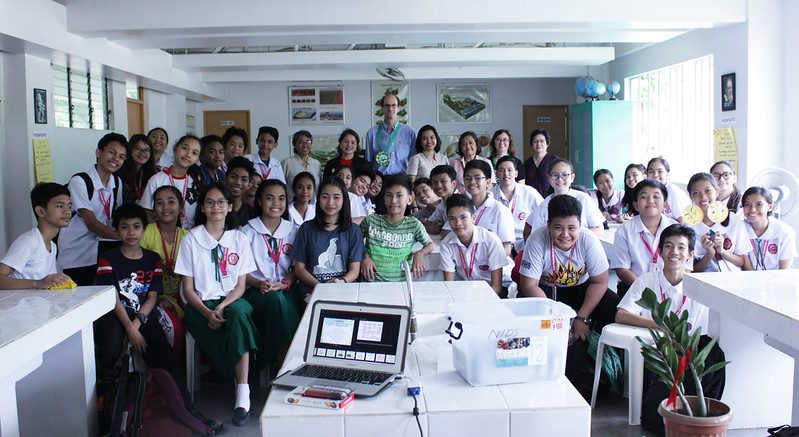
USAID Programs in the PhilippinesIn 1961, President John F. Kennedy founded USAID, an independent federal agency that works to advance national security through generosity to nations in need. It promotes agricultural, educational and industrial programs in developing nations, along with supporting their governments. USAID programs in the Philippines focus on helping the nation’s youth and underprivileged through education and employment programs, along with supporting the nation’s government.

USAID Enters the Philippines

The United States has been assisting in the Philippines’ development since 1961. When USAID became an official federal agency, the Philippines became one of the agency’s first partner organizations. Since the start of the partnership, the U.S. has invested more than 290 billion pesos through different programs in the country.

In the first 20 years in the Philippines, the U.S. helped develop infrastructure, along with advancing the country’s agricultural and medical capabilities. Since then, USAID has been directed at the health and education sectors, along with continued investment in infrastructure.

Poverty and Education in the Philippines

The Philippines is among the poorest nations in Southeast Asia. Around 18% of the population lives below the poverty line. With low access to education, nine out of 10 children in the Philippines are unable to read or understand reading material by the age of 10.

One of the biggest categories of USAID programs in the Philippines is educational assistance. Since 1961, the U.S. has created and implemented numerous programs working to help improve basic reading and math skills among developing students and putting learning objectives in place that will help students become prepared for the workplace.

USAID Education Programs

ABC+ works with children in grades K-3 to advance literacy skills in Filipino and English. The program teaches instructors how to teach reading and math in both languages and how to create effective out-of-classroom work that will help students learn at home. With help from U.S. universities such as Florida State University, the program is working to design college courses for early literacy development to help prepare future teachers.

Gabay is a USAID program working to “strengthen the access of deaf, blind and deafblind children to quality education” according to USAID. Through the program, USAID helps train teachers and parents in “inclusive education strategies” and provides assistive devices to schools and community centers to help accommodate students with disabilities. Gabay has helped strengthen the sign language curriculum in the Philippines and has helped local governments better support children with disabilities.

Opportunity 2.0 is a program that works to help out-of-school youth find job opportunities. More than 3 million Filipinos aged 16-24 are either not enrolled in school, have not finished secondary school or are unemployed, according to USAID. The program offers placement in education systems that help prepare students for college, has job training programs and has courses on how to start and grow a business. Opportunity 2.0 has offices in 15 cities in the Philippines and is available to any Filipino aged 16-24 who does not have a bachelor’s degree.

YouthWorks PH

YouthWorks PH is one of the biggest education-based programs USAID has in the Philippines. More than 50% of the population in the Philippines is under the age of 30, making their education an important aspect of the country’s development, according to USAID. Through this program, USAID works with The Philippine Business for Education to provide “training and employment opportunities for at least 40,000 youth through an innovative work-based training approach,” according to USAID.

It focuses heavily on the school-to-work transition period to make sure members learn any workplace skills they could not learn in high school or college. By helping more students become qualified for the workplace, YouthWorks is helping to lower the unemployment rate for ages 15-24.

Creating Opportunities

By supporting different education programs in the Philippines, USAID is helping students get the necessary education needed to find opportunities in school. Since 2020, the unemployment rate in the Philippines has dropped from 10.3% to 4%. Literacy rates hit a high of 99% thanks to the development of the nation’s education system. USAID programs in the Philippines have yielded encouraging results in the past 10 years, and are continuing to grow every day, helping Filipino students create opportunities inside and out of the classroom.

– Nicolas Mezzaucella

Nicolas is based in New Rochelle, NY, USA and focuses on Good News and Global Health for The Borgen Project.

Photo: Flickr
June 27, 2024
https://borgenproject.org/wp-content/uploads/borgen-project-logo.svg 0 0 Jennifer Philipp https://borgenproject.org/wp-content/uploads/borgen-project-logo.svg Jennifer Philipp2024-06-27 03:00:472024-06-25 04:51:25USAID Programs in the Philippines 
Aid, Developing Countries, Global Poverty

Remittance to Bangladesh

Remittance to BangladeshIn recent years, remittances have become one of the primary economic contributors in recipient countries. Remittances are money transfers that international migrants send to their families in their home countries. In 2022, these money transfers to low- and middle-income countries were $647 billion. Remittance to Bangladesh has become a vital economic pillar, for a country of 171 million people.

Bangladesh’s Standing in Global Remittance

According to the World Migration Report, Bangladesh ranked as the eighth-highest recipient of remittances globally and third-highest in South Asia. In 2022, the country received a staggering $21.5 billion inflow of remittance. It is a major source of economic growth and development for Bangladesh, contributing 4.7% to the country’s GDP.

Overview of the Remittance Sector

Since independence, migration has been a significant factor in improving living standards and reducing poverty and unemployment in Bangladesh. With a huge young population and an increasing unemployment rate, many citizens have taken short-term jobs abroad.

In 2023, a record 1.3 million individuals left the country for overseas work, and many others have unregistered contracts. These migrations are mostly for unskilled or semi-skilled work.  The government aims to send an additional 1 million migrants to various countries, expanding the diaspora and increasing inward remittances by creating an “overseas employment market expansion roadmap.”

Economic and Social Factors

A mix of economic and social factors influences migration patterns from Bangladesh. Economically, many Bangladeshis migrate to escape poverty, seeking better job opportunities abroad due to limited prospects at home. The country’s high population and limited job market create pressure on local employment, pushing people to look for work in countries with higher labor demand. Socially, the desire to improve living standards and provide better education and health care for their families motivates migration, according to the Migration Policy Institute (MPI).

Remittances to Bangladesh have a profound impact on the economy. Back-home recipients use these funds to finance essential needs, education and small businesses, according to the MPI. This financial support often boosts the production of tradable and non-tradable goods and services, influences land markets and fosters the growth of banking and commerce sectors.

About 70% of remittance recipients use the funds for essential needs like food, clothing and shelter. They also invest significantly in agriculture, small businesses and housing, driving local entrepreneurship and job creation.

Improving Food Security

A World Bank analysis indicates that households in rural Bangladesh receiving remittances are more food secure compared to those that do not receive remittances. This means that remittance-recipient families are better able to afford and access sufficient food, leading to improved nutritional outcomes and overall well-being.

However, family support is not the sole driving factor of inward remittances. The migrants’ skills and education levels also play a part. A migrant with a secondary education is likely to send back more money than someone with no formal education. This highlights the importance of education and skills development in maximizing the remittance potential of future generations of Bangladeshi migrants.

Remittance Incentive Programme

The Bangladeshi government recognizes the immense contribution of its migrant workforce to the overall economic growth of the country. The Remittance Incentive Programme, launched in July 2019, is a significant initiative of the government. This program aims to encourage Bangladeshis working abroad to use official channels for sending money home, rather than informal systems. The program offers a cash reward directly deposited into the sender’s bank account for remittances sent through legal procedures. The incentive was 2% initially, then raised to 2.5% in 2022 and currently stands at 5%. This initiative promotes the use of formal channels for remittance and enhances transparency.

Remittance and the COVID-19 Pandemic

During the COVID-19 pandemic-induced global economic turmoil, the World Bank predicted that reducing inward remittance to Bangladesh would hit the economy hard. Despite that, remittance inflow started to increase in the last half of 2020 making it to the list of the top ten highest remittance recipient countries

This significant inflow has improved living standards, financed education, boosted local economies, and elevated the country’s foreign currency reserves past $46 billion. The remittances have also played a crucial role in stabilizing the balance of payments and enhancing the nation’s credit rating

Conclusion

Remittance to Bangladesh can be a powerful force to reduce poverty. Supporting education and skills development and fostering safe working conditions for migrant workers, can ensure this vital lifeline continues to flow and empower the nation for generations to come.

– Sumaiya Sultana

Sumaiya is based in London, UK and focuses on Business and New Markets for The Borgen Project.

Photo: Pixabay

June 27, 2024
https://borgenproject.org/wp-content/uploads/borgen-project-logo.svg 0 0 Jennifer Philipp https://borgenproject.org/wp-content/uploads/borgen-project-logo.svg Jennifer Philipp2024-06-27 01:30:042024-06-25 04:48:49Remittance to Bangladesh
Developing Countries, elderly poverty, Global Poverty

Elderly Poverty in Mauritius

Elderly Poverty in MauritiusMauritius is an island country in East Africa with a current population of approximately 1.3 million. Most of the population resides in the capital, Port Louis. In 2020, the World Bank projected the poverty rate in Mauritius to be around 15.8%. Though the economy of Mauritius suffered as the country gained independence, diversifying its economic activities over the years has helped with its economic growth. However, poverty still prevails in the country. Elderly poverty in Mauritius is still a concern for the country.

Elderly Population in Mauritius

As of 2024, around 13.9% of the total population of Mauritius consists of people from the age group of 65 years and above, according to The World Factbook. The dependency ratio of a country is determined by the number of people who are currently not in the labor force, or those aged 0-14 years and 65 years and above and it stands at 40.7% in Mauritius. The elderly dependency ratio constitutes 17.3% of the total.

A matter of concern for Mauritius is that the dependency ratio has been increasing recently, which means an increase in the dependent population of the country. A decline in fertility rates from 2.3 in 1990 to 1.41 in 2021 and a recent “brain drain” could be some of the reasons for an increase in the elderly population.

According to the U.N., elderly poverty represents the percentage of people aged 65 or above whose income is lower than half the income that is available to a household to spend and save. Reasons for elderly poverty can be both income (reducing working hours and earning lower wages) as well as health-related.

Integrated Care for Elder People Approach

Every one in 10 old-age people in Mauritius are victims of elderly poverty. The number of elderly people who are prone to mental health issues like Alzheimer’s and Dementia is increasing day by day. To tackle this low-income and health situation, the World Health Organisation (WHO) has initialized an Integrated Care for Elder People Approach (ICOPE) plan to take a step towards ensuring that elderly people have access to proper health and well-being.

Development Context of the ICOPE involves understanding the challenges that older people face in terms of health care and social care and catering to these challenges. Strategic planning aims to improve the general health and well-being of older people by providing prioritized health services, according to WHO. The methodology and processes of the ICOPE aim to understand elderly health care by conducting various workshops.

The guiding principles propose that access to free health care for elderly people should be a right. These principles pose the relationship between human rights and elderly health care, thereby suggesting that elderly health care is a right as much as it is a necessity. The vision, mission and goal of this approach is to ensure that older people enjoy their rights alongside receiving proper integrated health care services.

Strategic Objectives

The strategic objectives are a set of goals that aim to improve elderly health care from the very base. From early screenings recognizing diseases in elderly people to integrated health care which involves the coming together of different social sectors to cater to all the needs of the elderly, the cover everything related to elderly health care. The objectives also focus on influencing legislation and policies to increase government funding for health care, according to WHO.

Poverty and health care are interrelated terms in the sense that good health leads to a better quality of life. Elderly poverty in Mauritius is being tackled through things like health care schemes for this very same reason. Organizations like the WHO are taking various steps to be able to ensure better standards of living for the country’s aging population.

– Adya Umesh

Adya is based in Bangalore, Karnataka, India and focuses on Good News and Global Health for The Borgen Project.

Photo: Wikimedia Commons

June 23, 2024
https://borgenproject.org/wp-content/uploads/borgen-project-logo.svg 0 0 Jennifer Philipp https://borgenproject.org/wp-content/uploads/borgen-project-logo.svg Jennifer Philipp2024-06-23 07:30:452024-06-23 01:36:06Elderly Poverty in Mauritius
Developing Countries, Global Poverty, Technology

Cyber Technology Reduces Poverty in the Dominican Republic

.Poverty in the Dominican RepublicArtificial Intelligence (AI) could help alleviate global poverty. Parts of Africa and Latin America are already using cyber technology to boost agriculture and their economy. Agriculture remains one of the key industries across the Caribbean. Around one-fifth of the Dominican Republic’s workers work in agriculture and the country exports valuable goods, including sugar, bananas, cocoa and rice. Demands for wheat have also accelerated, especially from Haiti, following the uprising crisis. This has paved the way to assist in the reduction of poverty in the Dominican Republic.

About Extreme Poverty in the Dominican Republic

Rates of extreme poverty fell by 10% between 2015 and 2019 but jumped again when the pandemic arrived in 2020. Greater tourism and increased trade with other nations mean that, both internally and externally, poverty in the Dominican Republic has been reduced. The country now has more surplus money to invest in emerging technologies.

AI could come in handy in this area. In Africa, for instance, drones are already being used to detect and prevent poachers. They deliver medical aid and support the conservation of wildlife. Satellites are also being used to improve agricultural yields by understanding shortcomings and adapting plans for farmers to fill these gaps.

Lessons To Be Learned

Since many farmers need more training in advanced agricultural practices, machine learning will eventually come in handy. Cyber technology not only helps to quickly calculate complicated equations but also improves the ease of communication between developing and developed countries. With AI speeding up these processes, less money goes into agricultural work and more funding enters the economy.

The barrier comes in the provision and funding of these technologies. The Dominican Republic has proven itself willing to engage with the next generation of tech by using AI. However, the costs will be high and require greater communication and support from nations with high Human Development Index (HDI) ratings. Embracing e-learning platforms will allow this.

Networking

AI is already being used to boost customer relationships and experiences in the banking sector under the “know your customer” initiative. This process tailors support to the specific needs of customers to provide them with the most relevant support possible. Eight “multiple banks” currently employ AI-generated systems.

A developing ecosystem across the Caribbean is also currently sharing data between multiple economies to overcome generic technological and scientific obstacles. None of this could have been achieved without the benefits of machine learning. With agriculture being such a profitable sector, a growth in exports would create a flourishing economy for the country. Increased connections with other nations would match an accelerated connection to local people.

The Weather Creates Significant Obstacles

Machine learning also warns of volatile weather conditions to help farmers be best informed about how to overcome climate issues. Tackling natural disasters has already been proven a government priority with the Caribbean Catastrophe Risk Insurance Facility. The facility provides insurance for natural disasters such as earthquakes, cyclones and excessive rainfalls.

Pangu-Weather, the AI model developed by Huawei Cloud in 2023, offers weather forecasts and predictions for the paths of tropical cyclones. This would come in handy in the Dominican Republic, where unpredictable weather conditions often undermine the hard work of agriculturalists. Alternatively, Google has offered a 10-day forecast called GraphCast, which it could roll out to the international market for greater availability.

The way forward is using drones to gather sensor data. This data analyzes natural nutrient levels to understand how quickly crops will grow compared to how quickly they need to grow. Drones can also deliver 3D mapping, warnings of irrigation leaks and a consistent tracker of livestock health.

Final Remark

Impoverished nations have some lessons to learn from Latin America. The Dominican Republic is in control of its cyber technology. It has the highest regional rating on the National Cyber Security Index and a defense system against cyber attacks. This development is the first step to a bright future, where progress has already been made in tackling poverty through cyber technology and can continue to expand the prosperous agricultural sector across the region.

– Lewis Eyre

Lewis is based in Bournemouth, UK and focuses on Technology and Solutions for The Borgen Project.

Photo: Unsplash

June 22, 2024
https://borgenproject.org/wp-content/uploads/borgen-project-logo.svg 0 0 Lynsey 2 https://borgenproject.org/wp-content/uploads/borgen-project-logo.svg Lynsey 22024-06-22 07:30:082024-06-21 08:37:09Cyber Technology Reduces Poverty in the Dominican Republic
Africa, Developing Countries, Global Poverty

Elderly Poverty in Malawi

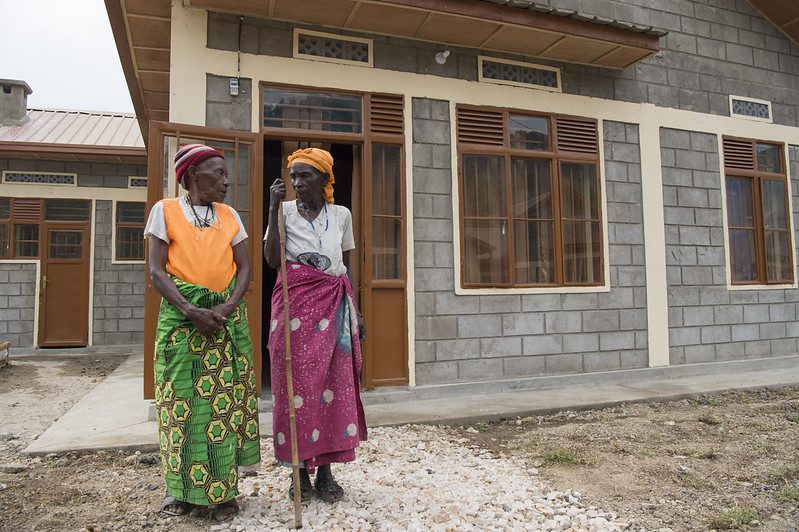
Elderly Poverty in MalawiElderly poverty in Malawi is a growing issue that requires attention. With more than half of the population (52.4%) in Malawi living in poverty, UNDP found that 17.2% of 50-year-olds and older in Malawi were living in poverty showing that elderly poverty is an issue that is facing the population. The problem is multifaceted and without proper solutions, the level of elderly poverty could continue to grow. Several factors add to and continue the problems of poverty such as economic issues, social and demographic changes and inadequate healthcare in Malawi. Both local government initiatives and international NGOs such as the Scotland – Malawi Partnership are working hard to address the issue and provide successful solutions.

Economic and Social Issues

One of the main factors contributing to elderly poverty in Malawi is economic instability. One way this is highlighted is the lack of state pensions with less than 5% of the elderly receiving any pension benefits, according to a 2016 HelpAge International report. This is most often the case because most have worked in informal sectors when they were of working age which do not contribute to state pension schemes. This leaves a portion of the elderly without a reliable source of income in their old age.

Support from families has traditionally been crucial in helping older members but this support is becoming less reliable as younger members try to lift themselves out of poverty. The elderly population also tend to face abuse, neglect and harassment because of cultural norms. Malawi’s older population is also growing which increases pressure on resources such as healthcare which the elderly need more often than other demographics. This affects poverty rates due to the availability and quality of care the elderly receive and therefore their health.

Health care in Malawi is heavily strained especially with population growth. The elderly struggle to access timely and adequate health care. Additionally, food security is a growing issue, this is highlighted by rising prices of essential food, UNDP reports. This then leads to poor health outcomes among the elderly, adding pressure to an already poverty-stricken elderly group.

Solutions

Despite the issues being significant some initiatives focus on providing solutions to elderly poverty in Malawi. The Malawian government implemented the Social Cash Transfer Programme (SCTP) in 2006. The programme has helped to increase income and provide food security for the elderly population to the elderly that were the heads of households. Whilst the program has benefited some, it only reached a quarter of the elderly population, according to a 2016 HelpAge International report. This is why there is a call for a universal pension which studies have found would provide a solution to the issue. Ongoing discussions about the implementation of a universal pension scheme offer a reason to be optimistic about the future support of the poverty of the elderly in Malawi.

The Scotland – Malawi Partnership has also offered solutions to various issues in Malawi, including health care. One such initiative focuses on improving the health care system in Malawi. Considering the already stretched health care system in Malawi, the partnership has tried to help specific issues such as cervical cancer. Malawi has the highest global mortality rate from cervical cancer. The initiative partnered with a hospital in Malawi to provide these screenings to women. Since 2013, the initiative has provided screening to 30,000 women with plans to reach a further 80,000. The effort not only benefits early cancer detection but also the health care burden. This means that women who are in poverty receive timely and effective treatment.

Hope for the Future

Elderly poverty in Malawi is an issue that with effective initiatives and solutions, there is hope for the future. The continuation of the work of both the Malawian government and international partnerships proves that there is a way forward to addressing elderly poverty.

– Rosie Miller

Rosie is based in Edinburgh, Scotland and focuses on World News for The Borgen Project.

Photo: Flickr
June 22, 2024
https://borgenproject.org/wp-content/uploads/borgen-project-logo.svg 0 0 Jennifer Philipp https://borgenproject.org/wp-content/uploads/borgen-project-logo.svg Jennifer Philipp2024-06-22 01:30:352024-06-21 07:33:15Elderly Poverty in Malawi
Developing Countries, Global Poverty, Sanitation

Update on SDG 6 in Pakistan

SDG 6 in PakistanIn 2015, the United Nations (U.N.) and its member countries set forth 17 Sustainable Development Goals (SDGs) to be achieved by 2030 to improve the world. SDG 6 is specifically dedicated to clean water and sanitation. Clean water and sanitation are fundamental human rights that are crucial for the health and economies of communities and countries. They play a vital role in the health of children as water-borne diseases can cause stunting, malnourishment and even mortality, underscoring the significance of this issue.

SDG 6 and Pakistan

According to the Sustainable Development Report 2023, Pakistan is making “moderate improvements with major challenges remaining” in its pursuit of SDG 6 by 2030. The report states that these efforts are insufficient to achieve the goal.

Current Situation

  • Official statistics mention that 90% of the population has access to drinking water.
  • Only 36% of the water is safe for human consumption.
  • The percentage of the population using at least one basic sanitation service has risen from 40 % in 2015 to 68 % in 2020.
  • Pakistan is on track to end open defecation by 2030 with continued government involvement, which indicates the achievement of the sanitation part of SDG 6.

Challenges in Achieving SDG 6

Pakistan’s significant challenges in achieving SDG 6 are multifaceted and mainly involve uncontrolled population growth, water scarcity and instability. The changing climate and minimal water storage are a few factors contributing to these problems. Political instability has also led to less focus on planning and implementation. As a result, 54,000 children die every year because of waterborne diseases like diarrhea and cholera, which can be prevented.

Progress

In the last decade, progress towards achieving the goal has been made. This has been achieved via collaborations with the U.N., the United Nations Children’s Fund (UNICEF) and other organizations like Global Waters and Water Aid Pakistan. The following are a few of the programs implemented to achieve SDG 6.

  1. Hand Hygiene: In 2015, the government of Pakistan established the Ministry of Climate to achieve SDGs by 2030. The ministry has an SDG department that evaluates the progress made through data collection and sets the pathway for the future. In 2020, the Climate Ministry launched a roadmap called Hand Hygiene For All. The campaign targets the whole population and aims to achieve universal handwashing by 2030.

    For this purpose, a Water, Sanitation and Health (WASH) cell has been established at the ministry. Around $1 billion is allocated annually for this cause. The provincial governments are ensuring the training of school teachers, female health workers and other community workers in hand hygiene and other behavior-modifying techniques to achieve the roadmap’s targets. Implementing the roadmap would improve sanitation practices and reduce mortality related to waterborne diseases.
  1. Monitoring Water Quality: Recently, the Korean International Cooperation Agency (KOICA), in collaboration with the United Nations Office for Project Services (UNOPS) Pakistan, has completed a project called “Enhancing Water Quality Monitoring System to achieve SDG 6 in Islamabad, Punjab and KP.”

    The project targeted 62 million people and cost $4.4 million. It includes installing the latest equipment in the laboratories and upgrading existing labs. Aditionally, eight vehicles have been converted into mobile laboratories to monitor water quality in two of Pakistan’s most populated provinces. These labs would test water for 16 parameters that the World Health Organization (WHO) has mandated in its guidelines. This will help Pakistan ensure clean water provision for its population.

Final Remark

Despite the hurdles and slow progress in achieving SDG 6, the Government of Pakistan is working closely with international organizations like USAID, UNICEF and other nongovernmental organizations to overcome them. These organizations provide crucial support in funding, technical expertise and advocacy, contributing significantly to Pakistan’s efforts.

– Maria Waleed

Maria is based in Yokohama, Kanagawa, Japan and focuses on Good News and Global Health for The Borgen Project.

Photo: Flickr

June 21, 2024
https://borgenproject.org/wp-content/uploads/borgen-project-logo.svg 0 0 Lynsey 2 https://borgenproject.org/wp-content/uploads/borgen-project-logo.svg Lynsey 22024-06-21 07:30:342024-06-20 03:59:53Update on SDG 6 in Pakistan
Developing Countries, Food Insecurity, Global Poverty

Hunger and Anxiety Amid Uncertainty: Food Insecurity in Haiti

Food Insecurity in HaitiOn May 28, 2024, after the resignation of Prime Minister Ariel Henry and the interim rule of Michel Patrick Boisvert, Gary Conille, a United Nations (U.N.) Development Specialist and former Regional Coordinator of the United Nations Children’s Fund (UNICEF) has been named Haiti’s Prime Minister. This transition in leadership comes at a critical time for Haiti, which has long grappled with political instability and gang violence. Several international actors hope that the new leadership will be able to bring structure and legitimacy to the national government amid the violence within the nation while addressing extreme violence and its impact on food insecurity in Haiti.

General State of Food Insecurity in Haiti

According to the World Food Programme’s (WFP) report, more than four million Haitians are affected by food insecurity, with nearly 1.5 million requiring urgent aid to survive. The cost of food in Haiti has been rising at an unsustainable rate, with average prices being 30-70% higher than in other Caribbean countries. This increase is due to a steady decline in agricultural production caused by years of land degradation and severe deforestation, which has led to an increased demand for imports.

Within the capital city of Port-au-Prince and its surrounding metropolitan area, the United Nations Office for the Coordination of Humanitarian Affairs (OCHA) through the WFP has played a crucial role by providing necessary food assistance for those who have been internally displaced due to gang violence. Currently, there are more than 80 displacement camps within the area and the WFP has directly given aid to nearly 100,000 persons in need.

Environmental Challenges

Haiti is predominantly tropical and mountainous, with 65% of its land considered suitable for agriculture. However, due to extreme deforestation for farming and fuel purposes, the country’s arable land has lost necessary nutrients and root patterns, which allow for healthy soil and seed stability. Additionally, being located in the hurricane belt, the country experiences severe storms and frequent major flooding, worsening the environmental challenges.

The extreme environmental degradation of traditional farmland has led Haiti to increase importation. The country imports more than 700,000 tonnes of rice and wheat for consumption, as agricultural production has been halted or delayed due to current violence. A way to increase food production and assist in replenishing arable land is to develop the average one-quarter-hectare farms to model bush and tree-based permaculture.

Permaculture can be defined as the development of agriculture in an environment that promotes biodiversity and the incorporation of crops into the general ecosystem; permaculture has been shown to improve environmental stability by protecting necessary topsoil erosion and increasing nutrients within soil compositions.

The practice of permaculture has seen success in the Caribbean, with farms in Puerto Rico, the Virgin Islands and Cuba. These examples show an increase in equitable treatment of laborers and the distribution of resources, which contrasts with the current Haitian model of agriculture, where only 60.9% of farmers have access to mechanized assistance and irrigation.

Political Challenges

On March 4, 2024, Haiti declared a state of emergency after more than 3,000 prisoners escaped from its National Penitentiary, located within Port-au-Prince. By April, the violence being perpetrated by the sum 200 gangs operating within Port-au-Prince had severely limited aid distribution as gangs took control of the only airport as well as the country’s largest port.

After President Jovenel Moise’s assassination in 2021 and the subsequent loss of parliamentary legitimacy, the Haitian government has become increasingly outdated and powerless. In this time of turmoil, Henry governed from abroad through decrees, facing criticism from both Haitian citizens and the international community about his legitimacy.

Sanctions and travel restrictions imposed by the international community severely damaged the country’s growing tertiary market economy. Similarly, the general violence has done nothing but exacerbate food insecurity in Haiti, with only 5% of the population receiving humanitarian aid.

Final Remark on Food Insecurity in Haiti

While the issue of food insecurity in Haiti has several facets, the current state of political instability means that no permanent solutions are viable, as the development and implementation of proper environmental change are time-consuming and arduous. However, in March 2024, the U.N. expressed the need for political stabilization to be developed for and by the Haitian people, with limited international interference.

– Jamie Sackett

Jamie is based in Hutto, TX, USA and focuses on World News for The Borgen Project.

Photo: Pexels

June 20, 2024
https://borgenproject.org/wp-content/uploads/borgen-project-logo.svg 0 0 Lynsey 2 https://borgenproject.org/wp-content/uploads/borgen-project-logo.svg Lynsey 22024-06-20 01:30:232024-06-19 12:51:30Hunger and Anxiety Amid Uncertainty: Food Insecurity in Haiti
Developing Countries, Global Poverty, Poverty

Poverty and Electricity in Indonesia

Electricity in IndonesiaAs of March 2023, Indonesia faces significant challenges, with 25.9 million of its populace living in poverty. The country struggles with inadequate housing, insufficient access to clean water and frequent food shortages. Additionally, 30 million people lack reliable electricity in Indonesia, for heating or cooking. The government recognizes the urgency of this issue. It is striving to provide essential electrical services to households in dire need.

Generating Wealth Through Electricity

On March 1, 2024, BPS reported an 8.47% increase in food prices, significantly affecting staples such as rice, peppers and oils. This price hike further exacerbates the challenges faced by Indonesia’s impoverished communities. In response, many are focusing on energy costs to secure adequate heating and cooking resources.

Proper energy access can boost household income by 21% and reduce the yearly poverty rate by 1.5%. The installation, training and maintenance of energy facilities and outreach properties generate jobs. Between 2.1 and 3.7 million jobs are estimated to be created by 2030 in Indonesia’s mission for cleaner and more efficient energy. Significant employment and distribution of energy in Indonesia are under review as it transitions to clean energy compared to its recent 61.5% reliance on coal for energy.

The Renewable Energy Skills Development Project

With clean energy in scope, Indonesia is heavily investing in skills development through the Renewable Energy Skills Development Project. This initiative aims to train and increase the number of qualified staff for the planning, maintenance and design of energy plants. This will ensure that expertise is more accessible. By providing education and higher-paying job opportunities in the energy sector, the project not only improves energy accessibility but also boosts household incomes.

The positive impacts are substantial. Developing a skilled renewable energy workforce positions Indonesia as a global leader in sustainable energy. Additionally, it will enhance energy security and reducing greenhouse gas emissions. Economically, higher household incomes increase consumer spending, stimulate local businesses and foster economic growth. Improved financial stability leads to better access to education and health care, enhancing overall quality of life.

The focus on renewable energy attracts innovation and foreign investment, further driving economic development. This comprehensive investment in skills development and renewable energy ensures sustainable economic growth, better living standards and a healthier environment for future generations, highlighting the extensive benefits of this strategic initiative.

Policies and Electricity in Indonesia

Indonesia’s Electricity Law ensures affordable, high-quality electricity, prioritizing domestic energy for sustainability. Law No. 15 of 1985 allowed limited IPP participation, expanded by Law No. 20 of 2002. However, this was revoked in 2004 to keep control under the government. Law No. 30 of 2009 confirmed PLN (State Electricity Company) as the primary provider, though private businesses can now obtain supply licenses. Regulations from 2006 to 2013 introduced feed-in tariffs for renewable energy, requiring PLN to purchase from small- and medium-scale sources.

The Indonesian government plans to leverage the power sector to achieve emission reductions in line with NDC targets. With a current 5% growth in demand driven by a 5-6% increase in electricity consumption, Indonesia has significant potential for solar energy. The government aims to achieve a primary energy mix of 23% from new and renewable resources by 2025, increasing to 31% by 2050. This is outlined in Presidential Regulation No. 22/2017 on the General Plan for National Energy (RUEN). This transition is supported by the 2022 regulations that endorsed energy transfer policies.

– Demi Olin

Demi is based in Huntington, WV, USA and focuses on Good News for The Borgen Project.

Photo: Unsplash

June 19, 2024
https://borgenproject.org/wp-content/uploads/borgen-project-logo.svg 0 0 Lynsey 2 https://borgenproject.org/wp-content/uploads/borgen-project-logo.svg Lynsey 22024-06-19 07:30:402024-12-13 18:03:12Poverty and Electricity in Indonesia
Child Poverty, Developing Countries, Global Poverty

The Socioeconomic Situation of Children in Syria

Children in SyriaFor a little more than a decade, the children of Syria have continued to bear the blows of the country’s socioeconomic and political crisis. In 2022, the United Nations Children’s Fund (UNICEF) revealed that around 2.4 million Syrian children no longer attend school, while an additional 1.6 million children were tethering with the idea of dropping out. The lack of adequate funding from the Syrian government has only worsened this epidemic since the national budget for education dropped from 7.1% in 2021 to 3.6% in 2022. Poverty within the family unit thus forces all members to become active contributors, children included.

Children Bear the Burden

Syria remains a country deeply devastated by the ravages of war, with more than 90% of its population living in poverty. A study conducted in 2022 by UNICEF concluded that an estimated 14.6 million Syrian civilians were in need of humanitarian aid. The most affected of this group of individuals was children, with more than 6.5 million in need of assistance.

Syrian children bear the burden of the conflict as many are forcibly pulled from school and thrust into the labor force in an attempt to salvage their family’s crumbling economic state. The Syrian Response Coordination Group detailed that child labor remains an ongoing issue in Syria, specifically among the displaced. The group reported that more than 37% of children between the ages of 14 and 17 are active participants in the labor force.

The humanitarian group also reveals that of the 85% of Syrian children who no longer attend school, 318,000 sought work. Though the exact professions vary, some include physically compromising trades. Young boys occupy positions in these dangerous trades, while young girls tend to take up work in agricultural fields. Bassel Muhammad, a shopkeeper in Idlib City, tells Syria Direct, “No business is empty of children, to say nothing of street vendors.” Muhammad then shares that he has employed two children, one 13 and the other 15, both of whom have left school to provide for their families.

A Changed Generation

Though child poverty persists in Syria, various initiatives have been taken to combat it. In 2013, UNICEF and World Vision joined forces to create No Lost Generation, a program that campaigns for the rights of Syrian youth. With the financial support of various donors, nongovernmental organizations (NGOs) and United Nations (U.N.) agencies, the initiative focuses on education and child protection.

Another initiative advocating for the rights of Syrian children is Mart Team, a Damascus-based charity. Through its campaign “Aqlamouna Amalouna,” meaning “Hope in our pens,” the charity aims to provide aid to students in need. In an interview conducted by Arab News, Marwan Alrez, the General Manager of Mart Team, states, “Parents have told us that schools demand hefty fees, prompting many of them to remove their children from school and force them into the labor market in order to contribute to household earnings.”

Alrez reveals that the average cost of school supplies for a single student is around 200,000 Syrian pounds, an estimated equivalent of $16. This places a great strain on the average Syrian household since many employed individuals only earn 185,940 Syrian pounds (about $14.8) monthly. Alrez’s charity initiative has helped an estimated 300 primary students meet their needs, whether for school supplies or school fees.

World Vision has also focused on the cause of Syrian children and developed six educational-based projects. These projects provide children in need with lunches, hygiene packages and school supplies. Furthermore, the Syrian government has noted this growing issue and has asked that schools be more lenient with their demands, whether regarding uniform policies or certain school supplies.

Final Remark

Adele Khor, UNICEF Regional Director for the Middle East and North Africa, proclaims, “A generation of children in Syria have already paid an unbearable price for this conflict.” Despite all of the admirable efforts from various groups, the Syrian children’s plight remains an issue. 

– Yasmine Nowroozi

Yasmine is based in Laval, Quebec, Canada and focuses on Global Health and Politics for The Borgen Project.

Photo: Flickr

June 18, 2024
https://borgenproject.org/wp-content/uploads/borgen-project-logo.svg 0 0 Lynsey 2 https://borgenproject.org/wp-content/uploads/borgen-project-logo.svg Lynsey 22024-06-18 01:30:072024-06-17 10:43:55The Socioeconomic Situation of Children in Syria
Developing Countries, Global Poverty, Health

Inequitable Asthma Deaths in Low-And-Middle-Income Countries

Asthma DeathsAsthma is a chronic lung disease with many recognizable symptoms, such as chest tightness, wheezing, coughing and inflammation of the lungs. It affects both adults and children and is a noncommunicable disease (NCD), meaning it cannot be caught. However, it does run in families and there are a number of factors that can elevate the risk of developing it. Despite available treatments, it remains “the most common chronic disease among children” and in 2019, there were 455,000 asthma deaths globally. Even milder cases, when they go untreated, can cause people to miss work or school due to symptoms like fatigue and poor concentration. A common knock-on effect of these absences is a negative impact on many families’ finances, which can exacerbate or even cause cycles of poverty.

Disproportionate Asthma Deaths

Underdiagnosis and under-treatment remain a major hurdle in managing the disease effectively. A study published in the “Journal of Allergy and Clinical Immunology” revealed that only 10% of people with asthma symptoms in Uganda had a formal diagnosis. The effect of this is shown starkly as the “Ugandan asthma mortality rate of 19 deaths per 1000 person-years is 90 times that of the United Kingdom (U.K.).” This is not unique to Uganda, as 90% of asthma deaths occur in low-middle-income countries.

While it is believed that “there is no logical biological rationale for asthma to differ between countries according to their income alone,” the environment can have a drastic impact. A fetus exposed to factors such as smoke, air pollution and antibiotics in utero is more likely to experience asthma and these conditions are often found in urban, lower-income environments.

What Is Being Done?

The Global Initiative for Asthma (GINA) has organized World Asthma Day since 1998. It advocates education as a partial solution to asthma. Since 2014, the organization has been funded entirely by people purchasing its resources. Some of the organization’s objectives include “increasing awareness of asthma and its public health consequences” and “improving availability and accessibility of effective asthma therapy.”

The World Health Organization (WHO) also advocates for empowering asthmatics (and those who live with them) through education. It believes that increased knowledge in areas such as symptom management, triggers and how to administer medicines will not only reduce health costs but also reduce absences from school and work, resulting in fewer hospitalizations and, ultimately, asthma deaths.

The Good News

The good news is that convenient treatments for asthma have been available since the invention of the inhaler in 1956. Additionally, in 2023, the American Food and Drug Administration (FDA) approved Airsupra inhalation aerosol “to reduce the risk of asthma attacks in patients with asthma 18 years of age” and above. However, while there is some difficulty with using inhalers in emergencies or with children, WHO has found that homemade spacers made from plastic bottles “can be as effective” as manufactured ones.

New treatments for asthma continue to be developed. The SHAMAL study in 2023 showed that the use of injected benralizumab every four to six weeks allows more than 90% of patients to decrease their use of steroids, thus reducing the prevalence of undesirable side effects. While the study needs to be corroborated, it may be the start of more “biologic” treatments for people living with asthma.

Final Remark

The fight against asthma is far from over. Yet, with the development of new treatments and hard work being done on the ground educating not only people with asthma but their families and health care professionals, we are working toward a future where asthma-related deaths are a thing of the past.

– Rachael Denton-Snape

Rachael is based in High Wycombe, UK and focuses on Global Health for The Borgen Project.

Photo: Freepik

June 14, 2024
https://borgenproject.org/wp-content/uploads/borgen-project-logo.svg 0 0 Lynsey 2 https://borgenproject.org/wp-content/uploads/borgen-project-logo.svg Lynsey 22024-06-14 01:30:472024-06-13 13:20:34Inequitable Asthma Deaths in Low-And-Middle-Income Countries
Page 20 of 157«‹1819202122›»

Get Smarter

  • Global Poverty 101
  • Global Poverty… The Good News
  • Global Poverty & U.S. Jobs
  • Global Poverty and National Security
  • Innovative Solutions to Poverty
  • Global Poverty & Aid FAQ’s
Search Search

Take Action

  • Call Congress
  • Email Congress
  • Donate
  • 30 Ways to Help
  • Volunteer Ops
  • Internships
  • Courses & Certificates
  • The Podcast
Borgen Project

“The Borgen Project is an incredible nonprofit organization that is addressing poverty and hunger and working towards ending them.”

-The Huffington Post

Inside The Borgen Project

  • Contact
  • About
  • Financials
  • President
  • Board of Directors
  • Board of Advisors

International Links

  • UK Email Parliament
  • UK Donate
  • Canada Email Parliament

Get Smarter

  • Global Poverty 101
  • Global Poverty… The Good News
  • Global Poverty & U.S. Jobs
  • Global Poverty and National Security
  • Innovative Solutions to Poverty
  • Global Poverty & Aid FAQ’s

Ways to Help

  • Call Congress
  • Email Congress
  • Donate
  • 30 Ways to Help
  • Volunteer Ops
  • Internships
  • Courses & Certificates
  • The Podcast
Scroll to top Scroll to top Scroll to top