• Link to X
  • Link to Facebook
  • Link to Instagram
  • Link to TikTok
  • Link to Youtube
  • About
    • About Us
      • President
      • Board of Directors
      • Board of Advisors
      • Financials
      • Our Methodology
      • Success Tracker
      • Contact
  • Act Now
    • 30 Ways to Help
      • Email Congress
      • Call Congress
      • Volunteer
      • Courses & Certificates
      • Be a Donor
    • Internships
      • In-Office Internships
      • Remote Internships
    • Legislation
      • Politics 101
  • The Blog
  • The Podcast
  • Magazine
  • Donate
  • Click to open the search input field Click to open the search input field Search
  • Menu Menu

Archive for category: Developing Countries

Information and stories about developing countries.

Developing Countries, Global Poverty

5 Facts About Poverty and Disabilities in Nepal

Disabilities in NepalNepal is an Asian country locked between India and China. With more than 40% of the population living below the poverty line, Nepal is “one of the least developed” countries in the world. Despite the country’s hardships, Nepal is making great strides to improve its condition, which opens up possibilities to lower the poverty line. Here are five facts about poverty and disabilities in Nepal.

Disabilities Prevalence

UNICEF reported that in 2011, there were 1.9% of Nepali people with a disability, such as those with physical, vision, hearing, speech and mental disabilities. However, this number may be higher. UNICEF also states that the National Planning Commission (NPC) conducted a situation analysis in 2001 that suggested that 30.3% of those with disabilities were preventable and were a result of a lack of resources.

Handicap International (HI) reported that of all the people with disabilities, only 1% of them can find meaningful employment and 78% of children with disabilities are not in schools.

Poverty in Nepal

As stated in the beginning, 40% of the population is below the poverty line. The people of Nepal largely rely on agriculture as a means of work, while those who are disabled could be at an even greater disadvantage as they often cannot work.

Some factors linked to poverty in Nepal include natural disasters, complications in politics, lack of resources and inequality. Despite ongoing efforts to lower the poverty rates, it is a difficult task, one further exacerbated by the COVID-19 pandemic. The pandemic pushed an estimated 70 million people in Nepal into poverty due to loss of income, according to Outreach International.

Poverty Rates Are Improving

Even with all the challenges, the poverty rate has decreased from 25% in 2011 to 3.6% in 2023, according to the World Bank. Furthermore, the economy could grow from 1.9% in 2023 to 3.3% in 2024, with more anticipated growth beyond this year. Some of these changes are due to changes in its federal, state and local government, and organizations helping aid the country along to a new and improved state.

Improving Conditions

Despite the high number of disabled children not in education, organizations such as HI are working to make education equitable for all children in Nepal, allowing Nepali children with disabilities the opportunity to learn. It is working to improve the quality of life for all Nepalese people with disabilities and provide access to rehabilitation and help them with social inclusion.

Some of these initiatives include early intervention for children with disabilities and adding inclusive sports and other extracurricular activities for these children. HI seeks to provide training for parents or guardians of these children with disabilities to help them better understand how to care for them.

HI works with the local government to implement policies to support education. It also works to increase access to rehabilitation centres and improve the services themselves, such as physical therapy, prosthetics and other medical aid.

Changing Government Can Lead to Lower Poverty Rates

Nepal as a country is undergoing a massive change, only recently shifting from a monarchy to a federal republic. This monumental change also encourages lowering the poverty rates and economic growth. In 2017, Nepal had an election and the new government began establishing itself in February 2018, the World Bank reports.

That same year, the World Bank sent the Country Partnership Framework (CPF) until 2023, to support the country’s growth, political stability, and inclusivity for the poverty-stricken areas and marginalized people, such as disabled Nepali people. The CPF also sought to support the country’s public services, job growth and better resilience against changing weather patterns among many other objectives.

It mainly prioritizes economic growth via jobs and “strengthening public institutions for effective economic management, service delivery and public investments not only at the national level but at sub-national levels,” according to the World Bank. It does, however, seek to encourage inclusivity and diversity for many of its marginalized groups and improve gender equity.

One of the results of the CPF is that in the 1950s, only one out of 1,000 children went to school, but due to these changes, nearly all children now have access to education.

Nepal is a country undergoing immense changes in government and poverty and disabilities in Nepal are making improvements as many organizations have stepped in to aid the Nepali people. While there’s still much work to do, Nepal is on its way to helping its people lead better quality lives.

– Sabrina Betterly

Sabrina is based in Drums, PA, USA and focuses on Good News for The Borgen Project.

Photo: Flickr

May 31, 2024
https://borgenproject.org/wp-content/uploads/borgen-project-logo.svg 0 0 Jennifer Philipp https://borgenproject.org/wp-content/uploads/borgen-project-logo.svg Jennifer Philipp2024-05-31 07:30:442024-05-29 09:06:585 Facts About Poverty and Disabilities in Nepal
Developing Countries, Disability, Global Poverty

Impoverished and Disabled in Mongolia

Disabled in MongoliaLooking at the developing world on a global scale, persons with disabilities (PWD) show a higher likelihood of poverty and lower human development indicators. The resources allocated to PWD in impoverished nations- specifically Asian countries- are fragmented. Studies show that an increase in inclusivity and betterment of infrastructure can improve the statistics of disabled people living in poverty- specifically in countries such as Mongolia. 

Little Information Available

One can attribute an increasing amount of recognition of the rights of PWD to Conventions on the Rights of Persons with Disabilities. This convention has been a catalyst for change in terms of inclusive societies that allocate resources to helping PWD, specifically in Asian countries since there is little information available for analysis on behalf of how disabilities affect impoverished communities.  

It is hard to determine the progress because of deep-rooted stigmas and cultural stereotypes that hinder the acknowledgment of PWD. Mongolia specifically shows interesting statistics that show just how society deals with disabled people where the culture hinders the recognition of disabilities. Firstly, there is a decrease in reported disability in the ages of individuals who are legally allowed to receive pensions. Secondly, statistics show that it is more likely for men to have disabilities in these societies than women, who simultaneously also tend to live longer than their male counterparts, according to a 2019 Asian Development Bank (ADB) report.

With a reported 4% of Mongolian citizens living with a disability, the poverty incidence is “more than doubled” within these households. On top of this, “70% are not working compared to 36% of working-age people without disabilities,” ADB reports. Although specific classifications in Mongolia clarify what specifically qualifies as a disability, these classifications have historically recognized mainly adults. Children with disabilities are often never sent to aimags, or hospitals where the formal recognition of disabilities starts. Poverty and disability in Mongolia continue to grow because of a lack of recognition in the early stages of the affected demographics’ lives. 

Hard-To-Reach Populations

Because external and internal factors (increasing unregistered urbanization, internal migration and capacity and resource constraints) create hard-to-reach populations that have seen increased recognition of the rights of persons with disabilities, it’s a recognized struggle to provide social services to individuals with disabilities in these hard-to-reach populations, according to ADB. This manifests itself in the stunting of systematic delivery of social services, namely residential care settings, which are the primary type of services PWD get in Mongolia. It is through the inclusion of individuals who fall within these populations that progress starts. 

Development centers are a viable option for improving disability and poverty in Mongolia. The ADB and Mongolia’s Government have moved towards implementing centers for PWD. Prime Minister Oyun-Erdene Luvsannamsrau attended the openings of said developments, and it is with the intention that all 21 provinces and nine districts of Ulaanbaatar will have such centers in the future. Poverty and disability in Mongolia started to see remedies within the cause itself as authoritative figures brought attention to the cause.

Moving Towards Inclusion

Targeting aimags as places disabled people in Mongolia can go to to obtain resources and simply recognition for their disabilities is a common and effective example of how a change in infrastructure can help to tackle the 4% of Mongolia’s population of persons with disabilities that exist in poverty. 

While there are some recognized hindrances of disability outreaches in Asian countries such as Mongolia, this is not to say that there is no future of change. Although it is hard to change populations of people that their culture and stigma hold back, Mongolia is in a “phase of transition,” and moving towards a more inclusive social climate and progressive disability-centric infrastructure, according to ADB.

– Hailey Nurry

Hailey is based in Avondale, PA, USA and focuses on Technology and Global Health for The Borgen Project.

Photo: Pixabay

May 29, 2024
https://borgenproject.org/wp-content/uploads/borgen-project-logo.svg 0 0 Jennifer Philipp https://borgenproject.org/wp-content/uploads/borgen-project-logo.svg Jennifer Philipp2024-05-29 07:30:582024-05-28 04:11:56Impoverished and Disabled in Mongolia
Developing Countries, Global Poverty

Poverty Reduction in Uzbekistan

Poverty Reduction in UzbekistanLocated in Central Asia with a population of 36.65 million, Uzbekistan has a poverty rate of approximately 11% as of 2023. Vast swathes of the country are very rural, some with limited access to services. These rural areas are home to almost 50% of the population whose source of income is derived primarily from informal sectors, leaving them vulnerable to economic insecurity. With the assistance of funding from Luxembourg and South Korea, the UNDP of Uzbekistan has developed a range of long-term poverty reduction schemes following SDG1. An integrated approach to poverty reduction in Uzbekistan has brought about major improvements to the quality of life for much of the population. One of the most effective approaches has been funding and economic support for local business startups; a strategy promoting sustainable economic diversification and long-term monetary self-reliance.

The Economy of Uzbekistan

Rich in natural resources with a fruitful agricultural industry, much of Uzbekistan’s economy relies on exports, leaving them vulnerable to fluctuations in international commodity prices. Additionally, the agriculture industry is particularly vulnerable to weather changes. The Aral Sea, an important source of water for agriculture in the region, has faced damages such as drought and salinization.

Foreign remittances also make up approximately 20% of the country’s GDP, which could become a source of economic insecurity if future generations become more distanced. The road to guaranteeing long-term economic security and reducing poverty must involve economic diversification and the improvement of quality of life. Recognizing this, the UNDP has sought to develop an approach which addresses poverty-related issues in a multi-faceted way.

Approach to Poverty Reduction in Uzbekistan

Bringing together a group of representatives for a roundtable discussion, the UNDP of Uzbekistan defined its approach to poverty reduction as one that tackles “the complexities and multiple dimensions of poverty beyond just income,” according to the UNDP Deputy Resident Representative. This involves the strengthening of social protection systems and the effective channeling and distribution of resources to those most in need. This approach recognizes poverty’s multiple dimensions and the importance of a sustainable and holistic approach to improving quality of life in the long term.

One particularly socially engaging scheme saw the UNDP working alongside the Westminster International University in Tashkent. This initiative encouraged university students to design practical poverty reduction strategies which they later pitched to experts. The two winning pitches designed schemes for improving Mentorship Support and Financial Literacy. This scheme is a highly effective example of how governments can engage the knowledge and work of young people in the service of national poverty reduction, improving the country’s quality of life.

Support for Small Businesses

One initiative that has proven particularly successful in improving both quality of life and economic diversity in the region is the provision of funds for local entrepreneurs and small-business startups. The provision of a $30 million loan to support local businesses from the OPEC Fund for International Development is one such initiative that recognizes the importance of SMEs in driving economic growth and boosting economic self-reliance. Recent support for local enterprises correlates with the overall direction of poverty reduction in Uzbekistan. According to Uzbekistan’s Center for Economic Research and Reforms, where the income from local small businesses has risen from 0.7% in 2021 to 2.9% in 2023, national poverty rates have fallen from 17% in 2021 to 11% in 2023.

Support for small and local businesses does not only benefit the country economically but can encourage social inclusion and improve quality of life at an individual scale. Investment and funding for SMEs can be channelled towards, say, sustainable and eco-friendly businesses, providing an incentive for the growth of future enterprises of this nature. The European Bank for Reconstruction and Development, for example, has directed funding to female entrepreneurs and female-run businesses. This initiative supports women in business and designs an effective model for long-term economic growth, assisting individuals in developing new professional skills that they can apply in different industries. These schemes are not only economically beneficial for the country, but can also be tailored to encourage inclusion and create opportunities, taking an integrated and sustainable approach to poverty reduction.

Multi-Dimensional Approach

An integrated and multi-dimensional approach, which concerns itself with both income and quality of life, has proven highly effective in aiding the process of poverty reduction in Uzbekistan. The UNDP’s approach emphasizes the importance of future-led planning to ensure the most effective resource distribution to address economic imbalances in the nation. By providing economic support and teaching people new skills, strategies such as funding business startups help to facilitate the reduction of poverty in both the immediate and long-term future.

– Aimee Masters

Aimee is based in London, UK and focuses on Business and Good News for The Borgen Project.

Photo: Unsplash

May 28, 2024
https://borgenproject.org/wp-content/uploads/borgen-project-logo.svg 0 0 Jennifer Philipp https://borgenproject.org/wp-content/uploads/borgen-project-logo.svg Jennifer Philipp2024-05-28 01:30:062024-12-13 18:03:10Poverty Reduction in Uzbekistan
Developing Countries, Global Poverty

Everything You Should Know About Poverty in the Philippines

Poverty in the PhilippinesThe Philippines is an archipelagic country in Southeast Asia, consisting of more than 7,000 islands. The South China Sea bounds it to the west, the Philippine Sea to the east and the Celebes Sea to the south. The country has made gains in poverty reduction but further reduction is necessary. The future of poverty in the Philippines rests on the country’s economic development and the work of government initiatives. Here is everything you need to know about poverty in the Philippines.

The Extent of Poverty in the Philippines

Poverty in the Philippines declined to 22.4% in 2023, down 1.3% from the same period in 2021. However, despite this decrease, the current state of poverty and inequality is startling. The poverty incidence was 22.4% in the first semester of 2023, affecting approximately 25.24 million Filipinos. The poverty incidence refers to the proportion of Filipinos whose per capita income is insufficient to meet their basic needs. On average, a family of five needs at least PhP 13,797 monthly to cover their basic needs, according to the Philippine News Agency. Additionally, the subsistence incidence or the proportion of Filipinos whose income is insufficient to buy basic food needs stood at 8.7%, meaning approximately 9.79 million Filipinos are unable to fulfil basic food needs.

These statistics demonstrate the extent of poverty in the Philippines and provoke the question of why the Philippines continues to struggle from poverty despite its growing economy. The Philippines struggles with a huge disparity in wealth equality. According to the World Bank, the Philippines holds one of the highest Gini Coefficients in the East Asian and Pacific region, sitting at 40.7% as of 2021. This means that, despite economic improvements, those most susceptible to poverty may not see the benefits of economic growth.

The Affected Population

Poverty affects the unemployed and underemployed and those who lack education most in the Philippines as they are unable to find opportunities or jobs which pay a sufficient wage. Environmental instability is also an issue, in regions most vulnerable to natural disasters schools have to shut down, disrupting education. In April 2024, hundreds of schools in the Philippines had to close due to extreme heat, an issue which annually rising global temperatures will exacerbate.

The World Bank estimates that 60% of the land in the Philippines is vulnerable to multiple natural hazards. This causes severe damage to homes and transport infrastructure, interrupting business and education and costing billions to repair. This has been an issue in Mindanao recently, where flooding caused more than 411,000 people to flee.

The State of the Economy

Despite the pessimism surrounding poverty in the Philippines, there is reason for optimism. The Philippine economy grew by 5.5% in 2023, making it one of the best-performing economies in Asia, according to the Philippine News Agency, but high inflation has offset the benefits of income growth on poverty reduction. To overcome inflation, growth must remain consistently high. Currently, economic growth for 2024-2025 could be at an average of 5.8% if growth in the domestic market is achieved. The World Bank expects this domestic market to grow due to the thriving tourism sector and the information technology-business process outsourcing industry. This indicates a bright future for the Philippine economy. For the poorest Filipinos to benefit from the projected growth in 2024, income gains from economic growth must be guided towards reducing inequality.

Positive Progress in Poverty Alleviation

The reduced poverty rate from 2021 to 2023 is a move in the right direction. The government achieved this through initiatives such as the fuel subsidy and the one-time rice allowance, according to the Philippine News Agency. However, greater income equality must still be strived for if President Marcos wants to reach his goal of a single-digit poverty rate by 2028. The Philippine Development Plan of 2023-2028 is one initiative which can help achieve this goal. This plan aims to bring economic and social transformation by reinvigorating job creation and accelerating poverty reduction. It aims to be the mechanism of implementation of the Sustainable Development Goals (SDGs) and includes programmes to improve education and to upskill the workforce. If The Philippines achieves this plan, it can make further poverty reductions by addressing the key areas where inequality thrives.

To relieve the problem of environmental instability, the government is building new infrastructure under The Metro Manila Flood Management Project. This benefits the Metropolitan Manila area but fails to help other areas susceptible to flooding. This only furthers the issue of inequality, benefiting the city of Manila instead of reaching more deprived areas. More deprived areas struggle to recover from natural hazards, weakening their ability to become more prosperous and resistant to annually occurring hazards. Last year, Bulacan was placed under a state of calamity due to the damage that typhoons and subsequent flooding caused.

Looking Ahead

Despite projected economic growth and current initiatives being in place to address poverty, there remains a significant proportion of Filipinos who are vulnerable to poverty. While there is room for improvement, the country has great potential to reduce poverty further. The progress made in 2023 and the current economic growth projections are a testament to this. The persistence of inequality requires greater attention from the government in addressing areas of education and environmental relief. Initiatives to help those most vulnerable to poverty must be used to ensure more people can benefit from the coming economic growth. In this way, the Philippines can continue to progress in reducing poverty.

– Lauren Alkhalil

Lauren is based in London, UK and focuses on Good News and Technology for The Borgen Project

Photo: Unsplash

May 27, 2024
https://borgenproject.org/wp-content/uploads/borgen-project-logo.svg 0 0 Jennifer Philipp https://borgenproject.org/wp-content/uploads/borgen-project-logo.svg Jennifer Philipp2024-05-27 07:30:422024-05-26 12:06:34Everything You Should Know About Poverty in the Philippines
Child Marriage, Child Poverty, Children, Developing Countries, Global Poverty, Nonprofit Organizations and NGOs

Solutions in the Fight Against Child Marriage in Somalia

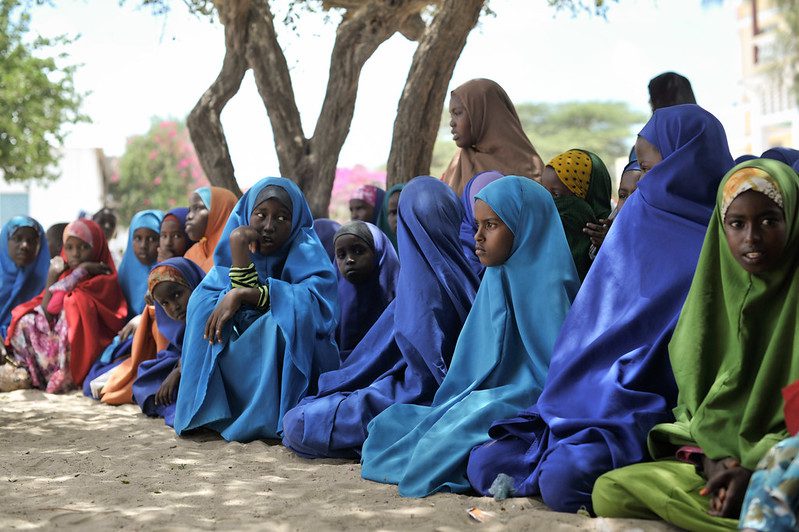
Child Marriage in SomaliaAbout 36% of girls in Somalia are married before the age of 18 and 17% are married before the age of 15. Child marriage is expected in a lot of underdeveloped countries and is often a direct product of poverty. Somalia’s government does not have a national strategy or action plan to help combat this issue.

Causes of Child Marriage

Girls Not Brides is a nongovernmental organization committed to action against child marriage by mobilizing communities and drafting solutions. According to the organization, high rates of child marriage can be attributed to many factors, including gender inequality. Somalian girls are often married young to protect family honor. The social norms in the country emphasize the protection of young girls before marriage.

These young women are married for increased protection measures, mitigating instances of sexual violence or abuse. However, gender inequality is only one small portion of a larger problem: poverty. Often, in times of crisis and disaster, families use child marriage as a solution to cope with severe economic hardship.

The European Civil Protection and Humanitarian Aid Operations, a commission that supports countries based on international humanitarian law, reports that at least 6.9 million individuals in Somalia need humanitarian aid this year alone. Nearly half of the population is in severe need. Child brides are one solution to cope with such hardship. Higher rates of child marriage are further exacerbated by food insecurity and droughts, among other significant issues that the county faces.

Government Action and Legislation

The Somali Ministry of Women and Family Affairs created legislation to protect children from marriage. One of these initiatives included the Child Rights Bill. The bill prohibits the marriage of young children and the abuse of children in any form.

Furthermore, the Ministry of Women and Human Rights Development has developed other laws currently in the drafting stage that aim to protect children and implement elements of the Convention on the Rights of the Child into Somalia’s national laws. Adopted in 1989, the Convention on the Rights of the Child is an expansive treaty on the social, political and cultural rights of children worldwide.

The Humanitarian Relief and Development Council

The Humanitarian Relief and Development Council is a nonprofit, woman-led organization in Somalia supporting women, children and other minority groups facing conflict, poverty, violence and injustice. The organization works directly on the ground to provide community-based mobilization campaigns to spread knowledge and awareness on the harmful effects of sexual gender-based violence and child marriage.

In addition, families also receive health insurance. The nonprofit prioritizes women and children, a vulnerable population, by mobilizing community members to raise their concerns to government officials.

Looking Ahead

According to the Sustainable Development Goals (SDGs), Somalia has committed to eradicating child marriage by 2030. According to Girls Not Brides, global progress varies by country. However, the practice continues to decline globally. The organization reports that around 68 million cases have been prevented in the last few years. Progress has been linked to socioeconomic status, meaning economic growth plays a key role in reducing rates of child marriage.

In conjunction with humanitarian aid organizations, government initiatives are one of the few solutions to stop this slowly but surely decreasing problem. Child marriage prevention in Somalia starts with ensuring the rights of children and supporting families in economic hardship.

– Dominic Samaniego

Dominic is based in Fullerton, CA, USA and focuses on Good News and Technology for The Borgen Project.

Photo: Flickr

May 27, 2024
https://borgenproject.org/wp-content/uploads/borgen-project-logo.svg 0 0 Lynsey 2 https://borgenproject.org/wp-content/uploads/borgen-project-logo.svg Lynsey 22024-05-27 01:30:512024-05-26 09:06:54Solutions in the Fight Against Child Marriage in Somalia
Developing Countries, Global Poverty

Poverty in the Hindu Kush-Himalayas

Poverty in the Hindu Kush-HimalayasThe Hindu Kush-Himalayas (HKH) is a mountainous region spanning several countries and is home to more than 210 million people. The area is known for its gorgeous landscapes, rugged terrains and adventure-based tourism. It is also home to many ethnic minorities and indigenous groups. However, the Hindu Kush-Himalayas region is currently burdened with high rates of poverty.

ICMOD Study

The International Center for Integrated Mountain Development (ICMOD) has identified distinct patterns in poverty in the Hindu Kush-Himalayas region. ICMOD characterizes its analysis of poverty in the HKH region by looking at Afghanistan, Bangladesh, Bhutan, China, India, Myanmar, Nepal and Pakistan, looking solely at the country’s mountainous regions and how poverty manifests in the mountainous areas. ICMOD studies identified that more than 60 million people live in poverty in the Hindu Kush-Himalayan region, noting that this figure did not include China and Myanmar due to insufficient data. Its examination showed that poverty in the mountains was higher than in the nonmountainous regions other than India.

Poverty in Mountainous Regions 

The ICMOD study looked at the different impacts that poverty has on people living in these mountainous regions. One significant finding was that one common determiner of mountain-specific poverty was limited access to resources due to physical determinants, such as access to resources up in the mountains. This can lead to inaccessibility to basic plumbing, adequate food resources and clean water.

The data also shows the region to have inadequate access to infrastructure such as markets, hospitals and bus stops. This lack of access makes it more difficult to address health issues, education and other institutional resources. These challenges have made it really difficult to assess different dimensions of poverty in mountainous regions. It’s not as simple as funding but rather accessibility to the resources themselves.

Combating These Issues

Several initiatives are being taken to combat these inequalities in access and difficulties for the population in the mountainous regions. The ICMOD has enacted an initiative called AdaptHimal, which aims to improve the livelihood of the rural poor in the HKH region through environmental and socioeconomic changes. It enables those living in these regions to integrate themselves into loan projects better and introduce institutions that can target their specific needs.

In addition, the organization has partnered with the United Nations Capital Development Fund (UNCDF) to help developmental needs in this area by medicating risks attributed to environmental effects in the HKH. The Asian Development Bank (ADB) has also provided funding and risk assessment to these regions to help them acclimate better and adapt their investments and networks to environmental changes.

Final Remark

Despite work being done to improve infrastructure and resources in the HKH region, there is still more to be done in terms of allocating adequate resources to hard-to-reach areas and mountainous regions in the HKH. This will aid in the decline of poverty and provide better living standards for those in the Hindu Kush-Himalayas.

– Adrita Quabili

Adrita is based in Atlanta, GA, USA and focuses on Politics and Good News for The Borgen Project.

Photo: Unsplash

May 26, 2024
https://borgenproject.org/wp-content/uploads/borgen-project-logo.svg 0 0 Lynsey 2 https://borgenproject.org/wp-content/uploads/borgen-project-logo.svg Lynsey 22024-05-26 07:30:002024-05-25 10:42:01Poverty in the Hindu Kush-Himalayas
Developing Countries, Education, Global Poverty

Hotel Con Corazón Has Heart for Latin America

Hotel Con CorazónHotel con Corazón opened its doors in 2008 after founders Onno Oostveen and Marcel Zuidhof agreed they wanted to impact the world. The pair decided to start their journey in Nicaragua, one of the poorest countries in Latin America.

Hotel Con Corazón’s Heartfelt Journey to Nicaragua

Oostveen and Zuidhof traveled to Nicaragua during a holiday in 2006. While there, they noted the lively potential for tourism and the lack of funding for education. By 2008, the pair had moved to Nicaragua and decided to support the local community by opening Hotel con Corazón. The pair now employs a fantastic team that supports the hotel and even employs teachers for schools.

Empowering Youths in Nicaragua, One Stay at a Time

Hotel con Corazón mission is to provide accessible education for children in need within Latin America. The World Bank has reported that 70% of 10-year-olds in Nicaragua cannot read or understand basic texts. The lack of education for children may result in a lack of earnings in the future. More than 60% of children in Nicaragua are living in educational poverty. Hotel con Corazón aims to give back the chance of a bright future for the youths of Nicaragua. It hopes that youths can stop the cycle of poverty for themselves and their families by doing this.

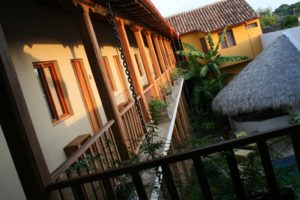
Since its first hotel opened to the public in Granada, Nicaragua, the hotel company has assisted 250 children annually through primary and higher levels of education. In 2024, the hotel group will have supported an estimated 4,000 children in completing their education. Hotel con Corazón invests 100% of its profits into local education. The hotel is aesthetically designed and boasts a swimming pool and a bar where guests can buy drinks and food. It also has two patios where visitors can relax and enjoy breakfast or lunch. Additionally, it provides free Wi-Fi and entertainment for guests.

Guest profits provide the hotel with funding to support extracurricular activities for youth and parental workshops. In addition to helping youth through education, Hotel con Corazón offers development and income opportunities to several Nicaraguans each year. It further supports the local economy by buying produce from the community and running a commercial business. The hotel group can support 22 employees in its Nicaraguan hotel, where it also offers development programs so that employees have access to further education for themselves or their children. The hotel has made several positive impacts on Nicaragua, supporting the country through poverty in as many ways as it can.

Outreach to Oaxaca

In 2018, the hotel group decided to expand its social impact. Therefore, it opened the first Hotel con Corazón in one of the poorest cities in Mexico. According to the World Bank, 26% of Mexican children are not enrolled in pre-primary education and only 57% of 10-year-olds can read. Oaxaca is rated the second lowest city in Mexico for its education levels. Hotel con Corazón’s Oaxaca branch continues a similar vision as it does in Nicaragua.

The company invests all profits from guest stays and purchases made in bars and its hotel shop into education at all levels in Oaxaca. The hotel supports the Oaxaca Learning Center, which runs a motivational program for 60-70 youths and funds educational costs for those who most need it. Hotel con Corazón is also partnered with Mundo de Talentos, a nonprofit organization that provides children with free occupational guidance. Mundo de Talentos originated in Chiapas, Mexico. In 2023, Hotel con Corazón funded the nonprofit to expand its reach to Oaxaca. This funding enabled the nonprofit to begin its annual program in Oaxaca with 40 students enrolled.

Additionally, Hotel con Corazón has created a learning space within Oaxaca, where young people can learn trading skills that they can use in hospitality work. It offers apprenticeships to unemployed youths who are also not in education and aims to help them find work they can enjoy. For the youths already in education, Hotel con Corazón offers apprenticeships where young people have the potential to train in its Oaxacan hotel.

The Final Resort

Hotel con Corazón has made impressive impacts in changing the lives of youths through education and supporting the countries it operates in through poverty. The hotel group’s latest mission is spreading love in Latin America. It plans to open 10 more hotels in the next 10 years. The aim is to regenerate its educational and motivational schemes for the poorest parts of Latin America that need the most help. It has already begun building three branches in Costa Rica and Mexico. By 2025, its newest branch will open for guests in Monteverde, Costa Rica.

– Raquel Smith

Raquel is based in London, UK and focuses on Business and Good News for The Borgen Project.

Photo: Hotel Con Corazón

May 25, 2024
https://borgenproject.org/wp-content/uploads/borgen-project-logo.svg 0 0 Lynsey 2 https://borgenproject.org/wp-content/uploads/borgen-project-logo.svg Lynsey 22024-05-25 07:30:542025-02-18 02:15:26Hotel Con Corazón Has Heart for Latin America
Developing Countries, elderly poverty, Global Poverty

Elderly Poverty in Grenada

Elderly Poverty in GrenadaIn many Caribbean countries, including Grenada, aging can mean a loss of income, disability and increased vulnerability to ill health. According to the International Fund for Agricultural Development, approximately 25% of Grenadian citizens live below the poverty line and older adults (65 and above) make up nearly 11% of Grenada’s population.

Elderly poverty in Grenada can be attributed to the difficulty elderly individuals often face in finding employment due to ageism within the workforce, health concerns and varying levels of ability that may prevent them from working. In addition to the risks of unemployment and health concerns, many elderly people in the Caribbean can not afford adequate retirement plans and must rely on support services as income.

However, Grenada’s growing population of older people impacts support services like pensions by limiting its ability to provide aid due to the large number of individuals who must rely on them. Because Grenada is a developing country, social protection systems can only offer minimal assistance to older people, which is not enough to maintain a good standard of living. The amount of financial support that Grenada’s National Insurance Scheme (NIS) can provide is currently struggling to keep up with the number of older adults who qualify for aid.

Limited Access to Health Care

In addition to limited support from pensions and retirement benefits, the elderly in Grenada have limited access to affordable health care services. Because of the lack of access to health care and healthy lifestyle options, some of the leading causes of death among the elderly in the Caribbean are ischaemic heart disease, cerebrovascular disease and diabetes. While primary health care is available to individuals in Grenada, access to specialized care for specific health concerns is disproportionately accessible to those with higher incomes. Medications are subsidized for individuals more than 60 years old in Grenada to address this issue. However, when specific medications are unavailable in the public health system, individuals must pay out of pocket for them in the private sector and those who can not afford them usually go without.

Potential Solutions

With that being said, the NIS proposed solutions to address elderly poverty in Grenada and the challenges they have faced in continuing to provide financial support to elderly citizens. These solutions include gradually increasing the pension age to 65 by 2029 and increasing the contribution rate from 500 to 750 by 2028. While these reforms being made to the pension scheme seem exclusive, the NIS still plans to take care of the Grenadian elderly who do not qualify by offering a government grant. By making these changes, the NIS could continue to support the elderly in Grenada rather than ultimately diminish due to the economic issues associated with a rapidly growing population.

Furthermore, the Economic Commission for Latin America and the Caribbean suggests addressing health care financing, increasing accessibility to specialized health services and limiting out-of-pocket spending would increase accessibility to health care in Grenada. Expanding social health insurance to all workers could also limit out-of-pocket expenses and reduce government expenditures on social welfare by allowing workers’ contributions to fund their own health insurance. Additionally, it would be highly beneficial for non-governmental organizations to advocate for health protection for all citizens of Grenada, especially the elderly.

One nongovernmental organization working to reduce elderly poverty in Grenada is the Grenada Association of Retired Persons (GARP), established in 2010 to offer learning opportunities, social activities and support to elderly individuals in Grenada. In recent years, with the help of other organizations, it has provided food and financial assistance to the elderly.

Final Remark

Since Grenada is a developing country, elderly poverty is caused by various risk factors associated with aging and the government’s limited ability to provide social support services. Individuals aged more than 60 in the nation are among the most vulnerable to poverty, as they must navigate issues associated with aging, such as unemployment, disability, ill health and isolation.

– Elaina Irving

Elaina is based in Raleigh, NC, USA and focuses on World News for The Borgen Project.

Photo: Wikimedia Commons

May 24, 2024
https://borgenproject.org/wp-content/uploads/borgen-project-logo.svg 0 0 Lynsey 2 https://borgenproject.org/wp-content/uploads/borgen-project-logo.svg Lynsey 22024-05-24 07:30:332024-05-24 02:33:55Elderly Poverty in Grenada
Africa, Developing Countries, Global Poverty, Mental Health

Poverty and Mental Health in Djibouti

Mental health in DjiboutiIn Djibouti, one of the smallest but geographically strategic countries in the Horn of Africa, the relationship between mental health and poverty presents major challenges to individuals and communities. They are interrelated in such a way that economic deprivation increases mental health struggles, while poor mental health transfers them into cycles of poverty. Given this dynamic, it is clear that this challenge needs interventions that approach the issue with substantial social and health care dimensions.

Understanding the Link

Poverty in Djibouti is pervasive and much of the population lives below the threshold level of subsistence. The economy remains unstable, with scarce educational facilities and high unemployment rates. In such conditions, individuals and families have to endure many stressors emanating from lack of access to basic needs, housing insecurity and food insecurity. Stressors of this nature affect not only physical but also mental health.

According to the World Bank, “Using the lower middle-income poverty line, it is found that about two-fifths of the population lives below $3.20 a day. As the pace of economic growth declines due to the spread of COVID-19, the pace of poverty reduction is under threat.” Mental health problems are among the most common in Djibouti. Yet, they are barely noticed: depression, anxiety and trauma-related disorders. Among other causes, it is underreported and underdiagnosed because of the stigma, cultural beliefs and the lack of mental health professionals.

In addition, the deficit of reachable and affordable services for mental health increases the burden on individuals who already bear the burden of poverty. Organizations like the United Nations Children’s Fund (UNICEF) have led by example. According to the organization, in Africa alone, “nearly 37 million adolescents (aged 10–19) live with a mental disorder.” In Djibouti, UNICEF has found that 10.8% of boys and girls aged 10 to 19 are victims of mental disorders.

Multifaceted Approaches

Therefore, approaches that consider the complex interplay between mental health and poverty are essential. Poverty reduction strategies, in particular, reduce stressors that contribute to poor mental health outcomes. Similarly, improved access to education provides the tools for breaking out of the poverty cycle and enhances resilience against mental health problems. Furthermore, opening job opportunities, particularly for the most disadvantaged, improves economic prospects, builds self-esteem and increases the social integration necessary for better mental health.

In addition, social safety nets, which include cash transfer programs and food assistance schemes, make essential support for vulnerable households less burdensome on the pocket and ensure stability. These poverty reduction interventions could actually prevent risk factors that lead to poor mental health. At the same time, cultural sensitivity in mental health services will be supported by investment in the infrastructure for mental health. This will include training and deploying more mental health professionals, such as psychologists, psychiatrists and counselors, to build a strong workforce in the field of mental health.

De-stigmatizing mental illness will also help develop local support systems, including peer support groups and community health centers, helping mental health services reach unserved, far-flung areas. Therefore, the process has to consider reducing the stigma associated with mental illness. This is basically to ensure that people seek help without much stress or feeling embarrassed. Targeted awareness campaigns to dispel misconceptions and increase mental health literacy can reduce stigma and empower people to seek help openly in their communities. It is equally crucial for partnerships between the government, nonprofit sectors and international partners to share resources and expertise and coordinate efforts.

Combating Stigma and Fostering Collaboration

Reducing stigma around mental illness is the foremost strategy for enhancing help-seeking behavior and early intervention. In this regard, awareness campaigns like UNICEF’s #OnMyMind campaign can challenge misconceptions while improving mental health literacy. This can help lower stigma and increase open dialogue at the community level. Moreover, fostering the collaboration of government agencies, nonprofit organizations and international partnerships is vital to pool resources and expertise and harmonize efforts.

Given the strengths of government institutions, civil society organizations and humanitarian agencies, holistic and sustainable solutions can be devised. This collaboration could, therefore, ensure the elaboration of comprehensive policies on mental health, mobilization of resources for mental health programs and setting up mechanisms for monitoring purposes to ensure accountability.

Conclusion

The intricate relationship between mental health and poverty in Djibouti necessitates integrated and coordinated responses that address the social, economic and health aspects of the issue. Combining efforts to reduce socioeconomic stressors with initiatives to increase mental health services and reduce stigma will facilitate a pathway toward holistic and sustainable solutions for Djibouti. Ultimately, by placing human well-being at the top of the agenda, Djibouti can build resilient communities that succeed both economically and in mental health.

– Honorine Lanka Perera

Honorine is based in Highland, NY, USA and focuses on Good News and Global Health for The Borgen Project.

Photo: Flickr

May 24, 2024
https://borgenproject.org/wp-content/uploads/borgen-project-logo.svg 0 0 Lynsey 2 https://borgenproject.org/wp-content/uploads/borgen-project-logo.svg Lynsey 22024-05-24 01:30:262024-05-24 02:25:39Poverty and Mental Health in Djibouti
Developing Countries, Global Poverty, Mental Health

Montenegro’s Mental Health

Montenegro’s Mental HealthThe World Health Organization (WHO) ranks a country’s health not only by the absence of disease but also by a measure of the “physical, mental and social well-being” of its citizens. Mental health is inherently linked to a society’s cohesion and the well-being of its inhabitants. Montenegro’s mental health support infrastructures are historically lacking. However, significant steps have been taken to improve public health care facilities and support services in the last 30 years.

Montenegro is a Balkan country in Southeastern Europe, bordering Croatia, Albania, Bosnia and Serbia. It is situated between the Dinaric Alps and the Adriatic Sea, making it an established tourist destination. Despite its popularity as a place of vacation and relaxation, Montenegro’s socioeconomic difficulties have had an inherent impact on the mental well-being of its citizens.

The Balkan War and Montenegro’s Mental Health

The Balkan War is still fresh in the minds of Montenegrins. For a decade, between 1991 and 2001, this violent ethnic conflict presided over the Balkan region and eventually culminated in a split from the former Yugoslavia in 2006. This bloody warfare, only recently resolved, left a legacy of trauma. Politically, Montenegro became a stable, peaceful democracy. However, the brutal civil war and Montenegro’s subsequent sovereignty had a significant impact on the economic development of the country, with its gross domestic product (GDP) falling from 45% in its Yugoslav era (1989) to 12% in 2000.

Historically, Montenegro’s psychological support has centered around patients whose serious disorders have symptoms of aggressive behavior, admitting them to Danilovgrad (Montenegro’s first psychiatric hospital, founded in the 20th century). The remaining nonviolent patients were left to “roam the streets.” A notable milestone in efforts to support community psychiatry and deinstitutionalize mental health facilities began in the early ’90s, with “Centers for Mental Health” inaugurated in 1991. Official mental health policies were implemented as late as 2004.

Mind and Money

Montenegro is ranked as one of the poorest countries in Europe, with a 2022 United Nations Children’s Fund (UNICEF) study declaring that “at least one-third of Montenegro’s children are at risk of poverty.” Economic welfare concentrates in urban and coastal regions, while much of the country struggles under economic pressures with little access to welfare support. A 2019 study showed only 44% of citizens living below Montenegro’s poverty line have access to welfare funds.

The impact of Montenegro’s conservative milieu on mental well-being is accentuated through the knowledge that 78% of those asked reported a complete absence of community mental health campaigns, while 97.2% thought support infrastructures would be a beneficial addition to their locality. This, in conjunction with a recognition of Montenegro’s conservative society that is “deeply ingrained in patriarchy,” provides context for the psychological pressures of its citizens.

Suicide rates in Montenegro can be correlated directly with insufficient support infrastructures and economic pressures. “The average crude suicide rate was 21.06 ‘for males 29.93 and for females 12.42,” with lethal suicide statistics correlating significantly with unemployment rates. In 2018, the rate of fatal suicide in the male population reached 4.29. In addition, Montenegro is recognized as having the highest number of “weekly hours worked [in Europe] at 42.8,” while the average European employee in 2022 worked just 36.2 hours a week.

These figures can be attributed to cultural roles, with men facing more pressures on having to financially contribute to households: an indisputable correlation between poverty and mental stability.

The EU4 Health Program

In January of 2024, the Montenegrin Health authorizations and the wider European health community established an agreement: the EU4Health program. This agreement allows both public and private sector health care entities access to funding and grant opportunities, increasing the accessibility and quality of support across the country. However, despite recent advancements in infrastructure and support, these goals are still recognized as only “partly realized,” with many of its objectives still awaiting accomplishment.

Open Mind

Nongovernmental organizations (NGOs) are working towards the political and social representation of mental health issues in Montenegro. The Open Mind project, co-funded by European Union’s (EU) grants, advocates for the inclusion of mental illness in political agendas, public debates and social sectors. Promoting dialogue for the social reintegration of those with mental health issues combats cultural stigmas.

The campaign aims to sensitize 5,000 individuals, conduct 10 awareness campaigns, train 20 CSOs and establish support groups in multiple communities. This project is one of 20 NGOs working to improve the lives of this target group and represents an optimistic future for Montenegrins suffering from mental health issues.

A Brighter Future

Recent governmental efforts to improve public health care in Montenegro represent a pivotal ideological shift, with Montenegrin citizens forecasted to witness “substantial improvements in their health care services.” Reflecting on the dualism between public mental health and the economy, an optimistic future is evident in Montenegro’s strong economic growth, estimated at 6% in 2023.

Traditionally, policy has neglected the implications of socioeconomic burdens on Montenegrin inhabitants. However, recent years have seen evident improvements in support infrastructures available for relieving the Montenegrin public mental health concerns. The inherent implications of mental health issues on social cohesion make the promotion of these efforts a priority.

– Thea Carter

Thea is based in London, UK and focuses on Global Health for The Borgen Project

Photo: Flickr

May 22, 2024
https://borgenproject.org/wp-content/uploads/borgen-project-logo.svg 0 0 Lynsey 2 https://borgenproject.org/wp-content/uploads/borgen-project-logo.svg Lynsey 22024-05-22 01:30:272024-06-11 00:12:46Montenegro’s Mental Health
Page 22 of 157«‹2021222324›»

Get Smarter

  • Global Poverty 101
  • Global Poverty… The Good News
  • Global Poverty & U.S. Jobs
  • Global Poverty and National Security
  • Innovative Solutions to Poverty
  • Global Poverty & Aid FAQ’s
Search Search

Take Action

  • Call Congress
  • Email Congress
  • Donate
  • 30 Ways to Help
  • Volunteer Ops
  • Internships
  • Courses & Certificates
  • The Podcast
Borgen Project

“The Borgen Project is an incredible nonprofit organization that is addressing poverty and hunger and working towards ending them.”

-The Huffington Post

Inside The Borgen Project

  • Contact
  • About
  • Financials
  • President
  • Board of Directors
  • Board of Advisors

International Links

  • UK Email Parliament
  • UK Donate
  • Canada Email Parliament

Get Smarter

  • Global Poverty 101
  • Global Poverty… The Good News
  • Global Poverty & U.S. Jobs
  • Global Poverty and National Security
  • Innovative Solutions to Poverty
  • Global Poverty & Aid FAQ’s

Ways to Help

  • Call Congress
  • Email Congress
  • Donate
  • 30 Ways to Help
  • Volunteer Ops
  • Internships
  • Courses & Certificates
  • The Podcast
Scroll to top Scroll to top Scroll to top