• Link to X
  • Link to Facebook
  • Link to Instagram
  • Link to TikTok
  • Link to Youtube
  • About
    • About Us
      • President
      • Board of Directors
      • Board of Advisors
      • Financials
      • Our Methodology
      • Success Tracker
      • Contact
  • Act Now
    • 30 Ways to Help
      • Email Congress
      • Call Congress
      • Volunteer
      • Courses & Certificates
      • Be a Donor
    • Internships
      • In-Office Internships
      • Remote Internships
    • Legislation
      • Politics 101
  • The Blog
  • The Podcast
  • Magazine
  • Donate
  • Click to open the search input field Click to open the search input field Search
  • Menu Menu

Archive for category: Developing Countries

Information and stories about developing countries.

Developing Countries, Global Poverty, NGOs

Alleviating Poverty in Guatemala City Garbage Dump

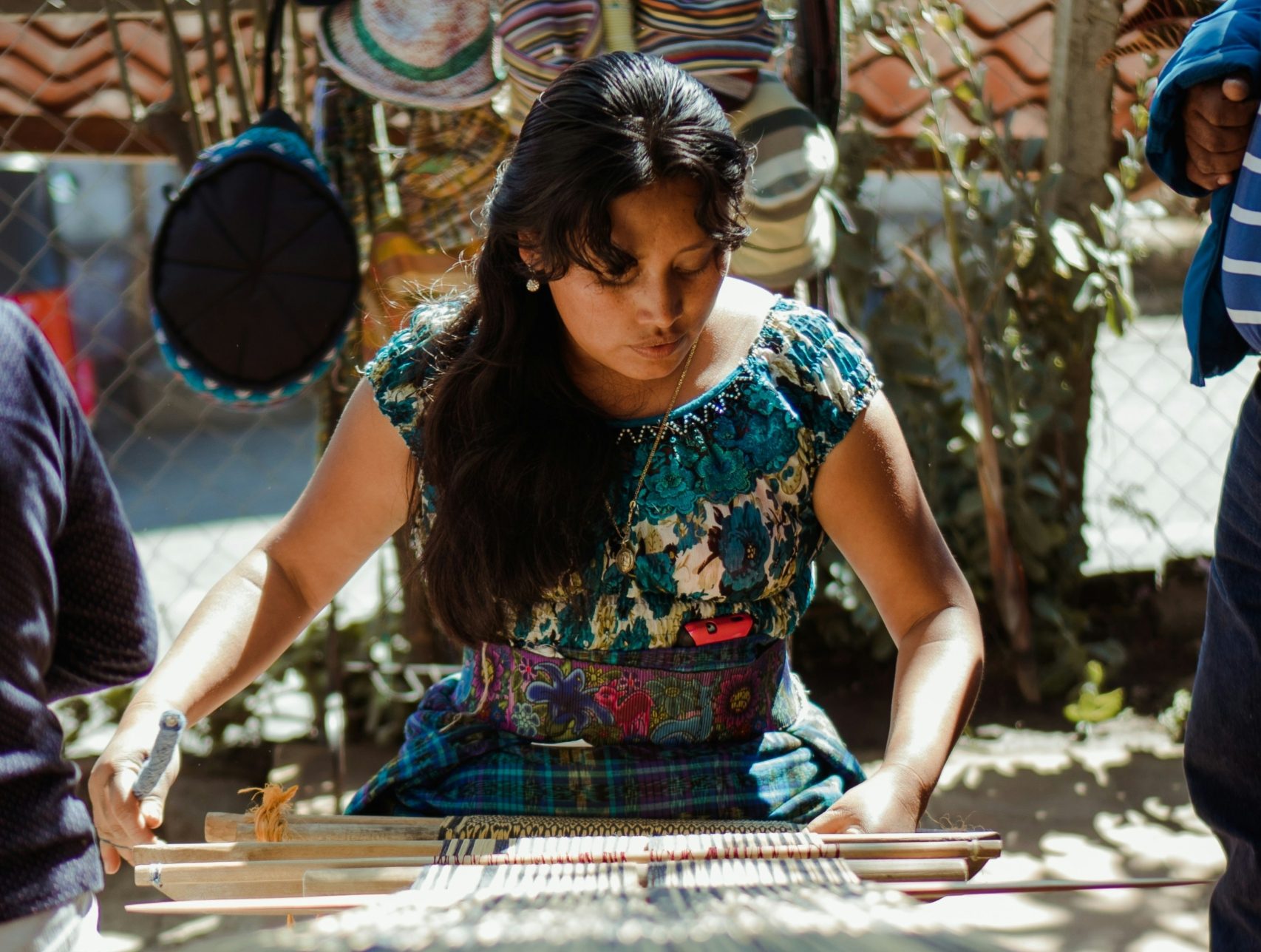
Guatemala City Garbage DumpGuatemala is characterized by its diverse and vibrant landscapes and equally rich cultural mosaic. However, with an estimated 55% of the population surviving on less than $6.85 a day, poverty frequently drains the color from everyday life there. According to the World Bank, limited access to services and opportunities is one reason why Guatemala’s steady economic growth, which has made the Guatemalan economy the largest in Central America, has yet to lead to significant poverty reduction. The poverty rate is the third highest in Latin America and the Caribbean and nowhere is the issue more visible than in the community surrounding the Guatemala City garbage dump.

Life in Landfill

A country of rolling mountain ranges and lush tropical forests, Guatemala is known as the Land of Eternal Spring. The Guatemala City garbage dump is an open-air landfill. An estimated 60,000 people live in extreme poverty along the periphery of the 40-acre landfill. According to a recent article by the environmental magazine Mongabay, underdeveloped infrastructure allows for build-ups of methane gas that ignites deadly fires, for waste to amass into mountains that shift underfoot. The surrounding neighborhood is rife with dangers and devoid of opportunity. Many inhabitants survive by scavenging through hazardous mounds of waste in search of materials for resale.

How Safe Passage Is Clearing Pathways Out of the Dump

Safe Passage is a nongovernmental organization (NGO) that helps families in this community free themselves from cyclical poverty. With the average adult resident having yet to progress beyond the fourth grade, the organization works towards long-term development. This is achieved by providing children with free quality education.

Within its full-day school, Safe Passage employs an experimental methodology called “Expeditionary Learning,” which integrates off-site activities into an immersive curriculum focusing on life skills and citizenship as well as traditional academic disciplines. Creating experiences away from the dump shows students how the knowledge they gather at school can be applied to real life. With this approach designed for maximum engagement, 90% of the organization’s students graduate in the ninth grade. In contrast, the national retention rate between the sixth and 10th grades is estimated at 42%.

Students navigating the transition between school and adult life can access vocational guidance, support with university and job applications, and training and employment opportunities with Safe Passage’s partner organizations through the “Próximo Paso” program. In 2023 alone, 32 students started vocational training and 14 began the university enrolment process. Furthermore, with Guatemalan schools opening for just four hours a day. The “Oportunidades” program offers students from other institutions the opportunity to participate in various extracurricular activities. This, in turn, provides a refuge from the chaos of life in the neighborhood and from the grip of its gangs.

Forging Futures with Creamos

Creamos was established in 2008 as an entrepreneurial initiative when a group of women began selling jewelry made from upcycled materials and were able to leave a life of scavenging in the dump behind them. It has since evolved into an NGO that helps others surmount the systemic barriers facing the community. Although its services extend to all in need of them, Creamos focuses especially on the neighborhood’s women. The women are subject to the converging forces of poverty and gender-based inequalities and violence. On a national level, Guatemala’s female labor force participation rate is the lowest in Latin America and the Caribbean at just 32% as of 2018. Similarly, the femicide rate is among the highest in the world, with 1.6 deaths per 100,000 women in 2021.

In 2020, Creamos introduced its Accelerated Education Program. It steers adult learners, many of whom were forced out of school and into work at the dump by a lack of resources, through a compressed academic curriculum and toward a high-school diploma. It also offers flexible scheduling and free childcare. As of 2022, an incredible 434 individuals had re-enrolled in education with Creamos. Furthermore, in 2022, the organization implemented its Workforce Development Program, through which students can access vocational training courses and internships with numerous partner organizations. They can specialize in various sectors, all selected to match current labor trends. In 2022 alone, the program served 250 people.

Holistic Approaches

In alignment with their shared mission of personal and community development, Safe Passage and Creamos provide various health care services. Safe Passage operates an on-site infirmary that treats health complaints and fosters long-term community well-being through education. It also has a social services team and offers pastoral care and a support program for at-risk families.

Epidemic levels of gender-based violence plague the community surrounding the Guatemala City garbage dump. To help address this, Creamos seeks to create safe spaces for vulnerable women. This includes providing a range of emotional care services operated by licensed psychologists, such as specialized support groups and a program designed to fortify family dynamics.

Looking Ahead

Guatemala has a human capital index of 0.46. This indicates that children born there today are projected to attain just 46% of their lifetime potential. However, organizations like Safe Passage and Creamos are working determinedly to equalize access to resources. Safe Passage is guiding children from the fringes of society inward.

Creamos, meaning “we create” in Spanish, began as a jewelry-making initiative but now strives to provide marginalized people with the tools they need to manufacture a life for themselves. Both organizations are creators at their cores: creators of safe spaces, opportunities and hope for a future where all of its people can feel Guatemala’s vitality.

– Leila Powles

Leila is based in Cheltenham, Gloucestershire, UK and focuses on Global Health for The Borgen Project.

Photo: Flickr

July 5, 2024
https://borgenproject.org/wp-content/uploads/borgen-project-logo.svg 0 0 Lynsey 2 https://borgenproject.org/wp-content/uploads/borgen-project-logo.svg Lynsey 22024-07-05 07:30:502024-07-04 04:13:55Alleviating Poverty in Guatemala City Garbage Dump
Developing Countries, Global Poverty, Humanitarian Aid

Emergency Relief to Sudan

Emergency Relief to SudanSudan is a country full of conflict between the people and between the people and their government. This instability has only compounded the country’s difficulties. While Sudan is still recovering from COVID-19 and various government aid programs and World Bank projects are on pause, the Sudanese have been left to fend for themselves. However, the Sudan Emergency Safety Nets Project has been enacted to provide temporary relief until the previous poverty prevention and relief projects are resumed.

Why Have the Preexisting Programs Stopped?

During COVID-19, Sudan was wrecked economically, as many people became unemployed and were unable to find jobs afterward. Compound this with the near-constant fighting occurring in the country and the Sudanese food security is limited to none. This fighting has caused the humanitarian aid front of the World Food Programme (WFP) to stop, as its teams cannot enter active combat zones to provide relief safely. While the WFP can aid the Sudanese people in different areas, those trapped in the middle of conflict cannot receive relief.

This is not unusual when providing humanitarian aid to active conflict provinces. However, the fighting in Sudan is so intense and ongoing that the combat zones change frequently. More and more people are trapped in dangerous provinces away from the WFP’s. At least four military groups are fighting for control of Sudan: the Sudan Armed Forces, Rapid Support Forces and many from previous Sudanese civil wars. With so much conflict, providing humanitarian aid is difficult and dangerous.

The Sudan Emergency Safety Nets Project

The Sudan Emergency Safety Nets Project has two halves: the safety nets and the infrastructural supports. The safety nets include both food and cash, but the value of both is equivalent to $7 in food. This may not seem like much, but the $7 can provide up to 1000 kilocalories, about half the daily required caloric intake. In a country with little consistency and food security, even something as little as $7 can change a person’s life. These Safety nets will focus on households and use its new infrastructural support system to monitor caloric intake per household to maximize their humanitarian aid.

The infrastructural support systems in question can be divided into delivery, monitoring and evaluation and project management. The delivery programs will work to ensure safe evaluation and social information. The programs will also ensure that payments, enrollment and information can safely be delivered to the Sudanese people.

The monitoring and evaluation system will assess potential risks and benefits for future projects and allow people to make informed choices about whether specific aspects of projects are safe to conduct. The hope for this system is to attempt to combat the paused humanitarian relief by monitoring risk factors in Sudan and either acting before it is too dangerous or finding another way around it.

The project management aspect of the infrastructural support system will focus on financing and executing the Sudan Emergency Safety Nets Project. While Sudan is in such turmoil and conflict, the political systems are functionally unilaterally, as this is the nature of civil wars. The project management aspect of the Emergency Safety Nets Project will take on all the administrative and financial aspects that may be done by a political party to ensure that humanitarian relief avoids becoming a political piece in the military conflict.

Final Thoughts

Sudan is struggling with limited food security and constant military conflict. Where the fighting escalates, emergency relief to Sudan is limited and removed to ensure the safety of the relief workers. The Sudan Emergency Safety Nets Project works during these tumultuous times to ensure that the high-conflict areas of Sudan may still receive humanitarian aid. This project works during the halts of other humanitarian projects so that the people of Sudan do not suffer during the civil wars.

– Paige Tamasi

Paige is based in Los Gatos, CA, USA and focuses on Global Health and Politics for The Borgen Project.

Photo: Unsplash
July 1, 2024
https://borgenproject.org/wp-content/uploads/borgen-project-logo.svg 0 0 Lynsey 2 https://borgenproject.org/wp-content/uploads/borgen-project-logo.svg Lynsey 22024-07-01 03:00:432024-06-30 10:36:29Emergency Relief to Sudan
Developing Countries, Food Insecurity, Global Poverty

Food Systems in the Bahamas

Food Systems in the BahamasCountries in the Caribbean, such as the Bahamas, are located in a part of the world where problems induced by varying climatic conditions, such as extreme droughts, destructive flooding and ocean acidification, could negatively affect food systems in the Bahamas.

Reliance on Imported Goods and Health Impacts

Like most Caribbean nations, the Bahamas has little access to land and relies heavily upon imported goods. The Bahamas imports more than 90% of its food needs. Many of these imported goods are processed and contain large amounts of salts and sugar, which negatively impact the health of the Bahamian population.

Food Insecurity and Health Concerns

Between 2019 and 2021, it was estimated that 17% of the Bahamian population faced modest to extreme levels of food insecurity. Although this statistic is considerably below the global average of 33% and the regional average of 38%, there are other concerns. Specifically, 32% of the adult population is obese compared to the global average of 21%. The problem of obesity can be attributed to the country’s reliance on imported goods that are often lacking in nutritional value and unhealthy. Diabetes is also another major health problem in the Bahamas.

Food Accessibility and Government Support Programs

In terms of overall access to food in the country, food is readily available in urban areas; however, the accessibility of food in rural communities remains uncertain. The government aids in making food more accessible by providing grants and financial assistance to impoverished residents, allowing them to purchase food. The National School Feeding Programme supplies meals for young students from low-income families and the government also subsidizes certain foods. Despite these efforts, the National School Feeding Program and subsidy program struggle to provide nutritious options for these underprivileged communities.

In light of these challenges, the Bahamian government is looking to make changes to create a more sophisticated and responsive food system. Notably, the Bahamian government aims to reduce the country’s reliance on imported food by 25% by 2025. Prime Minister Davis explained that this will require increased agricultural output locally, with an emphasis on growing and cultivating healthier options for the population.

In addition, in 2021, the Bahamas became a member of the Agriculture Innovation Mission for Climate initiative, which focuses on promoting sustainability in developing countries like the Bahamas. Through this program, the Bahamas will work on developing sustainably, working with local farmers to utilize more environmentally safe farming methods. Furthermore, it will put effort into research and development of new agricultural techniques meant to minimize environmental impact and increase output.

Summary

Like other countries in the Caribbean, the Bahamas has little arable land. Therefore, it imports almost 100% of its food needs. However, the government is working to increase local food production in an effort to combat food insecurity and unhealthy diets, whilst improving food systems in the Bahamas.

– Brendan Sheehan

Brendan is based in San Rafael, CA, USA and focuses on Good News and Technology for The Borgen Project.

Photo: Flickr

July 1, 2024
https://borgenproject.org/wp-content/uploads/borgen-project-logo.svg 0 0 Lynsey 2 https://borgenproject.org/wp-content/uploads/borgen-project-logo.svg Lynsey 22024-07-01 03:00:252024-06-30 10:50:06Food Systems in the Bahamas
Child Poverty, Developing Countries, Global Poverty

Child Poverty in Cabo Verde

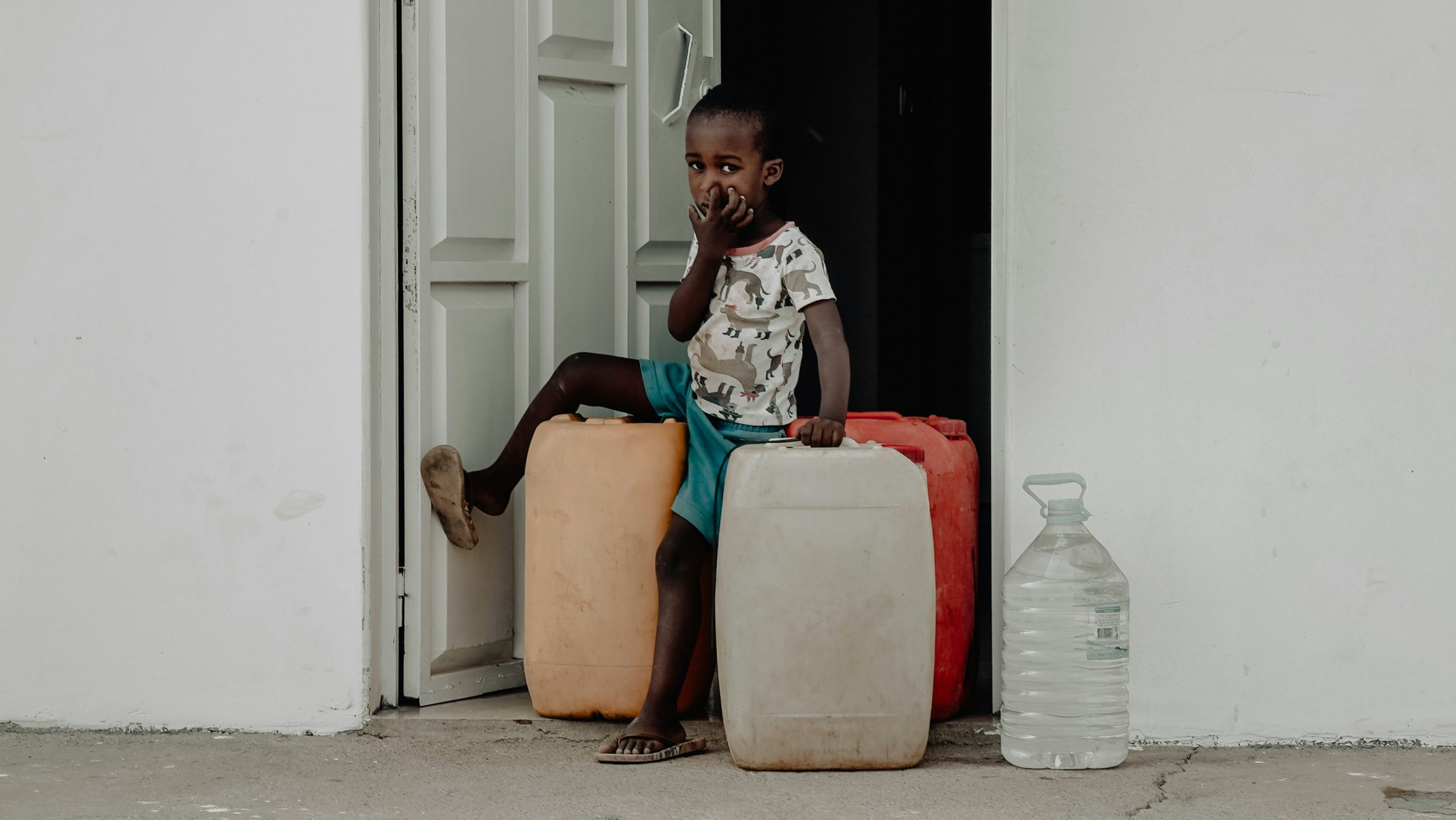
Child Poverty in Cabo VerdeUp until 2019, Cabo Verde, previously known as Cape Verde, was one of the most successful sub-Saharan African countries working toward poverty reduction. However, after the COVID-19 pandemic, which initiated a disruption of labor activities, tourism and businesses, the poverty index rose by 3.8%—the equivalent of 10,000 more people in Cabo Verde facing extreme poverty. As a result, parents, guardians and caregivers struggle to provide for their children. As of 2024, nearly one in 10 children is malnourished.

Lack of Housing

One of the greatest challenges experienced by children in Cabo Verde is the lack of affordable housing. Many families have to settle for underdeveloped and unsafe homes, which often lack public water supply, sewage and electricity. As a result, the children of Cabo Verde are at a huge disadvantage in terms of educational and social opportunities. The housing crisis is present in nearly all Sub-Saharan African countries.

Child Labor

Since the COVID-19 pandemic, many families in Cabo Verde have had to withdraw their children from school to help provide for their households. Consequently, approximately 3.2% of children aged 10 to 14 were working as of 2020. In rural areas, many children are especially subject to harsh physical working conditions, such as agriculture and housework. However, progress has been made in recent years. In 2014, Cabo Verde established the Action Plan for the Prevention and Elimination of Child Labor. Additionally, in 2022, the country increased the minimum age of employment to 15 years old.

Poor Nutrition and Sanitation

In Cabo Verde, 31 out of every 100 people lack access to the country’s public water network and approximately 15% lack proper sanitary systems. As a result, anemia remains a common disease among young children. Typically caused by malnutrition, anemia may result in low energy, tachycardia and delayed growth and development. In Cabo Verde, anemia affects about 72% of children aged less than 2 and 52% of older children.

Solutions

Recently, Cabo Verde has been making efforts to improve the living conditions of these children. As of 2024, the Cabo Verde government is addressing the challenges left by the COVID-19 pandemic and the Russian-Ukraine conflict. According to the United States (U.S.) Department of Labor, “Through the Cape Verde Social and Educational Action Institute, the government implements various initiatives to increase access to education among the poor. For children who may still be subject to school fees, efforts include the provision of school fees, school materials and free meals to low-income families.”

Additionally, in 2020, all 434 public schools in Cabo Verde received the Global Partnership for Education (GPE) grant support, improving health standards for both the children and teachers. Additionally, in 2020, all 434 public schools in Cabo Verde received the Global Partnership for Education (GPE) grant support, improving health standards for both the children and teachers. This is just a step toward diminishing child poverty in Cabo Verde and hopefully, it will influence remaining impoverished countries to follow suit.

Conclusion

While Cabo Verde is one of the more progressive sub-Saharan African countries when it comes to child poverty, there’s still work to be done, particularly regarding safe and affordable housing, proper sanitation and child labor reduction. With the implication of the resources and solutions listed above, Cabo Verde is on its way to a more promising future for their children.

– London Puc

London is based in West Palm Beach, FL, USA and focuses on Global Health for The Borgen Project.

Photo: Unsplash

July 1, 2024
https://borgenproject.org/wp-content/uploads/borgen-project-logo.svg 0 0 Lynsey 2 https://borgenproject.org/wp-content/uploads/borgen-project-logo.svg Lynsey 22024-07-01 01:30:562024-06-30 10:18:59Child Poverty in Cabo Verde
Developing Countries, Economy, Global Poverty

Tackling Poverty in the Cook Islands Post-Pandemic

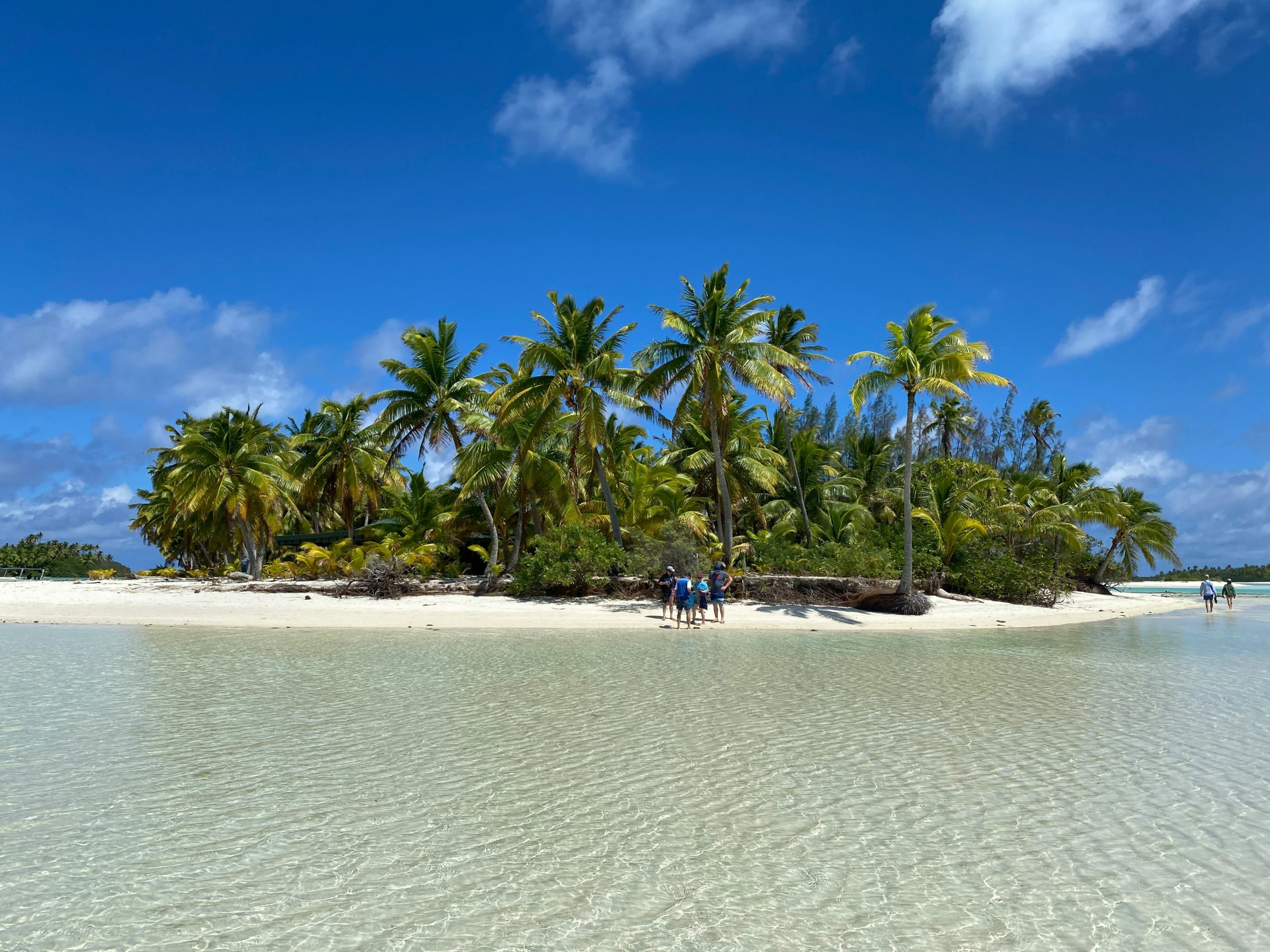
Poverty in the Cook IslandsThe Cook Islands, an idyllic South Pacific archipelago, faced significant socioeconomic and poverty challenges after the COVID-19 pandemic. Traditionally reliant on tourism, global travel restrictions severely disrupted the nation’s primary industry, leading to widespread economic hardship.

Economic Disruption and Job Losses

The COVID-19 pandemic dealt a devastating blow to the Cook Islands’ economy. Tourism, which contributed approximately 70% of the nation’s gross domestic product (GDP) in 2018, abruptly halted as global travel restrictions were imposed to curb the spread of the virus. This led to a dramatic decline in national income, with the GDP recession estimated at 26% in 2021.

The immediate consequence was widespread job losses, particularly in the hospitality and service sectors. Many businesses were forced to close their doors permanently due to the lack of revenue. This economic shock rippled through the community, significantly increasing poverty in the Cook Islands.

Government Response and Social Welfare

In response to the crisis, the national government implemented a series of financial aid packages and social welfare programs to reduce poverty in the Cook Islands. The COVID-19 Active Response and Economic Support (CARES) Program, backed by the Asian Infrastructure Investment Bank (AIIB), provided much-needed financial assistance.

These initiatives supplied grants and loans for businesses to help them stay afloat. The programs also supported households with food programs and educational opportunities for children. These measures were crucial in preventing a complete economic collapse and maintaining social stability during the height of the pandemic.

Recovery and Diversification of Economy

  1. Fisheries and Agriculture: Investments are being made to enhance sustainable fishing practices and improve agricultural productivity. These efforts aim to provide alternative sources of income and ensure food security. For instance, the government has introduced high-yield crop varieties and modernized fishing fleets with support from international partners like the Australian Government through its Department of Foreign Affairs and Trade (DFAT).
  2. Digital Economy: Expanding digital infrastructure has become a priority in integrating the Cook Islands into the global digital economy. Projects funded by organizations like the Asian Development Bank (ADB) aim to improve internet access, foster new business opportunities and support remote work. This digital expansion is crucial for economic diversification and for creating new avenues of income.
  3. Renewable Energy: The Cook Islands government has set ambitious targets to transition to renewable energy, aiming for 100% renewable energy in the near future. Significant progress has been made with solar and wind energy projects contributing to the national grid. These projects reduce dependency on imported fuels while creating green jobs and attracting investment in clean technologies.

Looking Forward

The COVID-19 pandemic highlighted the vulnerabilities of the Cook Islands economy. However, it also presented an opportunity to rethink and diversify economic strategies. By focusing on other sectors of the economy, poverty in the Cook Islands can be replaced by prosperity. The collective efforts of the government, international organizations and the community will be instrumental in driving this transformation and ensuring that the nation emerges stronger post-pandemic.

– Asiya Siddiqui

Asiya is based in Fremont, CA, USA and focuses on Business and Good News for The Borgen Project.

Photo: Unsplash

July 1, 2024
https://borgenproject.org/wp-content/uploads/borgen-project-logo.svg 0 0 Lynsey 2 https://borgenproject.org/wp-content/uploads/borgen-project-logo.svg Lynsey 22024-07-01 01:30:172024-06-30 10:25:48Tackling Poverty in the Cook Islands Post-Pandemic
Developing Countries, Global Poverty, Mental Health

Addressing Mental Health in Nicaragua: 3 Promising Programs  

Mental Health in NicaraguaMental health is a significant global health concern, and many countries are striving to find effective solutions. According to the 2022 World Mental Health Report, about one in eight people in the world live with a mental disorder. Creating a positive mental health environment has been a complex journey for the citizens of Nicaragua, as they have faced many external hardships, including political regimes and natural disasters.

Mental Health in Nicaragua

In Nicaragua, there is a severe lack of health care professionals for those suffering from mental health issues. According to the World Health Organization’s (WHO) Mental Health Atlas in 2020, there were only 250 mental health professionals in the entire country. That means for every 100,000 people, there are less than four mental health professionals. Medical professionals are necessary for Nicaraguan citizens to attend to their health needs. Without their care, the citizens must manage their health issues on their own.

The lack of those professionals is only one part of the problem. The places where those people go to get the help they need are also an issue. There are only five mental health outpatient facilities attached to a hospital in the country and only one main mental hospital which had a total number of 1, 179 admissions, according to WHO. This severe lack of resources for those dealing with mental health in Nicaragua can lead to many people not receiving the help they need.

Within the population of Nicaragua, approximately 24.9% live in poverty, according to the World Food Programme (WFP). Since there are few medical professionals and places, those who live in poverty and suffer from mental health have almost nowhere to go.

This difficult reality is still prevalent in Nicaragua, even so, the country is working towards fostering positive mental health. Education and outreach are two of the key factors when it comes to changing the mental health crisis. Here are three programs that are reworking mental health in Nicaragua:

ANDEPSI

Due to the lack of mental health professionals in Nicaragua, The Nicaraguan Association for the Development of Psychology (ANDEPSI) has set out to change this issue. ANDEPSI started in 2016 and has continued to promote mental health to the citizens of Nicaragua. Psychology professionals in Nicaragua are better equipped to address mental health issues through the dedication of ANDEPSI to enhancing their training. Education is the first step, as ANDEPSI works with both students in university and senior professionals, updating both groups on advancements in mental health. This leads to better-equipped workers handling mental health challenges.

The association educates those within this field and those in the community through regular educational events in the media. Through this level of outreach, the ANDEPSI is promoting a well-rounded education of professionals that trickles down to the individuals affected by mental health in Nicaragua. More educated professionals can result in those who live in poverty getting the help they need closer to them rather than travelling to one of those five outpatient facilities. The group has made small but meaningful progress such as creating alliances with national universities, joining the International Union of Psychological Science, and has organized meetings to discuss climate change action in the country, according to the American Psychological Association (APA).

The Mental Health Innovation Network

The Mental Health Innovation Network (MHIN) is conducting a research project focusing on improving Nicaragua’s mental health literacy. The project’s approach includes educating teachers who will then educate students and developing an “innovative tech platform to support youth self-education on mental health.” This allows both students and teachers to learn more about the reality of mental health and decrease the surrounding stigma. The group conducted their initial research which showed promising program results such as lower psychological distress scores among students. Researchers within the group also reported that “90% of intervention teachers and students were very satisfied with the curriculum and felt it was important to continue to offer it in school programming.”

The project plans to implement a variety of resources beyond the education curriculum, such as a platform to discuss these issues. Platforms like this help educate and encourage those who face these issues to get the help they need. The Ministry of Education plans to continue this form of education and the research group is looking to work with policymakers to increase the program’s outreach.

CISWH

The Center for Innovation in Social Work and Health (CISWH) has gone a different route regarding mental health in Nicaragua, through social work trips. In 2022, the CISWH trip partnered with many Nicaraguan companies and organizations, such as the National Autonomous University of Nicaragua FAREM-Estelí (UNAN-FAREM). The Superemos Foundation, based in Estelí, conducted psychosocial seminars as part of its community development work through health and social services.

The seminars, focused on trauma and mental health, educated many community members such as the Estelí Department of Public Defense and medical personnel from the University. CISWH travelled to other parts of the country to conduct seminars on other issues, including the environment.

Along with mental health, the group pushes for environmental activism. They met with La Mariposa, a school and hotel that uses its profits to fund rural community projects. Those on the trip learned about La Mariposa’s current plan to improve access to clean water. By educating people on these issues in communities, it brings awareness and potential help within these programs. For those living in poverty, community outreach is one of the many ways they can receive training and education on issues such as mental health and the environment.

This form of outreach allows citizens to engage with each other and get educated on global issues. In the future, CISWH plans to continue this outreach remotely as it trains UNAN-FAREM students in social and psychology.

The Path Forward

Mental health in Nicaragua is a critical and complex issue with deeply intertwined with the country’s socio-political landscape. Through these organizations, it is clear that the solutions to the mental health crisis start with educating those on the front lines. Medical professionals and students alike must be kept informed and updated on the various aspects of mental health care. Community outreach goes hand in hand with that as it empowers the citizens to receive education on this topic.

Mental health and poverty are two sides of the same coin. When a person is mentally sound, they can reach for better opportunities to work out of poverty. This boosts the economy as well since if more people are working then the economy is bound to grow. By engaging with people, the country can alleviate mental health and open the door for more conversations regarding it.

While mental health is still an ongoing issue in Nicaragua, suicide-related deaths have been improving since 2018 and stands at 4.35 deaths per 100,000. There has also been an increase in community-based mental health services from 2017 to 2020. As Nicaragua continues to navigate its country’s challenges, addressing these mental health issues needs to be a priority to ensure the well-being and resilience of its population.

– Tess Curran

Tess is based in Boston, MA, USA and focuses on Technology and Global Health for TheBorgen Project.

Photo: Wikipedia Commons

June 30, 2024
https://borgenproject.org/wp-content/uploads/borgen-project-logo.svg 0 0 Jennifer Philipp https://borgenproject.org/wp-content/uploads/borgen-project-logo.svg Jennifer Philipp2024-06-30 03:00:222024-06-30 01:35:34Addressing Mental Health in Nicaragua: 3 Promising Programs  
Child Poverty, Developing Countries, Global Poverty

5 Things Being Done to Solve Child Poverty in Togo

Child Poverty in TogoTogo is located in West Africa along the coast of the Gulf of Guinea. With a population of 8.8 million, this small, mostly French-speaking country whose lush climate supports agriculture still struggles with poverty; 45.5% of the country’s population falls below the International poverty line. With so many people living below the poverty line, children are significantly affected. Many succumb to preventable diseases due to a lack of medical facilities. Additionally, 30% of children in Togo leave school to work, often facing exploitation in these environments. Despite these challenges, numerous organizations are working to end child poverty in Togo. Here are five organizations/legislative initiatives currently working on improving child welfare in Togo:

SOS Children’s Villages

SOS Children’s Villages has helped youth and families in 138 countries and territories, including Togo. Its approach is to prevent child and family separation, protect those children who are separated from their families and advocate for children’s rights policies.

In Togo, 380 children are under the care of SOS, with 6,800 children attending SOS Kindergartens and schools. SOS has provided 33,730 medical services, such as creating medical facilities that help aid kids with diseases such as diarrhea, tuberculosis and cardiovascular disease.

Social Safety Net and Basic Services Project

The World Bank supports the Social Safety Net and Basic Services (FSB) project, which the National Grassroots Agency implements. FSB provides financial assistance to families in need in Togo. For example, it helped one man double the size of his gardening business, enabling him to support his four children. Following initial successes in smaller villages, the World Bank increased its budget to $100 million in 2023 to support a larger number of villages in Togo.

International Conventions

Togo has already ratified the International Labor Organization (ILO) Convention 138 on the minimum age for admission to work and the Hague Convention on Protection of Children and Co-operation in Respect of Intercountry Adoption. These conventions and the Children’s Code of 2007 ensured nondiscrimination, the right to life and the principle of children’s best interests. The adoption of these initiatives shows great steps into the future of protecting children through legislation.

CARE

CARE has been working in Togo since 1986. Its work focuses on supporting women and girls through training, health services and knowledge sharing. CARE helps girls who experience exploitative and hazardous child labor receive education. CARE provides training, specifically in agriculture, to give women and girls knowledge in areas that will help them support themselves. The organization has reached 7,031 girls and is continuing to help more.

Humanity and Inclusion

Humanity and Inclusion (HI) is an organization working in Togo to create a more inclusive society by improving the living conditions of people with disabilities and individuals experiencing extreme hardship. One of its major initiatives is to make primary and secondary schools accessible to children with disabilities. HI’s teams train teachers, support schools and provide educational resource centers to make these schools a more welcoming place for children with disabilities.

Conclusion

There are many organizations and legislation initiatives at work to help end child poverty in Togo. Each of these provides aid for families, creating a foundation of their own. They have made education more accessible, which keeps children out of work. They have even specialized in certain groups, such as children with disabilities and women. This ensures that they are helping to cultivate an equitable life for these children. The work of these organizations gives hope for the future and a light at the end of the tunnel for the children of Togo.

– Ellie Buss

Ellie is based in Vancouver, WA, USA. and focuses on Good News, Global Health for The Borgen Project.

Photo: Flickr

June 30, 2024
https://borgenproject.org/wp-content/uploads/borgen-project-logo.svg 0 0 Lynsey 2 https://borgenproject.org/wp-content/uploads/borgen-project-logo.svg Lynsey 22024-06-30 01:30:592024-06-30 01:14:055 Things Being Done to Solve Child Poverty in Togo
Developing Countries, Global Poverty, Women and Female Empowerment

The UN Is Helping Women Fight the Gender Pay Gap in Rwanda

Gender Pay Gap in RwandaRwanda is a fascinating country in terms of women’s rights. Even though it’s one of the poorest countries in the world, it ranks fifth in the Global Gender Gap Index, beating even the United States. The main reason for that is due to the genocide that happened in the country in 1994, which killed most of the male population, forcing women to take on most of the available jobs. Today, women constitute 86% of the workforce (as opposed to only 56% in the U.S.). Additionally, 61% of the Rwandan Parliament and 50% of the President’s cabinet are women. However, this high participation rate does not translate to wage parity: women in Rwanda earn approximately 88 cents for every dollar men earn. As such, the gender pay gap in Rwanda remains a significant challenge to the country, despite its progressive gender policies.

Main Causes behind the Pay Gap

Several factors contribute to the gender pay gap in Rwanda, such as discrimination in hiring practices and educational disparities between men and women. Nevertheless, the main reason is that women disproportionately shoulder unpaid domestic and care responsibilities, limiting their availability for paid work and career advancement opportunities. In Rwanda, for every hour a man spends on care work, a woman spends three hours.

Addressing the gender pay gap involves multifaceted approaches, one of the most impactful being economic empowerment programs. These initiatives aim to provide women with the skills, resources and opportunities to enhance their financial situation. Economic empowerment programs in Rwanda focus on various aspects such as access to finance, entrepreneurship training and creating supportive environments for women to balance work and family responsibilities.

One notable initiative is the U.N. Women’s partnership with local districts to establish Early Childhood Development Centres (ECDs). These centres offer affordable childcare services, allowing women to engage in income-generating activities without the burden of unpaid care work. In the Nyaruguru district, the establishment of three ECDs has enabled more than 200 women to participate in the labor market, significantly improving their productivity and income.

Impact Stories

The power of this noble measure to diminish the gender pay gap in Rwanda is best illustrated through the personal experiences of the women it benefits. For instance, Christine Mukamana faced the challenge of balancing her farming duties with the demands of raising five children. The introduction of an ECD in her community allowed Christine to enrol her youngest children, ensuring they received proper care and education while she focused on her work, according to the U.N. Women. This support significantly boosted her productivity on the farm, leading to increased income and improved living conditions for her family.

Another example is Dative Mfitumukiza, a woman living with a physical disability in Musanze, Rwanda. Despite the numerous challenges posed by her condition, Dative was determined to pursue a business venture to support herself and her children. She participated in a U.N. Women’s training program that provided her with essential business skills and financial support. Through this program, Dative was able to start a cassava flour business, which now generates a steady income, U.N. Women reports. Her success story highlights the importance of inclusive economic empowerment initiatives that cater to the diverse needs of women, including those with disabilities.

Collaborative Efforts for Greater Impact

The success of these programs depends on collaboration between various stakeholders, including government agencies, non-governmental organizations and international partners. For instance, the “Safe Rural Public Spaces” project, funded by partners such as the Republic of Korea, aims to create safe environments for women to pursue economic activities. Additionally, partnerships with organizations like the Rwanda Men’s Resource Centre (RWAMREC) and Action Aid are crucial in addressing cultural and social barriers that deter women’s economic participation, according to U.N. Women.

These partnerships are particularly essential to challenging harmful social norms about gender roles, a pivotal step to bridging the gender pay gap in Rwanda.​​ These collaborations promote gender equality training and awareness campaigns, encouraging men to support and share domestic responsibilities, thus enabling women to contribute more effectively to the economy.

Moreover, access to financial resources is a critical component of economic empowerment. Programs that provide women with microloans, business training and financial literacy are making a significant difference. The partnership between U.N. Women and ADEPE Rwanda, supported by the Swiss Agency for Development and Cooperation, has reached more than 2,500 women, including marginalized groups such as former sex workers and adolescent mothers, U.N. Women reports. These women have received training in entrepreneurship and financial management, with about 80% starting or expanding their businesses​.

A Model for Gender Equality

Economic empowerment programs are playing a pivotal role in closing the gender pay gap in Rwanda and promoting gender equality. By providing women with the necessary tools and resources, these initiatives are enabling them to become economically independent and contribute meaningfully to their communities. The success of these programs demonstrates that with the right support and collaboration, significant steps can be made toward achieving not only gender parity but also unlocking the full potential of the country’s workforce, driving sustainable economic growth and development.

With efforts from government, businesses and civil society to continuously invest in such programs, coupled with efforts to change societal attitudes towards gender roles, Rwanda can continue to serve as a model for gender equality in Africa and beyond.

– Clara Tripodi

Clara is based in Salvador, Bahia, Brazil and focuses on Business and Technology for The Borgen Project.

Photo: Flickr

June 30, 2024
https://borgenproject.org/wp-content/uploads/borgen-project-logo.svg 0 0 Jennifer Philipp https://borgenproject.org/wp-content/uploads/borgen-project-logo.svg Jennifer Philipp2024-06-30 01:30:362026-04-16 09:59:54The UN Is Helping Women Fight the Gender Pay Gap in Rwanda
Child Poverty, Developing Countries, Global Poverty

Tackling Child Poverty in Tonga: Challenges and Solutions

Child Poverty in TongaTonga is an island country in Polynesia, part of Oceania, with 171 islands, 36 of which are inhabited. Despite its serene beaches and vibrant culture, a significant portion of Tonga’s young population lives in conditions that threaten their health, education and overall well-being. In Tonga, 27% of the population lives in poverty. Almost one in four adults is deprived of three or more essentials and resides in a low-income household. Similarly, one in three children is deprived of two or more essentials and also lives in a low-income household.

The Scope of Child Poverty in Tonga

Child poverty in Tonga is a multifaceted issue influenced by various socioeconomic factors. The country’s economy relies heavily on agriculture, fisheries and remittances from Tongans living abroad. While these sectors provide some economic stability, they are insufficient to support all families, particularly those in rural areas. According to the Asian Development Bank (ADB), 24% of the Tongan population lived below the national poverty line in 2021 and the unemployment rate was 2.1%. Therefore, many families struggle to cover the cost of their daily needs financially.

Programs aimed at increasing household income through vocational training and small business support help families achieve financial stability. The Tonga Skills program, funded by the Australian government, offers vocational training to young adults and parents, equipping them with skills to start small businesses. Since its inception in 2018, Tonga Skills has trained more than 1,200 individuals, resulting in a 15% increase in household income for participants.

Health and Nutrition

Children living in poverty in Tonga frequently encounter serious health and nutritional challenges. Malnutrition is a major issue, as many families are unable to afford a balanced diet, resulting in stunted growth and other long-term health problems. According to data from the World Bank Group in 2019, 2.2% of children in Tonga were affected by stunting, which translates to hundreds of children facing impaired growth and development. Limited access to health care, especially in remote areas, worsens the situation.

The less than 5 mortality rate in Tonga is notably high compared to global averages. In 2022, 11 out of every 1,000 children died before their 5th birthday due to poor living conditions. This rate is higher than the global average of 38.8 per 1,000 live births reported by the World Health Organization (WHO) in 2020. Within the Pacific region, Tonga’s aged less than 5 mortality rate is also concerning, as it exceeds the regional average of 22 per 1,000 live births. 

Efforts to increase health care accessibility, including mobile clinics and health education campaigns, are underway. The Tongan government, in partnership with the WHO, has deployed mobile health clinics to remote islands since 2020. These clinics provide essential health services, including vaccinations and nutritional support, reaching more than 10,000 children annually.

Education and Child Development

Education is a vital tool for breaking the cycle of poverty. However, many children in Tonga face barriers to accessing quality education. The lack of resources, underfunding of schools and the need for children to contribute to household income often prevent them from attending school regularly.

Educational programs such as scholarships, school feeding programs and infrastructure improvements enhance educational access and quality. For example, the Ministry of Education and Training, with support from the Japan International Cooperation Agency (JICA), launched a school feeding program in 2019. This initiative aims to provide nutritious meals to children in primary schools, improving attendance and performance. As of 2023, the program has benefited more than 5,000 children in rural areas.

The Role of the International Community

The international community plays a crucial role in supporting Tonga’s efforts to combat child poverty. Aid from foreign governments, international NGOs and global institutions provides much-needed resources and expertise. Financial aid helps fund educational and health care programs. At the same time, international experts assist in developing and implementing effective poverty alleviation strategies. Global advocacy efforts raise awareness about child poverty in Tonga, mobilizing additional support.

By addressing the economic, health and educational challenges faced by children, Tonga can pave the way for a brighter future for its youngest citizens. Continued support from the international community, coupled with effective local initiatives, will be crucial in breaking the cycle of poverty and ensuring that every child in Tonga has the opportunity to thrive.

– Chelsea Rasool

Chelsea is based in Stirling, Scotland and focuses on Good News and Technology for The Borgen Project.

Photo: Flickr

June 29, 2024
https://borgenproject.org/wp-content/uploads/borgen-project-logo.svg 0 0 Lynsey 2 https://borgenproject.org/wp-content/uploads/borgen-project-logo.svg Lynsey 22024-06-29 01:30:382024-06-28 09:43:05Tackling Child Poverty in Tonga: Challenges and Solutions
Africa, Developing Countries, Global Poverty

Fighting Against Elderly Poverty in Rwanda

Elderly Poverty in RwandaExtreme poverty is a reality in Rwanda, where 48.8% of the population is multidimensionally poor. Elderly poverty in Rwanda is a further concern, where elders are facing economic challenges in retirement and limited access to quality health care. Nonetheless, initiatives proposed by the government and nongovernmental organizations (NGOs) offer hope for the future of older adults in Rwanda.

Why the Elderly?

While poverty affects all sections of Rwandan society, the United Nations (U.N.) states that 16% of the population lives in extreme poverty, earning less than $1.90 per day. Its effects are particularly noticeable in the older generation. A study of hospitalized patients in the southern city of Butare noted that 17.5% of the hospital beds were occupied by people aged more than 60, most of whom suffered from infections requiring large quantities of medicine.

The increase in population in the last decade partly explains this. Demographics show that out of 12.6 million people, only 5.1% of the growing population is aged more than 60. Governmental policies and organizations invest in the younger generation, providing more opportunities for development. This means the needs of older adults are not always prioritized; consequently, they often face the harsher consequences of poverty.

Government Action

Despite this, in recent years, the Rwandan government has been developing policies that aim to improve the quality of life of elders. The National Older Person’s Policy (NOPP) is an example of one such program, which a U.N. report states aims to support 67,000 older people.

Since its original development in 2016, it has provided social protection, raised funds through stakeholders and established a National Council for Older Persons. The community-based health insurance has been particularly successful in extending health care to 87% of older people in need.

NSINDAGIZA Organization

This Rwandan organization was created in 2014 with the mission of supporting native elderly communities. It does so by raising awareness and advocating for the well-being and human rights of older people, with a particular focus on rural communities. The organization collaborates with Helpage International to regularly hold events in support of older communities.

In 2016, Elie Mugabowishema co-founded NSINDAGIZA and created the “Rwanda Leave No One Behind Network.” Elie was able to do so with the support of another nine organizations. The program centers itself around meeting the Sustainable Development Goals, advocating for the inclusion of marginalized sectors of society and protecting their human rights. This included providing sanitation facilities to locals during the COVID-19 pandemic.

Final Remark

The journey away from elderly poverty in Rwanda is long, but it is making progress step by step. Looking at the government and individual incentives directed toward improving the situation offers a hopeful path to look to the future. There is action and this is bringing positive change to Rwanda’s elderly population.

– Grace Pasqualucci Sammartini

Grace is based in Rome, Italy and focuses on Good News and Global Health for The Borgen Project.

Photo: Flickr

June 28, 2024
https://borgenproject.org/wp-content/uploads/borgen-project-logo.svg 0 0 Lynsey 2 https://borgenproject.org/wp-content/uploads/borgen-project-logo.svg Lynsey 22024-06-28 01:30:152024-06-27 04:24:03Fighting Against Elderly Poverty in Rwanda
Page 19 of 157«‹1718192021›»

Get Smarter

  • Global Poverty 101
  • Global Poverty… The Good News
  • Global Poverty & U.S. Jobs
  • Global Poverty and National Security
  • Innovative Solutions to Poverty
  • Global Poverty & Aid FAQ’s
Search Search

Take Action

  • Call Congress
  • Email Congress
  • Donate
  • 30 Ways to Help
  • Volunteer Ops
  • Internships
  • Courses & Certificates
  • The Podcast
Borgen Project

“The Borgen Project is an incredible nonprofit organization that is addressing poverty and hunger and working towards ending them.”

-The Huffington Post

Inside The Borgen Project

  • Contact
  • About
  • Financials
  • President
  • Board of Directors
  • Board of Advisors

International Links

  • UK Email Parliament
  • UK Donate
  • Canada Email Parliament

Get Smarter

  • Global Poverty 101
  • Global Poverty… The Good News
  • Global Poverty & U.S. Jobs
  • Global Poverty and National Security
  • Innovative Solutions to Poverty
  • Global Poverty & Aid FAQ’s

Ways to Help

  • Call Congress
  • Email Congress
  • Donate
  • 30 Ways to Help
  • Volunteer Ops
  • Internships
  • Courses & Certificates
  • The Podcast
Scroll to top Scroll to top Scroll to top