Women’s Rights Issues in Tuvalu
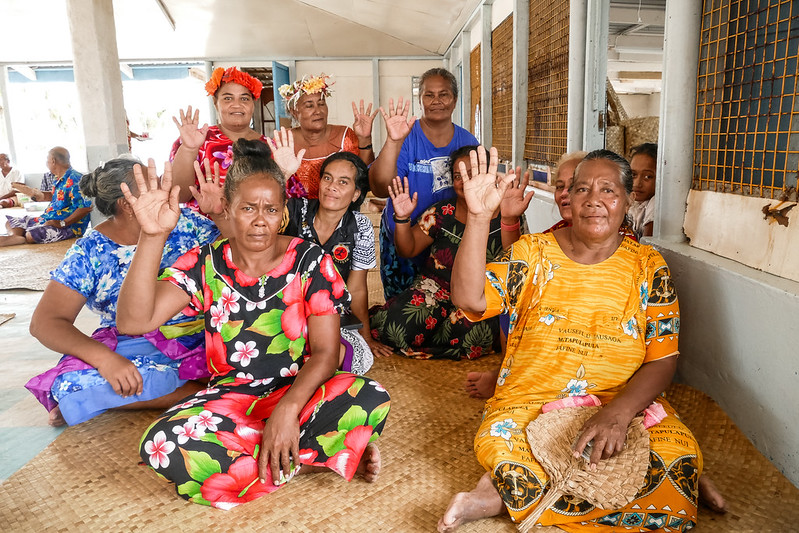 Situated in the vast Pacific Ocean halfway between Hawaii and Australia, Tuvalu is one of the world’s smallest, most remote island nations, made up of slightly more than 11,000 people, all living on a mere 26 square kilometers of land. Women in Tuvalu encounter challenges across various aspects of daily life, including representation in government, participation in the economy and the risk of violence in the household. Here are three big women’s rights issues in Tuvalu:
Underrepresentation in Parliament
Tuvalu gained independence from Britain in 1978 and since then, only three women have been elected as members of the Tuvalu Parliament. Most recently, in the general election of 2019, only 5.4% of candidates were women and only one was successfully elected. Tradition and cultural norms are factors as to why women are not represented in the government as much as men. Traditionally, it is the belief that women should take care of domestic labor while men dominate the workforce. While this belief is not a hard and fast rule, it does bleed into governance as women are excluded and limited from decision-making in local governmental participation.
In addition, family ties and connections play a big role in who gets elected, as there are no formal campaigns or parties. Although progress toward improving equal representation in the government has been made, tangible improvements toward this goal in terms of a permanent legislature have yet to be made. Exclusion from decision-making marginalizes women’s influence on the legislature that addresses issues that directly affect them, such as poverty, poor education and underemployment. By including women in government, these pressing issues like poverty could be directly confronted.
Economic Disparity
In Tuvalu, women’s participation in the workforce remains unequal to that of men. According to the World Bank, in 2023, young women from the ages of 15 to 24 made up only 43% of the workforce, while young men made up 53%. Additionally, the unemployment rate for women was 16.2% and 4.6% for men in 2022. In terms of education, 37.4% of women were not in training, employment or education. The lack of women in the labor force keeps Tuvaluan women in a cycle of economic inequality and poverty. Addressing these issues could lead to a more productive workforce and economic development that not only helps improve the lives of low-income women but also of the community.
Gender-Based Violence
In Tuvaluan society, nearly 36% of women between 15 and 49 reported experiencing physical violence from a partner within their lifetimes, with 24.3% of women stating that they experienced violence within the 12 months before the report. Violence, including physical, sexual and emotional forms, significantly impacts the lives of Tuvalu women. These women might have a harder time accessing money or making any financial decisions, which can contribute to their financial dependency and their exposure to poverty.
Looking into the Future
While these major areas of society need women to be included to improve, one organization is working on building a better future for the island and women’s rights issues in Tuvalu. The Tuvalu Coastal Adaptation Project (TCAP) focuses on building infrastructure to protect and raise the island away from rising sea levels due to climate change. A huge component of this project is advocating for women to speak up in the government and community spaces.
The project focuses on supporting women through education, offering scholarships and helping them obtain governing positions. Two female recipients have already been placed into universities abroad thanks to this program. Additionally, TCAP has created 100 new jobs that not only fight against island erosion but also prioritize female applicants to maintain a 50-50 gender balance. TCAP trains women in the relevant skills to boost their careers and also gives them a platform for their existing streams of income, which typically come from selling handicrafts.
– Rachel Venable
Rachel is based in Berkeley, CA, USA and focuses on Global Health for The Borgen Project.
Photo: Flickr
