Hunger and Anxiety Amid Uncertainty: Food Insecurity in Haiti
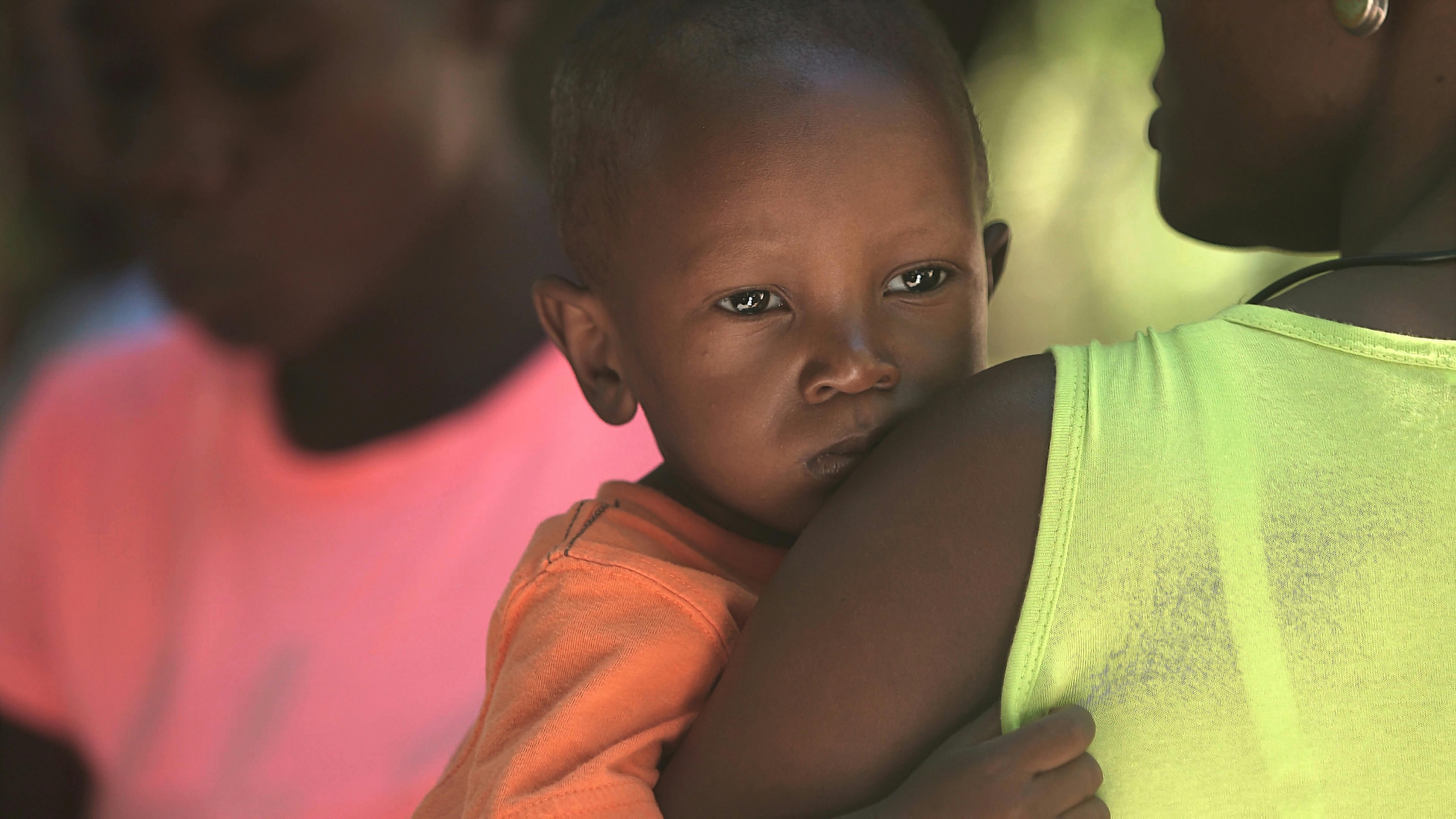 On May 28, 2024, after the resignation of Prime Minister Ariel Henry and the interim rule of Michel Patrick Boisvert, Gary Conille, a United Nations (U.N.) Development Specialist and former Regional Coordinator of the United Nations Children’s Fund (UNICEF) has been named Haiti’s Prime Minister. This transition in leadership comes at a critical time for Haiti, which has long grappled with political instability and gang violence. Several international actors hope that the new leadership will be able to bring structure and legitimacy to the national government amid the violence within the nation while addressing extreme violence and its impact on food insecurity in Haiti.
General State of Food Insecurity in Haiti
According to the World Food Programme’s (WFP) report, more than four million Haitians are affected by food insecurity, with nearly 1.5 million requiring urgent aid to survive. The cost of food in Haiti has been rising at an unsustainable rate, with average prices being 30-70% higher than in other Caribbean countries. This increase is due to a steady decline in agricultural production caused by years of land degradation and severe deforestation, which has led to an increased demand for imports.
Within the capital city of Port-au-Prince and its surrounding metropolitan area, the United Nations Office for the Coordination of Humanitarian Affairs (OCHA) through the WFP has played a crucial role by providing necessary food assistance for those who have been internally displaced due to gang violence. Currently, there are more than 80 displacement camps within the area and the WFP has directly given aid to nearly 100,000 persons in need.
Environmental Challenges
Haiti is predominantly tropical and mountainous, with 65% of its land considered suitable for agriculture. However, due to extreme deforestation for farming and fuel purposes, the country’s arable land has lost necessary nutrients and root patterns, which allow for healthy soil and seed stability. Additionally, being located in the hurricane belt, the country experiences severe storms and frequent major flooding, worsening the environmental challenges.
The extreme environmental degradation of traditional farmland has led Haiti to increase importation. The country imports more than 700,000 tonnes of rice and wheat for consumption, as agricultural production has been halted or delayed due to current violence. A way to increase food production and assist in replenishing arable land is to develop the average one-quarter-hectare farms to model bush and tree-based permaculture.
Permaculture can be defined as the development of agriculture in an environment that promotes biodiversity and the incorporation of crops into the general ecosystem; permaculture has been shown to improve environmental stability by protecting necessary topsoil erosion and increasing nutrients within soil compositions.
The practice of permaculture has seen success in the Caribbean, with farms in Puerto Rico, the Virgin Islands and Cuba. These examples show an increase in equitable treatment of laborers and the distribution of resources, which contrasts with the current Haitian model of agriculture, where only 60.9% of farmers have access to mechanized assistance and irrigation.
Political Challenges
On March 4, 2024, Haiti declared a state of emergency after more than 3,000 prisoners escaped from its National Penitentiary, located within Port-au-Prince. By April, the violence being perpetrated by the sum 200 gangs operating within Port-au-Prince had severely limited aid distribution as gangs took control of the only airport as well as the country’s largest port.
After President Jovenel Moise’s assassination in 2021 and the subsequent loss of parliamentary legitimacy, the Haitian government has become increasingly outdated and powerless. In this time of turmoil, Henry governed from abroad through decrees, facing criticism from both Haitian citizens and the international community about his legitimacy.
Sanctions and travel restrictions imposed by the international community severely damaged the country’s growing tertiary market economy. Similarly, the general violence has done nothing but exacerbate food insecurity in Haiti, with only 5% of the population receiving humanitarian aid.
Final Remark on Food Insecurity in Haiti
While the issue of food insecurity in Haiti has several facets, the current state of political instability means that no permanent solutions are viable, as the development and implementation of proper environmental change are time-consuming and arduous. However, in March 2024, the U.N. expressed the need for political stabilization to be developed for and by the Haitian people, with limited international interference.
– Jamie Sackett
Jamie is based in Hutto, TX, USA and focuses on World News for The Borgen Project.
Photo: Pexels
