Update on SDG 6 in Pakistan
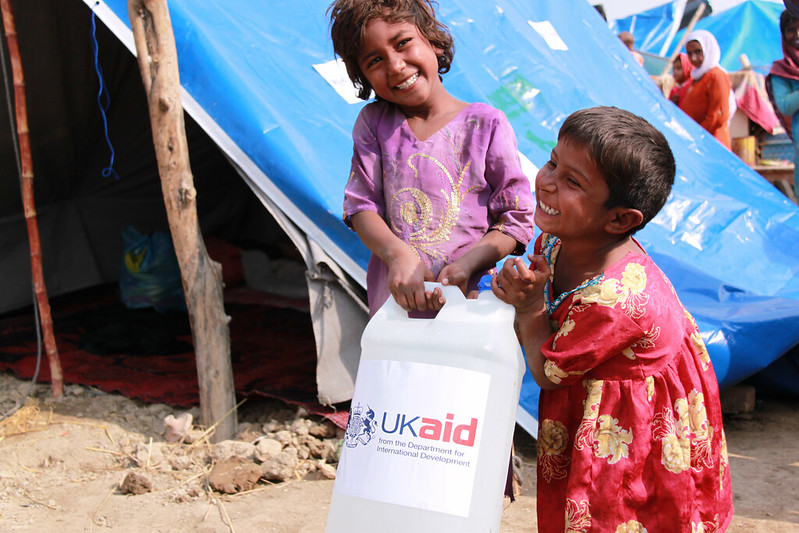 In 2015, the United Nations (U.N.) and its member countries set forth 17 Sustainable Development Goals (SDGs) to be achieved by 2030 to improve the world. SDG 6 is specifically dedicated to clean water and sanitation. Clean water and sanitation are fundamental human rights that are crucial for the health and economies of communities and countries. They play a vital role in the health of children as water-borne diseases can cause stunting, malnourishment and even mortality, underscoring the significance of this issue.
SDG 6 and Pakistan
According to the Sustainable Development Report 2023, Pakistan is making “moderate improvements with major challenges remaining” in its pursuit of SDG 6 by 2030. The report states that these efforts are insufficient to achieve the goal.
Current Situation
- Official statistics mention that 90% of the population has access to drinking water.
- Only 36% of the water is safe for human consumption.
- The percentage of the population using at least one basic sanitation service has risen from 40 % in 2015 to 68 % in 2020.
- Pakistan is on track to end open defecation by 2030 with continued government involvement, which indicates the achievement of the sanitation part of SDG 6.
Challenges in Achieving SDG 6
Pakistan’s significant challenges in achieving SDG 6 are multifaceted and mainly involve uncontrolled population growth, water scarcity and instability. The changing climate and minimal water storage are a few factors contributing to these problems. Political instability has also led to less focus on planning and implementation. As a result, 54,000 children die every year because of waterborne diseases like diarrhea and cholera, which can be prevented.
Progress
In the last decade, progress towards achieving the goal has been made. This has been achieved via collaborations with the U.N., the United Nations Children’s Fund (UNICEF) and other organizations like Global Waters and Water Aid Pakistan. The following are a few of the programs implemented to achieve SDG 6.
- Hand Hygiene: In 2015, the government of Pakistan established the Ministry of Climate to achieve SDGs by 2030. The ministry has an SDG department that evaluates the progress made through data collection and sets the pathway for the future. In 2020, the Climate Ministry launched a roadmap called Hand Hygiene For All. The campaign targets the whole population and aims to achieve universal handwashing by 2030.
For this purpose, a Water, Sanitation and Health (WASH) cell has been established at the ministry. Around $1 billion is allocated annually for this cause. The provincial governments are ensuring the training of school teachers, female health workers and other community workers in hand hygiene and other behavior-modifying techniques to achieve the roadmap’s targets. Implementing the roadmap would improve sanitation practices and reduce mortality related to waterborne diseases.
- Monitoring Water Quality: Recently, the Korean International Cooperation Agency (KOICA), in collaboration with the United Nations Office for Project Services (UNOPS) Pakistan, has completed a project called “Enhancing Water Quality Monitoring System to achieve SDG 6 in Islamabad, Punjab and KP.”
The project targeted 62 million people and cost $4.4 million. It includes installing the latest equipment in the laboratories and upgrading existing labs. Aditionally, eight vehicles have been converted into mobile laboratories to monitor water quality in two of Pakistan’s most populated provinces. These labs would test water for 16 parameters that the World Health Organization (WHO) has mandated in its guidelines. This will help Pakistan ensure clean water provision for its population.
Final Remark
Despite the hurdles and slow progress in achieving SDG 6, the Government of Pakistan is working closely with international organizations like USAID, UNICEF and other nongovernmental organizations to overcome them. These organizations provide crucial support in funding, technical expertise and advocacy, contributing significantly to Pakistan’s efforts.
– Maria Waleed
Maria is based in Yokohama, Kanagawa, Japan and focuses on Good News and Global Health for The Borgen Project.
Photo: Flickr
