• Link to X
  • Link to Facebook
  • Link to Instagram
  • Link to TikTok
  • Link to Youtube
  • About
    • About Us
      • President
      • Board of Directors
      • Board of Advisors
      • Financials
      • Our Methodology
      • Success Tracker
      • Contact
  • Act Now
    • 30 Ways to Help
      • Email Congress
      • Call Congress
      • Volunteer
      • Courses & Certificates
      • Be a Donor
    • Internships
      • In-Office Internships
      • Remote Internships
    • Legislation
      • Politics 101
  • The Blog
  • The Podcast
  • Magazine
  • Donate
  • Click to open the search input field Click to open the search input field Search
  • Menu Menu

Archive for category: Developing Countries

Information and stories about developing countries.

Developing Countries, Education, Global Poverty

The World Bank’s Education Reform in Africa

Education Reform in AfricaEducation is a critical area of investment for poverty alleviation and sustainable growth. The World Bank has enabled education reform in Africa by focusing on creating equitable and quality schooling systems. This article highlights successes in three countries: Rwanda, Kenya and the Democratic Republic of Congo (DRC), showcasing the World Bank’s impactful mission throughout the region.

Rwanda: Quality Basic Education 

Rwanda has made substantial strides in education reform through the Quality Basic Education for Human Capital Development (QBE) project. The World Bank has supported Rwanda’s vision of expanding and improving basic education to develop its human capital. Here are the key achievements:

  1. School Expansion: The World Bank’s funding has enabled the construction of new schools and classrooms, reducing overcrowding and improving the learning environment. This expansion is crucial for accommodating the growing number of students and ensuring that every child has access to education.
  2. Teacher Training: The QBE project has prioritized teacher training, equipping educators with the skills necessary to deliver high-quality education. The focus on continuous professional development has led to improved teaching practices and better student outcomes.
  3. Human Capital Development: Rwanda aims to build a knowledgeable and skilled workforce by investing in education. The emphasis on quality basic education is expected to contribute significantly to the country’s economic growth and development.

The Rwandan government, with support from the World Bank, has signed a $200 million agreement to further advance human capital development. This investment emphasizes the nongovernmental organization’s (NGO) commitment to education reform in Africa so that underprivileged communities can access quality schooling.

Kenya: Enhancing Secondary Education Quality

Kenya has seen remarkable progress in programs such as the Secondary Education Quality Improvement Project (SEQIP) and the Primary Education Equity in Learning Project. Key achievements include: 

  1. SEQIP: This project targets economically and educationally disadvantaged regions, focusing on improving infrastructure, teacher training and learning materials. By addressing these critical areas, SEQIP has enhanced the quality of education and reduced disparities in learning outcomes.
  2. Equity in Learning: The Primary Education Equity in Learning Project aims to bridge the gap in educational access and quality between different regions. It emphasizes inclusive education, ensuring that children from marginalized communities have equal opportunities to succeed.
  3. Higher Education Performance: The World Bank has also supported Kenya in enhancing higher education through policy reforms and investments in research and development. These efforts aim to align higher education with market needs, improve graduates’ employability and contribute to the country’s economic growth.

The World Bank’s $200 million boost to Kenya’s education sector has been pivotal in driving these reforms.

The DRC: Empowering Girls

The DRC faces unique educational challenges, but the World Bank’s initiatives have brought about notable improvements, particularly in equity and girls’ empowerment.

  1. Emergency Equity and System Strengthening in Education: This initiative aims to rebuild and strengthen the education system in conflict-affected areas. By focusing on infrastructure, teacher training and learning materials, the project has improved access to quality education for many children.
  2. Girls’ Learning and Empowerment: The World Bank’s efforts to promote girls’ education have been transformative. Addressing barriers to education and providing targeted support has empowered girls, increasing their enrollment and retention rates in schools.
  3. Secondary Education: Investments in secondary education, particularly technical and vocational training, have equipped young people with the skills needed for the job market. This focus on practical education aims to reduce youth unemployment and drive economic development.

The World Bank’s $900 million investment in the DRC is a testament to its commitment to supporting girls’ learning and empowerment, which will ultimately contribute to the country’s long-term stability and growth.

Summary

The World Bank’s initiatives in Rwanda, Kenya and the DRC highlight the significant progress in education reform in Africa. Expanding access, improving quality and promoting equity have transformed educational systems. The initiatives have contributed to broader economic development to reduce poverty levels. The successes in these countries serve as a model for other regions. They demonstrate the transformative power of strategic investments in education.

– Asiya Siddiqui

Asiya is based in Fremont, CA, USA and focuses on Good News and Global Health for The Borgen Project.

Photo: Pixabay

July 12, 2024
https://borgenproject.org/wp-content/uploads/borgen-project-logo.svg 0 0 Lynsey 2 https://borgenproject.org/wp-content/uploads/borgen-project-logo.svg Lynsey 22024-07-12 01:30:582024-07-11 02:00:47The World Bank’s Education Reform in Africa
Developing Countries, Development, Global Poverty, NGOs, Nonprofit Organizations and NGOs

Nongovernmental Organizations Operating in Kiribati

Nongovernmental Organizations Operating in KiribatiThe United Nations (U.N.) currently lists Kiribati as a Least Developed Country (LDC). The U.N. defines an LDC as one that requires significant international aid to assist its development. This designation is based on three main criteria: an average income below $1,080, a low score on the Human Asset Index, an index designed to assess multiple factors in a country’s education and health outcomes and a high score on the Economic and Environmental Vulnerability Index. Additionally, the designation must be accepted by the country.

Kiribati has made significant strides in its goal of graduating from this distinction and meeting the economic threshold. However, concerns exist regarding its ability to survive independently without the support of the U.N. Situations like this are when the efforts of NGOs become crucial. With volunteer efforts working within Kiribati on a daily basis to provide its citizens with critical, potentially life-saving information, Kiribati can, in turn, place a greater emphasis on not only meeting its goal of graduation but on progressing the country’s development in order to continue the positive strides it has already made.

Nongovernmental Organizations Operating in Kiribati

The impact of nongovernmental organizations (NGOs) can be felt worldwide. In developing countries like Kiribati, homegrown efforts often arise to make drastic strides in the fight for good. Here are seven nongovernmental organizations operating in Kiribati.

KANGO

The Kiribati Association of NGOs (KANGO) helps to enact the Kiribati Vision 20 plan, a 20-year development program for the betterment of the islands. One way it does this is via one of the many workshops it holds on the island. In these workshops, participants are first educated about the Kiribati Vision 20 plan. The plan is a blueprint for the country’s long-term development goals and the U.N.’s sustainable development goals (SDGs) for Kiribati.

After the lecture, participants participated in activities, including weaving, sewing and making local handicrafts. Though it may seem pedestrian on the surface, learning to craft in this manner helps the community achieve Kiribati’s SDGs by allowing even the unemployed to contribute to the economy.

ICAAD

The International Center for Advocates Against Discrimination (ICAAD) is an advocacy group working within Kiribati to support marginalized communities on the islands. These include the indigenous peoples of Rabi island, the Banaban people. A primary goal of the ICAAD is to ensure that the voices of the native population are heard. Methods it uses to achieve this goal include artivism projects and interviews with members of the population. Highlighting and elevating the stories of these groups serves to pass on their memories and traditions to future generations, a value that can’t be calculated on a chart.

KFHA

The Kiribati Family Health Association (KFHA) works to provide crucial information and resources regarding family planning and sexual health. In addition to this, it advocates for social justice programs for marginalized groups across Kiribati. By hosting programs relating to reproductive health, critical information can be delivered to those in need of it. The most marginalized communities can receive the tools needed to thrive in times of crisis.

KTU

The Kiribati Teachers Union advocates on behalf of teachers across the islands. Providing a voice for a sector of society that is all too often overlooked, the KTU serves as an organization that can organize, negotiate and advocate on behalf of teachers across the islands. In addition, there are also separate wings of the union, including one dedicated to improving conditions for women teachers and one dedicated to those younger than 35.

Teitoiningaina

Teitoiningaina is a group dedicated to providing women on the island with crucial knowledge and resources regarding subsistence methods. Due to scarce water availability, many in Kiribati rely on water tanks for daily subsistence. In these workshops hosted by Teitoiningaina, composting techniques are among the methods taught to produce greater yields of crops. Attendees are given the ability and knowledge to better provide for their families.

KiriCAN

The Kiribati Climate Action Network (KiriCAN) is an NGO dedicated to raising awareness of the nation’s unique climate struggles. Given the Island’s location, climate and weather concerns are often crucial to its development. Mitigating the potential issues faced by its remoteness is key to the Island’s prosperity. Kirican has a long history of cleanup efforts and educational programs and its efforts to advocate for the planet are well appreciated.

Lifebox Foundation

The Lifebox Foundation, an NGO dedicated to distributing lifesaving medical equipment across the world, has a branch focused on Oceania that operates in Kiribati. Its initial goal was to distribute Pulse Oximeters to underserved communities. Though it has since expanded from this initial goal during the COVID-19 pandemic, the Lifebox Foundation demonstrated that this was still a crucial point of its operation.

Pulse oximeters are critical to COVID-19 relief efforts, as a potentially life-threatening symptom of the disease is Hypoxia or an absence of oxygen in the blood. The best tool to detect this lack of oxygen is a pulse oximeter. During the relief efforts, the Lifebox Foundation distributed more than 100 pulse oximeters to medical centers across Oceania, including Kiribati. The help of the Lifebox Foundation was key in such a critical time for Kiribati. Without it, many patients would have been left without this crucial piece of lifesaving kit.

Final Remark

These are just a few ways NGOs can impact the local Kiribati community by directly targeting key issues in the island nation. By addressing these issues on a community level, Kiribati can see its broader goals met in due time. Suppose the finish line is graduating from the LCD status. In that case, nongovernmental organizations operating in Kiribati will be the fuel needed to propel the country to its development goals.

– Malik Vega

Malik is based in Florida, USA and focuses on Good News for The Borgen Project.

Photo: Wikimedia Commons

July 10, 2024
https://borgenproject.org/wp-content/uploads/borgen-project-logo.svg 0 0 Lynsey 2 https://borgenproject.org/wp-content/uploads/borgen-project-logo.svg Lynsey 22024-07-10 03:00:242024-12-13 18:03:13Nongovernmental Organizations Operating in Kiribati
Agriculture, Developing Countries, Global Poverty

How Yaks Are Addressing Poverty in Nepal

Addressing Poverty in NepalNepal, recognized as the poorest country in South Asia, had about 20.3% of its population living below the poverty line in 2022, with unemployment projected to reach 19.72% by 2024. An often-overlooked element in the country’s economic landscape is the yak, an animal integral to the economic, religious and cultural fabric of Nepalese society. The yak’s role offers valuable insights into strategies for addressing poverty in Nepal.

The Vital Role of Yaks in Nepal

Yaks play a vital role in supporting life in Nepal, particularly in the harsh, mountainous regions. They provide nutrient-dense milk, butter, cream and cheese, crucial components of the Nepalese diet. Beyond dairy products, yaks supply wool and meat, serve as labor for agriculture and have significant cultural and religious symbolism, particularly among Buddhist communities. In Nepal’s extreme climatic conditions, locals rely on yak dung as a critical fuel source for sustaining life during the winter months.

Economic Contributions of Yak Farming

According to a report by the Food and Agriculture Organization (FAO), yaks meet almost all the needs of herdsmen and their families, either directly or through the sale of yak products for income. This highlights the significant role yaks play in Nepal’s economic development. The sale of products derived from yaks, such as dried meat and dairy items, generates essential revenue for agricultural families. Notably, a specific type of Swiss cheese produced in Nepal caters to market demand, providing critical economic support to some of the country’s impoverished communities.

Conservation Efforts and Cultural Importance

Despite their importance, yaks have not always been protected and recent modernization coupled with the abandonment of traditional farming practices has made them increasingly vulnerable. However, conservation efforts in recent years have begun to turn the tide. The previously endangered Wild Yak species has seen some recovery due to various initiatives. For instance, the Himalayan Wolves Project played a crucial role in this recovery by rediscovering the species in 2014 in Limi Valley, Humla district. Furthermore, Joshi Purushotam’s article underscores the crucial role of yak farming in supporting Nepal’s culture, biodiversity and socioeconomic development, emphasizing the need for its preservation.

Looking Ahead

Yaks remain essential to Nepal’s economic and cultural landscape, particularly for agricultural communities in mountainous regions. These animals provide vital resources such as milk, meat, wool and fuel, directly supporting the livelihoods of many Nepalese families. Recent conservation efforts have helped protect the yak population, ensuring its continued contribution to the nation’s development. A sustained focus on yak farming and conservation could be vital for addressing poverty and promoting sustainable economic growth in Nepal.

– Grace Pasqualucci Sammartini

Grace is based in Italy and focuses on Good News and Global Health for The Borgen Project.

Photo: Flickr

July 10, 2024
https://borgenproject.org/wp-content/uploads/borgen-project-logo.svg 0 0 Precious Sheidu https://borgenproject.org/wp-content/uploads/borgen-project-logo.svg Precious Sheidu2024-07-10 01:30:132024-07-09 05:40:50How Yaks Are Addressing Poverty in Nepal
Developing Countries, Global Poverty, Women's Rights

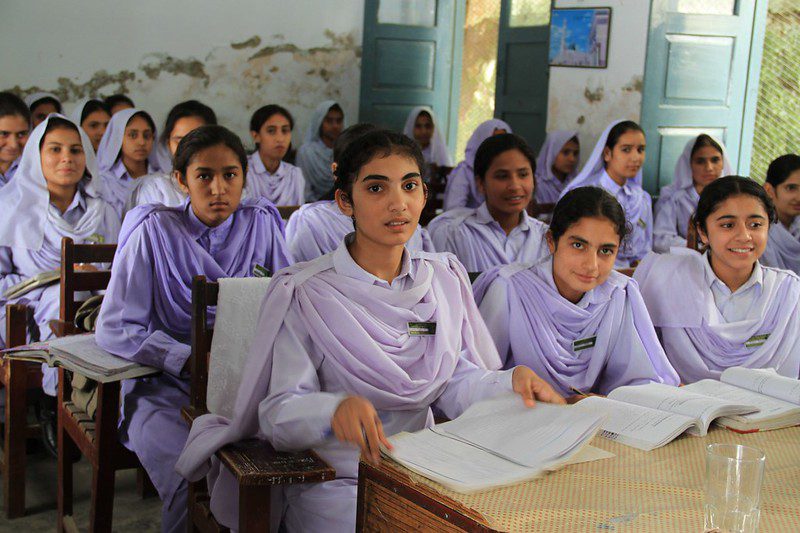
Addressing Poverty and Gender Inequality in Pakistan

Gender Inequality in PakistanAccording to the World Bank, Pakistan’s poverty rate is 40.1%, about the same as in 2018. However, when accounting for population growth, approximately 7 million more Pakistanis are living in poverty today. Pakistan has faced several setbacks in combating poverty, such as its slow economic growth in the last six years.

However, there is another facet of Pakistan’s poverty that is equally important to consider. Women are disproportionately represented among the nation’s vulnerable communities, with 75% of Pakistan’s extremely impoverished population being women and girls. This phenomenon, sometimes referred to as the “feminization of poverty,” is critical to consider when attempting to address the country’s poverty rate.

Gender Inequality in Pakistan

Pakistan ranks low on global gender inequality indexes. The nation ranked 145th out of 146 countries on the World Economic Forum’s 2024 Global Gender Gap Index, which examines the current state and evolution of gender equality across four categories: Economic Participation and Opportunity, Educational Attainment, Health and Survival and Political Empowerment. Pakistan’s performance in each domain warrants brief discussion.

  • Economic Participation and Opportunity: In 2023, only 24% of women aged 15–64 participated in the workforce, compared with 81% of men in the same age range. Reasons for this gap include lower salaries (the gender wage gap was about 34% in 2022) and discriminatory work environments. Moreover, traditional gender roles discourage women’s participation in the workforce, establishing men as wage earners for their families and expecting women to perform more domestic tasks such as caring for their home and children.
  • Educational Attainment: As of 2021, the average number of years of education was 3.9 for women and 6.4 for men across the country — while these numbers varied by region, in all provinces, 10% or fewer of women completed secondary school. As of October 2022, the literacy rate for men in Pakistan was 69.3%, compared with 46.5% for women.
  • Health and Survival: About 27% of women in Pakistan experience intimate partner or domestic violence throughout their life, according to a United Nations (U.N.) report in 2023. Furthermore, only 51% of Pakistani women perceived their communities to be safe. While the nation has passed laws and policies against violence, implementing and enforcing them remains a challenge. Many women have little access to services such as police and social support that ensure their safety and protection.
  • Political Empowerment: Women’s representation in parliament remains limited. As of 2023, women held only 20.4% of seats in Pakistani national parliaments.

How Does Gender Inequality Affect Poverty in Pakistan?

Pakistan’s adherence to traditional gender roles limits educational, occupational and political opportunities for women. But how does this account for the disproportionate share of women among the country’s poor? According to the U.N., gender disparities in poverty stem from women’s lack of access to economic resources and financial independence. Pakistan’s substantial gender gap in economic participation reveals this disparity. Lower literacy rates and education levels also reinforce these numbers. Education is essential to securing a well-paying job — fewer years of schooling reduce a woman’s economic opportunities and serve as an obstacle to overcoming poverty.

Addressing Gender Inequality in Pakistan

While Pakistan needs to make considerable progress to overcome gender inequality, some organizations are currently working to provide more opportunities for Pakistani women. The U.N. Women Pakistan supports U.N. initiatives to implement global gender equality standards in Pakistan and encourages the Pakistani government to comply with those standards. Recent efforts include creating committees for the Convention on the Elimination of All Forms of Discrimination Against Women and strengthening Pakistan’s Women Development Departments.

The Women’s Parliamentary Caucus also works to influence gender-related legislation in Pakistan. The nonpartisan caucus works with international organizations to strengthen women’s rights and implement policies combating gender inequality in Pakistan. It recently organized a roundtable titled “Gender Responsive Budgeting for Women’s Empowerment in Pakistan,” during which it addressed various gender-related topics, including women’s lack of access to educational and medical facilities in rural areas and the prevalence of gender bias against national and provincial women legislators.

Pakistan’s gender gap in educational and economic participation is substantial. While the U.N. Women Pakistan and the Women’s Parliamentary Caucus are working toward improving educational and financial opportunities for women, much more work remains to reduce gender inequality in Pakistan. Bridging the gender gap will help diminish the feminization of Pakistan’s impoverished population—a major step in addressing the nation’s poverty rate as a whole.

– Lana Swindle

Lana is based in Princeton, NJ, USA and focuses on Global Health and Politics for The Borgen Project.

Photo: Flickr
July 8, 2024
https://borgenproject.org/wp-content/uploads/borgen-project-logo.svg 0 0 Lynsey 2 https://borgenproject.org/wp-content/uploads/borgen-project-logo.svg Lynsey 22024-07-08 07:30:372024-07-07 14:48:17Addressing Poverty and Gender Inequality in Pakistan
Developing Countries, Global Poverty, Humanitarian Aid

Providing Aid to Flood Victims in El Salvador

Flood Victims in El SalvadorIn the past month, a gyre has caused heavy rain throughout Central America, flooding numerous areas and leaving thousands without food and shelter. Some areas have experienced rainfall totals of multiple feet, with flash floods and mudslides resulting from the downpour. One of the nations that has been affected by this gyre is El Salvador.

Poverty and Food Security in El Salvador

In El Salvador, 26% of families live in multidimensional poverty. According to Habitat for Humanity, eight out of 10 El Salvadorians live in inadequate conditions. This has led to a plague of gang violence, along with high rates of illiteracy, school dropouts and malnutrition. Additionally, 14% of El Salvadorian children younger than the age of 5 suffer from chronic malnutrition. The country’s food insecurity and hunger rates come from poor access to nutritional food and a lack of nutritional awareness.​​

Central American Gyre’s Effect on El Salvador

El Salvador has experienced multiple feet of rainfall and flooding in the past month due to these storms. Since the rainfall began, more than 900 flood victims in El Salvador have been forced to evacuate their homes for temporary shelters to escape the flooding. In June 2024, the country’s congress issued a 15-day state of emergency as a result of the rainfall. It deployed more than 30,000 soldiers to help deal with any emergencies resulting from the storms.

World Food Programme’s Emergency Response

As a result of the flooding, thousands have been left without food and water as they search for a safe place for shelter. In the shelters of the capital city, San Salvador, World Food Programme (WFP) country director, Riaz Lodhi, is working with El Salvador’s Civil Protection Department to assess the food needs of the flood victims in El Salvador.

When asked about their plans, Lodhi said, “We are assessing the food needs of the people who have been affected by these floods and will respond adequately in coordination with the government’s response.” It is encouraging to see that government institutions have developed their capacity and have taken the driver’s seat to respond to the emergency rapidly – they are providing hot meals in shelters while WFP is closely monitoring the needs of the affected communities,” he added.

The Future

WFP experts are predicting an 80% chance of the effects of the Central American Gyre limiting the nation’s ability to produce grains and other crops over the next six months. However, the nonprofit has worked in El Salvador for years. It has numerous programs in place to help the nation fight hunger and food insecurity. It has trained more than 20 farmers in commercializing their products to reach new markets in hopes of earning more money. Additionally, it has initiated a program for 50 people to learn about nutritional cooking techniques and food security. WFP has also implemented emergency response systems to ensure food production during emergencies in El Salvador.

– Nicolas Mezzaucella

Nicolas is based in New Rochelle, NY, USA and focuses on Good News and Global Health for The Borgen Project.

Photo: Flickr
July 8, 2024
https://borgenproject.org/wp-content/uploads/borgen-project-logo.svg 0 0 Lynsey 2 https://borgenproject.org/wp-content/uploads/borgen-project-logo.svg Lynsey 22024-07-08 03:00:062024-07-07 14:26:40Providing Aid to Flood Victims in El Salvador
Developing Countries, Global Poverty, Technology

3 Ways Drones Bring Aid to the Democratic Republic of Congo

Aid to the Democratic Republic of CongoThe Democratic Republic of Congo (DRC) is one of the poorest nations globally, with approximately one out of six people living in extreme poverty. An innovative approach to addressing poverty in the DRC involves utilizing new technologies to support vulnerable communities. Drones were introduced into the DRC’s weaponry service in February 2013. However, they have been used in numerous ways other than for weaponry usage.

However, they have been used for various purposes beyond military applications. The DRC is using drones to protect and secure its land. This is in the hope of reducing any potential conflicts and ensuring those who are vulnerable feel safer within the community. The government is also utilizing drones to support precision agriculture by monitoring farming regions and delivering medical supplies quickly and efficiently to isolated areas.

Improving Land Tenure and Women Empowerment

Kinshasa, the capital of the DRC, has been actively using drone technology to protect its land and assist vulnerable communities. Many of the city’s residents are women who serve as the primary providers for their families. In Kasangulu, a small city in Kinshasa, the pressure on land has been increasing. Additionally, the lack of clarity regarding land ownership has led to several conflicts.

To combat this, drones have been deployed using a pilot initiative conducted by IRDAC SARL, a local cartography group that was trained on how to effectively use drones and analyze the data received. One of the main aims of this project was to increase women’s awareness of the importance of securing land and knowing their property rights in the hopes of easing any future conflict. The use of these digital tools has supported this community and made it a safer environment for everyone in Kinshasa.

Assisting Local Farmers

Another way drones are used in the DRC is to monitor local farming areas and apply precision agriculture methods to increase crop production and reduce resource waste. Precision agriculture uses remote sensing data, including images and analyzed information collected by drones. This information is used to assess the required amount of water, fertilizers and more.

Although this method may be a popular and mainstream process in some areas, in the DRC, it has improved the farming economy massively. However, considering there are about 140,000 local farmers in the DRC, they still require continuous support to improve crop productivity. Using drones to target specific areas and allocate resources will significantly benefit the farming industry.

Providing Delivery Services to Medical Facilities

In 2019, Swoop Aero and VillageReach began a partnership to improve the distribution of medical supplies and vaccines for the DRC by setting up the Drones for Health Program. These drones provide delivery services to 70 medical facilities in isolated and hard-to-reach areas in case of emergencies. Currently, they cover 22,000 square kilometers of the DRC, serving more than half a million people. Since 2020, the drones have distributed 16,000 vaccines, bringing much-needed services and aid to the Democratic Republic of Congo.

According to Swoop Aero, this has allowed 620 children to be vaccinated for several life-threatening diseases. Another advantage of using drones is the speed at which they can improve the delivery time for medical supplies. According to Swoop Area’s analysis, a 90-minute boat journey has been reduced to just 12 minutes by drone. The importance of drones is explicit in the medical field. Although drone technology is a new innovator, it is making positive strides forward.

Final Remark

It is still too soon to tell if drones will become a staple in conventional everyday activities and bring aid to the Democratic Republic of Congo. Yet, it is evident that drones have improved the efficiency and productivity of the country. This new technology will still be analyzed, researched and put into practice to find the best solution to the problems in protection, agriculture and medicine. However, for now, drones still need the recognition that they deserve for the amazing uses that they bring.

– Charlotte Johnston

Charlotte is based in London, UK and focuses on Technology and Solutions for The Borgen Project.

Photo: Pexels

July 8, 2024
https://borgenproject.org/wp-content/uploads/borgen-project-logo.svg 0 0 Lynsey 2 https://borgenproject.org/wp-content/uploads/borgen-project-logo.svg Lynsey 22024-07-08 01:30:482024-07-07 14:42:123 Ways Drones Bring Aid to the Democratic Republic of Congo
Developing Countries, Economy, Global Poverty

Poverty in Honduras

Poverty in HondurasHonduras, a country rich in culture and natural beauty, has long faced the challenge of poverty. More than half of its population lives below the poverty line, grappling with issues such as unemployment, inadequate health care and lack of education. Frequent natural disasters that disrupt lives and livelihoods further worsen these issues. Addressing these challenges requires a comprehensive approach that includes economic growth, various social programs and strong institutions.

Economic Growth and Structural Reforms

Economic growth is essential for reducing poverty. In 2023, Honduras saw GDP growth of about 3.5%, slightly down from 4% in 2022, mostly due to a drop in textile demand from the United States. This trend is expected to continue, with projections showing a 3.4% growth in 2024 and 3.3% in 2025. Despite the decline in exports, household consumption and investment have been supported by steady remittances and credit growth.

To boost economic growth, Honduras needs to improve productivity and competitiveness. This includes investing in infrastructure, making the business environment friendlier and supporting small and medium-sized enterprises (SMEs). For instance, the Rural Competitiveness Project (COMRURAL) by the World Bank has significantly improved the productivity and market links for small rural producers, benefiting more than 14,000 families and enhancing financial inclusion for small farmers, according to the World Bank.

Social Protection and Human Capital Development

Investing in human capital is crucial for long-term poverty reduction. Honduras has made progress in education and health, but challenges remain. According to its website, the World Bank’s Education Quality, Governance and Institutional Strengthening Project has expanded school coverage in disadvantaged areas, increasing access to preschool education and providing training and resources for volunteer teachers.

The World Food Programme (WFP) has been instrumental in improving nutrition and food security. In March, the WFP’s school feeding assistance reached 6,598 children with 38 metric tons of food, supported by private partners like Fundación Ficohsa. The WFP’s nutritional assistance program also provided essential food items to 650 vulnerable individuals, including young children and pregnant or breastfeeding women.

Natural Disasters and Governance

Honduras is highly vulnerable to natural disasters, which worsen poverty. The World Bank has supported the country in disaster risk management and enhancing resilience. After hurricanes Eta and Iota, World Bank-financed projects helped rehabilitate and reconstruct affected areas, benefiting about 300,000 people, according to its website.

Improving governance and institutional quality is key to reducing poverty. Transparency and accountability in public administration are critical. The World Bank has helped the Honduran government update its poverty measurement methodology and improve the capacity of the National Statistics Institute, allowing for better targeting of social protection programs, according to its website.

Inclusive Economic Development and Job Creation

Creating opportunities for vulnerable populations is crucial for fostering inclusive growth. The World Bank is actively supporting Honduras through loans, grants, technical assistance and knowledge sharing. This approach is focused on sustainable poverty reduction. Its Country Partnership Framework (CPF) aims to build a “green, inclusive and resilient economy” by improving human development, promoting economic growth and job creation and bolstering resilience to natural hazards, according to its website.

Currently, the World Bank has committed $905 million across 12 investment projects and one development policy operation in Honduras, including $35 million in grants from programs such as the Global Agricultural and Food Security Program (GAFSP).

Since the onset of the pandemic, the World Bank has assisted Honduras with initiatives such as a $20 million emergency COVID-19 response, a $119 million standby loan and investments in disaster preparedness and health services, according to its website.

Projects also focus on improving education quality, urban water supply, disaster resilience and reconstruction efforts following hurricanes Eta and Iota. Despite progress, ongoing challenges emphasize the need for continued efforts to ensure sustainable development in Honduras.

Challenges and Future Initiatives

Despite these efforts, significant challenges remain. The WFP faces a funding gap of $83.4 million over the next six months (April to September 2024). In March 2024, approximately 1.8 million Hondurans faced a food security crisis or employed above-crisis-level food-based coping strategies. This highlights the urgent need for targeted interventions to address food insecurity. Additionally, support is needed for the most vulnerable to hunger and malnutrition, according to the WFP Country Brief.

In response to these challenges, the WFP, in partnership with the Swedish International Development Cooperation Agency (SIDA), conducted a strategic field visit to Choluteca and La Paz departments. Following this visit, both organizations committed to a collaborative emergency response program scheduled for 2024.

Reducing poverty in Honduras requires an approach that includes economic growth, social protection, institutional reforms and resilience to changing weather patterns. The combined efforts of the Honduran government, international organizations like the International Monetary Fund (IMF) and World Bank and private partners have laid a foundation for sustainable poverty reduction. Continued focus on these areas will be essential in achieving long-term progress and improving the lives of the Honduran people.

– Francheska Duarte-Santos

Francheska is based Durham, NC, USA and focuses on Business and Technology for The Borgen Project.

Photo: Unsplash

July 7, 2024
https://borgenproject.org/wp-content/uploads/borgen-project-logo.svg 0 0 Jennifer Philipp https://borgenproject.org/wp-content/uploads/borgen-project-logo.svg Jennifer Philipp2024-07-07 03:00:532024-07-07 00:23:27Poverty in Honduras
Developing Countries, Economy, Global Poverty

The Rapid Economic Development in Ethiopia

Economic Development in EthiopiaEthiopia is a low-income country in the Horn of Africa. It is one of the world’s oldest countries, but the territorial borders have changed multiple times during its existence. The country has a history of conflict and war.  In 2020, a civil war broke out in the country, which lasted for two years. Not long before this war started, the long-lasting conflict with Eritrea ended. Ethiopia also has a history of famine and poverty. However, in the last few years, the economic development in Ethiopia has been booming and the economy continues to grow.

About Poverty in Ethiopia

Ethiopia is one of the poorest states in Africa and the second-most populated country after Nigeria. According to the United Nations Development Programme (UNDP), approximately 68% of Ethiopia’s population was multidimensionally poor in 2021. Poverty has various adverse effects on the country, including the prevalence of serious diseases.

The population is highly susceptible to diseases such as malaria, HIV, tuberculosis and noncommunicable diseases (NCDs). In 2019, NCDs caused 43% of deaths in Ethiopia. Furthermore, its average gross domestic product (GDP) per capita is $1,028 as of 2022 and a significant portion of the population struggles to access an adequate food supply. This widespread food insecurity in Ethiopia is attributed to overall poverty, droughts and past conflicts, among other factors.

Economic Growth

Ethiopia is experiencing rapid economic growth, with an impressive 7.2% increase in the 2022/23 fiscal year. The country has made significant progress in reducing poverty. Between 1995 and 2015, the percentage of Ethiopians living below the international poverty line decreased from 69% to 27%. The list below showcases the main reasons why Ethiopia’s economic development is booming:

  1. In 2018, the Ethiopian government launched an Urban Institutional and Infrastructure Development program. The program’s goals are to promote structural and economic transformation through increased productivity, build resilience and inclusiveness, support institutional accountability and confront corruption. The program, which will end in July 2024, has improved the living conditions for at least 6.6 million Ethiopians living in the countryside.
  2. Agriculture is an essential driver of economic development in Ethiopia. The industry accounts for 40% of Ethiopia’s GDP and an estimated 75% of the country’s workforce finds itself in this field. The government has set a plan to replace wheat imports with local production. It has introduced farming techniques that allow wheat to be harvested twice a year. By 2022, Ethiopia had become completely self-sufficient in producing wheat for its inhabitants. In the same year, it made more than one million tons of surplus, which it exported. The wheat initiative has been a great success.
  3. Due to the rapidly growing population, the government is facing challenges in creating enough jobs. Small and medium-sized enterprises play a crucial role in the Ethiopian economy. Therefore, the government has begun to focus on supporting small and medium-sized businesses as part of its plan to create three million more jobs annually.
  4. Some of the elements mentioned are part of the government’s Homegrown Economic Reform Agenda. This is an economic reform that was launched in 2021 and focuses on:
    • Ensuring macroeconomic stability to sustain the rapidly growing economic growth.
    • Rebalancing the public and private sector’s role in the economy.
    • Unlocking new and existing potential.

Looking Forward

In January 2024, the leaders of Ethiopia and Somaliland signed a memorandum of understanding. Ethiopia, which is landlocked, will be allowed to use Somaliland’s port for commercial traffic. In return, Somaliland will get a share of Ethiopia Airlines. This deal has irritated Somalia, which considers Somaliland to be part of its territory. However, if or when this deal is set in motion, Ethiopia’s economic development will likely reach new heights.

– Sigrid Nyhammer

Sigrid is based in London, UK and focuses on Politics for The Borgen Project.

Photo: Unsplash

July 7, 2024
https://borgenproject.org/wp-content/uploads/borgen-project-logo.svg 0 0 Lynsey 2 https://borgenproject.org/wp-content/uploads/borgen-project-logo.svg Lynsey 22024-07-07 01:30:272024-07-07 14:27:33The Rapid Economic Development in Ethiopia
Developing Countries, Global Poverty, Nonprofit Organizations and NGOs

How FUNDAP Is Improving Women’s Education in Guatemala

Women’s Education in GuatemalaAs a strongly patriarchal society, Guatemala has made progress toward gender equality in the past years. This is partially due to work done by the Foundation for the Integral Development of Socioeconomic Programs (FUNDAP). This nonprofit organization uses six different programs (education, health, microcredit, handicraft, agricultural and environmental) to educate women. FUNDAP is elevating and empowering women to cultivate growth in various impoverished regions of Guatemala.

What Is FUNDAP?

FUNDAP is a nonprofit organization established in 1981 that focuses on improving the lives of people (specifically women) in rural areas of the Republic of Guatemala. It is dedicated to moving forward with respect for people’s dignity and culture, avoiding the patriarchy to empower local women.

How Does FUNDAP Work toward Empowering Women?

FUNDAP operates by first monitoring at-risk and poverty-stricken areas and then evaluating the best ways to assist the residents. Following the evaluation, it implements various changes, which often involve creating job opportunities, offering financial support to local women and developing tools for sustainable environmental use.

After these changes are enacted, FUNDAP will focus specifically on individual women, limiting its view from the wider community to the impoverished woman. It will help the women learn important habits (like hygiene, nutrition, literary and financial literacy), develop their sense of self (through self-confidence) and then educate those women until they are qualified workers in a specialized field.

Like many patriarchal societies, Guatemala holds a deep cultural belief in specific gender roles and biases. These cause great difficulties for women trying to achieve financial stability or even financial independence, as many locals do not support women’s businesses. This is not to say that women entrepreneurs do not exist in Guatemala. In fact, they make up the majority of lower-level businesses. The problem lies in the fact that they lack access to the necessary tools and are being denied opportunities to enhance their businesses and progress to the next level.

FUNDAP assists women in advancing to the next level by providing them with the education that has been denied to them due to their gender. The organization also works with them to cultivate self-confidence and affirm gender equality. By teaching women how to save, invest in equipment smartly and handle their finances, the organization allows local women to feel confident and secure in their businesses.

FUNDAP Improves Women’s Education in Guatemala

FUNDAP offers six programs that Guatemalan women can join. The programs focus on providing specialized training to make women highly qualified in areas such as education, healthcare, microcredit, handicrafts, agriculture and the environment. These programs are designed to educate and empower women to excel in specific fields of their interest.

Impacts

While many international programs and nonprofits have focused on education, FUNDAP provides diverse opportunities for women’s education in Guatemala. According to the World Bank, in 1980, only 17% of Guatemalan women were enrolled in secondary education. However, by 2022, that number had risen to 47%. These programs are effective and although they take time, they often achieve their goals.

In 2023 alone, FUNDAP helped more than 181,000 people with its programs, with more than 83% of those beneficiaries being women. FUNDAP is an organization with a wide reach throughout Guatemala. It identified a problem and took active steps to address it by providing education and empowerment to women.

– Paige Tamasi

Paige is based in Los Gatos, CA, USA and focuses on Global Health and Politics for The Borgen Project.

Photo: Unsplash

July 7, 2024
https://borgenproject.org/wp-content/uploads/borgen-project-logo.svg 0 0 Lynsey 2 https://borgenproject.org/wp-content/uploads/borgen-project-logo.svg Lynsey 22024-07-07 01:30:162024-07-06 23:55:19How FUNDAP Is Improving Women’s Education in Guatemala
Business, Developing Countries, Global Poverty, Poverty Reduction

Mali’s Sugu Yiriwa Market

Mali's Sugu Yiriwa Market In 2022, Mali experienced an increase in its poverty rate from 44.6% to 45.4%, with an additional 1.3 million people requiring humanitarian aid, 20% of schools closed and 2.5 million individuals without health coverage. To combat these ongoing challenges, the Feed the Future initiative launched the Sugu Yiriwa Market in Mali, designed to stimulate economic growth and support disadvantaged communities.

Sugu Yiriwa Market

The Sugu Yiriwa Market, launched in 2021 with CARE Mali and other organizations, serves 12 districts across 80 communities. This initiative focuses on three primary objectives: enhancing the quality of products, boosting income and expanding access to nutrient-rich goods. The market aims to foster a network of interconnected markets and businesses to ensure a more reliable supply of quality, necessary products and to enhance overall market access for the community.

The Sugu Yiriwa Market introduces quality products that provide essential nutrition to communities traditionally lacking access to such resources. This availability is crucial for addressing malnutrition and ensuring safer consumption options. The market also supports local farmers by offering efficient production methods and introducing new technologies that assist with pricing and weather forecasting. Additionally, these technology advancements aim to reduce post-harvest labor and enhance overall agricultural productivity.

Its Impacts

In 2023, the Sugu Yiriwa Market achieved $20 million in total annual sales, with women comprising about half of its participants, aligning with the market’s focus on empowering this demographic. The market also targeted children’s nutritional needs, successfully delivering interventions to more than 2,000 children that year. Additionally, more than 100 traders and suppliers received training in sustainable agricultural practices, enhancing food security and boosting sales.

Mali businessman, Sidiki Badian, who profits from cereal and grains, navigated a crisis when the Mali government banned cereal exports, leaving him with surplus stock. Through the Sugu Yiriwa Market, Badian engaged with ministers to facilitate a government purchase of his remaining millet. This support mechanism has bolstered local farmers and businessmen like Badian, enhancing their revenue and providing essential economic support.

Looking Ahead

The Sugu Yiriwa Market has become a vital part of Mali’s efforts to combat poverty and malnutrition. The initiative plans to expand its reach, incorporating more advanced agricultural techniques and supporting additional communities. Efforts could focus on creating more training programs for farmers and traders, to ensure sustainable growth and stability. Through ongoing initiatives, Mali can potentially make strides in improving food security and supporting local economies amid ongoing challenges.

– Dorothy Howard

Dorothy is based in Greensboro, NC, USA and focuses on Business and New Markets for The Borgen Project.

Photo: Flickr

July 6, 2024
https://borgenproject.org/wp-content/uploads/borgen-project-logo.svg 0 0 Precious Sheidu https://borgenproject.org/wp-content/uploads/borgen-project-logo.svg Precious Sheidu2024-07-06 07:30:302024-07-05 13:25:34Mali’s Sugu Yiriwa Market
Page 18 of 157«‹1617181920›»

Get Smarter

  • Global Poverty 101
  • Global Poverty… The Good News
  • Global Poverty & U.S. Jobs
  • Global Poverty and National Security
  • Innovative Solutions to Poverty
  • Global Poverty & Aid FAQ’s
Search Search

Take Action

  • Call Congress
  • Email Congress
  • Donate
  • 30 Ways to Help
  • Volunteer Ops
  • Internships
  • Courses & Certificates
  • The Podcast
Borgen Project

“The Borgen Project is an incredible nonprofit organization that is addressing poverty and hunger and working towards ending them.”

-The Huffington Post

Inside The Borgen Project

  • Contact
  • About
  • Financials
  • President
  • Board of Directors
  • Board of Advisors

International Links

  • UK Email Parliament
  • UK Donate
  • Canada Email Parliament

Get Smarter

  • Global Poverty 101
  • Global Poverty… The Good News
  • Global Poverty & U.S. Jobs
  • Global Poverty and National Security
  • Innovative Solutions to Poverty
  • Global Poverty & Aid FAQ’s

Ways to Help

  • Call Congress
  • Email Congress
  • Donate
  • 30 Ways to Help
  • Volunteer Ops
  • Internships
  • Courses & Certificates
  • The Podcast
Scroll to top Scroll to top Scroll to top