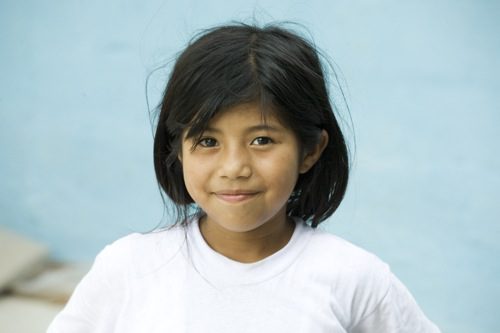
September 1, 2020, brought joy to citizens of Guatemala City as nearby schools finally received a long-awaited donation from the company, Amazon. Through coordinated efforts with Guatemala Minister of Education Claudia Ruíz Casasola, Amazon donated cooking supplies which will be dispersed among 500 schools surrounding Guatemala City. These schools are located in the Dry Corridor, an area that has suffered from food insecurity due to dramatic flooding followed by months of drought. Amazon’s donation to these 500 schools will perhaps assist 100,000 students currently battling food insecurity in Guatemala.
Amazon’s Partnership with the World Food Program (WFP) USA
Amazon is a partner of the World Food Program USA (WFP), an organization dedicated to fighting global hunger and famine. The organization has had quite a year, providing meals for 138 million people. They even raised $1 million in 10 days for those suffering the results of the explosion in Beirut. This partnership has allowed WFP to continue its efforts in supporting the Guatemalan government’s school feeding program while combating global hunger as a whole.
Amazon’s Partnership with the United Parcel Service (UPS)
This donation was long-awaited, as Amazon delivered the initial shipment back in February of 2020. Concerns surrounding the COVID-19 pandemic and international shipping delayed the distribution of the donation until now. Therefore, making this a moment of excitement and gratitude. However, the shipment of this donation was made possible through the generosity of the United Parcel Service (UPS). UPS covered the cost of the shipment of Amazon’s donation to the schools in Guatemala, contributing to the support of the WFP as it navigates the global challenges of the pandemic. The donations expect utilization in January when many public schools plan on welcoming back students.
The outcomes of this donation are plentiful, as food insecurity is a major threat to the children in Guatemala. This year’s cropping season produced Guatemala’s worst crop yield in 35 years due to excessive drought. Moreover, Guatemala faces the highest level of malnutrition in Latin America. As a result, many school-aged children face stunted growth and the pandemic contributed to a total of 1.2 million citizens, already in need of food assistance.
Through the generosity of Amazon and UPS, items such as bowls, blenders and pans will arrive in schools to prepare breakfasts and lunches for students facing food insecurity. By battling food insecurity in Guatemala and malnutrition in schools, the government can work to make sure students are receiving their necessary nutrient intakes. In parallel, this does not place financial stress on families to provide daily meals for their children.
Mission Guatemala
The Guatemalan government’s school feeding program, in addition to other initiatives, such as Mission Guatemala, has the goal of ending any deaths relating to hunger across the country. Large organizations like the WFP, along with major businesses like Amazon and UPS have the potential to assist in the fight against global hunger in countries like Guatemala. Amazon and UPS have set a positive example with this donation. In this way, they bring awareness to the food crisis that exists in countries outside of the U.S. Due to the companies’ global influence, other major brands may follow suit. Potentially, making donations and partnering with organizations that work to assist others.
The WFP USA also accepts donations and the opportunity to begin fundraising through their website. Advocacy is essential, and any individual contribution can assist those battling hunger, as seen by the generosity of both Amazon and UPS.
– Evan Coleman
Photo: Flickr
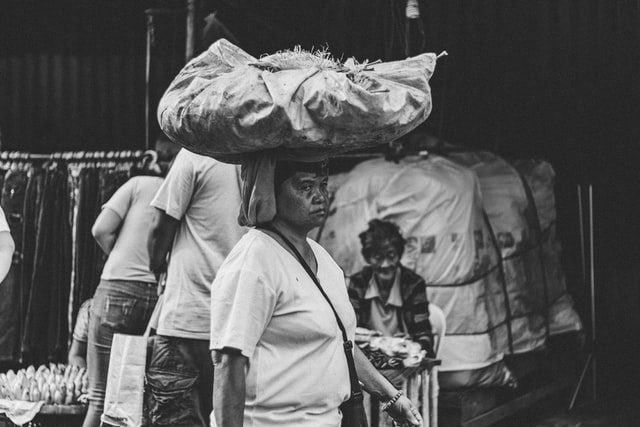 In the Philippines, almost 17% of the population lives under the poverty line, for a multitude of economic, social and geographical reasons. Combating poverty throughout the Philippines, in both the bustling metropolises and isolated villages, requires significant organization, scalability, effort and adaptability.
 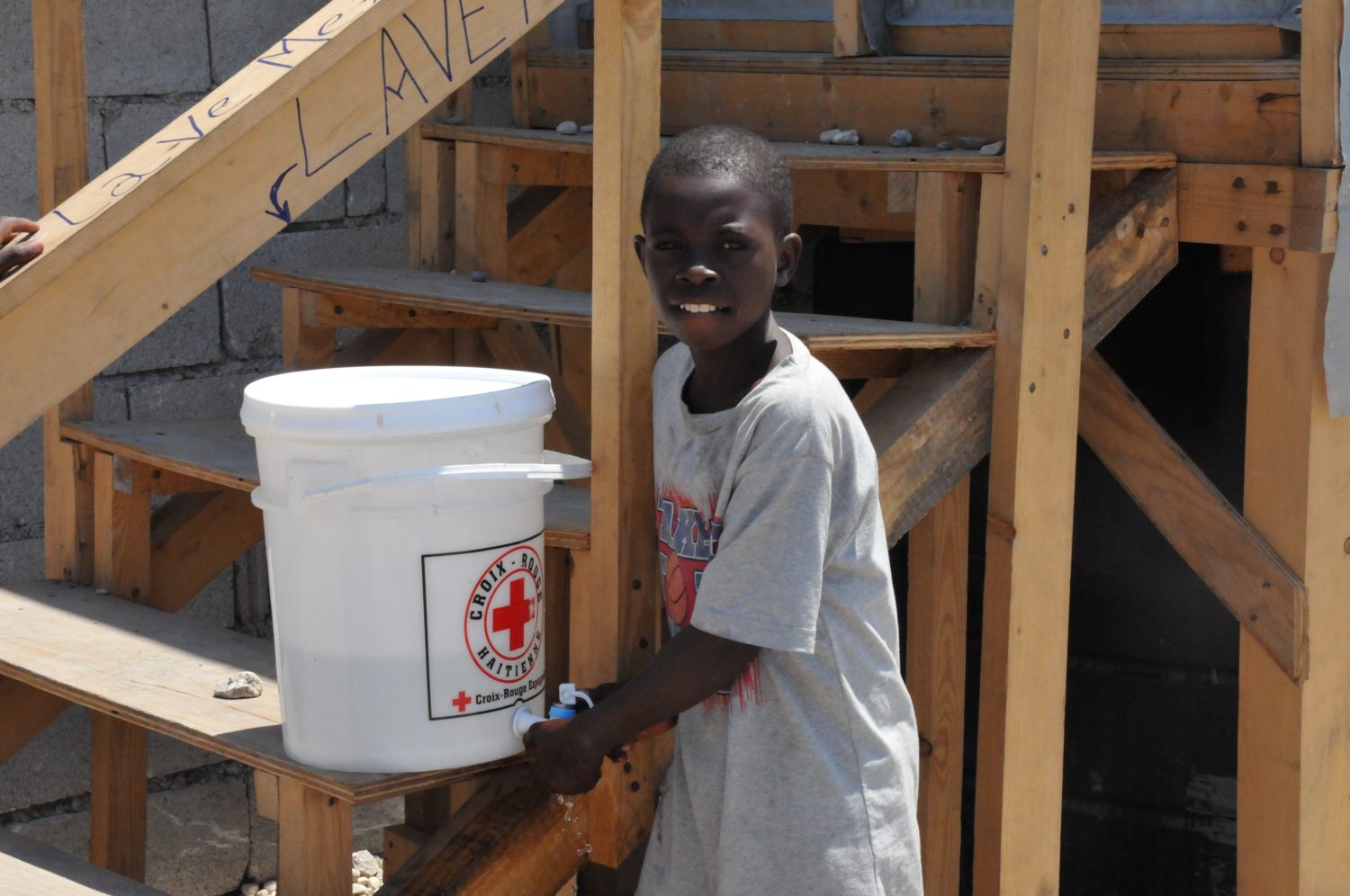 COVID-19, the disease caused by the coronavirus, is often spread through airborne droplets released by breathing or talking and by touching infected surfaces. Good hygiene is therefore an initial line of defense in preventing viral infection. However, hand washing requires access to clean water and effective sanitation. While COVID-19 has changed the way people think about hygiene, the lack of access many people in developing countries have to sanitation during COVID-19 remains the same.
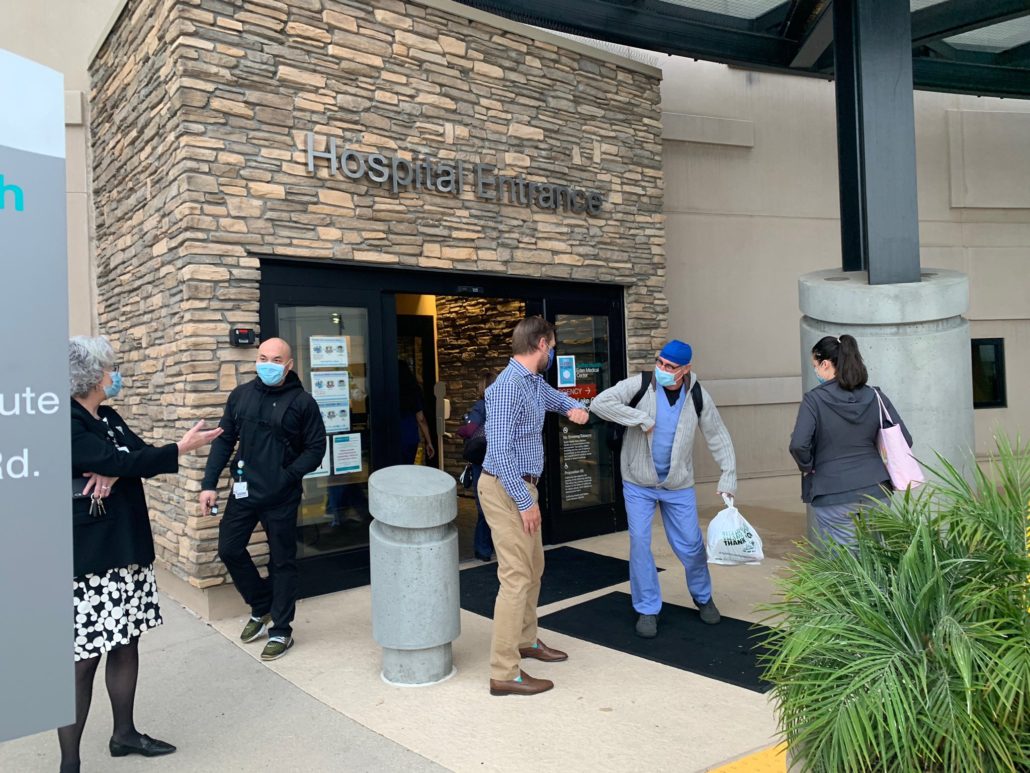 Limited access to healthcare is a challenge that millions of people face globally. According to data collected by the World Bank and W.H.O., roughly half of the global population had no way to access necessary health services in December 2017. The high costs of getting healthcare forced nearly
 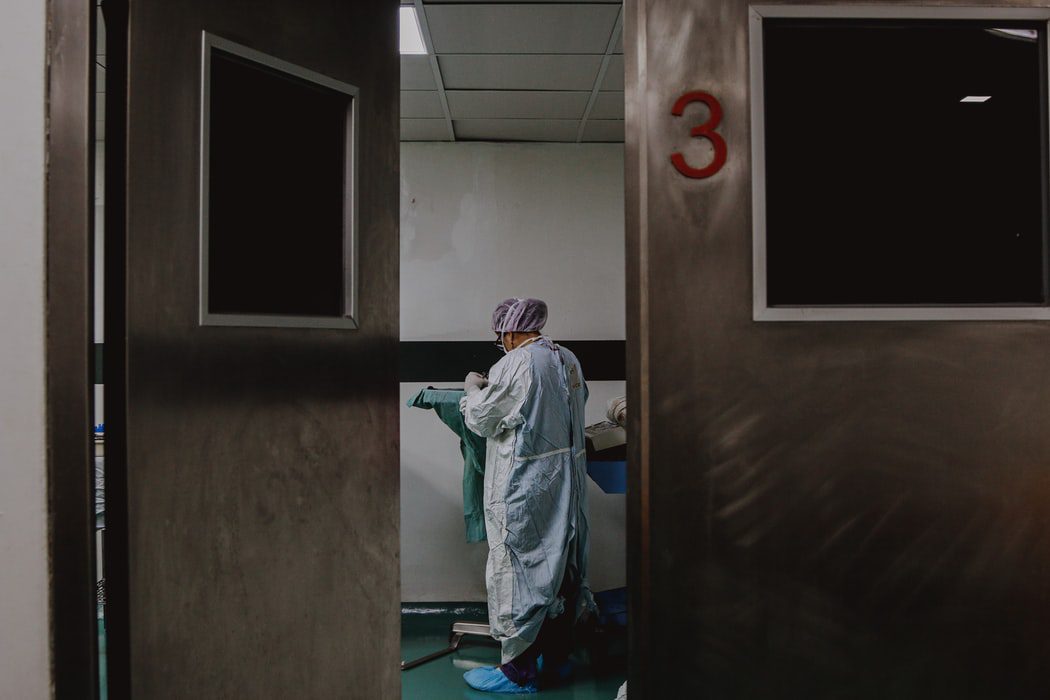 Like many developing nations, the Dominican Republic suffered massively in several communities, due to COVID-19. While the virus’s impact does not discriminate against social class — the homeless and impoverished are inevitably the most vulnerable. Given that
  With the COVID-19 pandemic being a new reality for people all around the world, top medical experts have advised everyone to take a series of precautionary measures to protect themselves against the disease. This includes wearing a face mask, social distancing and regular handwashing. While many have successfully adapted these recommendations into their daily routines, one group that is particularly struggling to do so are young children. However, two Pakistani teenage brothers have put forth an out-of-the-box solution and created a video game to combat COVID-19 in Pakistan.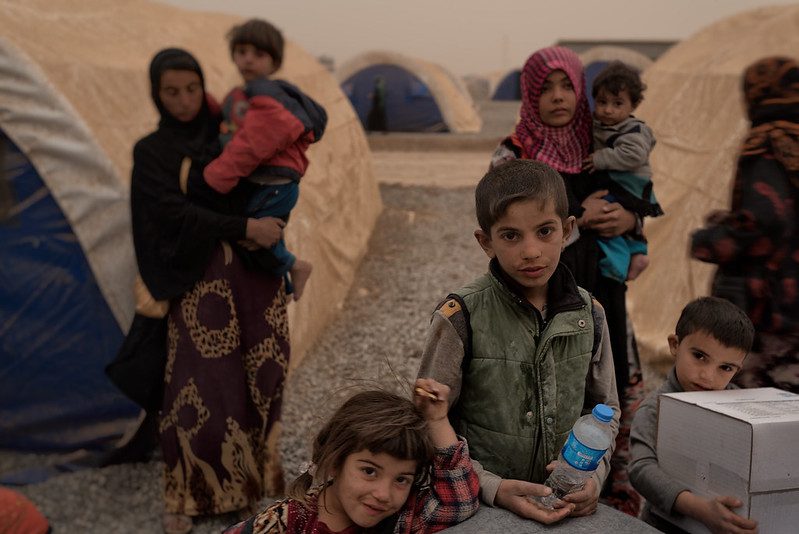
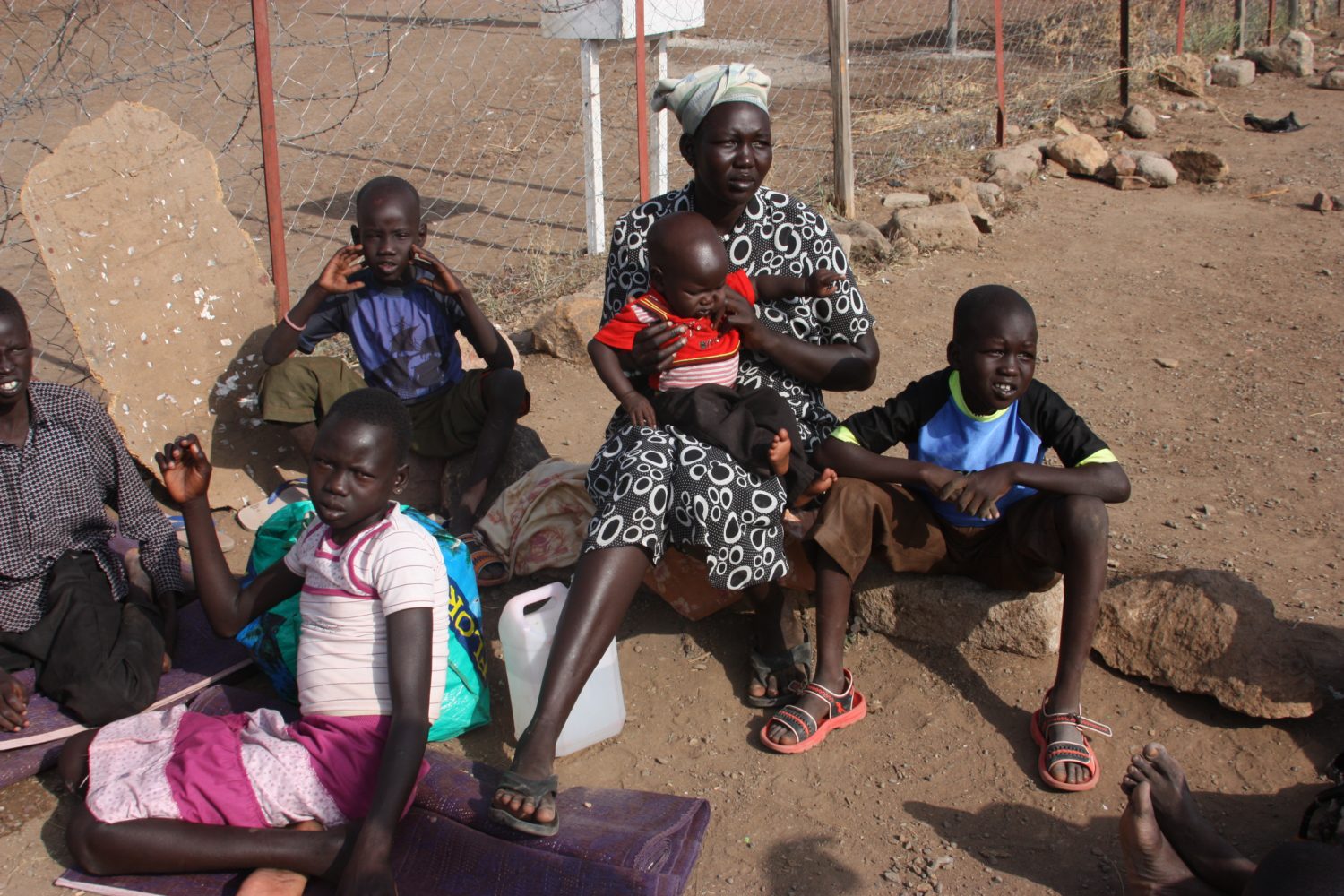 Many refugees in Sudan fled on foot to Egypt to escape violent and impoverished conditions in Sudan. About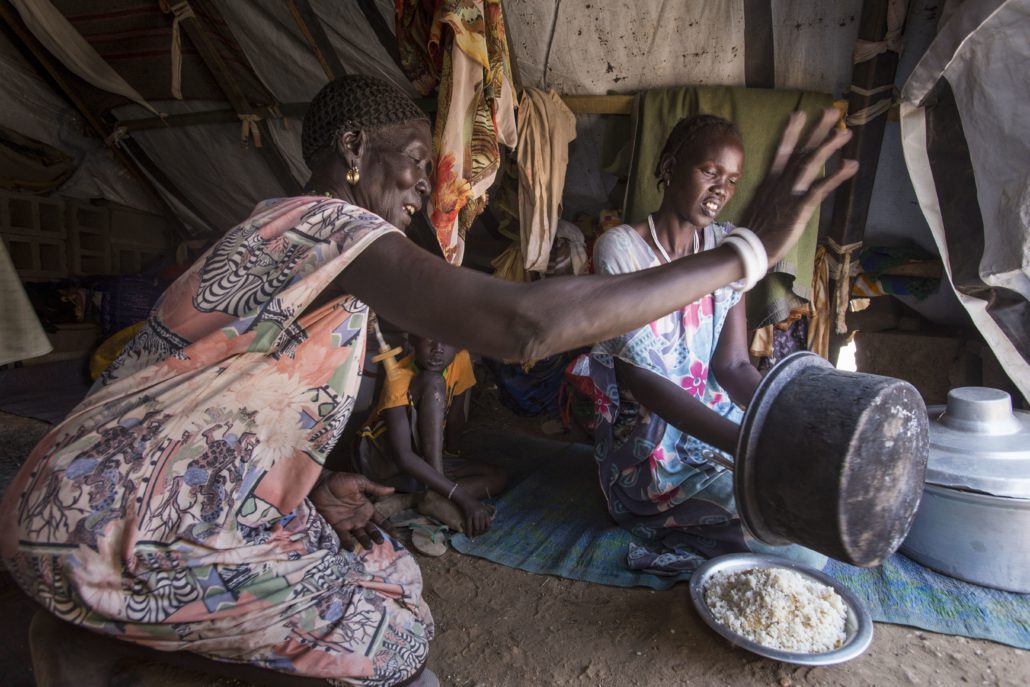
 COVID-19 has brought nearly all facets of normal life and governance to a screeching halt. On all fronts, from the economy to the military, the coronavirus has changed the way this planet runs. One area that has been heavily affected by the pandemic but does not get as much attention is international relations.