• Link to X
  • Link to Facebook
  • Link to Instagram
  • Link to TikTok
  • Link to Youtube
  • About
    • About Us
      • President
      • Board of Directors
      • Board of Advisors
      • Financials
      • Our Methodology
      • Success Tracker
      • Contact
  • Act Now
    • 30 Ways to Help
      • Email Congress
      • Call Congress
      • Volunteer
      • Courses & Certificates
      • Be a Donor
    • Internships
      • In-Office Internships
      • Remote Internships
    • Legislation
      • Politics 101
  • The Blog
  • The Podcast
  • Magazine
  • Donate
  • Click to open the search input field Click to open the search input field Search
  • Menu Menu

Archive for category: COVID-19

COVID-19, Global Poverty

3 Factors Perpetuating Poverty in Puerto Rico

Poverty in Puerto Rico
Puerto Rico is a Caribbean island and United States territory which has struggled with poverty long before the COVID-19 pandemic. In 2019, of Puerto Rico’s 3.2 million people, 43.1% of the total population and 57% of children lived in poverty. For comparison, the U.S. national poverty rate was drastically lower at 13.1%. Poverty in Puerto Rico has become a chronic issue as a long-term recession resulted in massive debt. The island has also endured multiple disasters, the most recent being Hurricane Maria and COVID-19. These hardships have weakened Puerto Rico’s economy, infrastructure and health systems and have left vulnerable groups even more susceptible to poverty. However, Puerto Ricans have demonstrated remarkable resilience and current efforts are helping to improve this situation. Here are three factors perpetuating poverty and COVID-19 in Puerto Rico, and what some are doing to change these circumstances for the better.

Recession

While external factors have exacerbated poverty in Puerto Rico, the current crisis has been building in conjunction with a decade-long recession. Economic growth fell by 10% between 2004 and 2018, with an unemployment rate above 8% and a declining population compounding this deficiency. Some elements such as the encouragement of Puerto Rico’s reliance on U.S. loans to fill federal funding gaps, a 1996 change that mandated Puerto Rican businesses begin paying taxes—in contrast to their previous tax-free status under the Internal Revenue Code Section 936—and the 2008 financial crisis, which further lowered tax revenues and caused large-scale unemployment, have mainly fueled this debt crisis. These issues have culminated to create massive debt and a chronic recession that has exacerbated poverty within the territory.

The most notable improvement effort occurred with the creation of the 2016 Puerto Rico Oversight, Management and Economic Sustainability Act (PROMESA), which oversees Puerto Rico’s finances and works to restructure its debt. In 2019, PROMESA announced a plan to reduce the island’s debt by one-third to enable it to function under less financial stress and better support people in need.

Hurricane Maria

In addition to this long-term recession, the country’s vulnerability to severe hurricanes has perpetuated poverty in Puerto Rico. The most recent hurricane was also the most destructive in nearly a century. Hurricane Maria struck Puerto Rico on September 20, 2017, and its destruction created lasting consequences. In addition to destroying thousands of homes and causing $94.4 billion in infrastructural damage, Maria wiped out about 80% of the island’s agriculture. Immediately following the hurricane, 100% of the island lost power for months and lacked access to necessary items including water, food, medicine and fuel. Though the U.S. government has promised increased funding to help fix the island’s damaged infrastructure, repairs have been slow and people are advocating for increased disaster relief funding.

Puerto Rico has repaired much of its infrastructure and widely improved living conditions. Meanwhile, the return of tourism has helped boost the economy in the three years following Hurricane Maria. Efforts by nonprofits and citizen groups have also helped bring attention to the issues that remain and attract funding to transform temporary band-aids into long-term solutions.

COVID-19

Three years after Hurricane Maria, Puerto Rico is now facing a daunting new crisis: COVID-19. The declining population, a long-term recession and extensive hurricane damage have left Puerto Rico with a largely poor and elder population, both factors that increase vulnerability to the disease. Following Hurricane Maria, the portion of the population over age 65 increased from 14% in 2008 to 21% in 2018 as many working-age adults sought better employment opportunities in the U.S. mainland.

The high poverty level is affecting the quality of life during quarantine, as Puerto Rico has not rebuilt many homes following Hurricane Maria. Meanwhile, those who previously struggled financially are now jobless.

Due to its status as a territory, the U.S. federal government does not prioritize Puerto Rico in terms of crisis management. Although Puerto Rico receives federal funding to support critical programs such as Medicaid, this funding is insufficient under regular circumstances and does not adapt to meet Puerto Rico’s unique needs. Puerto Rico has received some extra provisions under the Coronavirus Aid, Relief, and Economic Security (CARES) Act, however, including stimulus checks, expanded unemployment benefits and temporarily increased Medicaid funding. However, these funds comprise only a fraction of what states receive. Advocates for Puerto Rico urge policymakers to consider the fact that Puerto Rico entered the pandemic in a more vulnerable position than the U.S. when determining whether to extend funding.

Potential for a Better Future

Puerto Rico’s experience with frequent disasters has taught citizens to be self-sufficient and prepare for when disaster strikes. This silver lining helped the island quickly transition into lockdown in early March 2020, and citizens and organizations quickly acted in times of need to disburse basic necessities and medical supplies around the island to the sick and elderly.

The disasters that Puerto Rico continues to experience ravages the small island and further plunges residents into poverty. However, some are executing significant efforts to improve the territory’s infrastructure, health care systems and general living conditions. To effectively combat the factors perpetuating poverty and COVID-19 in Puerto Rico, plans to reduce debt and boost the economy are on the horizon.

– Angelica Smyrnios
Photo: Flickr

September 2, 2020
https://borgenproject.org/wp-content/uploads/borgen-project-logo.svg 0 0 Borgen Project https://borgenproject.org/wp-content/uploads/borgen-project-logo.svg Borgen Project2020-09-02 01:30:132020-09-02 08:10:043 Factors Perpetuating Poverty in Puerto Rico
COVID-19, Global Health

HIV in Thailand and Mental Health

HIV in ThailandHIV is a leading cause of death for people under the age of 50 in Thailand. Of those with HIV in Asia and the Pacific, 9% live in Thailand. In 2019, about 470,000 people were living with HIV in Thailand. Sex workers, men who have sex with men, transgender individuals and people who inject drugs are most affected by the epidemic. Thailand has made progress in combating the disease, especially in regard to mother-to-child transmissions, which the country eliminated. However, HIV stigma is a factor both preventing people from seeking treatment and causing discrimination in healthcare. The stigma surrounding HIV can also lead to mental health issues such as depression.

HIV-Related Stigma

HIV stigma includes negative attitudes and judgments toward people living with HIV. Discrimination can occur when a healthcare professional refuses to provide services for people living with HIV. It can also occur when someone receives a lack of social support due to being HIV positive. The stigma and discrimination resulting from living with HIV can lead to internalized stigma. This stigma is when people living with HIV develop a negative self-image impacting their mental health. As a result, higher rates of loneliness and depression have been reported among people living with HIV.

HIV Research in Thailand

The National Institute of Nursing Research conducted a study in Thailand in 2007 which revealed information about the impact of HIV-related stigma on mental health. The researchers interviewed people living with HIV in northern and northeastern Thailand to collect data. Data was collected by measuring stigma on a scale of “Internalized Shame” and “Perceived Stigma.” They concluded that there is an association between depression and internalized shame, as well as between depression and perceived stigma.

Additionally, the study’s conclusion included strategies to improve the mental health of people living with HIV through treatment programs. The researchers emphasized the importance of boosting self-esteem and creating a sense of belonging to a community. Doing this would combat the effects of isolation often felt as a result of stigma. Furthermore, addressing HIV stigma in Thailand in addition to providing social support could positively impact the overall health of people with HIV.

Responses to the Impact of HIV on Mental Health

TREAT Asia (Therapeutics Research, Education and AIDS Training in Asia) is an organization working toward increasing access to psychiatric care. It also works toward improving mental health services for those living with HIV in Thailand. The organization is conducting a study on depression and anxiety among Thai adolescents with HIV. By evaluating participants, the study team aims to improve the health of Thai adolescents living with HIV. It does this through developing a better understanding of how to address mental health in the treatment process.

Service Workers in Groups (SWING), a Thai organization, provides HIV services and supports sex workers. COVID-19 left about 145,000 sex workers in Thailand without an income source. As a result, they are in greater need of support to cover basic necessities such as food and housing. Barriers preventing access to HIV treatment have only strengthened due to the coronavirus crisis. Sex workers are at a disadvantage in terms of social protection. SWING has made efforts to confront the new challenges due to COVID-19. It continues to provide HIV healthcare, including mental health services, for sex workers amid the pandemic

By 2030, the Ministry of Public Health of Thailand plans to reduce HIV discrimination in healthcare settings by 90%. While Thailand has enacted policies and laws to protect people living with HIV, they continue to endure the negative effects of HIV stigma. This prevents them from receiving efficient treatment. Greater efforts and more research are necessary to break the cycle of mental health issues created by HIV stigma to improve the quality of life for those living with HIV in Thailand.

– Zoë Nichols
Photo: Flickr

August 31, 2020
https://borgenproject.org/wp-content/uploads/borgen-project-logo.svg 0 0 Kim Thelwell https://borgenproject.org/wp-content/uploads/borgen-project-logo.svg Kim Thelwell2020-08-31 10:20:082024-05-30 07:52:12HIV in Thailand and Mental Health
COVID-19, Global Poverty, Health

3 Bahamian Charities Combating COVID-19

Bahamian Charities Combating COVID-19Last year, Hurricane Dorian brought massive destruction to The Bahamas. The damage was unlike anything the islands had ever witnessed before, leaving around 70,000 Bahamians homeless. Although much of the Bahamian infrastructure is leveled, resilient islanders were quick to begin reestablishing their livelihoods. Now the outbreak of COVID-19 has brought the world to a standstill, slicing through The Bahamas’ tourism economic sectors. Paired with the global shortage on toiletries and PPE, the citizens of these popular vacation islands are withstanding two pandemics; fortunately, however, local charities have stepped in a major way. Here are three Bahamian charities providing life-saving aid through these times of struggle.

3 Bahamian Charities Combating COVID-19

  1. The Dignified Project: People living in poverty around the world already struggled to obtain supplies and health services. Now that stores and public transports are closed due to natural disasters and the virus, combined with rising prices and economic uncertainty, the impoverished are facing even greater hurdles. But imagine a massive shortage of essential items that help manage the natural disposition of the body. No, not toilet paper. Think more on the lines of tampons. It’s called period poverty. One major, yet underrated stifle for the economic development of menstruating women is the lack of access to hygiene products that help manage menstrual health. The Dignified Project is a nonprofit organization that provides young girls with feminine hygiene products. Not only do they provide these essential items for free, but they also educate young girls in The Bahamas on building confidence, demonstrating body positivity and increasing awareness of health and “social concerns related to their biological development.” According to its Instagram page, The Dignified Project offers two kits: bras, underwear and other essential undergarments; soap and tampons or pads. Phillipa Dean, the initiative’s founder, reported that the organization has been distributing products more frequently due to heightened demand from COVID-19, which first ravaged the country on March 15.
  2. The Bahamas Light Industries Development Council (BLIDC): The Bahamas Light Industries Development Council (BLIDC) is an organization formed by and for Bahamian manufacturers and producers. The organization’s aim is to “promote and expand, and to preserve and protect light industries operating in the Bahamas.” In the past, members of the BLIDC, alongside other companies like bakeries and breweries, have rendered services to non-governmental organizations by aiding struggling households and communities. Although businesses like BLIDC are not fully performing manufacturing functions, these Bahamian charities still ensure access to food and beverages. Upon hearing about the recent shortage grits, a prominent food staple in Nassau, the BLIDC reached out to island partners in search of resources. In addition to supporting local businesses, the BLIDC donated what was harvested to the Bahamas Feeding Network.
  3. Hands for Hunger: Volunteer drivers are delivering food packages to Bahamians in need. According to its website, Hands for Hunger has delivered more than 150,000 pounds of food to 40 agencies since the dawn of COVID-19 in March including senior living homes, children’s homes and churches. As a result of this organization’s efforts, more than 2,100 Bahamians are being assisted bi-weekly with approximately 400 families having received food assistance over a three-month period.

Between natural disasters, a pandemic and pre-existing struggles with poverty, the Bahamas undoubtedly have several unique challenges left to work through. However, with continued support from passionate Bahamian charities, there is promise for the nation to repair itself in the near future.

– Katrina Robinson
Photo: Flickr

August 29, 2020
https://borgenproject.org/wp-content/uploads/borgen-project-logo.svg 0 0 Kim Thelwell https://borgenproject.org/wp-content/uploads/borgen-project-logo.svg Kim Thelwell2020-08-29 13:54:302024-05-30 07:52:143 Bahamian Charities Combating COVID-19
COVID-19, Health

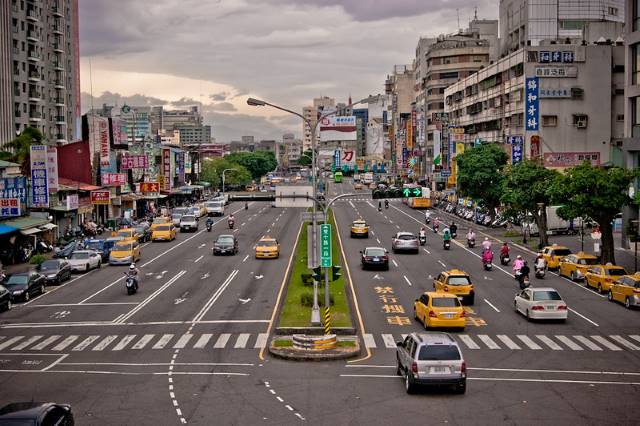
5 Things to Know About COVID-19 in Taiwan

COVID-19 In TaiwanWith a population of approximately 23 million people and a location that is in close proximity to China, epidemiologists expected that Taiwan would be the next epicenter of the COVID-19 pandemic. After having 668 reported cases of SARS (Severe Acute Respiratory Syndrome) in 2003, Taiwan was well equipped to contain and slow the spread of the COVID-19 virus.

5 Things About COVID-19 in Taiwan

  1. Although Taiwan is close to China and has a population of nearly 23 million, it has done remarkably well in its response to COVID-19. As of July 30, 2020, there have been 467 positive cases and just seven deaths reported. This translates to 20 cases of COVID-19 per one million people living in Taiwan.

  2. In an effort to help citizens locate where they can purchase masks, more than 1,000 Taiwanese software developers created applications to help citizens understand where masks were available. In early March there were “59 map systems, 21 line applications, three chatbots, 23 mask sales location search systems, 22 apps, five audio systems, two information-sharing systems and one online mask reservation system.”

  3. Wearing a mask in public to prevent the spread of COVID-19 was an early practice in countries like Taiwan. Prior to the rise of the pandemic, Taiwanese manufacturers were producing 1.88 million to 2.44 million face masks per day. In an effort to ensure masks were available to those who needed them, the Government of Taiwan banned the export of masks on January 24, 2020.

  4. During the 2003 SARS outbreak, Taiwan had a robust contact tracing and quarantine system, border and travel regulations, a SARS advisory committee and training on infection control. Although these efforts were initially effective, Taiwan ultimately reported 668 probable cases of SARS. As a result of the severity of the SARS outbreak in the country, Taiwan stepped in quickly with stricter policies to slow the spread of COVID-19 by hosting virtual lectures about COVID-19, implementing travel restrictions, prohibiting large events and quarantine and isolation measures.

  5. Because Taiwan has been able to successfully control the spread of the COVID-19 pandemic, many aspects of daily life have resumed. After approximately three consecutive weeks of no community spread, the Taiwanese Baseball League became the first in the world to allow spectators and fans back into games. On May 8, 2020, the professional baseball league allowed 1,000 fans into their scheduled games to spectate.

As a result of its swift and effective response to COVID-19, Taiwan has been able to return to a semblance of normalcy. Taiwan’s success stems from the government’s quick action, technological assistance as well as hard lessons learned from the SARS pandemic. In light of all the above, it comes as no surprise that Taiwan’s response to COVID-19 ranks as one of the world’s best.

– Maddi Miller
Photo: Flickr

August 29, 2020
https://borgenproject.org/wp-content/uploads/borgen-project-logo.svg 0 0 Kim Thelwell https://borgenproject.org/wp-content/uploads/borgen-project-logo.svg Kim Thelwell2020-08-29 09:48:442020-08-29 13:01:545 Things to Know About COVID-19 in Taiwan
COVID-19, Global Poverty

5 Facts About Children in the Democratic Republic of the Congo


The Democratic Republic of the Congo is a country located in Central Africa and home to 84.07 million people. About 72% of the population live on less than $2 a day, making the DRC one of the world’s poorest countries. Because many live in extreme poverty, the community is vulnerable to diseases and suffers greatly, especially children. Here are five facts to know about children living in the DRC.

5 Facts About Children in the Democratic Republic of the Congo

  1. Disease: Though life for children in the DRC has dramatically improved over the years, there is still much more work to be done. The child mortality rate for children under the age of five is 88.1 deaths per 1,000 live births. Diseases are the most persistent threat to children, with thousands dying from numerous ongoing epidemics a year. Primary illnesses children in the DRC face include measles, cholera and malaria. Measles, being the most severe disease, killed over 6,000 children in 2019. Around 85% of these deaths were children under the age of 5. Now, COVID-19 poses a significant challenge for the DRC as it is one of the most at-risk countries in Africa. Additionally, the global pandemic has hampered vaccine deliveries to the DRC, causing children’s lives to be more at stake than ever.
  2. Malnutrition: More than six million children under the age of 5 suffer from chronic malnutrition. Without proper nutrition, around 46% of children in the DRC are stunted in growth and development. Moreover, the pandemic will likely lead to a rise in food costs worldwide, causing impoverished countries like the DRC, which already suffers from a lack of resources and economic stability, to become food insecure. If food becomes more expensive, the already high malnutrition rates will also reach a tragic tipping point.
  3. Education: Education is the key to a better future away from poverty. It is also a critical factor in improving health practices, essential services and the DRC’s overall socio-economic status. Unfortunately, almost seven million children from ages 5 to 17 do not go to school or have any proper education. Because of political instability caused by wars and natural disasters, the DRC is currently unable to have universal primary education. Money is also a significant obstacle to receiving education since much of a child’s education costs falls on the parents. Those who can attend school also find high dropout rates, as there is a low quality of teaching. Factors such as child labor, marriage and health conditions also contribute to children’s lack of access to education.
  4. Homelessness: Homelessness is also a big issue for children in the DRC. Almost 30,000 children under the age of 18 suffered from homelessness in 2011. There are many reasons for homelessness, such as war-conflict, diseases, unemployment and internal displacement. Often, mothers who have children from sexual abuse abandon their children due to trauma. With no proper child protection institutions in the DRC, children have no choice but to live on the street. Due to the lack of a support system, many children are forced into illegal acts to obtain access to food, shelter and other basic amenities.
  5. Violence: The DRC has one of the highest ratings in terms of violence against children, especially sexual violence. In 2018, over 250 girls were sexually abused during inter-communal disputes. One in two women between the ages of 25 and 49 are affected by forced child marriages, often resulting in teenage pregnancies. About 27% of girls between the ages of 15 to 19 are pregnant, securing the DRC a spot in the top 10 countries with the highest levels of teen pregnancies. In 2017, over 800,000 children in the DRC were forced to leave because of the vicious internal conflict, which in result forced them to live in brutal weather conditions and safety hazards. Child soldiers are also not uncommon in the DRC. In 2018, over 600 cases of child recruitments were documented by the Office of the Special Representative of the Secretary-General for Children of Armed Conflict.

Despite all that DRC children suffer from, conditions have been improving drastically over the last few years. With help from donors and organizations, there is high hope that the safety, health and standard of living will only continue to improve for children in the Democratic Republic of the Congo.

– Katelyn Mendez
Photo: Pixabay

August 24, 2020
https://borgenproject.org/wp-content/uploads/borgen-project-logo.svg 0 0 Kim Thelwell https://borgenproject.org/wp-content/uploads/borgen-project-logo.svg Kim Thelwell2020-08-24 01:30:212020-08-23 12:35:265 Facts About Children in the Democratic Republic of the Congo
COVID-19, Global Poverty

The Global FoodBanking Network Fights Hunger

Global FoodBanking Network
COVID-19 continues to disproportionately impact impoverished communities. The nature of the pandemic is continuing to force many people into unemployment. Consequently, the pandemic has exacerbated the hunger crises among those who already survive on so little.

Interim Executive Director of nonprofit group Oxfam Chema Vera described the pandemic as the final straw for millions of people already struggling to survive through one challenge or another. These challenges stem from conflict, environmental challenges, inequality and a broken food system. Over many decades, this inequitable food system has impoverished millions of food producers and workers. The Global FoodBanking Network, however, is working to combat this COVID-19 hunger crisis with a strategic response.

About the Organization

The Global FoodBanking Network is a nonprofit organization that works in over 40 countries to alleviate food insecurity and hunger. It works with a variety of food banks to offer support and education. It also hopes to create a community more secure in its access to nutritional needs. The network has a variety of corporate partners aiding it in its COVID-19 food relief endeavors. These partners include Bank of America, BlackRock and Kellogg’s.

Additionally, the Global FoodBanking Network served 16.9 million people across 44 countries in 2019. It also supplied over 1.4 billion meals in the same year. Almost all of the countries the Global FoodBanking Network works with are developing economies. The largest areas of focus for the network are the Asia-Pacific region and Latin America at 56% and 27% respectively.

Responding to COVID-19

When COVID-19 received designation as a pandemic in March 2020, the Network released a statement regarding its intentions for food relief the following day. The statement indicated a desire to employ resources to prevent a COVID-19 hunger crisis from struggling communities. The Network’s plan included designating a COVID-19 fund as well as advocating governments and corporations for aid on behalf of local food banks. It also included sharing crisis education with food banks, making them better equipped to handle how the pandemic has impacted food distribution.

A major aspect of the Network’s COVID-19 hunger crisis response plan includes taking account of research. The Harvard Law School Food Law and Policy Clinic has published this research. The research team worked with The Global Food Donation Policy Atlas to create guidelines to maximize aid potential in food distribution. The study identifies that one-third of all food goes to waste, largely due to legal barriers. The research that the clinic conducted lays out steps to take in order to get more food to communities grappling with food insecurity.

Impact of The Global FoodBanking Network

Furthermore, the study introduced policy initiatives that could apply to several countries. These recommendations include establishing effective and explicit food safety guidelines on a national level. Recommendations also included that governments provide incentives to donate food by making it cheaper than food disposal. Professor Emily Broad Lieb is the faculty director of the Food Law and Policy Clinic. She says that this research represents actions the United States and the international community must take. These should help countries address the COVID-19 hunger crisis more effectively.

Despite the debilitating effects of COVID-19, the Global FoodBanking Network is working towards accomplishing its original goal of fighting hunger internationally. Its efforts combined with the guidance of new research could have important and positive implications on how the nonprofit community deals with food insecurity in a COVID and post-COVID era.

– Riya Kohli
Photo: Flickr

August 18, 2020
https://borgenproject.org/wp-content/uploads/borgen-project-logo.svg 0 0 Kim Thelwell https://borgenproject.org/wp-content/uploads/borgen-project-logo.svg Kim Thelwell2020-08-18 01:30:232024-05-29 23:23:15The Global FoodBanking Network Fights Hunger
COVID-19, Education, Global Poverty

The Effects of School Closures in Kenya

School closures in Kenya
As a means to control the rampant virus that is COVID-19, Kenya closed all of its schools in March 2020. Although school closures in Kenya have occurred to maintain citizens’ safety, there are problems and concerns. George Magoha, Education Prime Minister of Kenya, stated that, due to schools closing just three months into the school year, students will be a year behind in their studies once school resumes in January 2021. The school closures could further marginalize certain children and families. Additionally, teenage pregnancy is another problem that learning at home could bring.

Further Marginalization of Kenyans

Once schools shut down worldwide, many students seamlessly transferred to online learning. This, however, was not the case for rural, remote areas in Kenya like Kajiado and Samburu county. According to the World Economic Forum, only 17% of Kenyan households had internet access as of 2016. With little to no access to internet connectivity and technology itself, online learning is nearly impossible. These children are at a strikingly harmful disadvantage in comparison to students residing in more urban areas, like Naibori country. Students in rural areas cannot academically progress like other students who have the means to learn online.

Not only are students with little internet access often behind, but school closures in Kenya also greatly impact refugee students. For many refugee students living in the Dadaab refugee complex, for example, going to school and receiving an education is their best opportunity for future success. Considering lower retention rates and even being a year behind, this success may prove to be more difficult to attain.

School closures in Kenya also place a heavy burden on parents and guardians. With little to no preparation for home-schooling, parents and guardians now have to teach their children. Little to no academic planning creates major problems with information retention, causing students to be even more behind in school.

Teen Pregnancies

Only 10% of teenage girls who leave school ever go back. Due to the virus, young girls cannot attend school, thus potentially lowering this percentage even more. The longer teenage girls are out of school, the worse the consequences may be for their futures. One example is teen pregnancies.

According to a Kenya government-administered health survey, teen pregnancies are rapidly increasing. As of 2015, Kenya had the largest number of teen pregnancies in East Africa. According to Plan International, “98% of pregnant girls were not in school, and 59% of the pregnancies among girls aged 15-19 years were unintended.” Prior to the pandemic, education and resources for young teenagers were not readily available for many. Now, those resources are even more difficult to receive.

Moreover, going to school every day was an escape for teenage girls from predatory family members in the home. With school closures in Kenya, young women do not have the protection from family members and neighbors that their schools provided. Sexual violence in Kenya affects about 33% of girls; due to school closures, this number may rise.

Solutions

Although many students do not have access to necessary resources, learning by the radio has been a very helpful resource for both Kenyan and refugee students. For the 100,000 students who reside in the Dadaab refugee complex, radio lessons have been able to reach all 22 of the complex’s schools. This allows refugee students to continue their education, thus, continuing their mobilization in society.

To promote the health and safety of all Kenyans, UNICEF delivered many basic needs to Kibera in April 2020. Kibera is the largest informal settlement in Africa where nearly 1 million individuals live on less than a dollar a day, according to UNICEF. The delivered supplies included 26,000 bars of soap and 100 disinfectant sprayers for the Nairobi City Government’s use in public spaces. Aid like this keeps Kenyans safe and should later create safer conditions for schools in Kenya.

School closures in Kenya have created countless problems and concerns for its citizens. With delayed schooling, lack of necessary technology and the potential of increased teenage pregnancies, the effects of school closures in Kenya may persist for years to come. However, organizations like UNICEF are working to provide compulsory resources, like proper education.

– Anna Hoban
Photo: Pixabay

August 17, 2020
https://borgenproject.org/wp-content/uploads/borgen-project-logo.svg 0 0 Kim Thelwell https://borgenproject.org/wp-content/uploads/borgen-project-logo.svg Kim Thelwell2020-08-17 14:38:072020-08-17 14:38:06The Effects of School Closures in Kenya
COVID-19, Global Poverty, Inequality

5 Facts About Poverty in South Africa

Poverty in South Africa
South Africa is a culturally and historically rich nation located at the tip of the African continent, bordering the Indian and South Atlantic Oceans. Home to 56.5 million people, the country represents a unique case of national development with several new advances, some even more relevant than one might expect. South Africa has seen undeniable progress since the end of apartheid in the 1980s. Even so, poverty in South Africa continues to be a prevalent issue. Here are five facts about poverty in South Africa.

5 Facts About Poverty in South Africa.

  1. Nearly half the adult population of South Africa lives in poverty. The South African government measures poverty by three threshold points. The upper-bound poverty line (UBPL) indicates an income of 1,183 Rand ($70.90) per month. On the other hand, the lower-bound and food poverty lines indicate incomes of 785 Rand ($47.04) and 547 Rand ($32.78) respectively. According to the Department of Statistics in South Africa, 49.2% of the population over the age of 18 falls below the upper-bound poverty line. The government has worked to address poverty levels mainly through a program called the New Growth Path (NGP). This policy works to support small businesses through financing and enhancing multiple sectors of the economy. NGP also aims to expand public work projects to ensure that more individuals will have access to consistent income.
  2. Women are generally more vulnerable to poverty. According to South Africa’s Living Conditions Survey (LCS), 52.2% of women fall below the UBPL, compared to 46.1% of men. Additionally, the research shows that 74.8% of women-led households follow below the UBPL, whereas only 59.3% of men-led households do. A similar gender gap exists at each line of poverty, with women consistently experiencing poverty more frequently than men. Data suggests that this difference has remained relatively stable over the past decade. Women-led families are also more likely to lack access to water and sanitation. The South African government’s Programme of Action has worked to address these issues. The program focuses on developing infrastructure, dispersing resources in rural areas and providing subsidies for housing enhancements. The program has grown in support and funding over the past five years.
  3. COVID-19 has made poverty worse in South Africa. With over 500,000 cumulative cases as of August 13, 2020, and close to 4,000 new cases on the same day, there is no doubt that the pandemic has exacerbated many of the underlying issues surrounding poverty in the country. Hunger and food insecurity have, in particular, become much more pressing issues. Lockdowns, for example, have halted employment and left many South Africans with the impossible choice of working to provide food or staying home to stay safe. Forecasts are currently estimating that the pandemic may push up to 1 million people into poverty.
  4. Inequality of all sorts characterizes access to income in South Africa. Whether in terms of wages, wealth or consumption, South Africa always places among the most unequal countries. In 2015, the country scored 0,65 in the Gini coefficient, one of the world’s highest. While inequality seems to have improved over the past 20 years when measured per capita, consumption inequality has actually increased since the end of apartheid. Similarly, even though black South Africans are reporting the largest increase in the average number of assets owned, within-group asset inequality among black  South Africans has continued to grow. This puzzling trend seems to indicate that many of the problems from decades of apartheid have not disappeared, but rather have become a normal part of South African society. Additionally, a study that the World Bank published proves that South Africa’s inequality of opportunity, a type of inequality measured by the access to quality basic services such as education and healthcare, is higher than any other country. Government efforts to reduce inequality have included higher social spendings, affirmative action programs and targeted government transfers. The government has also seen promising success in its progressive tax system that has the potential to act as a redistributive tool in the coming years.
  5. Poverty headcounts in rural areas are significantly higher than that of urban areas. As of 2015, 25.2% of the population of urban areas lived below the UBPL, whereas 65.4% fell below the UBPL in rural areas. While grim at first, these findings do suggest that some policies are creating significant improvements in poverty levels. Over the past decade, the South African government has implemented a National Development Plan (NDP) with the intention of it acting as a blueprint for eradicating poverty below the lower-bound poverty line and reducing income inequality across the board. While still only in the middle phase of its execution, and the present pandemic certainly hindering it to some extent, this plan shows the government’s commitment to reduce poverty.

South Africa is continuing to grapple with its inherited history riddled with inequality and financial oppression. However, the more recent policies and conversations around the conditions of poverty are indicative of positive changes. The responsibility now falls both on the South African government and on the global community to continue fostering policies of poverty reduction and closing the gaps of inequality.

– Angie Bittar
Photo: Flickr

August 14, 2020
https://borgenproject.org/wp-content/uploads/borgen-project-logo.svg 0 0 Borgen Project https://borgenproject.org/wp-content/uploads/borgen-project-logo.svg Borgen Project2020-08-14 08:35:542024-06-10 03:28:045 Facts About Poverty in South Africa
COVID-19, Development, Global Poverty

Top 3 Athletic Companies Aiding COVID-19 Efforts


Sports often bring people together and provide a sense of normalcy and relief during times of crisis. Amid the COVID-19 pandemic, athletes have stepped up and contributed to COVID-19 relief efforts. Marcus Rashford successfully lobbied the United Kingdom government to provide meals for impoverished school children and Lionel Messi donated €1 million to COVID-19 research and treatment. Major athletic companies have also supported global responses to COVID-19 around the world. Here are three major athletic brands contributing to the global fight against COVID-19.

Top 3 Athletic Companies Aiding COVID-19 Efforts

  1. Nike: Nike is arguably the most responsive athletic company in the world in regards to supporting worldwide COVID-19 responses. Nike, along with the Nike Foundation, has committed to donating about $25 million to help with the COVID-19 response. This donation will go toward the World Health Organization as well as funding for communities where Nike has headquarters. This includes $1 million to the COVID-19 Solidarity Response Fund and $1.1 million to the King Baudouin Foundation. The Solidarity Response Fund helps vulnerable low-resourced communities, protects displaced people and refugees and provides essential supplies such as food to impoverished and at-risk people. The funds for the King Baudouin Foundation will go towards funding for vulnerable and disadvantaged groups in Europe, the Middle East and Africa who have been heavily affected by COVID-19.
  2. Adidas: Adidas is supporting frontline workers, as well as donating to the global COVID-19 response. The company has produced over 100,000 medical masks for worldwide distribution to frontline workers. Adidas’ donations to fight COVID-19 have reached almost $5 million. To date, Adidas’ donations add up to $3.25 million towards the COVID-19 Solidarity Response Fund and $1.35 million to the China Youth Development Foundation. The funds to the Solidarity Response Fund will go towards similar causes as the donation from Nike, helping impoverished individuals and communities around the world. Donations to the China Youth Development Foundation will be used to help treat and respond to COVID-19 in disadvantaged regions in the country and help impoverished children who have been affected by COVID-19.
  3. Reebok: Through its Reebok Love campaign, the company has supported funding for global COVID-19 relief efforts. With every pack of face masks sold until June 30, Reebok will donate $2 to COVID-19 relief efforts, up to a total of $1.5 million. The donations are going to Save the Children’s Global Coronavirus Response Fund. The Save the Children fund will help support vulnerable regions like refugee camps and conflict zones by providing these areas with preparedness training and medical supplies. Funding will also go towards meals and educational supplies for impoverished regions where remote learning is not an option.

The actions these major athletic brands took in response to the global pandemic shows what is possible when the world and companies unite for the betterment of global health. By donating equipment and funds, these athletic brands are helping healthcare and frontline workers in the battle against COVID-19 while also supporting impoverished communities impacted by the virus.

–Zachary Laird
Photo: Flickr

June 29, 2020
https://borgenproject.org/wp-content/uploads/borgen-project-logo.svg 0 0 Kim Thelwell https://borgenproject.org/wp-content/uploads/borgen-project-logo.svg Kim Thelwell2020-06-29 15:59:092024-05-30 07:52:16Top 3 Athletic Companies Aiding COVID-19 Efforts
Page 30 of 30«‹282930

Get Smarter

  • Global Poverty 101
  • Global Poverty… The Good News
  • Global Poverty & U.S. Jobs
  • Global Poverty and National Security
  • Innovative Solutions to Poverty
  • Global Poverty & Aid FAQ’s
Search Search

Take Action

  • Call Congress
  • Email Congress
  • Donate
  • 30 Ways to Help
  • Volunteer Ops
  • Internships
  • Courses & Certificates
  • The Podcast
Borgen Project

“The Borgen Project is an incredible nonprofit organization that is addressing poverty and hunger and working towards ending them.”

-The Huffington Post

Inside The Borgen Project

  • Contact
  • About
  • Financials
  • President
  • Board of Directors
  • Board of Advisors

International Links

  • UK Email Parliament
  • UK Donate
  • Canada Email Parliament

Get Smarter

  • Global Poverty 101
  • Global Poverty… The Good News
  • Global Poverty & U.S. Jobs
  • Global Poverty and National Security
  • Innovative Solutions to Poverty
  • Global Poverty & Aid FAQ’s

Ways to Help

  • Call Congress
  • Email Congress
  • Donate
  • 30 Ways to Help
  • Volunteer Ops
  • Internships
  • Courses & Certificates
  • The Podcast
Scroll to top Scroll to top Scroll to top